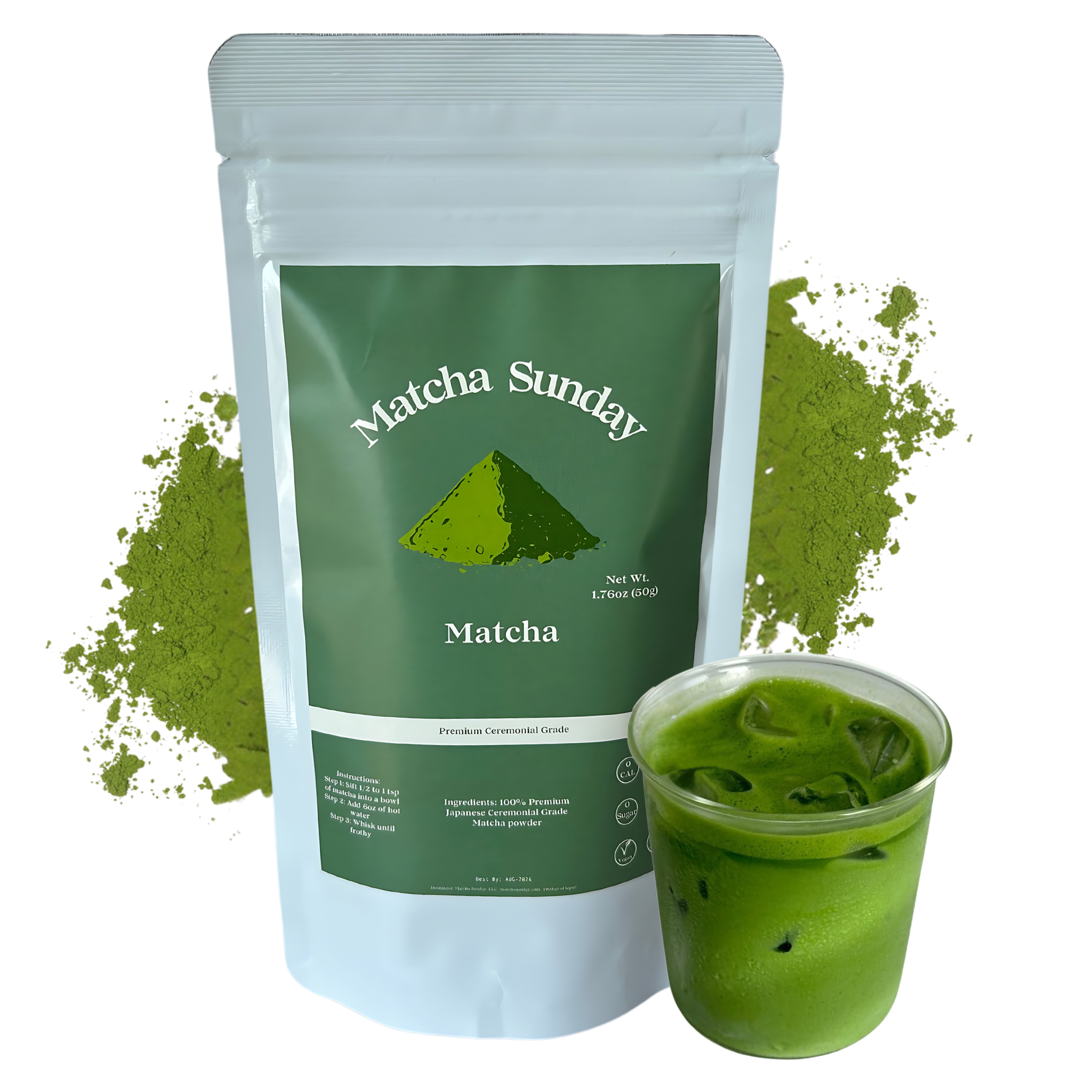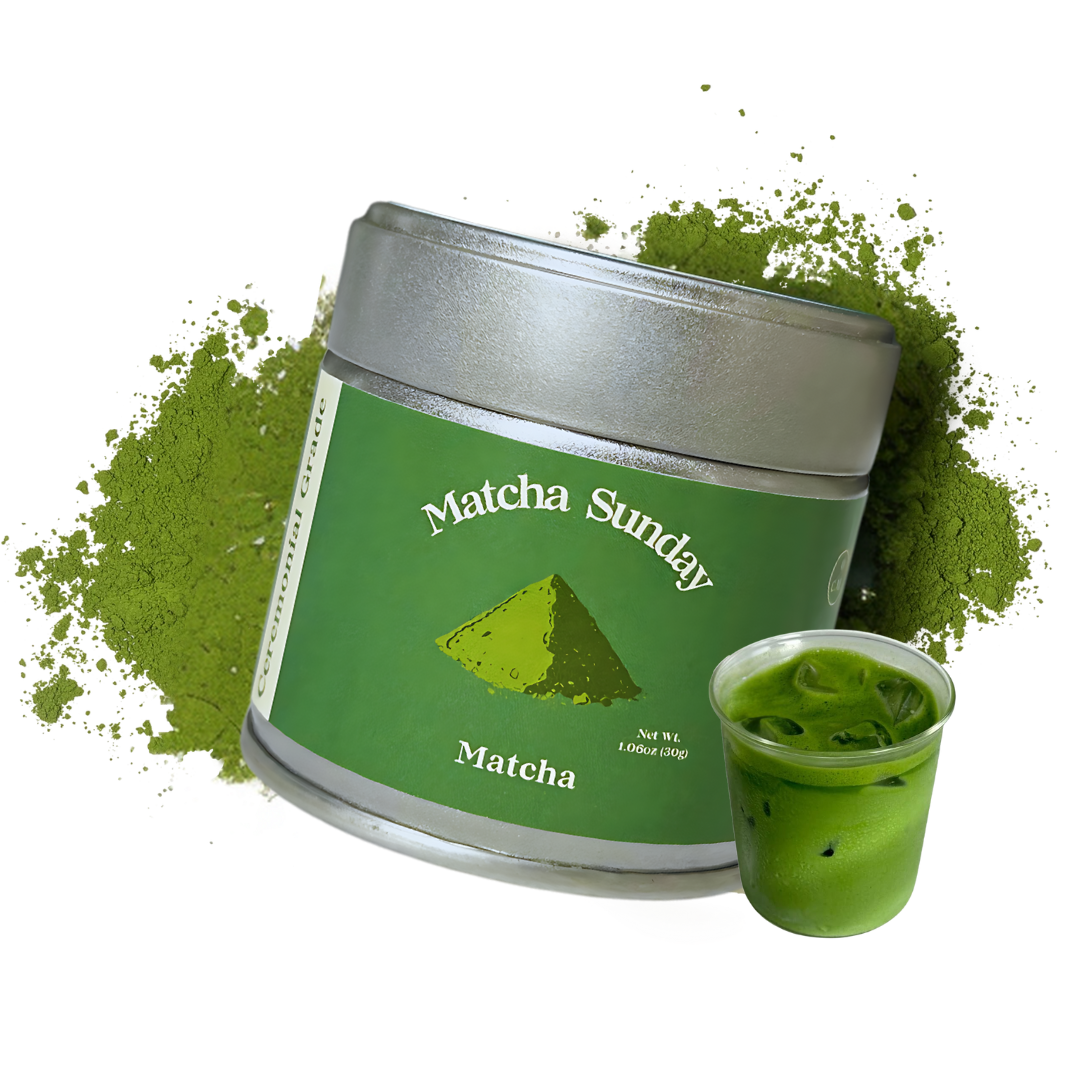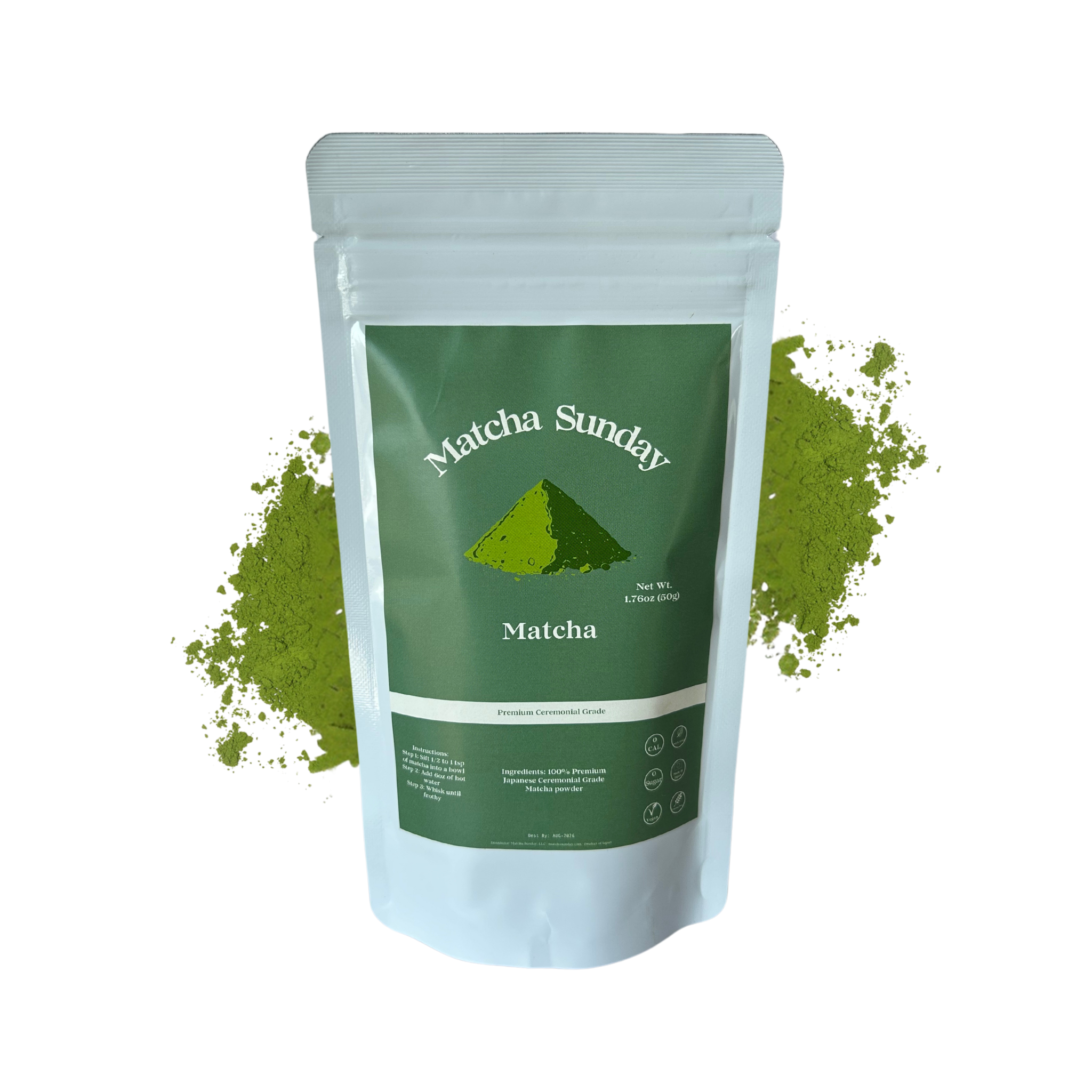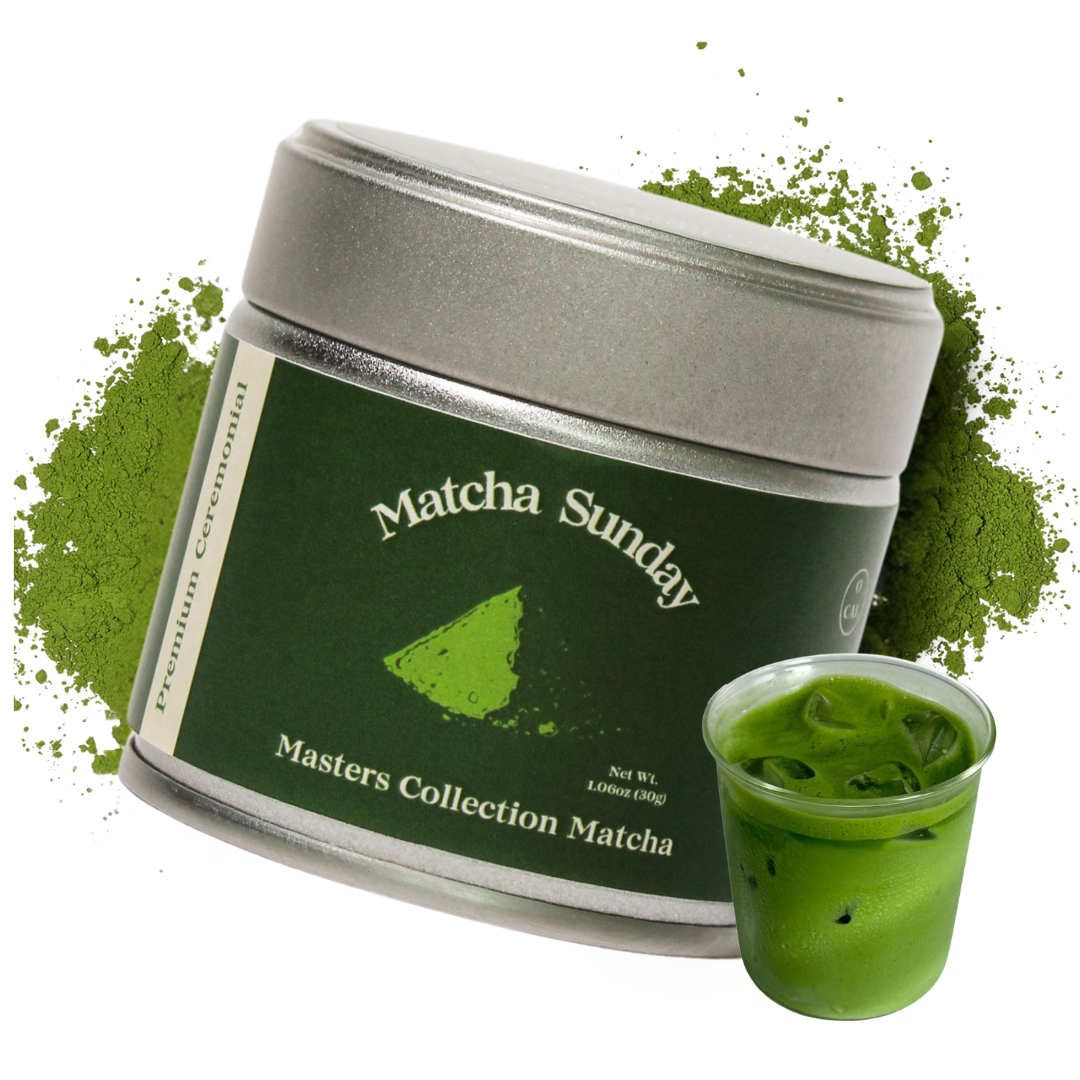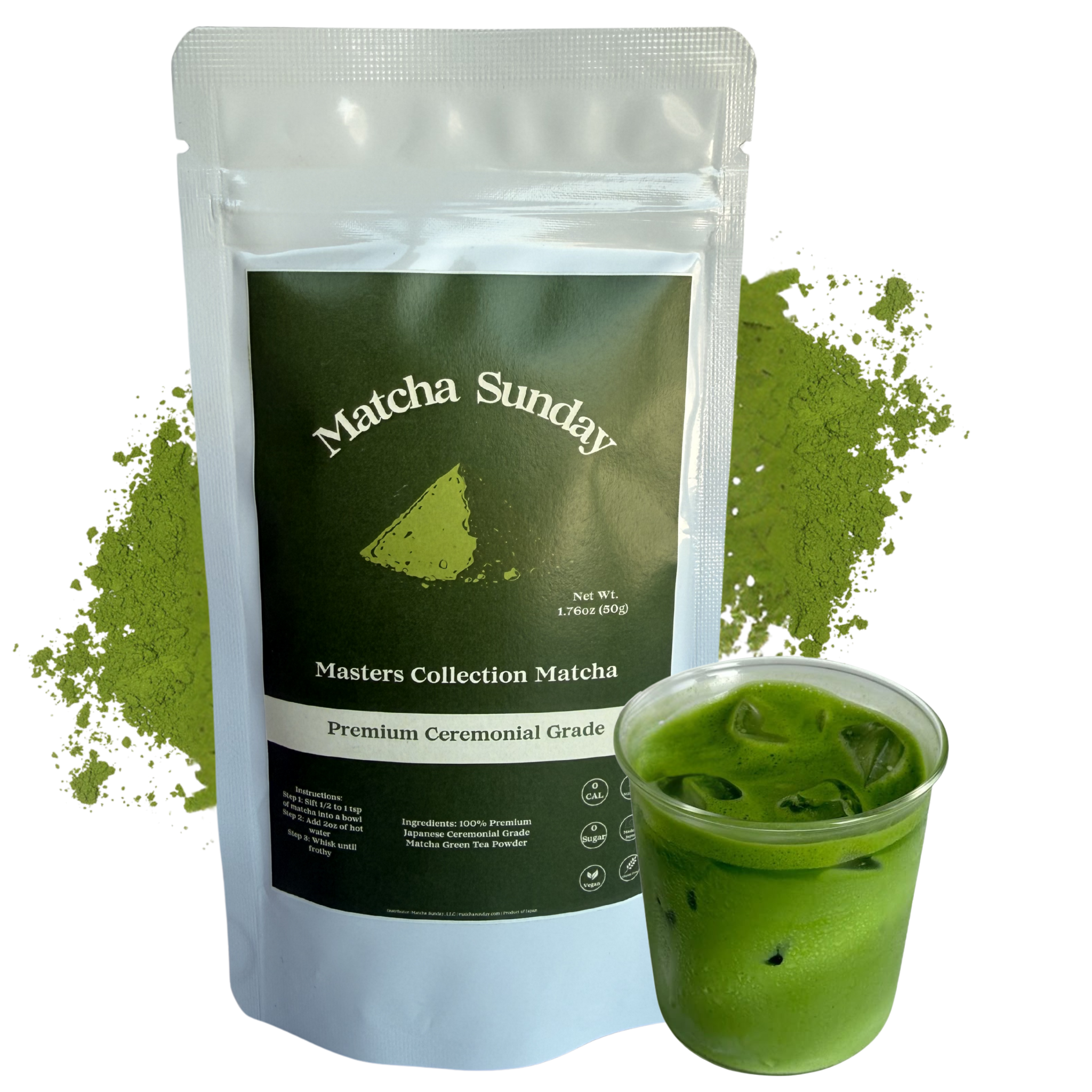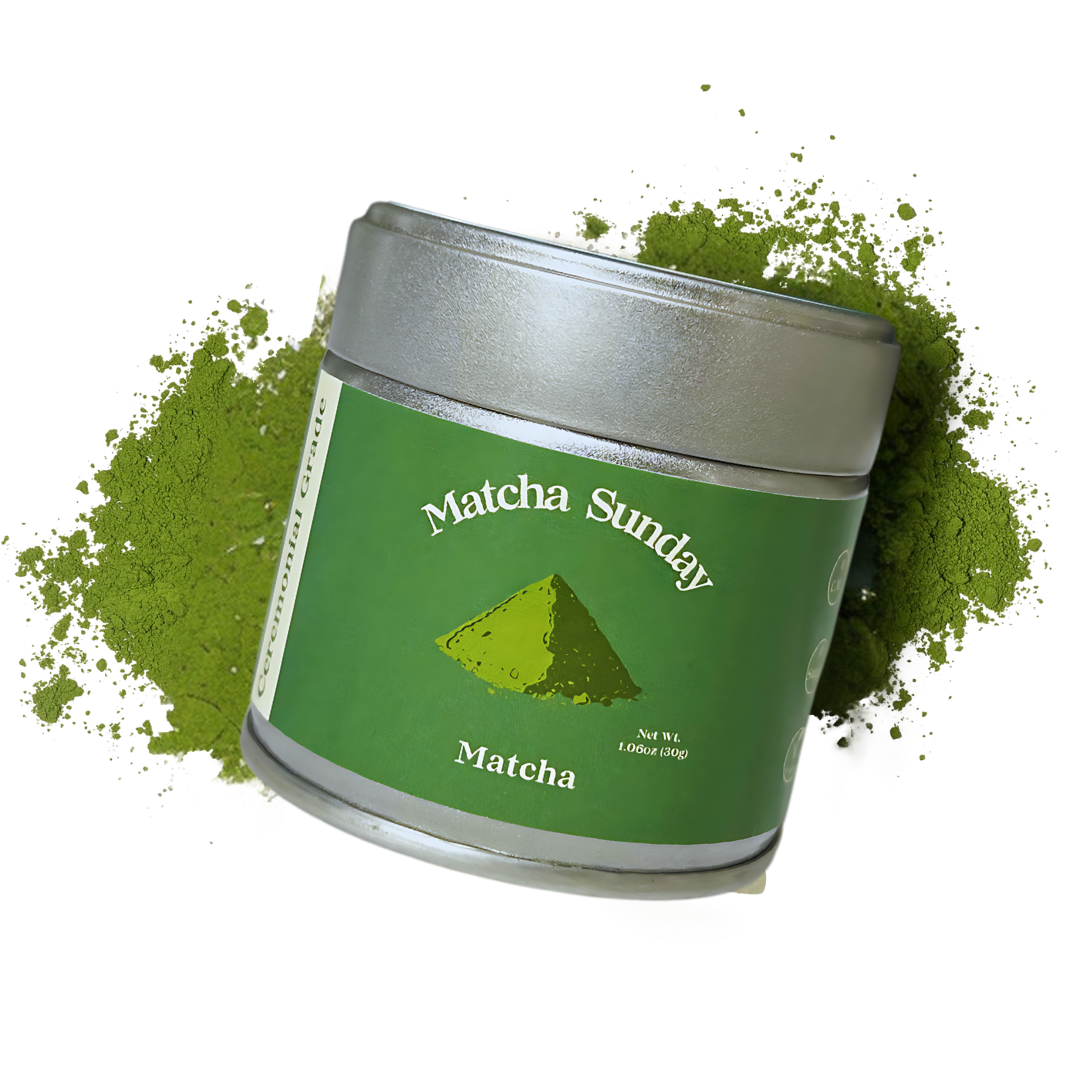
A clinical trial published in Nutritional Neuroscience found that combining caffeine with L theanine improved task switching accuracy and sustained attention beyond what either compound achieved alone, while reducing jitters. Matcha delivers both compounds naturally in every sip, producing what researchers call "alert calm": steady, clear headed concentration that lasts hours without a crash.
Does matcha help you focus and concentrate?
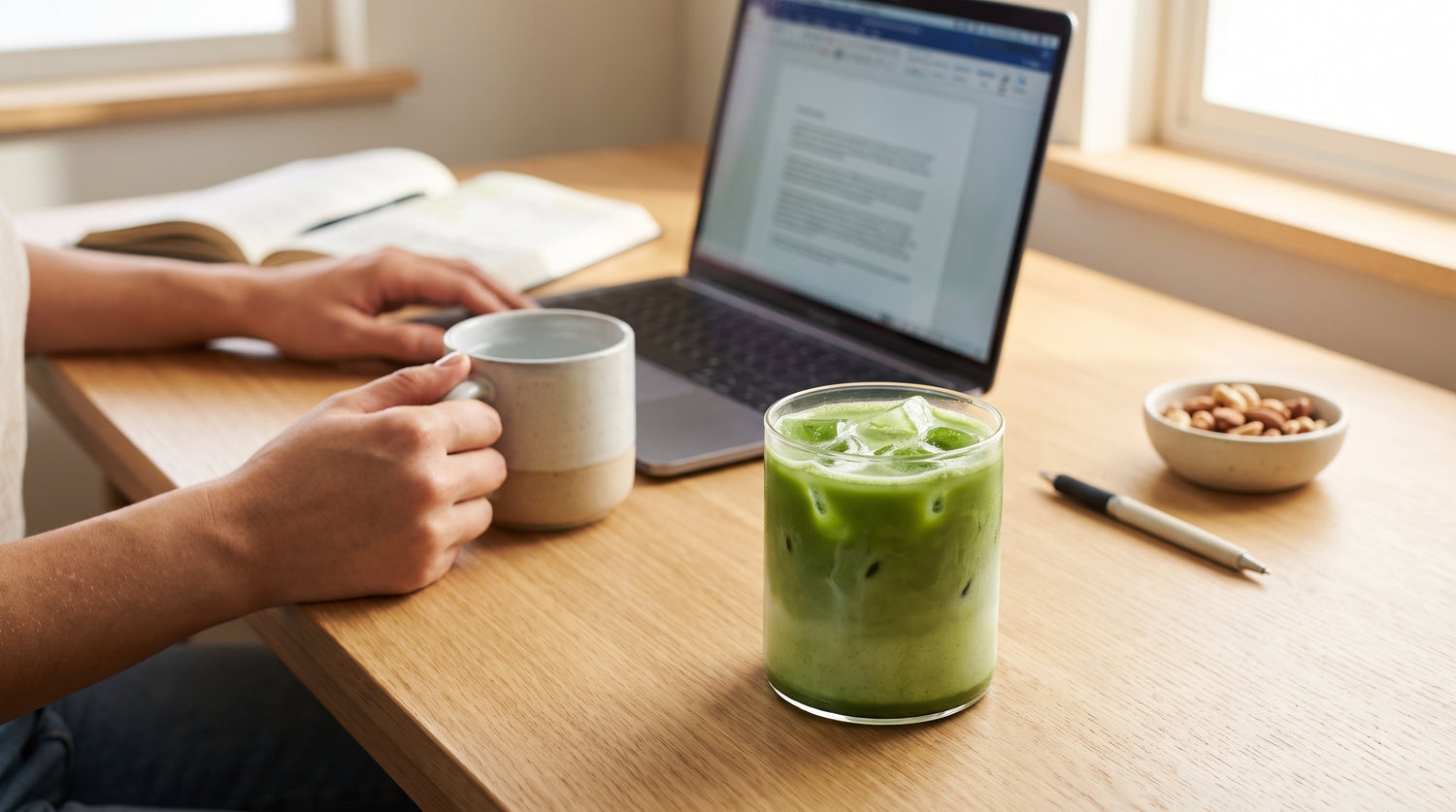
Matcha genuinely improves focus and concentration, and the effect goes well beyond what caffeine alone can do. We drink matcha every morning at Matcha Sunday, and the difference from coffee is something you feel immediately: sharper thinking without the twitchy edge.
The science explains why. Matcha delivers two active compounds at once: caffeine to increase alertness and L theanine to calm your nervous system and quiet mental noise. Together they create a state of relaxed attentiveness where you can think clearly without feeling wired.
Multiple clinical studies have found that the combination of L theanine and caffeine enhances sustained attention, improves task switching accuracy, and reduces mind wandering compared to caffeine alone. Participants across these studies performed cognitive tasks faster and with fewer errors when given both compounds together, with measurably improved reaction times compared to either compound on its own.
What makes matcha different from simply taking a caffeine supplement is that you get both compounds naturally, in every sip, at ratios your body can use immediately. A standard 2 gram serving of matcha provides approximately 40 to 70 mg of caffeine alongside 20 to 40 mg of L theanine. That built in balance is why so many students and remote workers have switched from coffee to matcha as their daily focus drink.
Why does matcha give you calm energy instead of jitters?
Matcha gives you calm energy because L theanine counteracts the anxious, jittery side effects of caffeine while preserving and even enhancing mental sharpness. Coffee delivers caffeine in a fast spike that can trigger your body's stress alarm, flooding you with cortisol and adrenaline. Matcha delivers caffeine alongside a natural relaxant, so you feel awake and sharp without the racing heart or scattered thoughts.
Here is how the two compounds interact in your body:
- Caffeine blocks adenosine receptors in your brain, preventing the "sleepy" signal from landing. This increases alertness, speeds up reaction time, and boosts dopamine activity.
- L theanine promotes alpha brain wave activity, the same relaxed but alert state associated with meditation and mindfulness practice. It also increases GABA, serotonin, and dopamine without sedation.
- Together, L theanine smooths out the caffeine curve. Instead of a sharp spike followed by a crash, you experience a gradual rise, a sustained plateau of focus, and a gentle return to baseline.
We notice this most on packing days, when we are filling orders for hours at a stretch. A morning bowl of matcha carries us through without the midmorning wall that coffee used to create. The caffeine in matcha works differently than coffee because L theanine keeps your attention focused rather than scattered.
Caffeine per Serving
How much matcha should you drink for focus?
One to two servings per day is the sweet spot for sustained focus. A single serving uses about 2 grams of matcha powder (roughly one teaspoon) whisked into 60 to 80 ml of hot water, then topped with more water or milk to taste. That delivers approximately 40 to 70 mg of caffeine and 20 to 40 mg of L theanine.
For most people, one cup in the morning provides up to 4 to 5 hours of calm, focused energy, though your individual response will depend on your caffeine sensitivity and how well you slept. If you need a second wave of concentration in the afternoon, a second serving works well and still keeps your total daily caffeine comfortably within the 400 mg general guidance the FDA considers safe for most healthy adults.
| Timing | Serving | Best for |
|---|---|---|
| Morning (7 to 9 AM) | 1 serving (2 g matcha) | Starting deep work, study sessions, writing |
| Early afternoon (1 to 2 PM) | 1 serving (2 g matcha) | Beating the post lunch slump, afternoon productivity |
| Pre exam or presentation | 1 serving paired with a light snack, 30 minutes before | Reducing test anxiety while sharpening recall and reaction time |
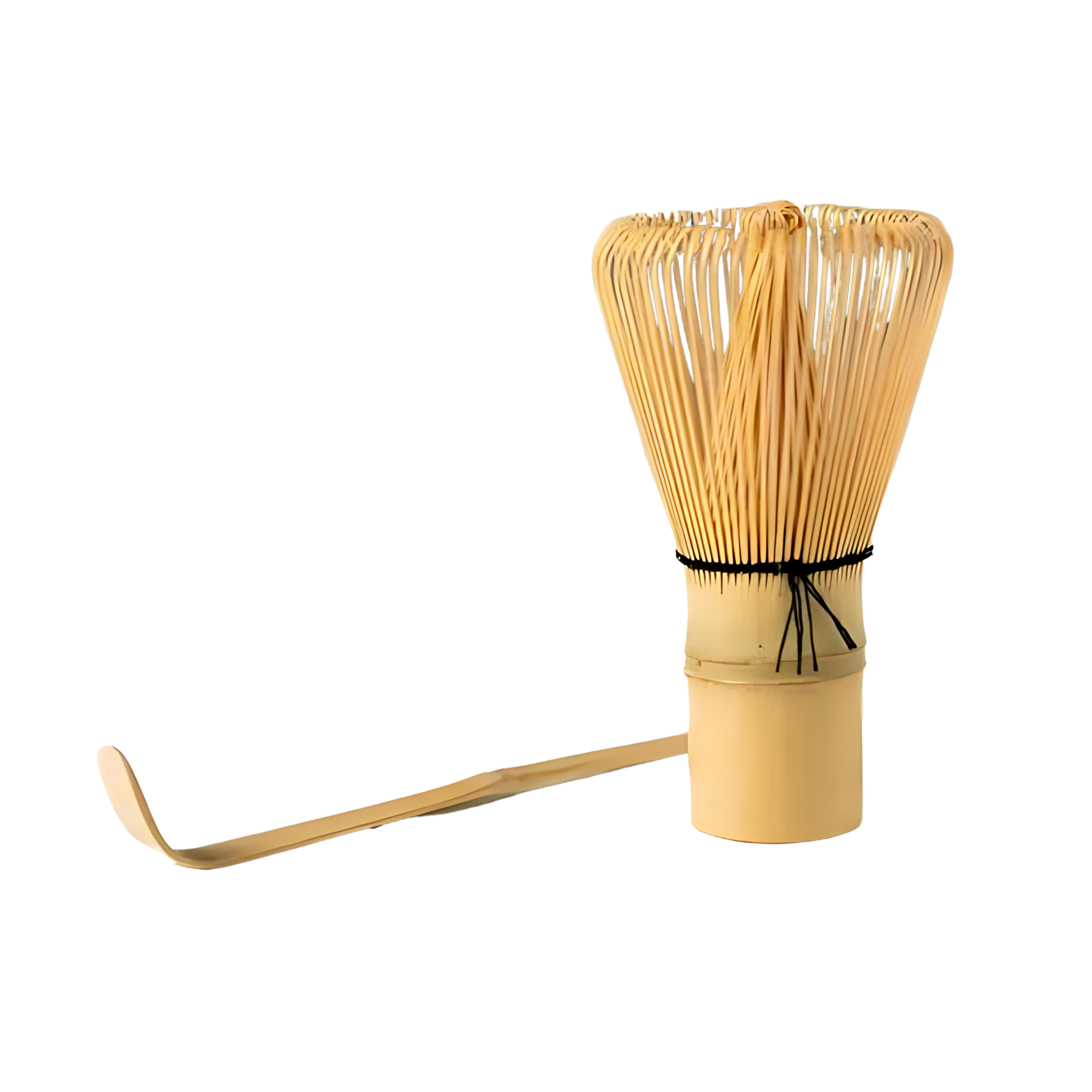
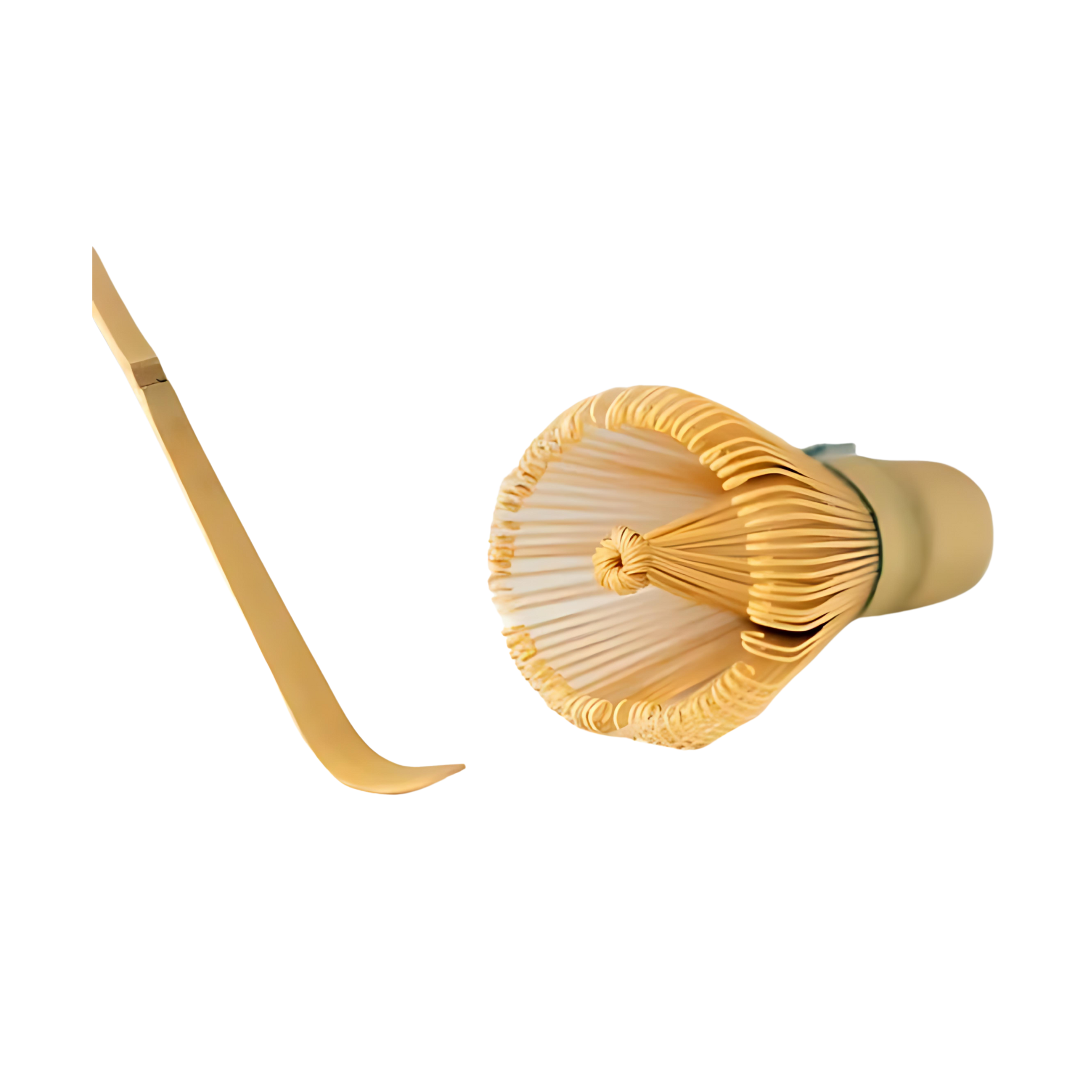
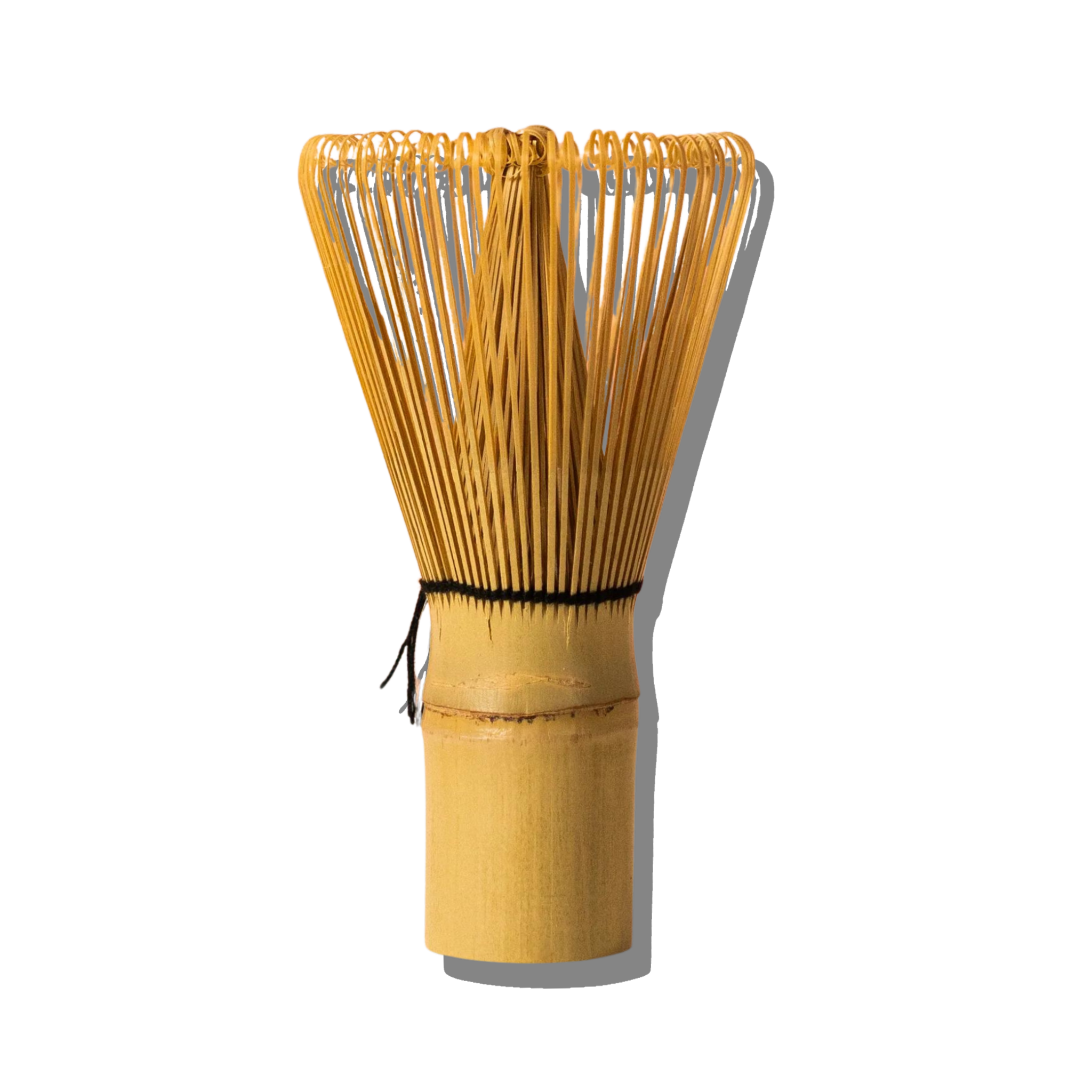
The key to getting the full focus benefit is preparation. Use water at 70 to 80°C (not boiling) and whisk the powder fully so it dissolves completely. When matcha is properly prepared, the L theanine and caffeine release evenly as you drink. For a morning routine built around focus, drink your matcha 20 to 30 minutes before you need to concentrate, giving the compounds time to reach full effect.
Is matcha better than coffee for studying?
For sustained study sessions, matcha is the better choice. Coffee delivers more caffeine per cup (roughly 95 to 200 mg in an 8 oz serving compared to 40 to 70 mg in matcha), but that higher dose often works against you during deep study. The rapid caffeine spike can cause anxiety, restlessness, and a crash that forces you to either redose or lose momentum.
Matcha's advantage for studying comes down to three things:
- Longer focus window. L theanine extends the useful concentration period well beyond what most coffee drinkers experience before needing another cup, giving you one unbroken session instead of a cycle of dosing and crashing.
- Reduced anxiety. Study anxiety is already high during exam season. Coffee amplifies it. Matcha's L theanine actively promotes calm, helping you retain information instead of panicking through flashcards.
- No crash. The gradual decline from matcha means you can transition from studying to sleep more easily, and that matters because sleep consolidates what you just learned.
We covered the full caffeine breakdown in our matcha vs coffee calm energy guide. The table below focuses on the practical differences that matter most during a study session:
| Matcha (2 g serving) | Coffee (8 oz brewed) | |
|---|---|---|
| Onset to peak focus | 20 to 30 minutes | 10 to 15 minutes |
| Typical focus window | 3 to 5 hours for most drinkers | 1 to 3 hours before redosing |
| Cups needed per study day | Usually 1 to 2 | Often 3 to 4 |
| Jitter and anxiety risk | Rare, buffered by L theanine | Common above 200 mg |
| Sleep disruption | Low if consumed before 2 PM | Often disrupts if consumed after noon |
| Crash severity | Gentle decline | Often abrupt |
This does not mean coffee is bad for studying. It means that for the specific task of sitting down, absorbing complex material, and maintaining concentration across a long session, the difference between matcha and coffee comes down to chemistry. Matcha's profile is simply better suited to deep work. We still love a good pour over, but when we need to lock in for hours, we reach for matcha every time.
What is L theanine and how does it affect your brain?
L theanine is an amino acid found almost exclusively in tea plants (Camellia sinensis). It crosses the blood brain barrier and directly influences neurotransmitter activity. Among all teas, matcha contains the highest concentration of L theanine because of how the plants are grown before harvest.
About three to four weeks before picking, matcha tea plants are covered with shade structures that block roughly 90% of direct sunlight. Without sunlight, the leaves cannot convert L theanine into catechins through photosynthesis, so the amino acid accumulates in the leaf. When that whole leaf is stone ground into powder, you consume all of that stored L theanine rather than just what steeps out of a tea bag.
Here is what L theanine does once it reaches your brain:
- Increases alpha wave activity. Alpha waves are associated with a relaxed, alert mental state, the same brain pattern you experience during meditation, creative flow, or calm problem solving.
- Boosts GABA, serotonin, and dopamine. These neurotransmitters regulate mood, motivation, and attention. Higher levels support both emotional stability and cognitive performance.
- Reduces cortisol response to stress. L theanine helps lower the stress hormone cortisol, keeping your body calmer under pressure, whether that pressure is an exam, a deadline, or a packed inbox.
- Enhances caffeine without amplifying side effects. Research shows L theanine combined with caffeine improves attention more than caffeine alone, while simultaneously reducing the anxiety and jitters caffeine can cause.
This is why matcha produces a qualitatively different experience than coffee, energy drinks, or even regular green tea. The L theanine content in matcha is roughly three to five times higher than in a typical cup of steeped green tea, which makes matcha uniquely effective as a natural energy and focus support.
Does matcha quality and grade affect focus benefits?
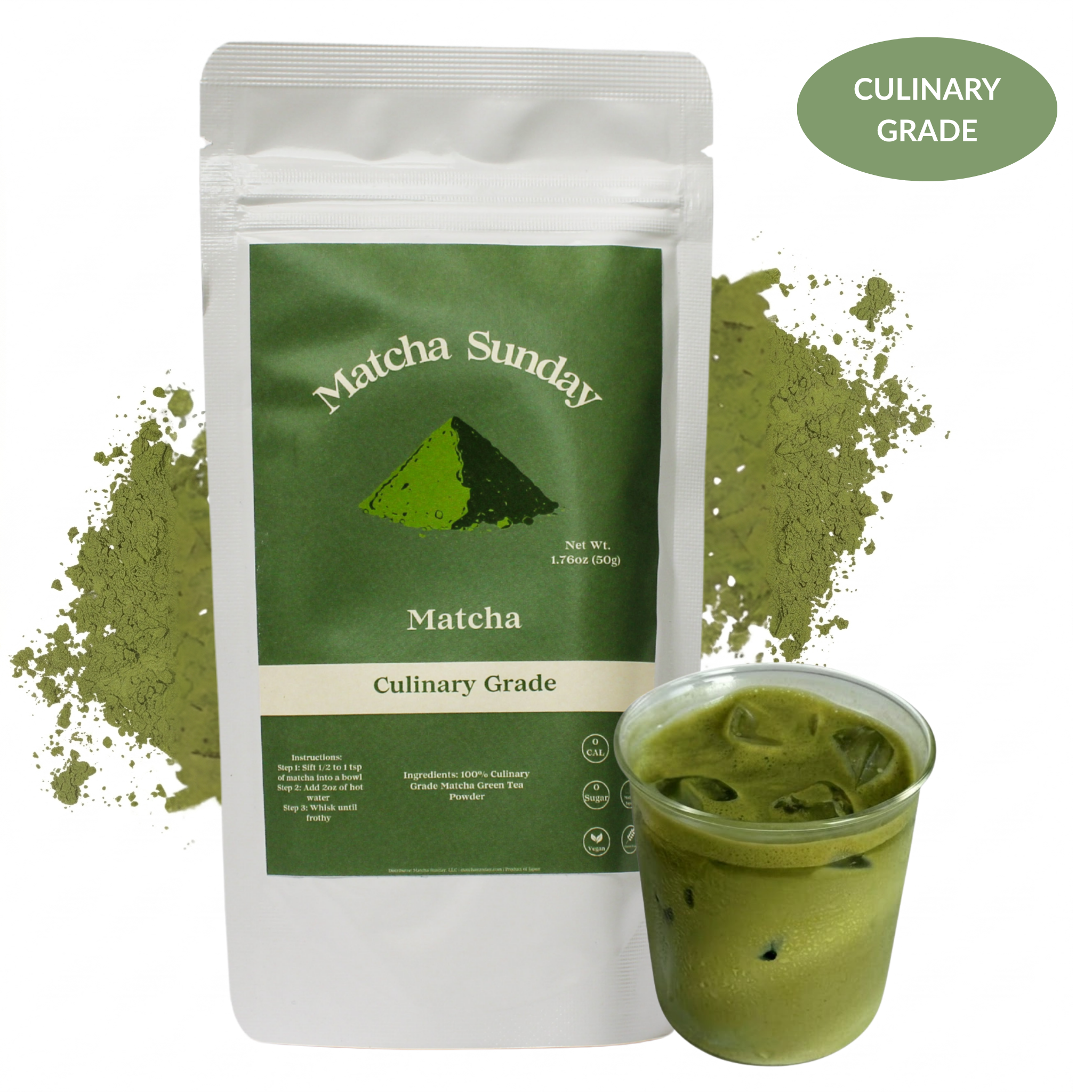
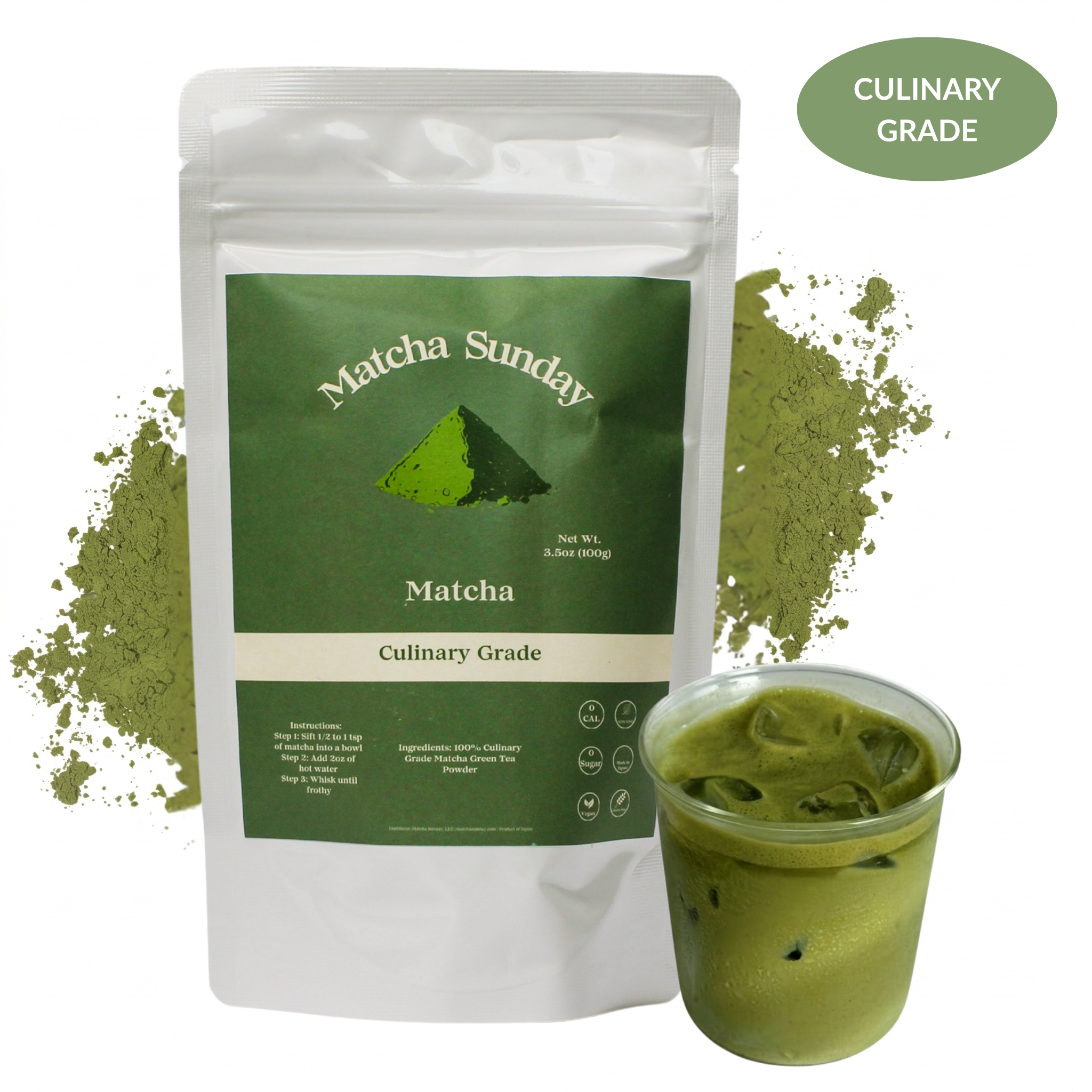
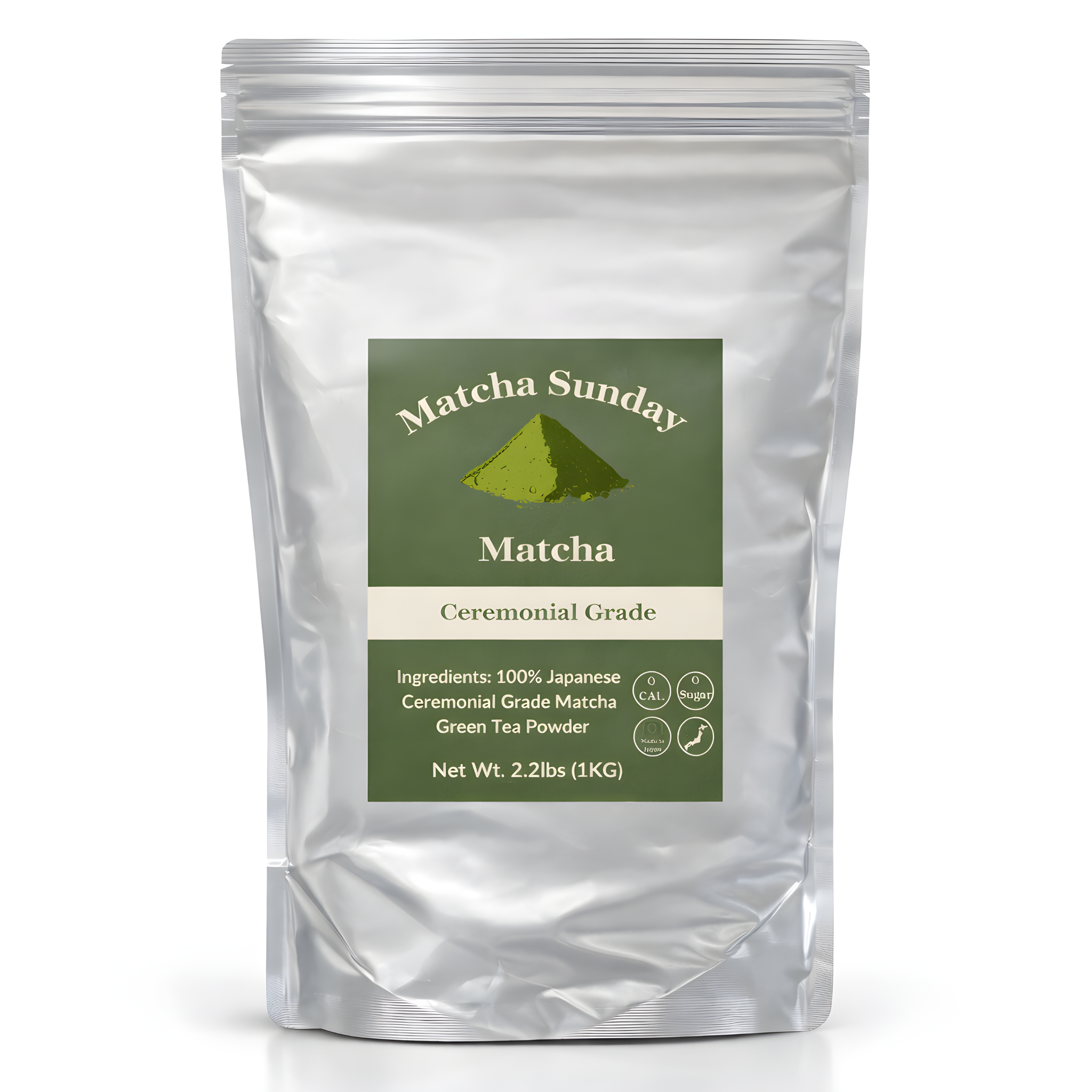
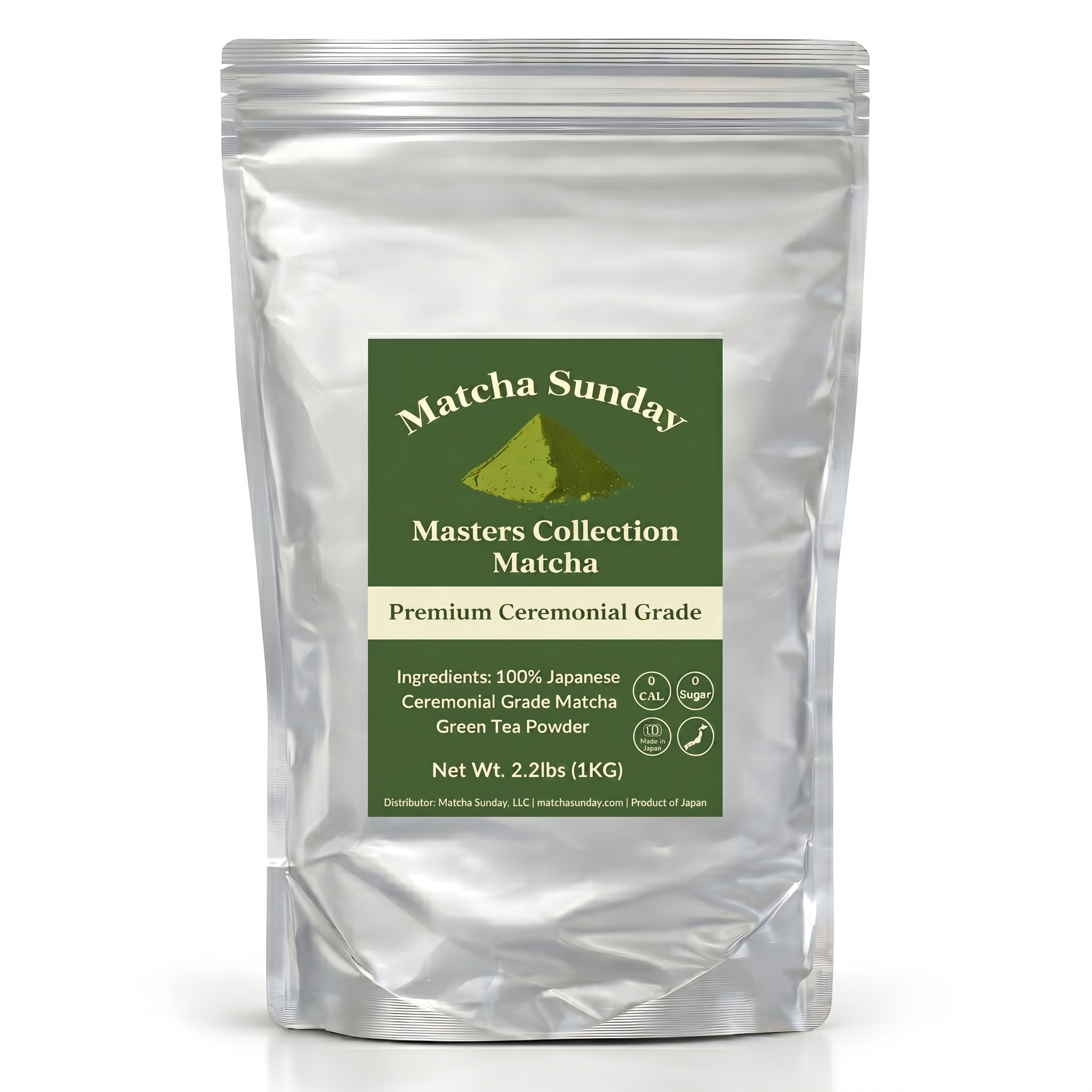
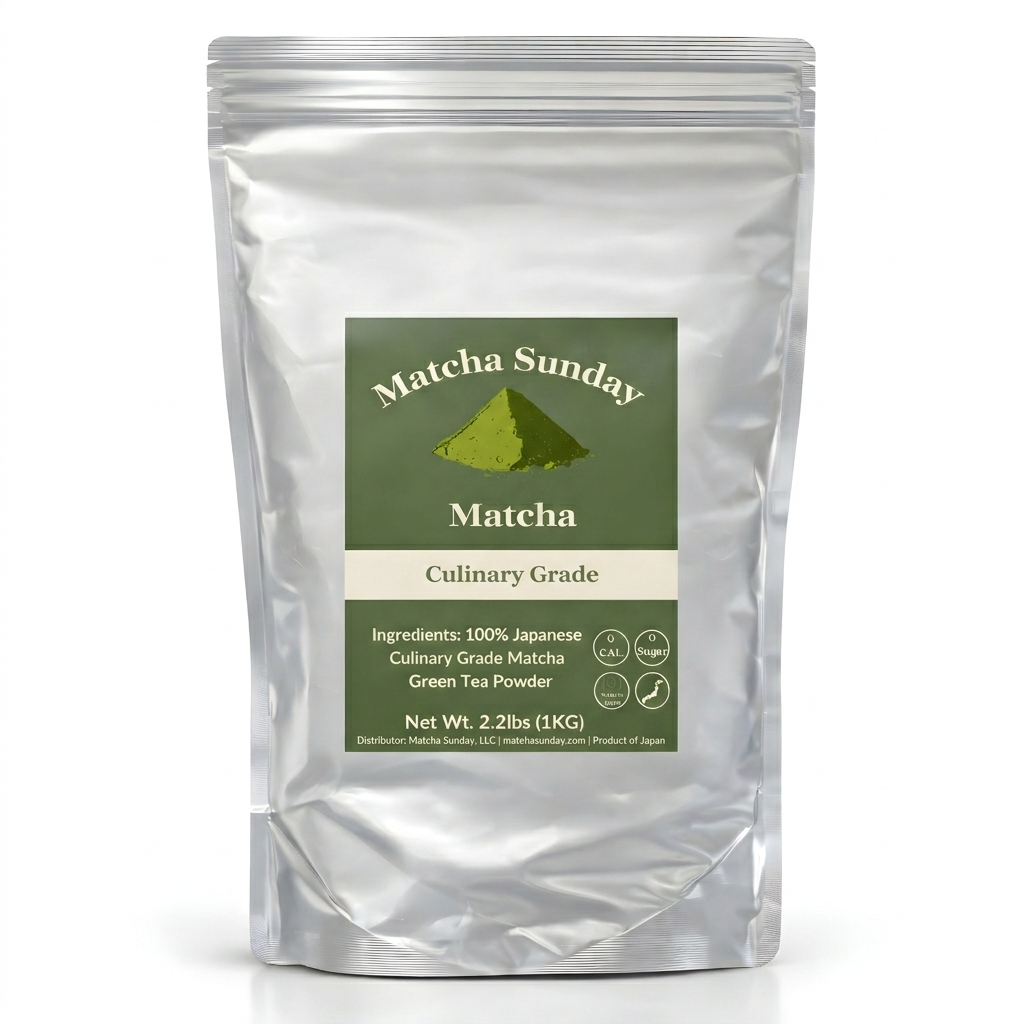
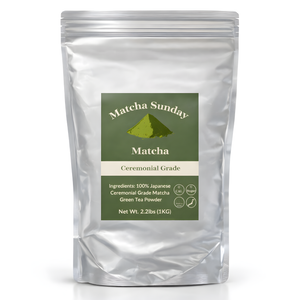
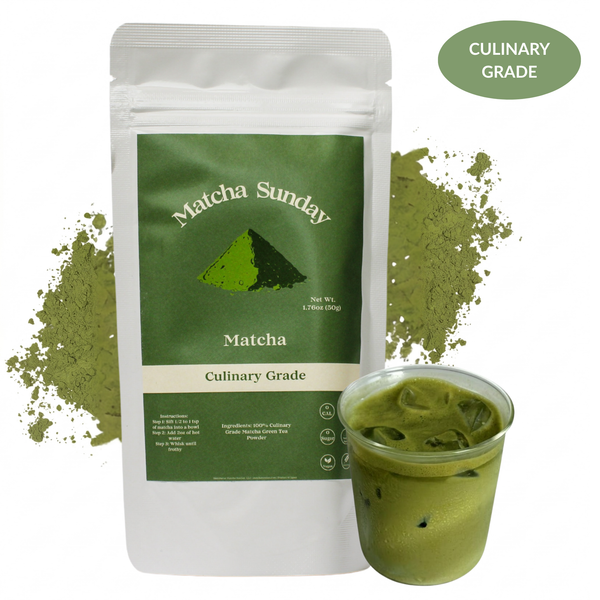
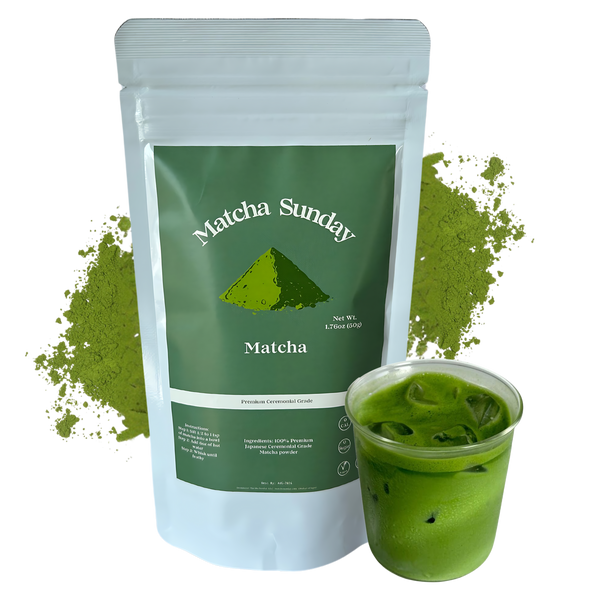
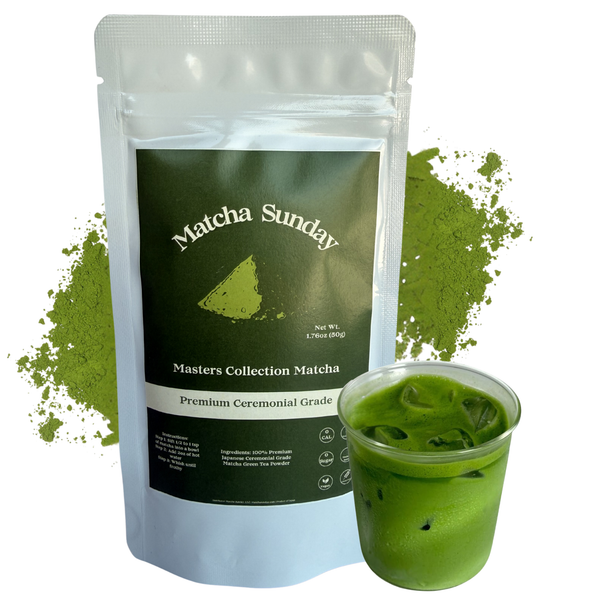
Yes, and it matters more than most people realize. Matcha comes in two main grades: ceremonial and culinary. Ceremonial grade is made from the youngest, most carefully shade grown leaves from Japan, which means it contains the highest concentration of L theanine. Culinary grade still contains both caffeine and L theanine, but at lower levels because the leaves are typically older and receive less shading time.
If you are drinking matcha specifically for focus, ceremonial grade delivers a noticeably stronger effect. The difference is not subtle. We have tested this side by side dozens of times while working through our own product sourcing, and a bowl of high quality ceremonial matcha produces a longer, cleaner wave of concentration than culinary grade prepared the same way. Culinary grade is excellent for baking, smoothies, and lattes where other flavors share the stage, but for a pure focus ritual, ceremonial grade is worth it.
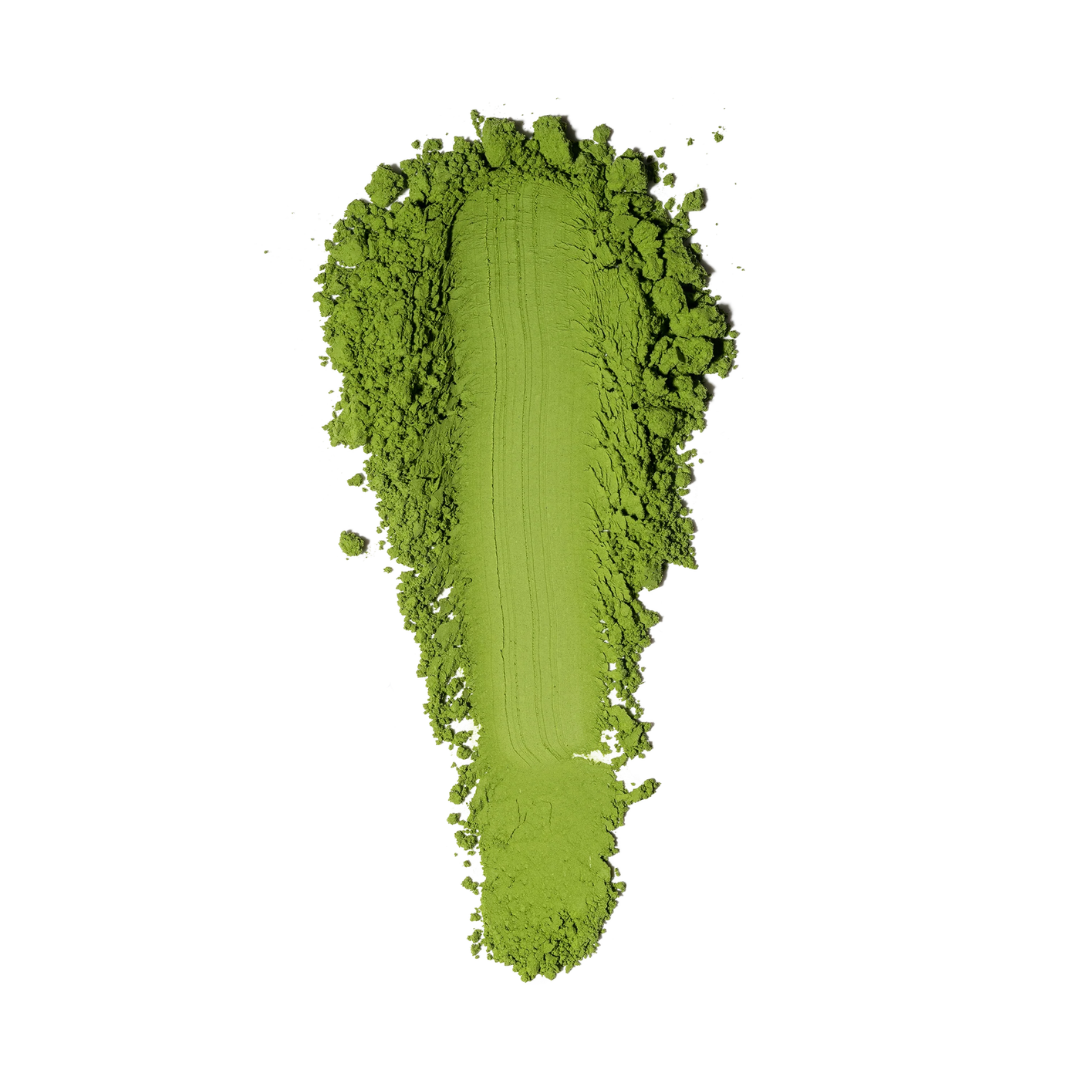
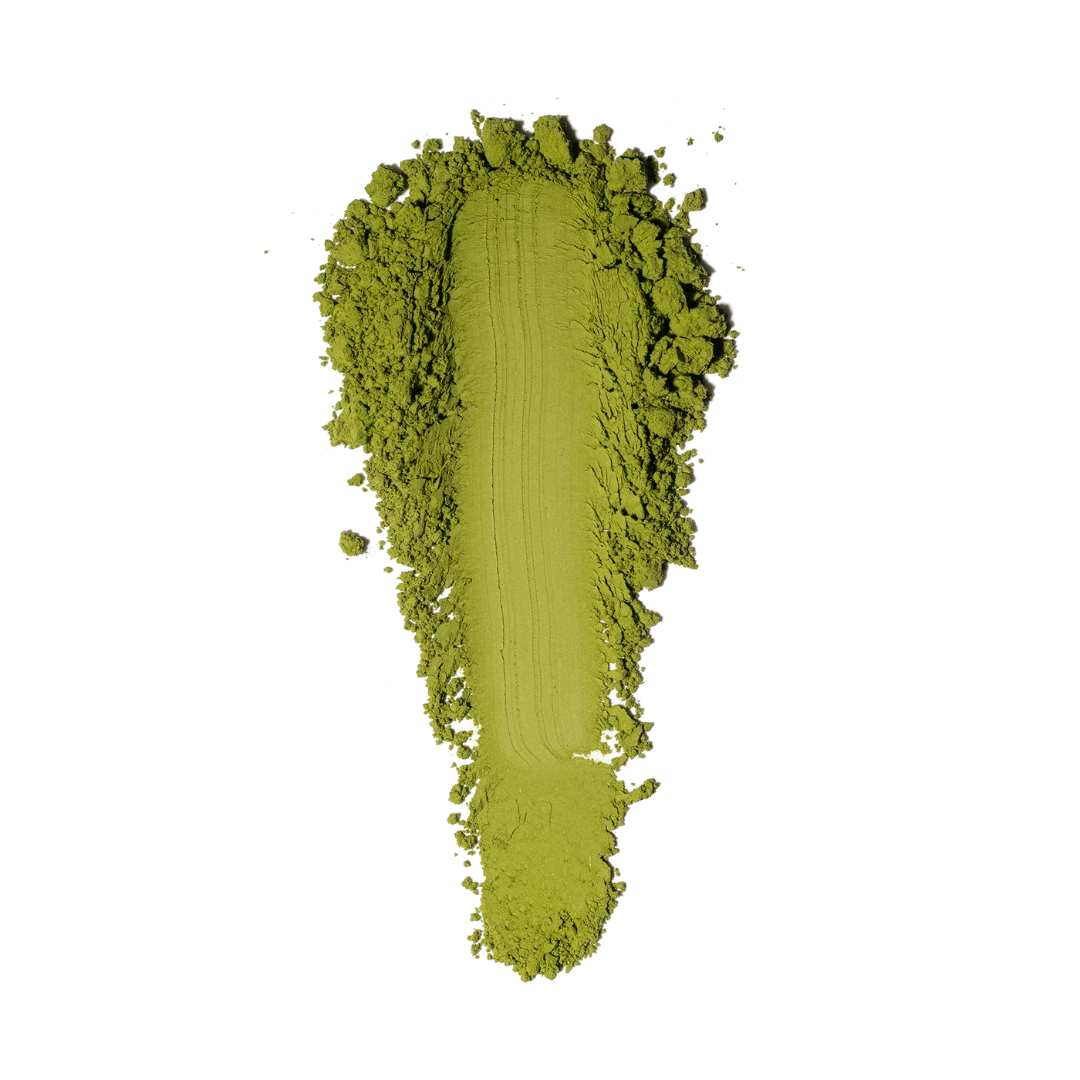
The origin and processing also matter. Matcha from Japan, where the shading and stone grinding traditions have been refined over centuries, consistently tests higher in L theanine than matcha produced elsewhere. When buying matcha for focus, look for a vibrant green color (indicating proper shading), a smooth rather than bitter taste, and a fine, silky texture that whisks into a frothy bowl without clumps.
Start your matcha ritual
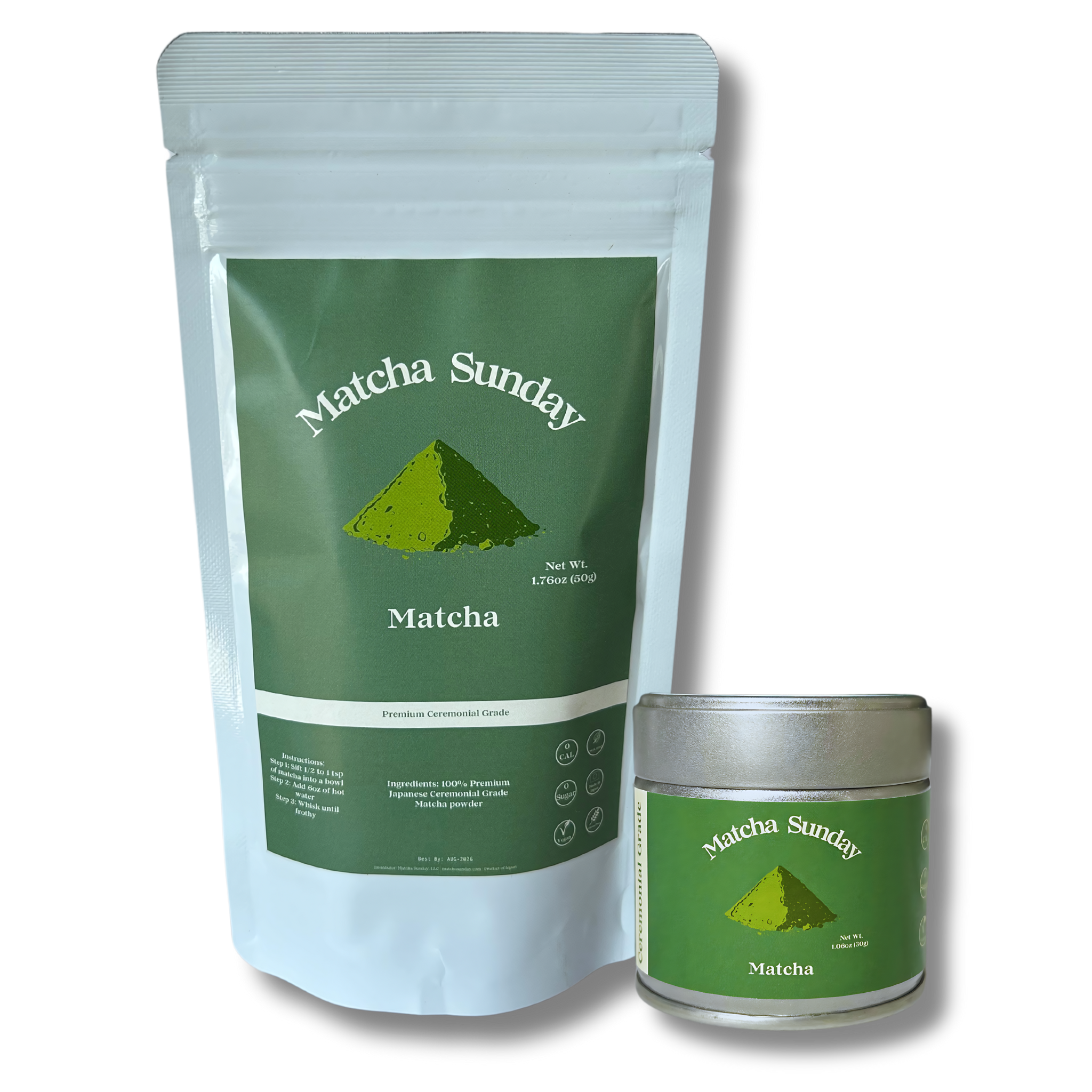
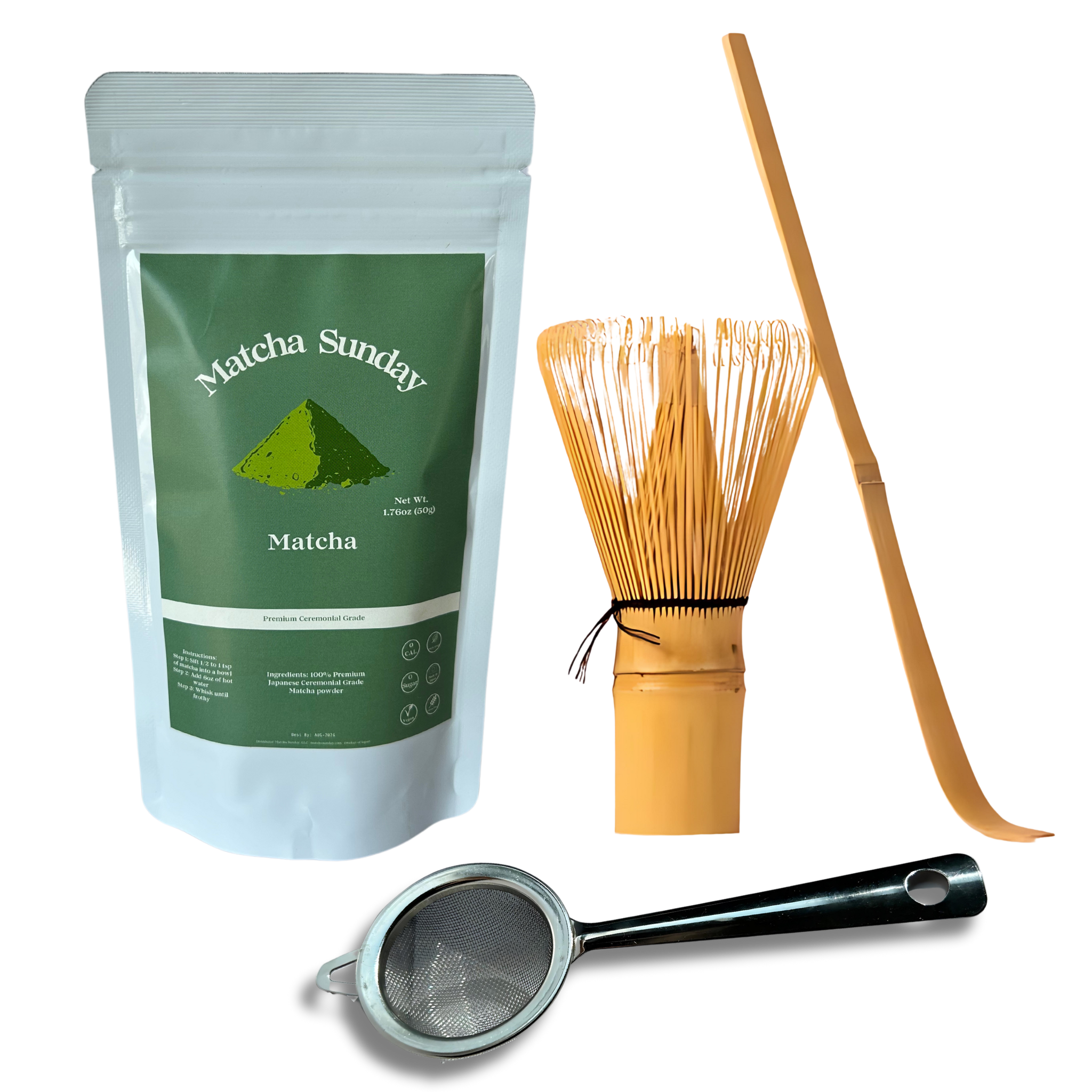
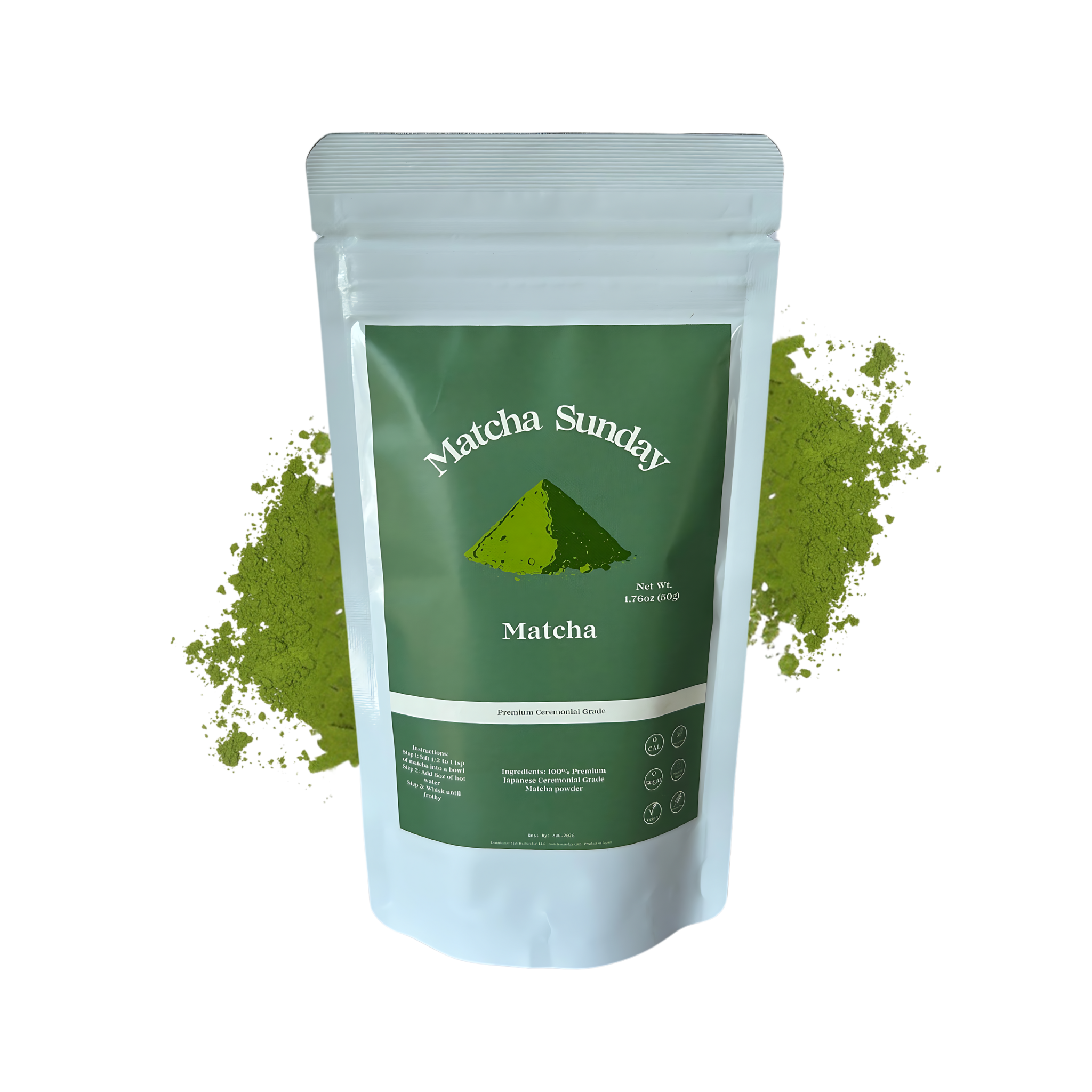
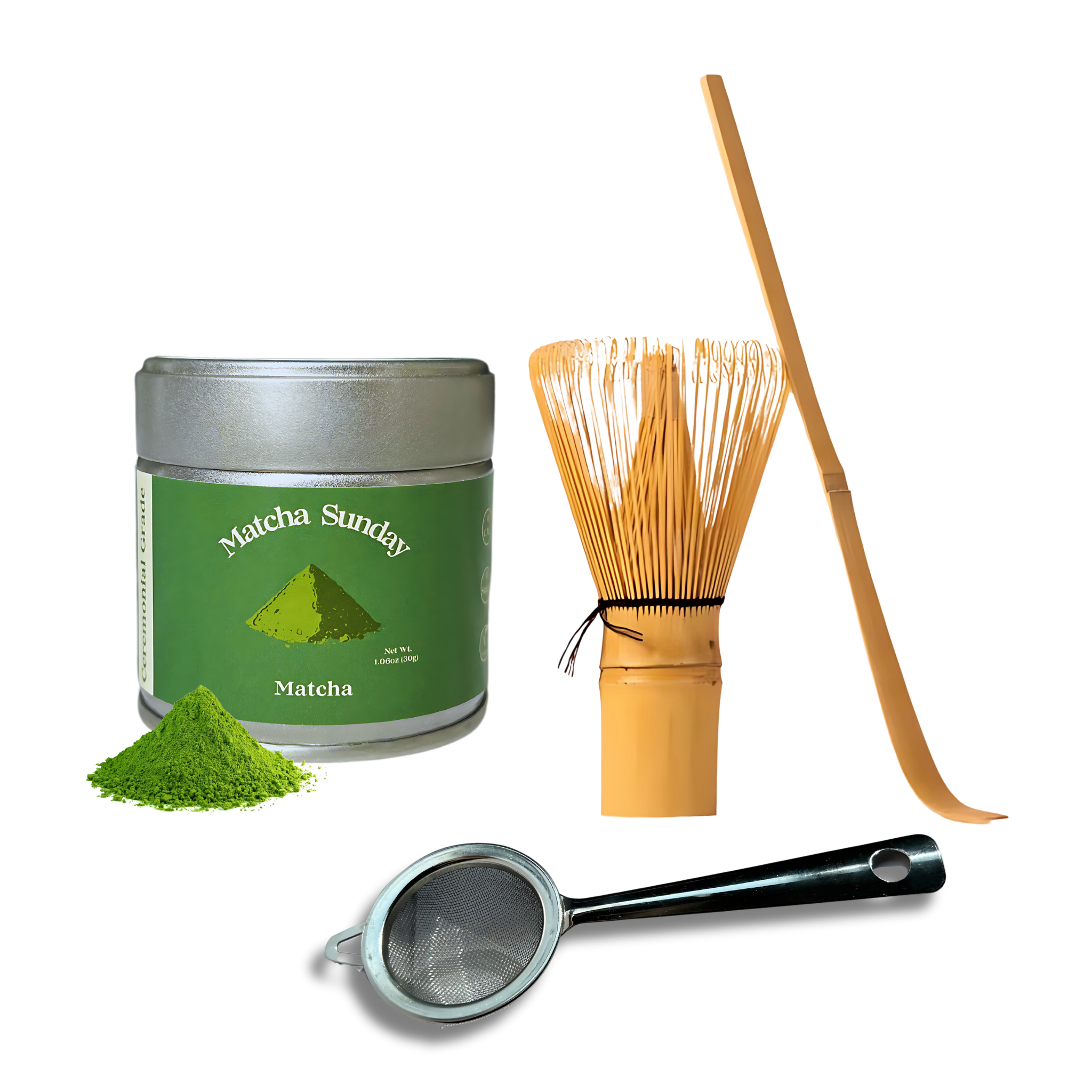
All 100% matcha from Japan. Pick the one that fits how you like to drink it.
Frequently asked questions
How long does matcha focus last?
Most drinkers report a smooth, sustained window of concentration lasting two to five hours per serving, though individual results vary with caffeine tolerance and sleep quality. L theanine extends the useful plateau of alertness and prevents the sharp crash that sends coffee drinkers back to the pot. Most people notice peak mental clarity about 30 minutes after drinking and a gentle return to baseline by mid afternoon.
Can matcha replace Adderall for focus?
No. Matcha is a food, not a medication, and it does not work the same way as prescription stimulants like Adderall. While the caffeine and L theanine in matcha can support general focus and attention, they are not comparable in strength or mechanism to medications prescribed for ADHD or other attention disorders. If you are currently taking a prescription for focus, talk to your doctor before making any changes. Matcha can be a helpful complement to your routine, but it is not a substitute for medical treatment.
Can I drink matcha before an exam?
Absolutely. Drinking matcha 20 to 30 minutes before an exam is a smart strategy. The combination of caffeine and L theanine sharpens attention and reduces test anxiety at the same time. Unlike coffee, matcha is unlikely to cause jitters or stomach distress during your test, making it a practical choice for exam day.
Does matcha help with ADHD focus?
Early research suggests the L theanine and caffeine combination may support sustained attention and inhibitory control, which are relevant to ADHD. However, matcha is not a treatment for ADHD. If you have ADHD, talk to your healthcare provider before using matcha as a focus tool, and consider it a complement to your existing plan rather than a replacement.
Is matcha better than green tea for focus?
Yes. Because you consume the entire ground leaf, matcha delivers roughly three to five times more L theanine per serving than steeped green tea. A cup of regular green tea contains about 5 to 10 mg of L theanine, while a serving of matcha provides 20 to 40 mg. That higher dose is what creates the noticeable calm focus effect that regular green tea cannot match.
Will matcha keep me awake at night?
Matcha contains caffeine, so drinking it late in the day can interfere with sleep. Most people do well with matcha in the morning or early afternoon and should avoid it within six to eight hours of bedtime. Because matcha has less caffeine than coffee, it is generally easier to time around your sleep schedule.