
Why Is Matcha So Popular Right Now? The Forces Behind the Biggest Drink Trend of the Decade
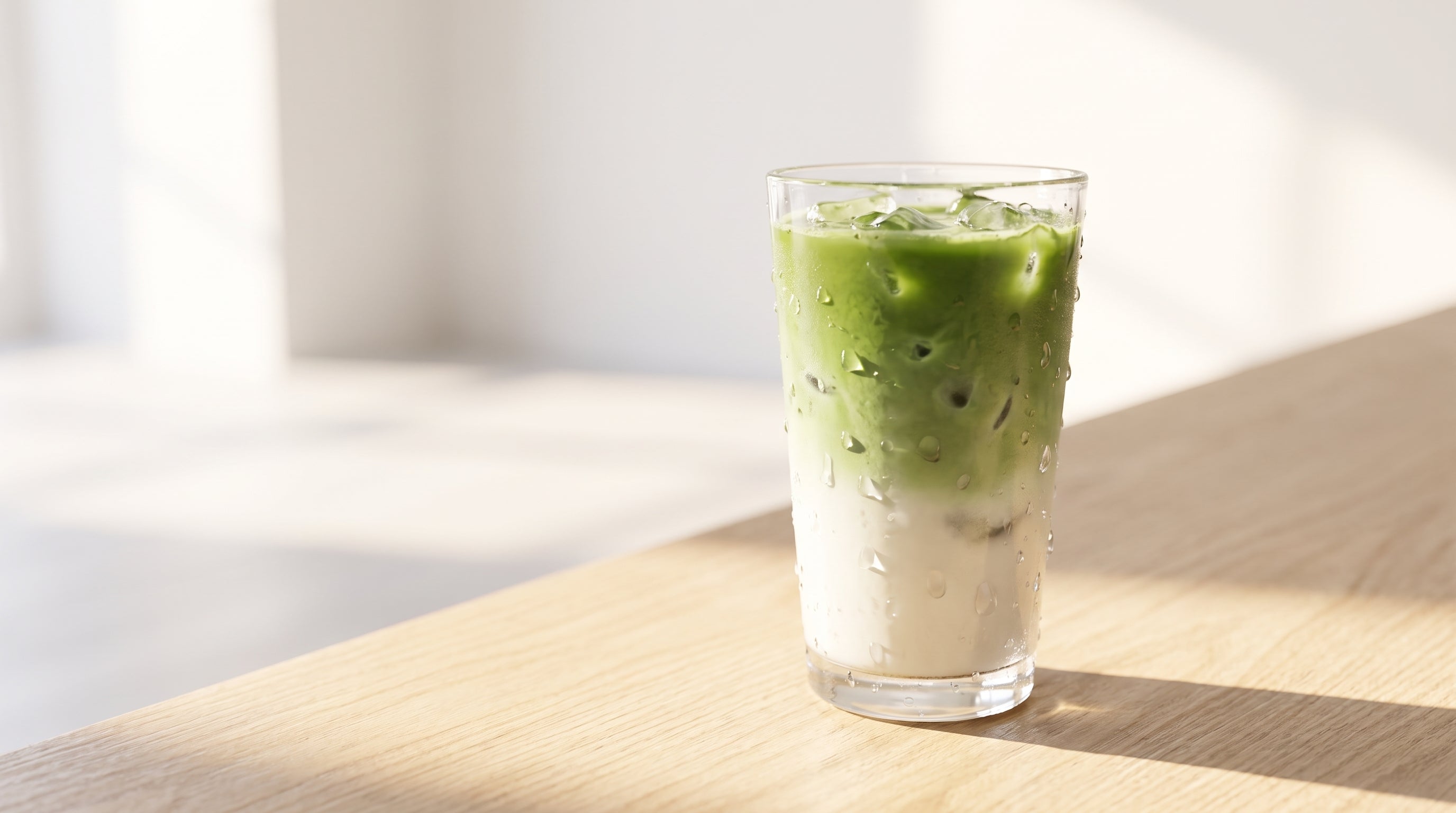
Matcha is popular right now because five forces converged at once: social media virality, Gen Z choosing wellness over coffee culture, cafe menu expansion across every major chain, a real supply sh...
When Is Matcha Harvest Season? Why First Harvest Matcha Tastes Better
Matcha harvest season in Japan begins in late April and peaks in May, when farms pick the first tender leaves of spring. This first harvest, called ichibancha, yields the sweetest, greenest, most u...
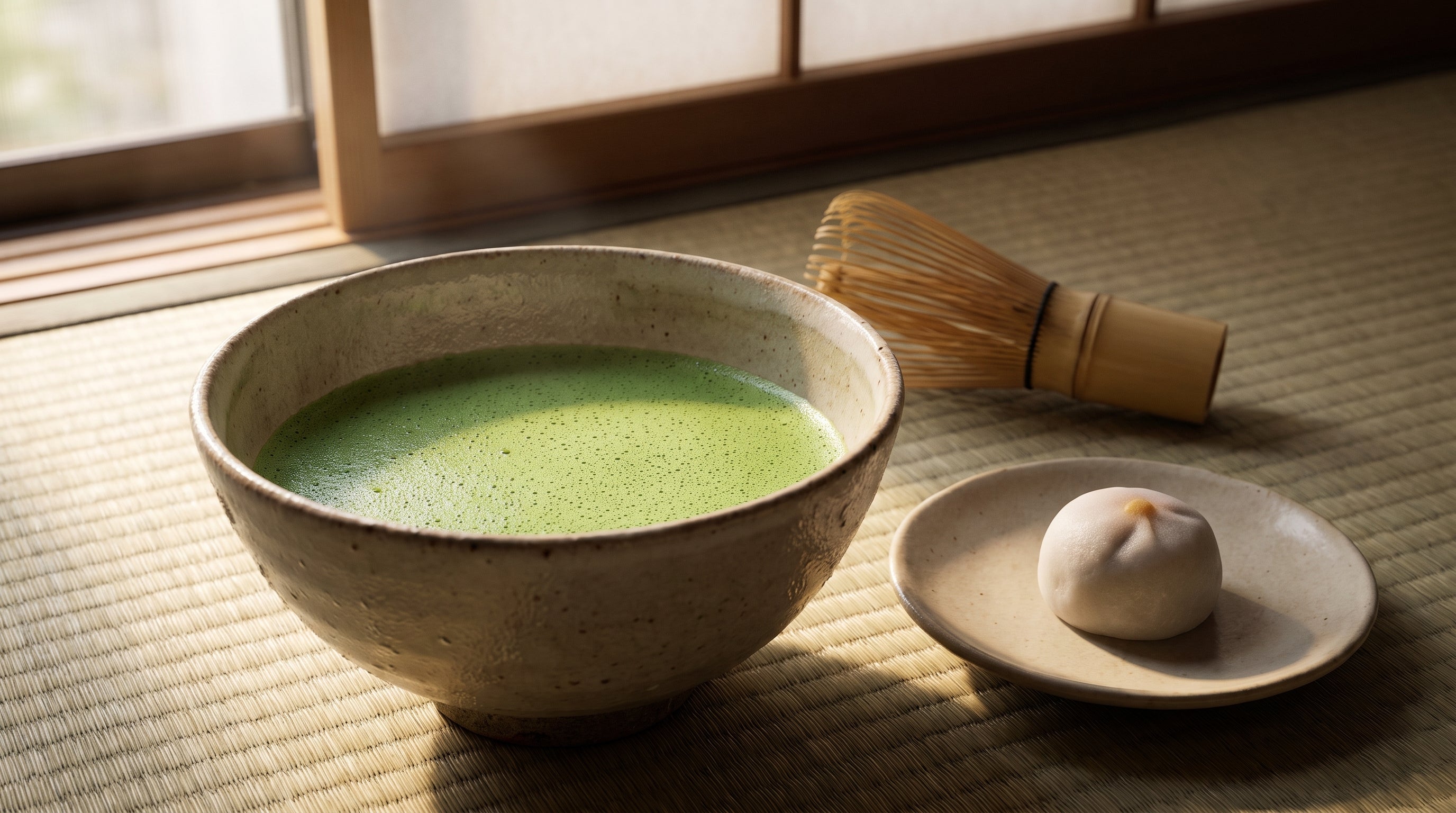
What Happens in a Japanese Tea Ceremony: A Simple Guide for Matcha Lovers
A Japanese tea ceremony is a choreographed gathering where a host prepares matcha for guests through a precise sequence: arrival, purification, sweets, whisked tea, and appreciation of the utensils...
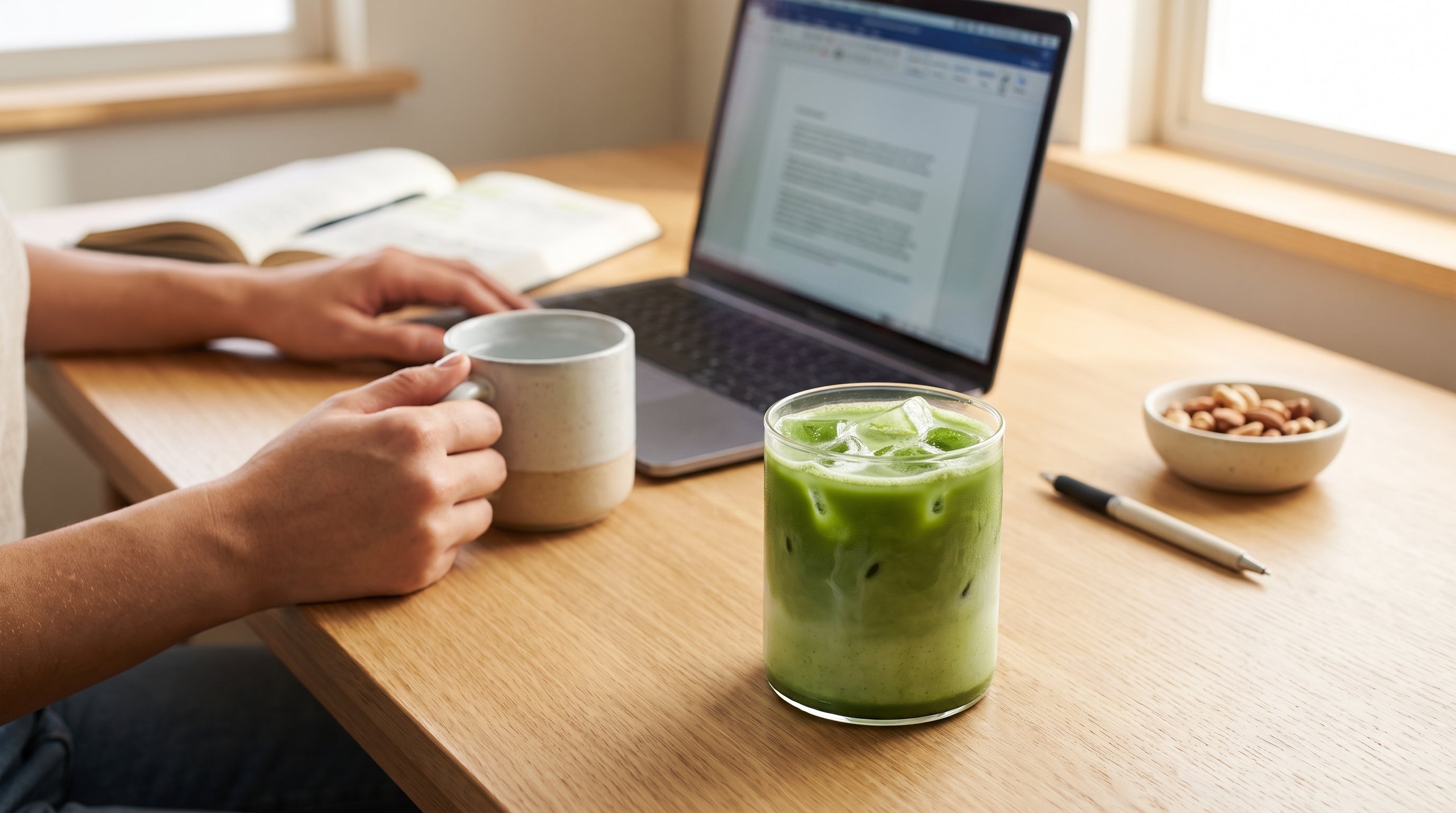
Does Matcha Help You Focus? The Science Behind Calm, Lasting Concentration
Matcha delivers caffeine and L theanine together, creating hours of calm, focused energy without the jitters or crash of coffee. Learn the science, ideal dosing, and how to use matcha for studying,...
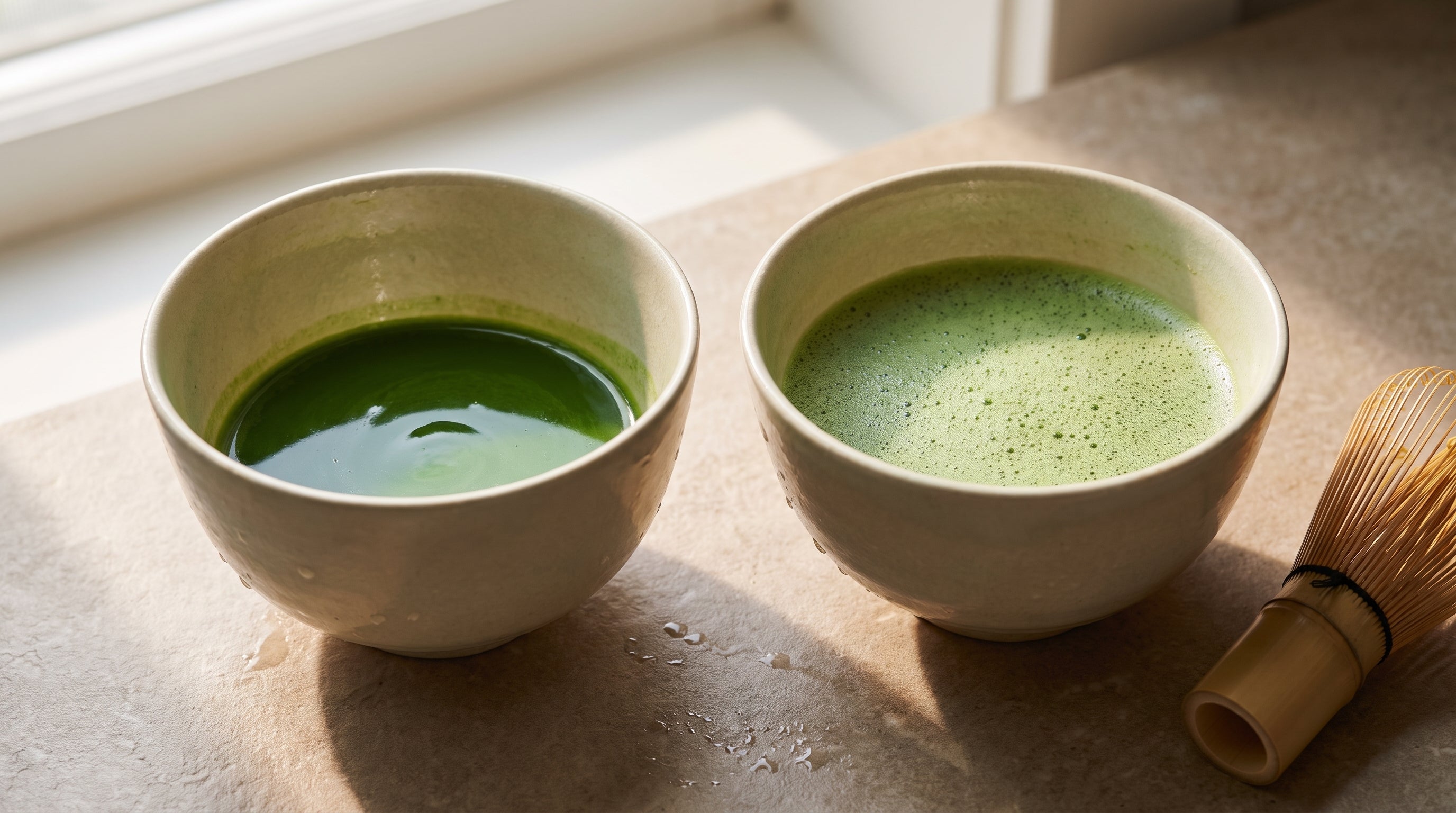
Koicha vs Usucha: The Two Ways to Whisk Matcha and When to Use Each
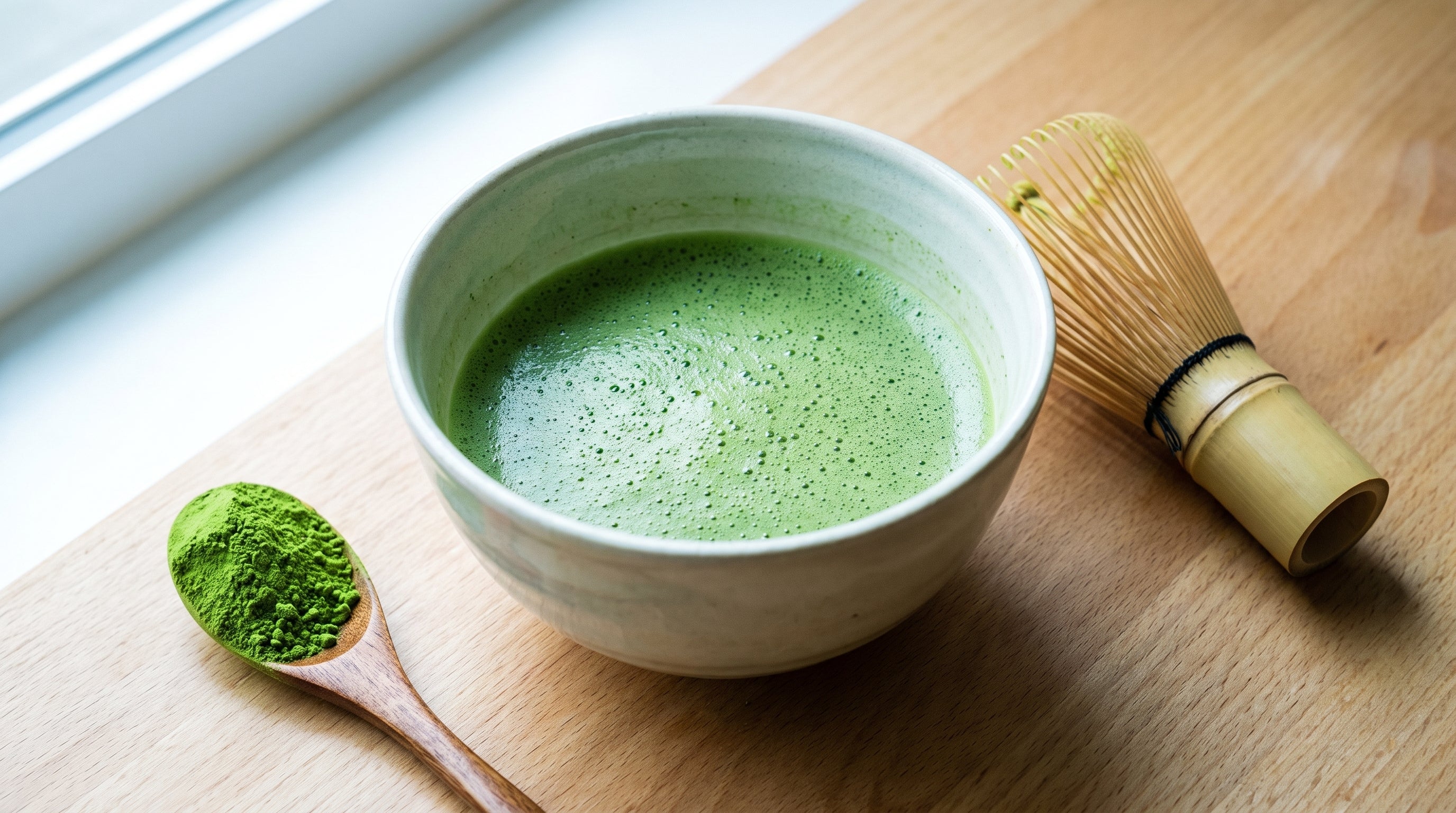
Koicha and usucha are the two traditional preparations of matcha from Japan. Koicha is a thick, glossy tea made by slowly kneading about 4 grams of matcha into 30 to 40 ml of water. Usucha is a thi...
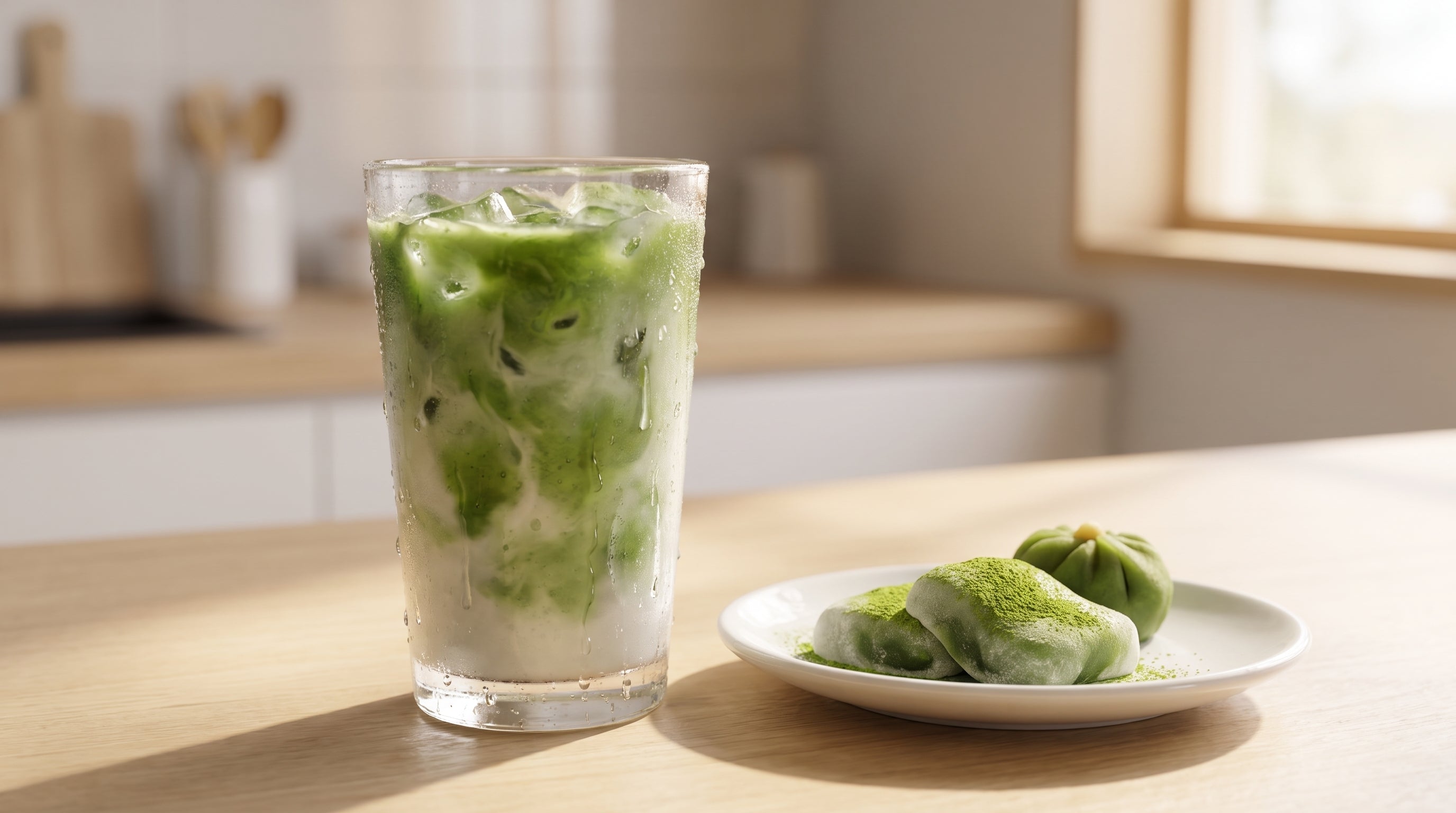
How Japanese People Actually Drink Matcha Every Day
Most Japanese people do not whisk matcha in a tea ceremony each morning. Instead, they grab matcha lattes from convenience stores, eat matcha flavored sweets and desserts, and use culinary grade ma...