Most Japanese people do not whisk matcha in a tea ceremony each morning. Instead, they grab matcha lattes from convenience stores, eat matcha flavored sweets and desserts, and use culinary grade matcha in cooking far more often than they use ceremonial grade for drinking. Matcha in Japan is an everyday ingredient woven into modern life, not a rare ritual.
How do Japanese people drink matcha every day?
The most common way Japanese people consume matcha daily is through ready made drinks, lattes, and matcha flavored foods rather than whisked bowls. While some households do prepare a quick bowl of usucha (thin matcha) in the morning, the majority of daily matcha consumption happens through convenience store bottles, cafe lattes, and the enormous world of matcha flavored snacks and desserts.
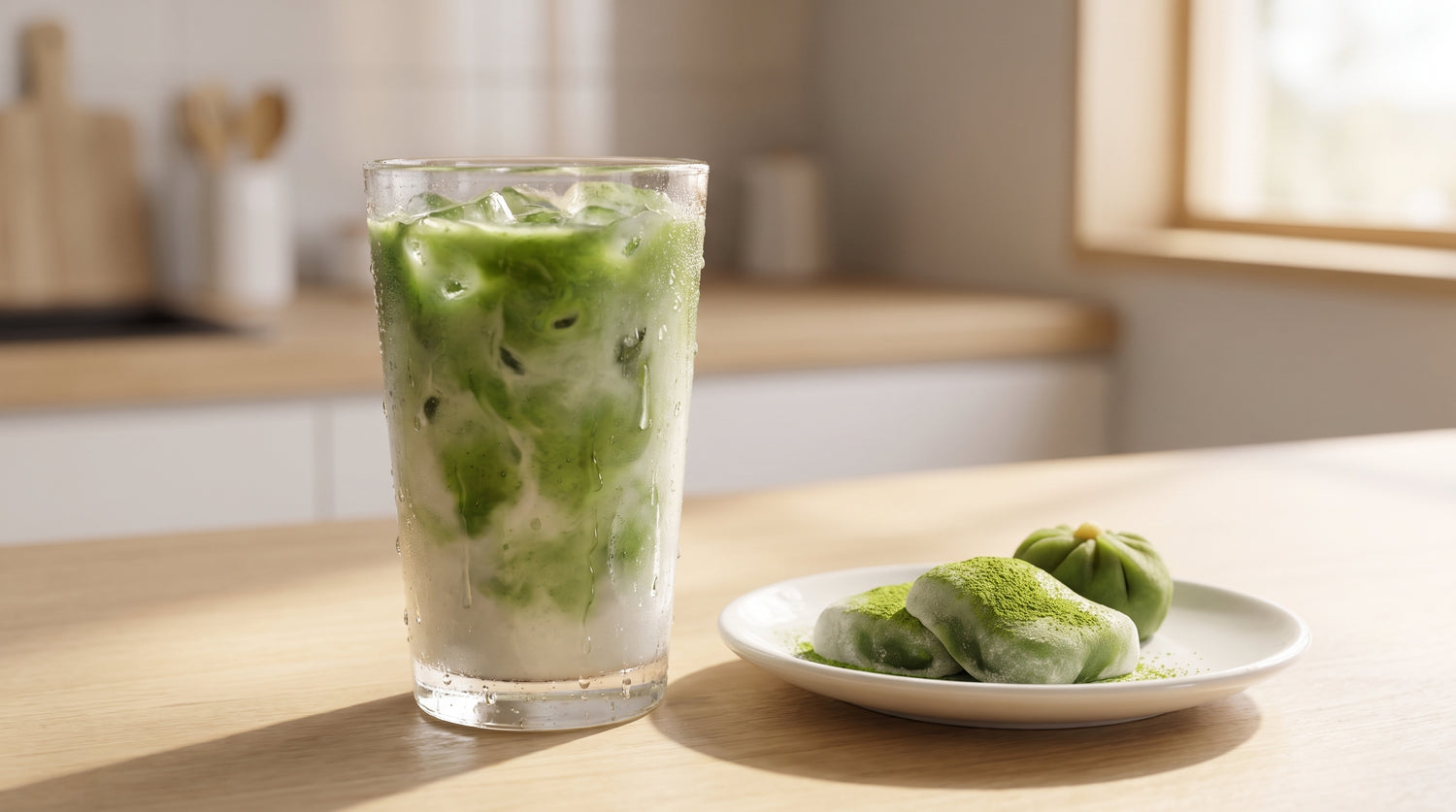
A typical day might include a chilled matcha latte from a vending machine during a commute, a matcha flavored yogurt at lunch, and a matcha soft serve cone after dinner. Office workers pick up bottled matcha drinks the same way Westerners grab a coffee. At home, families might make a simple matcha latte by whisking a gram or two of powder into warm milk, using an electric frother rather than a traditional bamboo whisk.
This casual relationship with matcha makes sense when you consider that Japan has over 55,000 convenience stores, each stocking multiple matcha beverages and snacks. Matcha is simply everywhere, and the Japanese treat it the way Americans treat chocolate or vanilla: as a beloved, versatile flavor that belongs in everything from ice cream to bread.
Do most Japanese people do tea ceremonies at home?
No. The formal tea ceremony, known as chanoyu or chado, is a special occasion for the vast majority of Japanese people, not a daily habit. Most Japanese people experience a full tea ceremony only a handful of times in their lives, typically at cultural events, seasonal gatherings, or tourist destinations.
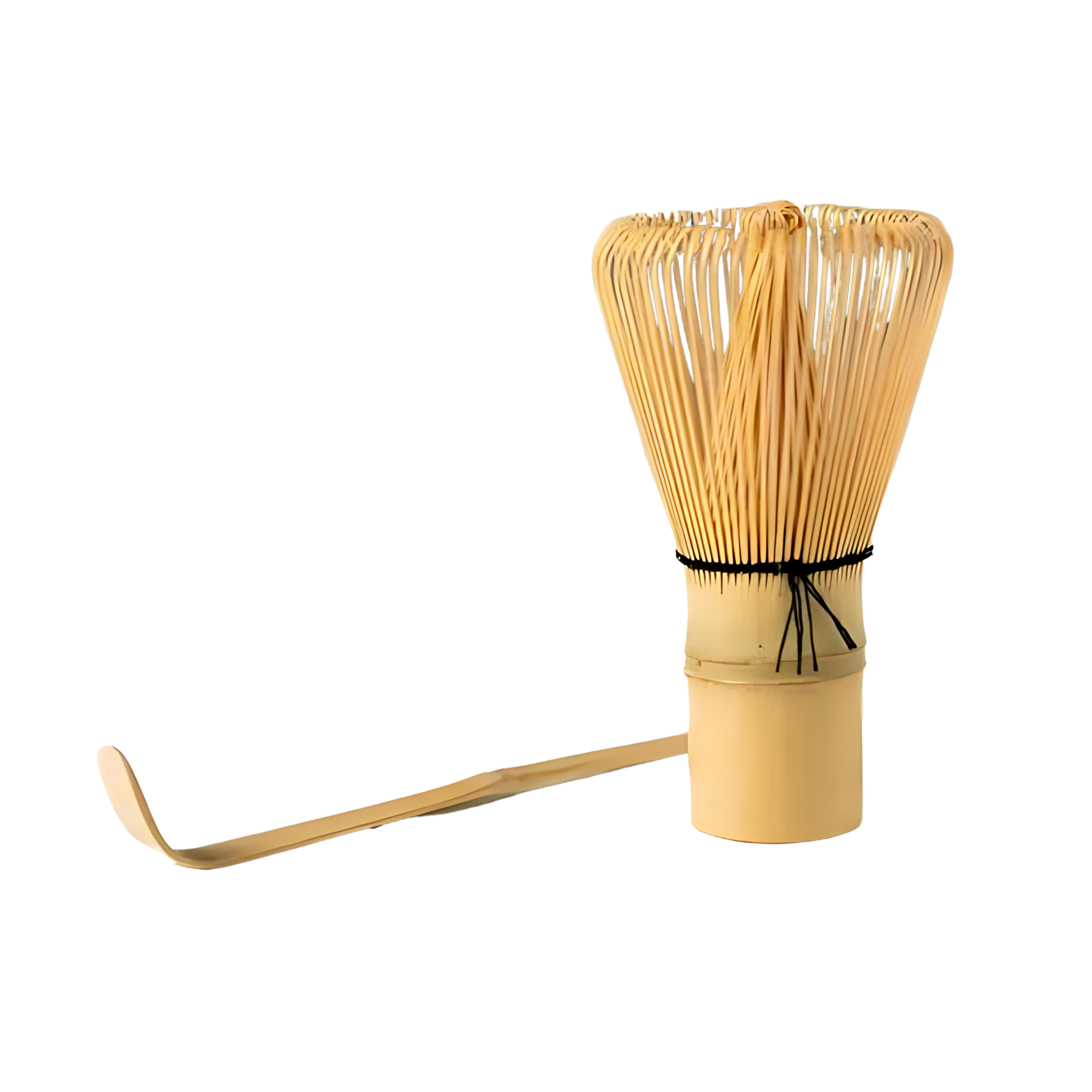
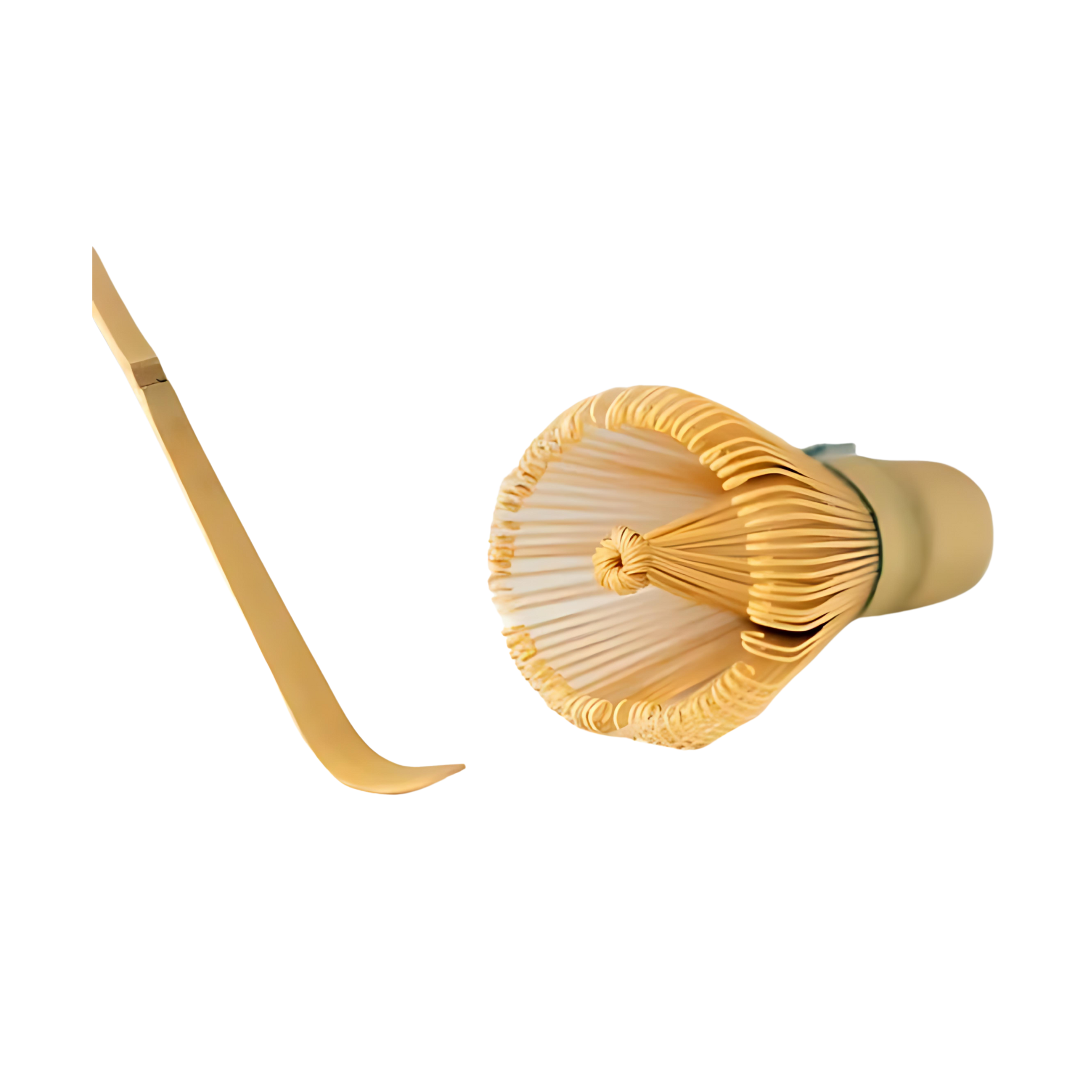
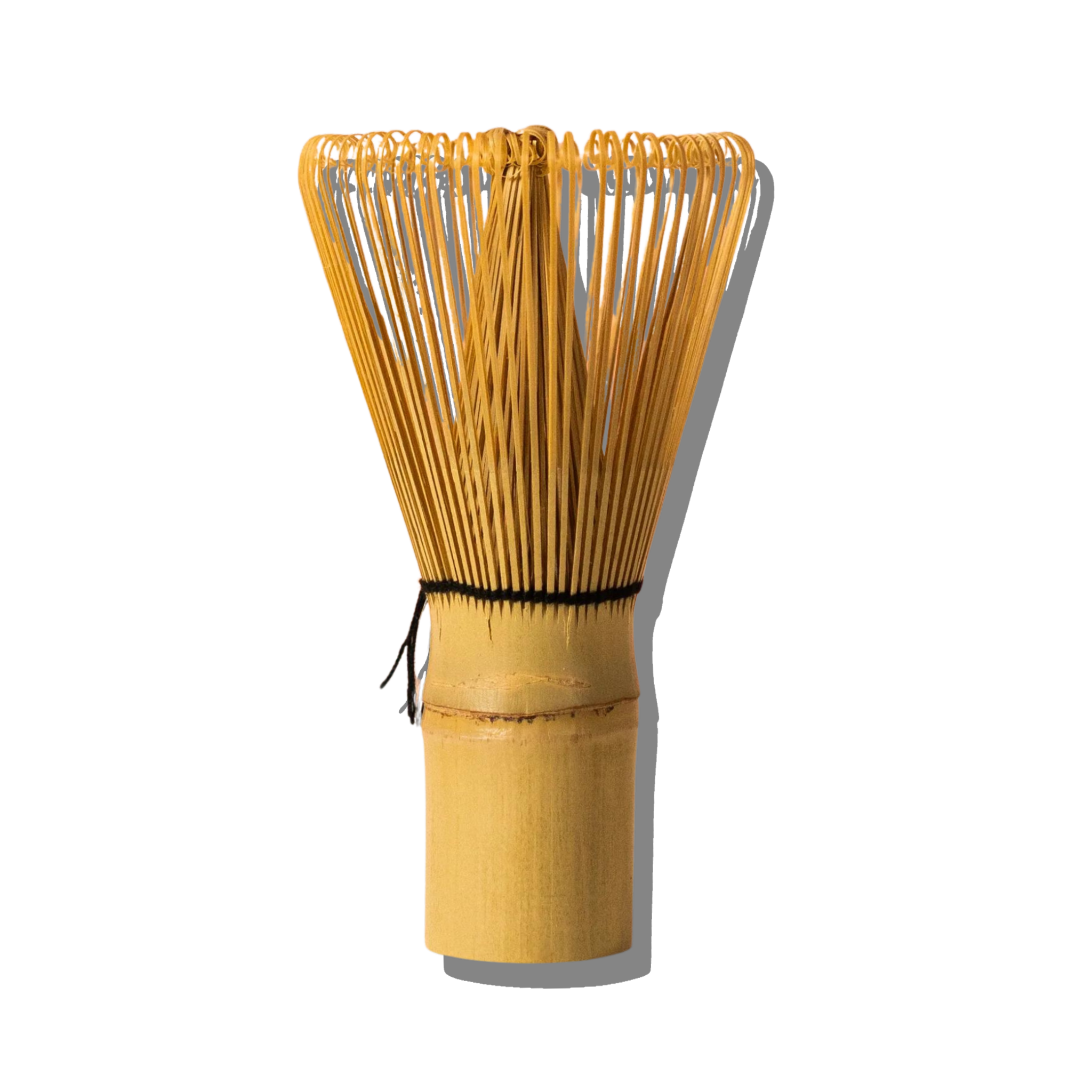
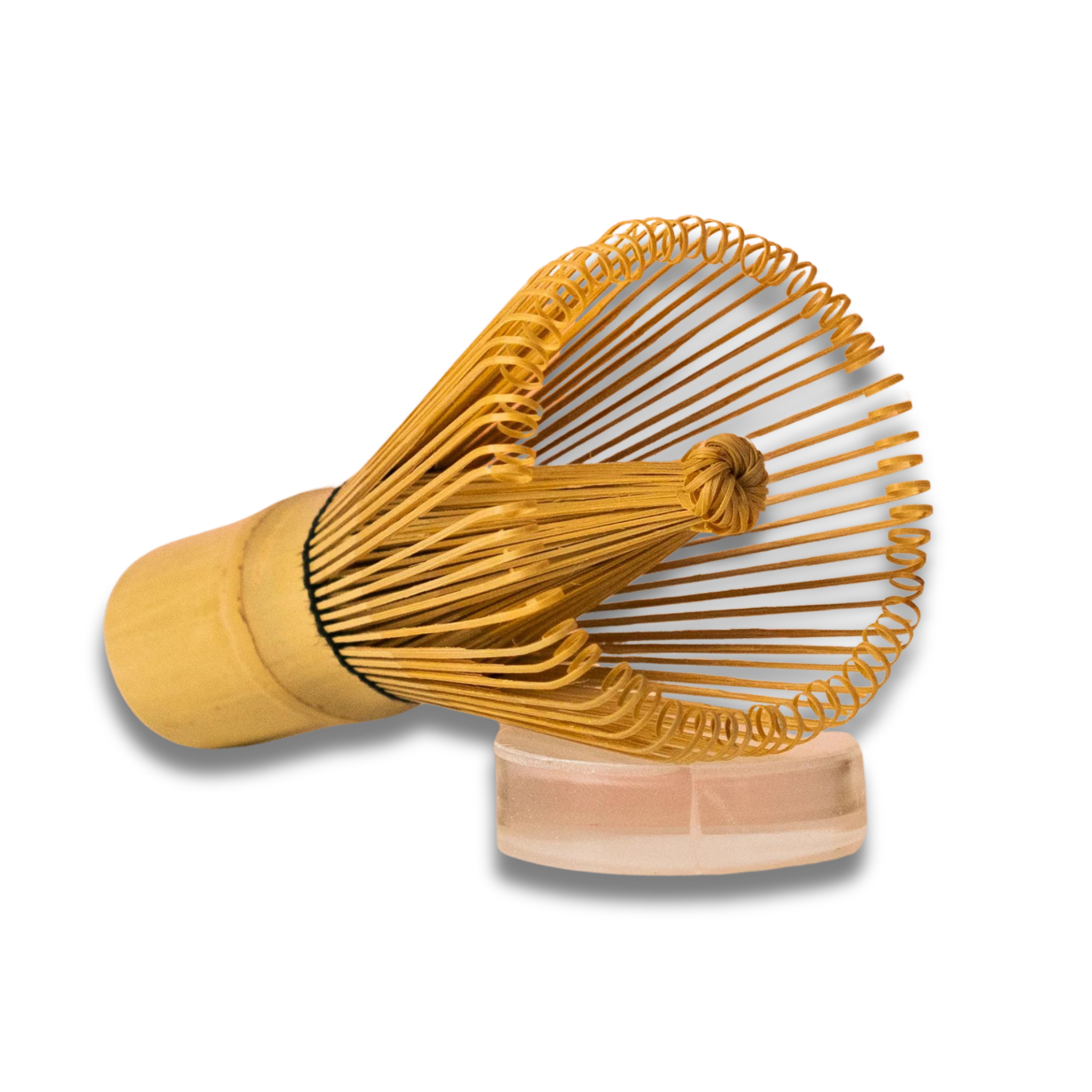
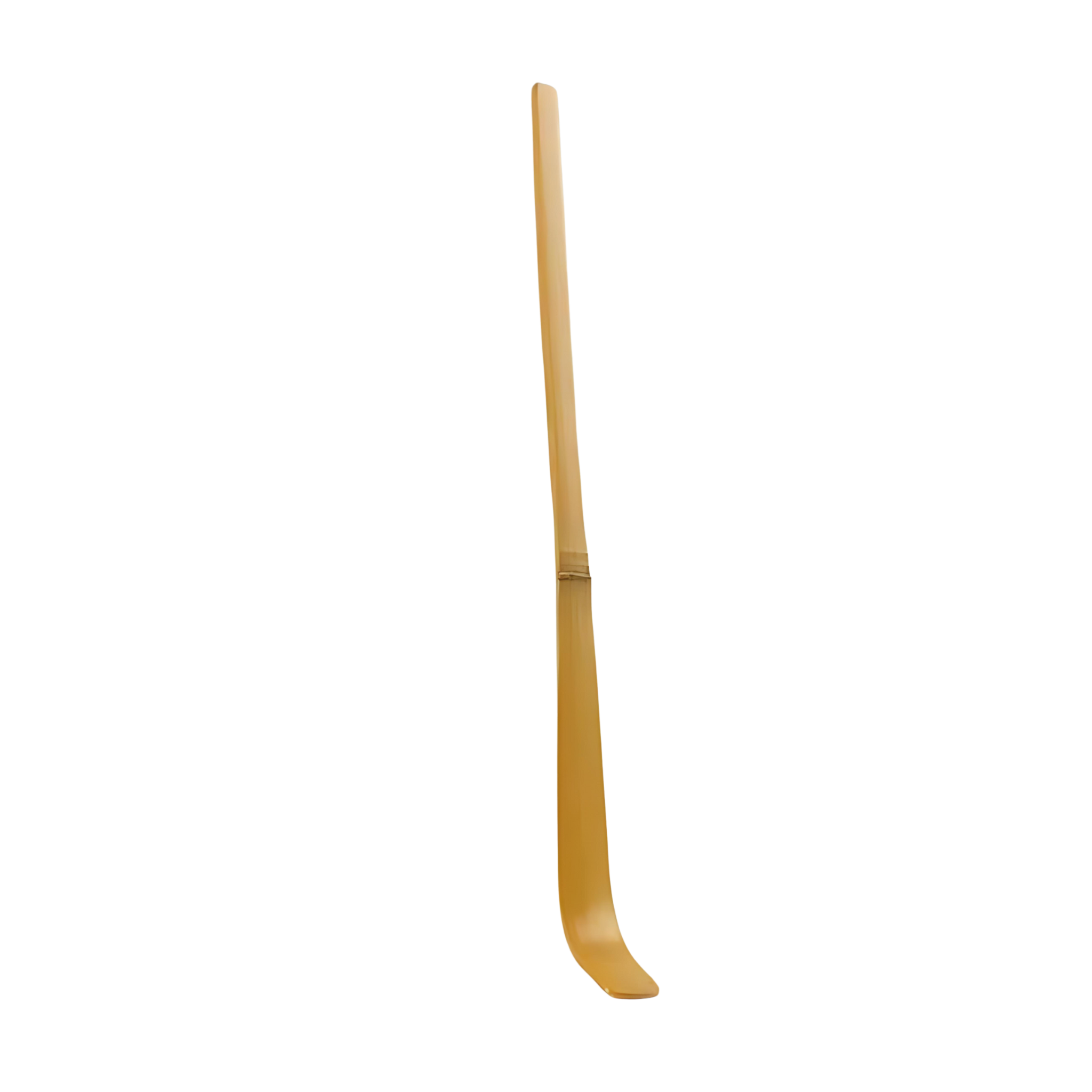
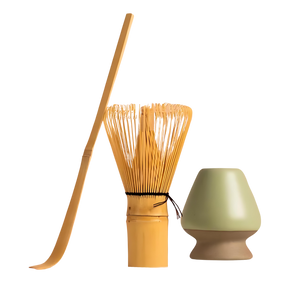
Some Japanese people do study tea ceremony as a hobby or art form, attending classes at community centers or cultural schools. But practicing at home with the full set of utensils (a bamboo whisk, a tea scoop, a ceramic bowl, and a natsume tea caddy) is relatively uncommon. It is similar to how many Westerners appreciate fine wine culture without decanting a bottle every evening.
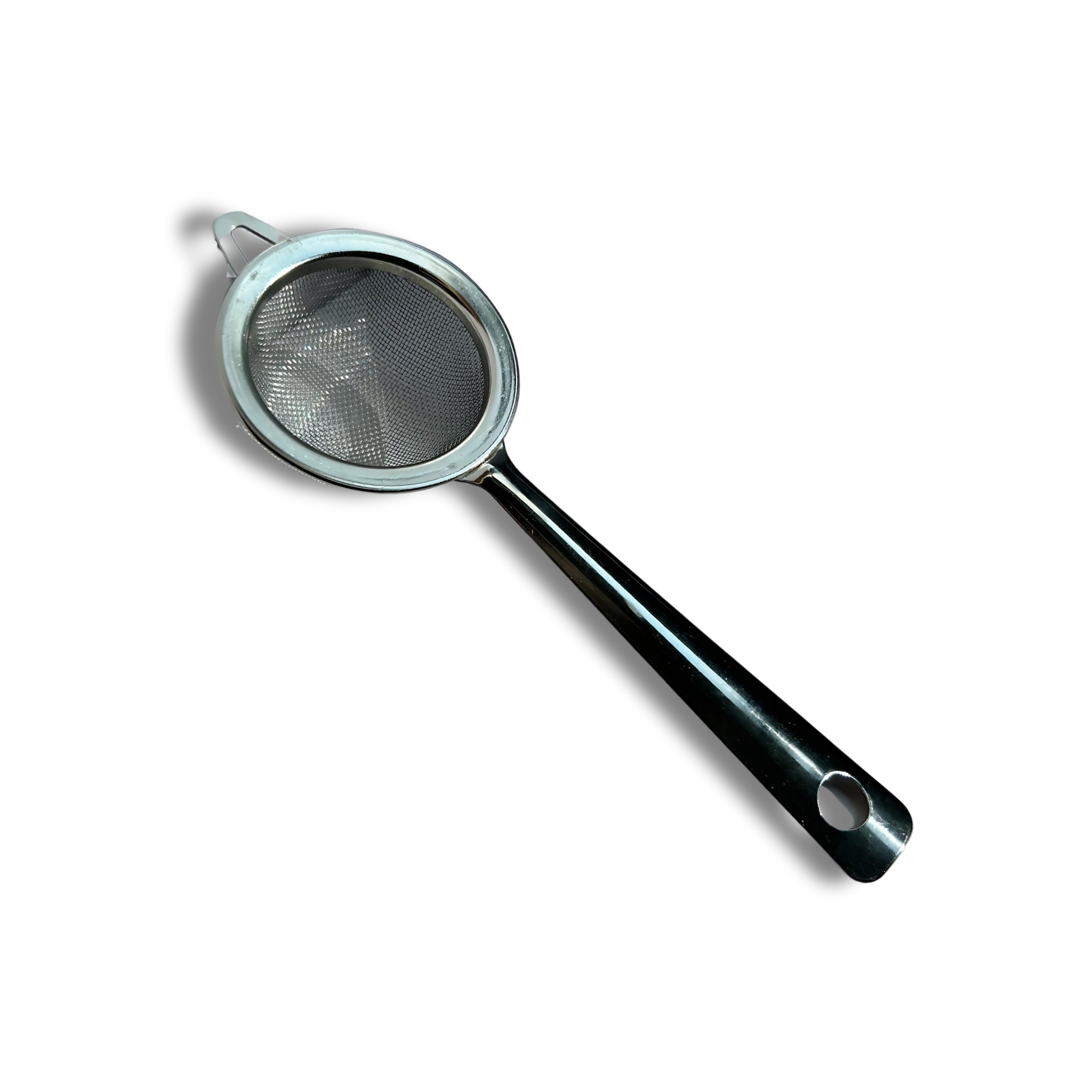
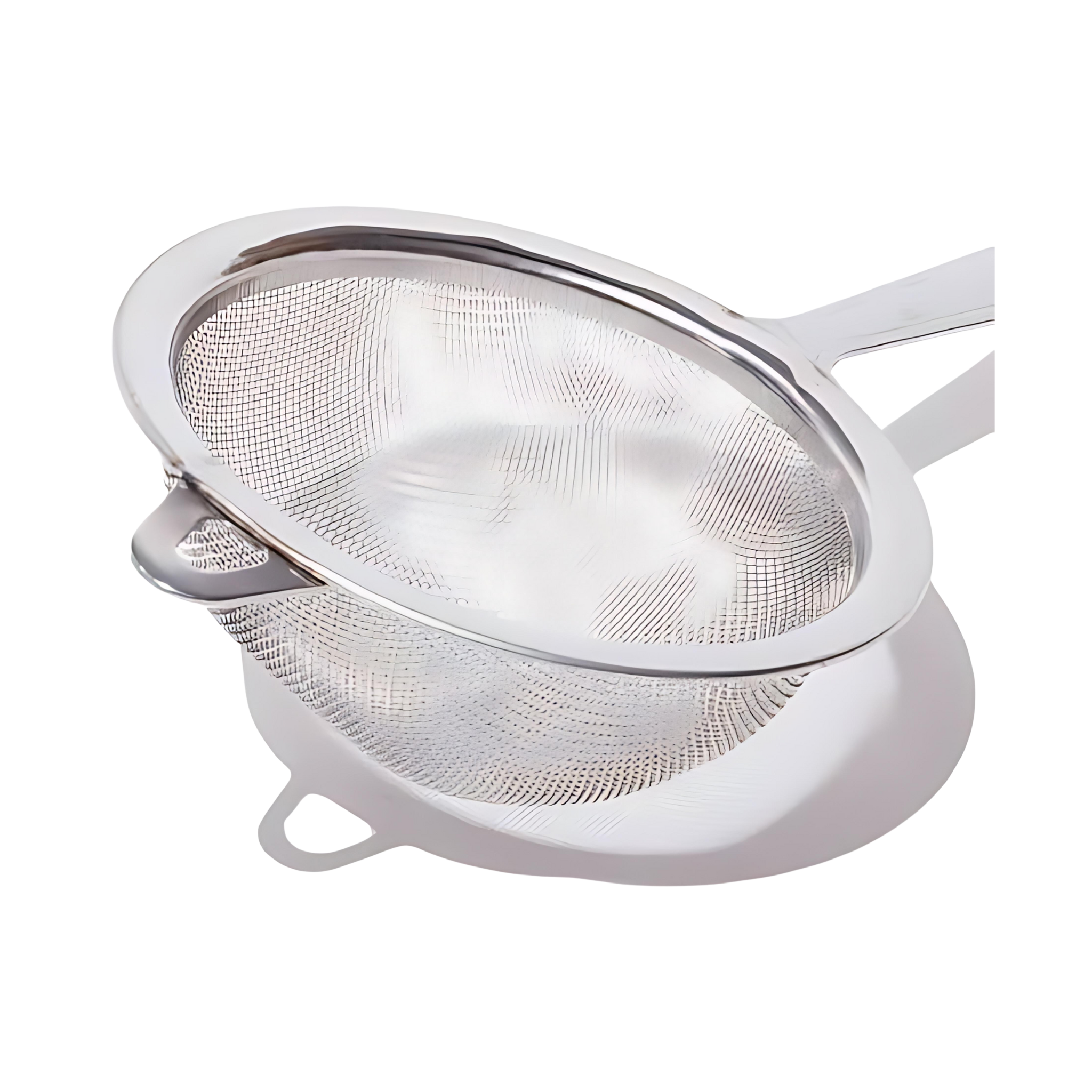
What is far more common at home is a quick, casual bowl of matcha. Someone might sift a gram or two of powder into a bowl, add about 70 ml of water heated to around 80°C (176°F), and whisk for 15 to 20 seconds. No ceremony, no ritual, just a fast, focused drink with roughly 30 to 35 mg of caffeine per gram of powder. If you are curious about the traditional preparation method, this guide to preparing matcha the traditional way walks through each step.
What matcha products can you find in a Japanese convenience store?
Japanese convenience stores, called konbini, are a matcha wonderland. Chains like 7 Eleven, Lawson, and FamilyMart each carry dozens of matcha products across beverages, desserts, and snacks, with limited edition seasonal items rotating constantly.
Here is a sample of what you might find on a single visit:
- Chilled matcha lattes in bottles and cartons, ranging from unsweetened to creamy and sweet
- Bottled unsweetened matcha blended with sencha or genmaicha for a lighter taste
- Matcha soft serve dispensed fresh from the machine near the register
- Matcha Kit Kats in regional and seasonal flavors found nowhere else in the world
- Matcha roll cakes and cream puffs made fresh in store bakeries
- Matcha warabi mochi (bracken starch jelly layered with matcha milk and whipped cream)
- Matcha Pocky, matcha cookies, and matcha chocolate bars
- Matcha pudding and matcha flavored yogurt
In 2026, 7 Eleven Japan released a "mix and drink" matcha latte where customers combine layers of matcha, milk, and mochi by shaking the cup. This kind of playful innovation is typical of how konbini keep matcha exciting and new for Japanese consumers year round.
Why do Japanese people put matcha in food and desserts?
Japanese people put matcha in food because its bold, slightly bitter flavor pairs naturally with sweet and creamy ingredients. The earthy depth of matcha balances sugar without disappearing into the background, which is why it works so well in ice cream, chocolate, cakes, and traditional wagashi (Japanese confections).
This is not a modern trend. Matcha has been used in Japanese sweets for centuries. Wagashi, the small confections traditionally served alongside whisked matcha during tea gatherings, were designed specifically to complement its flavor. Over time, that pairing expanded into Western style desserts adapted for Japanese tastes: matcha tiramisu, matcha cheesecake, matcha crepe cakes, and matcha flavored mochi ice cream.
Beyond desserts, matcha appears in savory dishes too. Matcha salt is sprinkled on tempura. Matcha soba noodles, made by kneading matcha powder into buckwheat dough, are a regional specialty. Some restaurants even use matcha in savory sauces and dressings. The flavor profile of matcha, with its combination of umami, bitterness, and sweetness, makes it genuinely versatile in the kitchen. To understand why matcha tastes the way it does, see this breakdown of matcha flavor.
What grade of matcha do Japanese people use most often?
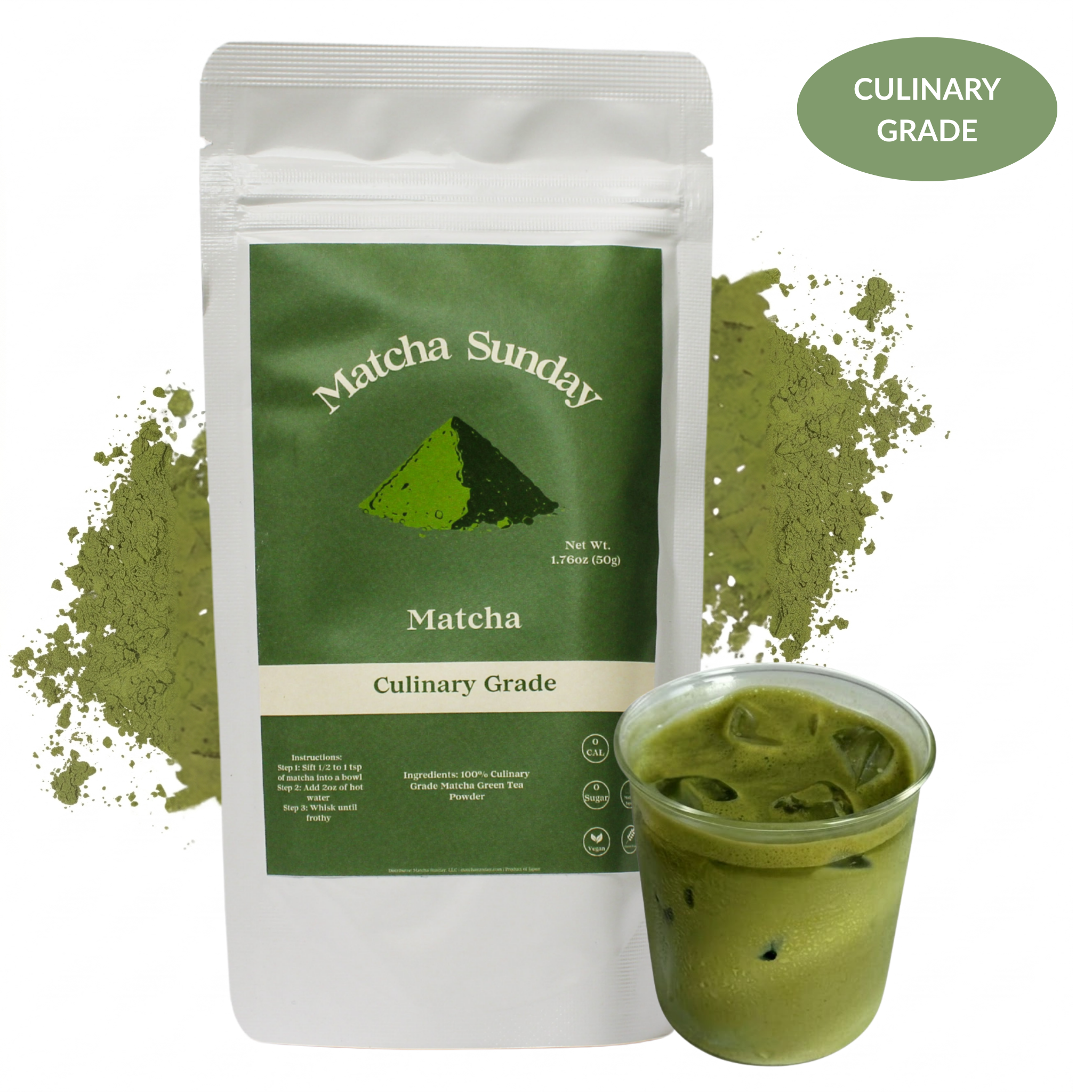
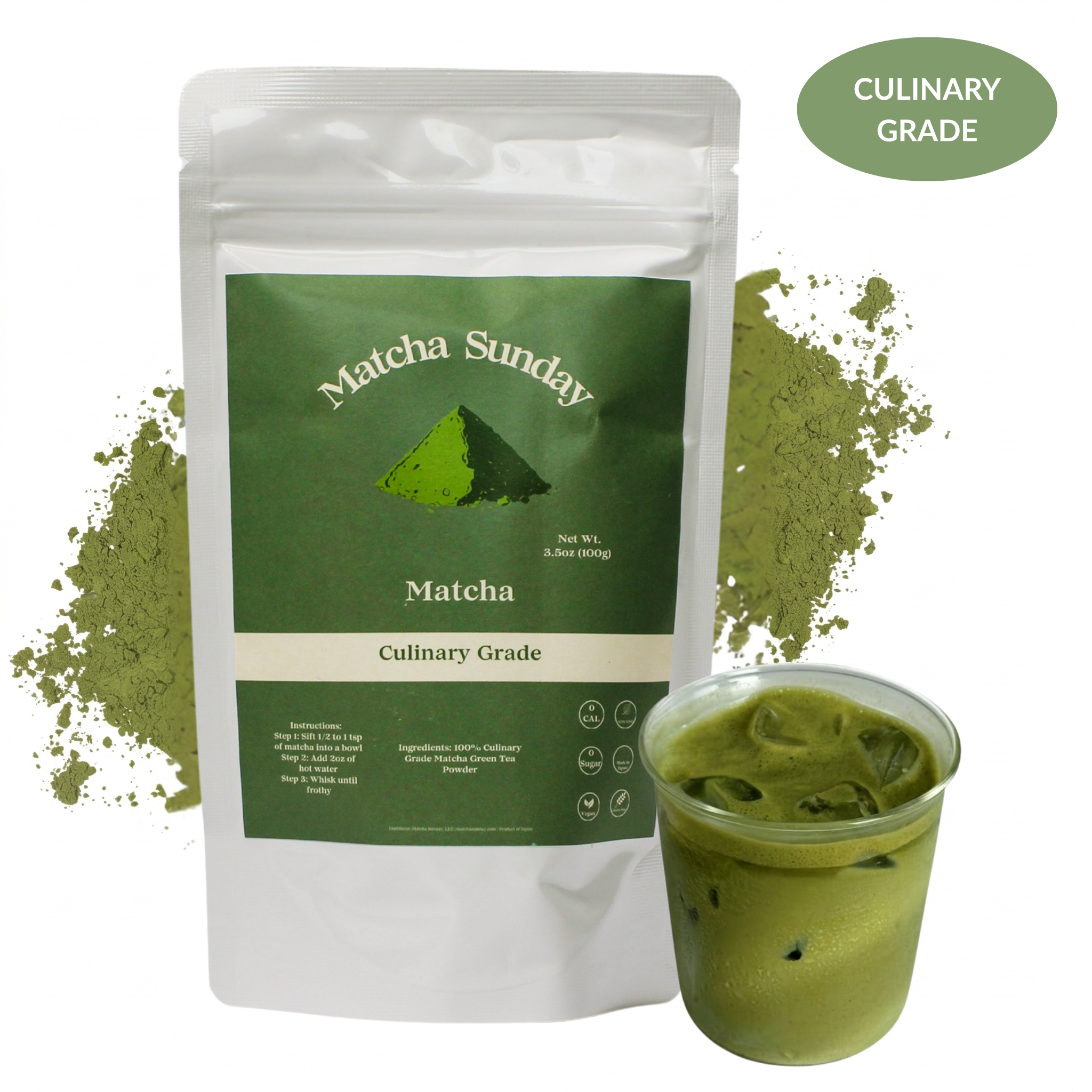
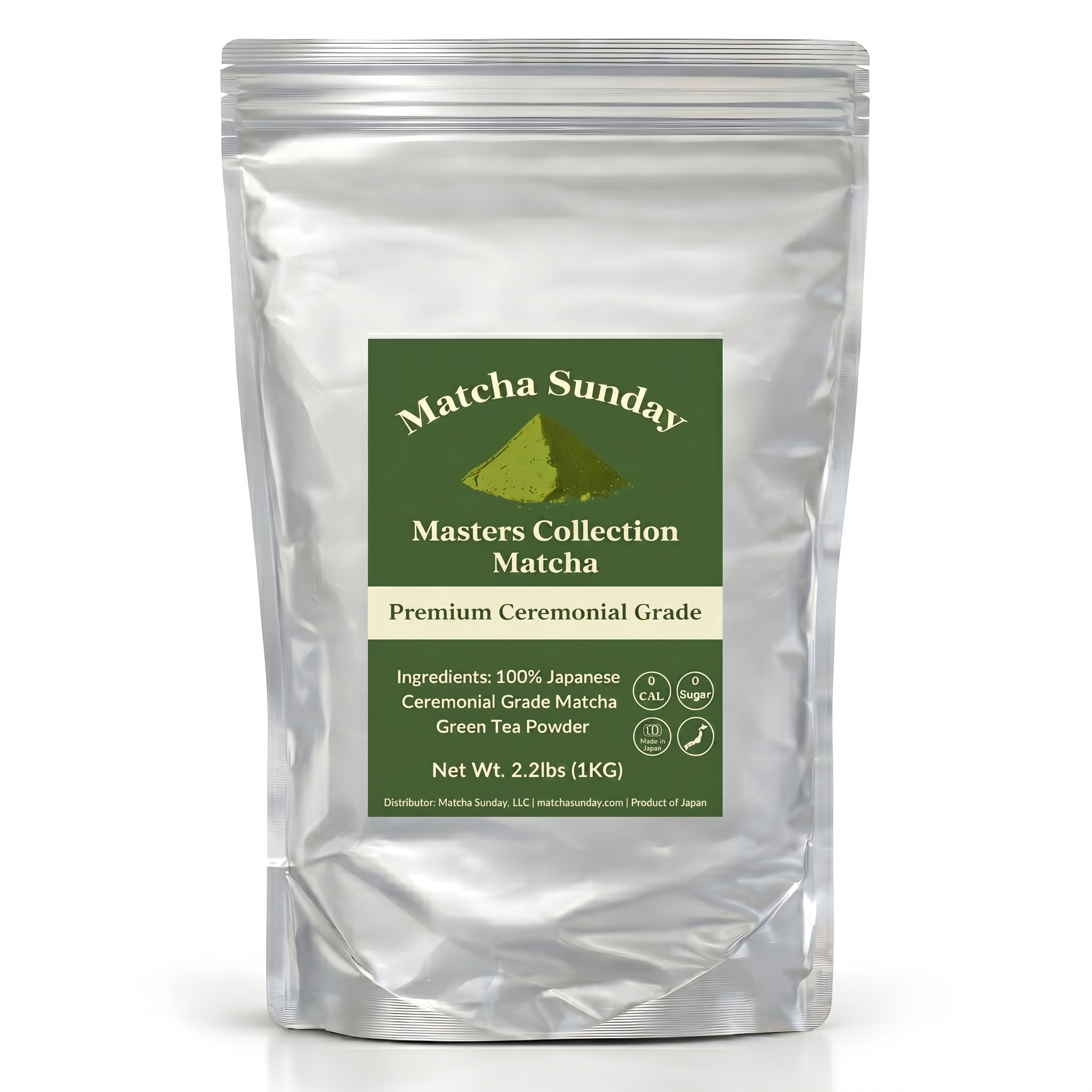
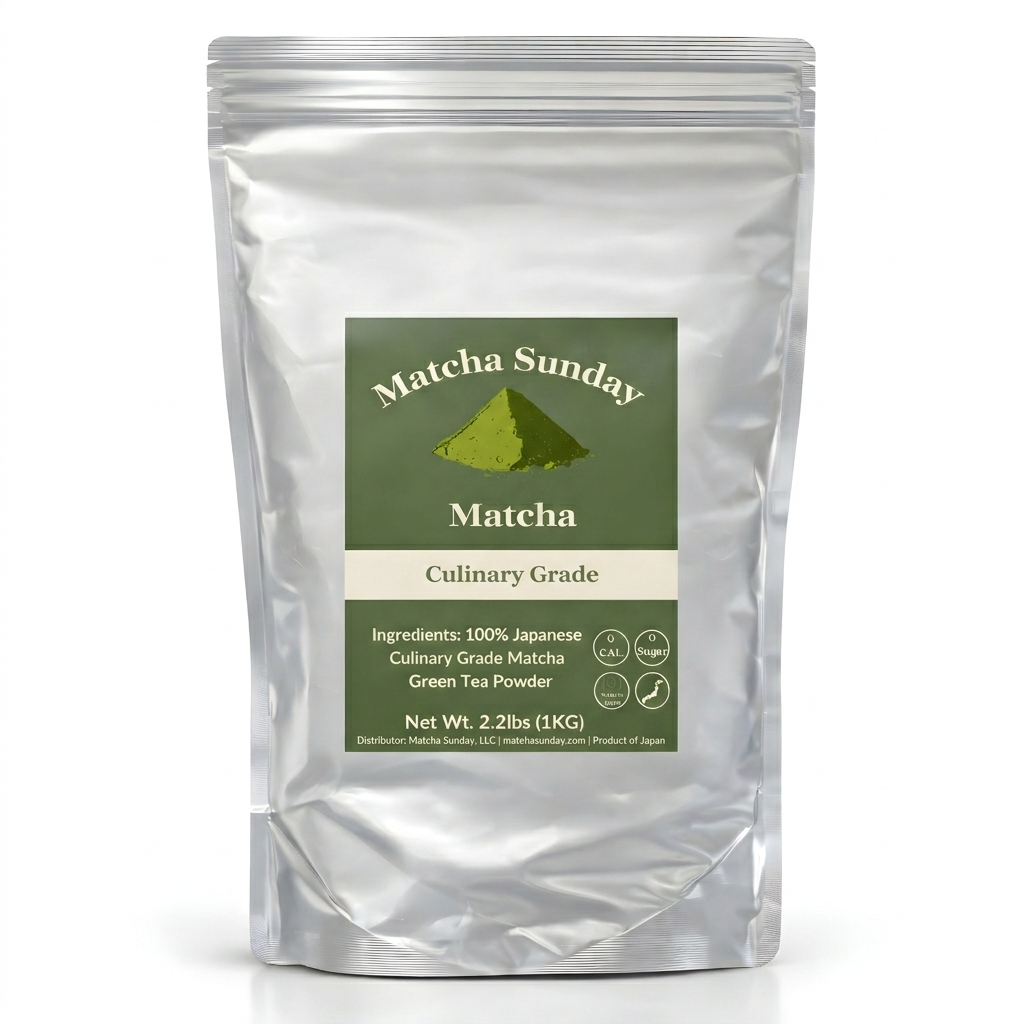
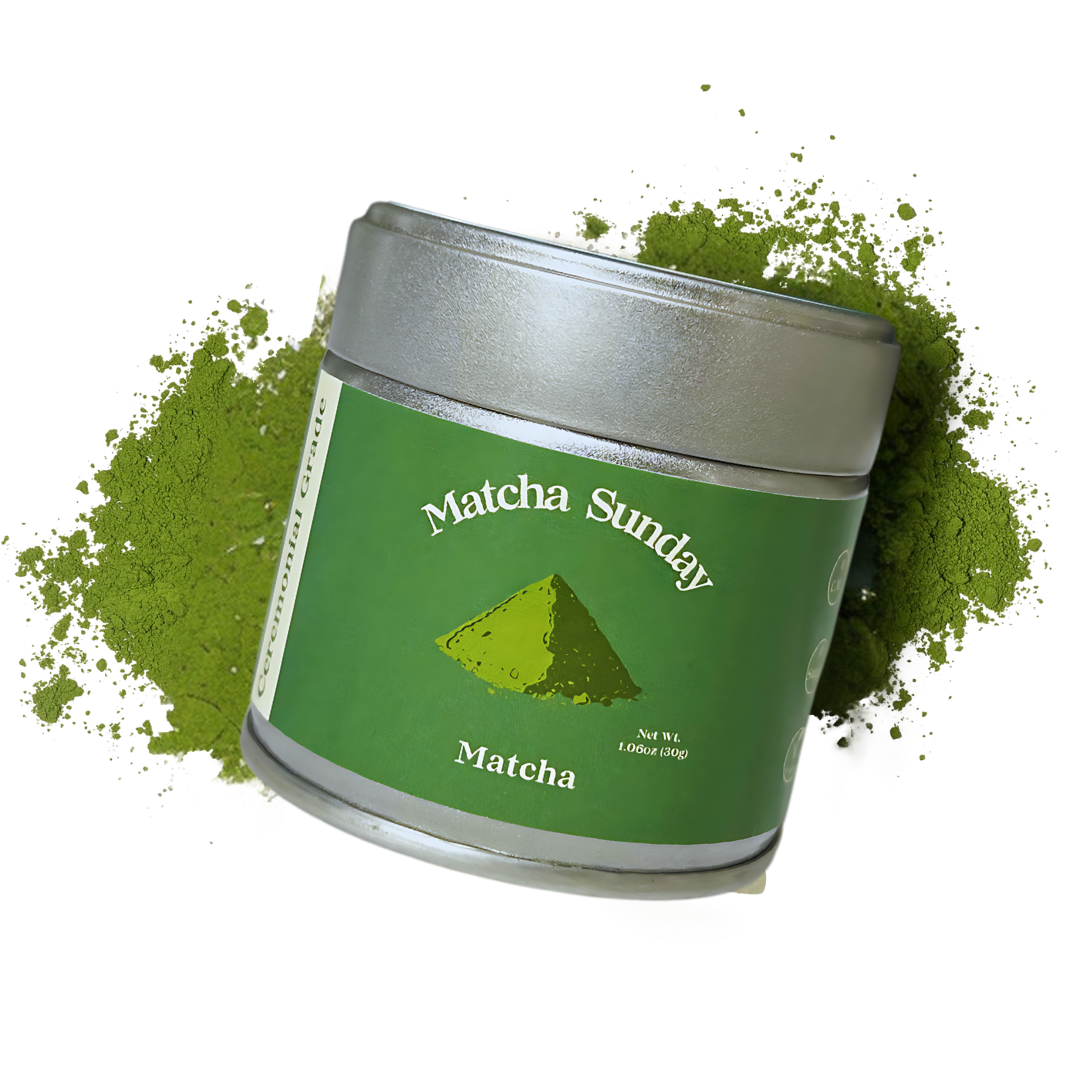
The majority of matcha consumed in Japan is what Western brands would call culinary grade. This makes sense: most matcha in Japan ends up in food products, desserts, bottled drinks, and lattes, all applications where a robust, slightly bitter powder performs better than a delicate, expensive one.
It is worth noting that the terms "ceremonial grade" and "culinary grade" are Western marketing categories, not official Japanese classifications. Japanese tea producers grade matcha by factors like harvest timing, shading duration, cultivar, and stone milling quality rather than using a two tier system. A comparative guide to matcha types explains these distinctions in more detail.
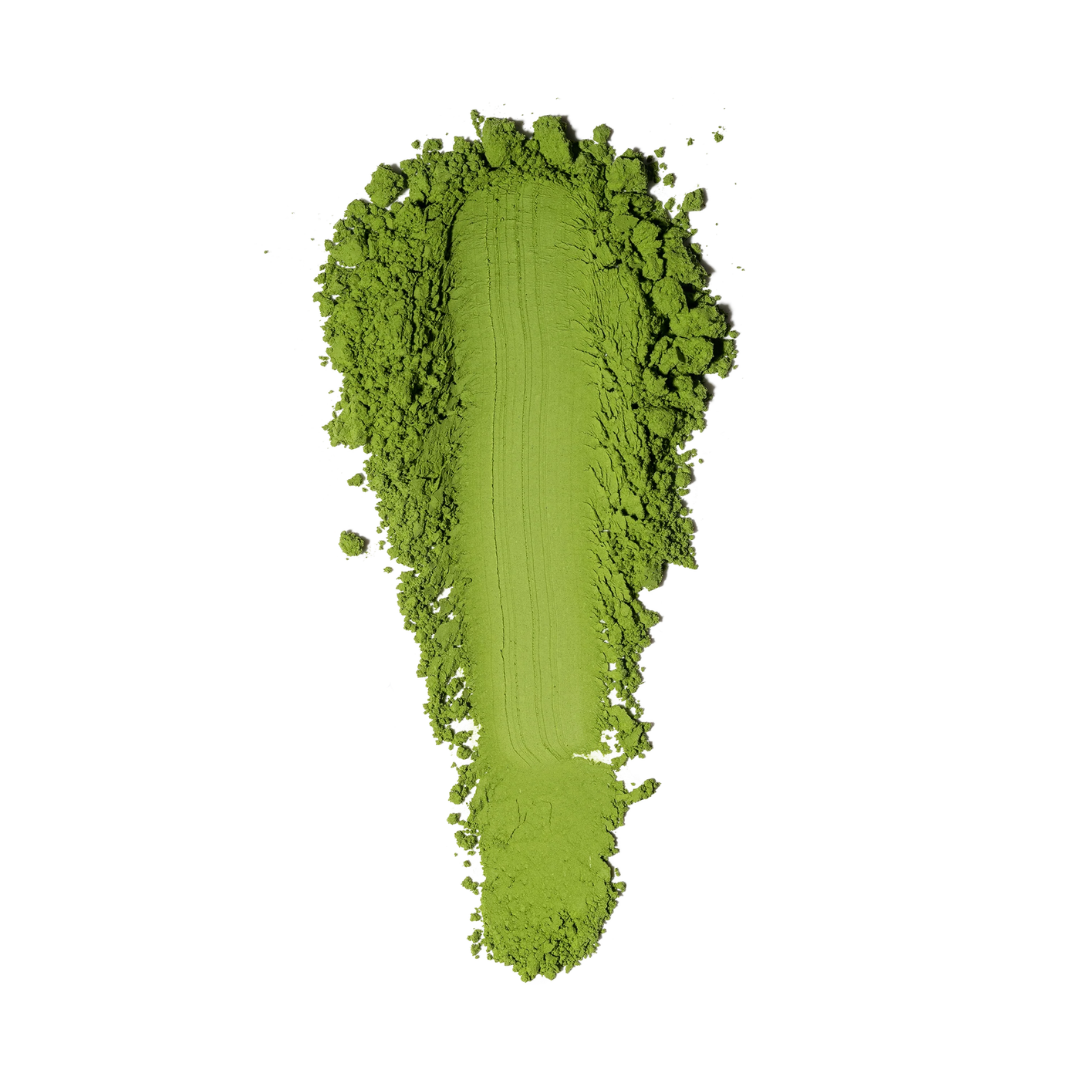
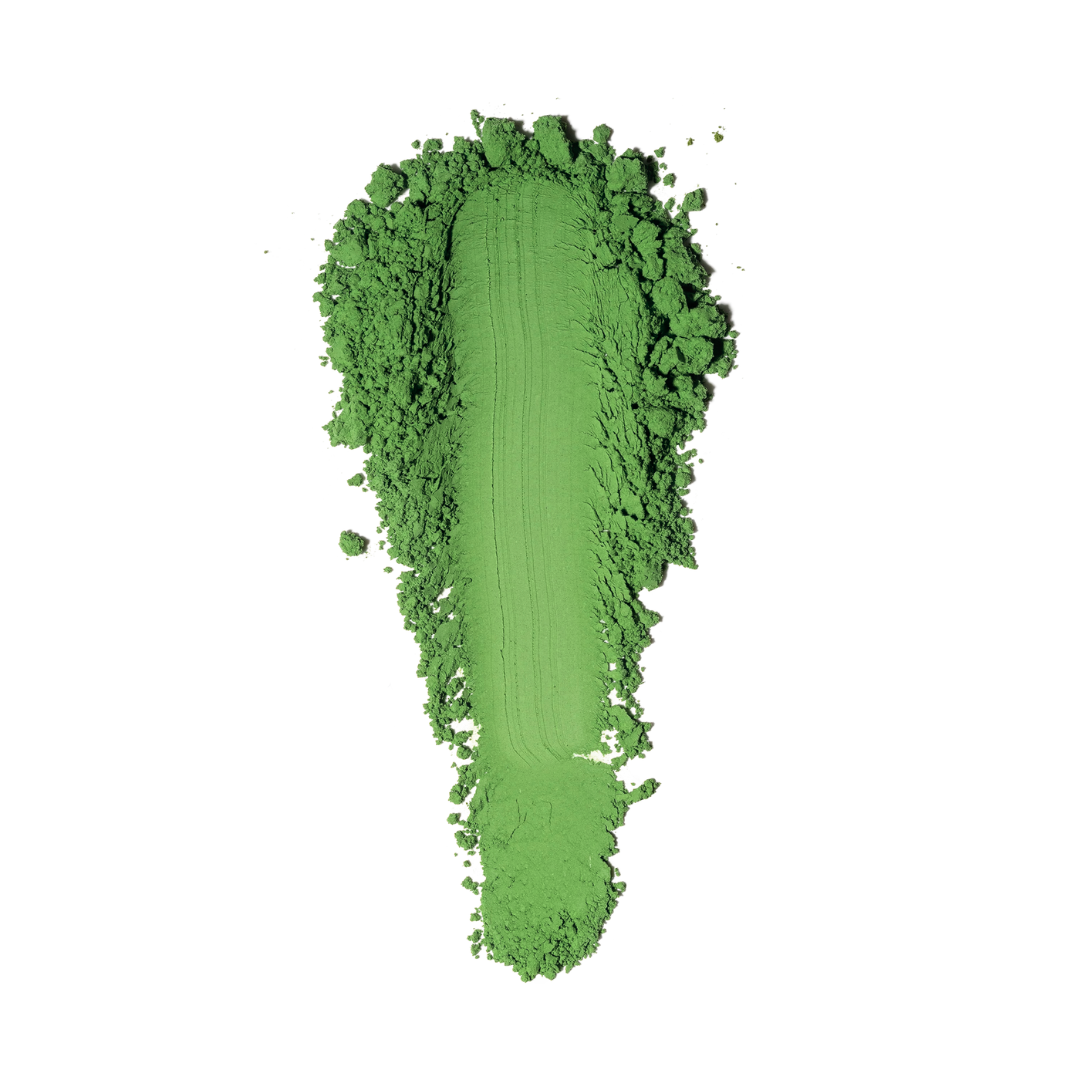
| Factor | Higher grade matcha (for drinking) | Standard grade matcha (for cooking and lattes) |
|---|---|---|
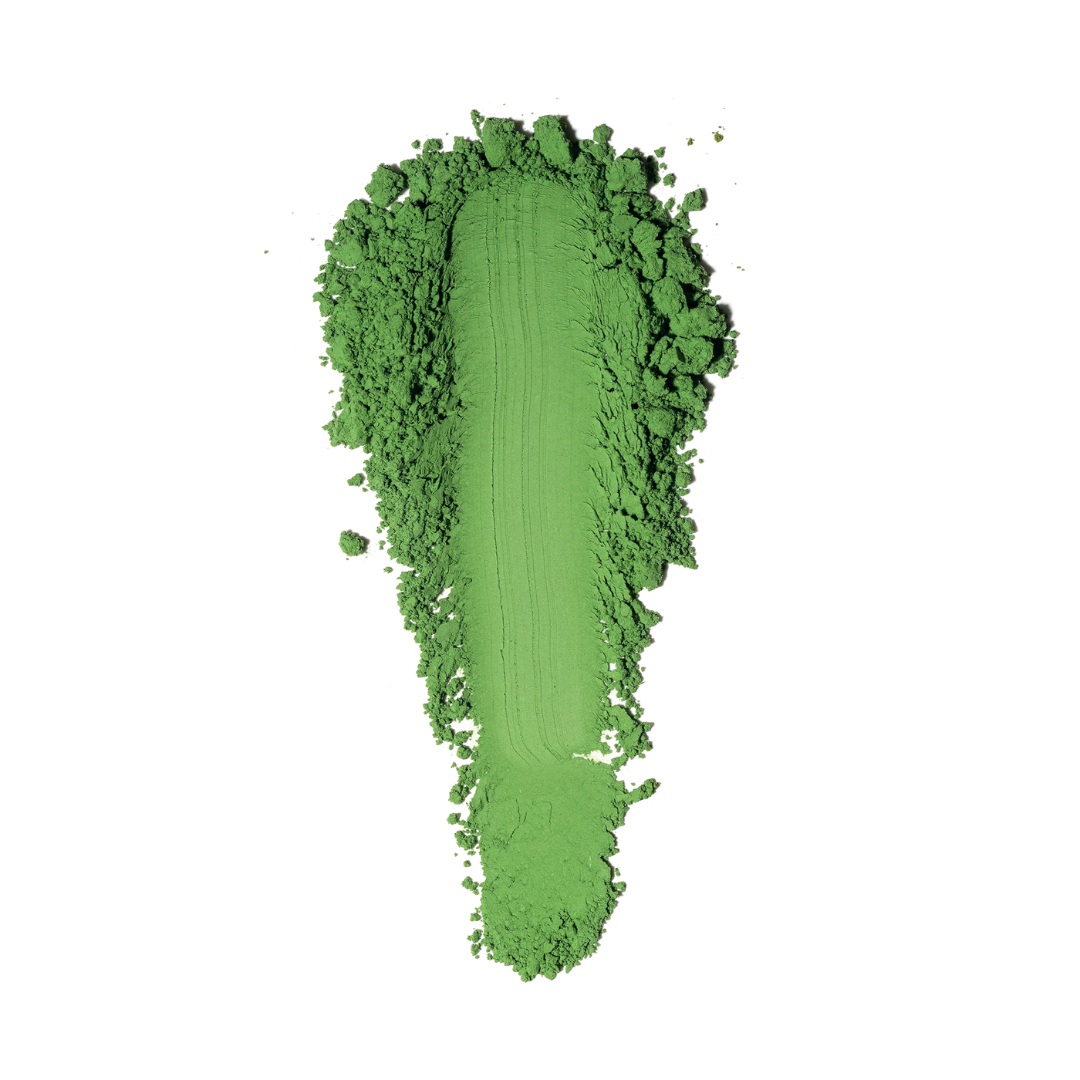
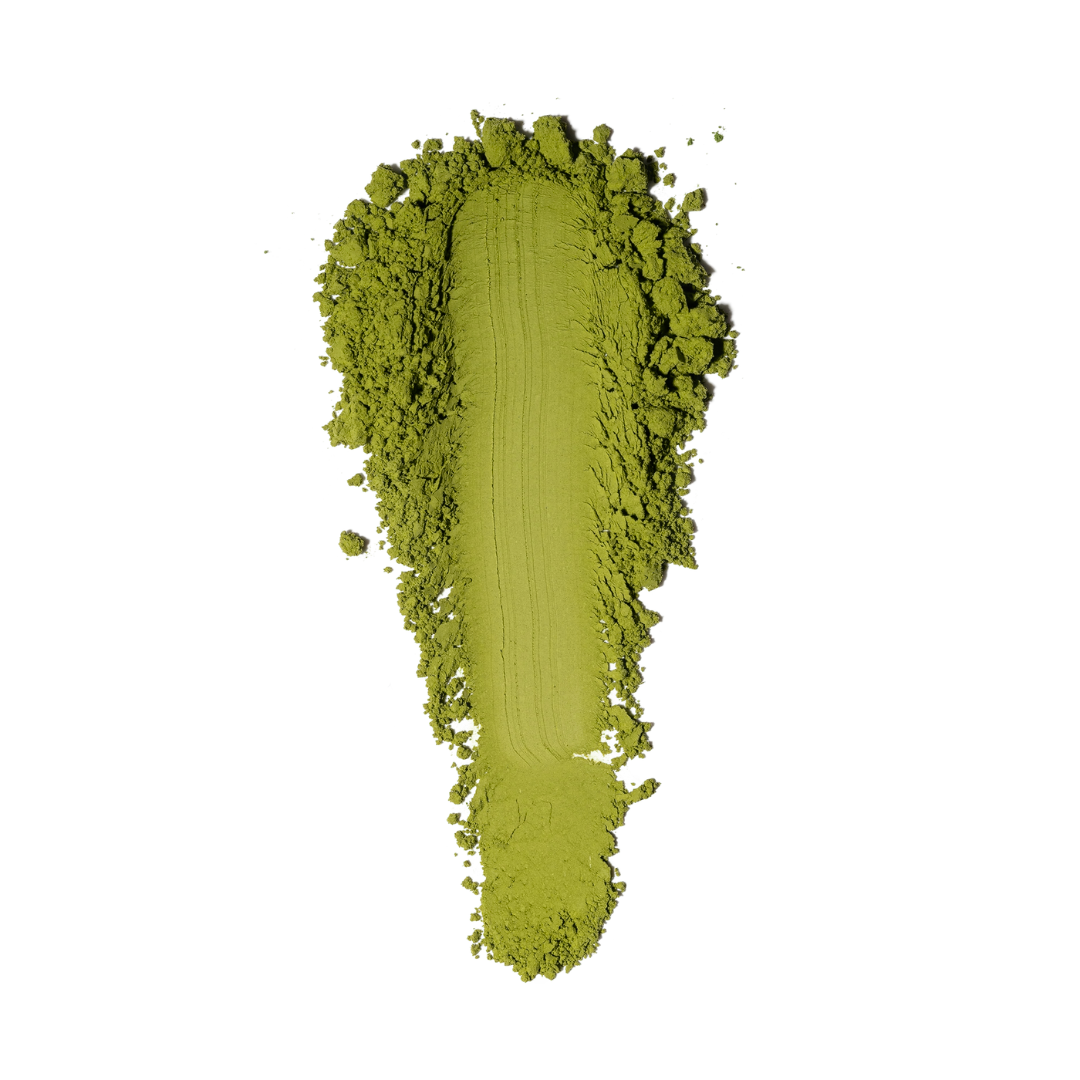
| Color | Vibrant, bright green | Olive or yellow green |
| Flavor | Sweet, smooth, rich umami | Bold, slightly bitter, earthy |
| Best use | Whisked with water, drunk straight | Lattes, baking, ice cream, smoothies |
| Price range | Higher | More affordable |
| Caffeine per gram | Roughly 30 to 35 mg | Roughly 20 to 30 mg |
| L theanine per gram | Roughly 18 to 22 mg | Roughly 12 to 16 mg |
For drinking straight, higher grade matcha delivers a smoother, sweeter cup because the young, shade grown leaves contain more L theanine (the amino acid responsible for umami and calm focus) and less bitterness from catechins. For lattes and baking, standard grade matcha is actually preferable because its bolder flavor cuts through milk and sugar without fading. Learn more about what separates the top tier in this guide to ceremonial grade matcha.
How is drinking matcha in Japan different from the West?
In Japan, matcha is an ordinary part of life. In the West, matcha is still largely a specialty drink associated with wellness culture and trendy cafes. This difference shapes everything from how matcha is prepared to how much it costs and what people expect from it.
| Aspect | Japan | Western countries |
|---|---|---|
| Most common form | Bottled drinks, convenience store lattes, matcha flavored food | Cafe matcha lattes, often iced |
| Sugar and milk | Enjoyed both sweetened and unsweetened; straight matcha is normal | Almost always with milk and sweetener |
| Price perception | Everyday affordable item | Premium, specialty priced |
| Cultural association | Familiar flavor category like chocolate | Wellness, superfood, health trend |
| Main use of powder | Cooking, baking, food manufacturing | Drinking (lattes and whisked bowls) |
One notable difference is sweetness. In Japan, matcha flavored products exist on a wide spectrum from completely unsweetened bottled matcha to very sweet matcha desserts. Japanese consumers are comfortable with the natural bitterness of matcha and often drink it with no sweetener at all. In Western cafes, matcha lattes almost always include a sweetener, and some chains add so much sugar that the matcha flavor becomes secondary.
Another key difference is accessibility. In Japan, you can buy a quality matcha drink from a vending machine for a few hundred yen. In many Western cities, a matcha latte at a cafe costs several dollars more than a regular coffee. This price gap means that matcha in the West still carries a premium, specialty image that it simply does not have in Japan.
The way matcha is produced also reflects this divide. Japanese tea farms have been growing and processing matcha for centuries using techniques like extended shading (covering tea plants for several weeks before harvest to boost chlorophyll and L theanine). This overview of traditional matcha production explains the full process from field to stone mill.
Start your matcha ritual
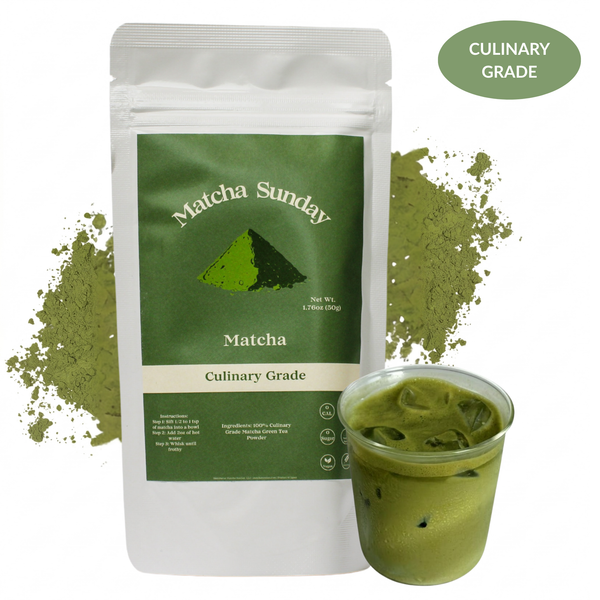
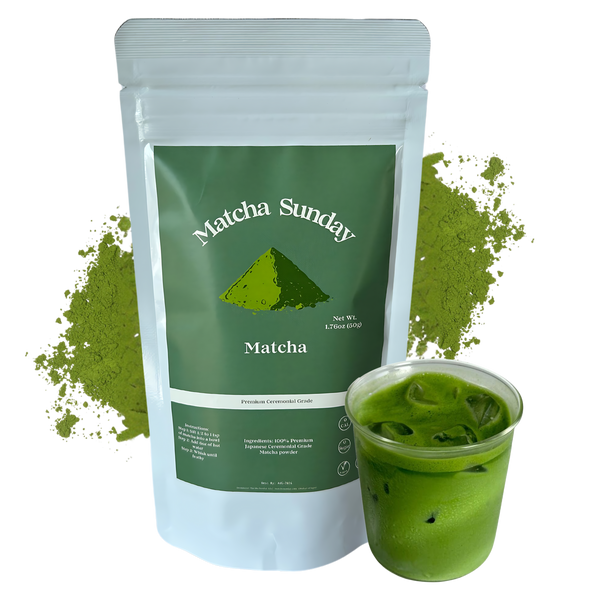
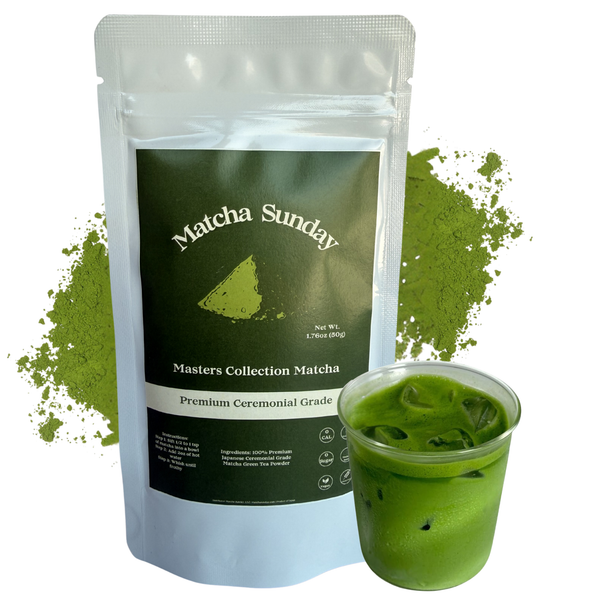
All 100% matcha from Japan. Pick the one that fits how you like to drink it.
Frequently asked questions
Do Japanese people drink matcha every single day?
Many Japanese people consume matcha in some form daily, but usually through ready made drinks, lattes, or matcha flavored foods rather than a whisked bowl. Matcha is woven into everyday eating the way coffee or chocolate is in Western countries, appearing in convenience store drinks, desserts, and snacks rather than being a standalone ritual.
Is matcha more popular than coffee in Japan?
Coffee is extremely popular in Japan and rivals tea in daily consumption. However, matcha holds a unique cultural position as both a traditional tea and a modern flavor found across countless food products. Many Japanese people enjoy both coffee and matcha throughout a given day without choosing one over the other.
Do Japanese families own a bamboo whisk at home?
Some Japanese households do keep a chasen (bamboo whisk) for occasional use, but it is not a standard kitchen item in every home. Many families who enjoy matcha at home use a small electric frother or simply stir the powder into hot water or milk, prioritizing convenience over traditional tools.
What does konbini matcha taste like compared to cafe matcha?
Konbini (convenience store) matcha drinks tend to be milder and often sweetened for mass appeal. Cafe matcha, especially from specialty tea shops, usually features higher grade powder and a stronger, more complex matcha flavor. Both are enjoyable, but the intensity and bitterness vary noticeably.
Why is matcha cheaper in Japan than in Western countries?
Matcha is produced domestically in Japan, so there are no import costs, and high consumer demand supports large scale production. In Western countries, matcha must be imported, stored carefully, and sold through fewer channels, which raises the retail price. The specialty image of matcha in the West also supports higher markups.
Can you buy unsweetened matcha drinks in Japan?
Yes, unsweetened matcha and green tea drinks are widely available in Japanese vending machines, convenience stores, and supermarkets. In fact, unsweetened tea is the default in Japan, and many bottled matcha products contain no added sugar at all. This stands in contrast to most Western markets where sweetened matcha lattes dominate.
What is the most popular matcha snack in Japan?
Matcha Kit Kats are among the most iconic matcha snacks in Japan, with dozens of regional and seasonal varieties produced exclusively for the Japanese market. Matcha ice cream and soft serve are also staples. Beyond packaged snacks, fresh matcha desserts like matcha roll cake and matcha warabi mochi are popular picks from convenience store dessert cases.
Is matcha in Japanese food real matcha or just flavoring?
Quality varies. Premium dessert shops and traditional wagashi makers use real matcha powder from Japanese tea farms. Mass produced snacks and drinks may use a combination of matcha powder and green tea extract or flavoring to achieve the taste at a lower cost. Checking ingredient labels for "matcha" (抹茶) as an early listed ingredient is the best way to gauge quality.