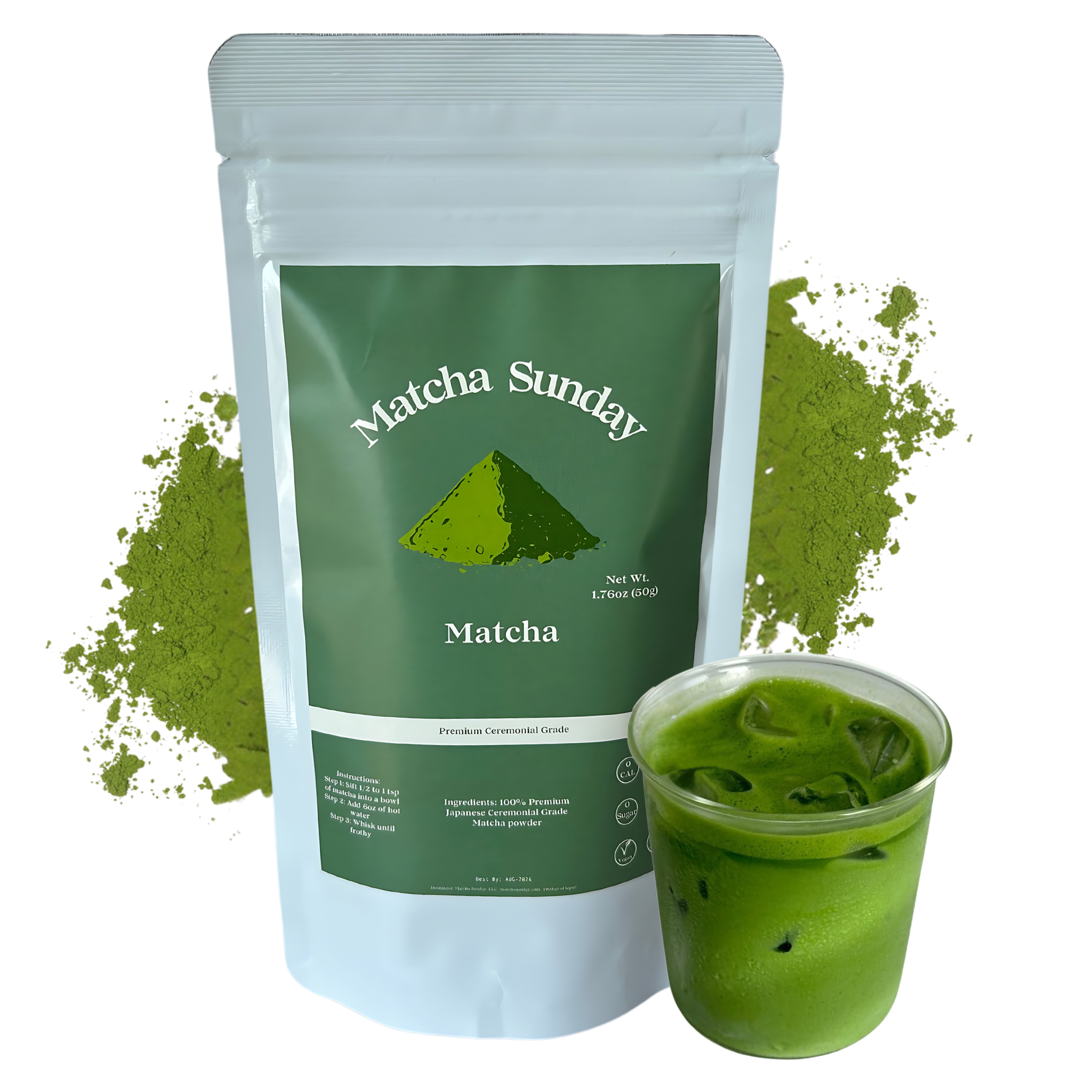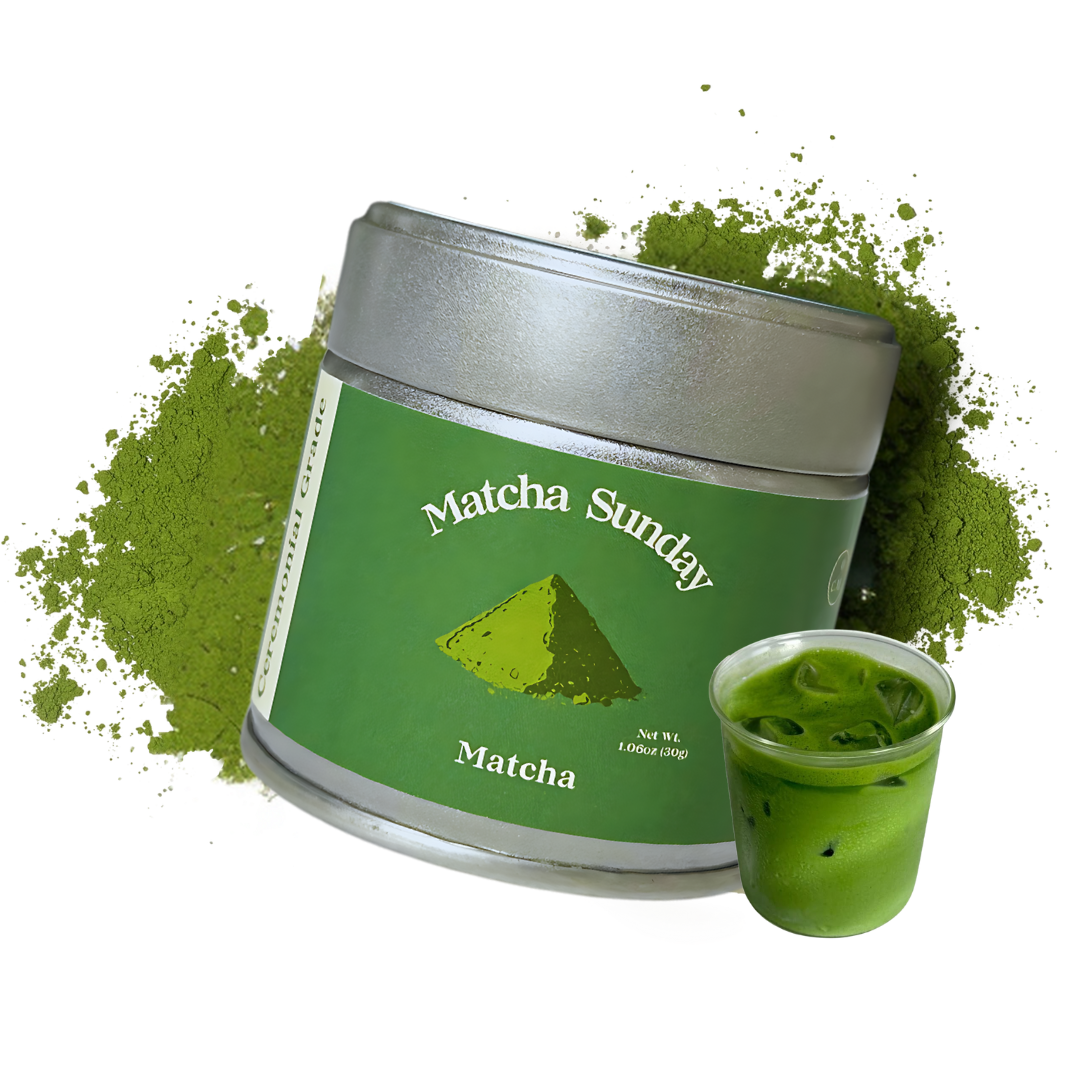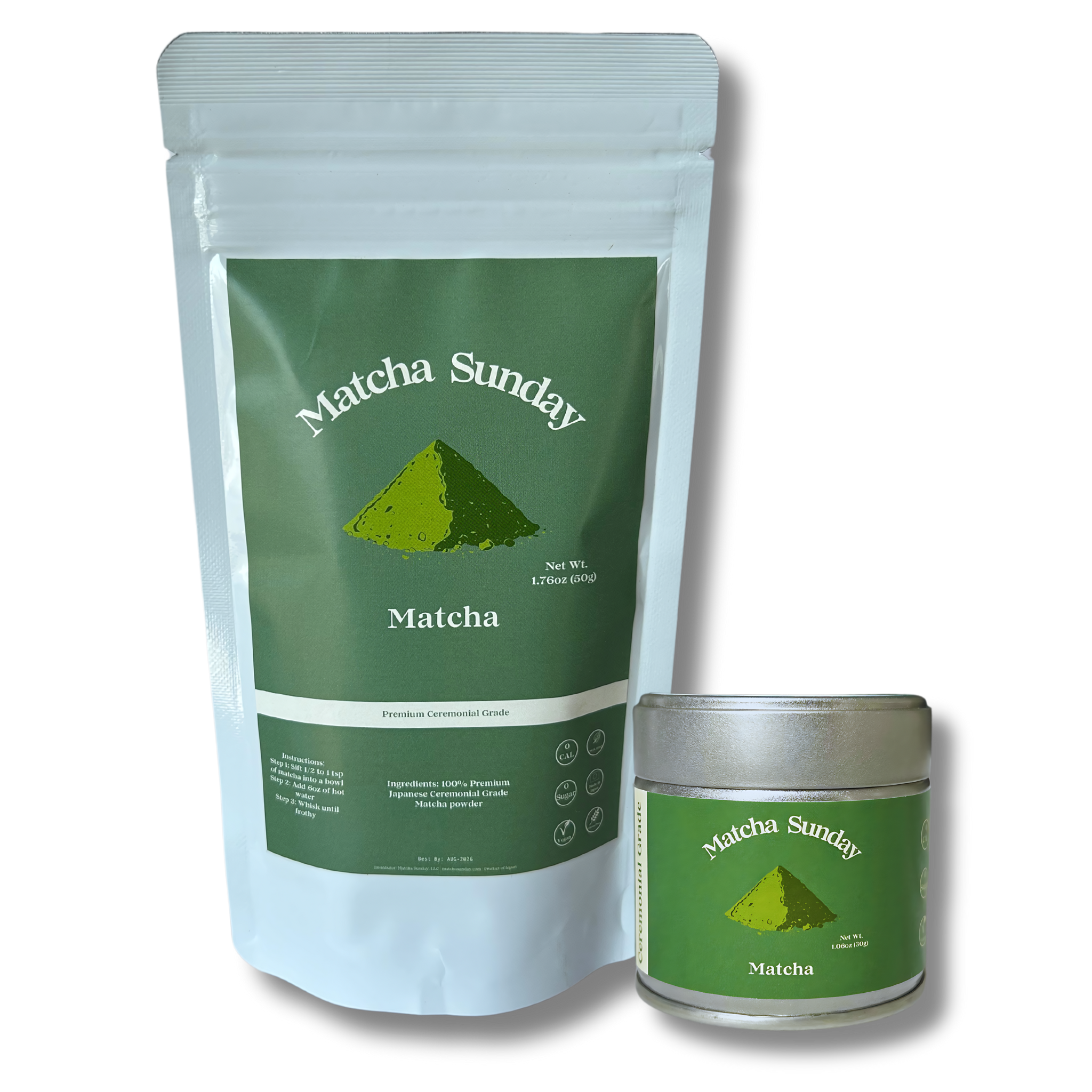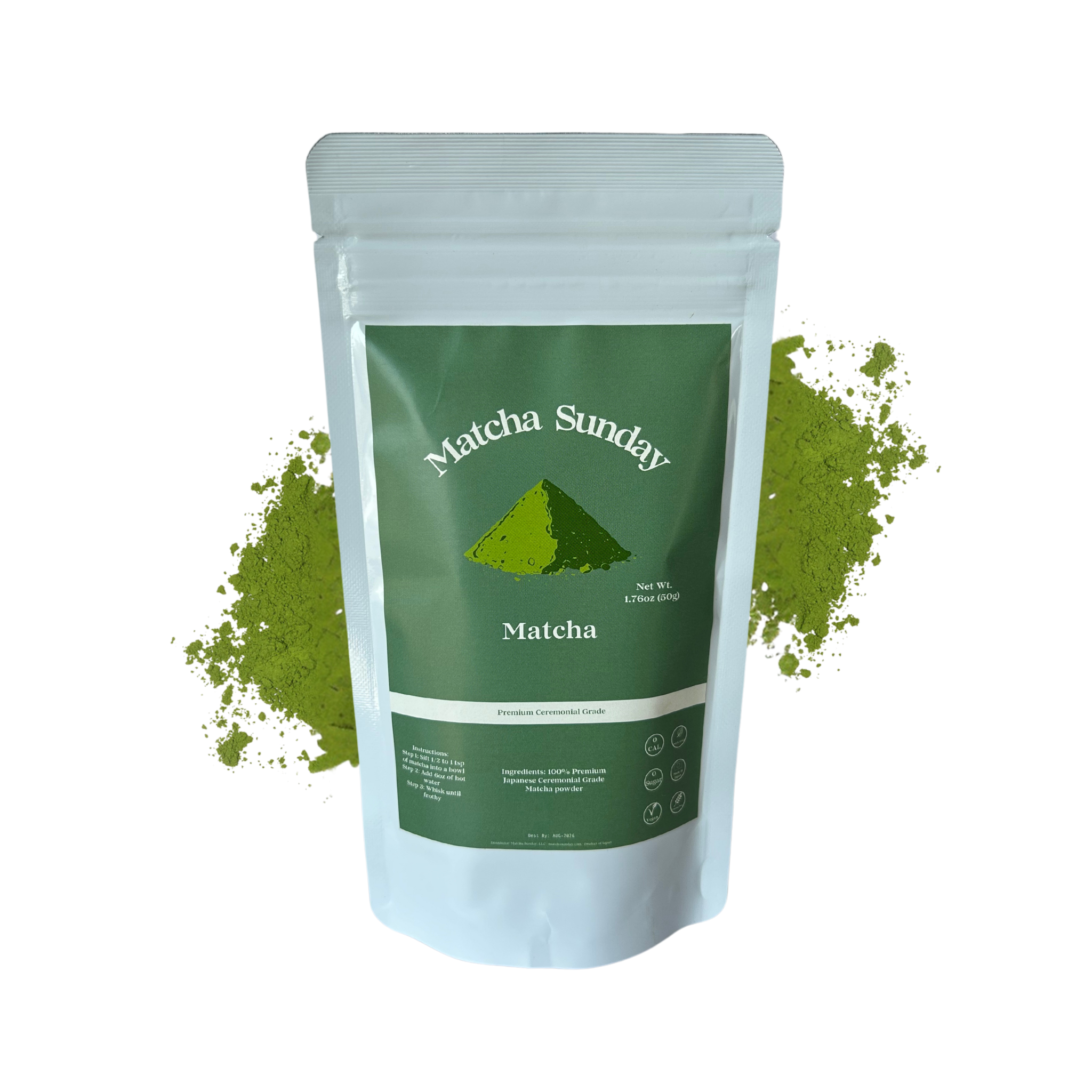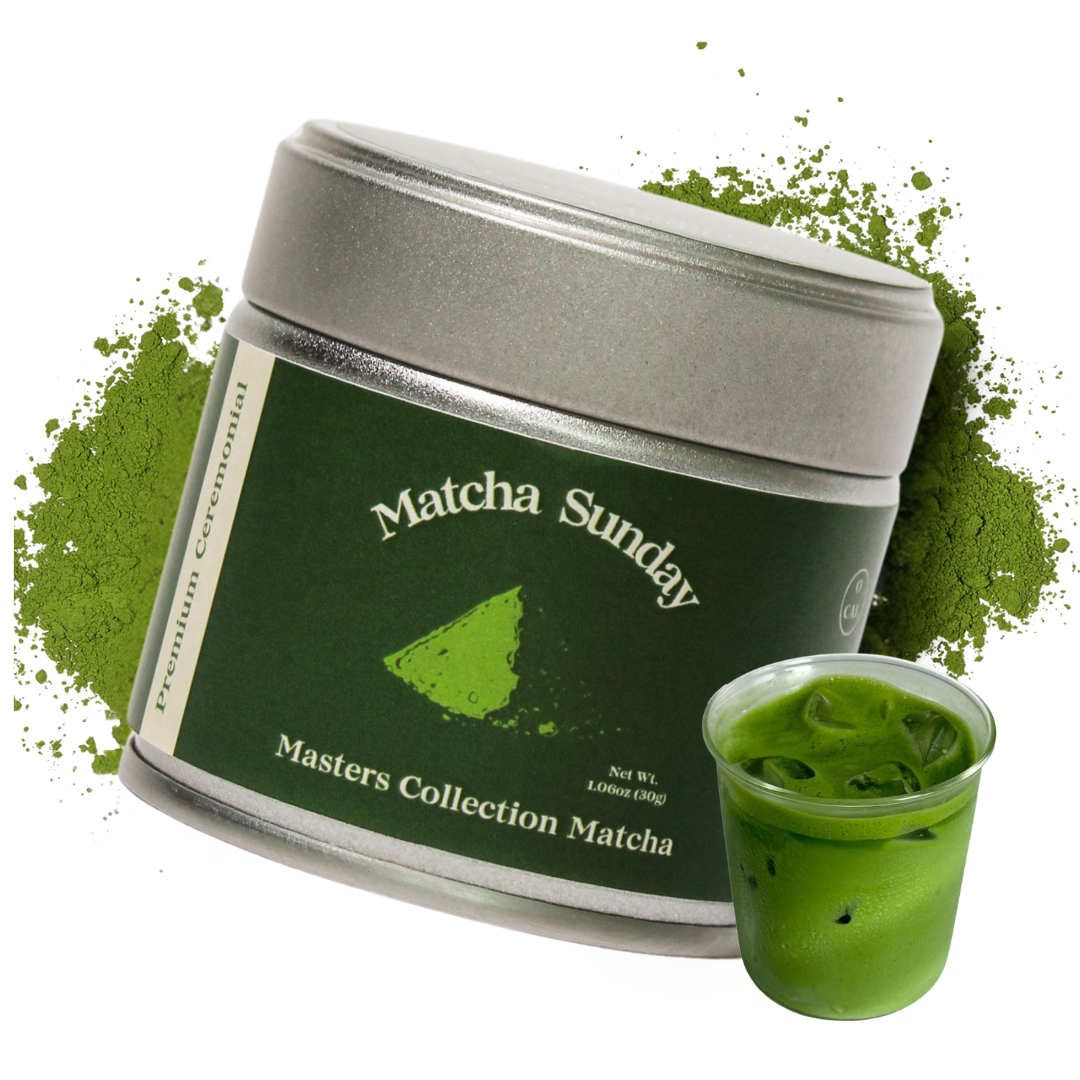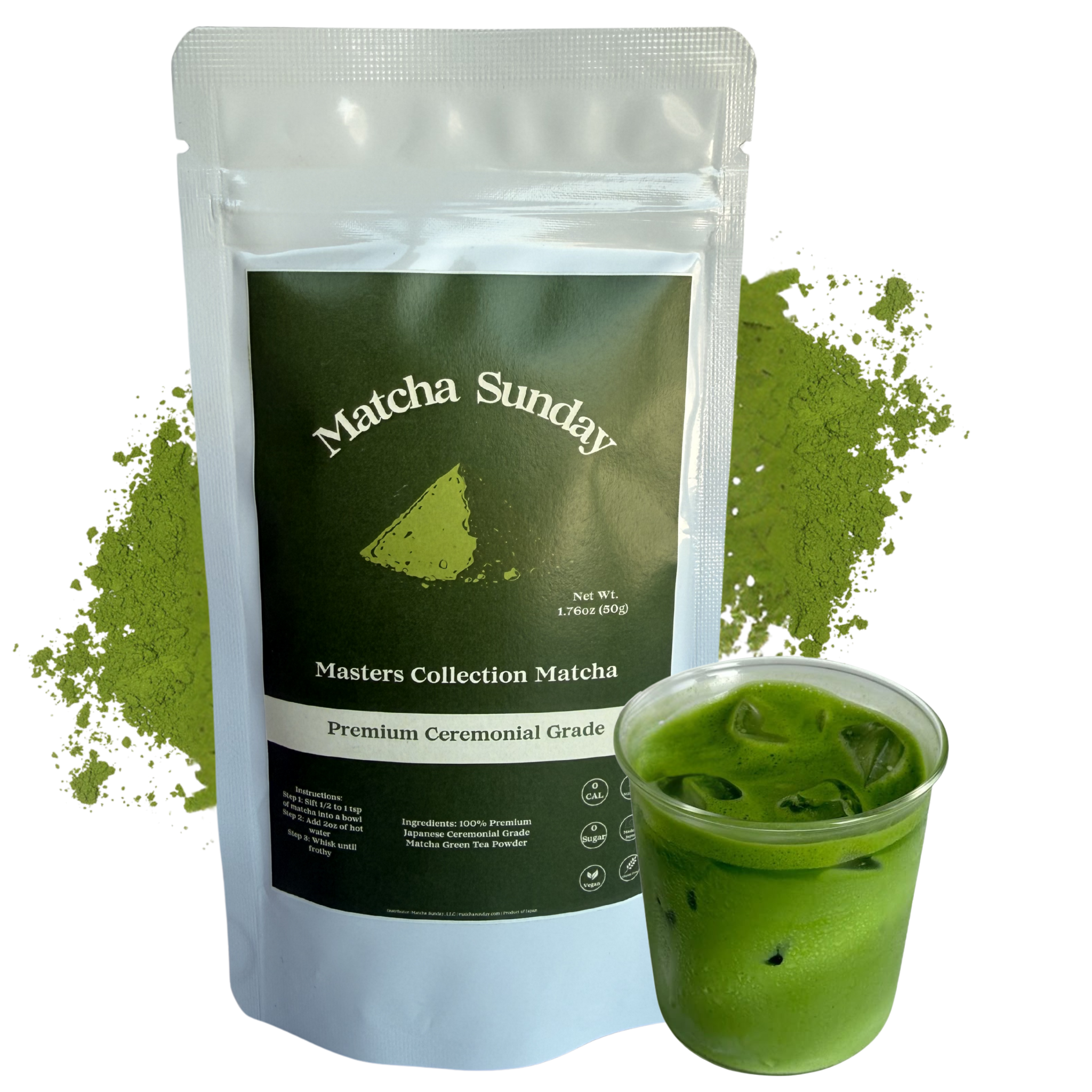
Cold brew matcha dissolves ceremonial grade powder directly into cold water with no heat, creating a smooth, naturally sweet drink in minutes. The cold extraction process produces a noticeably less bitter cup than traditional iced matcha, requires almost no equipment, and fits easily into a morning routine with fewer than five minutes of hands on active time.
What is cold brew matcha and how is it different from regular iced matcha?
Regular iced matcha starts with heat. You whisk or blend powder in a small amount of hot water, typically around 165 to 175 degrees Fahrenheit, then pour that concentrate over ice. Cold brew matcha skips the heat step entirely, combining powder with cold or room temperature water directly from the start.
The flavor difference comes down to how water temperature affects what gets extracted from the powder. Hot water pulls catechins, the polyphenol antioxidants responsible for matcha's slightly sharp edge, out of the powder quickly and in large amounts. Cold water is gentler. It draws out L theanine, the amino acid that gives matcha its umami sweetness and calm focused energy, while leaving more of the bitter catechins behind. The resulting cup is grassier, softer, and noticeably sweeter without any added sugar.
For anyone who already loves a great iced matcha latte, cold brew is a worthwhile variation that uses the same powder and produces a completely different sensory experience.
Unlike cold brew coffee or whole leaf cold brew tea, matcha powder disperses fully into water rather than steeping through leaves you later strain out. That makes cold brew matcha faster and simpler than most other cold infusion methods, with no filtering step required.
| Feature | Cold Brew Matcha | Iced Matcha |
|---|---|---|
| Water temperature | Cold (refrigerator or room temp) | Hot (165 to 175°F), then chilled |
| Bitterness level | Low to very low | Moderate |
| Active prep time | Under 5 minutes | Under 5 minutes |
| Wait time before drinking | 30 minutes to overnight | None (ready immediately) |
| Equipment needed | Jar with lid or sealed bottle | Whisk or frother, separate vessel |
| Flavor profile | Sweeter, grassier, more mellow | Bolder, more robust, slightly sharp |
What is the best matcha to water ratio for cold brew?
A ratio of 1.5 teaspoons (about 3 grams) of matcha per 8 ounces (240 milliliters) of cold water is a reliable starting point for most people. Cold water extracts powder less efficiently than hot water, so you will often want to use slightly more matcha than you would for a traditional hot bowl.
| Matcha amount | Water volume | Flavor result |
|---|---|---|
| 1 teaspoon (2g) | 10 to 12 oz (300 to 350ml) | Light and refreshing |
| 1.5 teaspoons (3g) | 8 oz (240ml) | Balanced, everyday strength |
| 2 teaspoons (4g) | 8 oz (240ml) | Strong concentrate style |
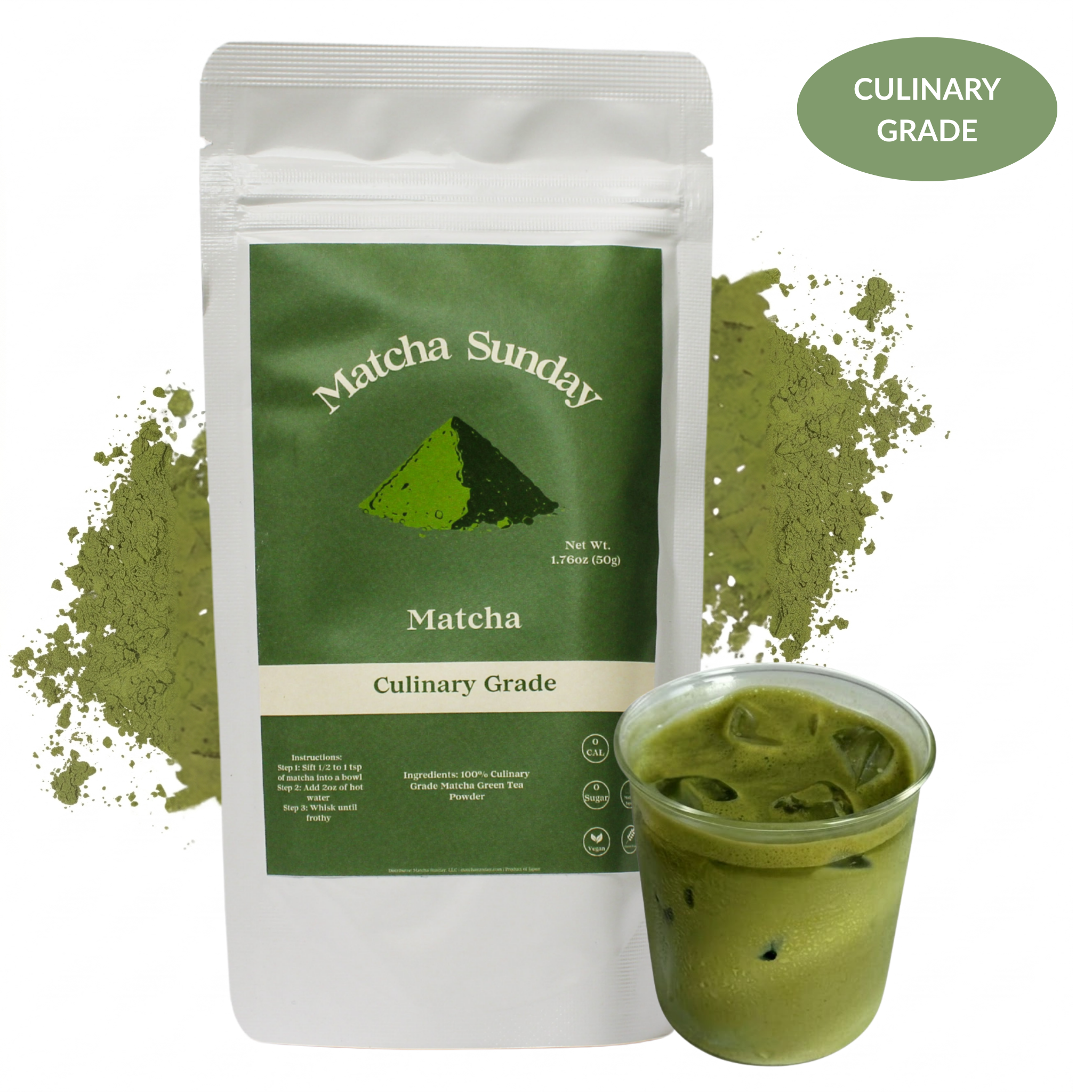
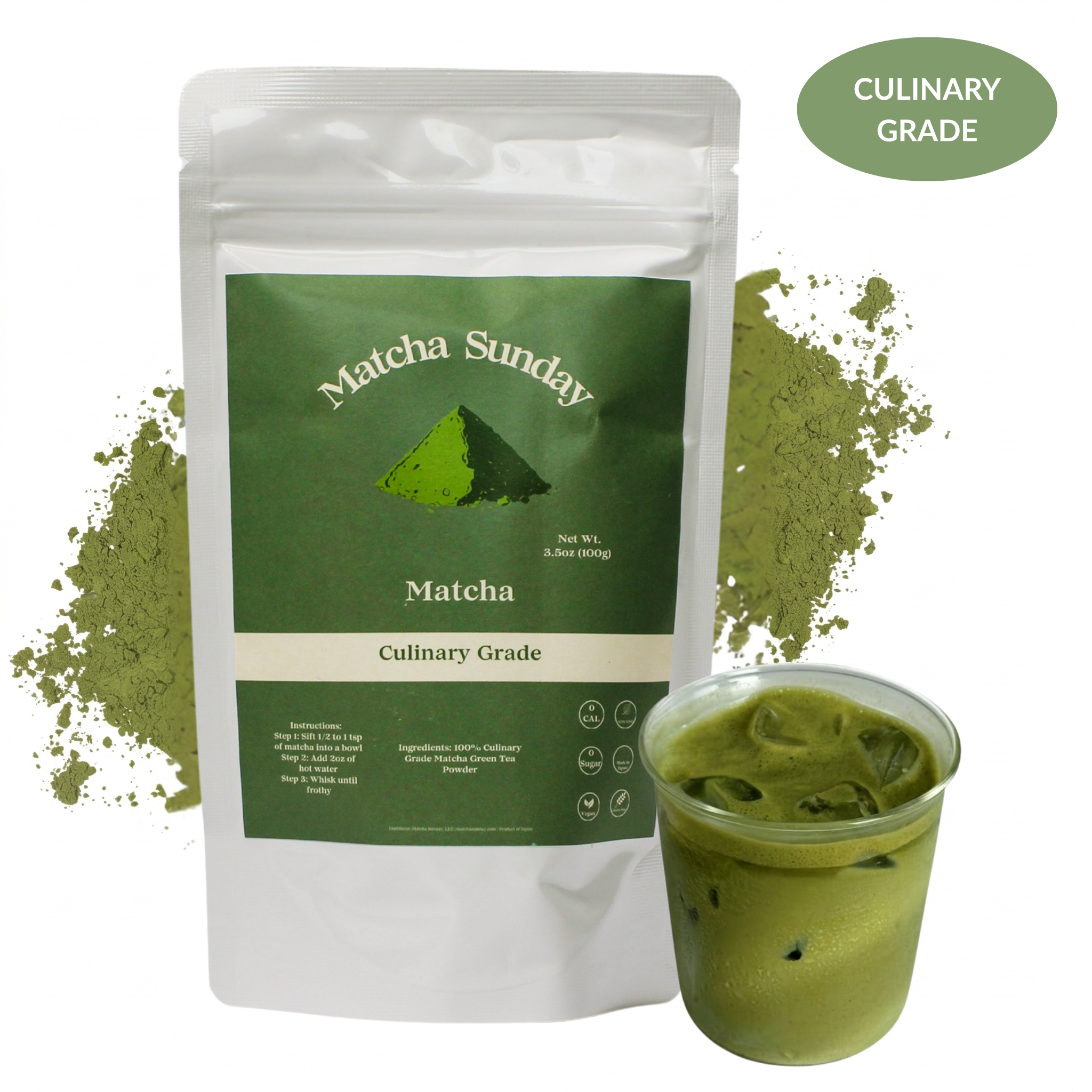
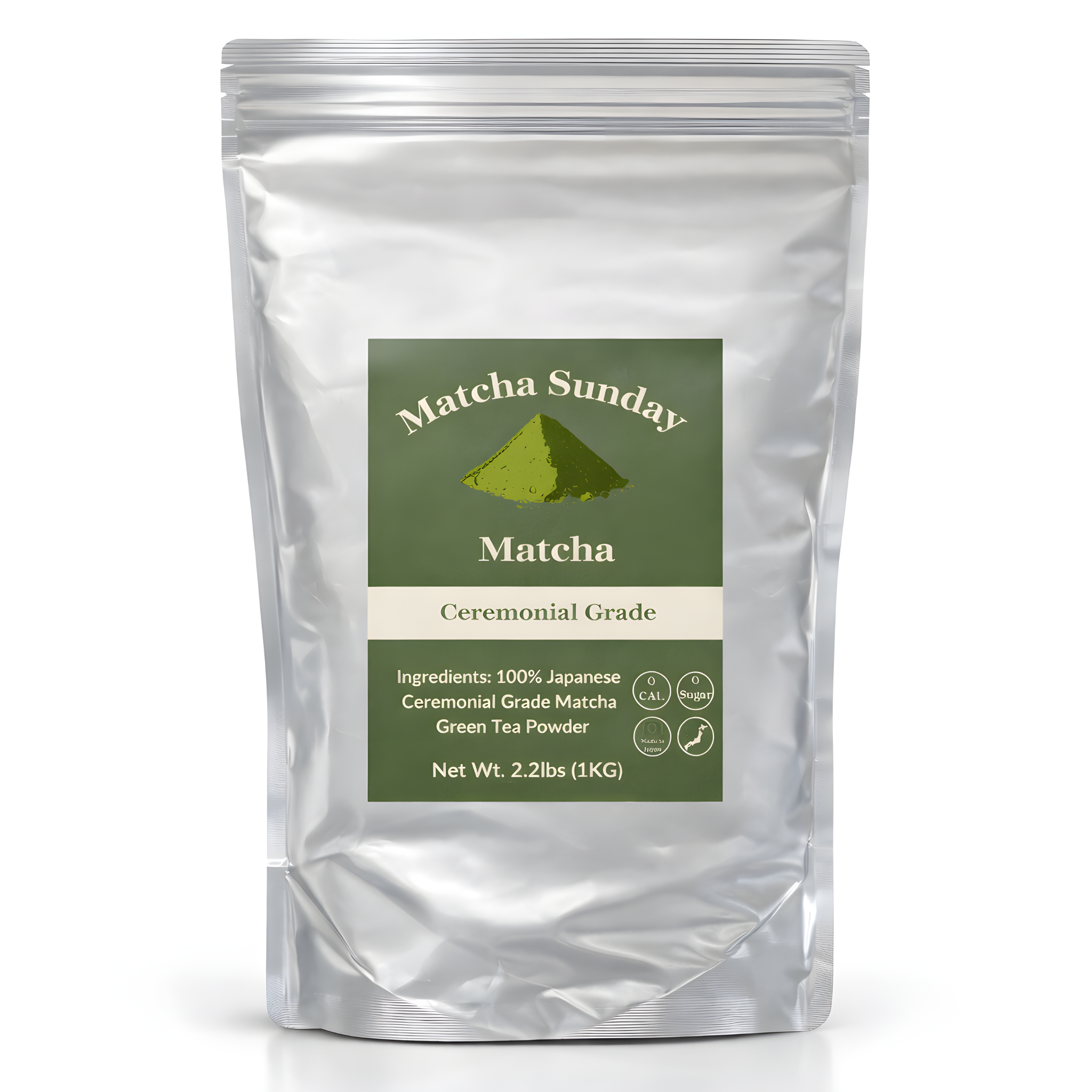
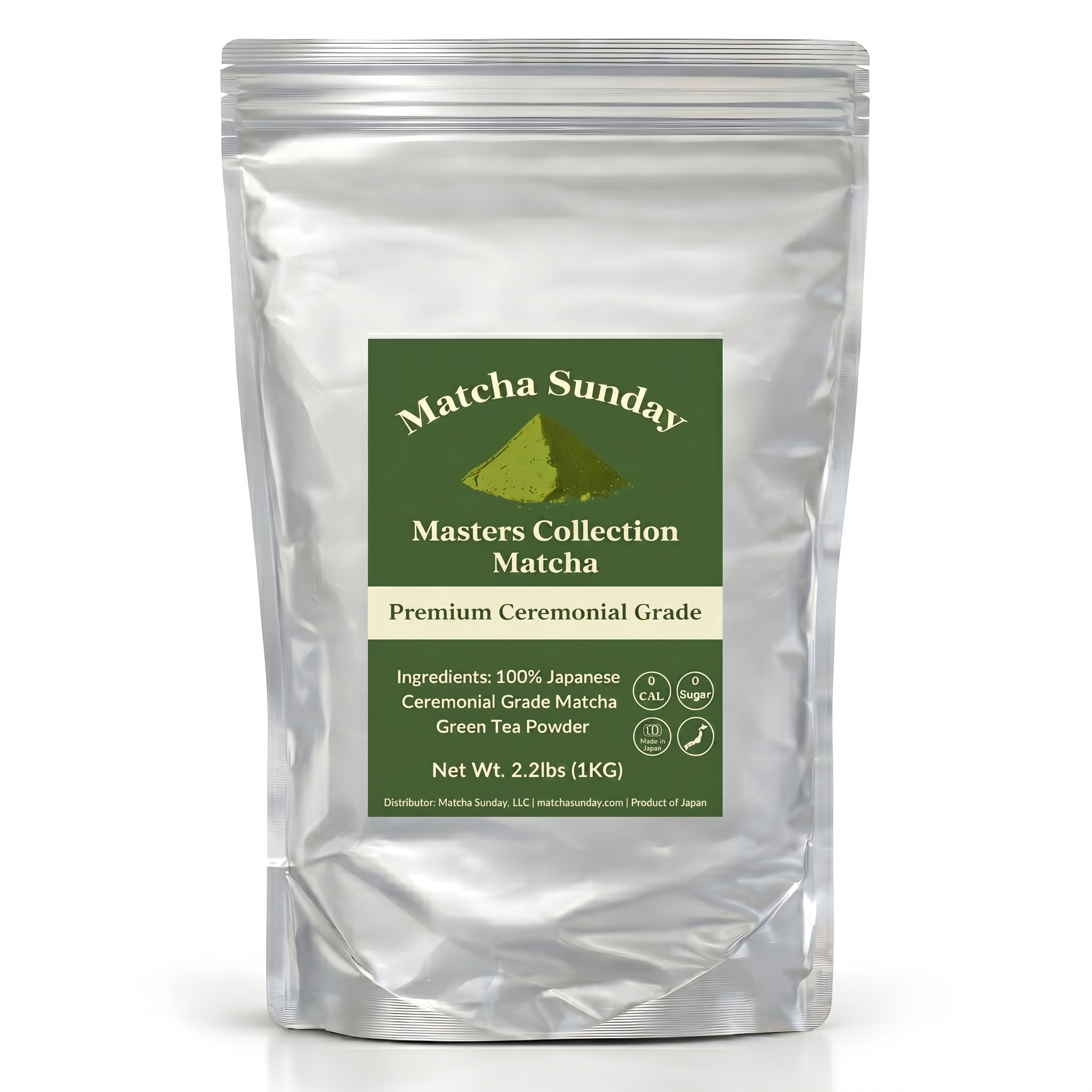
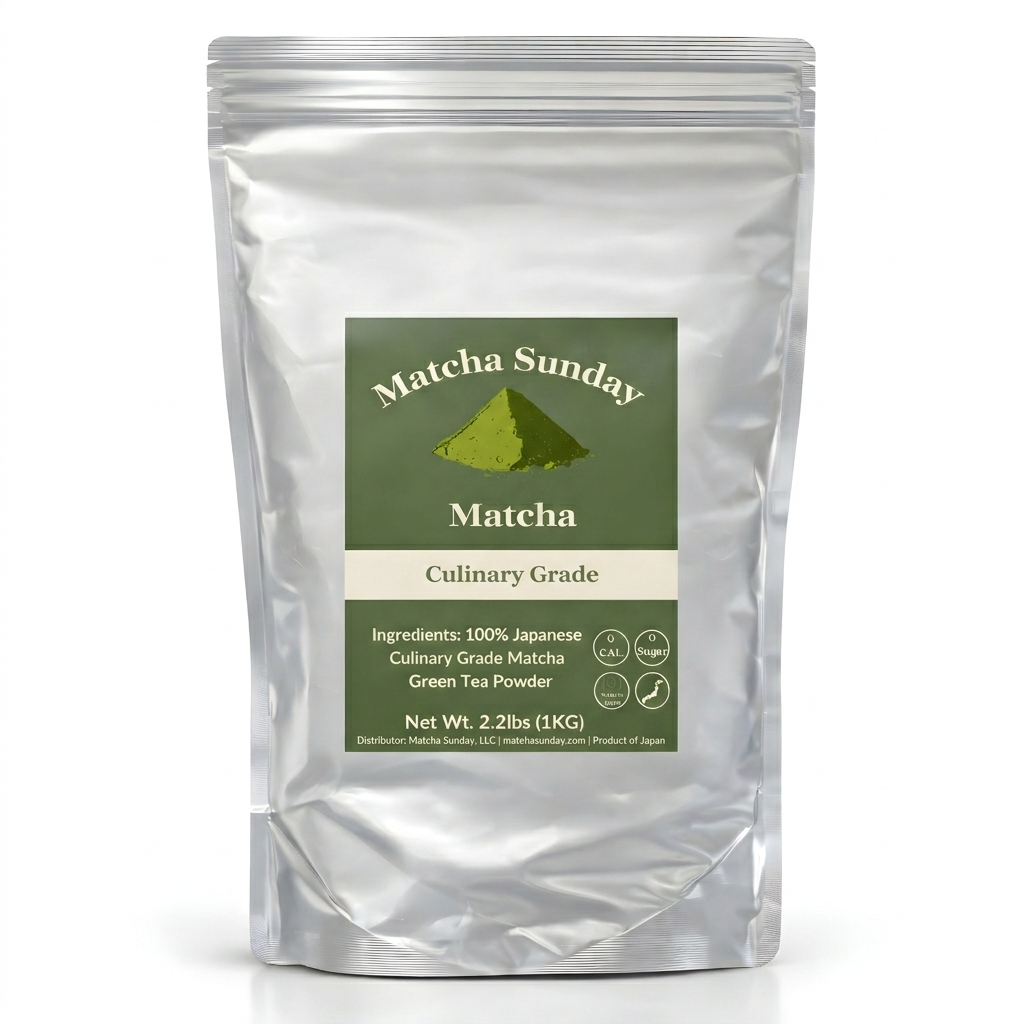
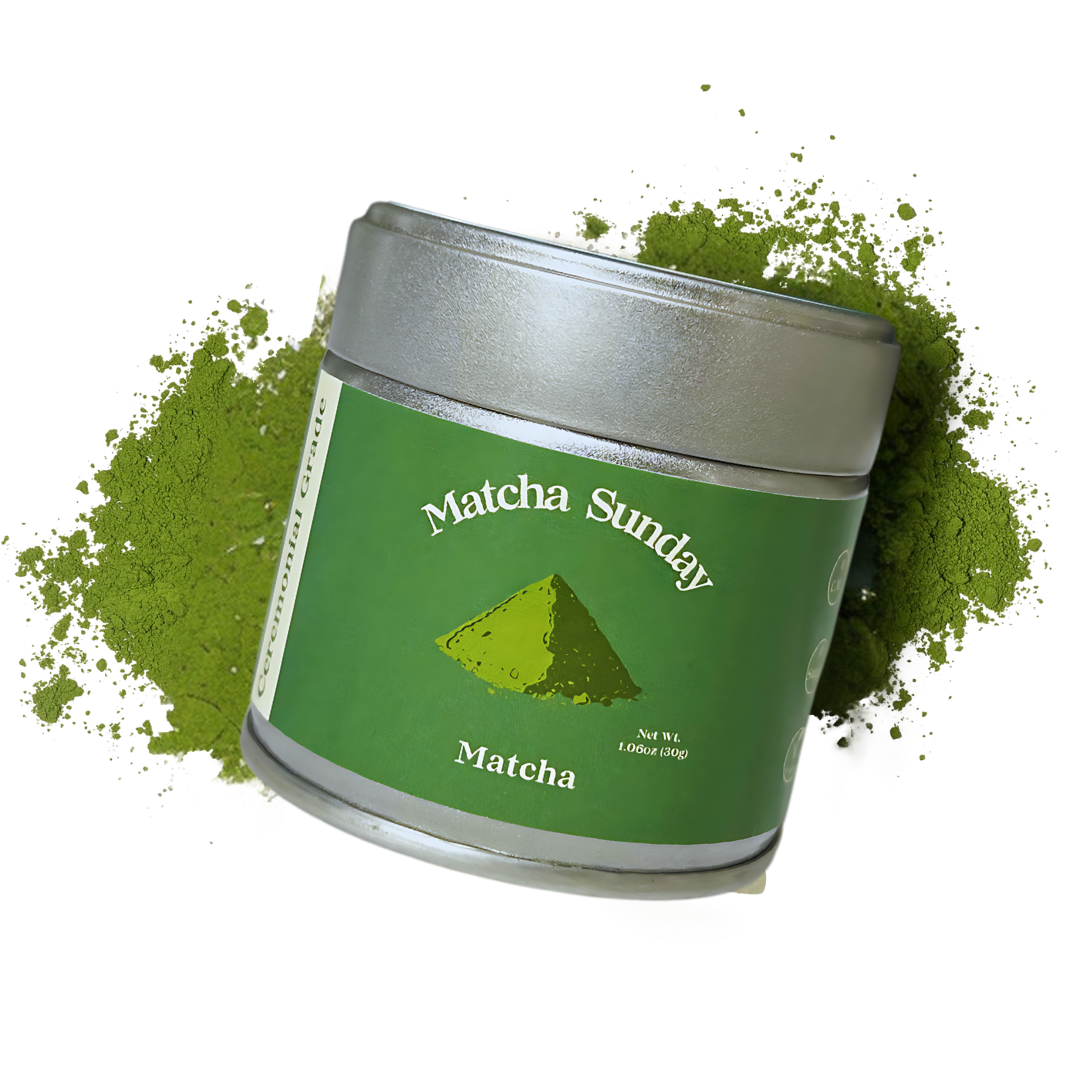
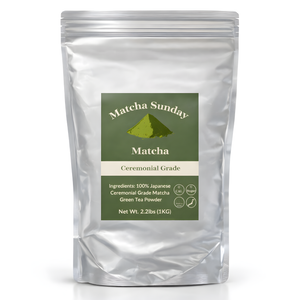
Powder quality matters significantly at the higher end of the range. Ceremonial grade matcha from Japan brings natural sweetness and vivid color to cold brew even when used generously. Its flavor remains smooth and rounded even at a 2 teaspoon per 8 ounce ratio. Culinary grade powder can turn vegetal and harsh at higher concentrations, so it works better in smoothies or lattes where milk softens the flavor. For drinking cold brew straight, ceremonial grade is the right choice.
For ratio guidance that spans hot and cold preparations, our breakdown of matcha latte ratios for every serving style covers the full range of options in one place.
How long do you steep matcha in cold water?
Matcha powder does not steep the way loose leaf tea does. It disperses. A firm 30 second shake in a lidded jar, or 30 seconds of brisk whisking in a glass, fully hydrates the powder and your cold brew is technically ready to drink right away. That said, a short chill in the refrigerator noticeably improves the flavor.
Here is the simplest method for making cold brew matcha at home:
- Add 1.5 teaspoons of ceremonial grade matcha to a clean jar or sealed bottle.
- Pour in 1 to 2 tablespoons of room temperature water and stir into a smooth, lump free paste.
- Add 8 ounces of cold filtered water.
- Seal the lid and shake firmly for 30 seconds.
- Refrigerate for at least 30 minutes, or overnight for a more fully integrated flavor.
- Shake once more before pouring and enjoy over ice or straight from the jar.
If you prefer to prepare ahead, an overnight soak of 8 to 12 hours works well and produces a slightly more concentrated, deeply green result. The paste step in the method above is the most important one: starting with a small amount of room temperature water prevents the clumping that cold water alone can cause. Our guide to making clump free iced matcha explains the full technique if you want to go deeper.
Does cold brew matcha taste less bitter than hot matcha?
Yes, reliably and noticeably. Cold brew matcha is less bitter than hot matcha, and the reason is grounded in chemistry rather than preference or suggestion.
Catechins such as EGCG dissolve readily at high temperatures. When matcha is prepared at 165 to 175 degrees Fahrenheit, large amounts of these compounds enter the liquid quickly and contribute to the slightly sharp, astringent edge that some people find difficult to enjoy. Cold water extracts the same catechins far more slowly and in smaller concentrations. Meanwhile, L theanine, the amino acid that gives matcha its characteristic umami quality and its association with calm, sustained energy, remains highly soluble even at refrigerator temperatures. The result is a cup where sweetness and fresh grassiness lead the flavor and bitterness steps well into the background.
This is the same principle that explains why cold brew coffee tends to taste less bitter and acidic than drip coffee. Cold water simply cannot pull harsh compounds out of a plant material at the same rate that hot water can. If hot matcha or standard iced matcha has ever tasted too sharp or vegetal, cold brew is genuinely worth trying before giving up on the drink entirely. Many people who struggled with matcha bitterness find the cold brew version an easy, pleasant daily habit.
How long does cold brew matcha last in the fridge?
Cold brew matcha is best within 24 to 48 hours of preparation. After that window, oxidation begins to dull the color from vivid green toward a more muted, yellowish tone, and the fresh grassy flavor fades noticeably. The drink is still safe to consume at 48 hours, but the sensory experience declines steadily from that point forward.
To get the most from your batch, store it in a sealed glass jar or airtight bottle toward the back of the refrigerator rather than in the door, where temperatures fluctuate with each opening. Give it a quick shake before each pour since fine powder settles to the bottom over time.
Matcha is one of the more perishable green teas because you consume the entire leaf as powder rather than a brief infusion. Keeping your cold brew sealed and cold slows oxidation without stopping it entirely. The same principles discussed in our guide to storing matcha to keep it fresh apply directly to your finished cold brew batch: minimize light, air, and temperature swings.
For the freshest results, many people find it easiest to prepare a single serving the night before and drink it the following morning. This approach gives you the overnight hydration benefit while keeping the gap between prep and drinking as short as possible.
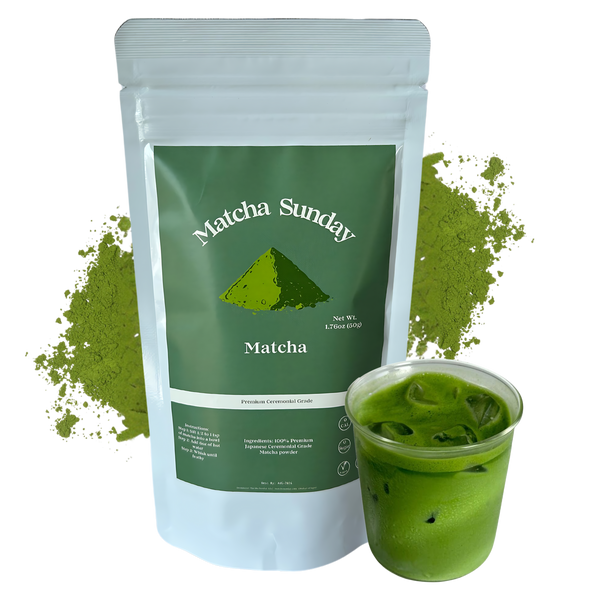
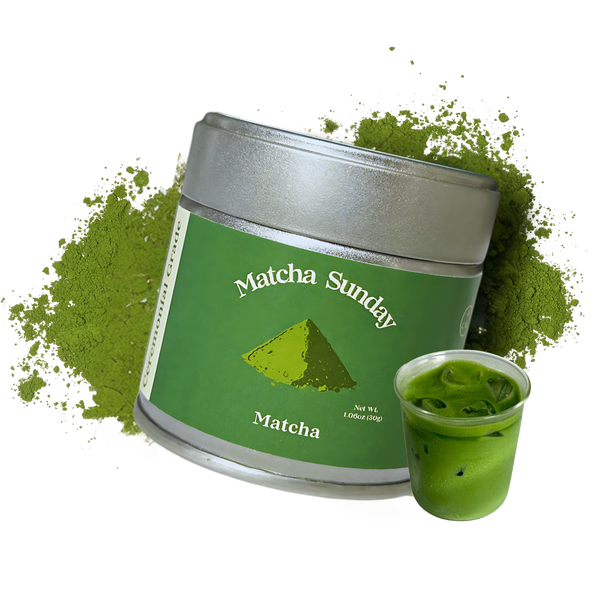
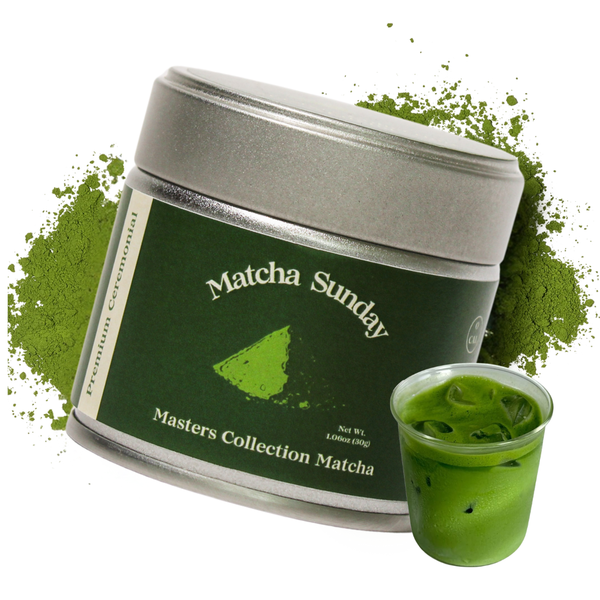
Shop the matcha
Frequently asked questions
Can you make cold brew matcha without a shaker bottle?
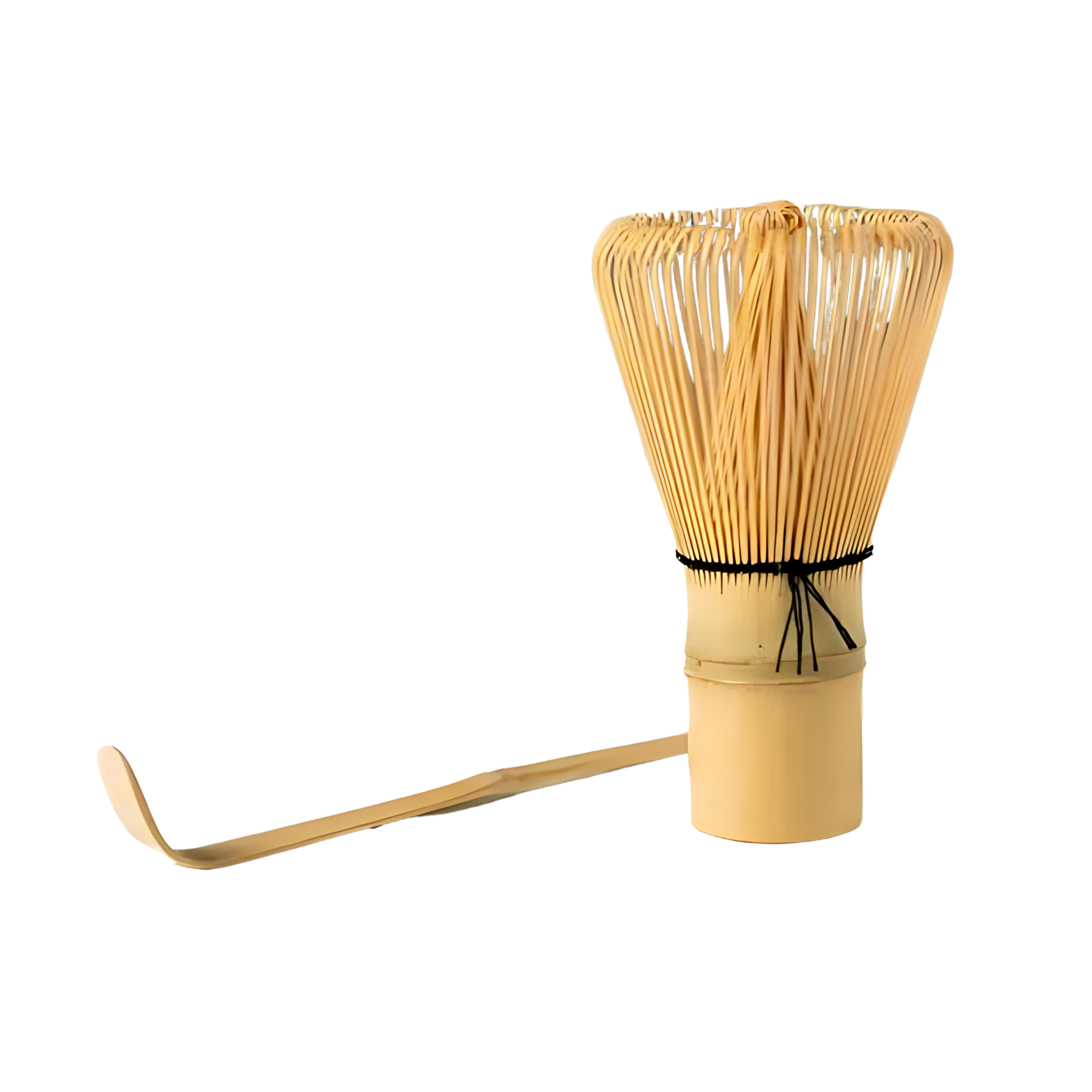
Yes. A mason jar with a tight lid works perfectly. Add your matcha and cold water, seal the lid, and shake firmly for 30 seconds. A tall glass and a small whisk also work well. The goal is full powder dispersion, and any vessel that lets you stir or shake vigorously will produce good results without specialized equipment.
What grade of matcha is best for cold brew?
Ceremonial grade matcha from Japan is the best choice for drinking cold brew straight. Its natural sweetness, vivid color, and smooth umami flavor hold up well without the softening effect of milk or heat. Culinary grade matcha works better in smoothies and lattes where other ingredients balance its more assertive, vegetal character.
How much caffeine is in cold brew matcha?
A typical one teaspoon serving of matcha (about 2 grams) contains approximately 60 to 80 milligrams of caffeine. Cold water extraction does not significantly reduce caffeine content compared to a hot preparation, so your cold brew cup delivers a similar energy lift alongside the calm focus that L theanine promotes.
Can you add milk to cold brew matcha?
Yes, and it works very well. Prepare your cold brew concentrate first, then add oat milk, almond milk, or regular dairy in roughly a 1 to 2 ratio of concentrate to milk. The natural sweetness of cold brew matcha pairs especially well with oat milk because both bring a mild, grain like quality to the overall flavor.
Why is my cold brew matcha clumpy?
Matcha powder clumps most often when added all at once to very cold water. To prevent this, stir the powder into a small amount of room temperature water first to form a thin paste, then add your cold water and shake vigorously. Starting with that brief paste step eliminates clumping in almost every case.
Is cold brew matcha healthier than hot matcha?
Both versions deliver the full nutrient profile of matcha because you consume the entire leaf as powder. Cold water extracts catechins more slowly, so the antioxidant concentration per cup may be somewhat lower than a hot preparation at the same ratio. L theanine remains fully available in both. Neither version is objectively superior; they suit different moments and preferences.
Can you sweeten cold brew matcha?
Yes. Simple syrup, honey syrup, or agave blend easily into cold liquid and work well with cold brew matcha. Granulated sugar does not dissolve well in cold water. A small amount of sweetener goes a long way because cold brew matcha already tastes naturally sweeter than a hot preparation made with the same powder and ratio.