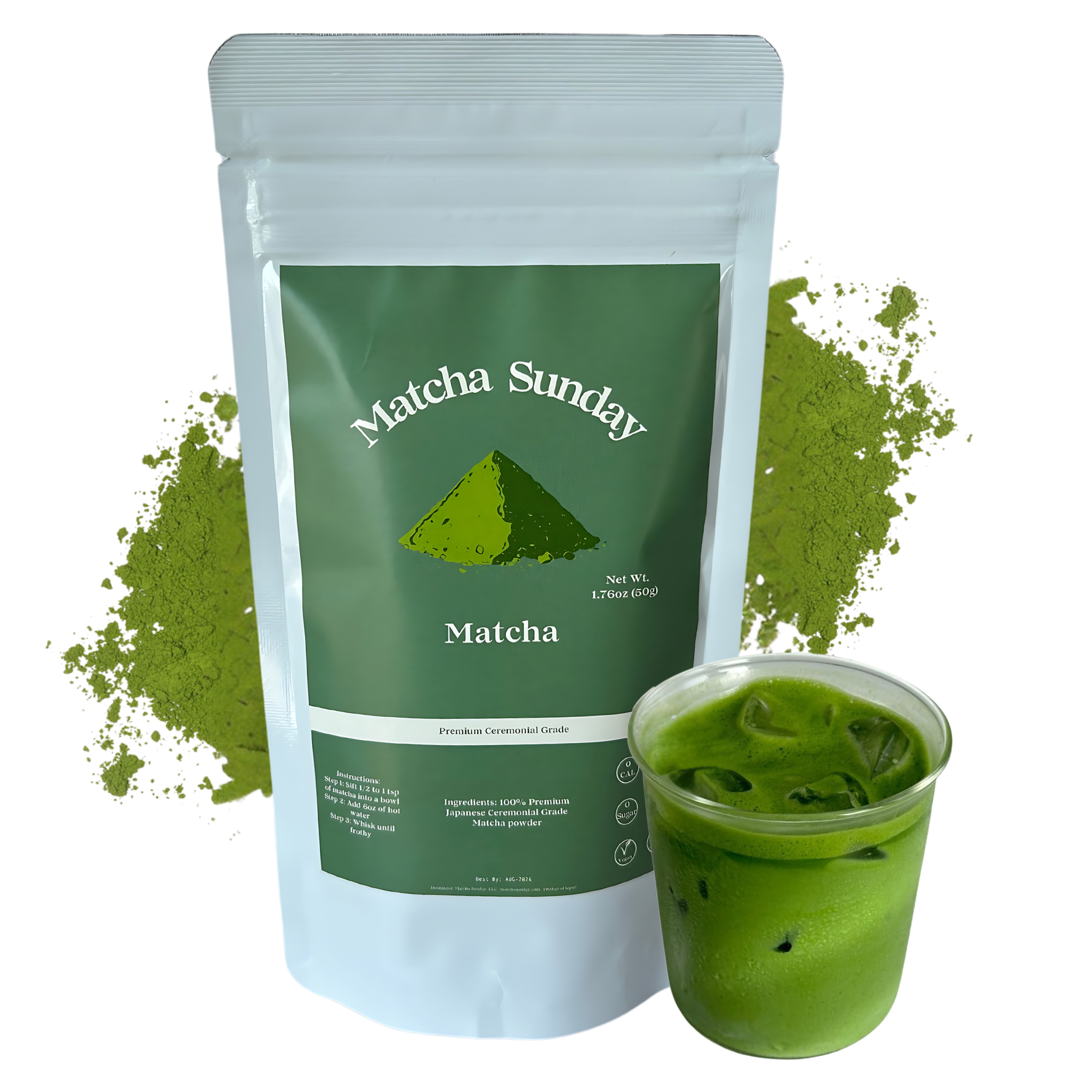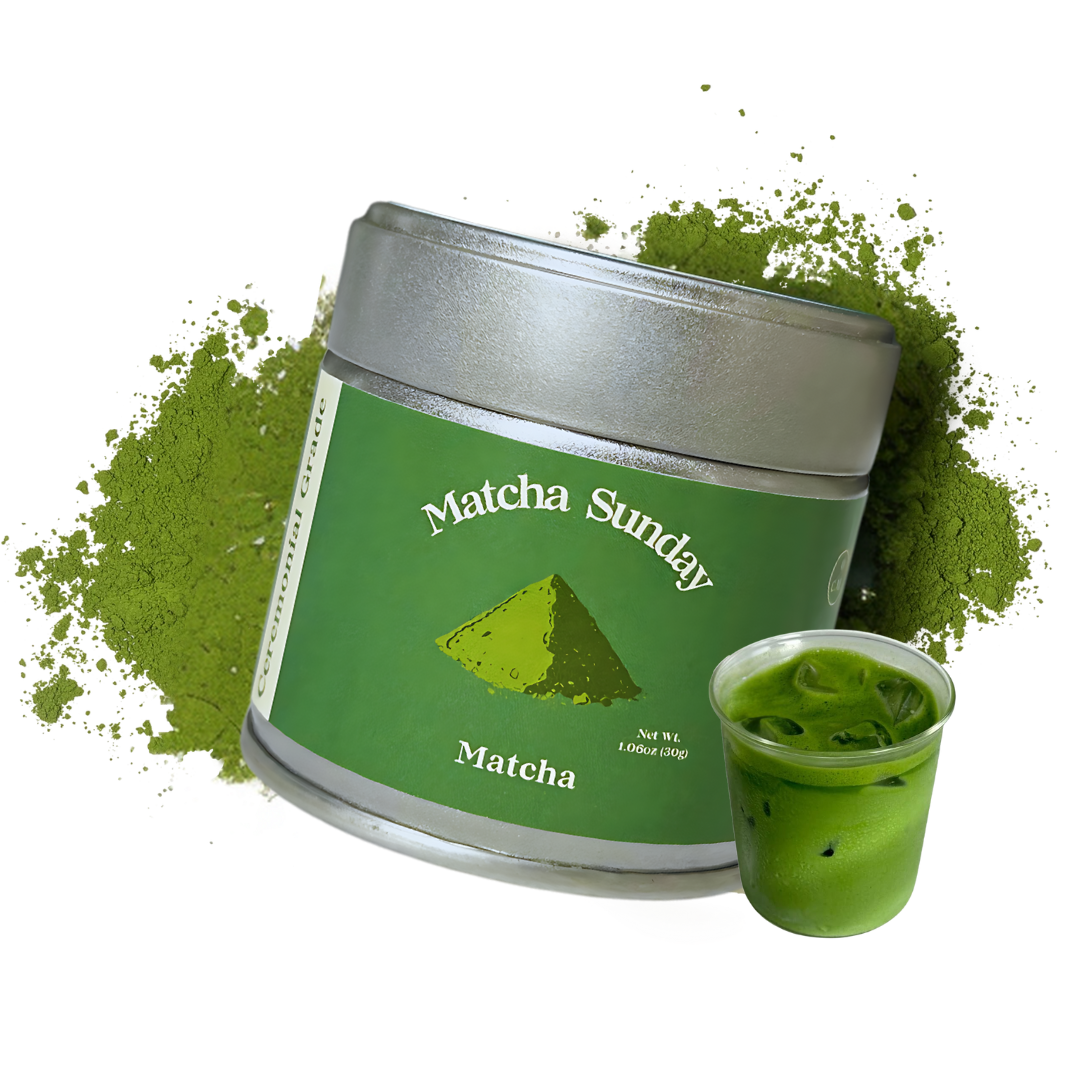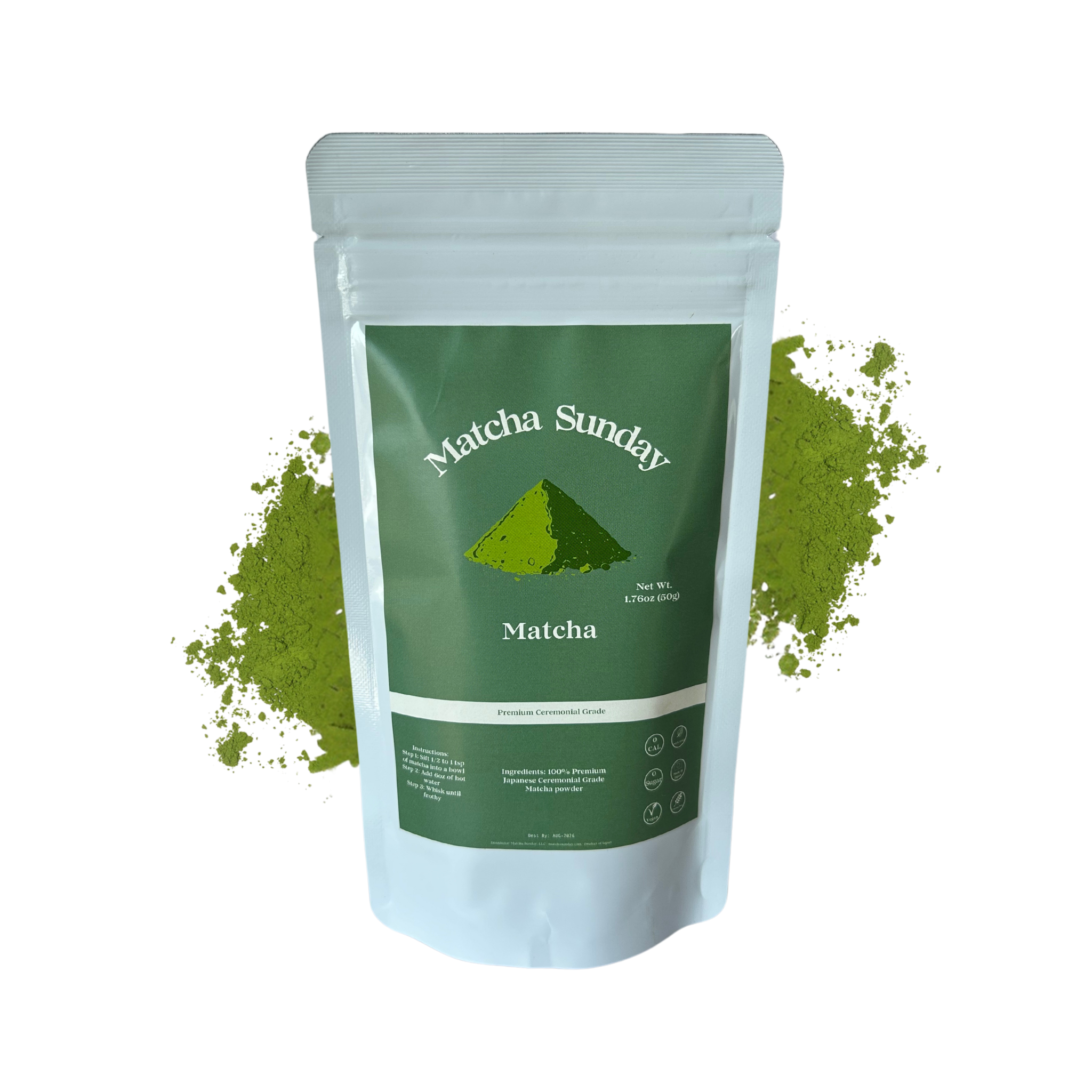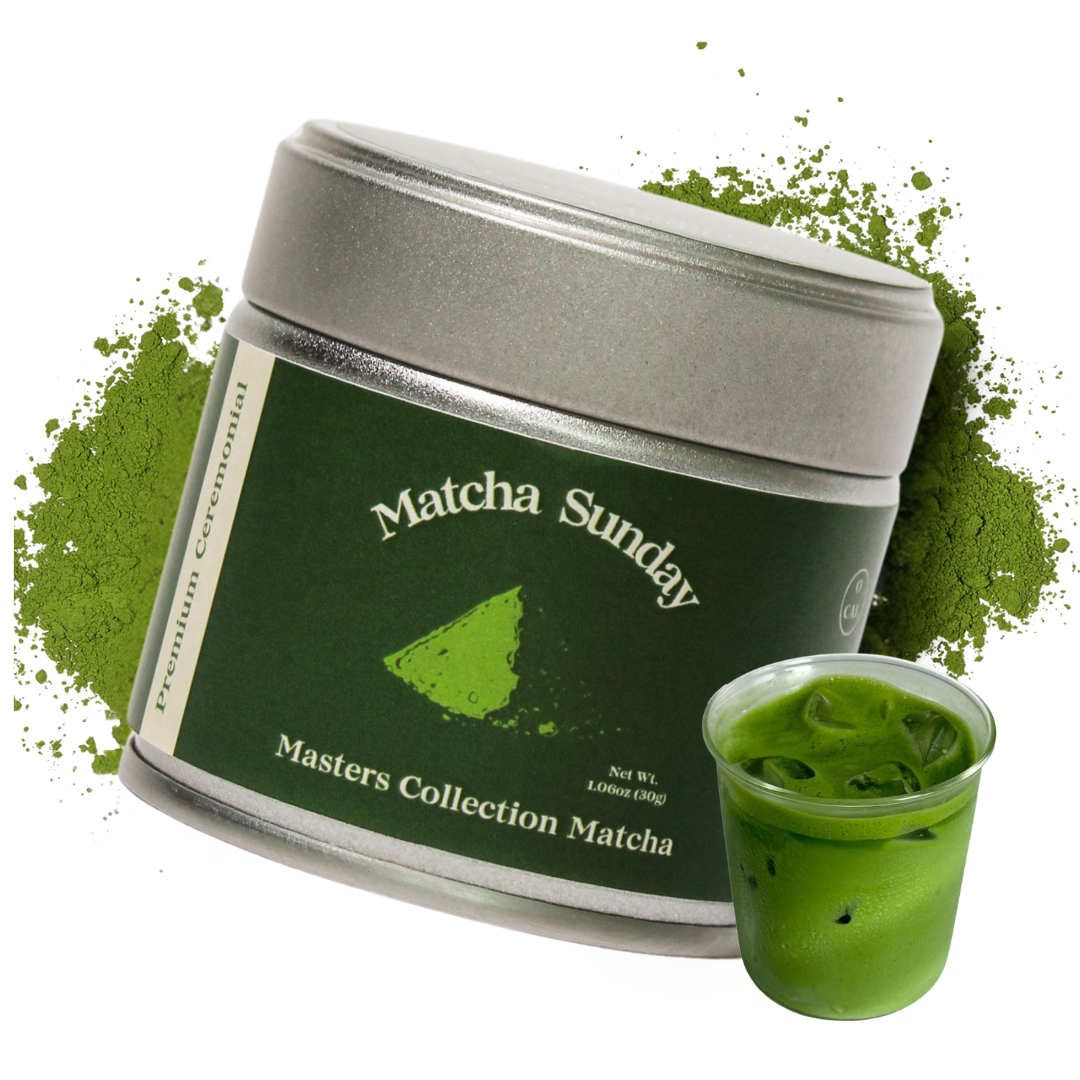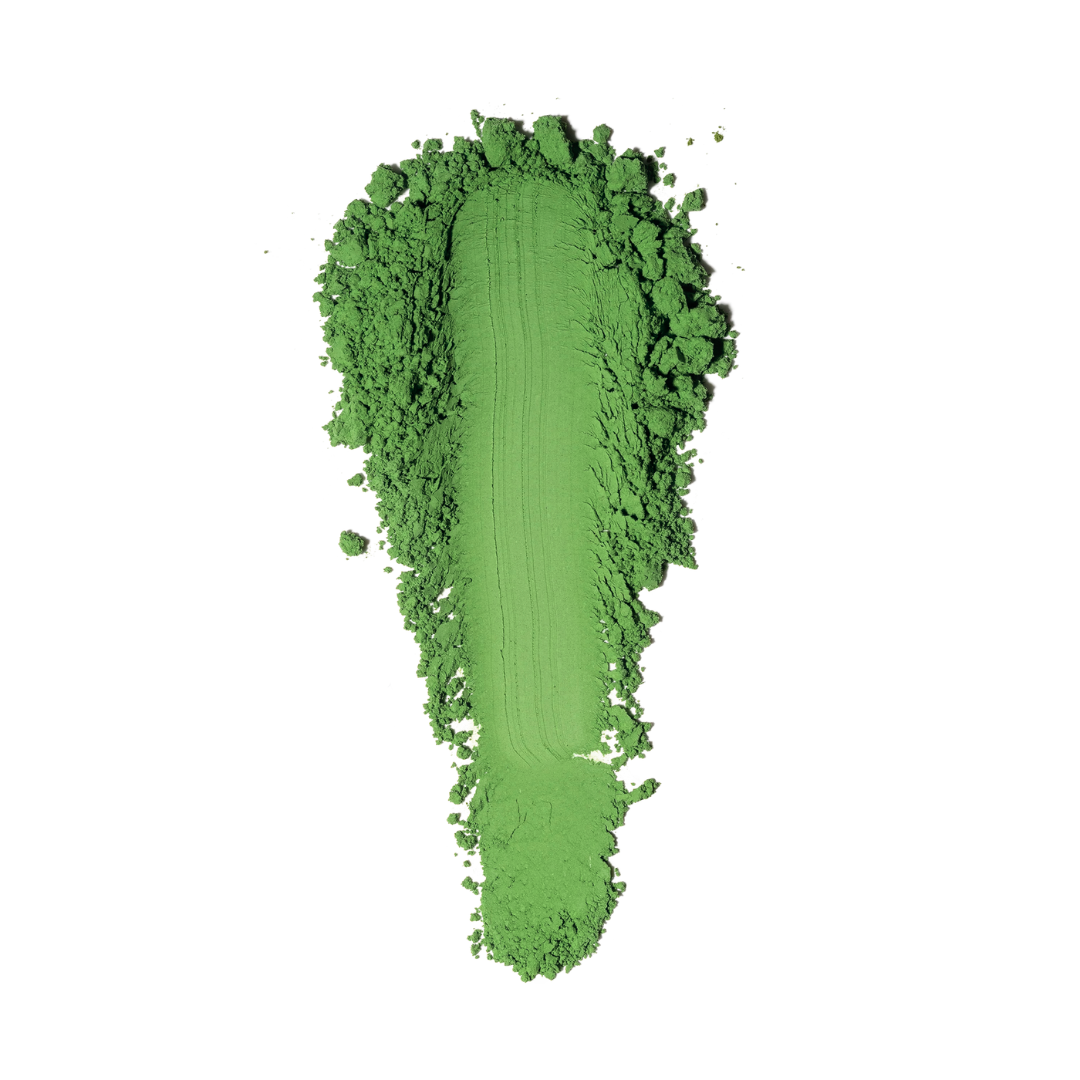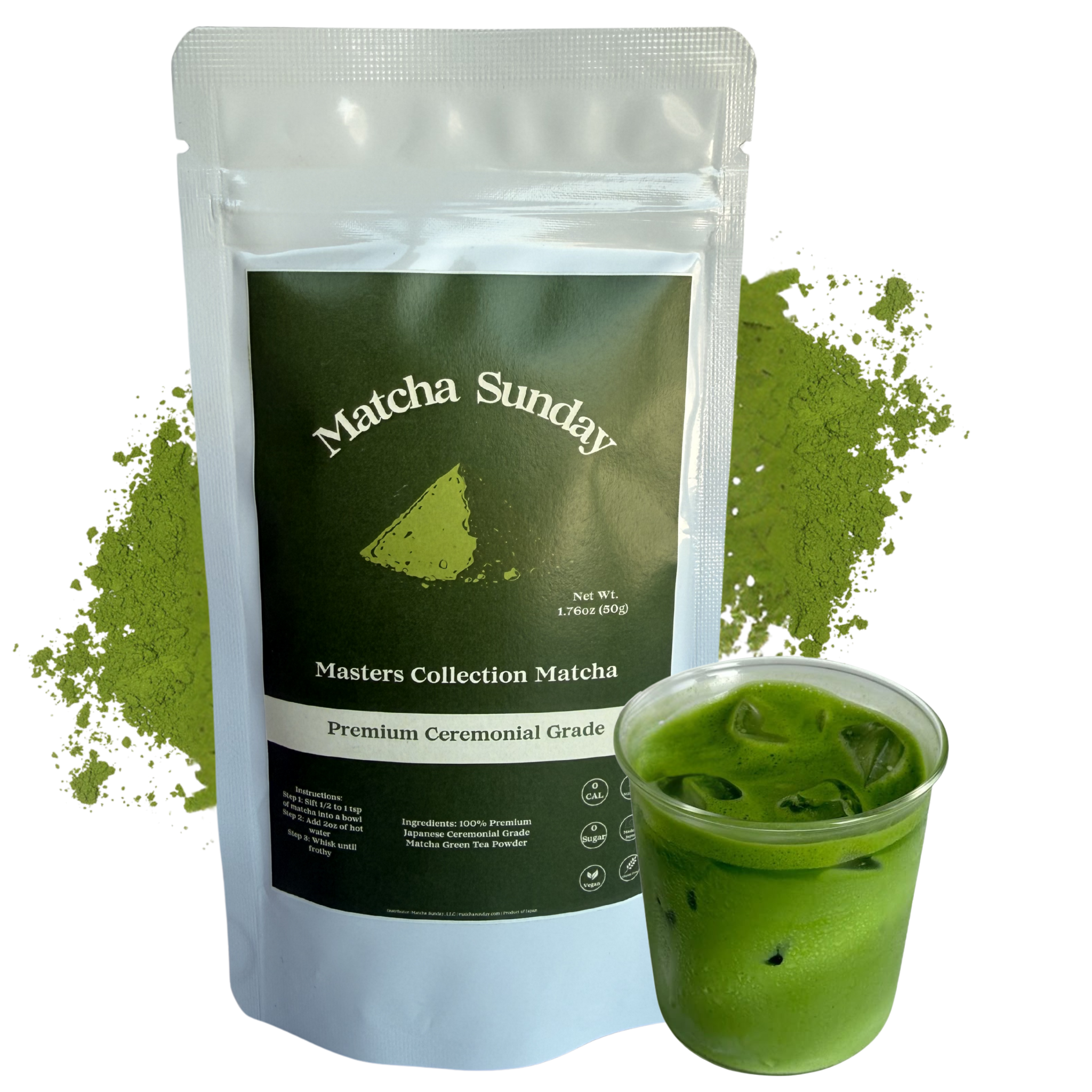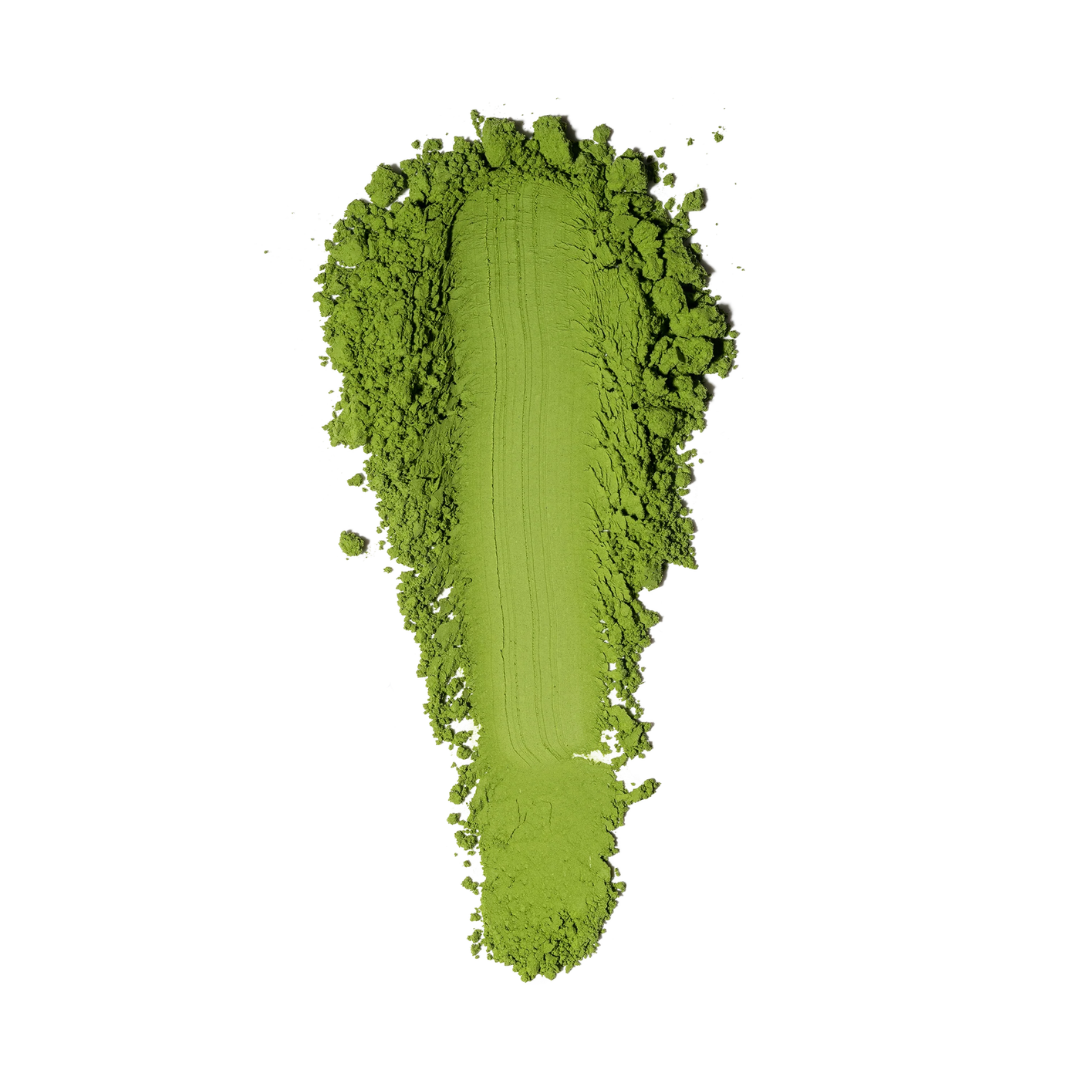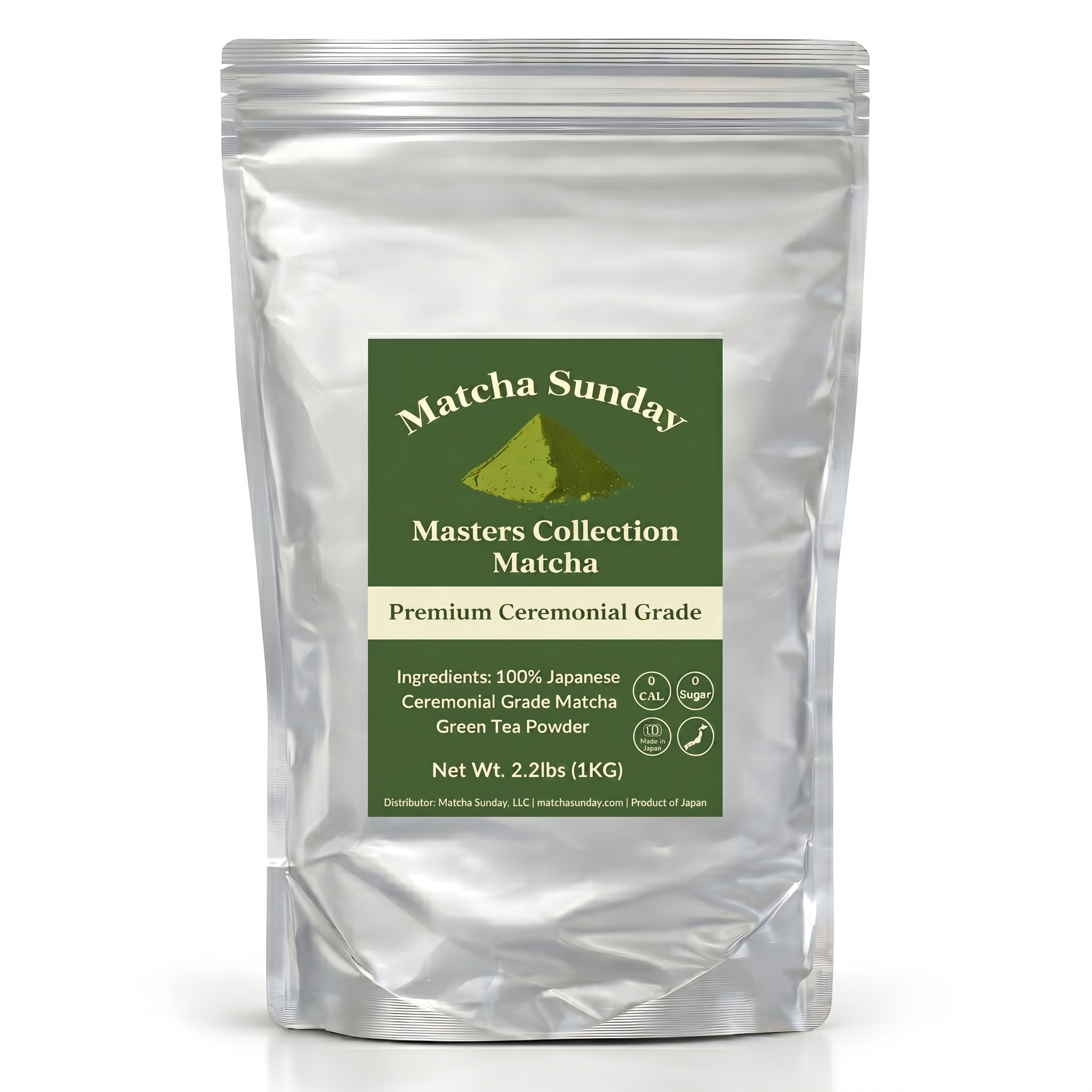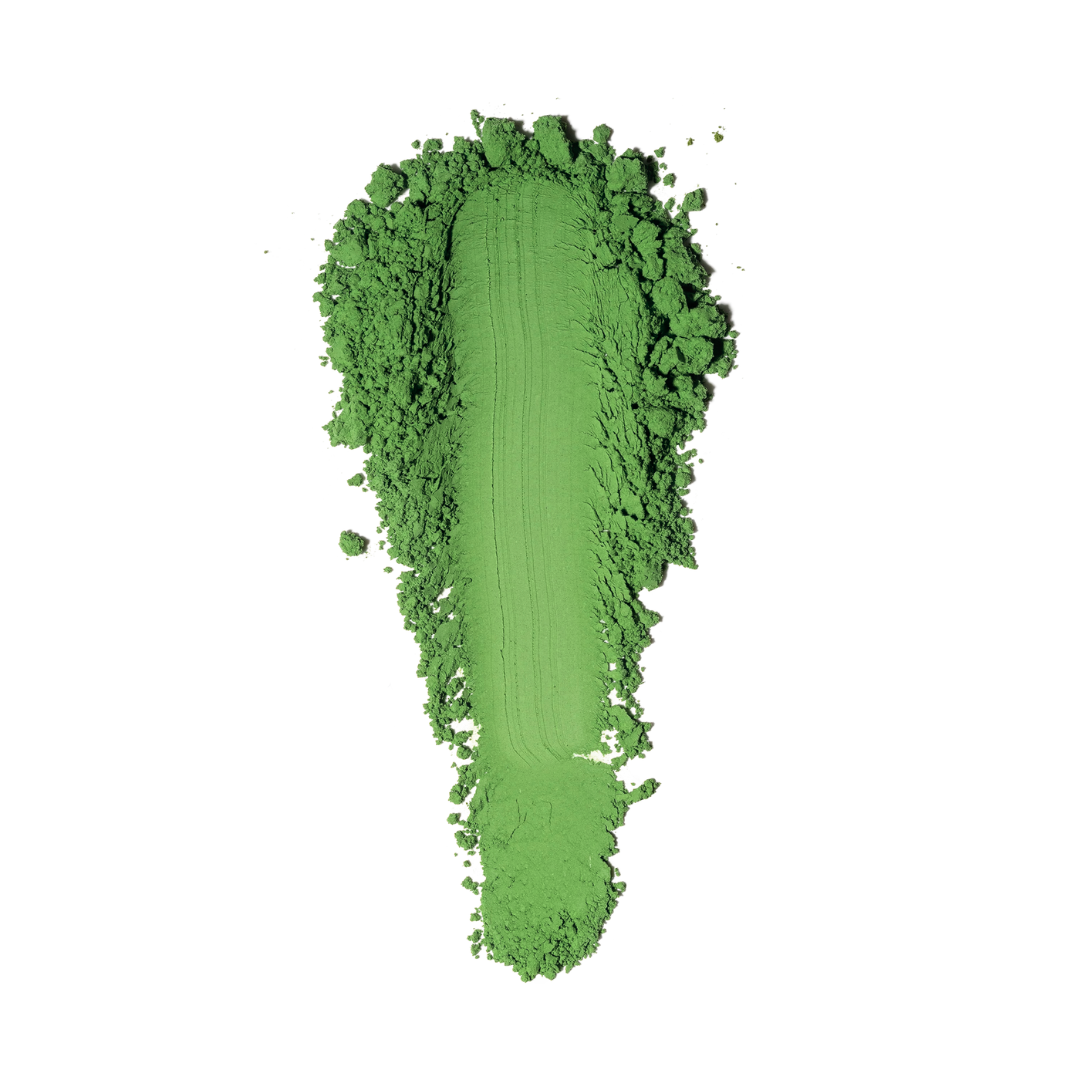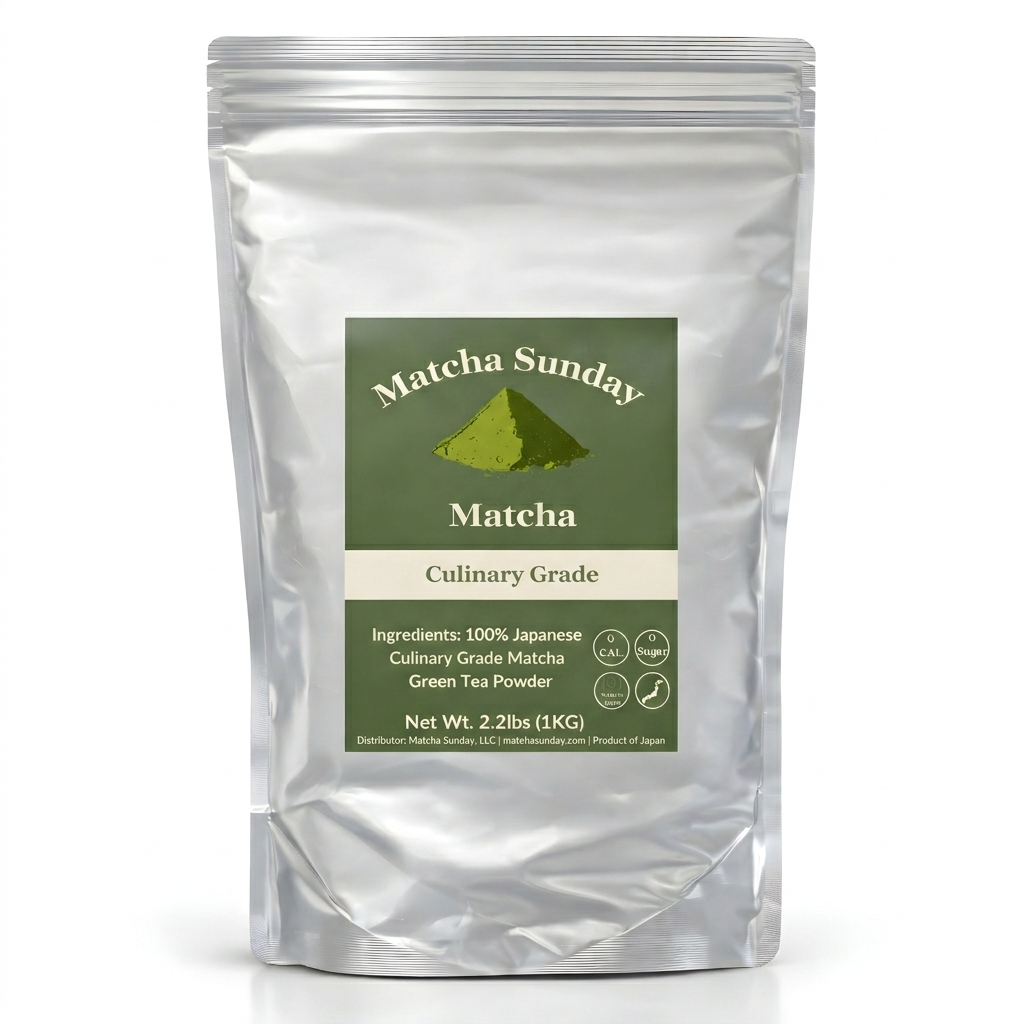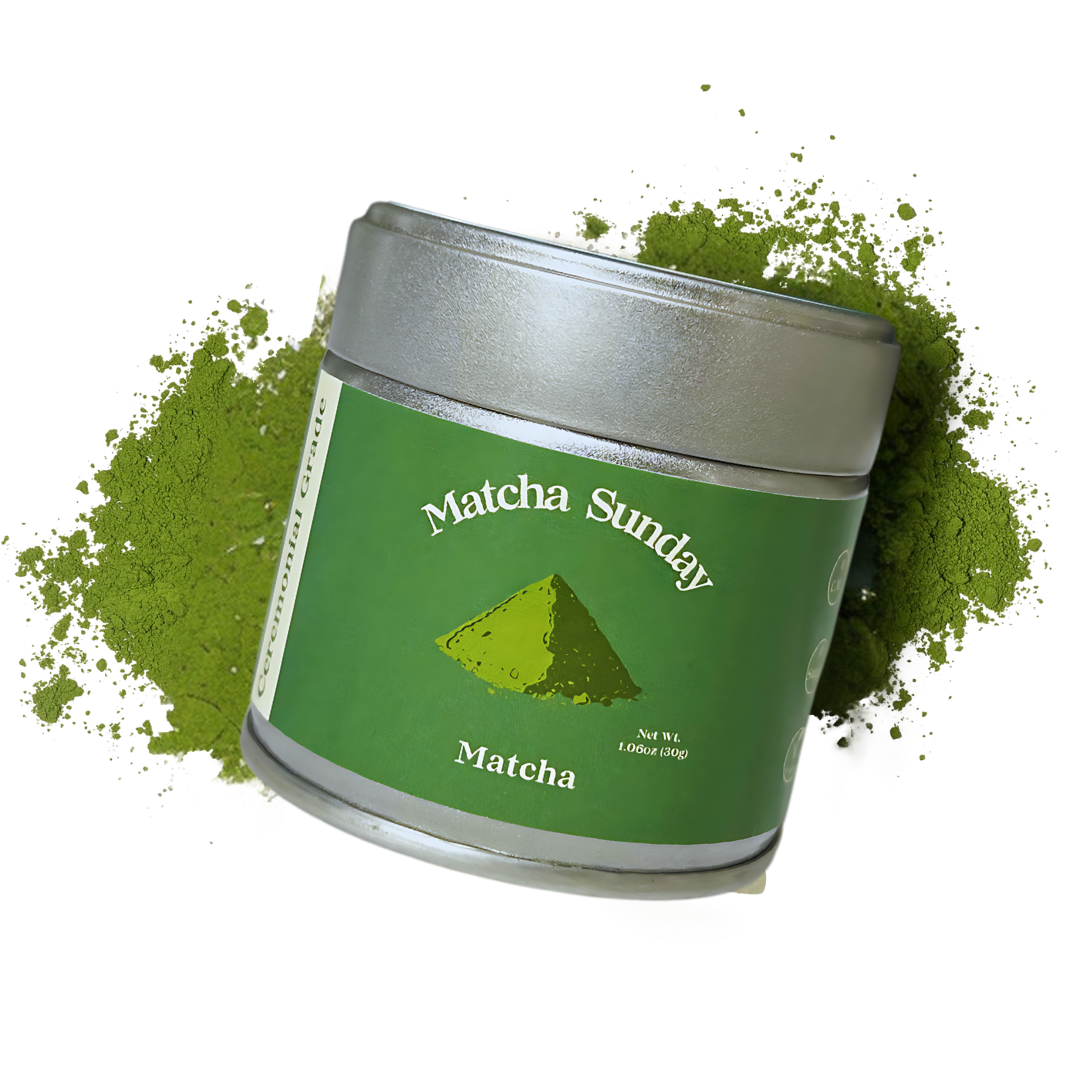
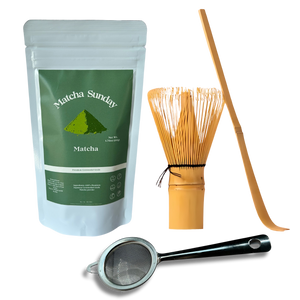
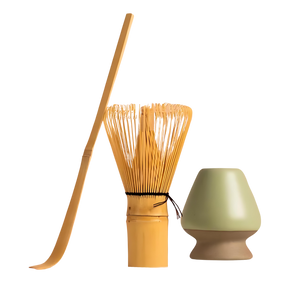
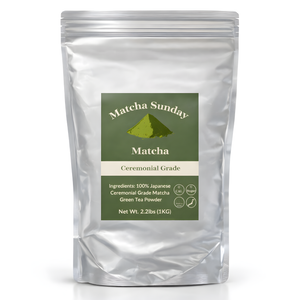
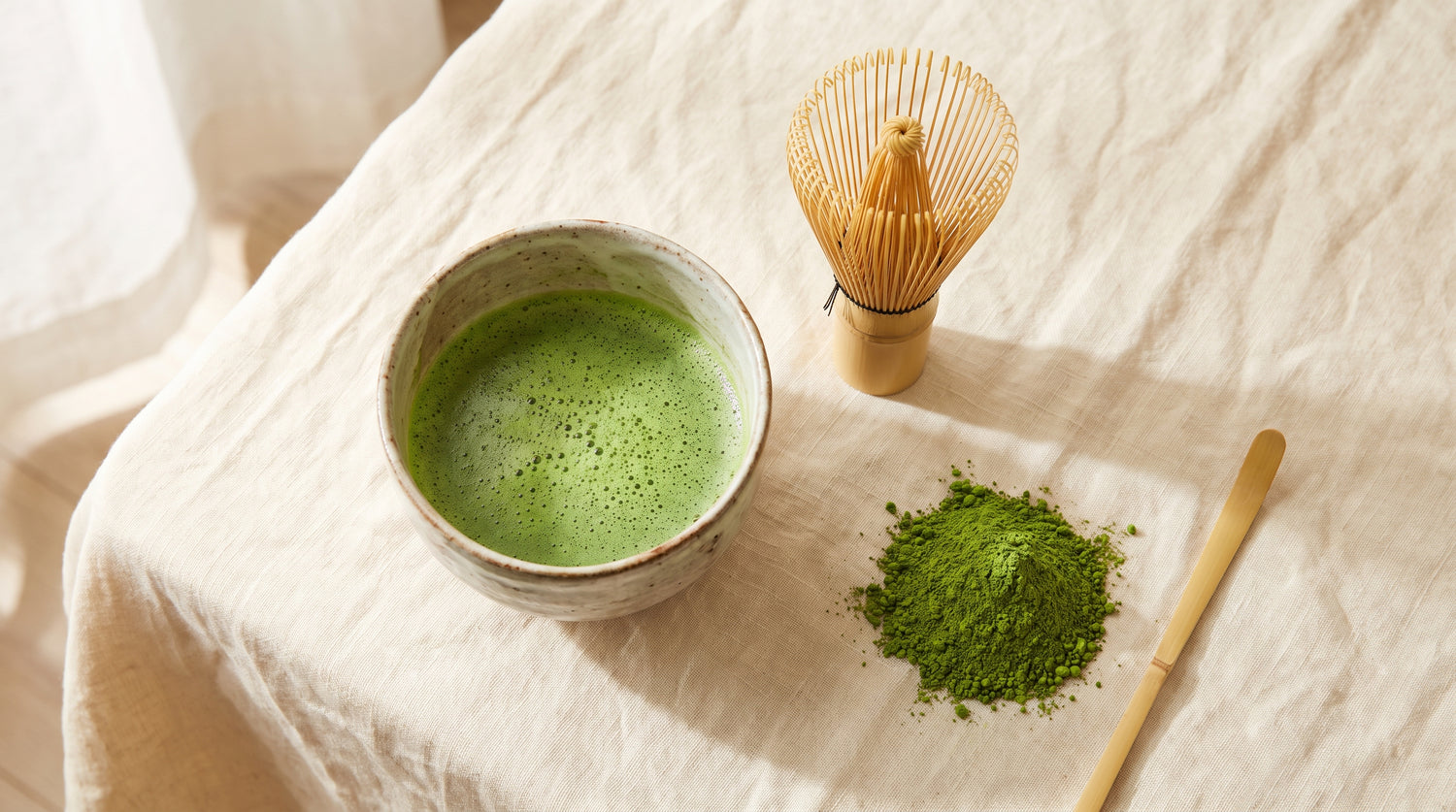
The best matcha powder for beginners is ceremonial grade matcha from Japan, stone ground from young shade grown leaves into a vivid jade powder. It tastes smooth and naturally sweet with no harsh bitterness, so it is easy to enjoy on its own or in a latte while you learn what great matcha should taste like.
What is the best matcha powder for beginners?
For most beginners, the best matcha powder is a fresh ceremonial grade matcha from Japan. Ceremonial grade is the highest tier of green tea powder, made from the youngest leaves of the spring harvest with the stems and veins removed before the leaves are slowly stone ground. The result is a soft, fine powder with a clean, mellow flavor that does not need sugar or milk to taste good.
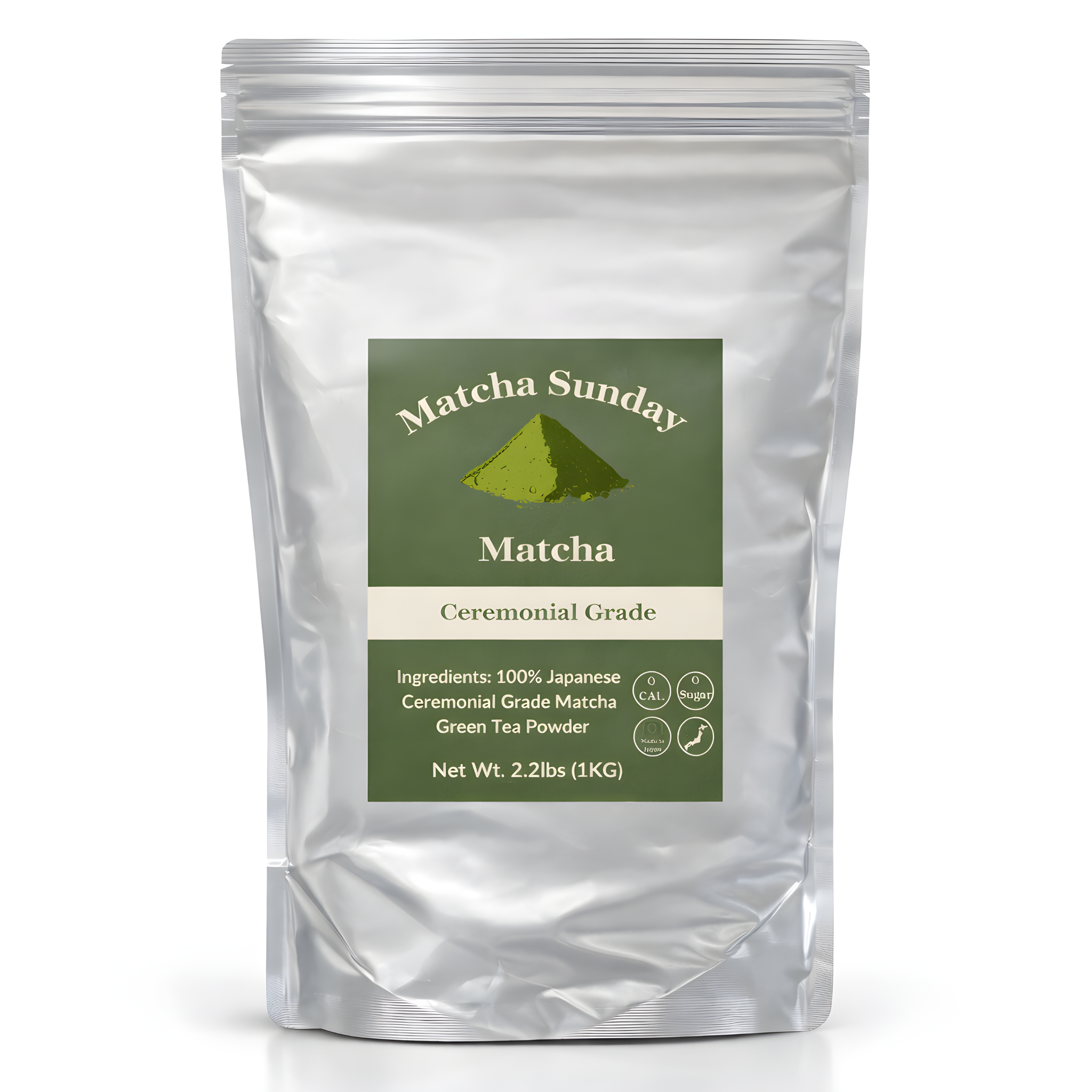
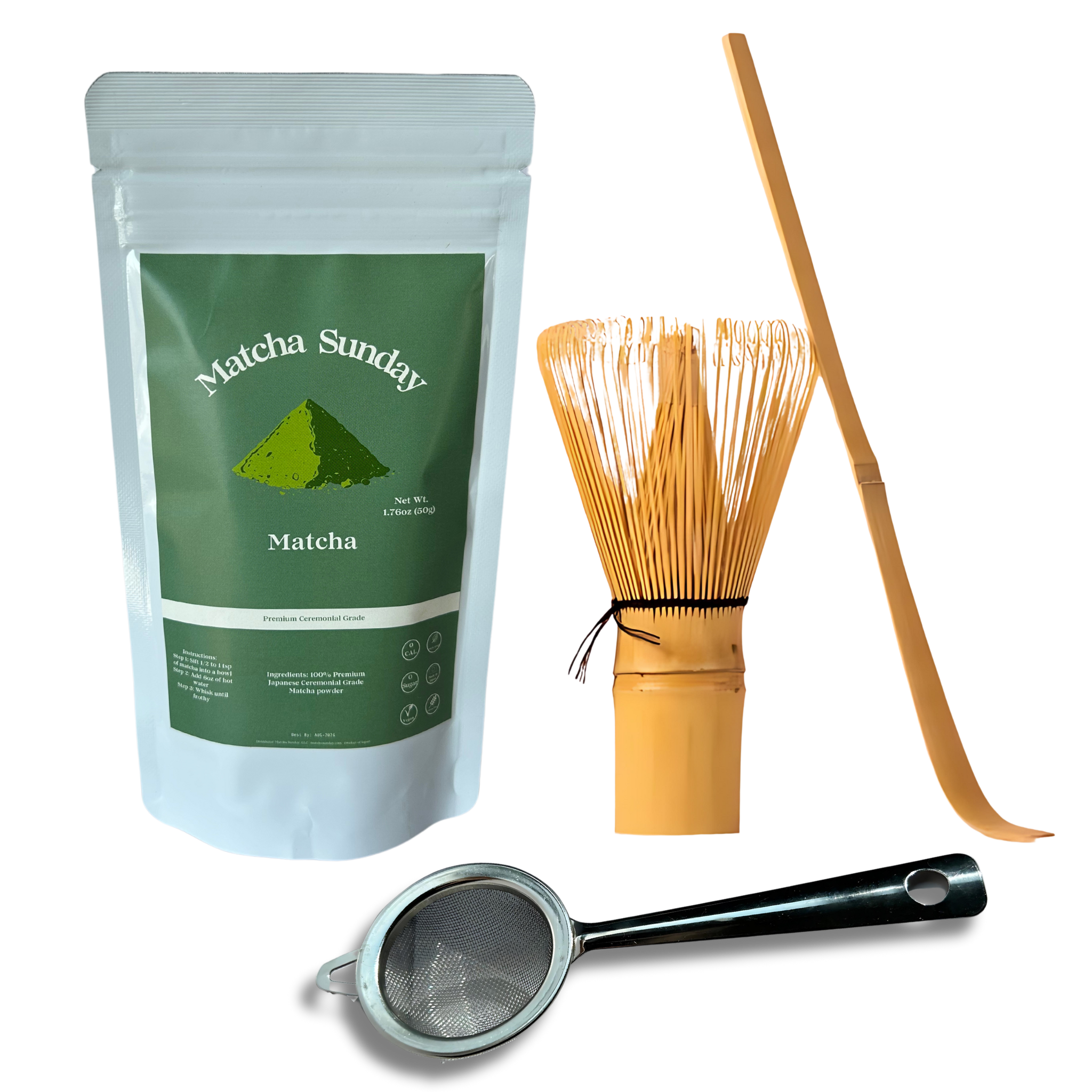
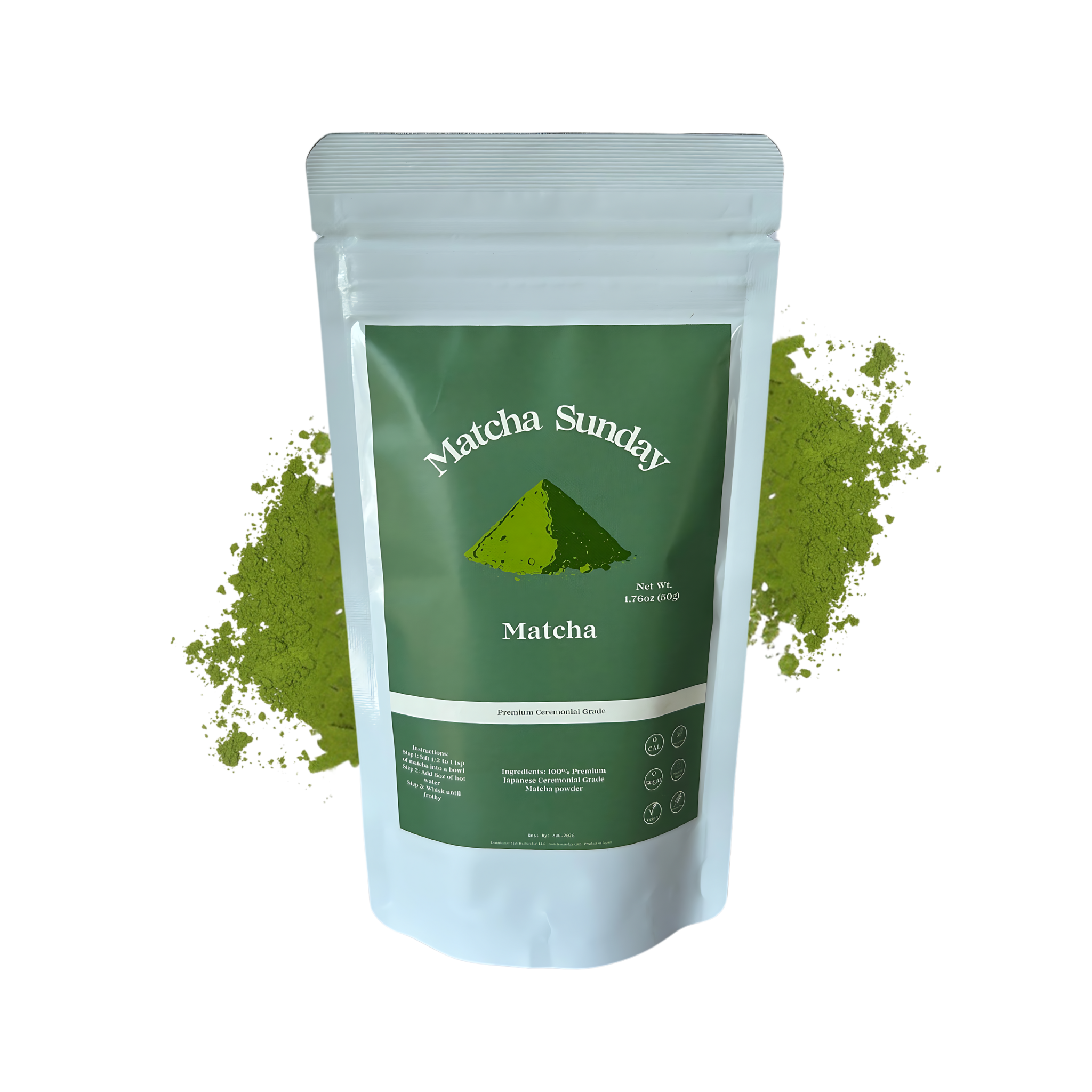
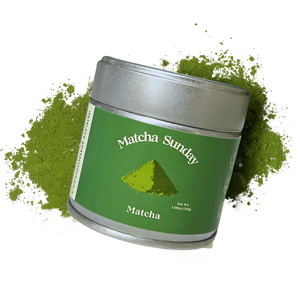
Beginners do well with ceremonial grade because it is forgiving. A lower quality powder can taste dull, flat, or bitter, which leaves many people thinking they simply do not like matcha. A vivid, fresh ceremonial matcha removes that hurdle so your first cups taste the way matcha is meant to. If you want the full background on this tier, our guide on what ceremonial grade matcha is breaks it down in plain language. The easiest place to start is a vivid Ceremonial Grade Matcha Powder (50g) from Japan.
Find your match
Which matcha should you start with?
Two quick taps and we will point you to the right grade.
1. How will you drink it most?
2. What matters most to you?
What is the difference between ceremonial and culinary grade matcha?
The two grades you will see most often are ceremonial grade and culinary grade. Ceremonial grade is made for drinking on its own, while culinary grade is made to hold its flavor when you add milk, sugar, or heat. Neither is better in every situation. The right pick depends on how you plan to drink it.
| Feature | Ceremonial grade | Culinary grade |
|---|---|---|
| Best for | Drinking on its own, light lattes, a daily ritual | Iced lattes, smoothies, baking, cooking |
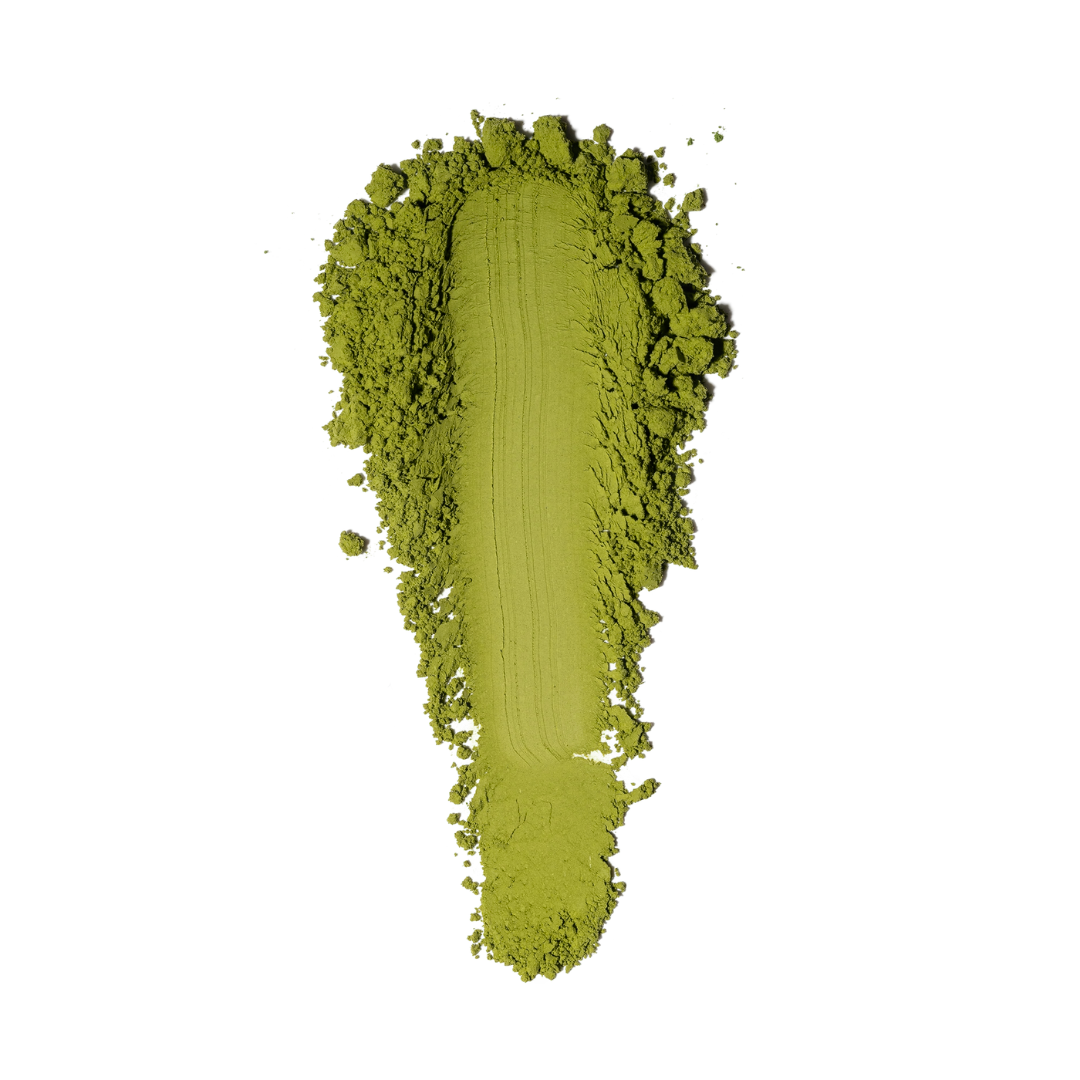
| Color | Vivid jade green | Deep green, sometimes a little muted |
| Flavor | Smooth, naturally sweet, gentle umami | Bolder and earthier, holds its flavor behind milk and sweetener |
| Leaves | Youngest shade grown leaves of the first harvest | More mature leaves picked later |
| Texture | Extra fine and silky | Fine, a touch less delicate |
| Matcha Sunday price (50g) | $39.99 | $25.99 |
If you mostly want a daily cup or a simple latte, start with ceremonial grade. If you love sweet cafe style lattes, smoothies, or baking, culinary grade gives you a bolder flavor that does not get lost behind milk.
How can you tell if a matcha powder is high quality?
You can judge most matcha before you even taste it. Quality shows up in the color, the origin, the texture, and the aroma. Use these signals when you compare brands:
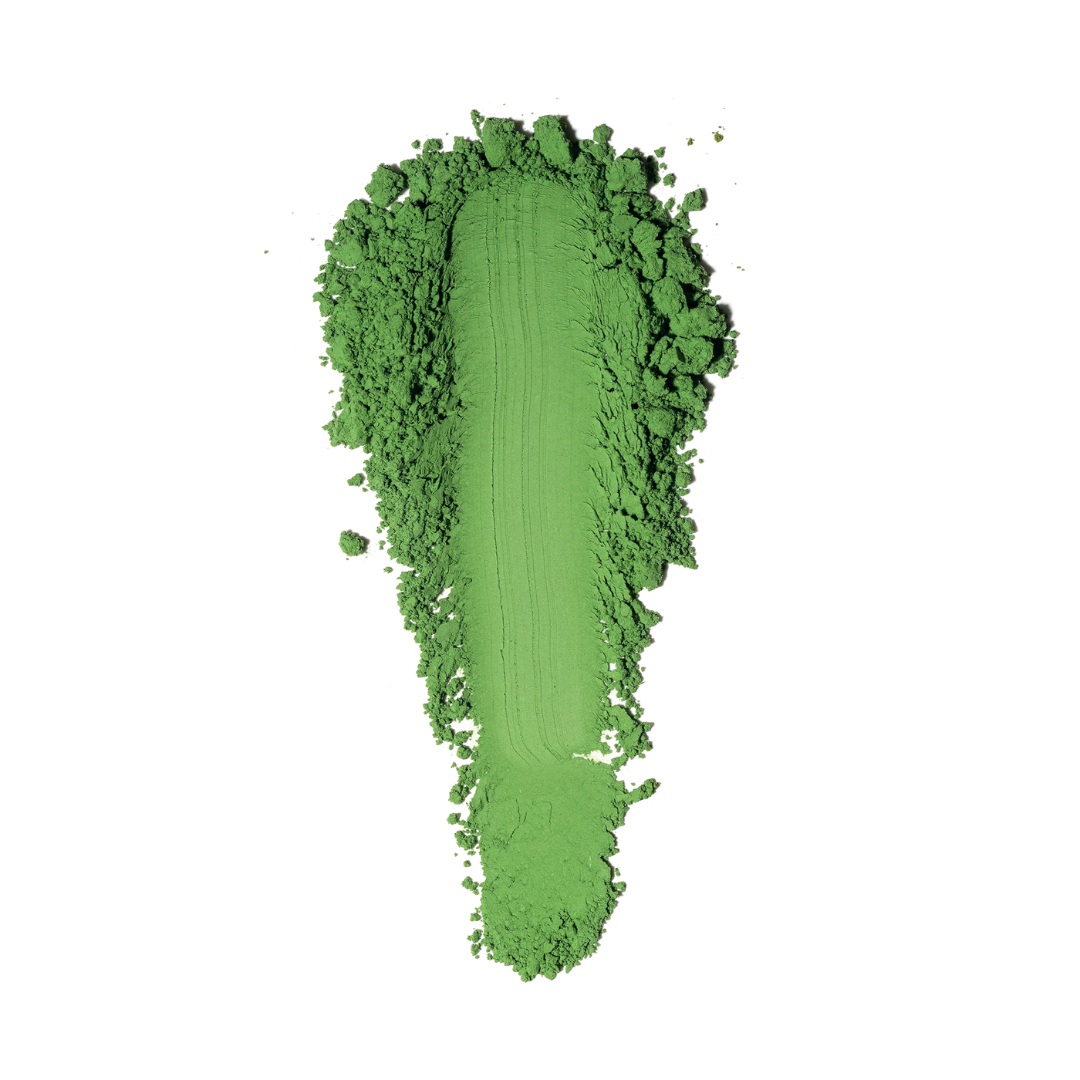
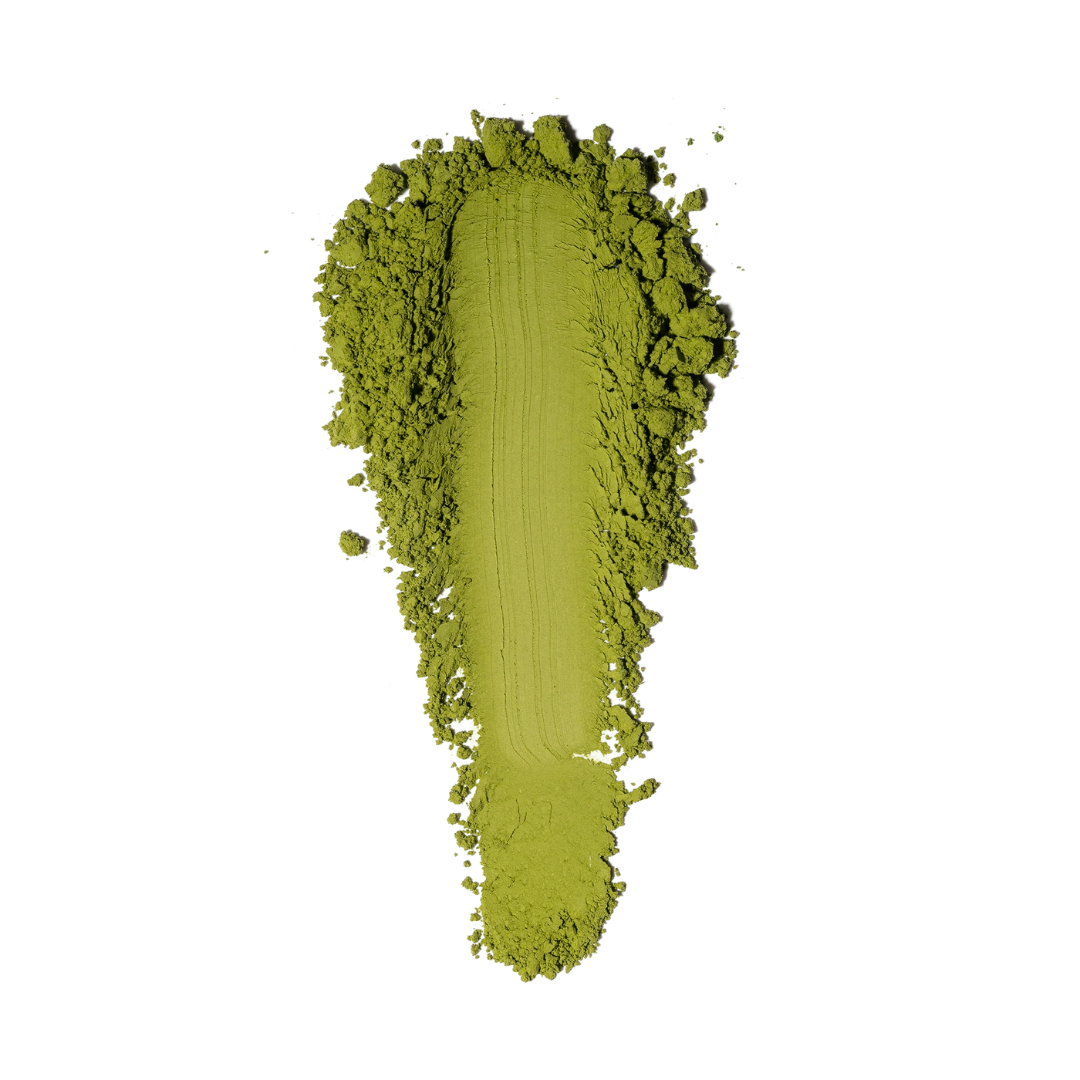
- Color. Look for a vivid, almost electric jade green. A dull green, yellow, or brown tint usually means older leaves or a lower grade.
- Origin. The best matcha comes from Japan, where growers have refined the craft for generations. Look for matcha clearly grown and processed in Japan.
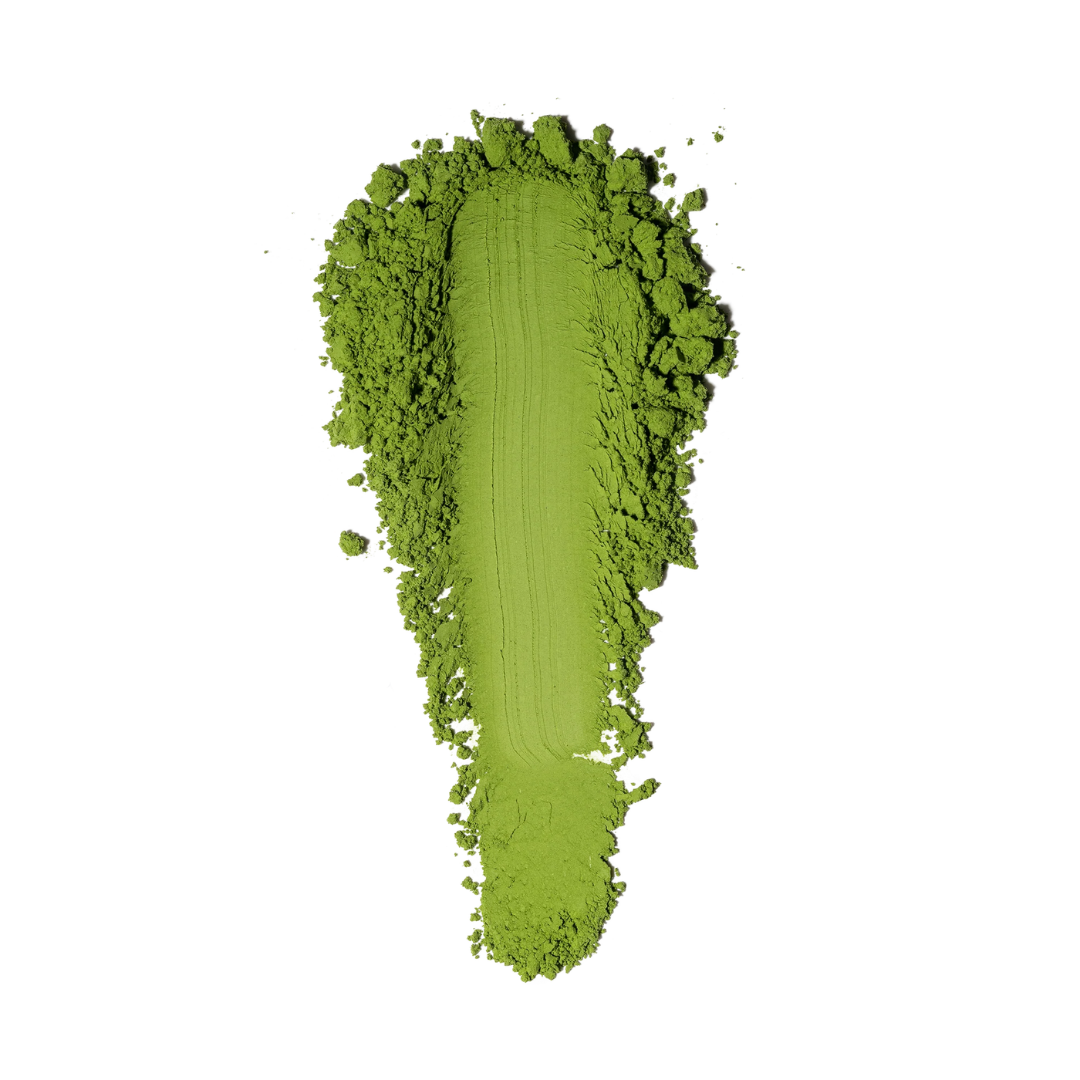
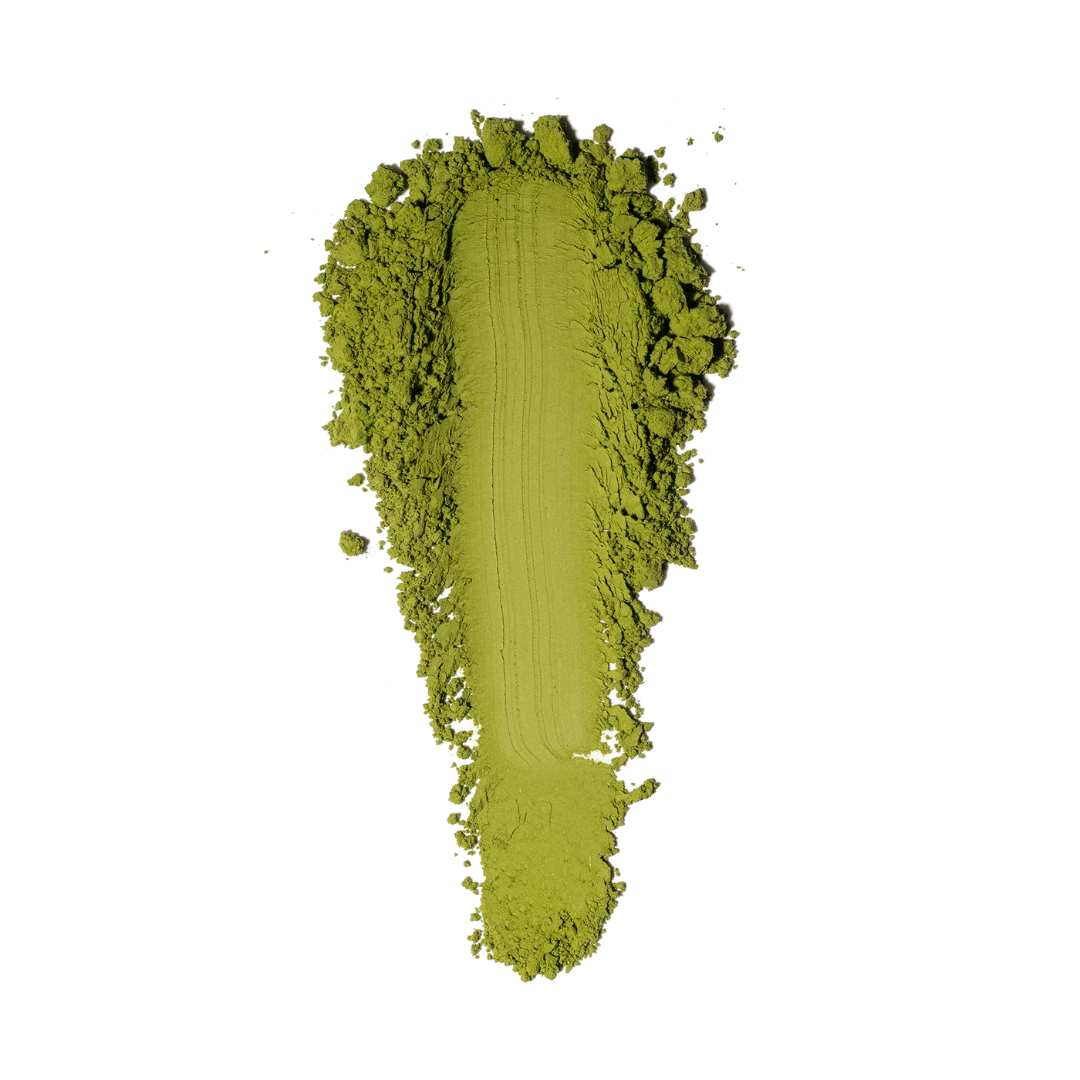
- Texture. Real ceremonial matcha feels soft and superfine, closer to eyeshadow than to sugar. Gritty powder points to a coarser grind.
- Aroma. Fresh matcha smells sweet, green, and a little like the sea. A flat, faded, or dusty smell means it has lost its life.
- Transparency. A brand worth trusting tells you where the leaves are grown, when they were harvested, and exactly what grade you are buying.
Color is the fastest tell. Our team covers more checks in our guide to choosing high quality matcha, but if a powder looks vivid and smells sweet, you are usually in good hands.
How much should good matcha powder cost?
Good matcha usually costs more than a box of tea bags, and there is a real reason. Shade growing, careful hand sorting, and slow stone grinding all take time and skill. The better question is not what a bag costs, but what a single cup costs. Measured that way, even premium matcha is a bargain next to a daily cafe order.
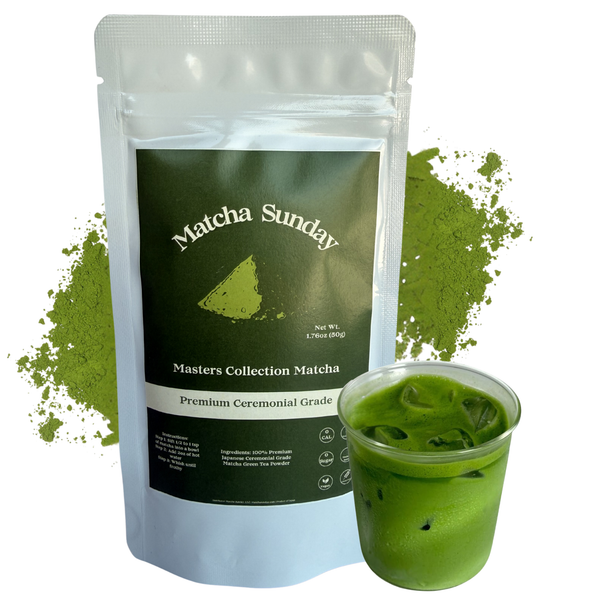
We make matcha in three grades. Culinary grade is the most affordable, ceremonial grade is our most popular daily drinker, and the Masters Collection is the top tier for special cups. Here is what a 2 gram serving works out to from a 50g bag:
| Grade | Price (50g) | Servings per bag | Cost per cup |
|---|---|---|---|
| Culinary grade | $25.99 | about 25 | about $1.04 |
| Ceremonial grade | $39.99 | about 25 | about $1.60 |
| Masters Collection | $59.99 | about 25 | about $2.40 |
A 50g bag holds about 25 servings, so most beginners find one bag lasts around a month of daily cups. Most people start with ceremonial grade and move up to the Masters Collection later, once they know what they love. For more on measuring, see how much matcha powder to use per cup.
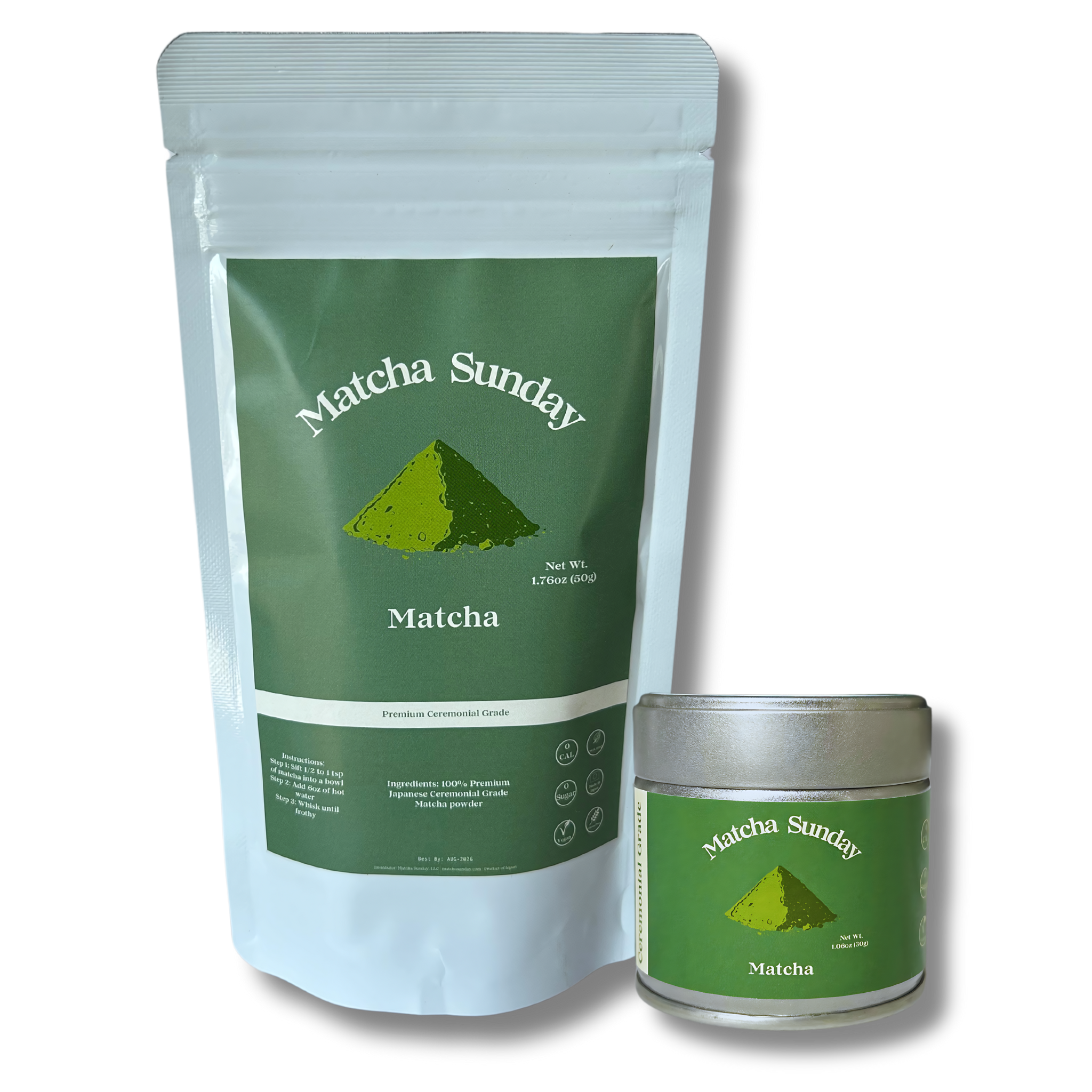
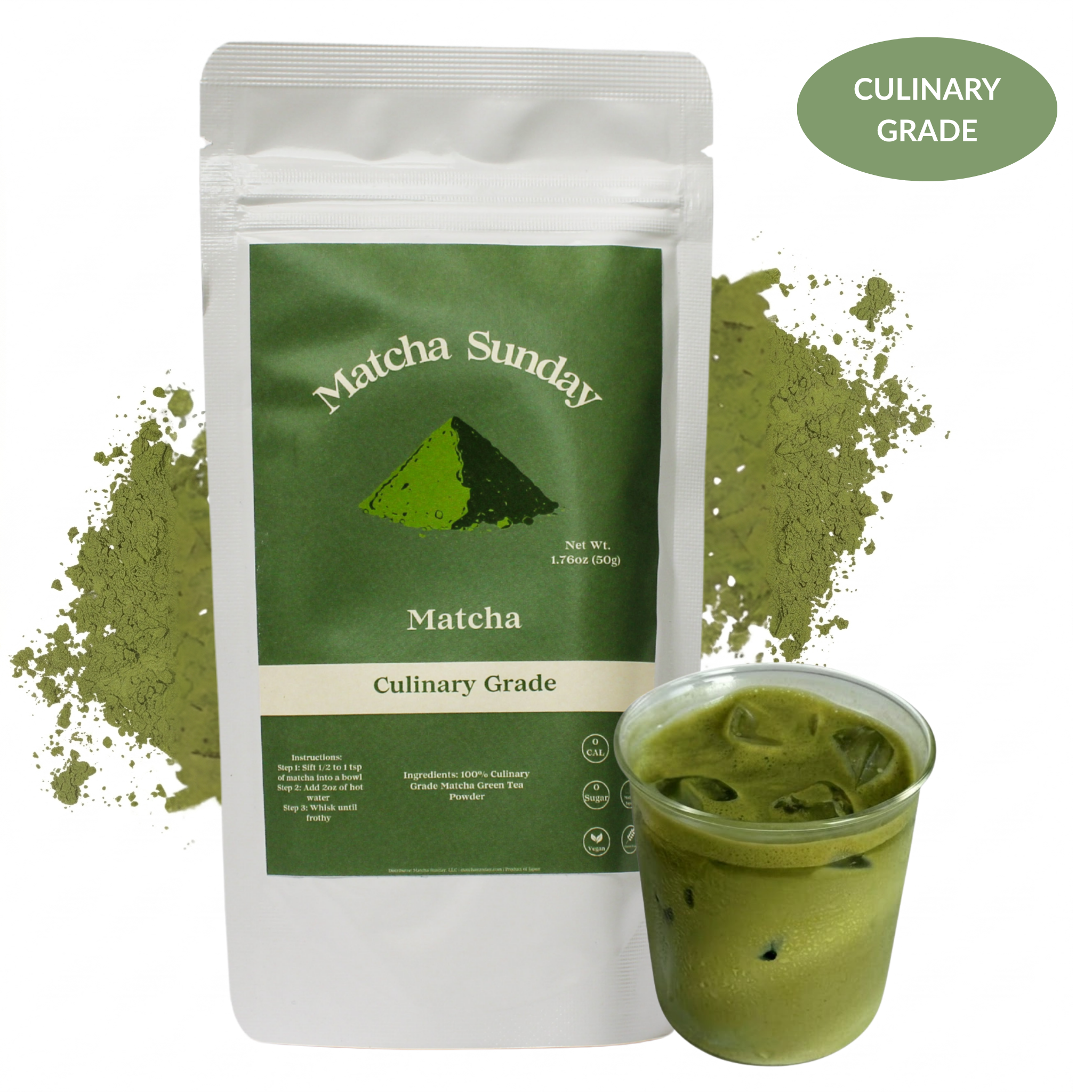
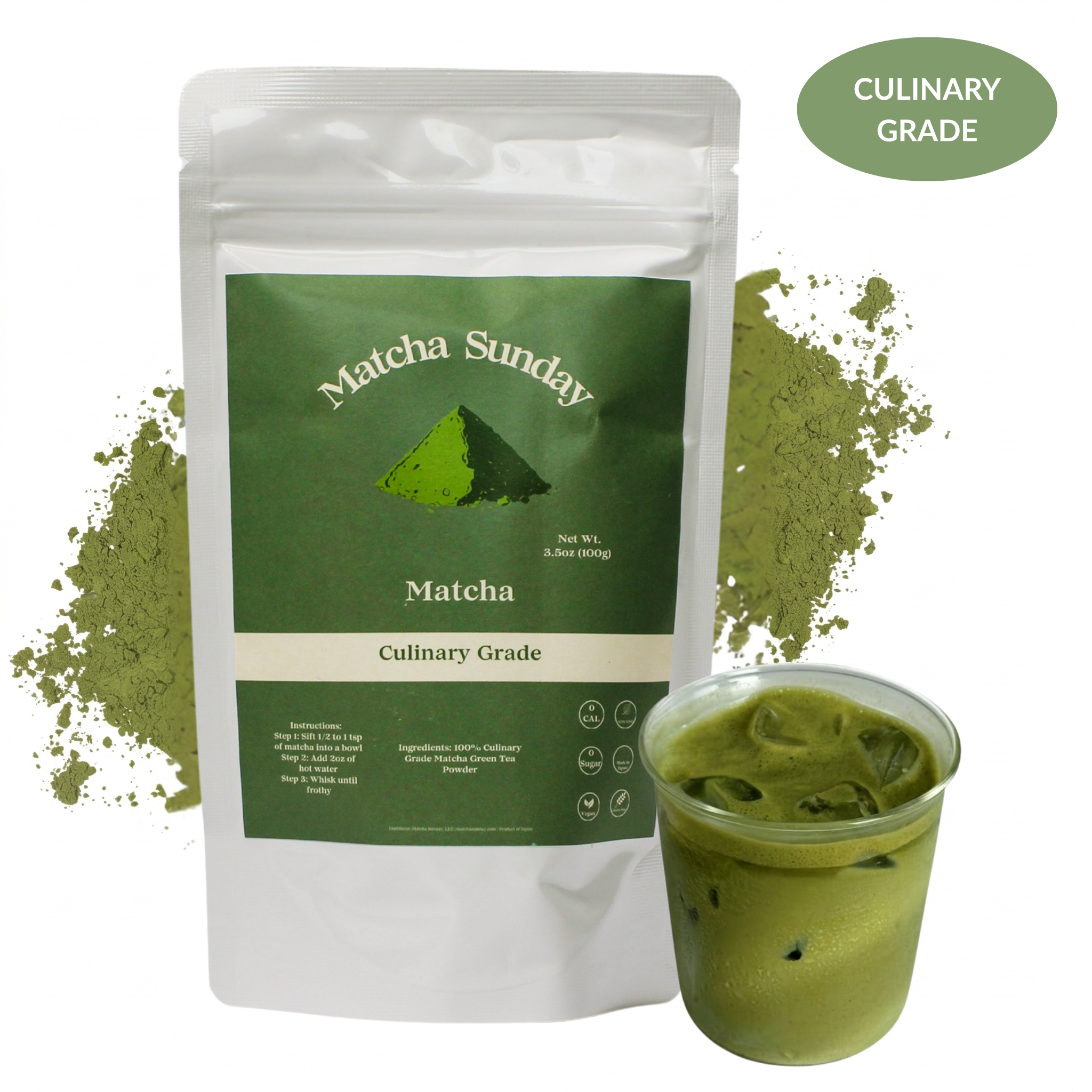
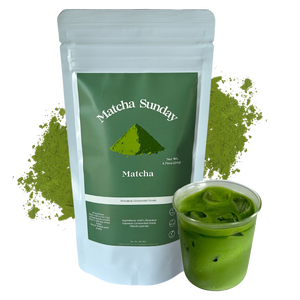
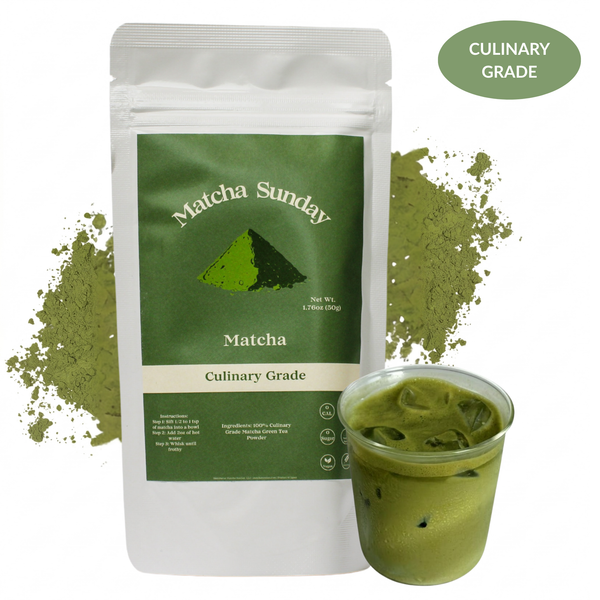
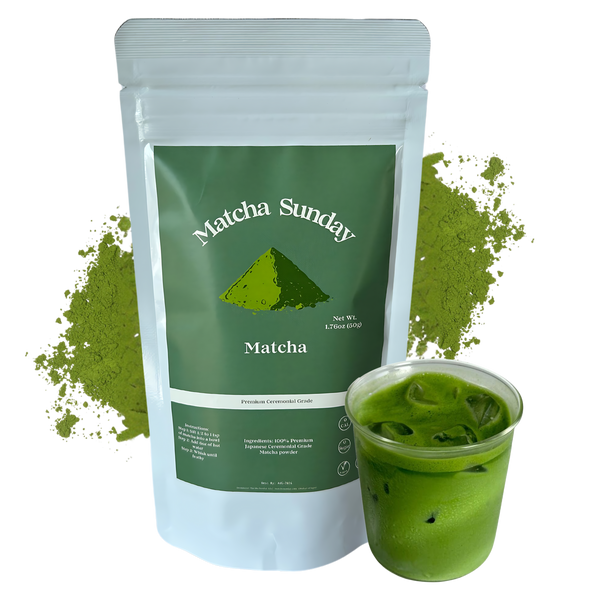
Ready to start? Most beginners do best with a vivid ceremonial grade for drinking, plus a culinary grade if you love milky lattes or baking. Our two most popular starting points are Ceremonial Grade Matcha Powder (50g) at $39.99 for a smooth daily cup and Culinary Grade Matcha Powder (50g) at $25.99 for lattes, smoothies, and baking. Both are 100% matcha from Japan.
Start your matcha ritual
All 100% matcha from Japan. Pick the one that fits how you like to drink it.
How do you prepare matcha so it tastes its best?
Even the best matcha powder for beginners can taste flat if it is rushed. The method is simple once you have done it a few times.
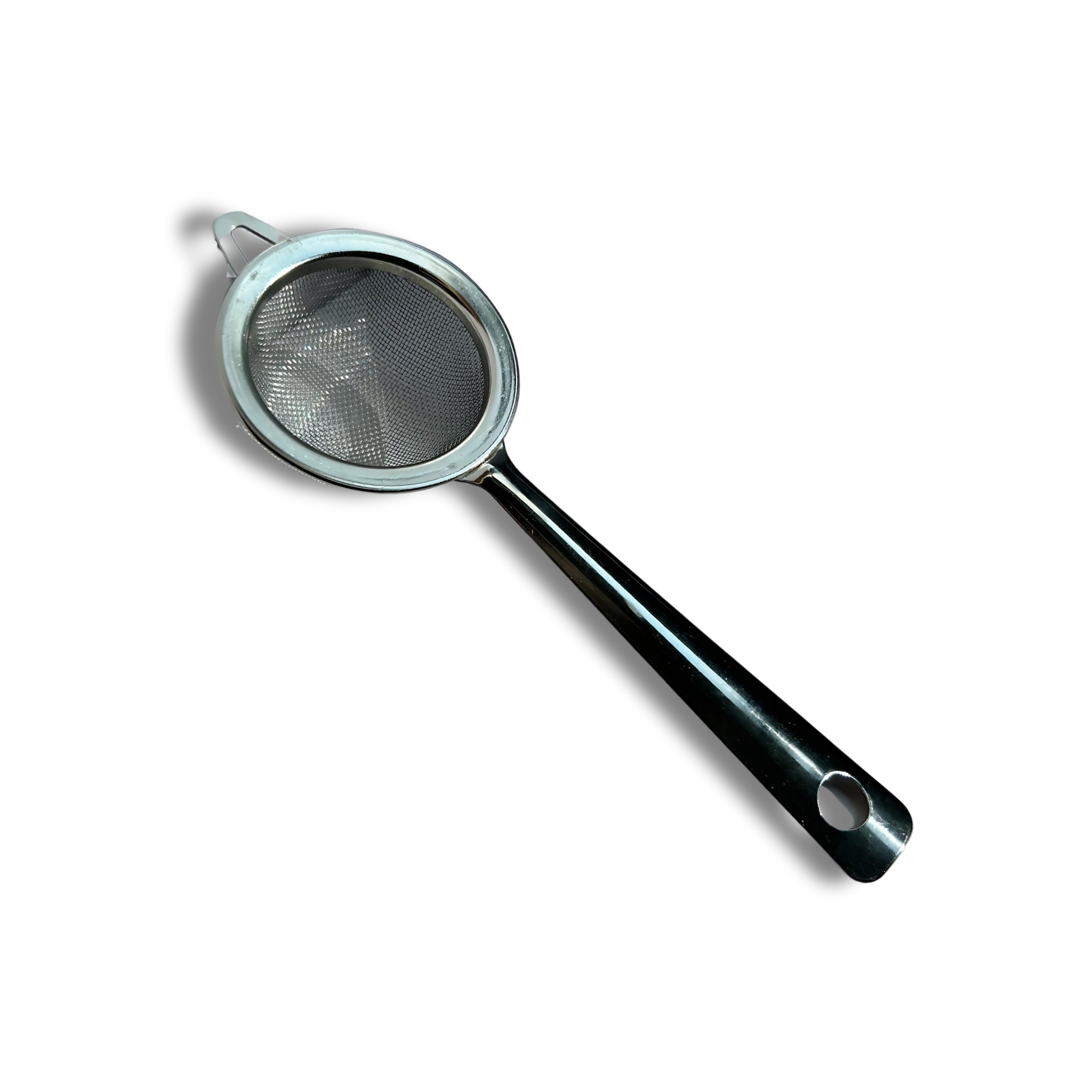
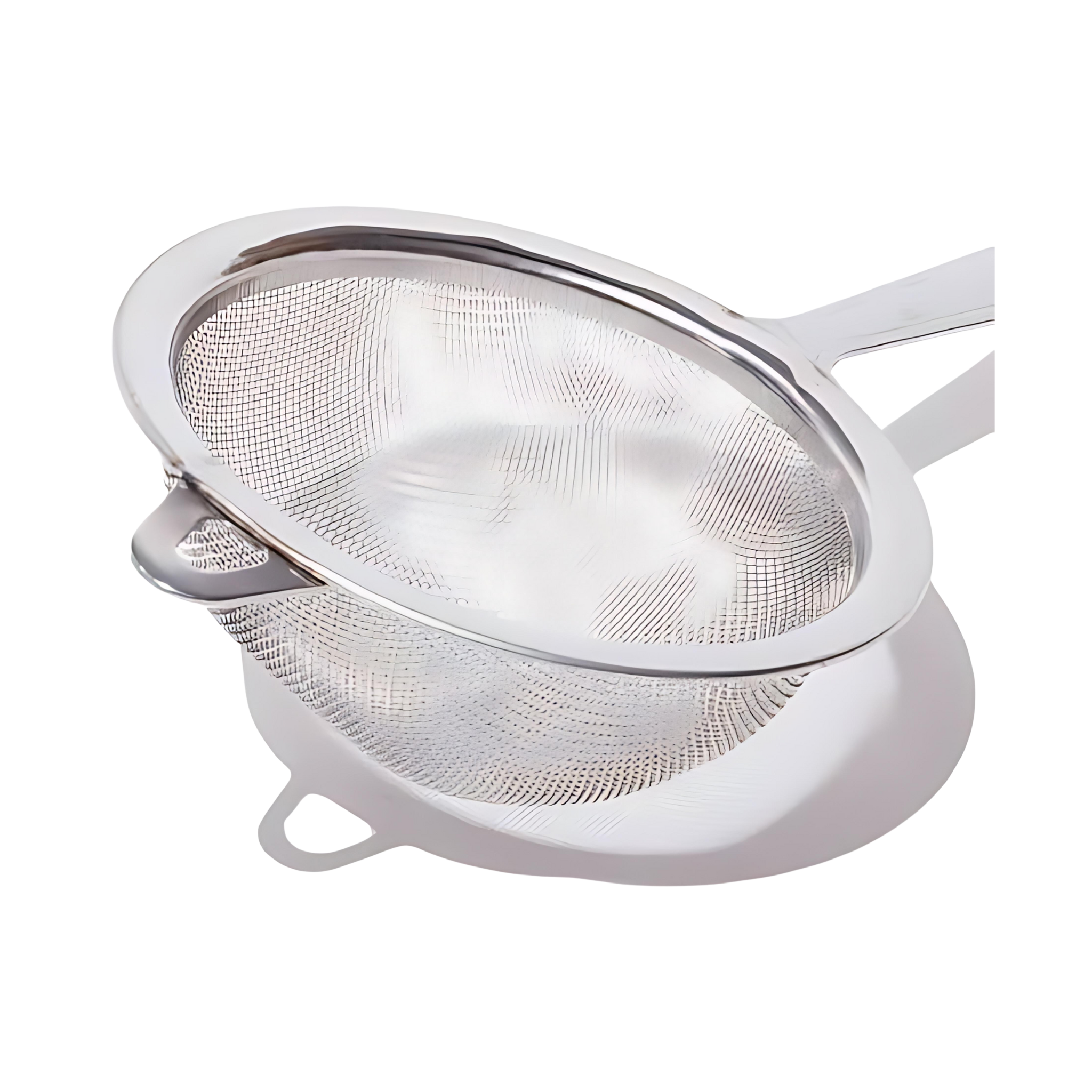
- Sift about 1 to 2 grams of matcha into a bowl or cup to remove any clumps.
- Add a small splash of water just off the boil, around 175°F (80°C).
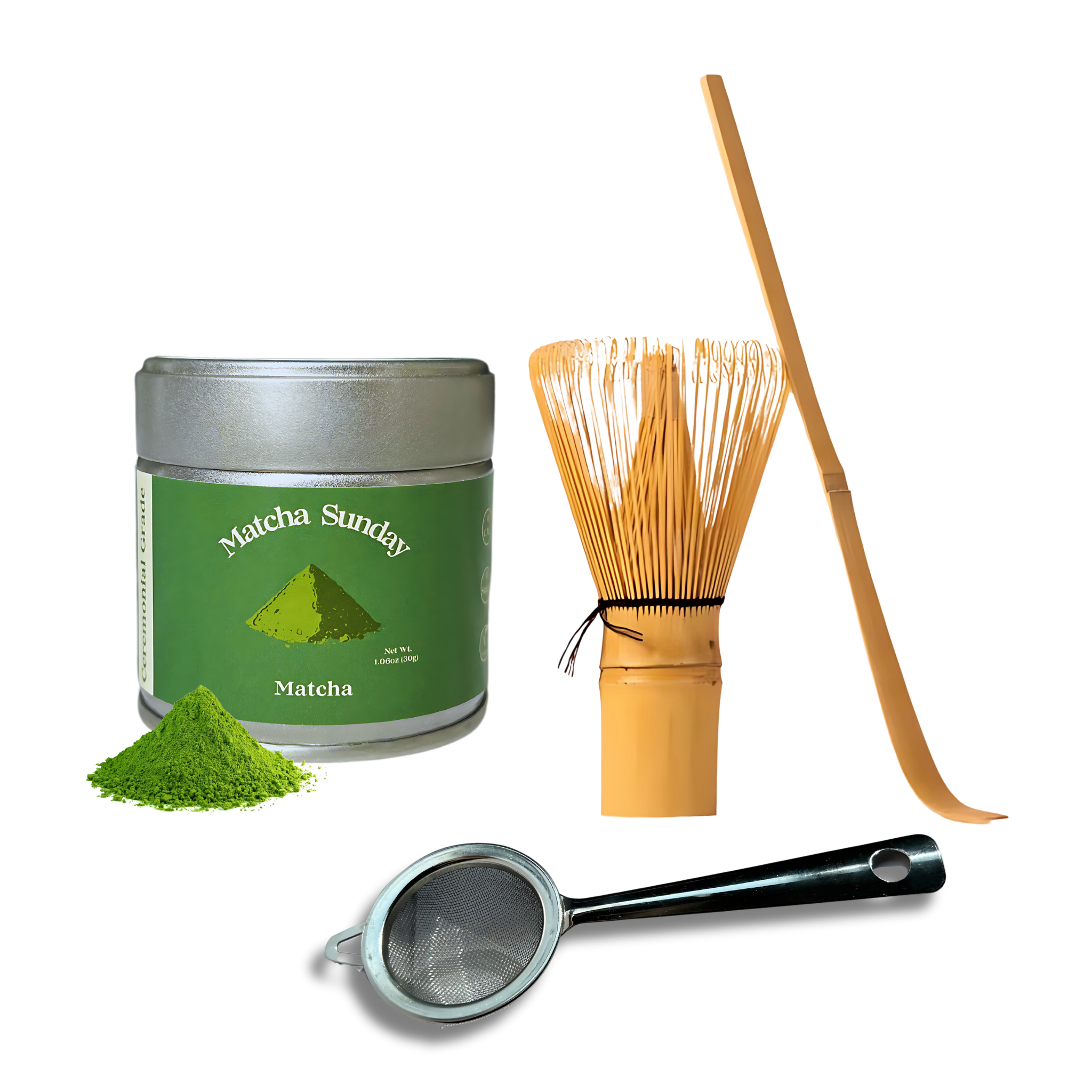
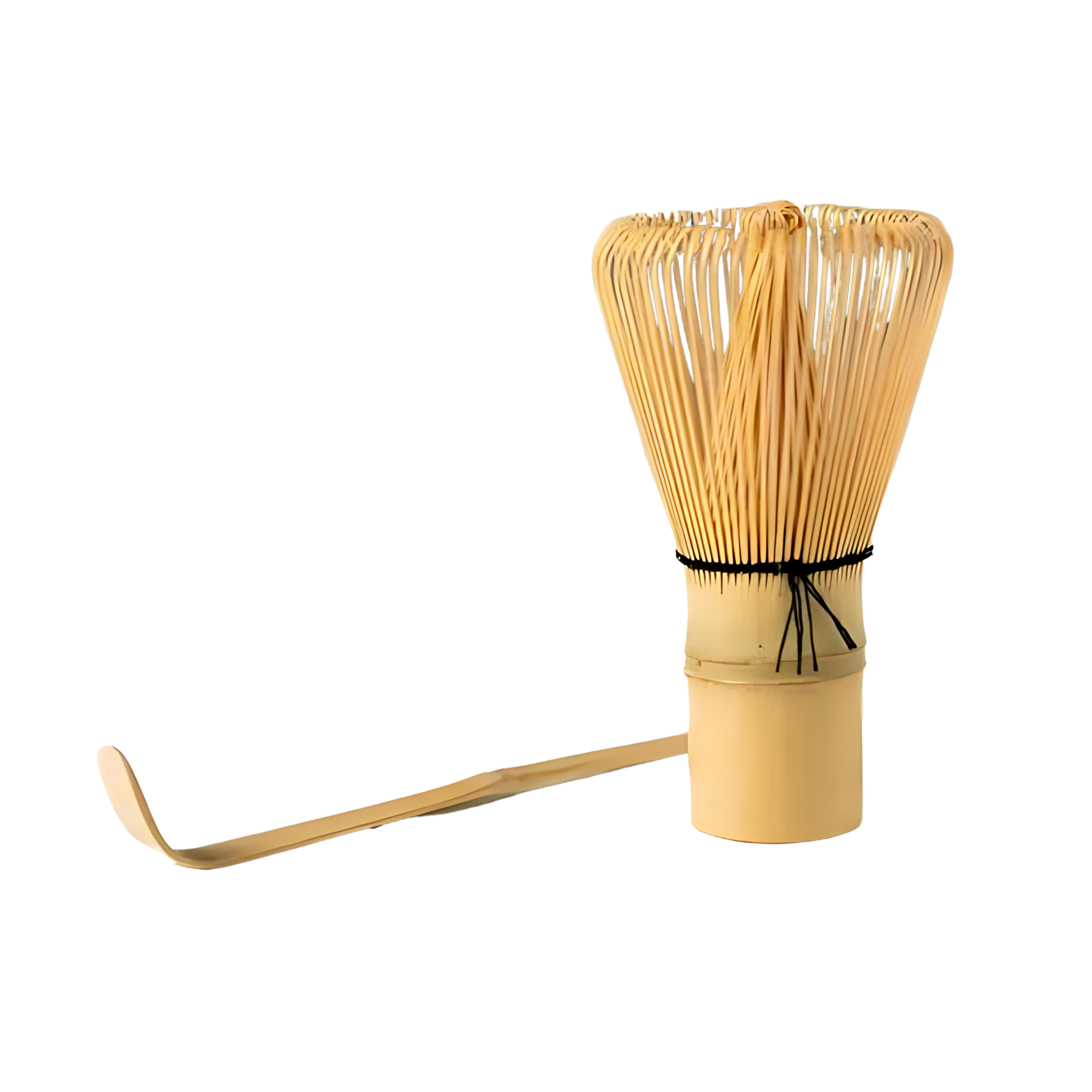
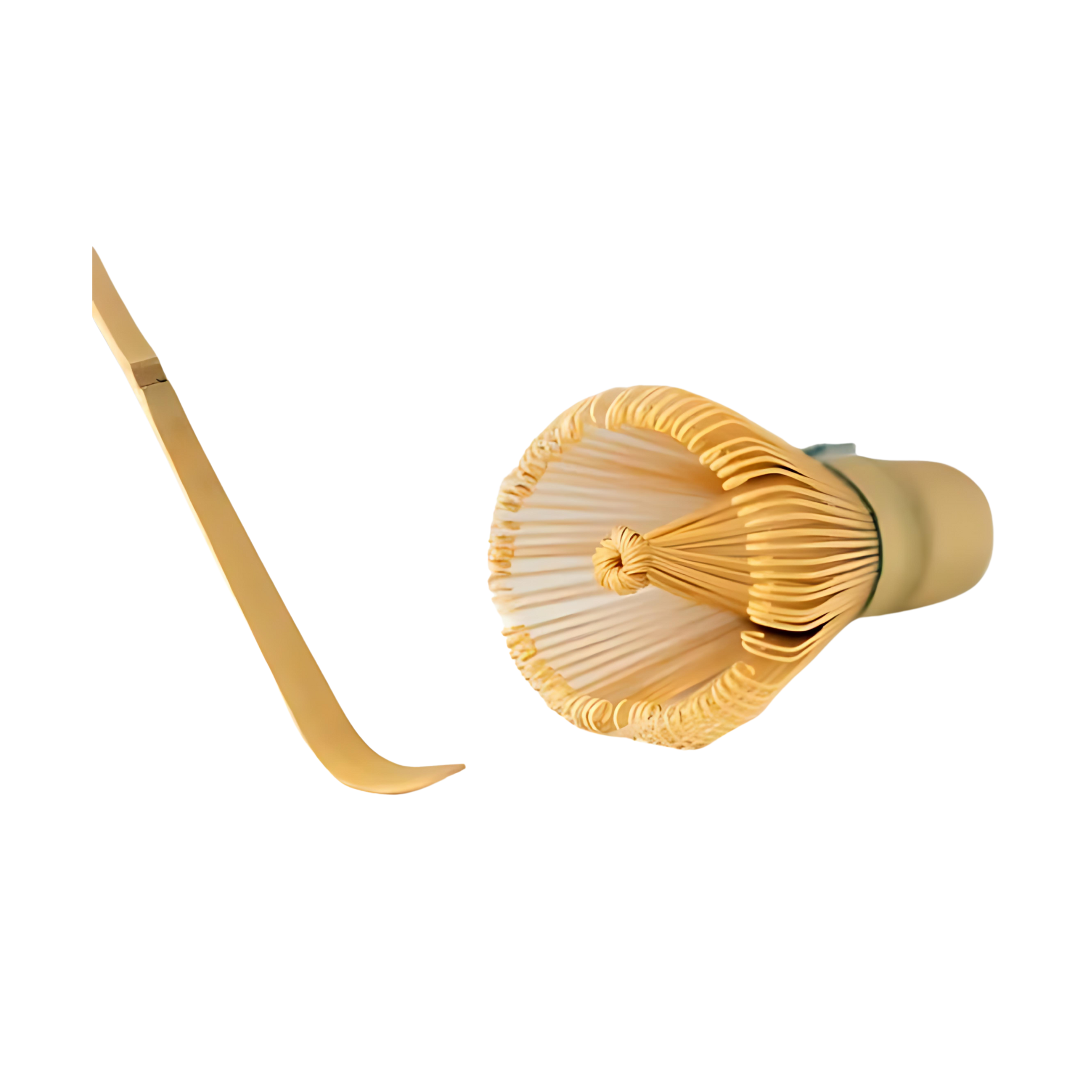
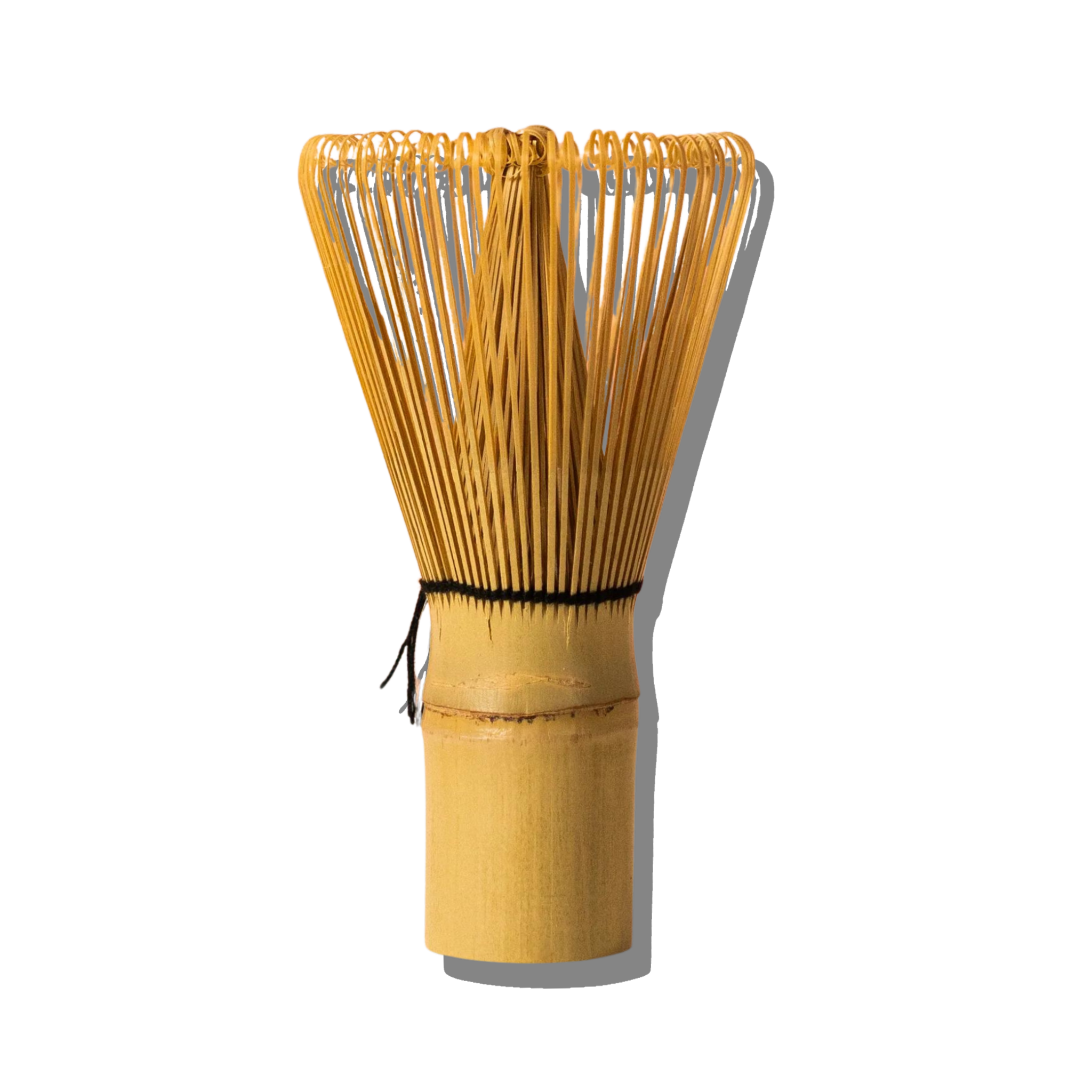
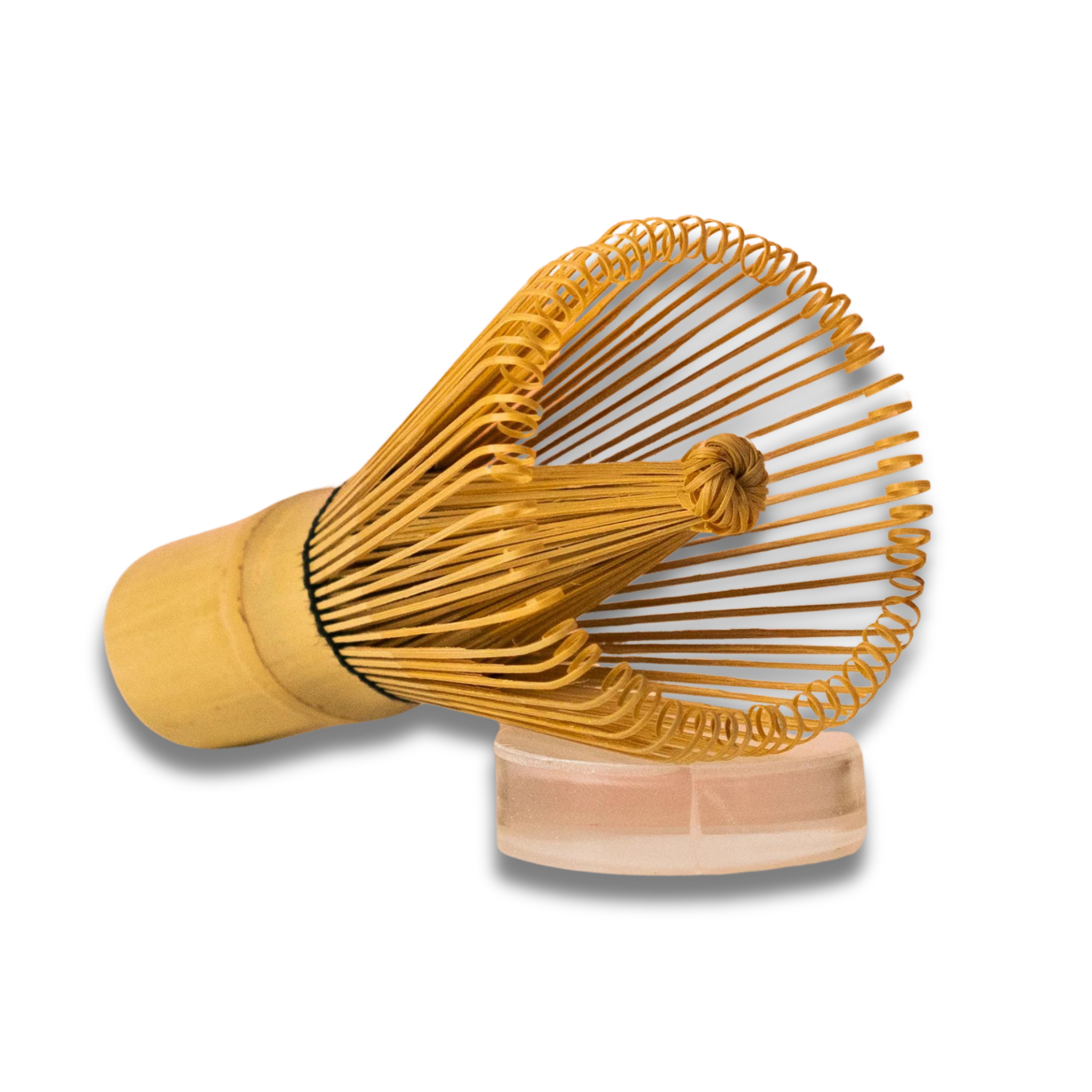
- Whisk briskly in a W or M shape with a bamboo whisk until the surface is smooth and frothy.
- Top with more hot water for a classic cup, or pour over cold milk and ice for a latte.
Water that is too hot is the main reason matcha turns bitter, so let a fresh boil cool for a minute before you pour. For a full walkthrough, follow our steps to prepare ceremonial grade matcha at home. Curious what to expect on the palate? Here is what matcha tastes like when it is made well.
How should you store matcha to keep it fresh?
Matcha is delicate. Light, heat, air, and moisture all fade its color and flavor over time. Keep your powder in an airtight tin or sealed bag, away from sunlight, and ideally in the fridge once it is open. Use it within a month or two of opening for the brightest taste. Our full guide on how to store matcha covers this in more detail, so your good matcha never goes to waste.
Do you run a cafe or sell matcha?
If you serve matcha at a cafe, coffee shop, boba shop, or restaurant, or you stock it on your shelves, we supply the same vibrant matcha from Japan by the kilo through our wholesale program.
For businesses
Serving matcha at volume? Open a wholesale account.
A wholesale account gets your business better pricing, consistent supply, and a direct line to our team. Built for cafes, coffee shops, boba and bubble tea shops, restaurants, and grocery stores.
Trade rates that improve as your volume grows.
The same vibrant matcha from Japan, order after order.
A person who knows your account, not a form.
Frequently asked questions
Is ceremonial or culinary matcha better for beginners?
For most beginners, ceremonial grade is the better starting point. It is smooth and naturally sweet, so it tastes good with just hot water and does not need sugar to cover any bitterness. Culinary grade is a great second bag once you start making sweeter lattes, smoothies, or baked treats.
What does the best matcha powder for beginners taste like?
Good beginner matcha tastes smooth, fresh, and gently sweet, with a soft savory note called umami and no harsh bitterness. If your matcha tastes sharp, chalky, or overly grassy, it is usually a sign of a lower grade, leaves past their prime, or water that was simply too hot.
Where does the best matcha come from?
The best matcha comes from Japan, where growers have spent generations refining how the leaves are shaded, harvested, and stone ground. When you shop, look for matcha clearly labeled as grown and processed in Japan, since origin is one of the strongest signals of quality and freshness.
How much matcha should I use per cup?
A standard serving is about 1 to 2 grams of matcha per cup, which is roughly half a teaspoon to a slightly heaped teaspoon. Use the smaller amount for a light, traditional cup and the larger amount for a stronger latte. A 50g bag gives you about 25 servings.
How long does matcha stay fresh?
Sealed and kept away from light and heat, matcha holds its quality for several months. Once opened, it is best within about one to two months, since exposure to air slowly dulls both the color and the flavor. Keep it airtight and refrigerated after opening for the freshest cups.
Is more expensive matcha always better?
Not always. Price often tracks quality, but grade and freshness matter more than the number on the bag. A fresh, vivid ceremonial matcha at a fair price will beat a pricey powder that has sat on a shelf for a year. Judge by color, aroma, origin, and taste rather than cost alone.