Hojicha is a roasted Japanese green tea made by firing harvested tea leaves at high temperatures, producing a warm, toasty, naturally sweet flavor with a reddish brown color and roughly 7 to 20 milligrams of caffeine per cup. We drink it every evening at Matcha Sunday after our morning matcha, and honestly, it has become just as essential to our daily routine. If you love matcha but have never explored hojicha, this guide covers everything you need to know.
What is hojicha and how is it different from matcha?
Hojicha and matcha both come from the same tea plant, Camellia sinensis, but the processing could not be more different. Matcha is shade grown, steamed, and stone ground into a fine powder that you whisk and drink whole. Hojicha is made from harvested green tea leaves that are roasted in a drum at temperatures reaching 200°C (about 390°F), then steeped and strained like a traditional tea.
We describe the difference to our customers this way: matcha is bright, vegetal, and energizing. Hojicha is warm, toasty, and calming. The roasting triggers the Maillard reaction, the same transformation that gives bread its golden crust, creating aromatic compounds like 2,5 dimethylpyrazine, which is also found in roasted coffee and toasted nuts. That is why hojicha smells like a cozy kitchen rather than a tea garden.
Because you consume the entire leaf with matcha but only the steeped liquor with hojicha, the two teas deliver nutrients and caffeine very differently. If you are curious about how matcha differs from other green teas and why processing matters so much, we break that down in detail.
Where does hojicha come from?
Hojicha originated in Japan in the 1920s when tea merchants began roasting unsold late harvest bancha leaves to give them new life. The roasting transformed what had been considered lower grade tea into something with its own distinctive appeal, a warm, aromatic cup with almost no bitterness. The technique caught on quickly, and hojicha became a staple in Japanese households, often served to children, elderly family members, and hospital patients because of its gentle caffeine level and easy digestion.
Today, hojicha is produced from several base teas. Bancha (late harvest leaves) remains the most common, but producers also roast sencha for a more refined cup and kukicha (stems and twigs) for a sweeter, more delicate version. The base leaf and roast level together determine the final flavor, which is why two hojicha teas can taste quite different from each other.
What does hojicha taste like?
Hojicha tastes warm, toasty, and naturally sweet with notes of caramel, roasted grain, and a gentle woodiness. We always tell first timers to expect something closer to a roasted nut tea than a traditional green tea. There is almost no bitterness or astringency because the roasting breaks down the tannins and chlorophyll responsible for those sharp flavors.
The flavor varies significantly by roast level. A light roast preserves some of the original green tea character with a softer sweetness. A dark roast pushes into smoky, almost cocoa like territory. Hojicha made from kukicha stems tends to be the sweetest and most delicate, while bancha based hojicha leans earthier and more robust. When we do side by side tastings at Matcha Sunday, newcomers are always surprised at how different two hojicha teas can be.
One thing that makes hojicha unique is that the aroma often seems more intense than the taste. The pyrazines formed during roasting are highly volatile, meaning they evaporate easily and reach your nose before the liquid touches your tongue. Research on pyrazine compounds in roasted teas, particularly 2,3,5 trimethylpyrazine, indicates these molecules promote parasympathetic nervous system activity, the body's rest and digest mode. In practical terms, the simple act of smelling hojicha can help you feel calmer. If you want to compare this experience to what matcha actually tastes like and how its flavor profile works, the contrast is striking.
How much caffeine is in hojicha compared to matcha and coffee?
Hojicha is one of the lowest caffeine teas available. A standard 8 ounce cup of steeped hojicha contains roughly 7 to 20 milligrams of caffeine, which is dramatically less than matcha or coffee.
| Beverage | Caffeine per 8 oz cup |
|---|---|
| Hojicha (steeped) | 7 to 20 mg |
| Sencha (steeped) | 30 to 40 mg |
| Matcha (whisked) | 60 to 80 mg |
| Black tea (steeped) | 40 to 70 mg |
| Drip coffee | 70 to 140 mg |
The Japanese Standard Tables of Food Composition (maintained by MEXT, Japan's Ministry of Education) list brewed hojicha at approximately 20 mg of caffeine per 100 ml. The low level results from two factors: the base leaves are typically late harvest bancha, which is naturally lower in caffeine than young spring leaves, and the high temperature roasting causes some caffeine to sublimate. It is worth noting that caffeine's sublimation point of 178°C applies under dry laboratory conditions, and the effect inside a humid roasting drum may be somewhat different, but the net result is still a meaningfully lower caffeine cup.
This is exactly why we pair hojicha with matcha in our daily routine. Matcha delivers focused energy in the morning with its higher caffeine and concentration of theanine. Hojicha takes over in the afternoon and evening without disrupting sleep. For a detailed look at how matcha caffeine compares to coffee and why the energy feels different, our caffeine guide explains the mechanism.
Caffeine per cup, in milligrams
What are the health benefits of hojicha?
Hojicha retains many of green tea's beneficial compounds while adding some unique ones created by roasting. Here is what we consider the most relevant for daily drinkers:
- Antioxidant protection through melanoidins: Roasting reduces EGCG (the catechin most associated with green tea) to roughly one third of unroasted sencha levels, according to comparative analyses of Japanese green teas. However, the Maillard reaction creates melanoidins, a class of brown polymeric antioxidants with their own cellular protective properties studied in roasted foods and beverages.
- Theanine for gentle calm: Hojicha contains a modest amount of theanine, generally in the range of 5 to 10 mg per cup depending on the base leaf and steep time. While this is well below matcha's roughly 50 mg per cup, theanine still promotes alpha brain wave activity associated with relaxed alertness. For a deeper look at how caffeine and theanine work together in matcha, that context helps explain why even small amounts of theanine matter.
- Gentle on the stomach: Reduced tannin and catechin content means hojicha is significantly less likely to cause stomach irritation than unroasted green teas, which is why it has traditionally been served to children, the elderly, and people recovering from illness in Japan.
- Oral health support: Green tea catechins, including those retained in hojicha after roasting, have been shown in dental research to inhibit bacteria responsible for plaque formation and gum inflammation.
- Calming aroma compounds: The pyrazines created during roasting promote parasympathetic nervous system activity, meaning the aroma itself contributes to relaxation before you even take a sip.
How do you brew hojicha at home?
Hojicha is one of the most forgiving teas to brew. Because roasting has broken down the compounds that cause bitterness, hojicha tolerates hotter water and longer steeping without becoming harsh. Here is how we brew it every evening.
Hot hojicha (basic method):
- Heat water to about 90°C (194°F). Boiling water works in a pinch, but just below boiling gives a smoother cup.
- Add roughly 3 grams (about one tablespoon) of loose leaf hojicha to your teapot or infuser.
- Pour 200 ml (about 7 ounces) of hot water over the leaves.
- Steep for 30 to 60 seconds for a lighter Japanese style brew, or 1 to 2 minutes for a stronger Western style cup.
- Strain and enjoy. Quality leaves can be resteeped 2 to 3 times. Add 15 to 20 seconds for each additional steep.
Hojicha latte:
- Brew a concentrated cup using double the leaf amount (6 grams) and half the water (100 ml).
- Steam or heat 150 ml of your preferred milk. We find oat milk pairs beautifully with hojicha's caramel and toasty notes.
- Pour the concentrate into your cup and add the steamed milk.
- Sweeten lightly if desired, though the natural sweetness of hojicha often makes this unnecessary.
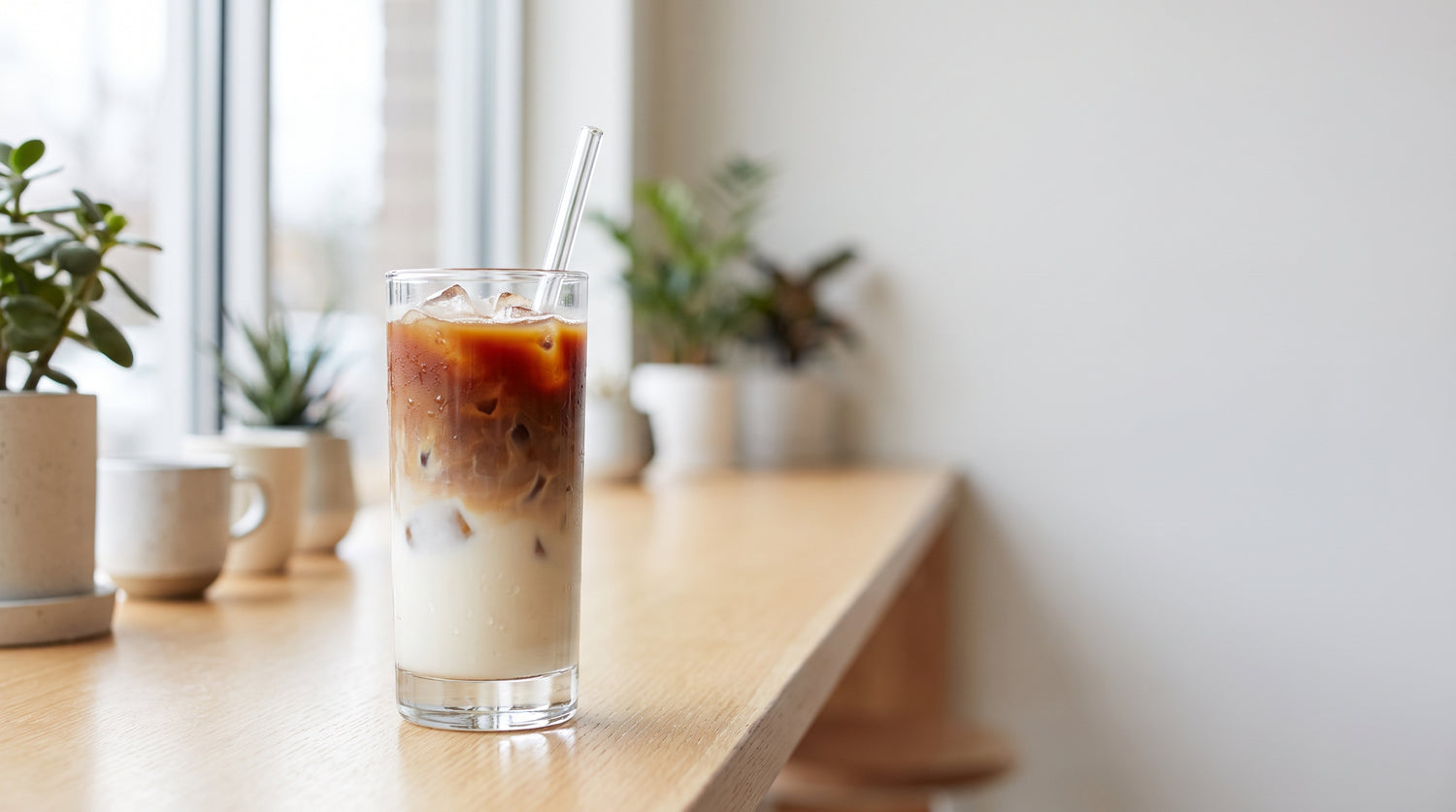
Iced hojicha: Brew at double strength and pour directly over a full glass of ice. The roasted flavor carries beautifully into cold preparations without becoming watery or losing character.

Hojicha powder vs loose leaf: which should you choose?
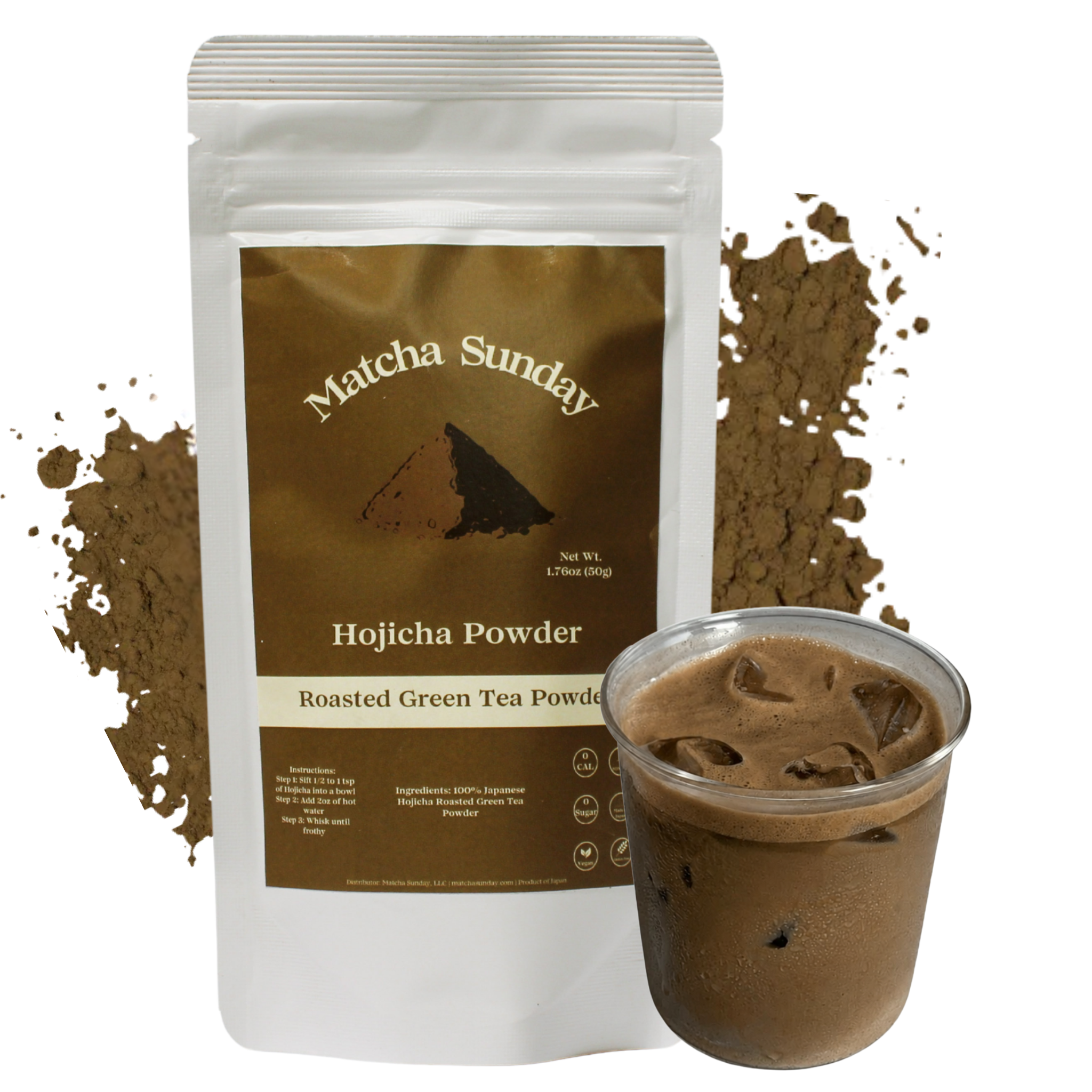
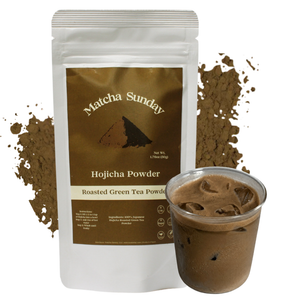
Hojicha powder has surged in popularity, especially in cafes and home kitchens, because it works much like matcha powder. You whisk it directly into water or milk, no steeping required. This makes it the faster, more convenient option for lattes and baking.
Loose leaf hojicha gives you a more nuanced cup. You can control steep time and water temperature to bring out different flavor notes, and the leaves can be resteeped multiple times, stretching your tea further. The flavor of steeped loose leaf tends to be cleaner and more layered than powder.
Our recommendation: keep both on hand. Use loose leaf for your evening tea ritual when you want the meditative process of steeping. Use powder for quick lattes, smoothies, and baking. Hojicha powder works wonderfully in cookies, cakes, and ice cream, adding a toasty warmth that pairs well with vanilla, chocolate, and caramel flavors.
What should you look for when buying hojicha?
Not all hojicha is created equal. Here is what we recommend paying attention to:
- Origin: Look for hojicha from Japan. Authentic Japanese hojicha follows traditional production methods and quality standards.
- Base leaf: Check whether it is made from bancha, sencha, or kukicha. Sencha based hojicha tends to be smoother and more refined. Kukicha based versions are sweeter and lighter. Bancha based is the most traditional and robust.
- Roast level: Light, medium, and dark roasts offer very different experiences. If you are new to hojicha, a medium roast is the most approachable starting point.
- Freshness: Hojicha's signature aroma fades over time because its pyrazine compounds are volatile. Buy from sellers with good turnover and check for roast dates when available.
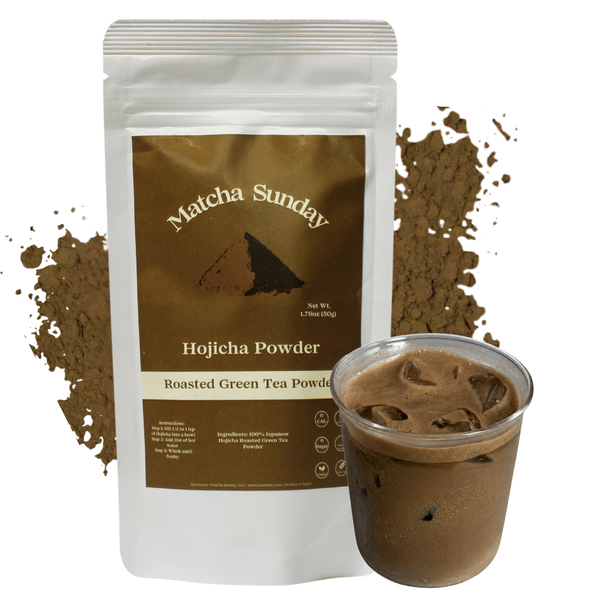
- Powder quality: If buying hojicha powder, look for pure roasted tea with no added sugar, milk powder, or fillers. The ingredient list should be short: roasted green tea.
Why is hojicha trending in Western cafes?
If you have noticed hojicha lattes appearing on cafe menus everywhere from specialty tea shops to major chains, you are not imagining it. Hojicha has become one of the fastest growing tea categories in Western markets, following the path matcha blazed over the past decade.
The appeal makes sense. Hojicha's toasty, caramel flavor profile is naturally approachable for Western palates accustomed to coffee and chocolate. It requires no added sweetener to taste good. It works beautifully in lattes, which remain the dominant format in cafe culture. And its low caffeine makes it an all day option, filling a gap that neither matcha nor coffee can.
For us at Matcha Sunday, the hojicha trend feels personal. We have been recommending hojicha to our matcha customers for years as the natural evening companion, and watching the broader market discover this tea has been genuinely exciting.
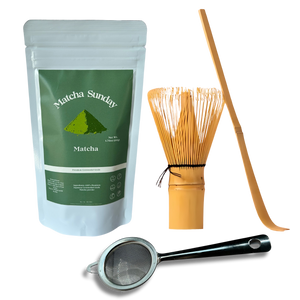
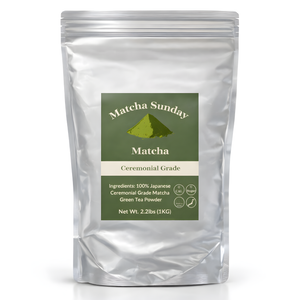
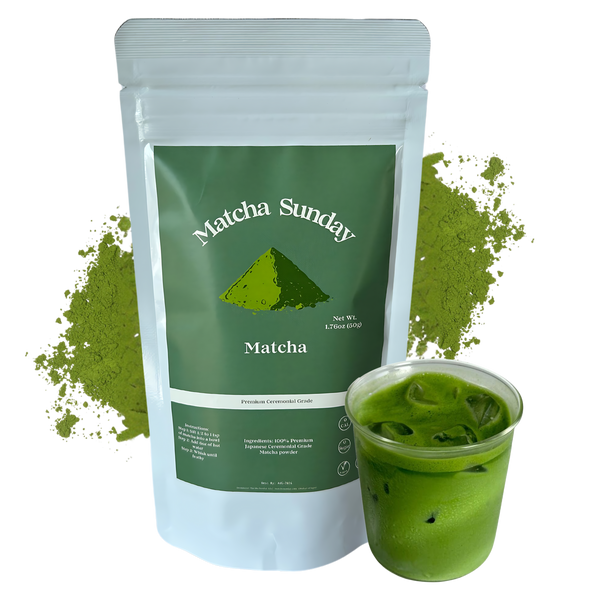
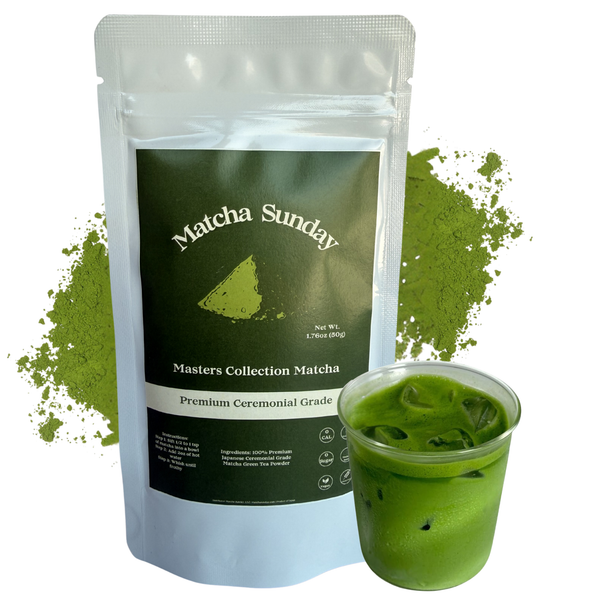
Shop these powders
Frequently asked questions
Is hojicha actually green tea?
Yes. Hojicha is made from Camellia sinensis leaves that are steamed before roasting, which prevents oxidation and keeps it classified as green tea by Japanese standards. The brown color comes from roasting, not oxidation.
Can I drink hojicha before bed?
Hojicha is one of the best teas for evening drinking. With only 7 to 20 mg of caffeine per cup, roughly one tenth the amount in coffee, most people find it does not interfere with sleep. The pyrazine aroma compounds may even promote relaxation.
Does hojicha have fewer antioxidants than matcha?
Hojicha has fewer catechins than matcha because roasting reduces them to about one third of unroasted levels. However, the roasting process creates melanoidins, a different class of antioxidant. So hojicha offers antioxidant benefits through a different pathway rather than simply having less.
Can I use hojicha powder the same way I use matcha powder?
Yes. Hojicha powder can be whisked into water, blended into lattes, or used in baking just like matcha. The result is a brown drink with toasty, caramel notes rather than the bright green vegetal flavor of matcha.
How should I store hojicha?
Keep hojicha in an airtight container away from light, heat, and moisture. Because hojicha's aromatic pyrazines are volatile, proper storage preserves its signature toasty fragrance. Once opened, try to finish it within two to three months for the best flavor.
Why do matcha and hojicha work so well together in a daily routine?
Matcha delivers focused energy with 60 to 80 mg of caffeine and a high concentration of theanine, making it ideal for mornings. Hojicha, with minimal caffeine and calming aroma compounds, is the natural complement for afternoons and evenings. Together, they let you enjoy Japanese tea throughout the entire day without overdoing caffeine.