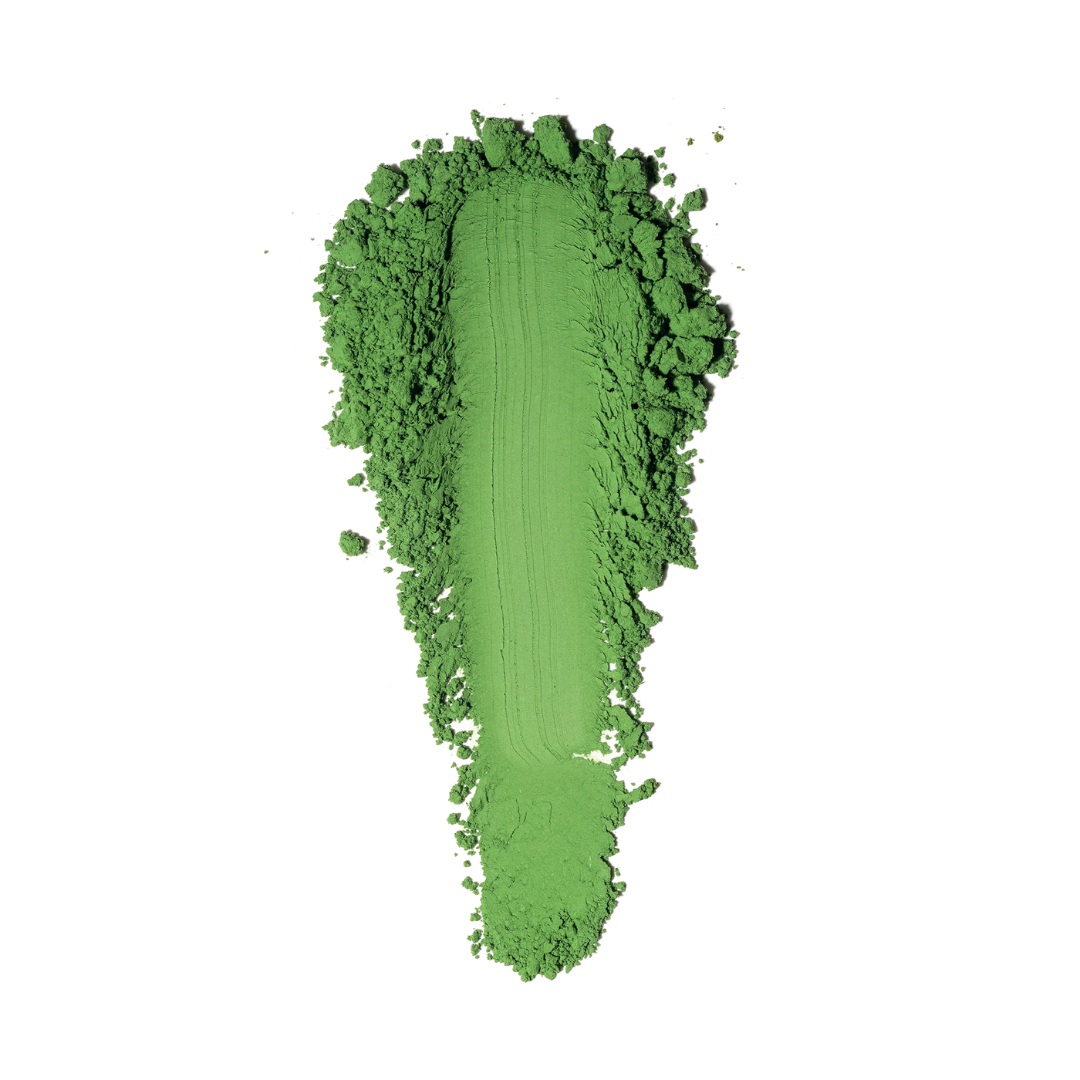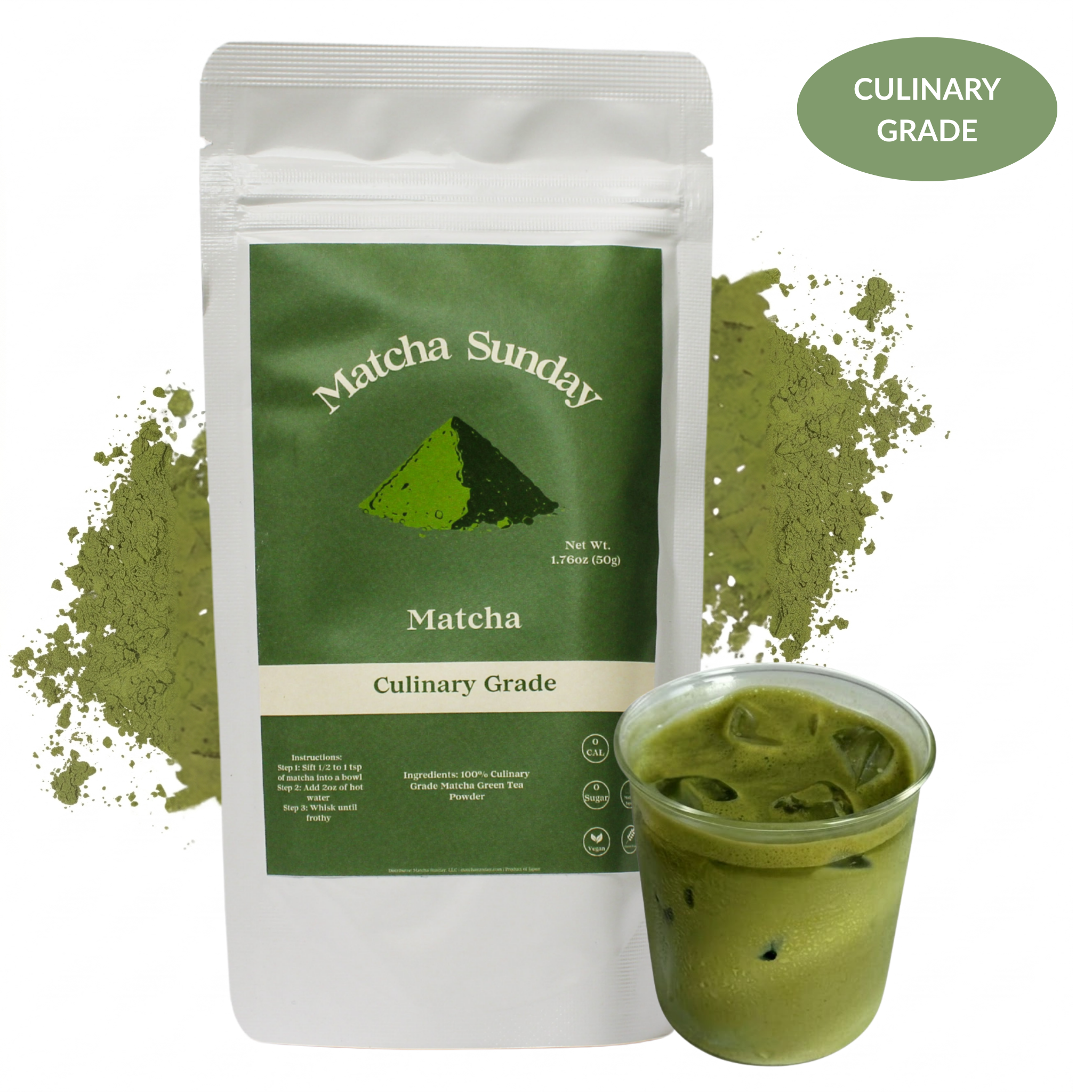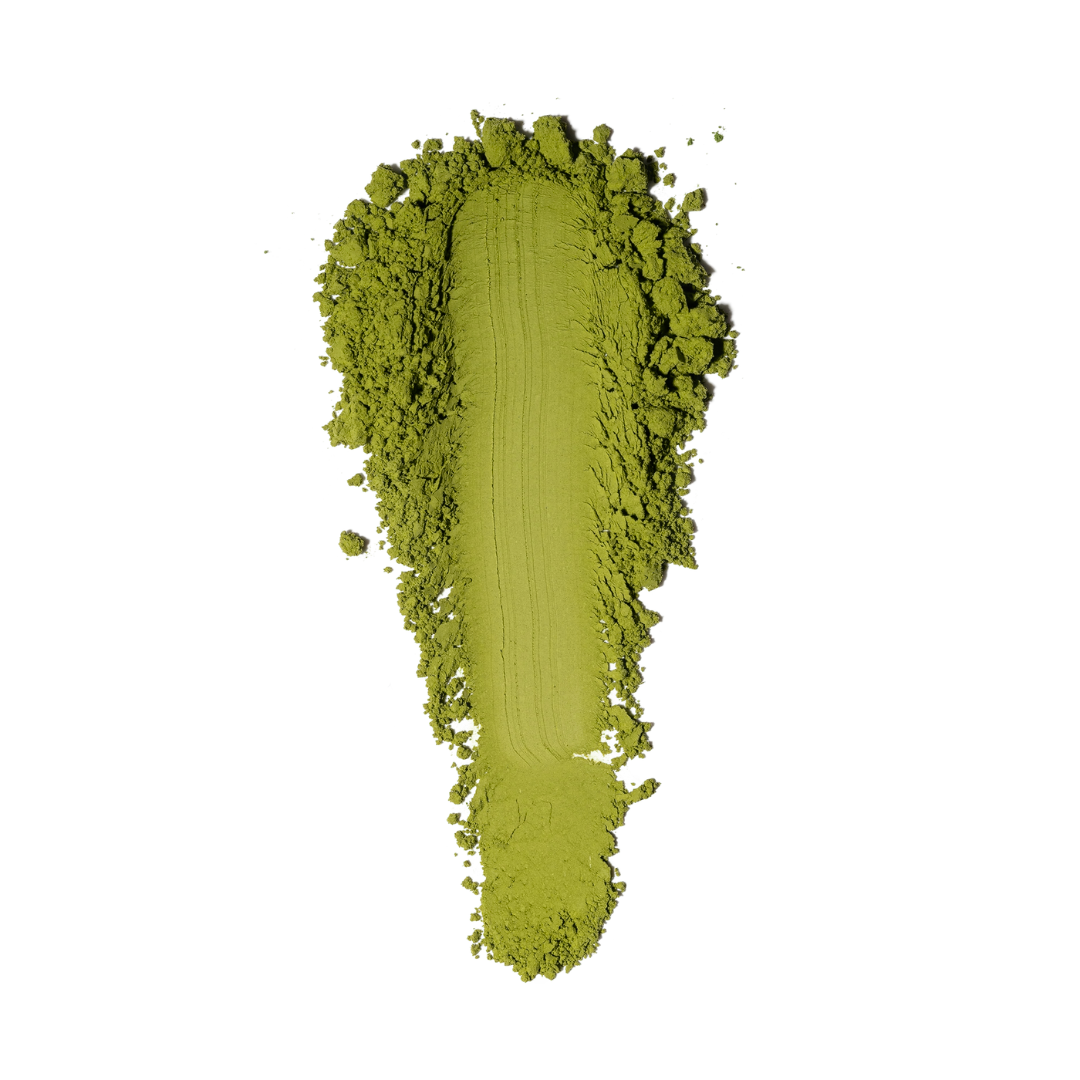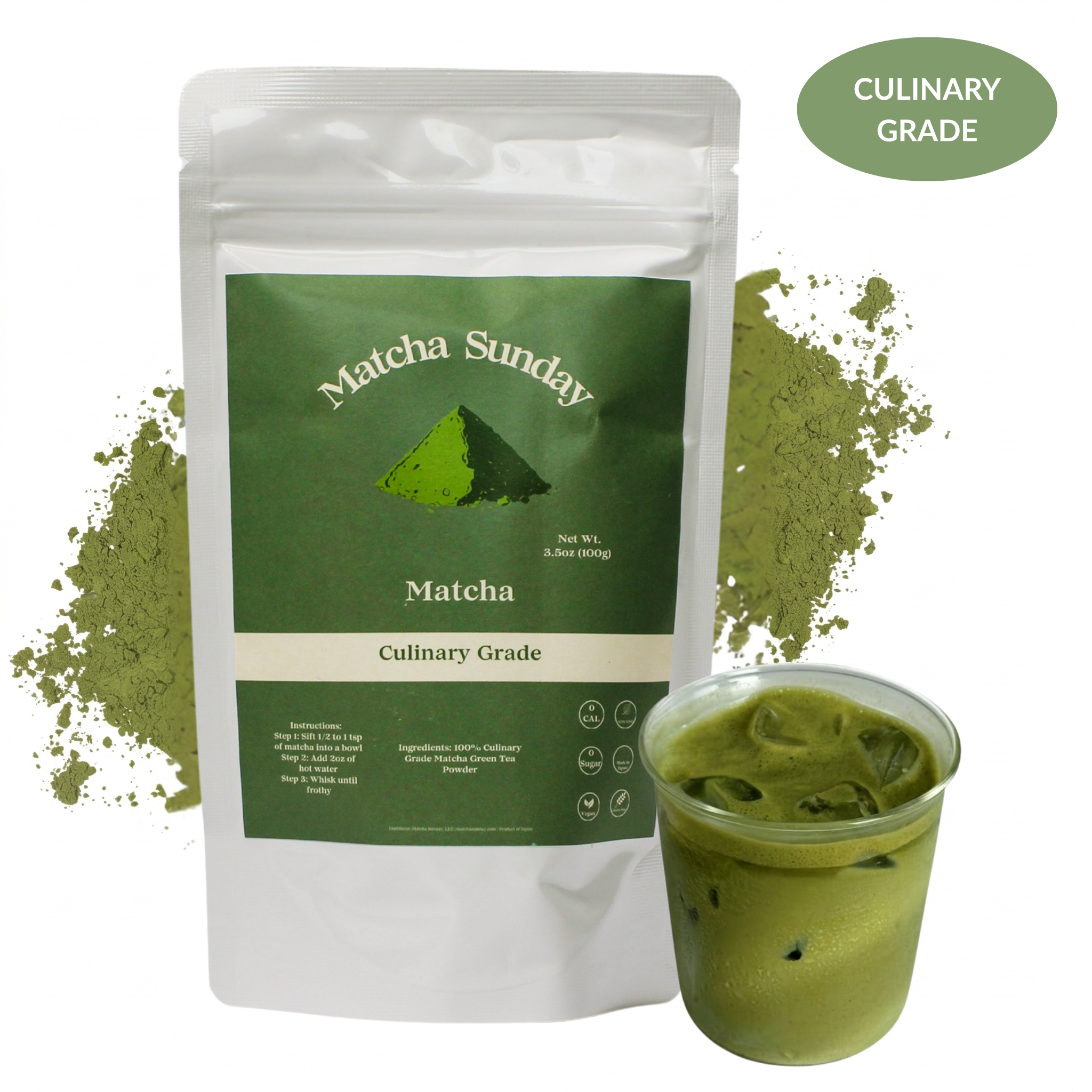
For centuries, matcha has been cherished in Japan for its vibrant color, smooth texture, and unique flavor profile. Today, it enjoys international acclaim, particularly Ceremonial Grade Matcha, which is highly regarded for its superior quality and cultural significance. Join us as we explore the intriguing origins and evolution of this cherished tea.
The Ancient Origins of Matcha
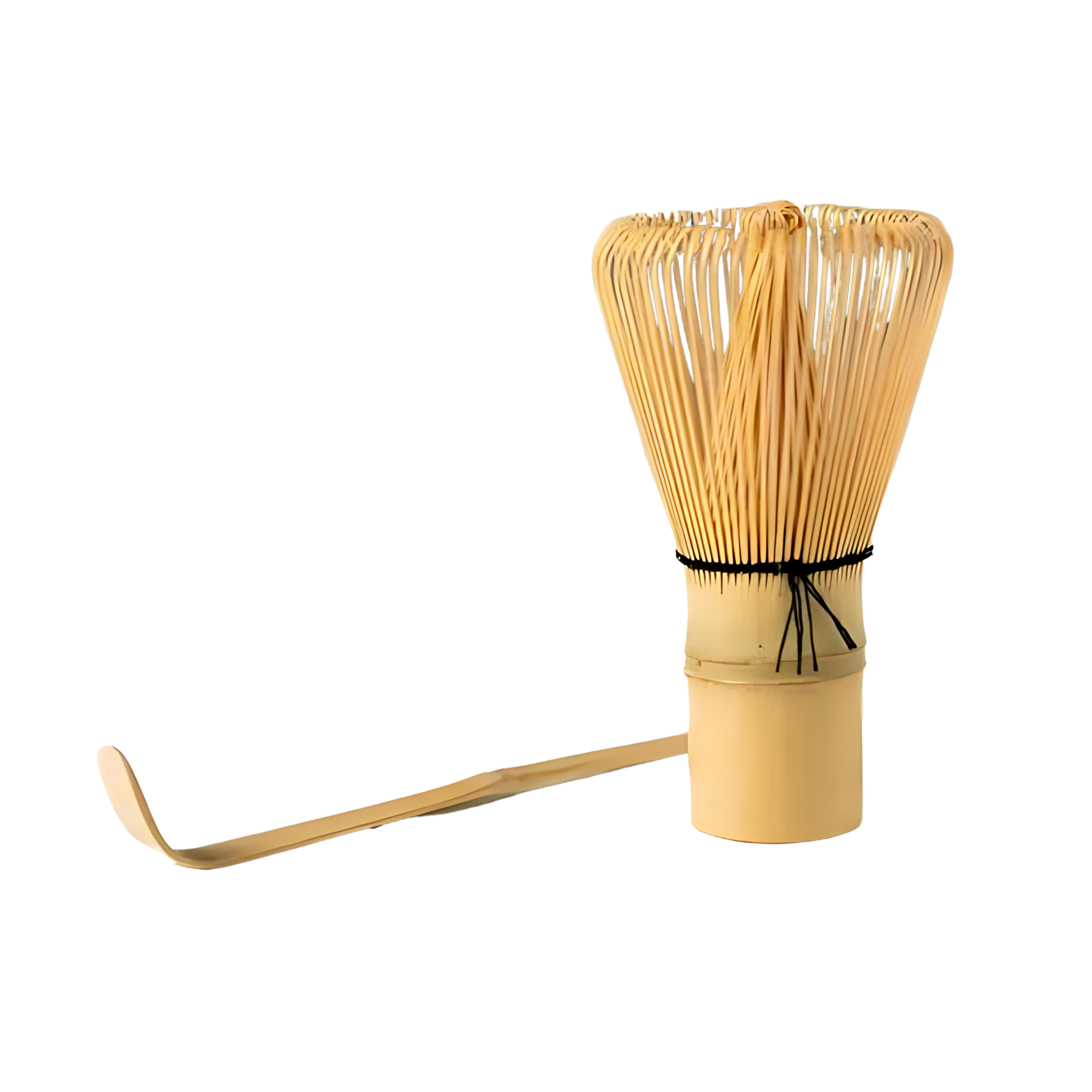
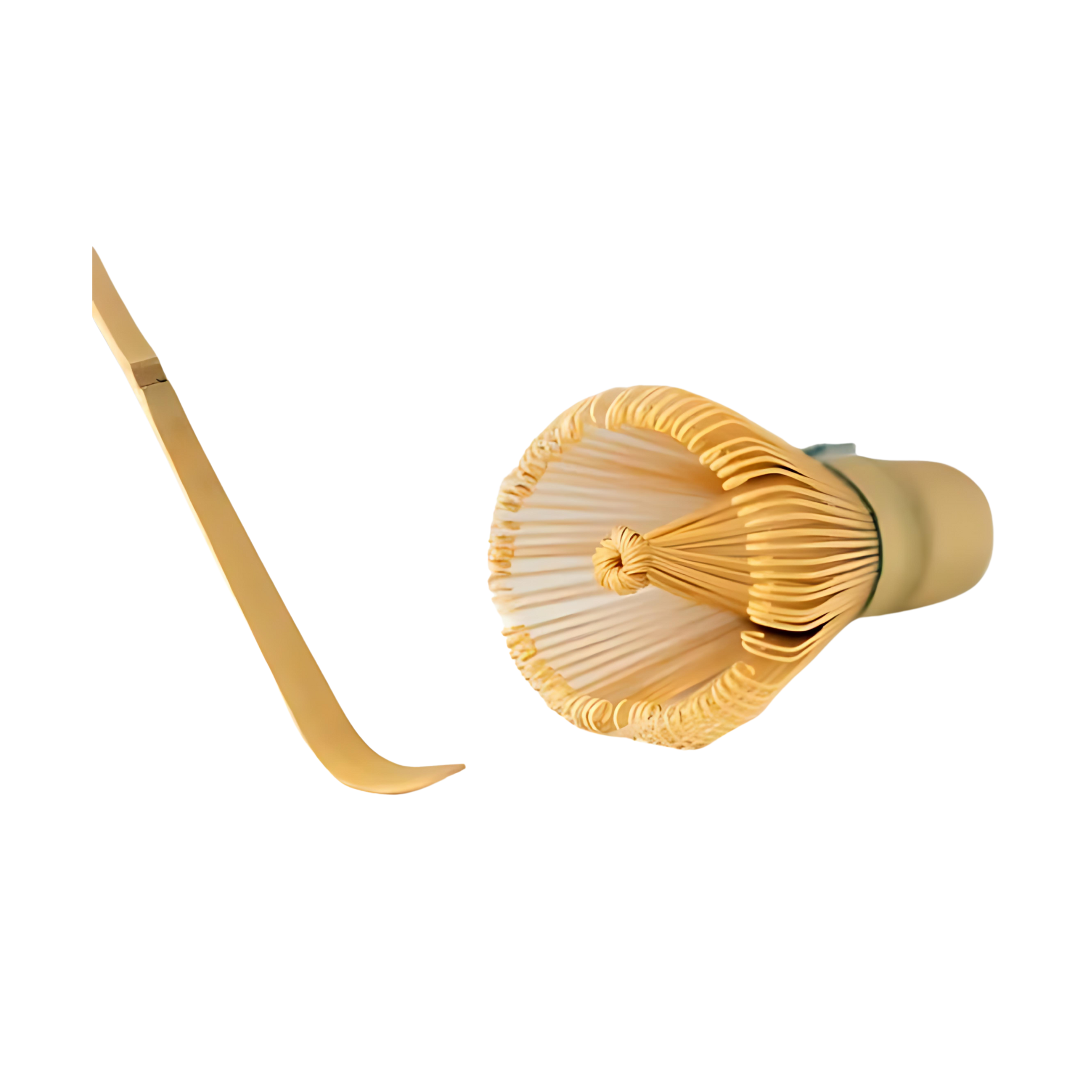
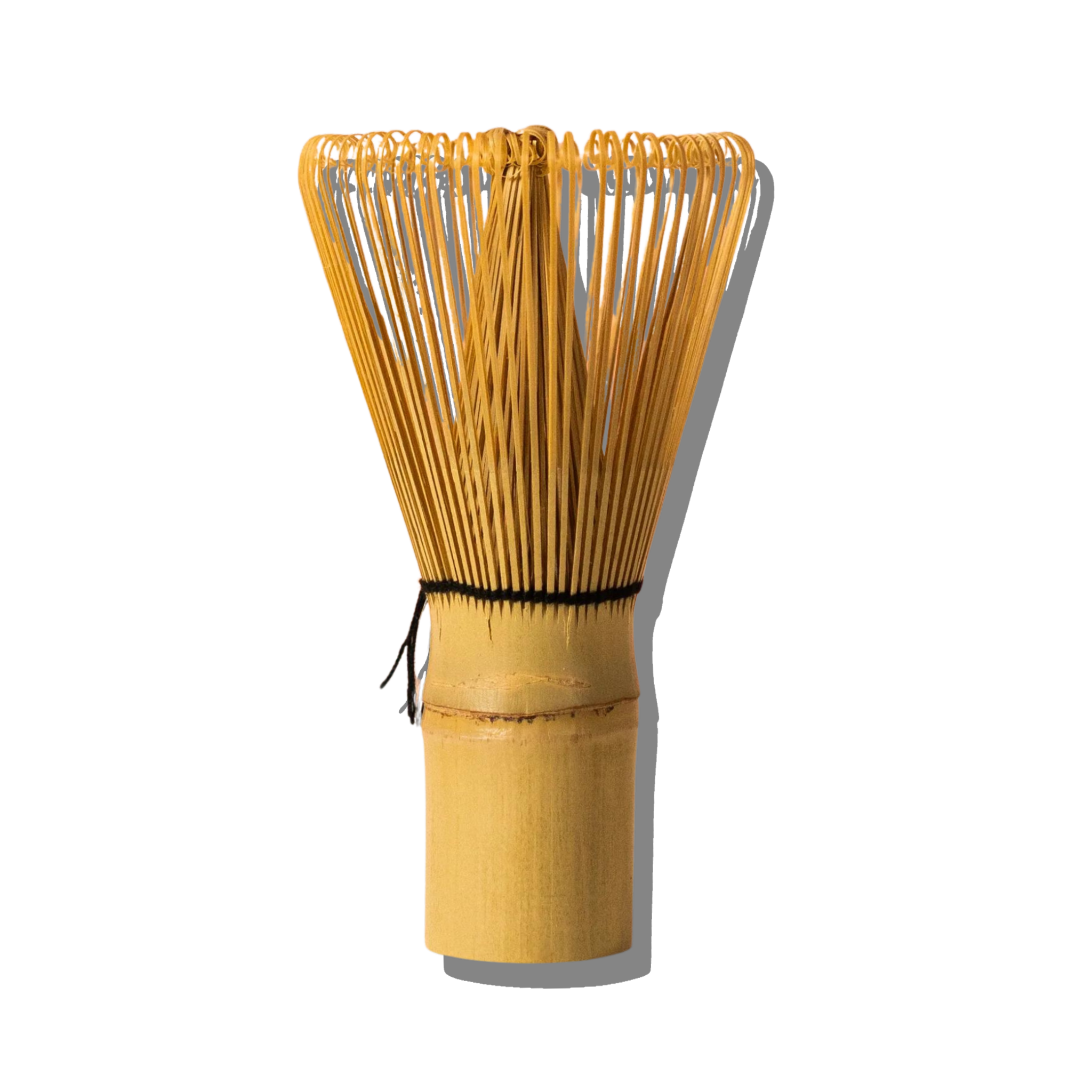
The story of matcha begins in China during the Tang Dynasty (618-907 AD), where tea leaves were steamed and formed into bricks for easy transport. However, it wasn't until the Song Dynasty (960-1279 AD) that the practice of grinding tea into a fine powder emerged. This ritual involved whisking powdered tea with hot water, creating a frothy beverage similar to what we know as matcha today.
In the 12th century, a Japanese monk named Eisai brought powdered tea to Japan after studying Buddhism in China. It was in Japan that the art of cultivating and consuming matcha evolved into a formal ceremonial practice, intricately tied to meditation and mindfulness.
The Development of Ceremonial Matcha
By the 16th century, the Japanese tea ceremony, known as "chanoyu" or "the way of tea," had flourished, emphasizing the principles of harmony, respect, purity, and tranquility. Central to this practice was the use of high-quality matcha powder, setting the stage for what we now refer to as Ceremonial Grade Matcha.
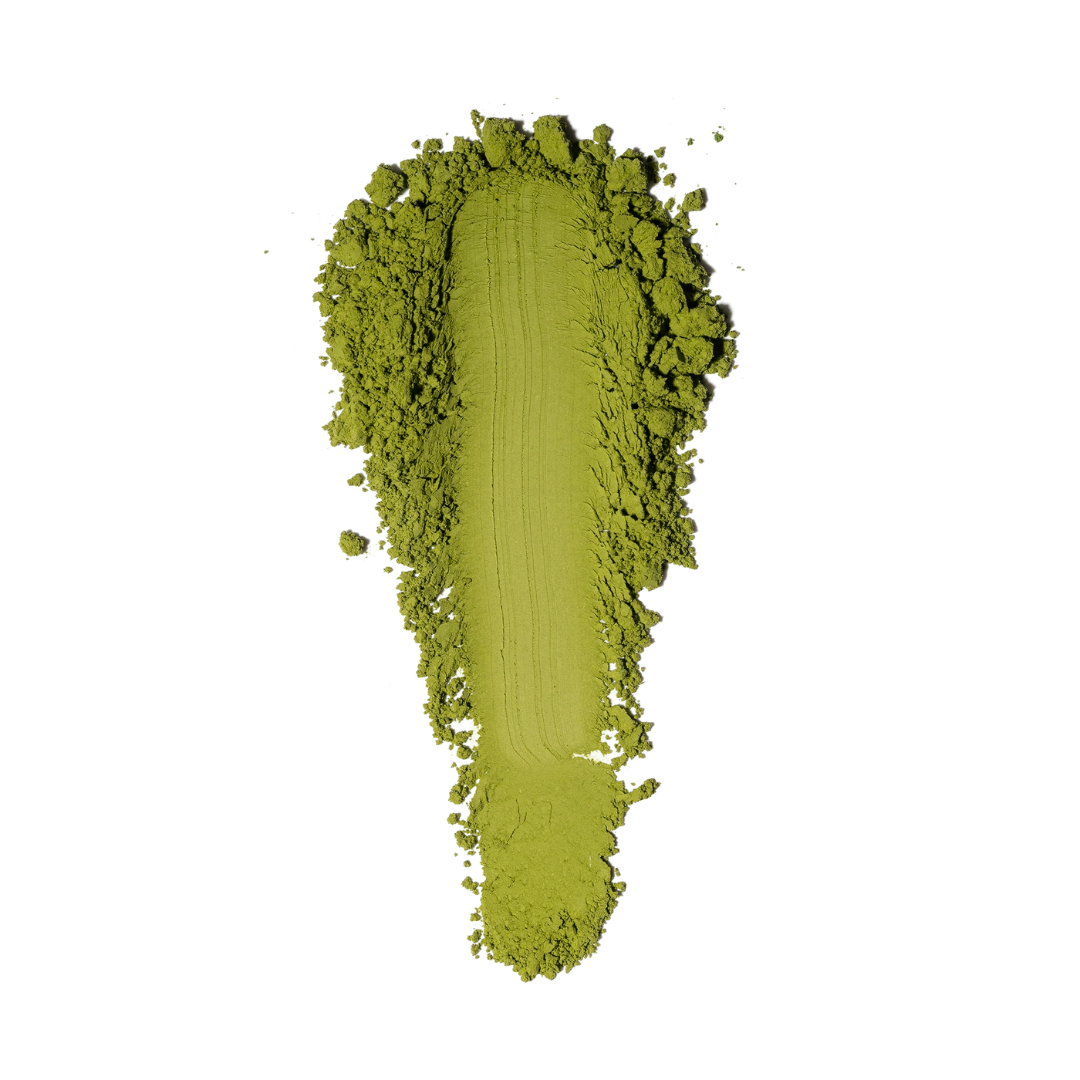
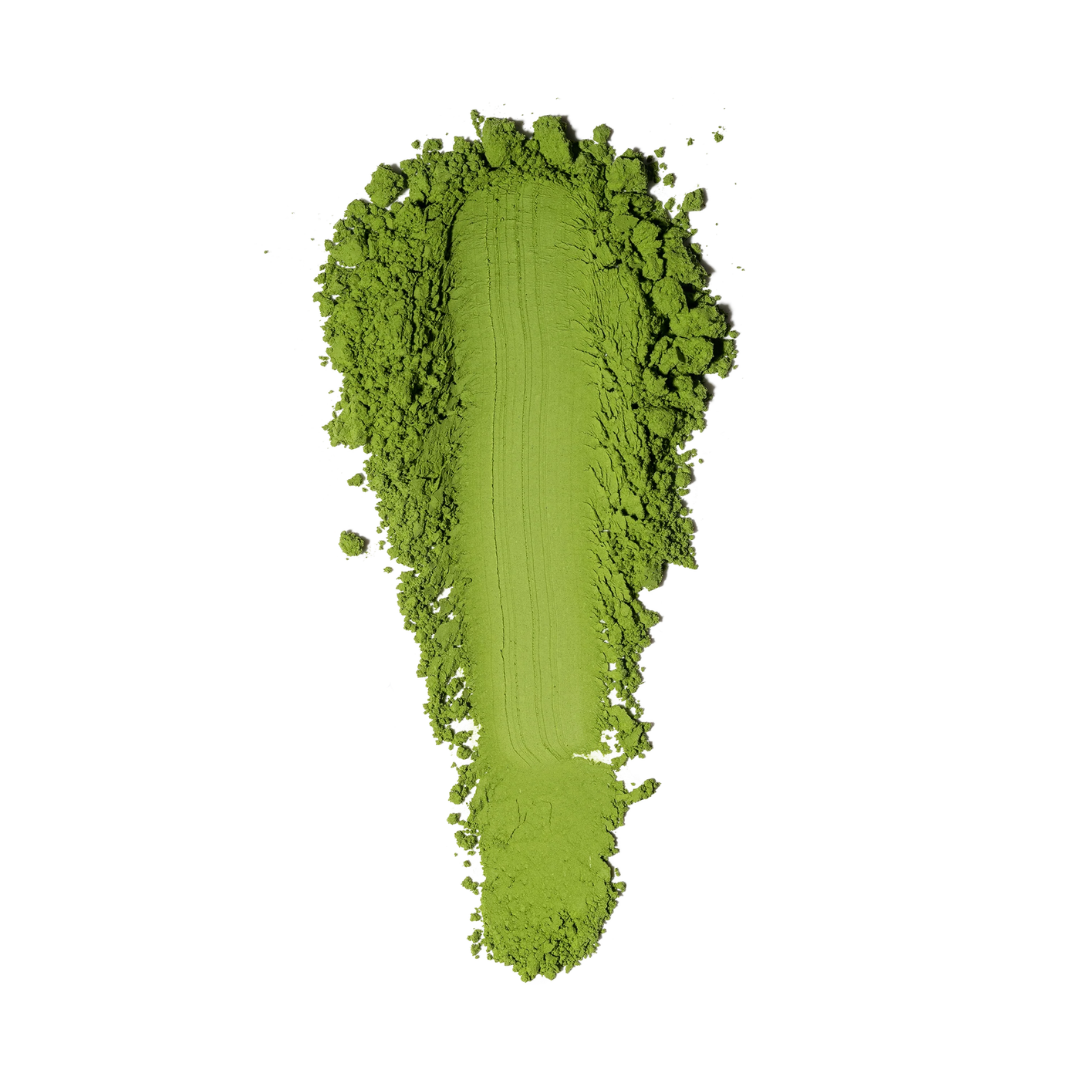
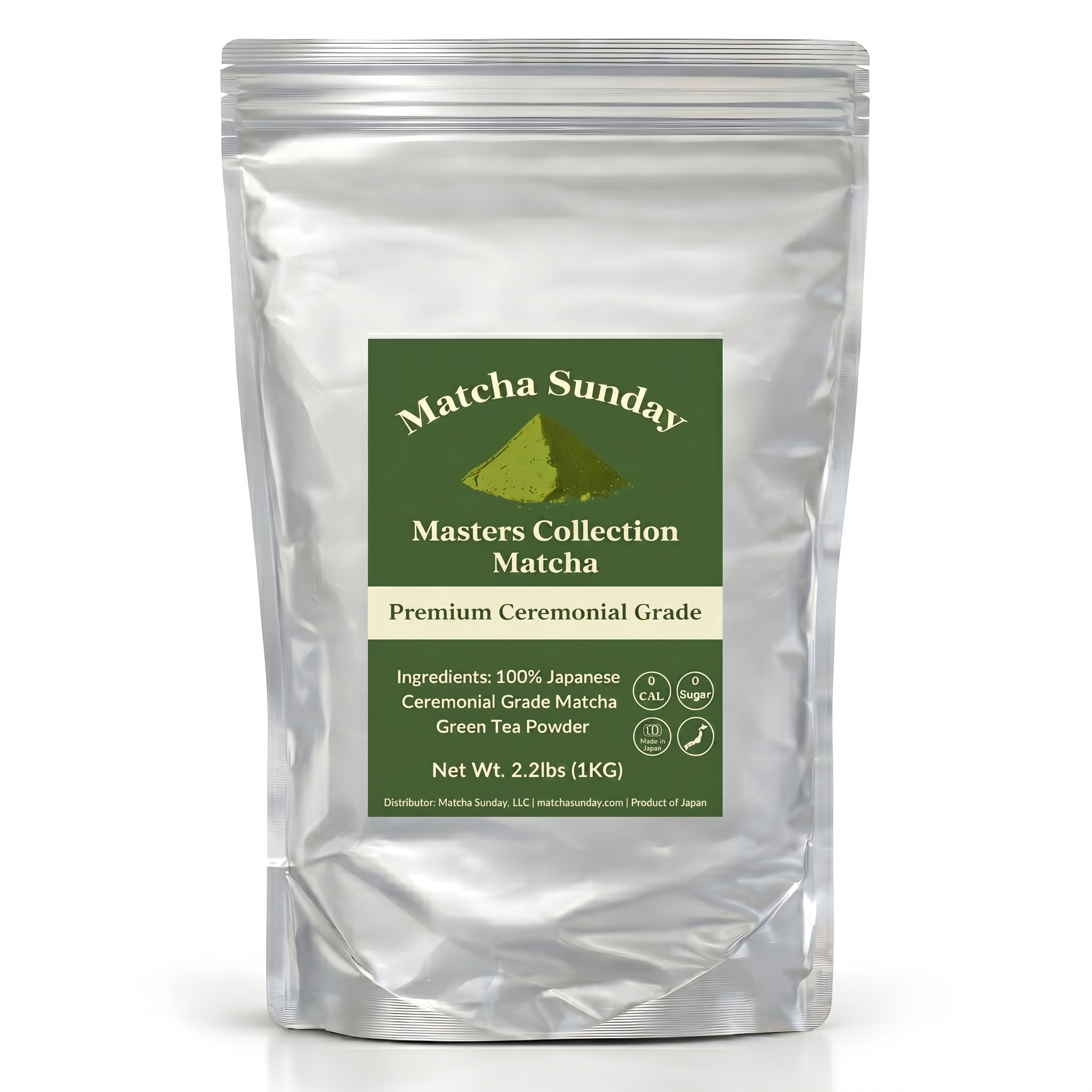
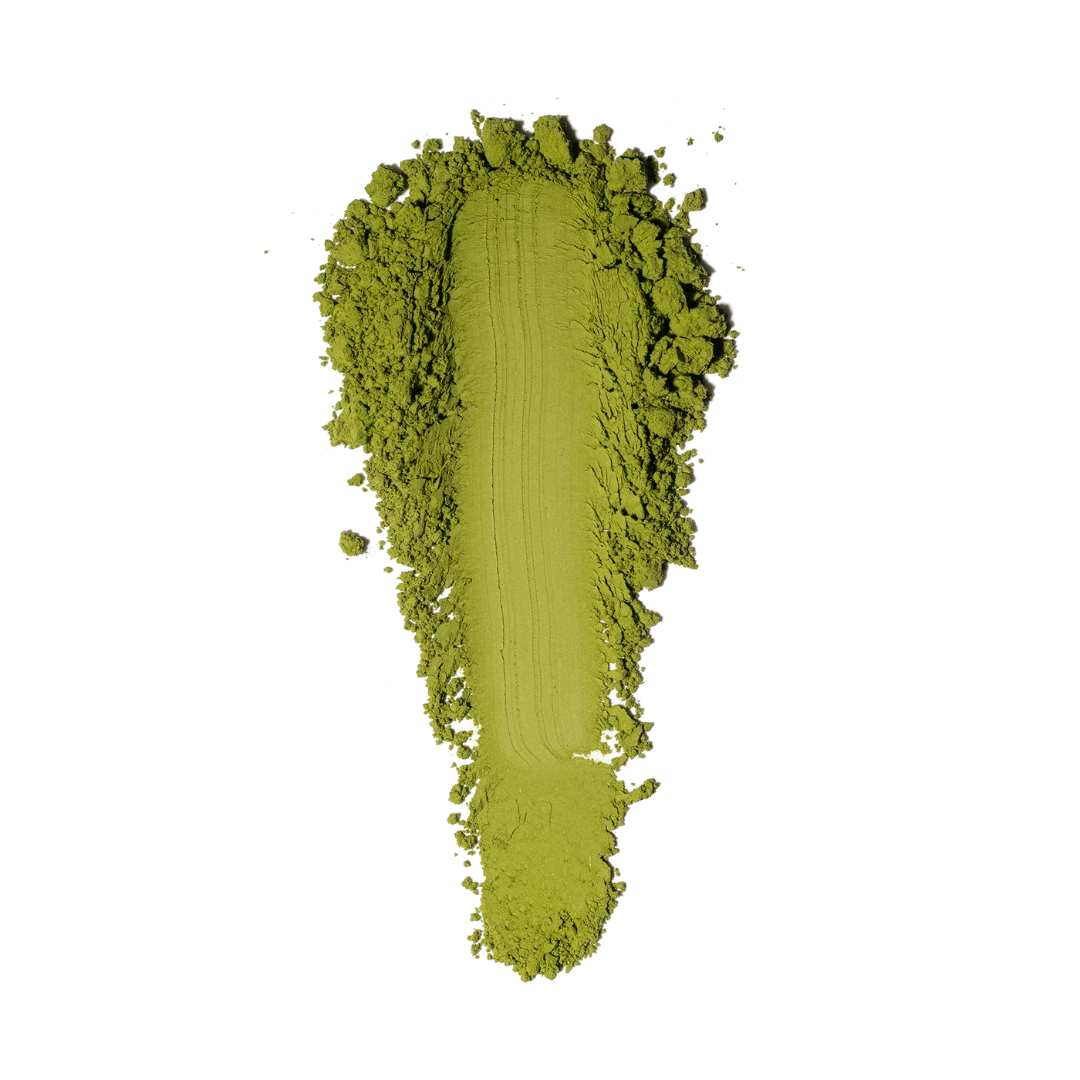
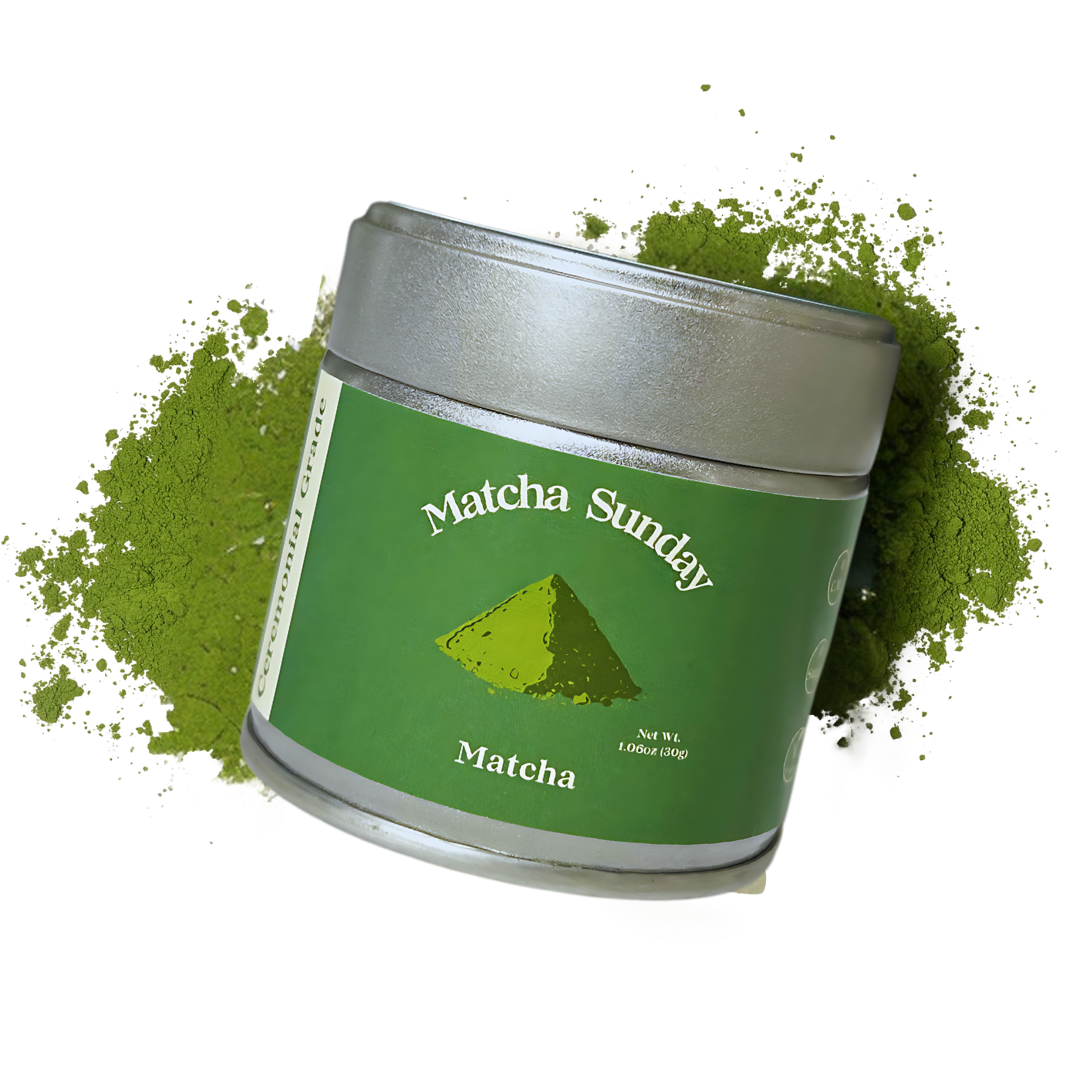
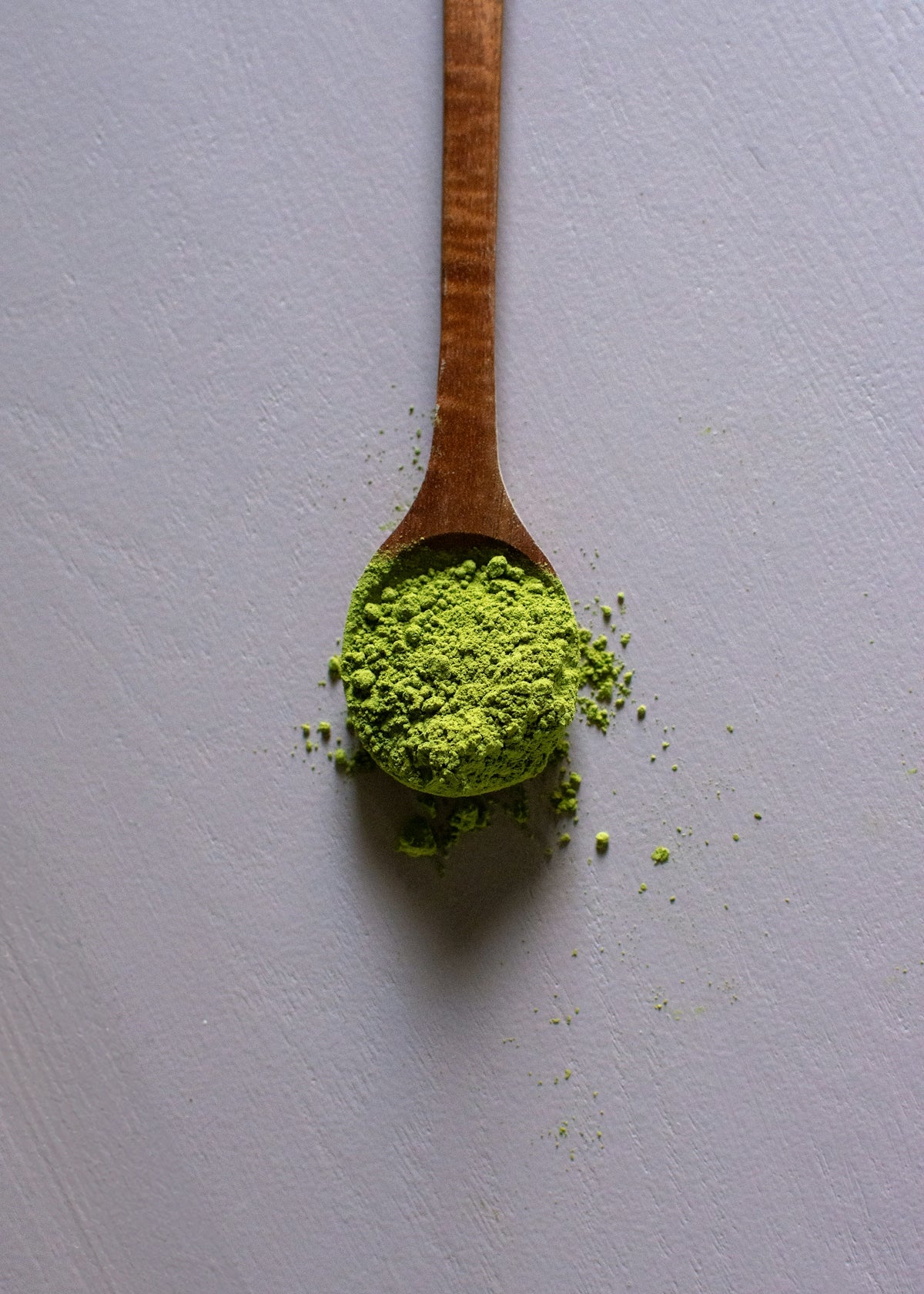
Ceremonial Grade Matcha is made from the youngest tea leaves, meticulously harvested, steamed, and ground to produce a vibrant green powder. This delicate process ensures a smooth, rich flavor and is reserved primarily for traditional tea ceremonies.
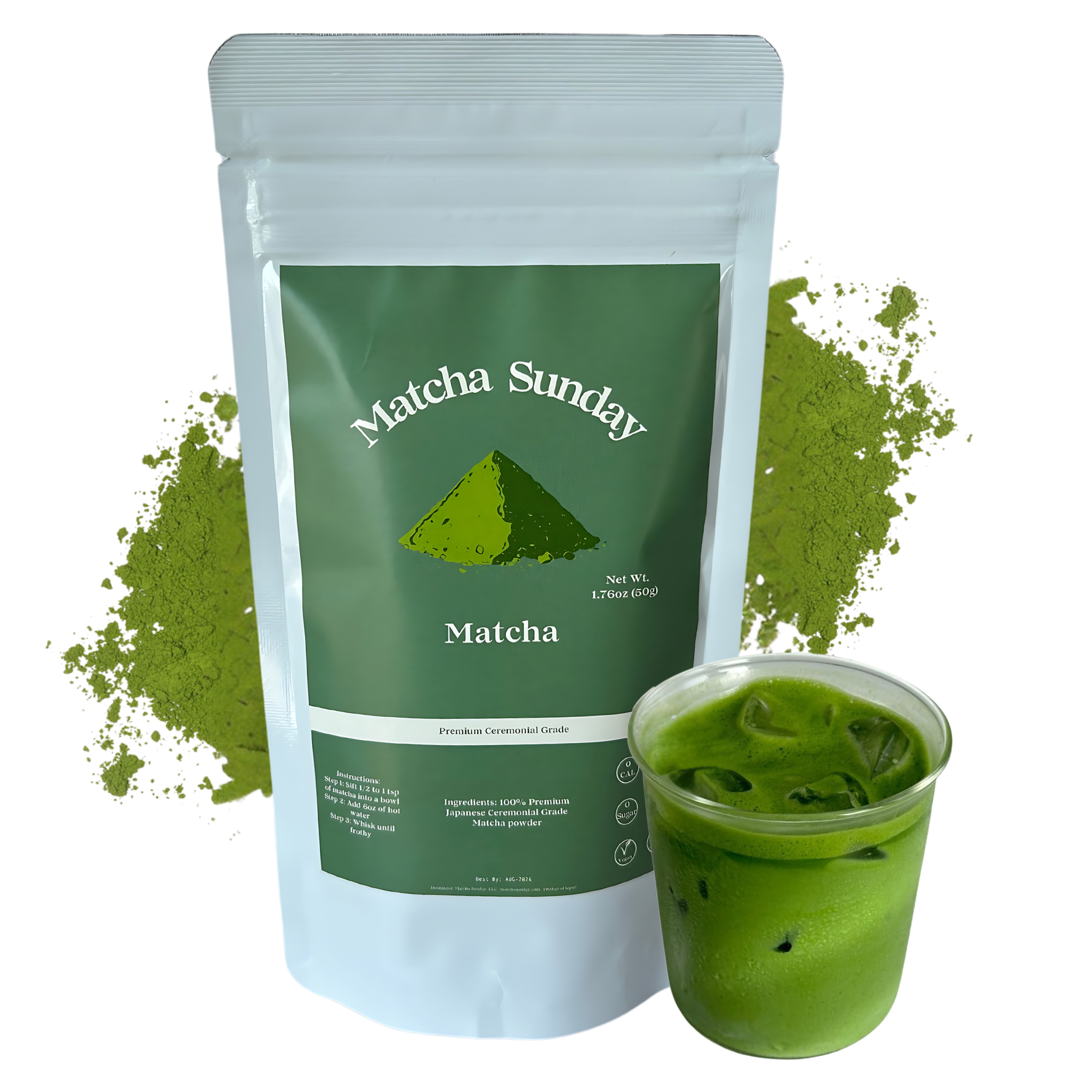
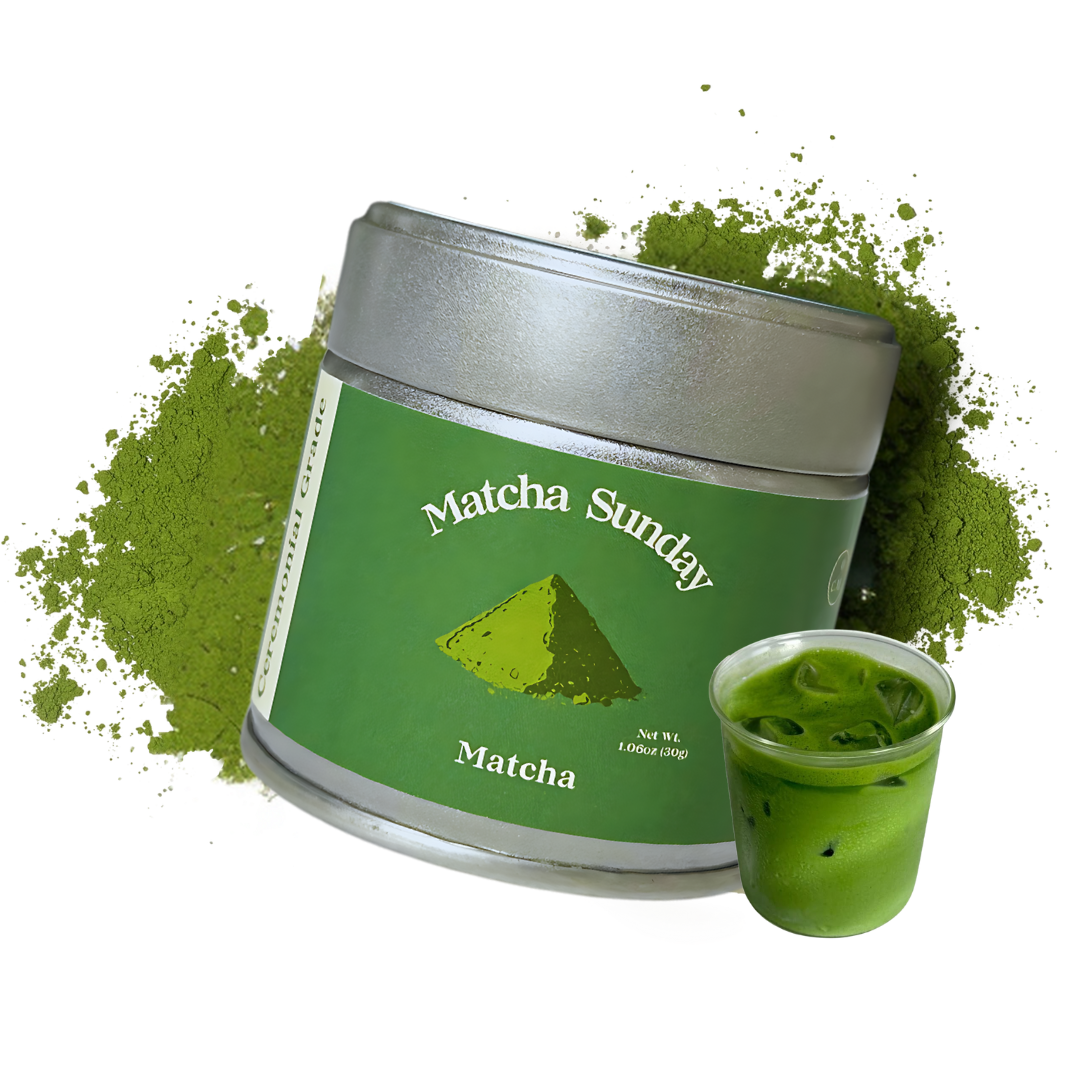
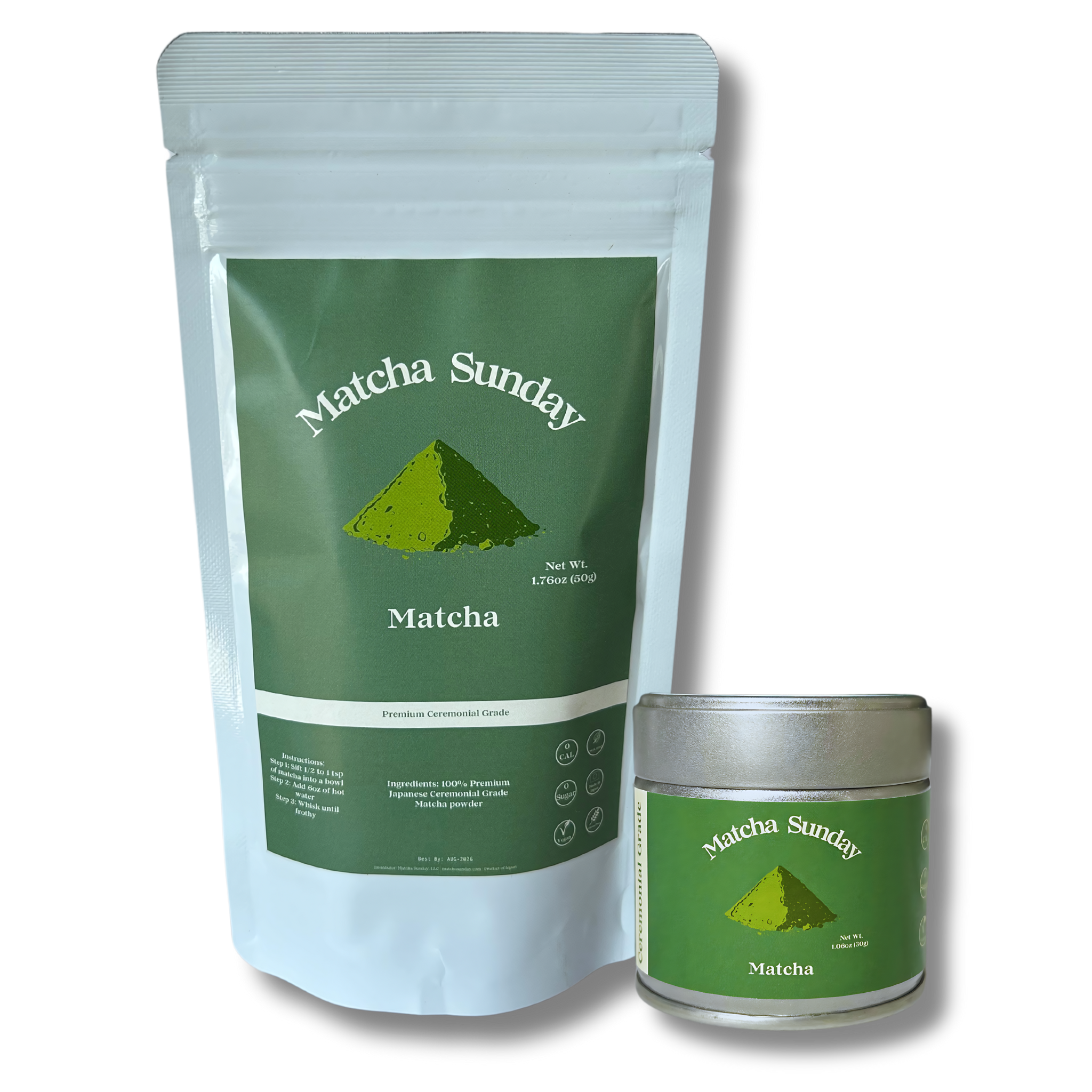
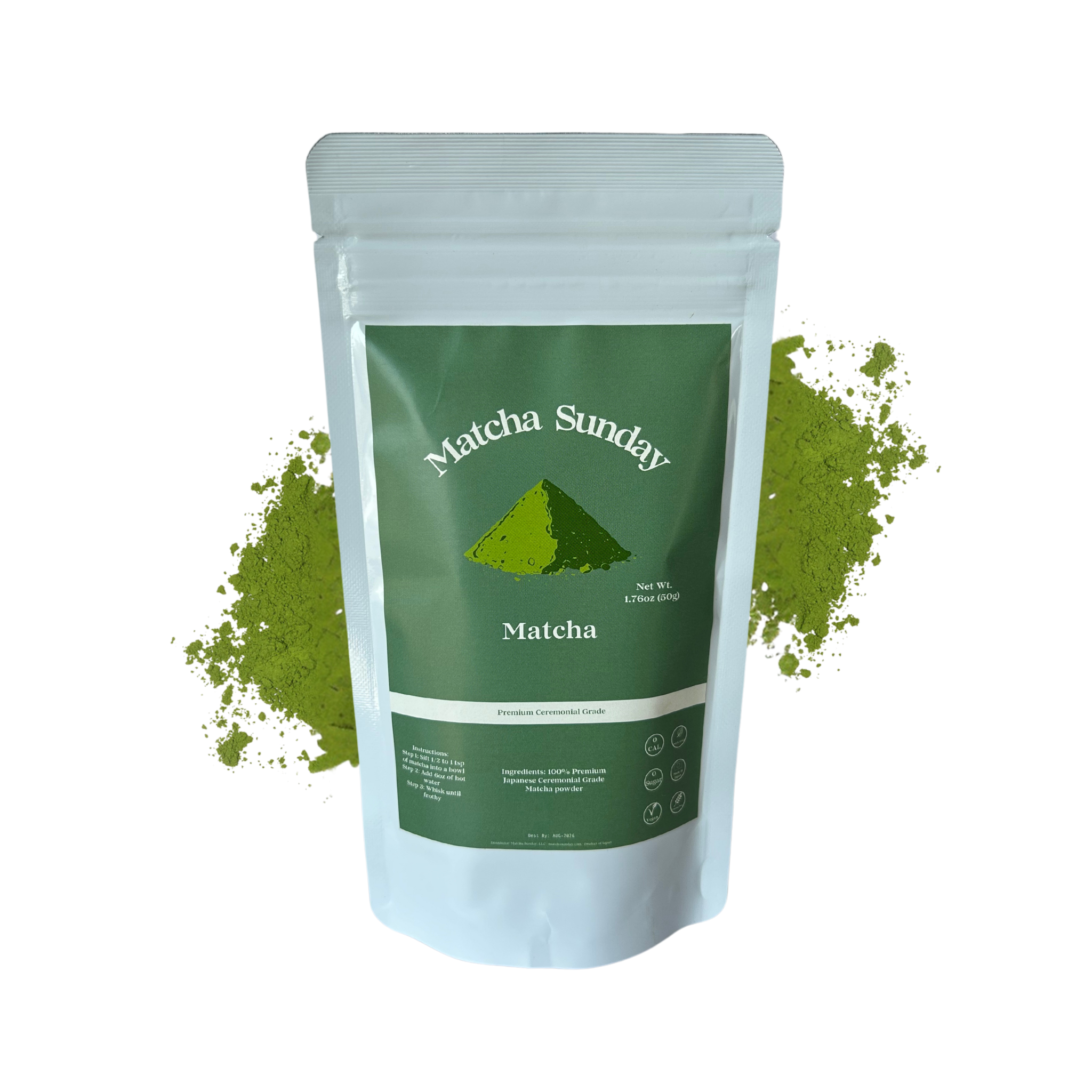
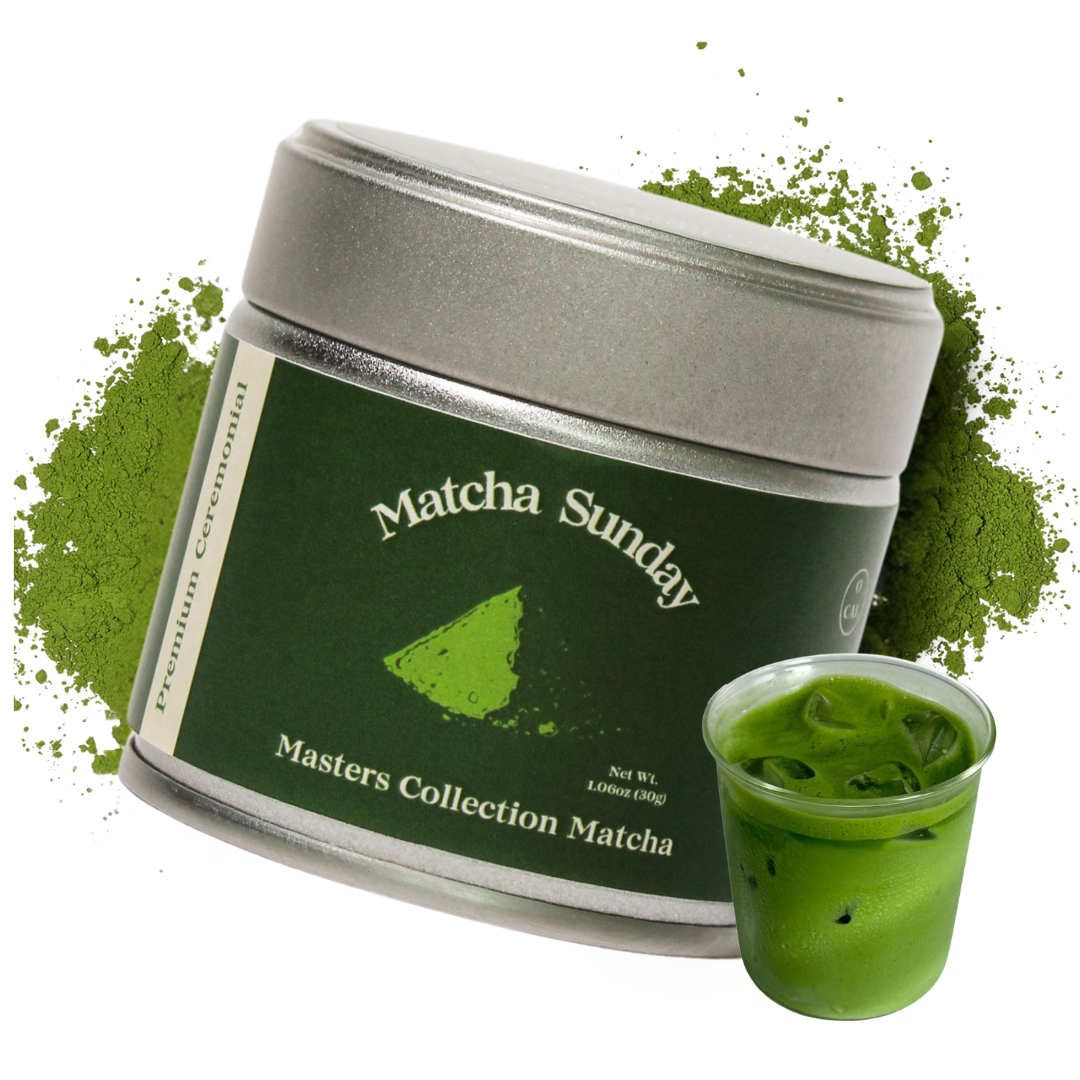
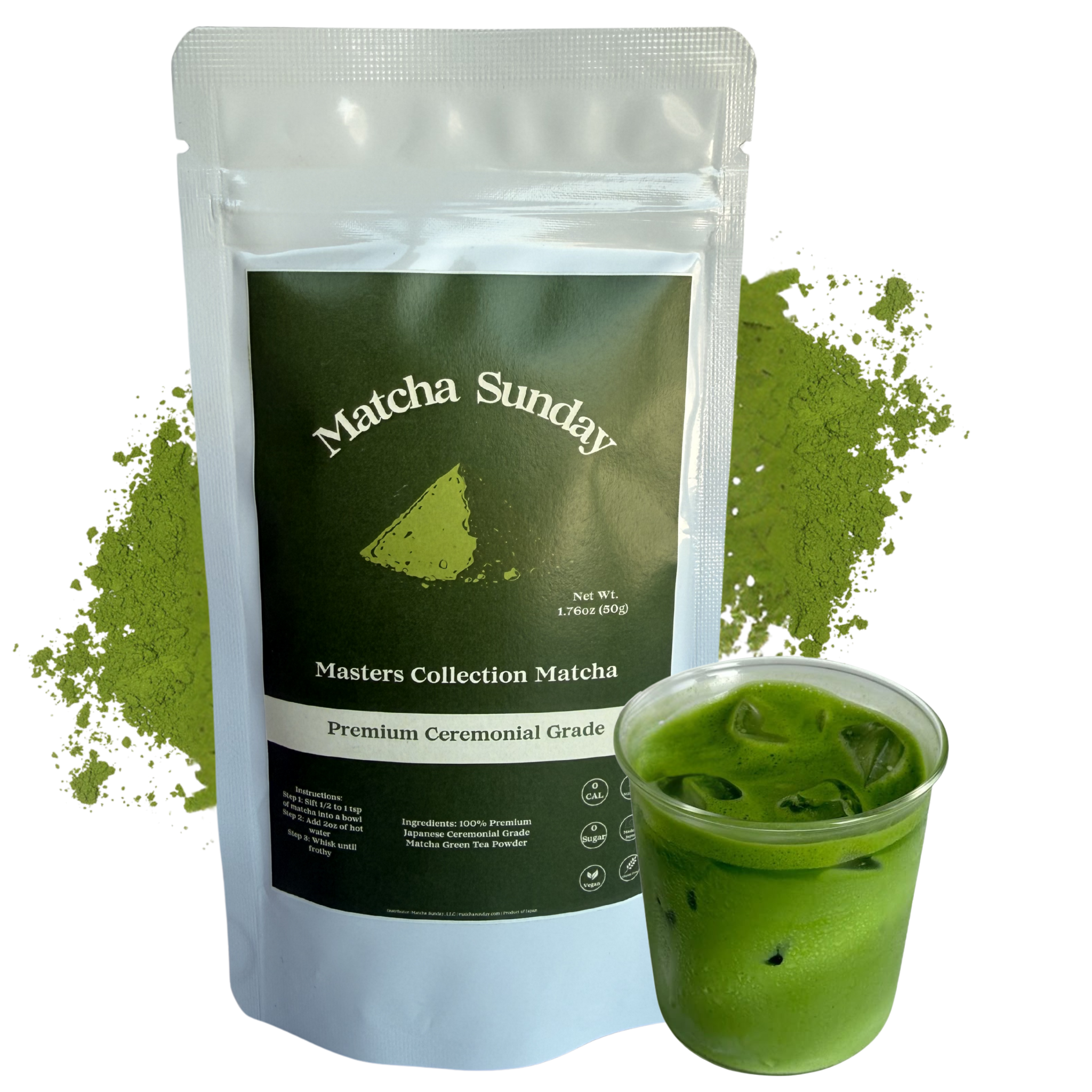
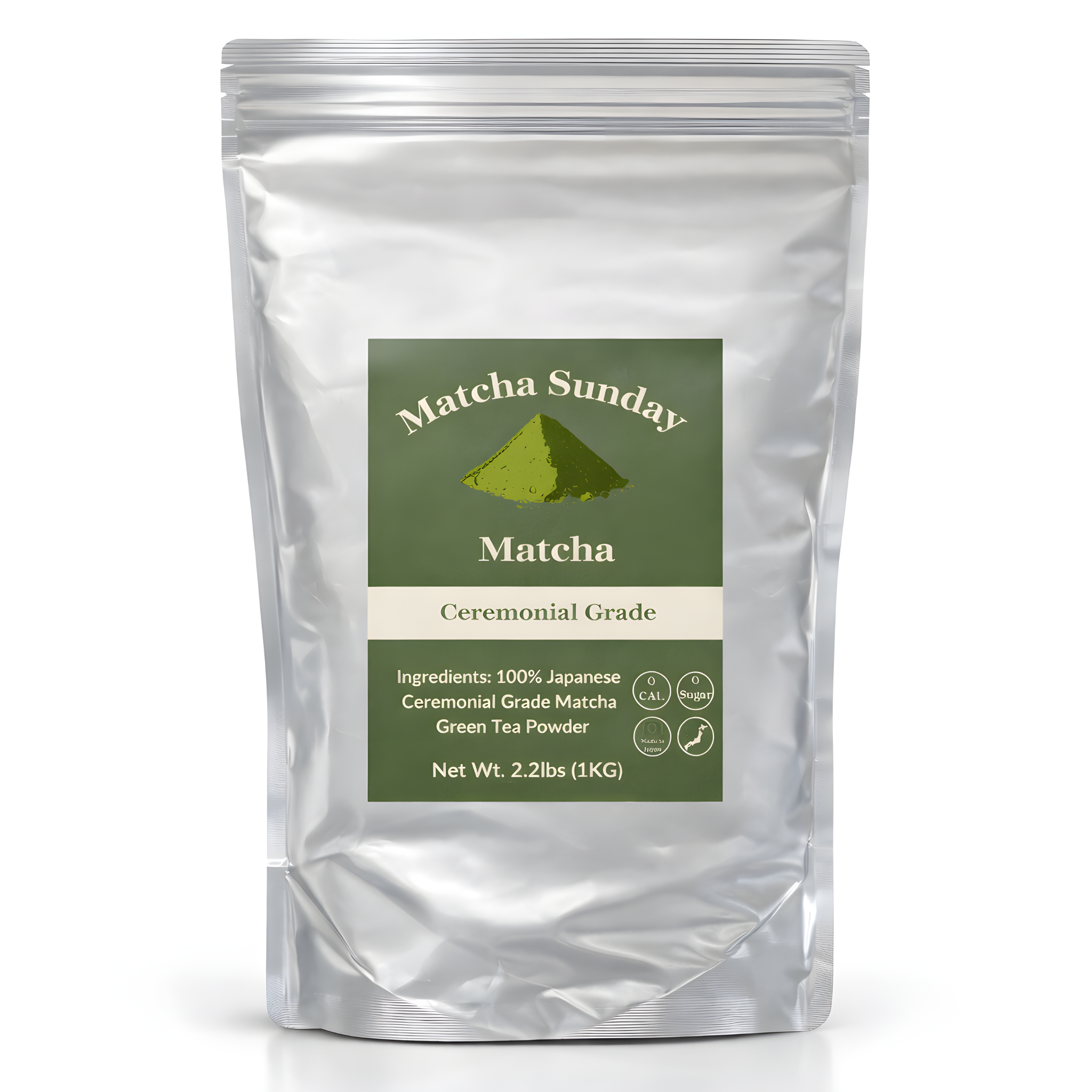
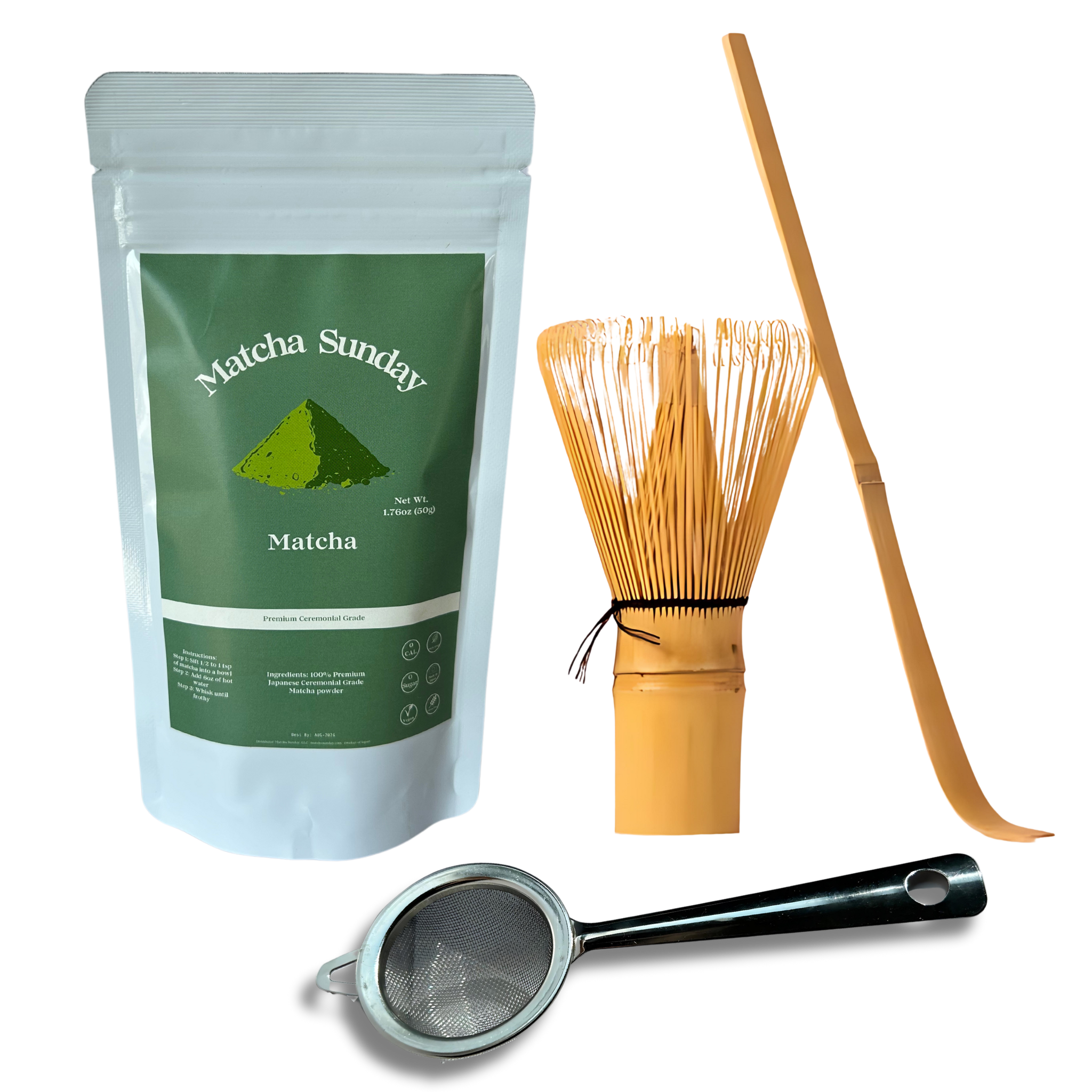
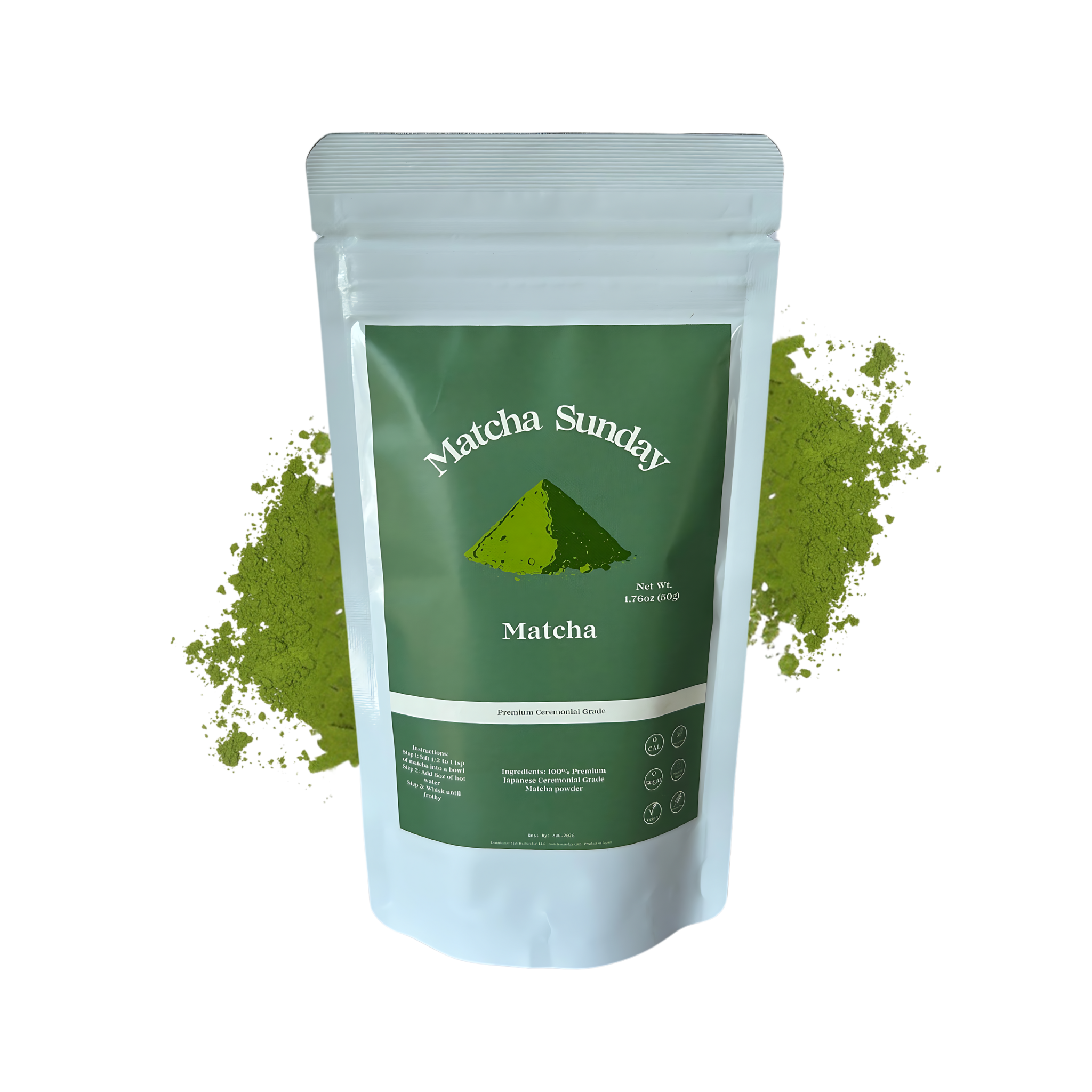
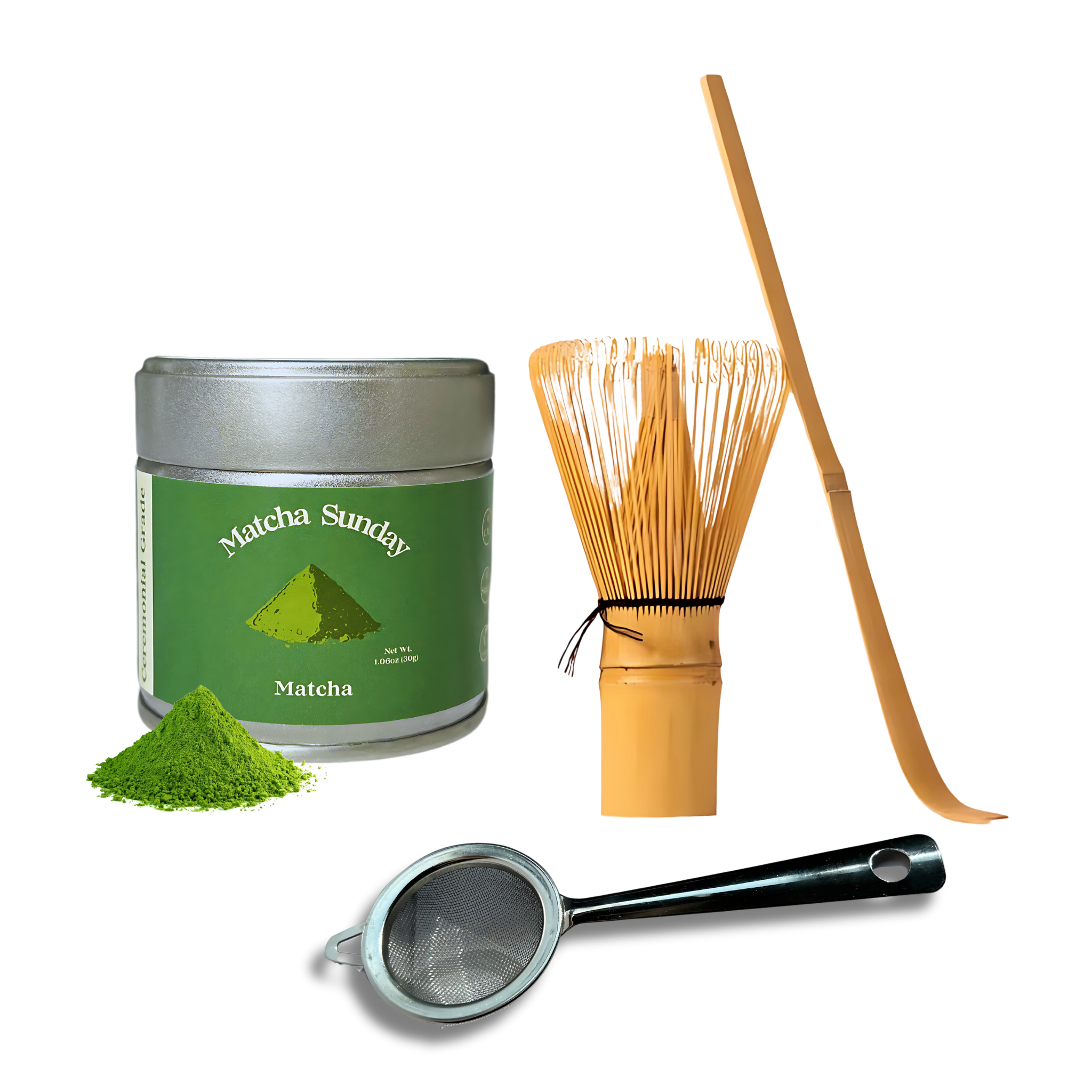
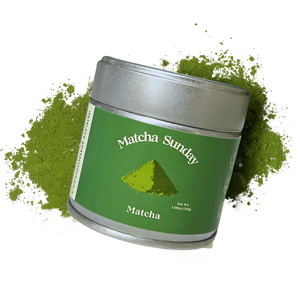
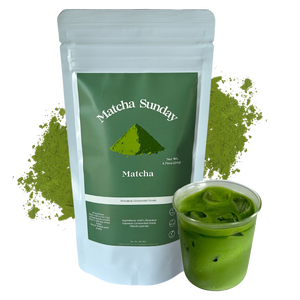
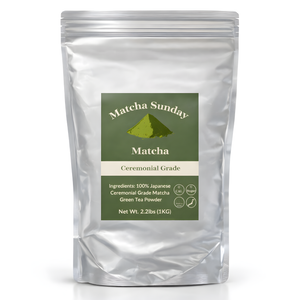
Explore the finest Ceremonial Grade Matcha Powder (50g), perfect for experiencing the traditional Japanese tea ceremony at home.
The Modern Matcha Renaissance
In recent years, matcha has grown in popularity beyond the tea ceremony, thanks to its impressive antioxidant properties and versatility. From lattes to desserts, it has become a staple in cafes and kitchens worldwide. Despite its modern adaptations, the essence of matcha remains deeply rooted in its rich history and tradition.
As you enjoy your next cup of matcha, take a moment to appreciate the centuries of culture, artistry, and dedication that have gone into that vibrant green bowl. Whether consumed traditionally or in a contemporary creation, matcha continues to offer a unique connection to both the past and present.
For more insights and premium matcha offerings, visit Matcha Sunday.