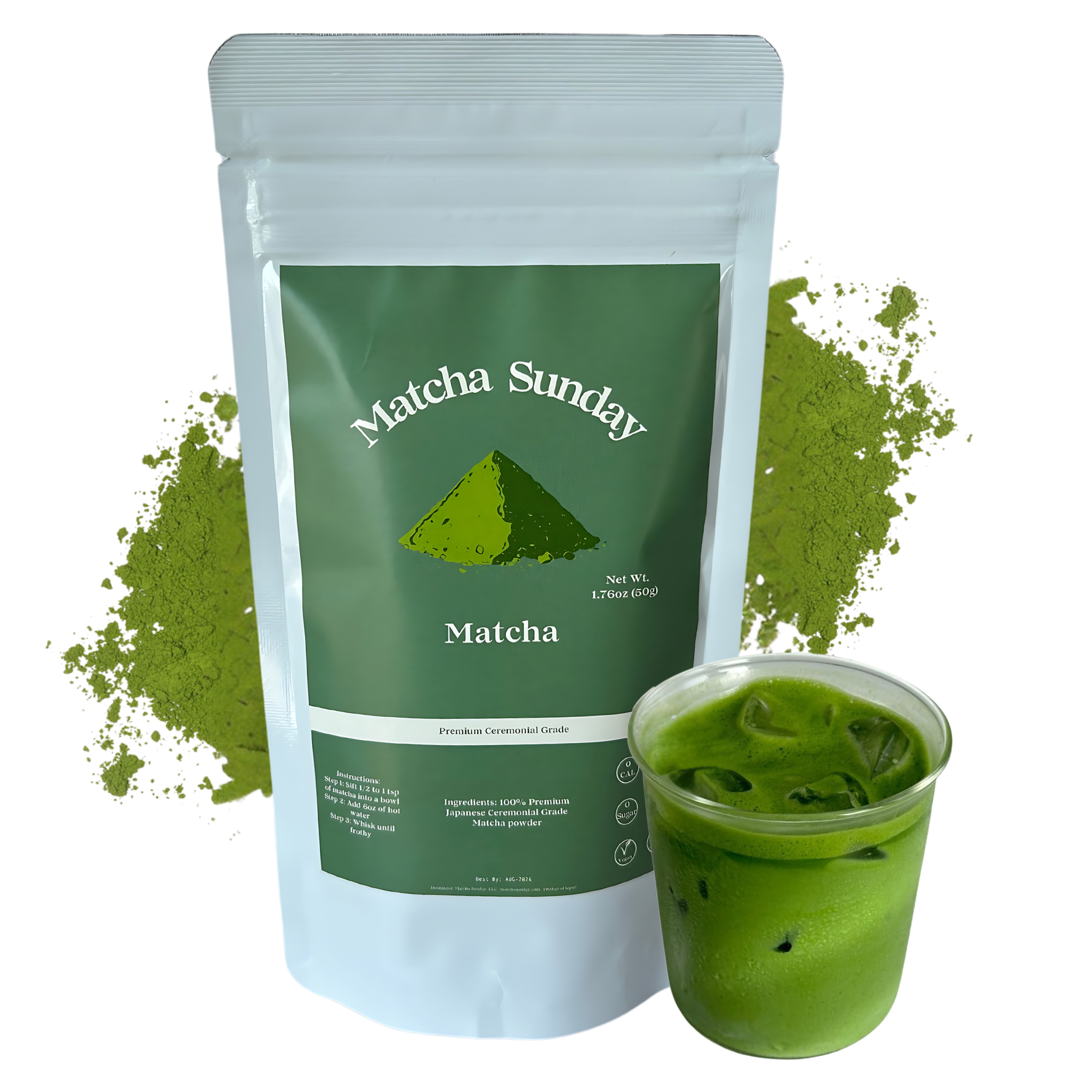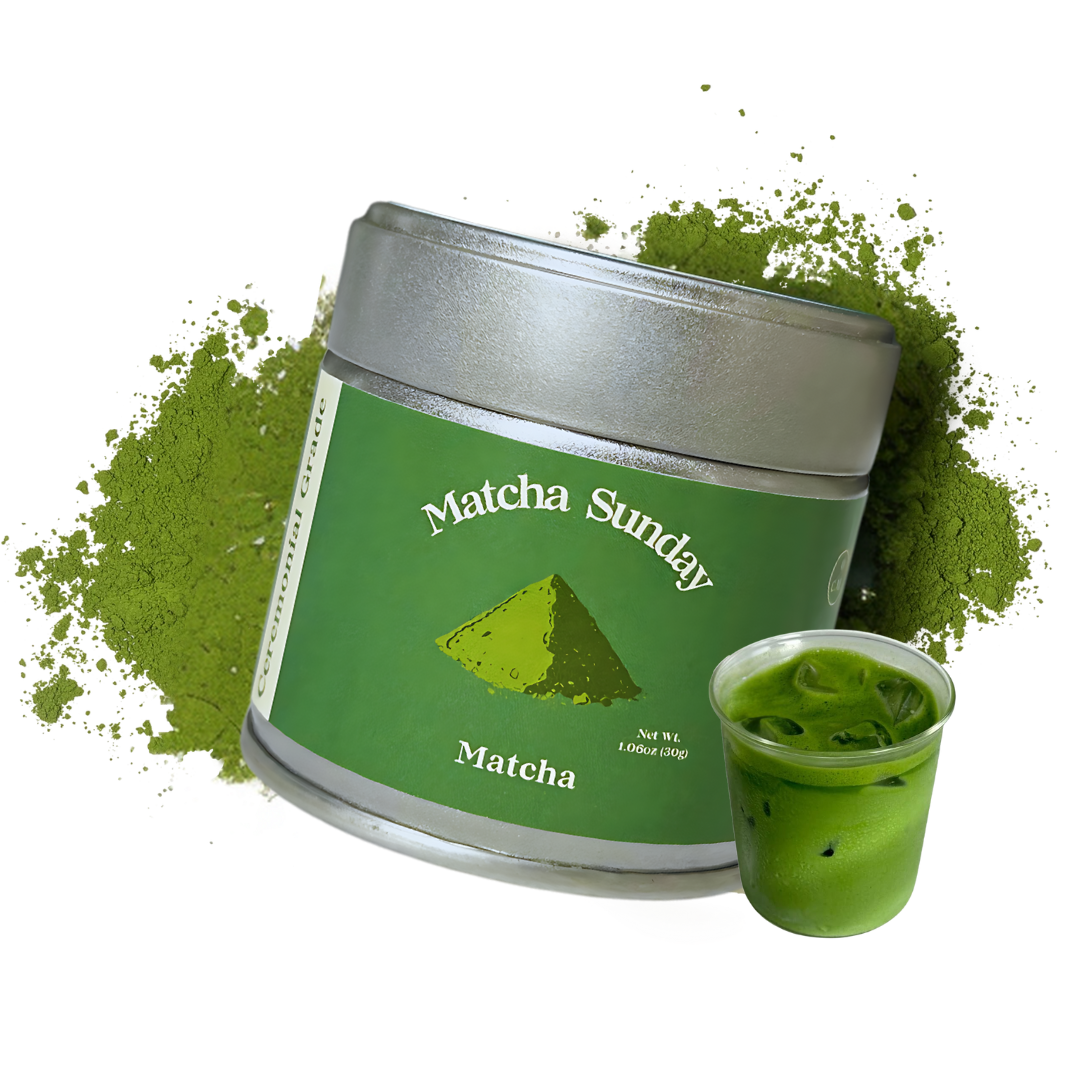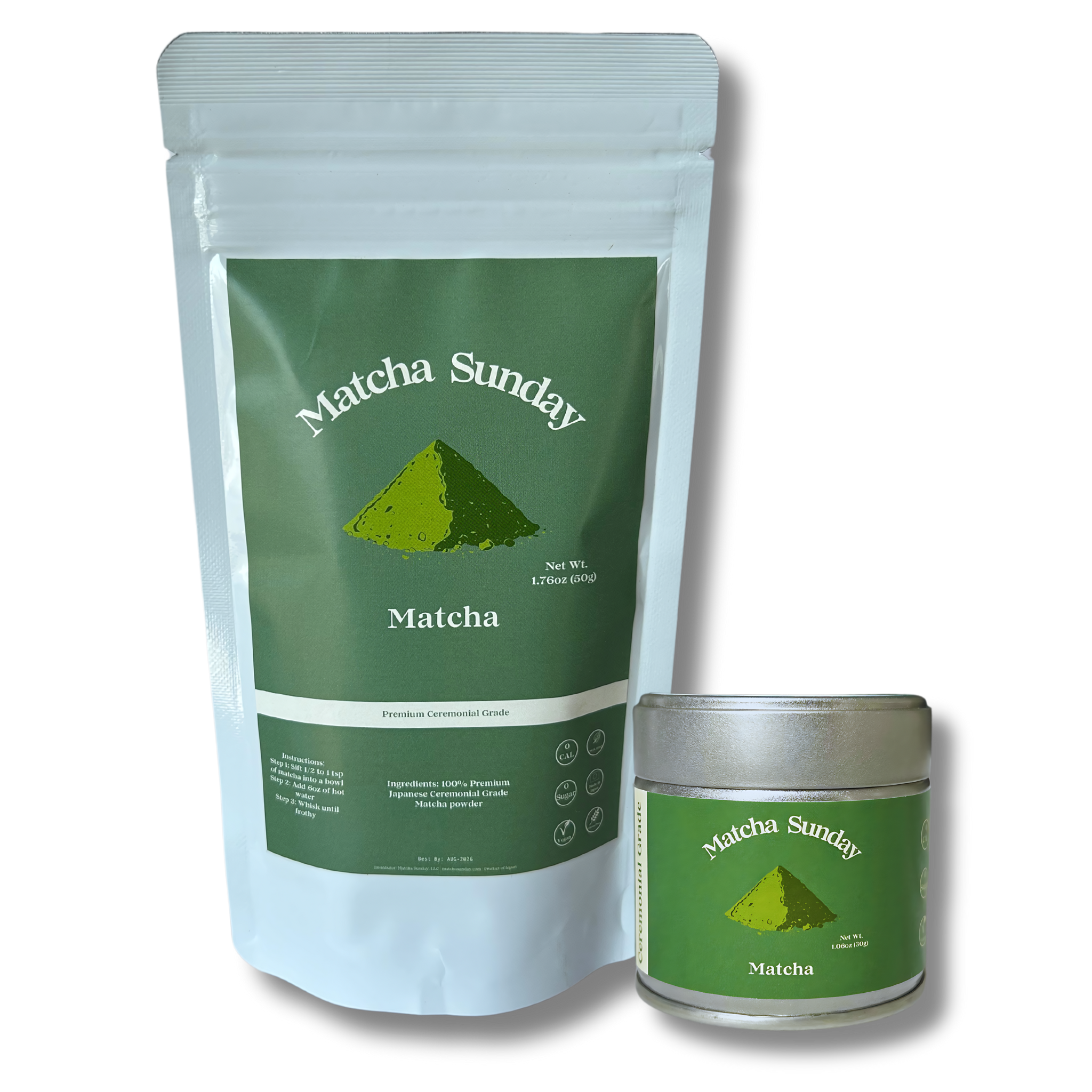
For centuries, matcha has been an integral part of traditional Japanese tea ceremonies, revered for its vibrant color and unique preparation method. But what exactly is ceremonial matcha, and how is it different from other types of matcha? In this blog post, we'll answer these questions and more, ensuring you have all the information needed to appreciate and enjoy this unique tea to the fullest. For more information about matcha, visit Matcha Sunday.
What is Ceremonial Matcha?
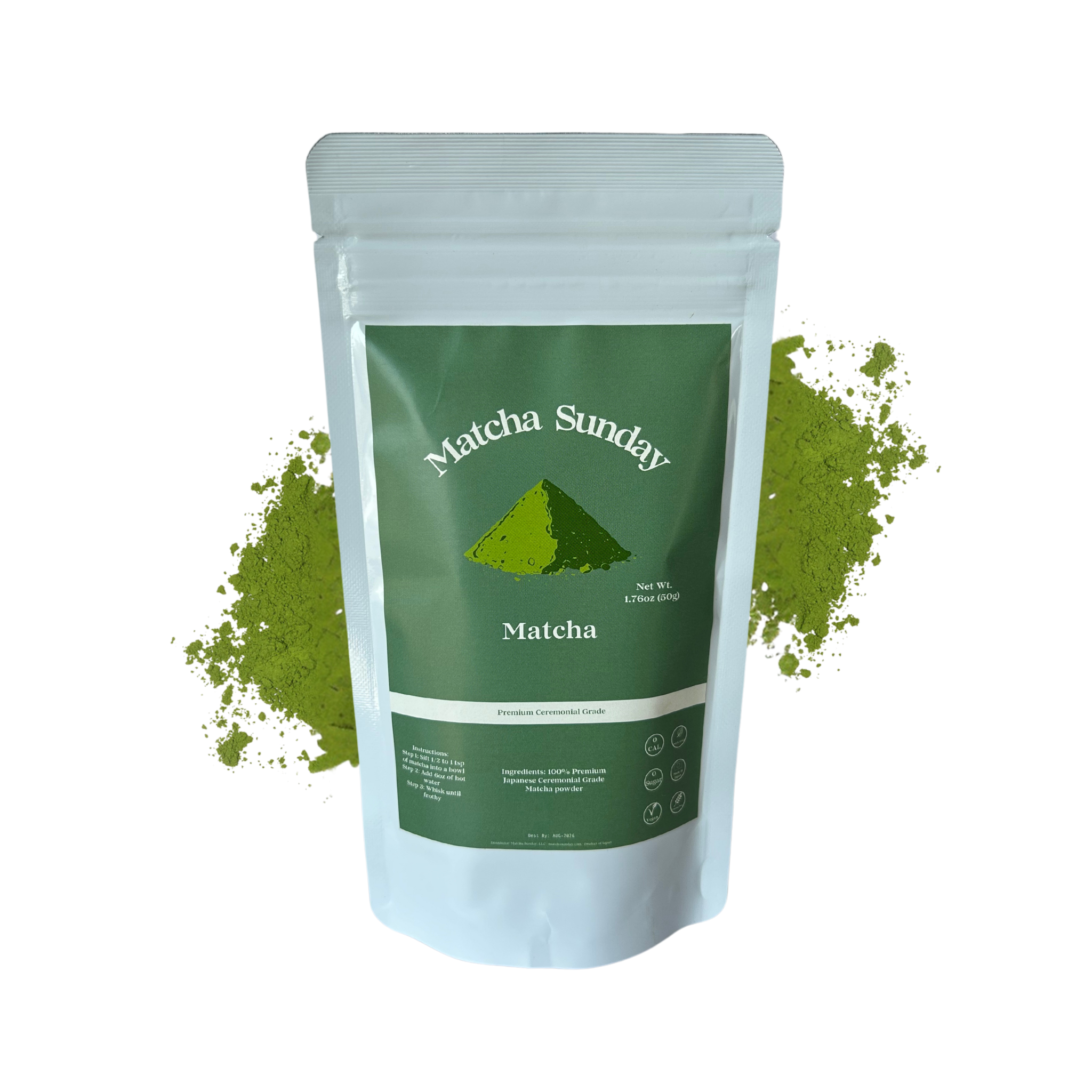
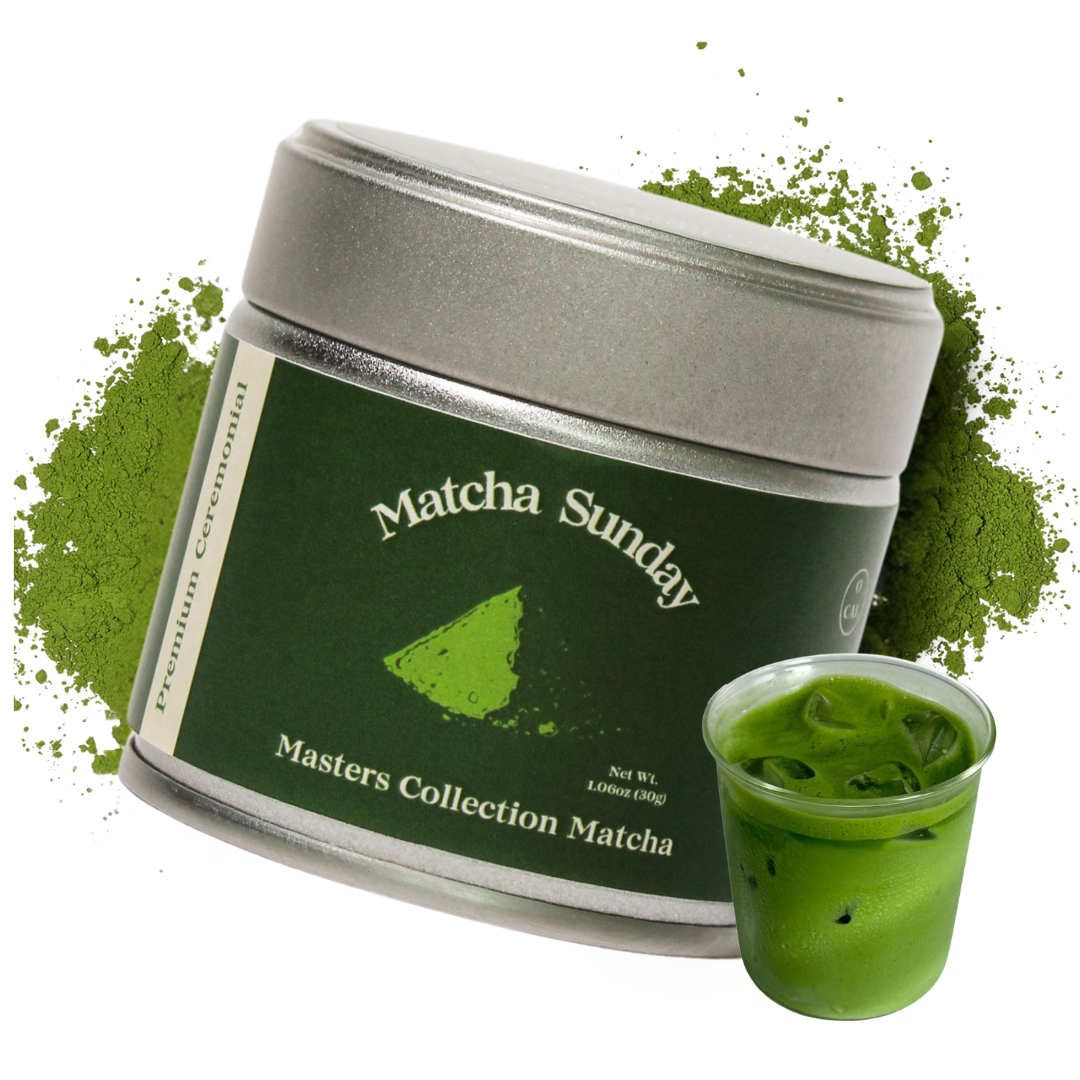
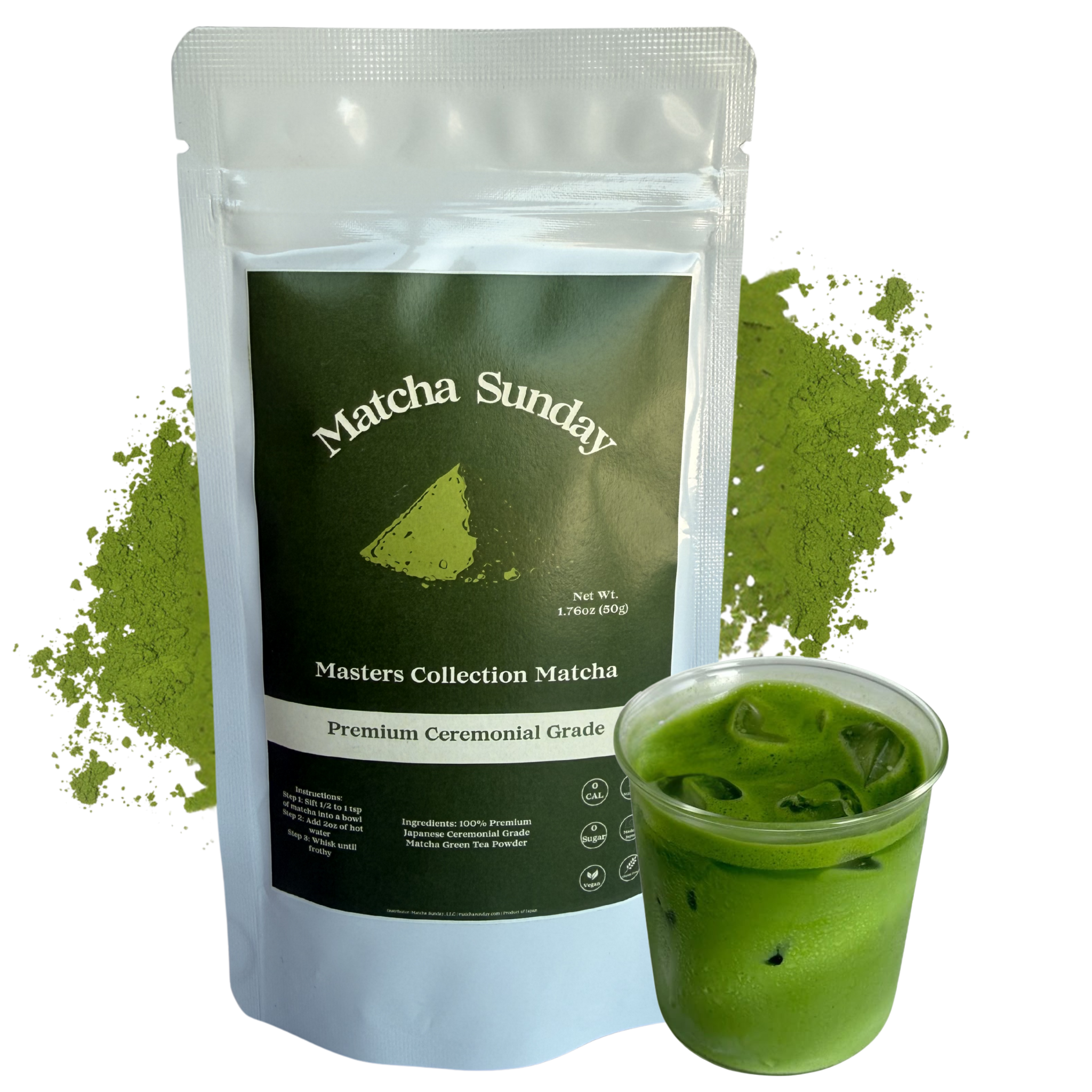
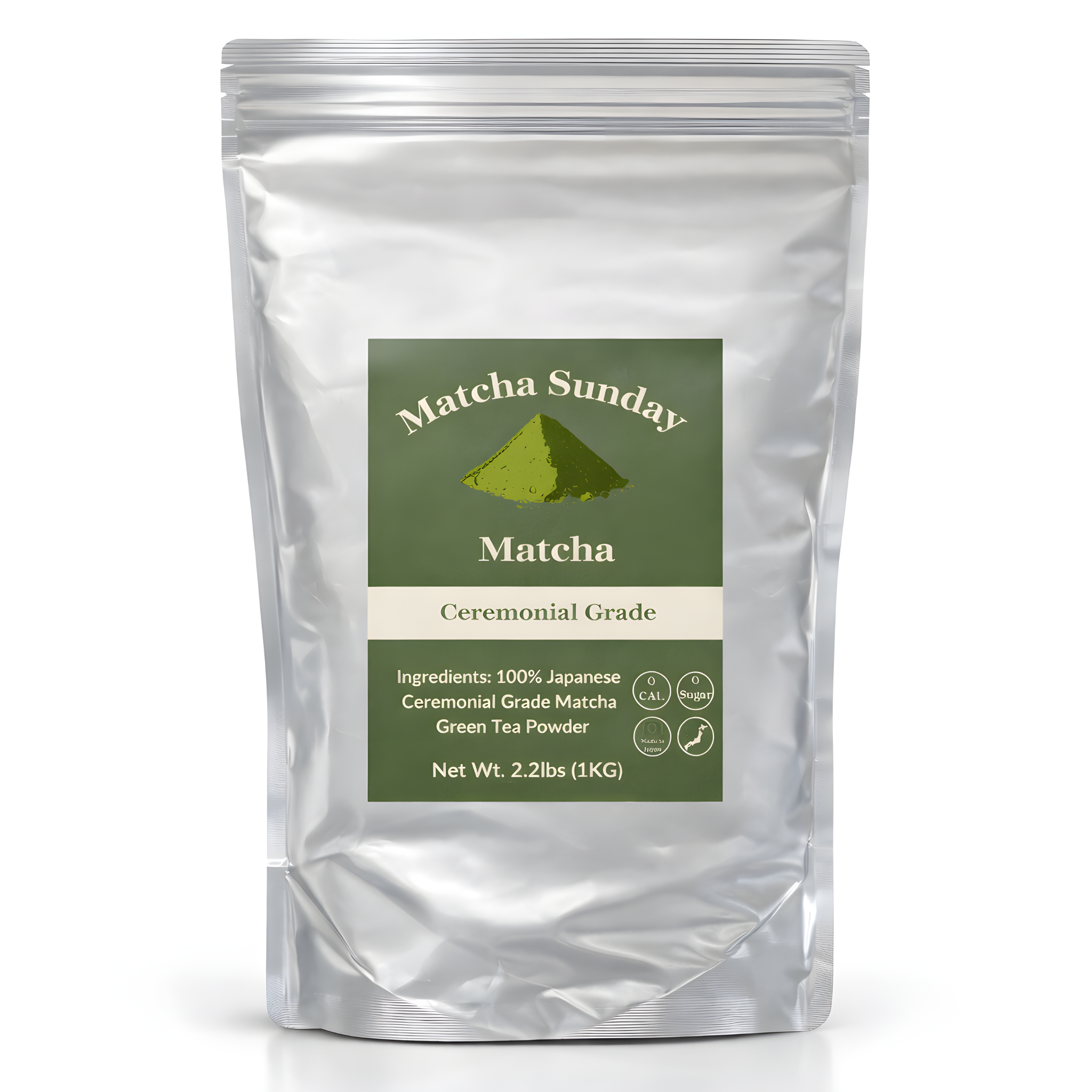
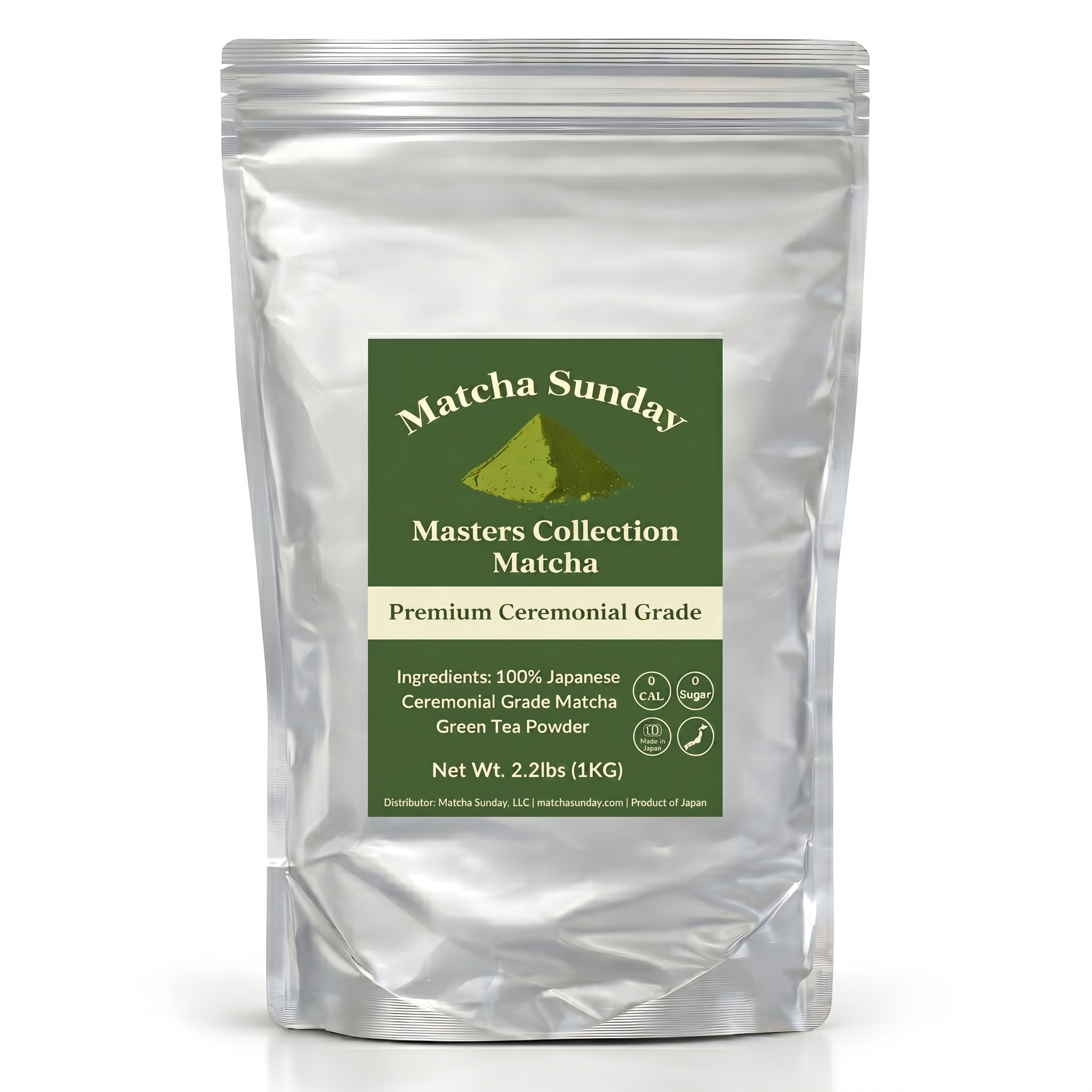
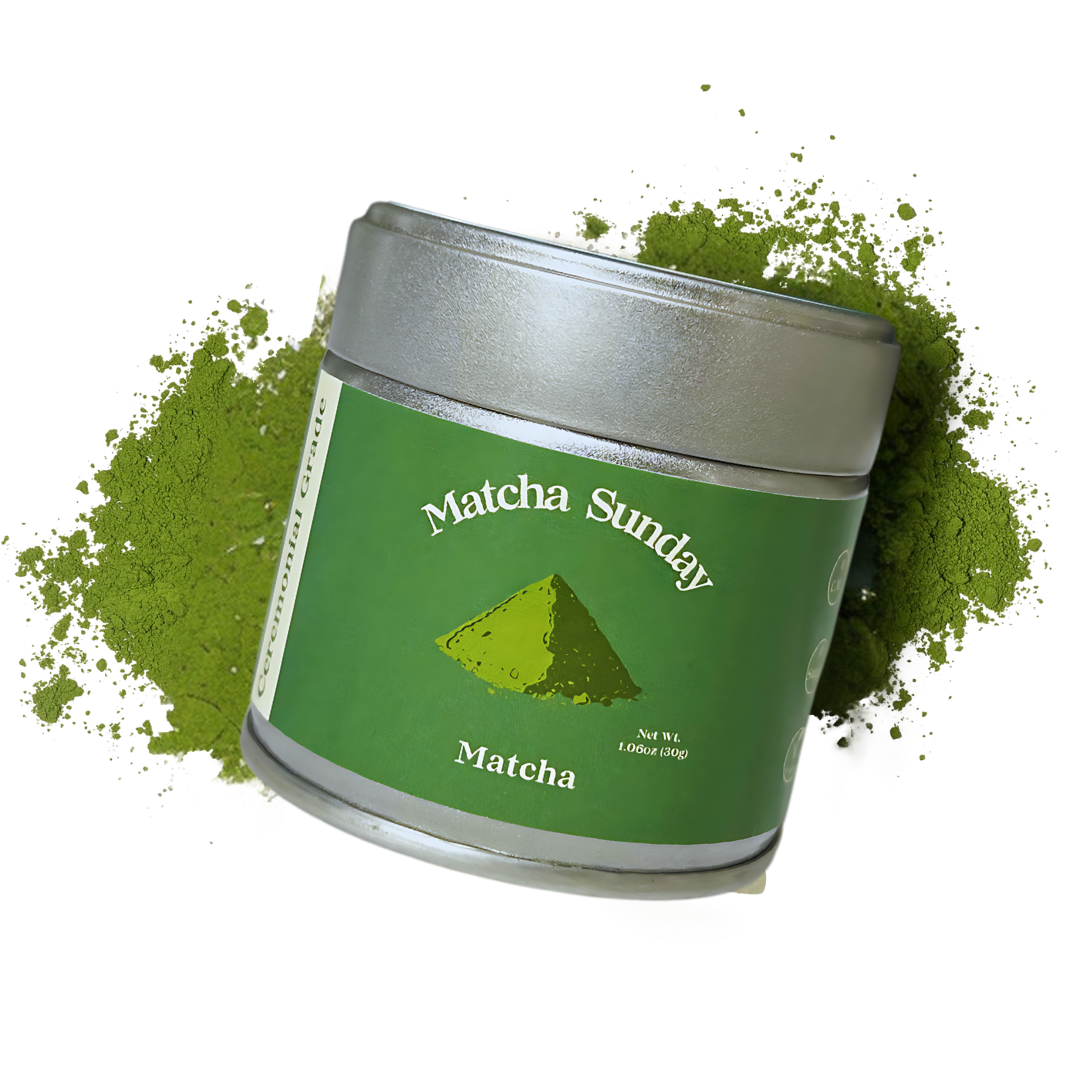
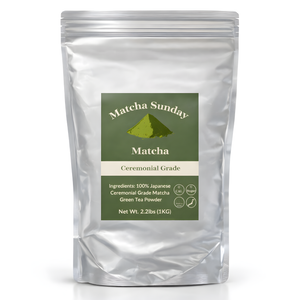
Ceremonial matcha refers to the highest grade of matcha powder available, crafted from the youngest tea leaves, which are hand-picked during the first harvest of the season. This grade is meant to be consumed on its own, as its delicate flavor can be appreciated without any ingredients that might overshadow it.
What Makes Ceremonial Grade Matcha Special?
- Harvesting and Processing: Ceremonial grade matcha is made using the youngest leaves from the top of the plant. These leaves are shade-grown for a few weeks before harvest to enhance their chlorophyll content and flavor profile. After harvesting, the leaves are steamed, dried, and ground into a fine powder using granite stones.
- Flavor Profile: This matcha powder is characterized by its smooth, umami-rich flavor with a hint of natural sweetness. It's free from the bitterness often found in lower-grade matcha, offering a rich and satisfying experience for the palate.
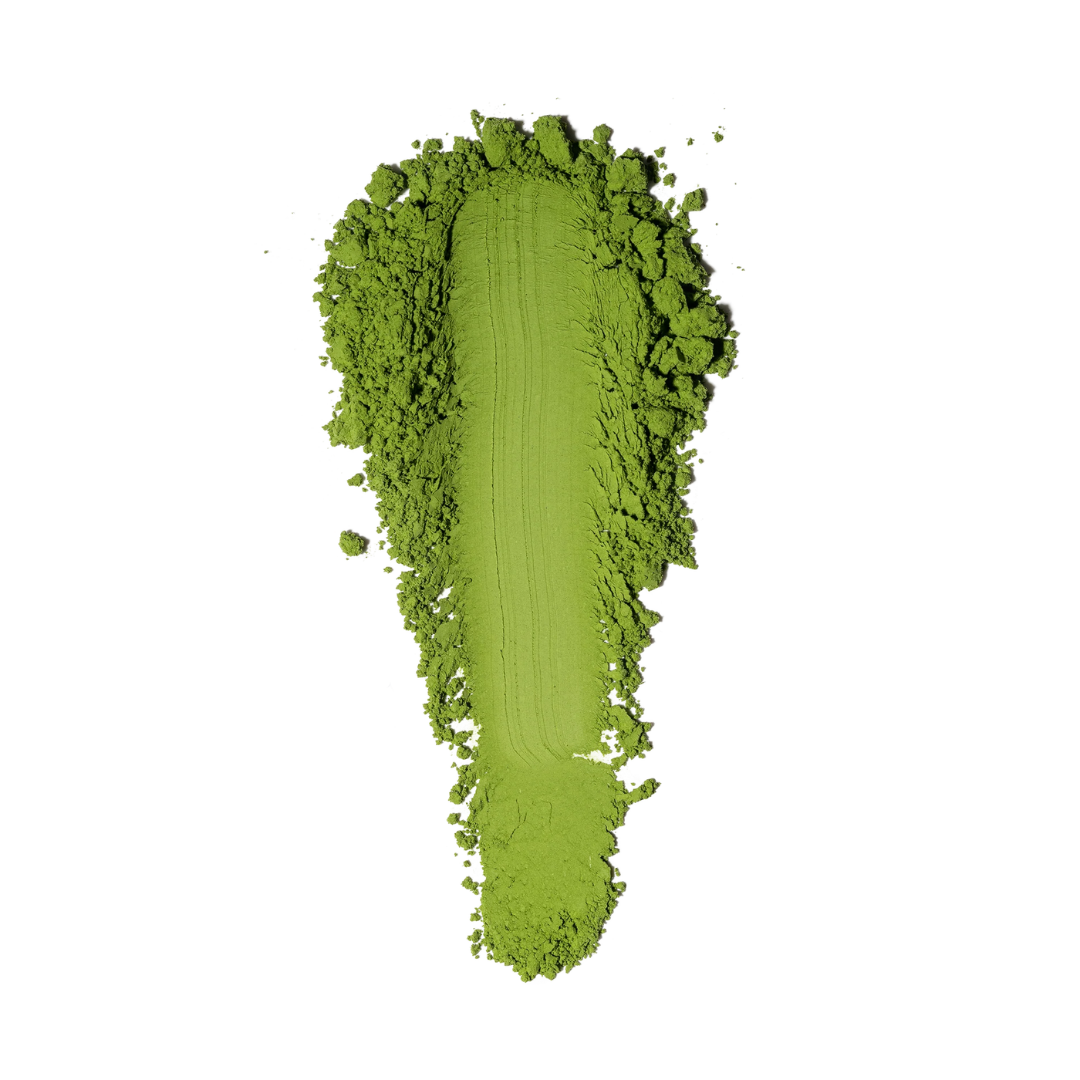
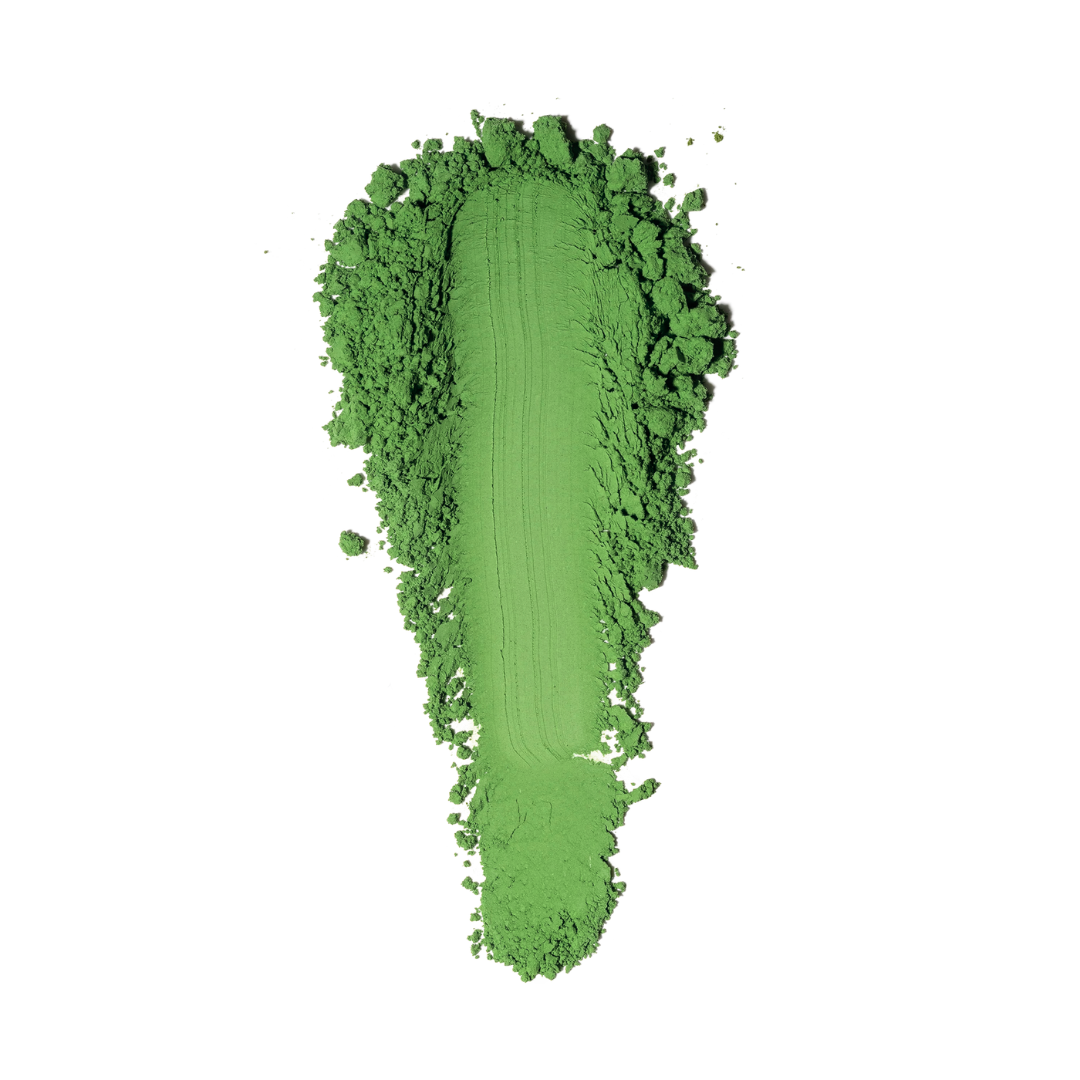
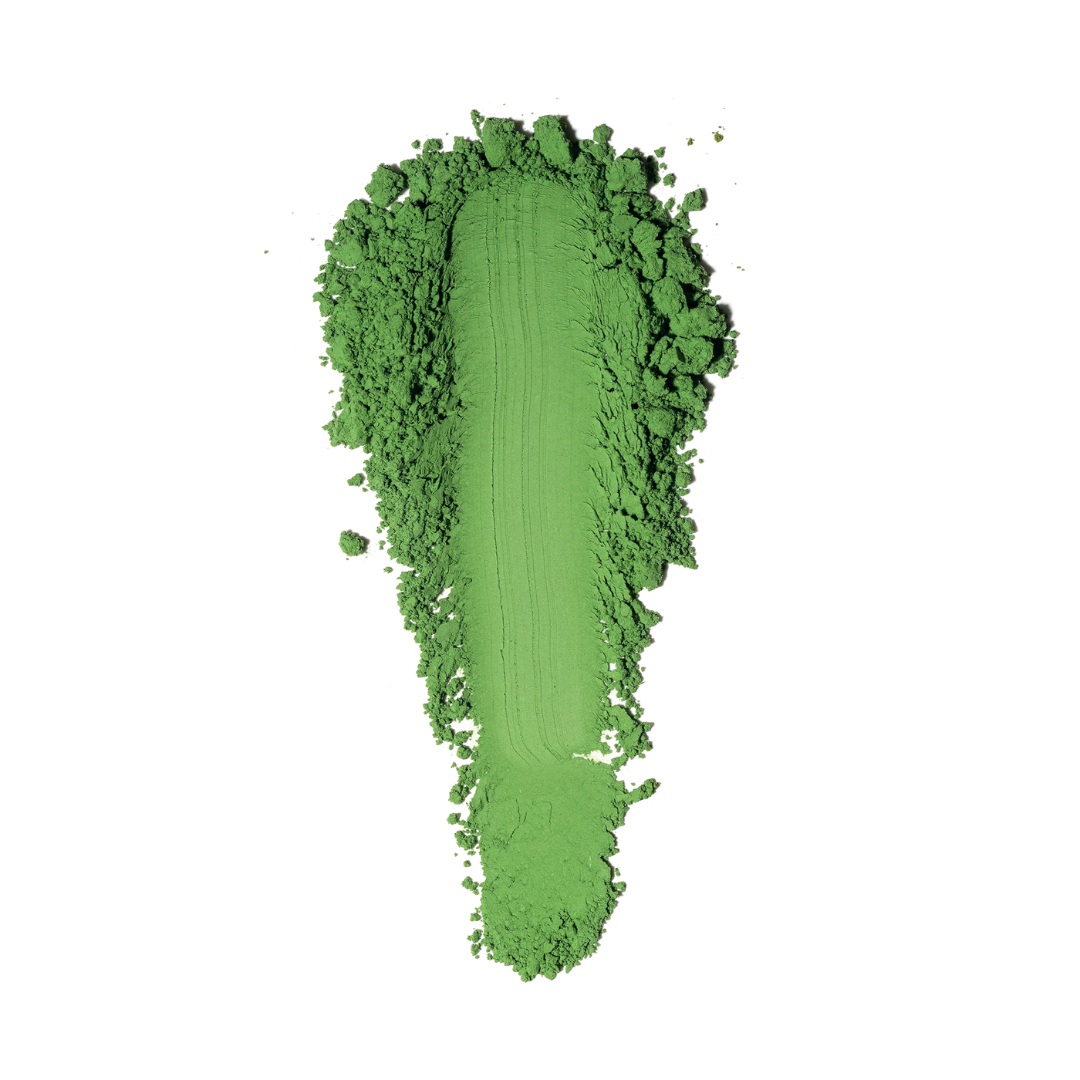
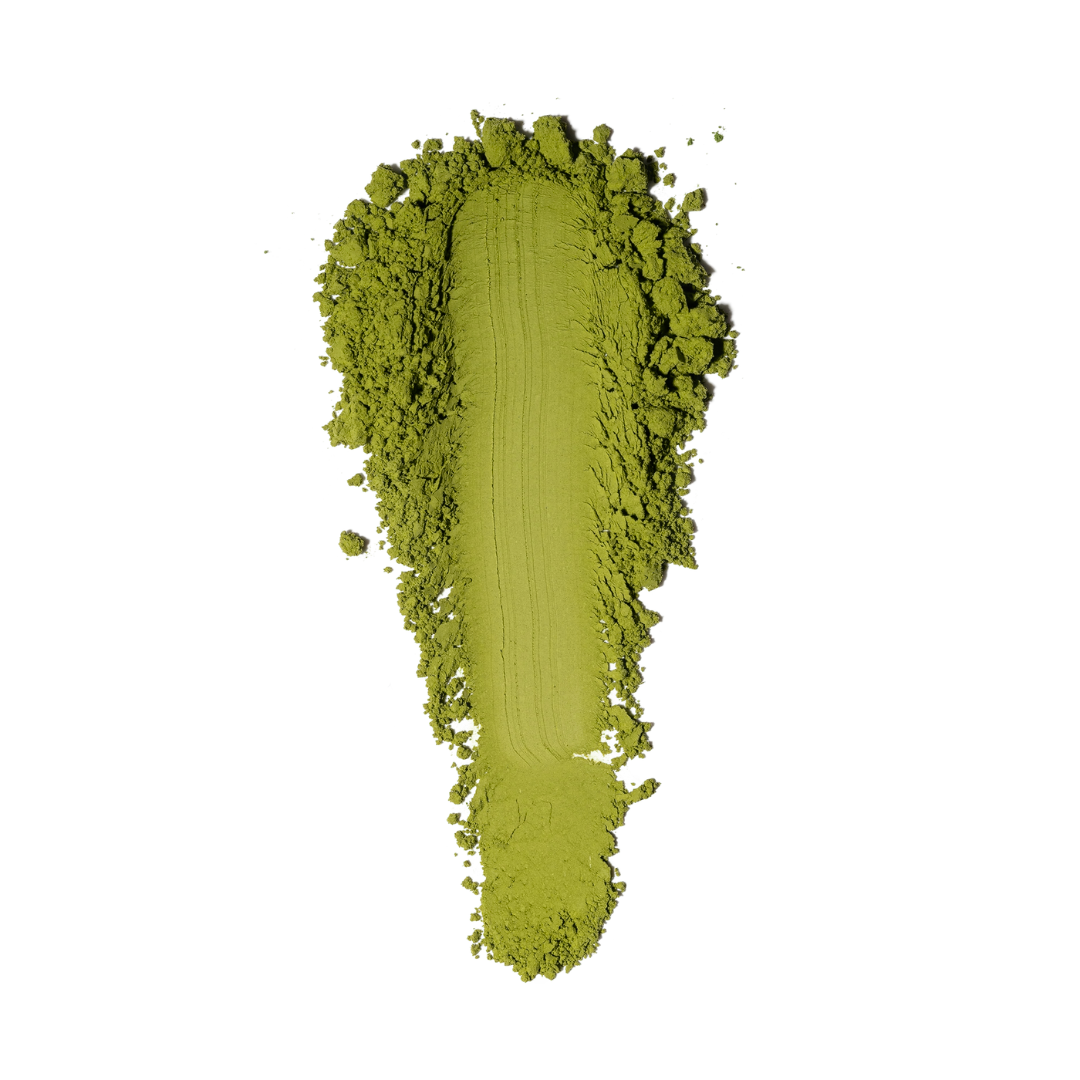
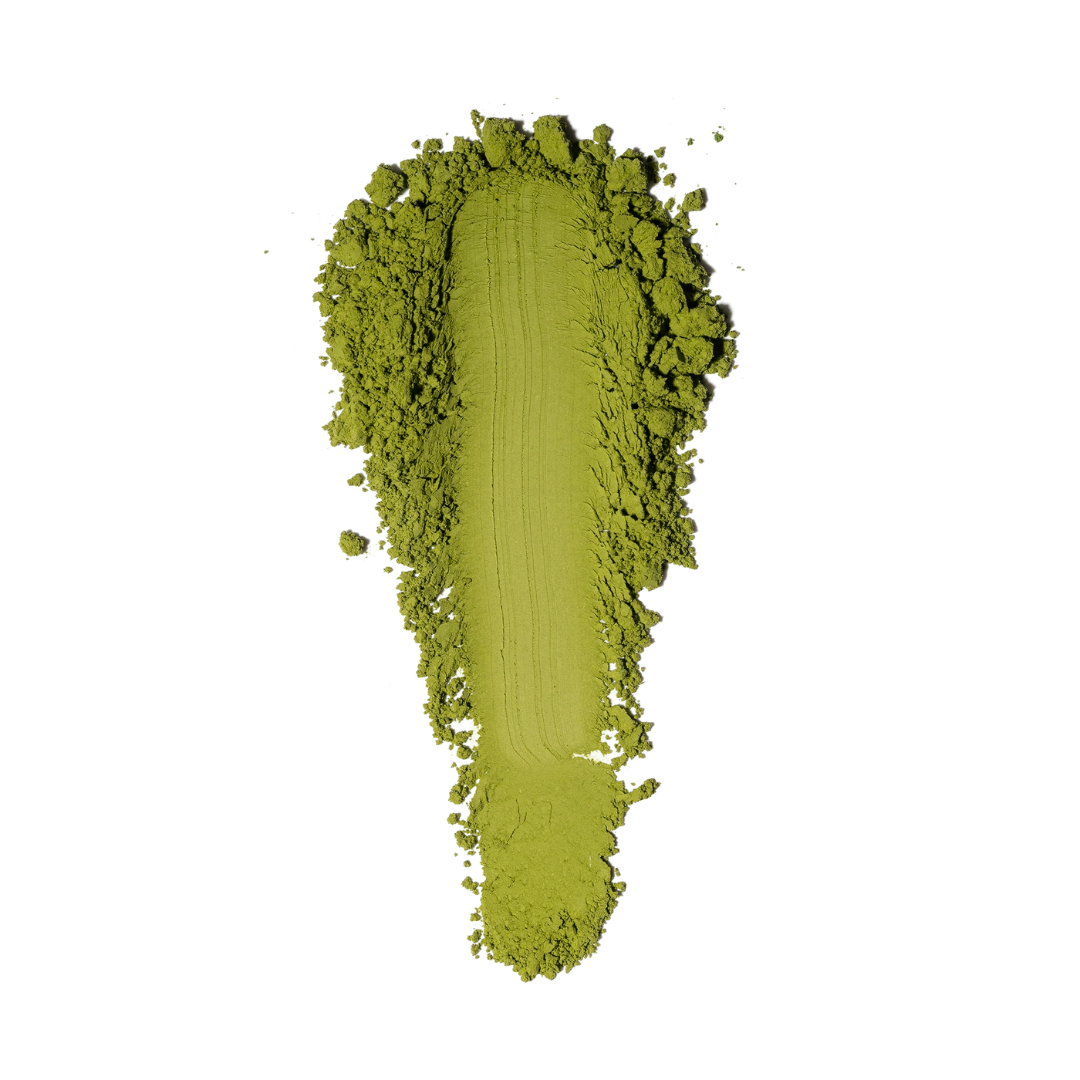
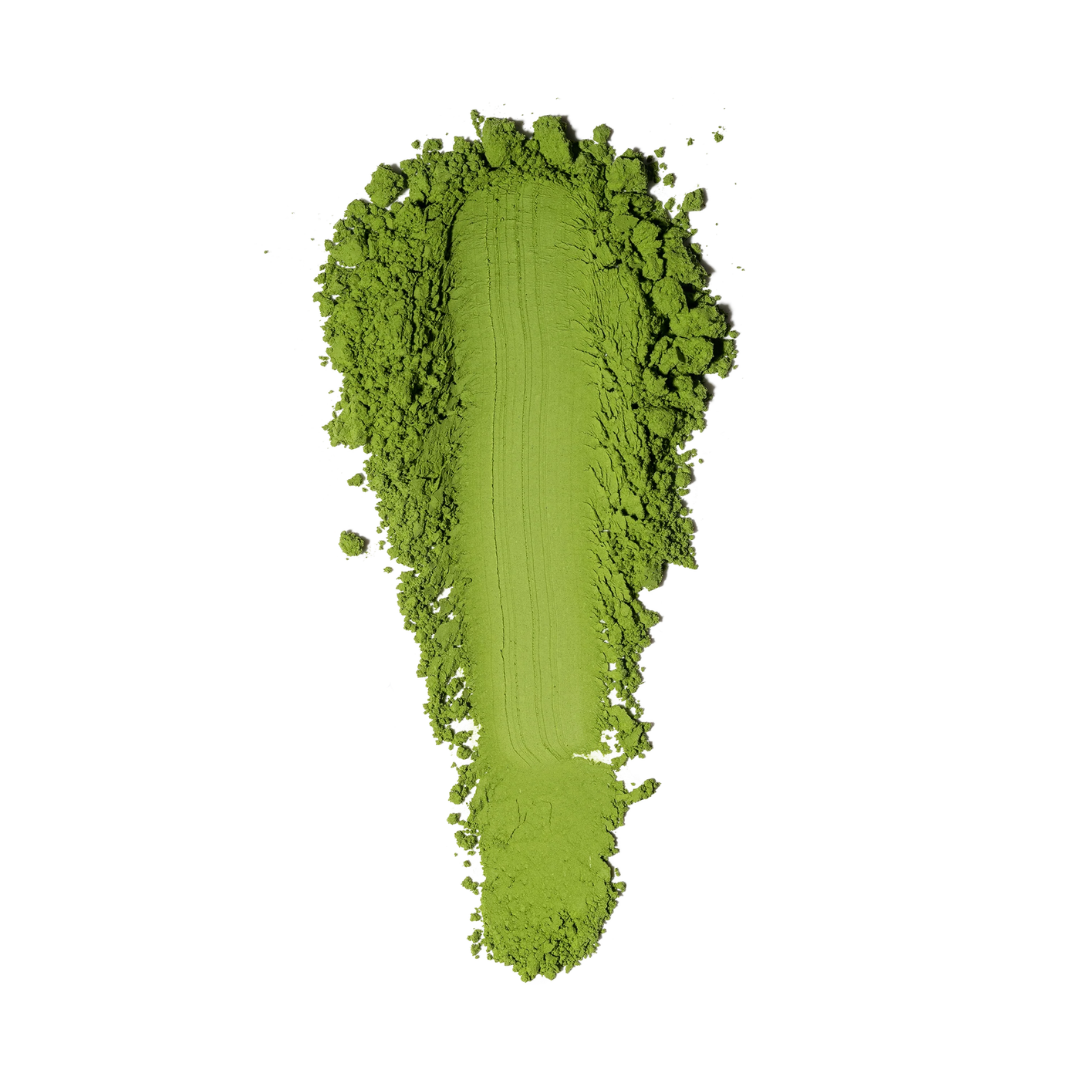
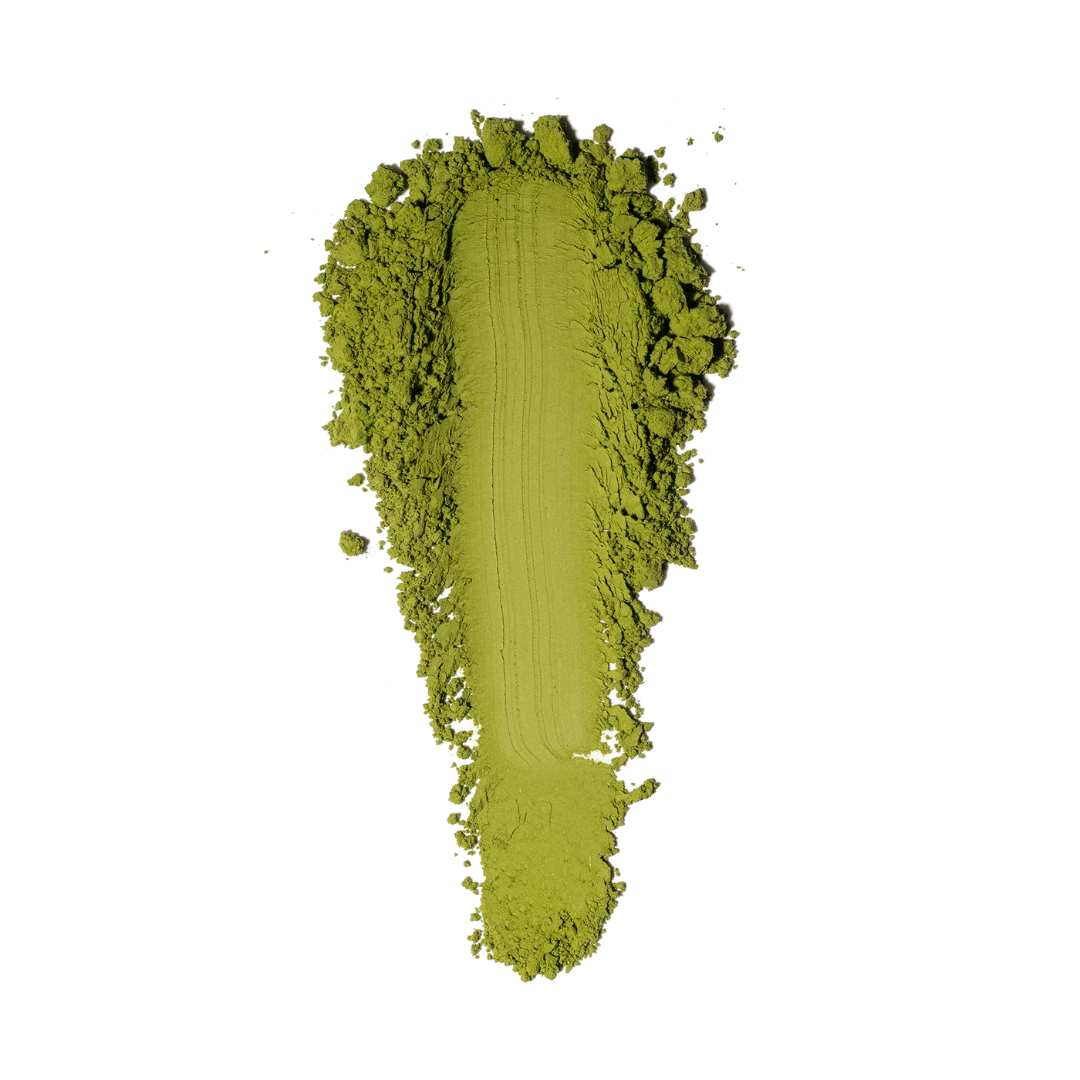
- Vibrant Color: The shading process and careful grinding give ceremonial matcha its signature bright green hue, indicative of its high chlorophyll content.
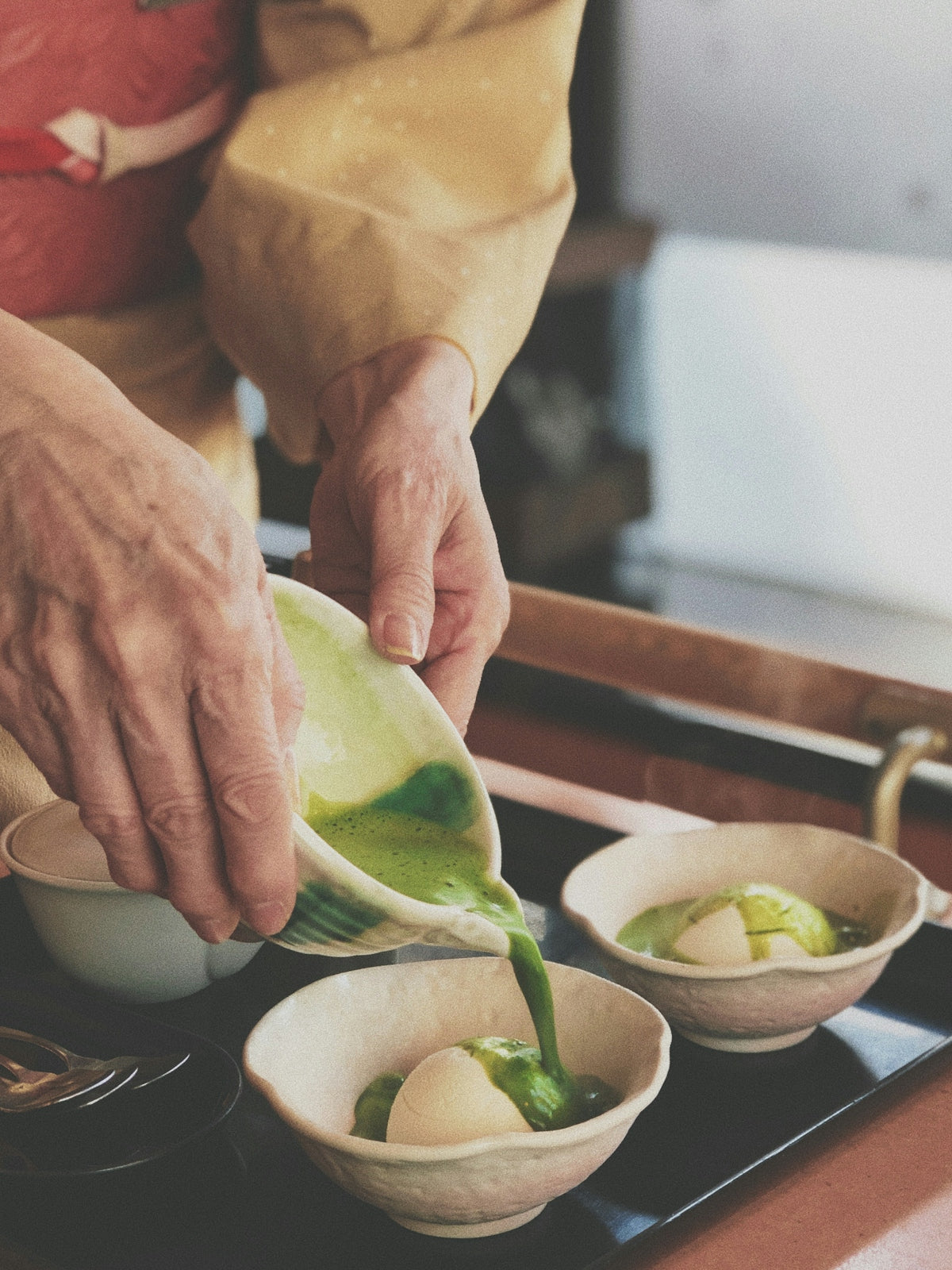
- Culinary Use: While culinary matcha can be used in various recipes, ceremonial matcha is best enjoyed pure, whisked with hot water to create a frothy, refreshing tea.
How to Prepare Ceremonial Matcha
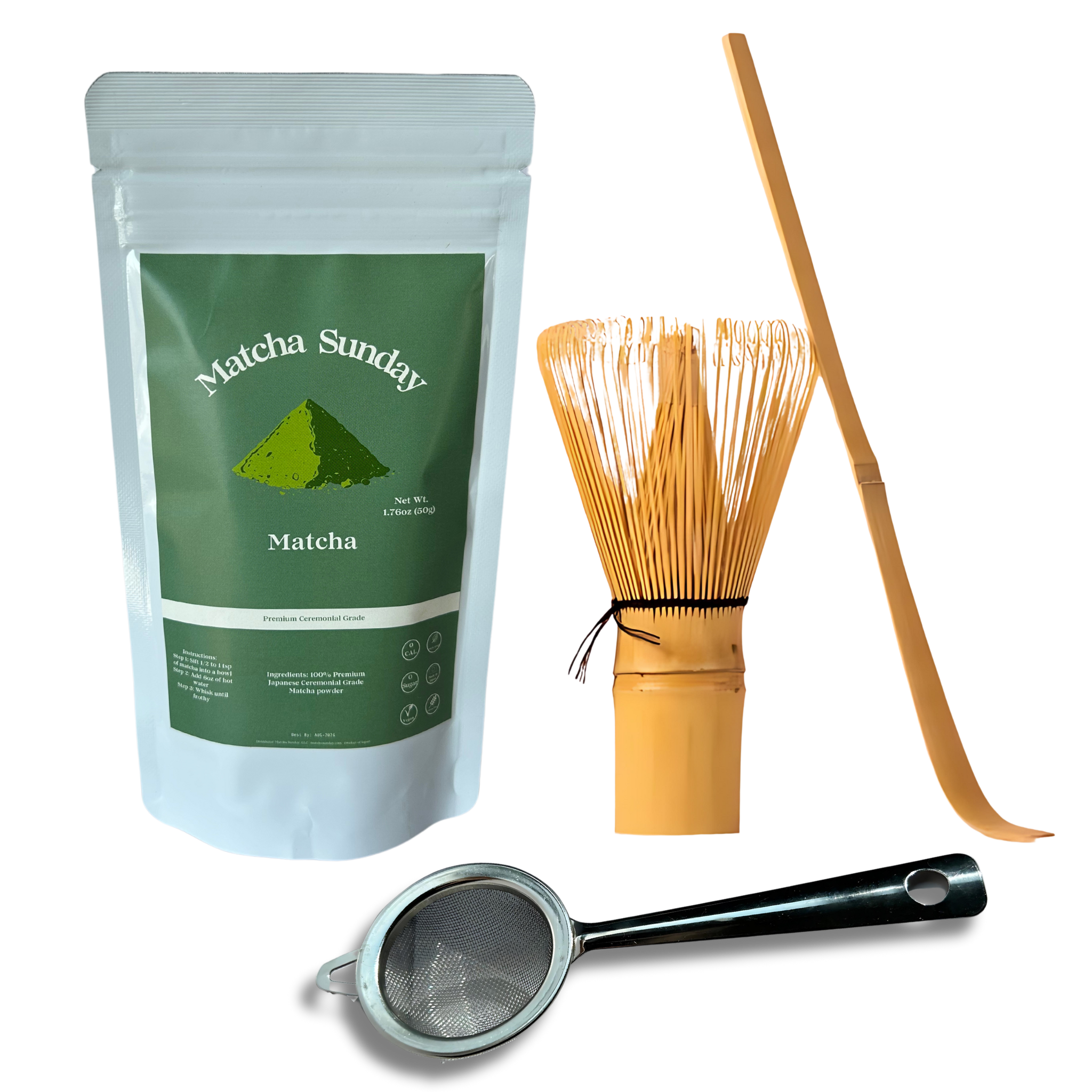
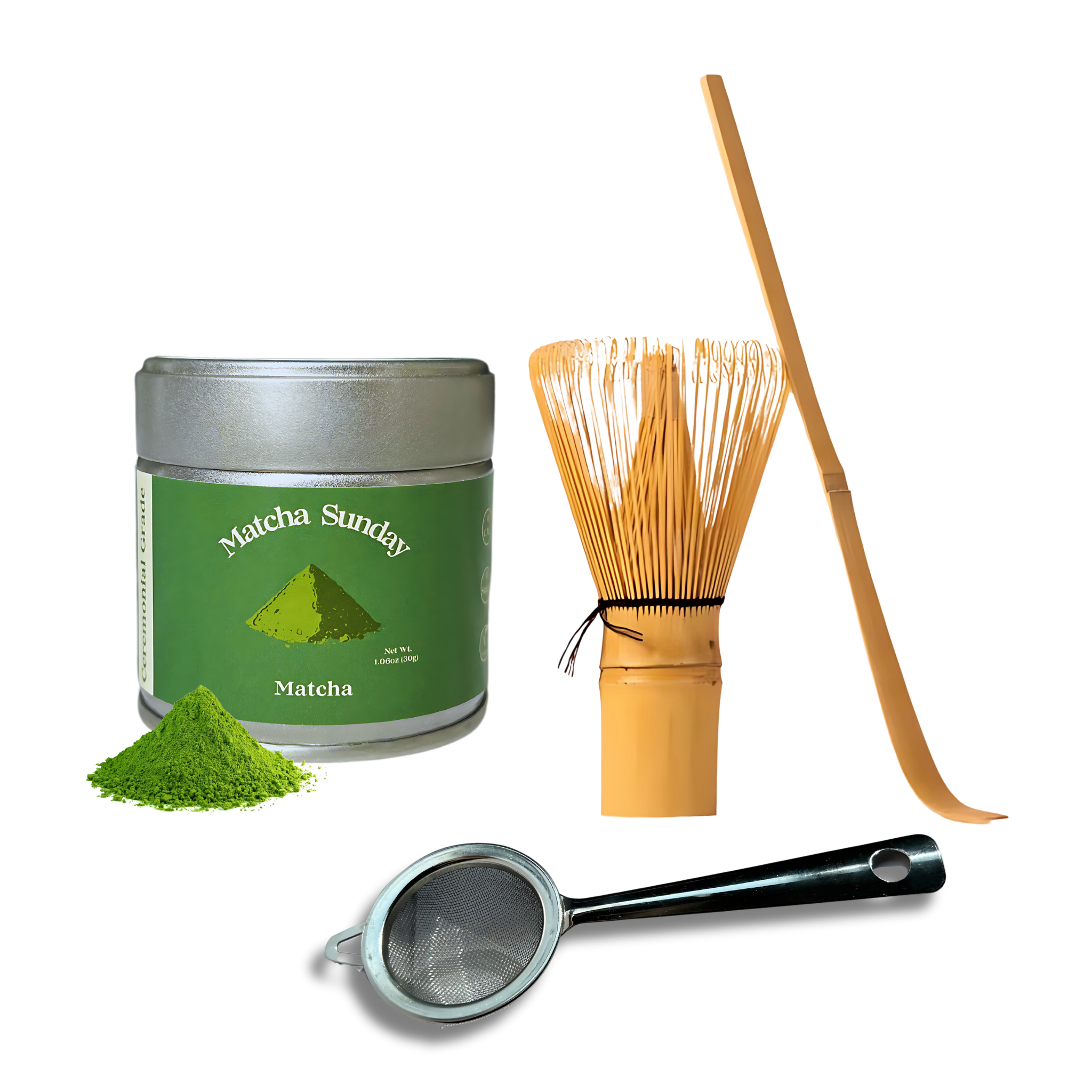
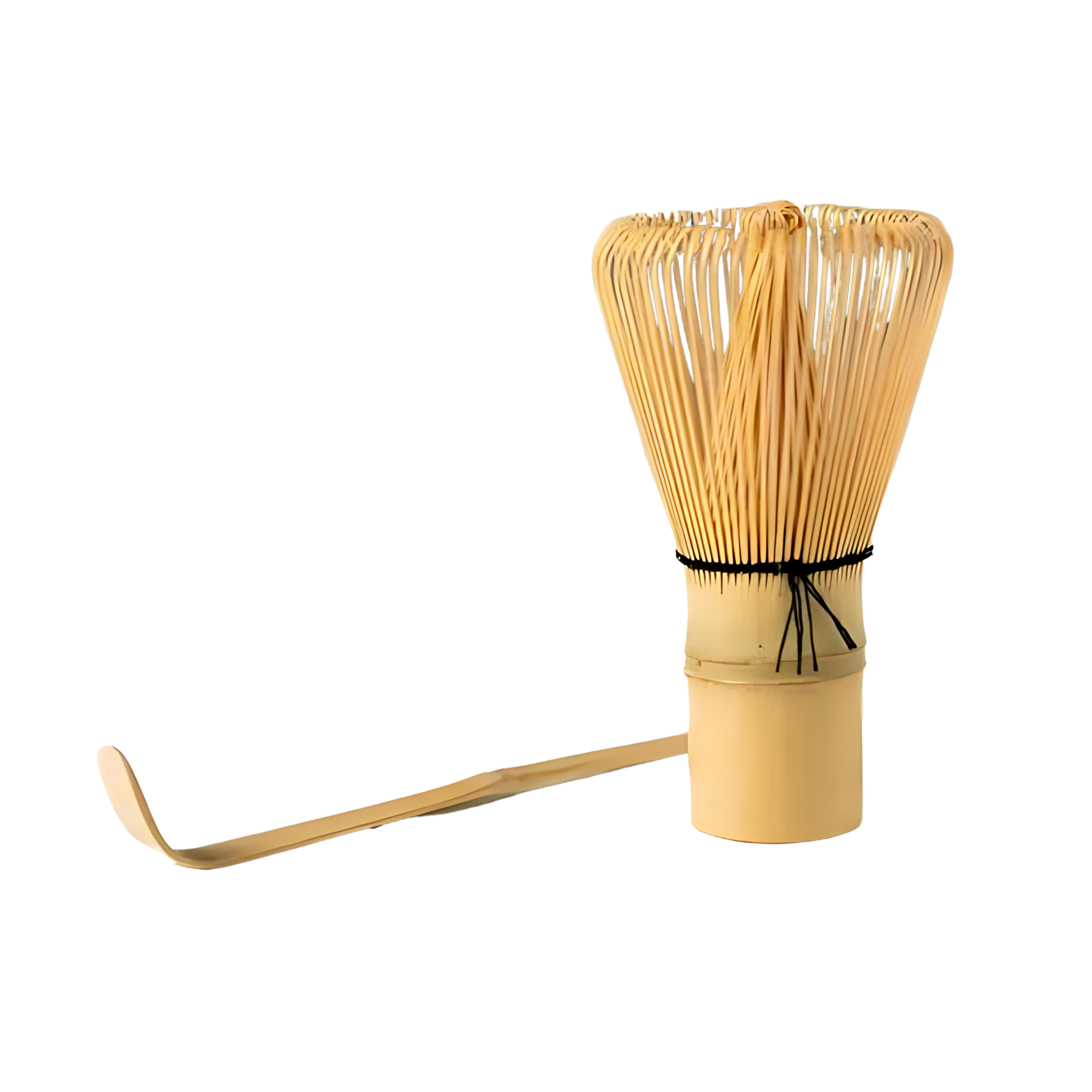
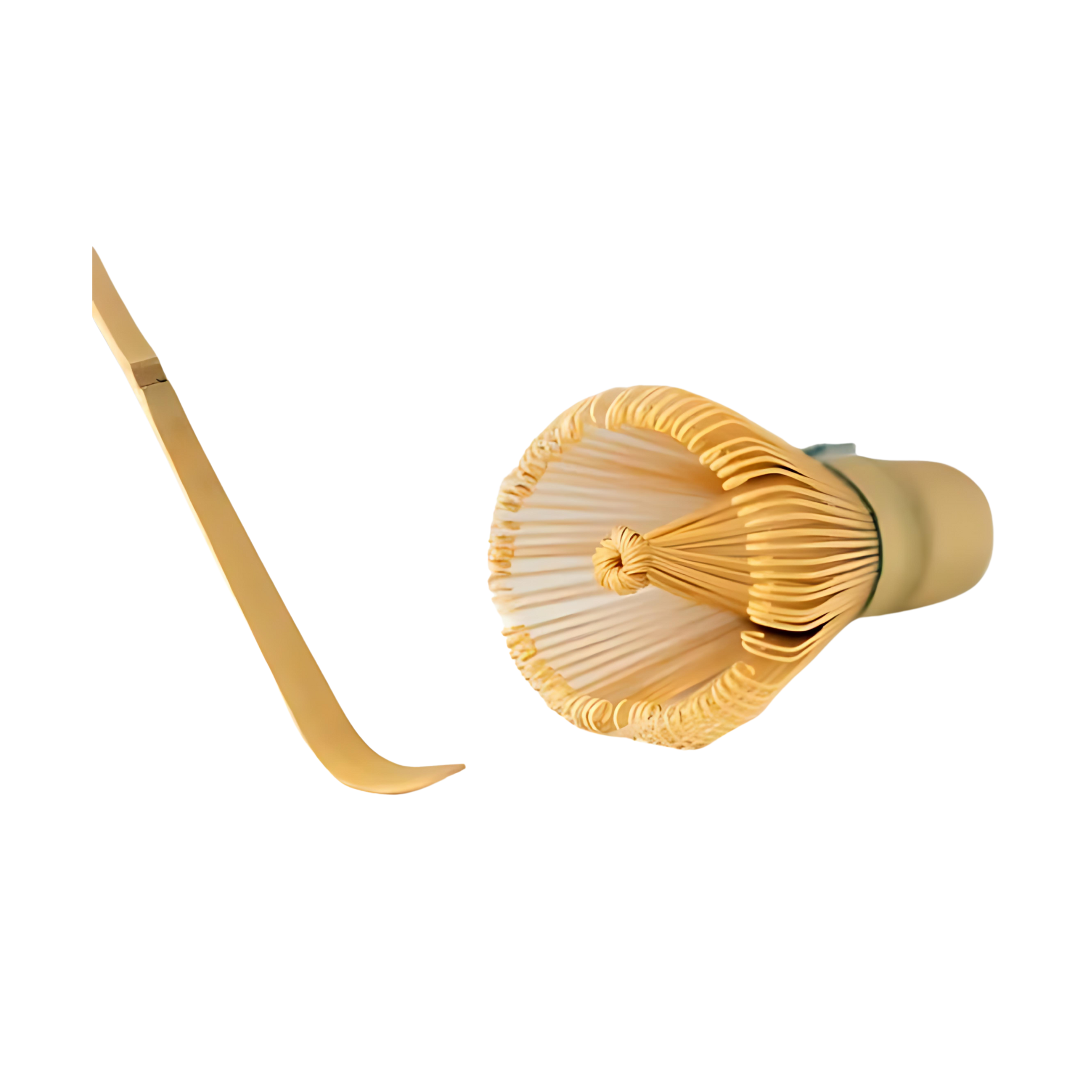
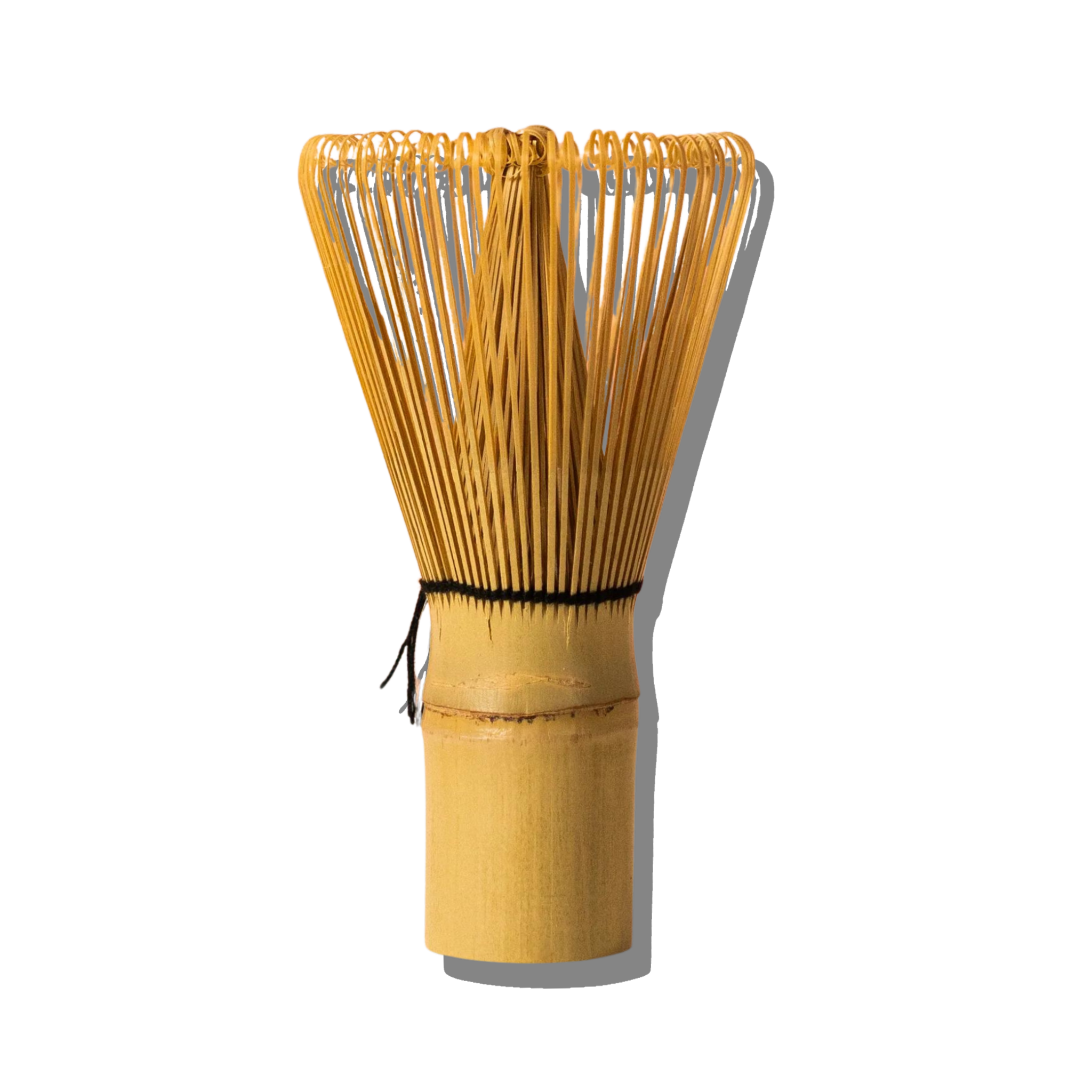
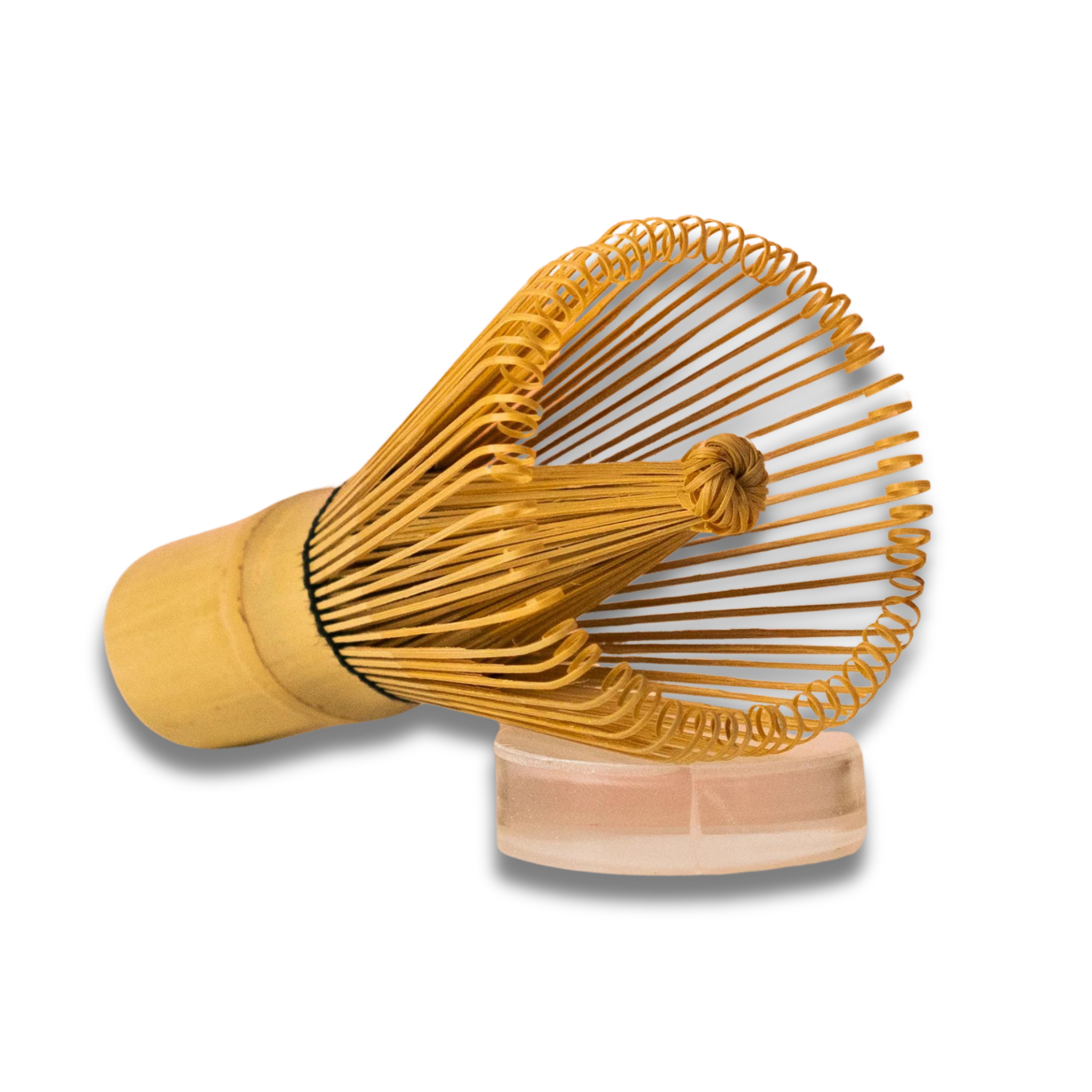
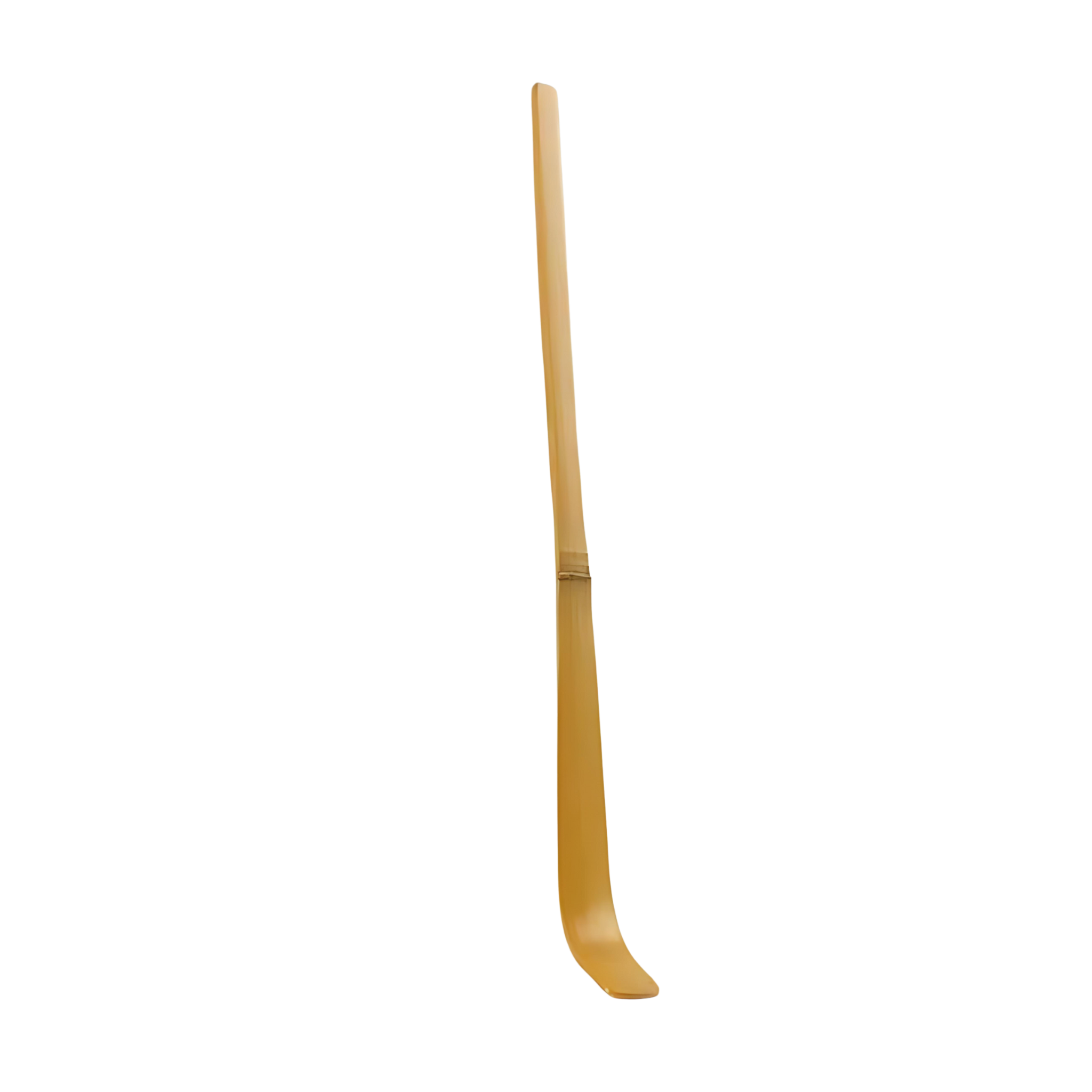
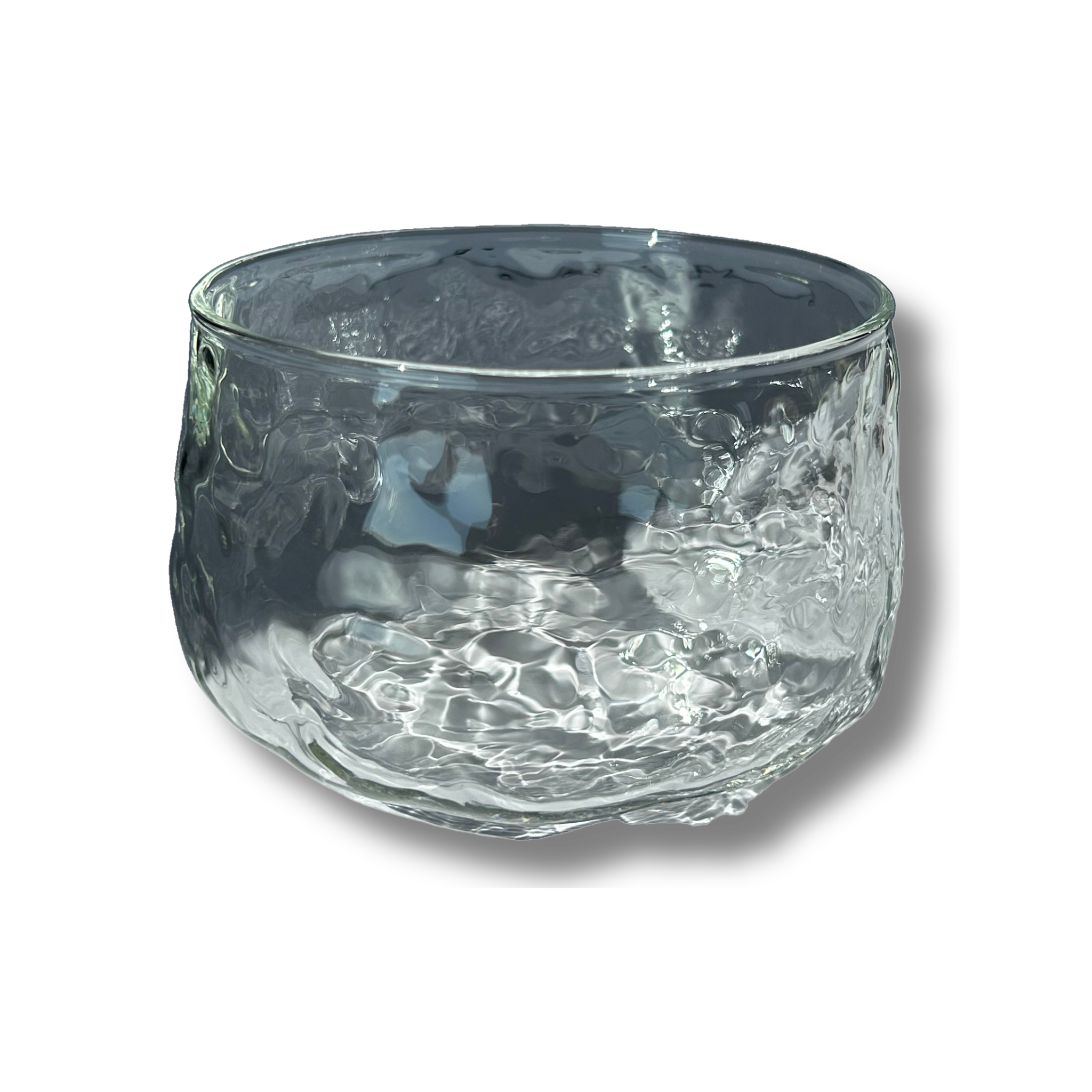
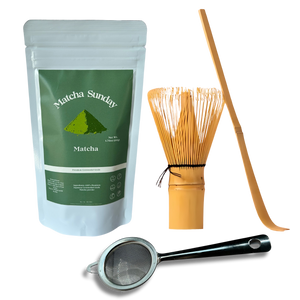
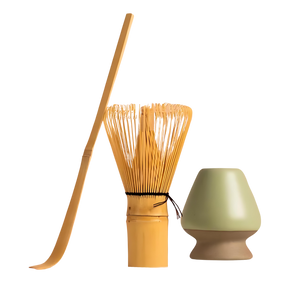
Creating a perfect cup of ceremonial matcha is an art form in itself. You'll need a few essential tools: a traditional bamboo whisk known as a chasen, a matcha bowl or chawan, and a bamboo spoon or chashaku. Here’s a simple step-by-step:
- Measure: Use a chashaku to scoop 1-2 spoonfuls of matcha powder into your bowl.
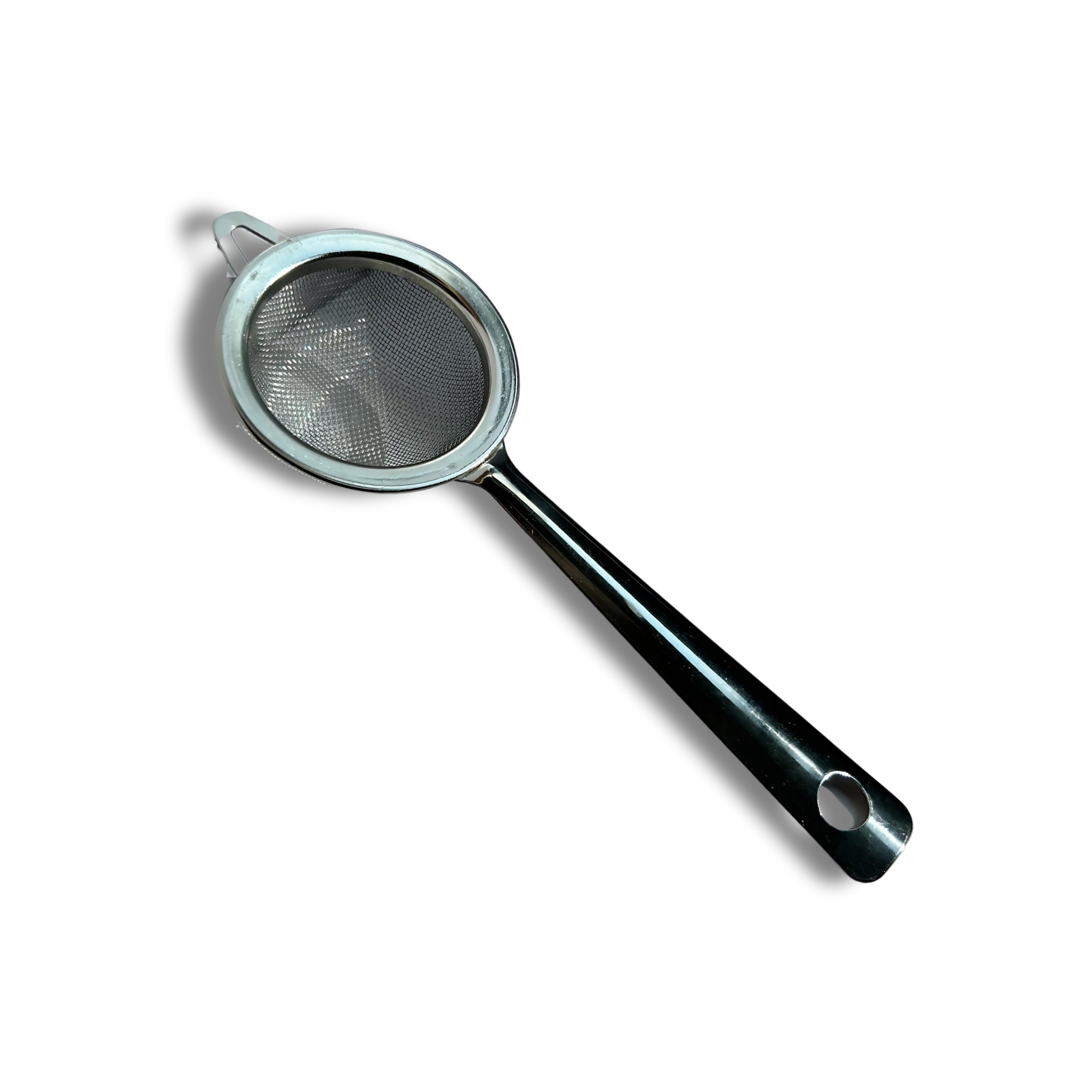
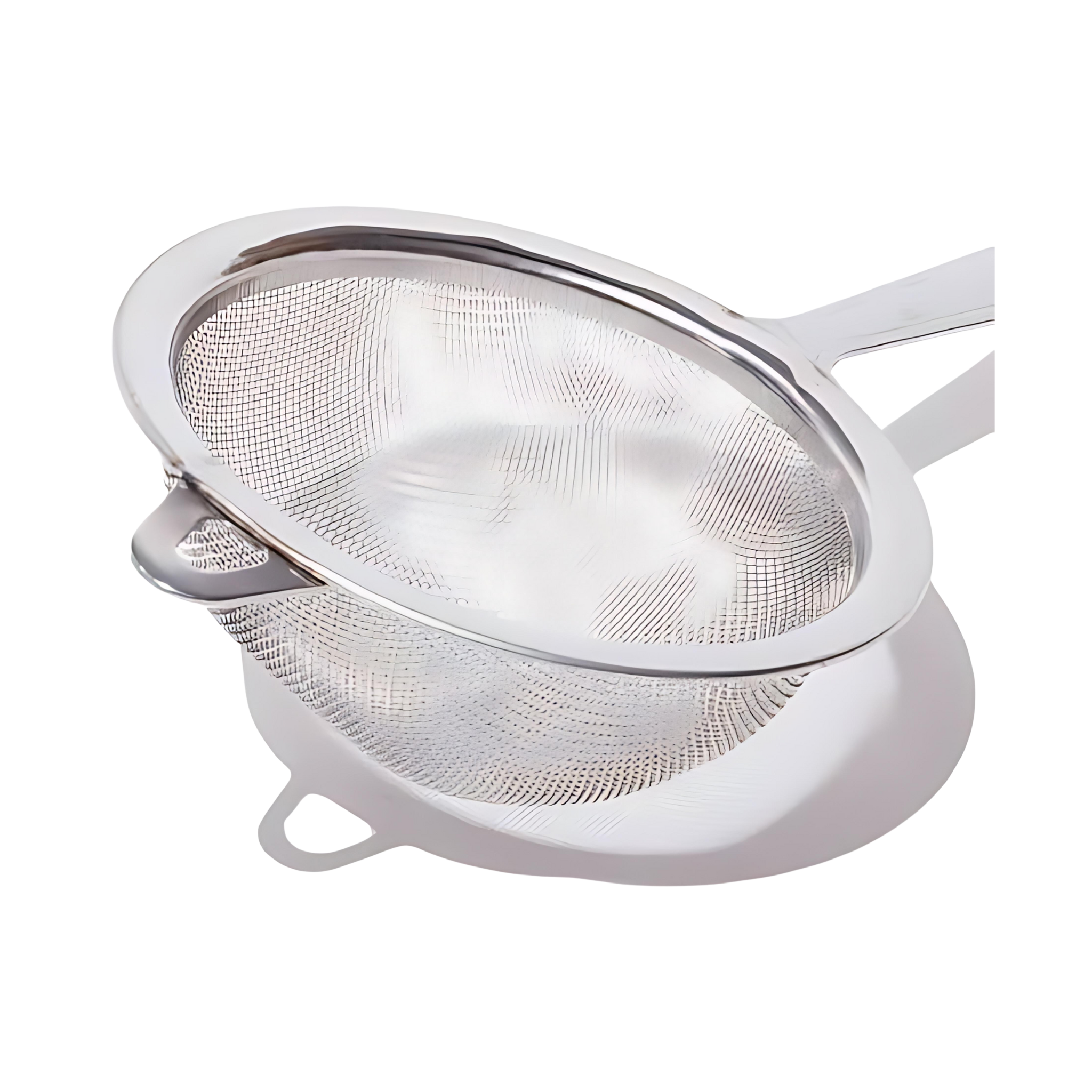
- Sift: Sift the matcha to remove any clumps for a smoother blend.
- Add Water: Pour about 2 oz of hot (not boiling) water over the powder. The ideal temperature is around 175°F (80°C).
- Whisk: Use the chasen to whisk vigorously in a zigzag motion until the matcha is frothy and has a vibrant green foam.
Where to Buy Ceremonial Grade Matcha?
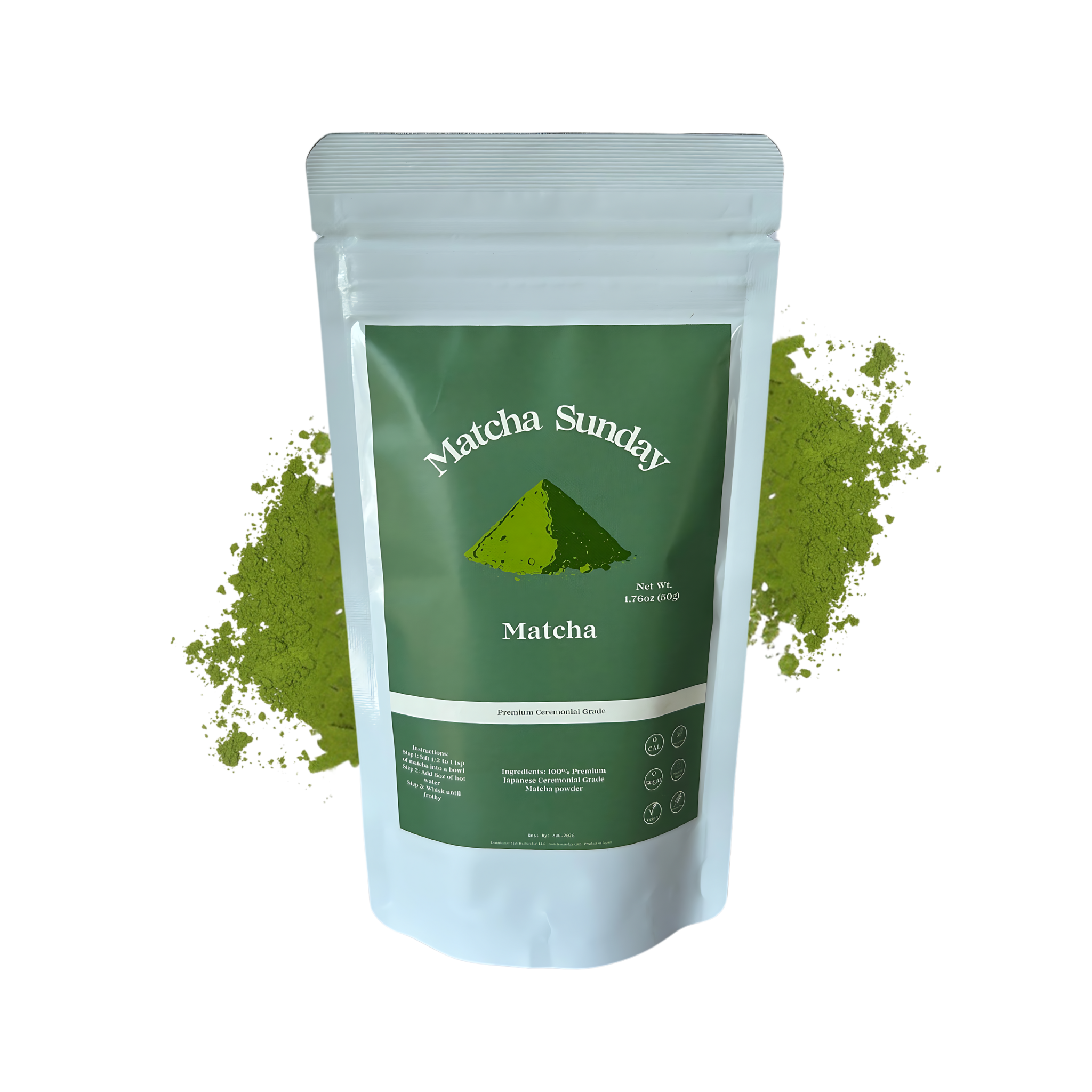
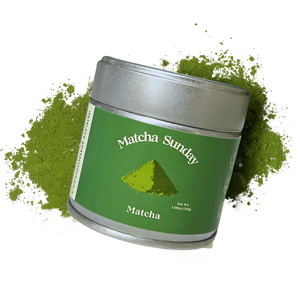
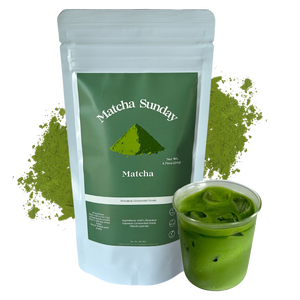
To ensure you’re getting the highest quality matcha, it's important to choose a reputable source. You can find premium ceremonial grade matcha here.
FAQs About Ceremonial Matcha
What is the difference between ceremonial and culinary matcha?
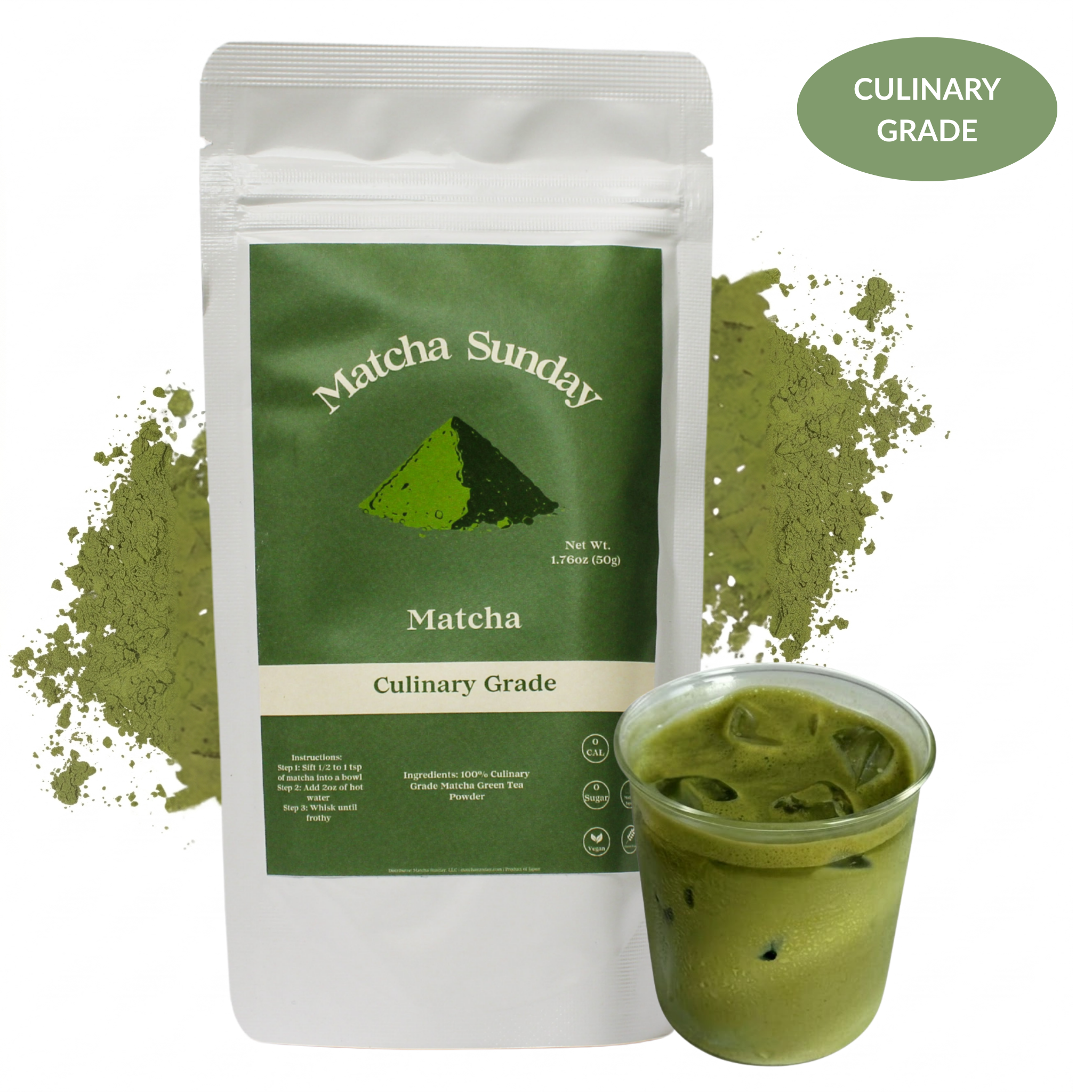
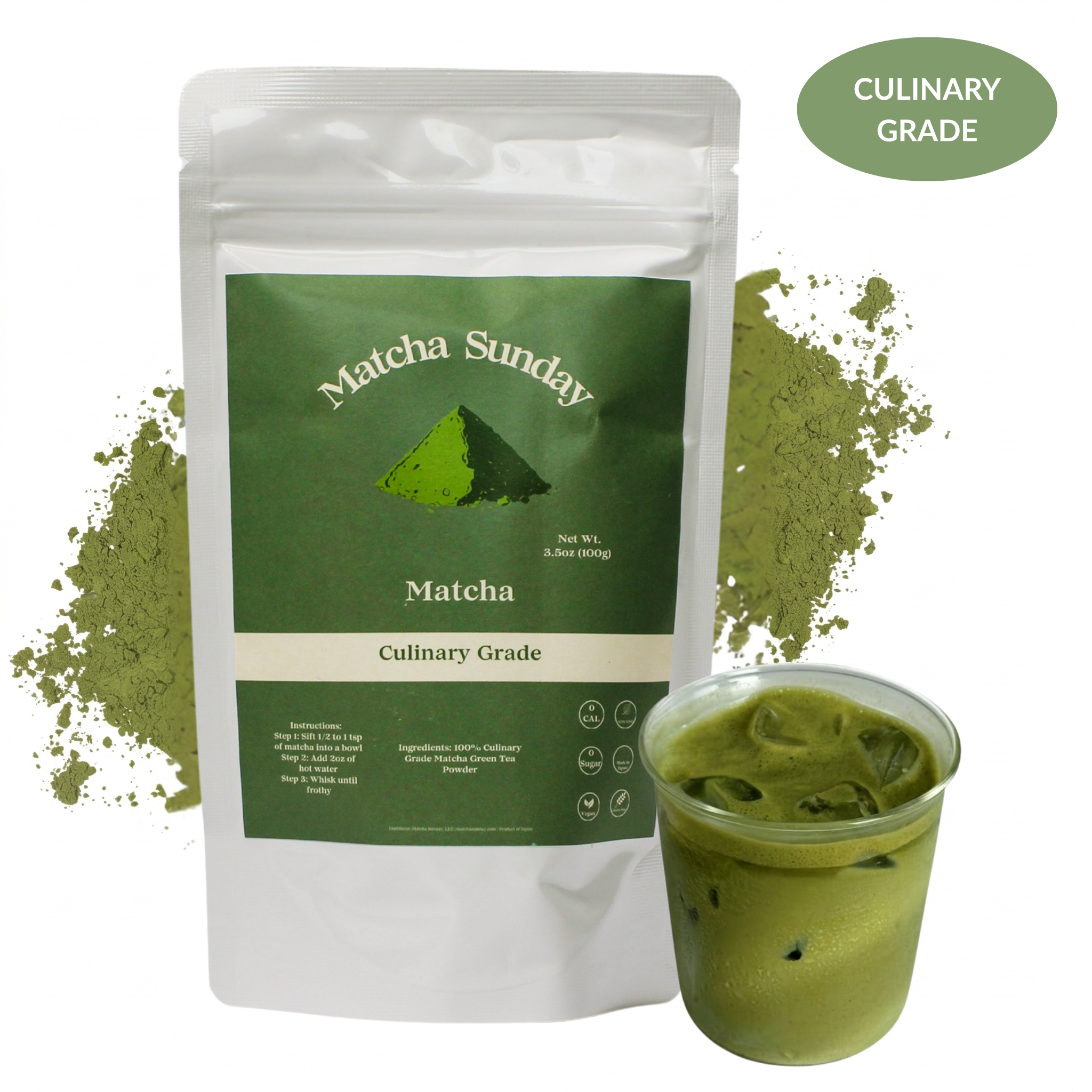
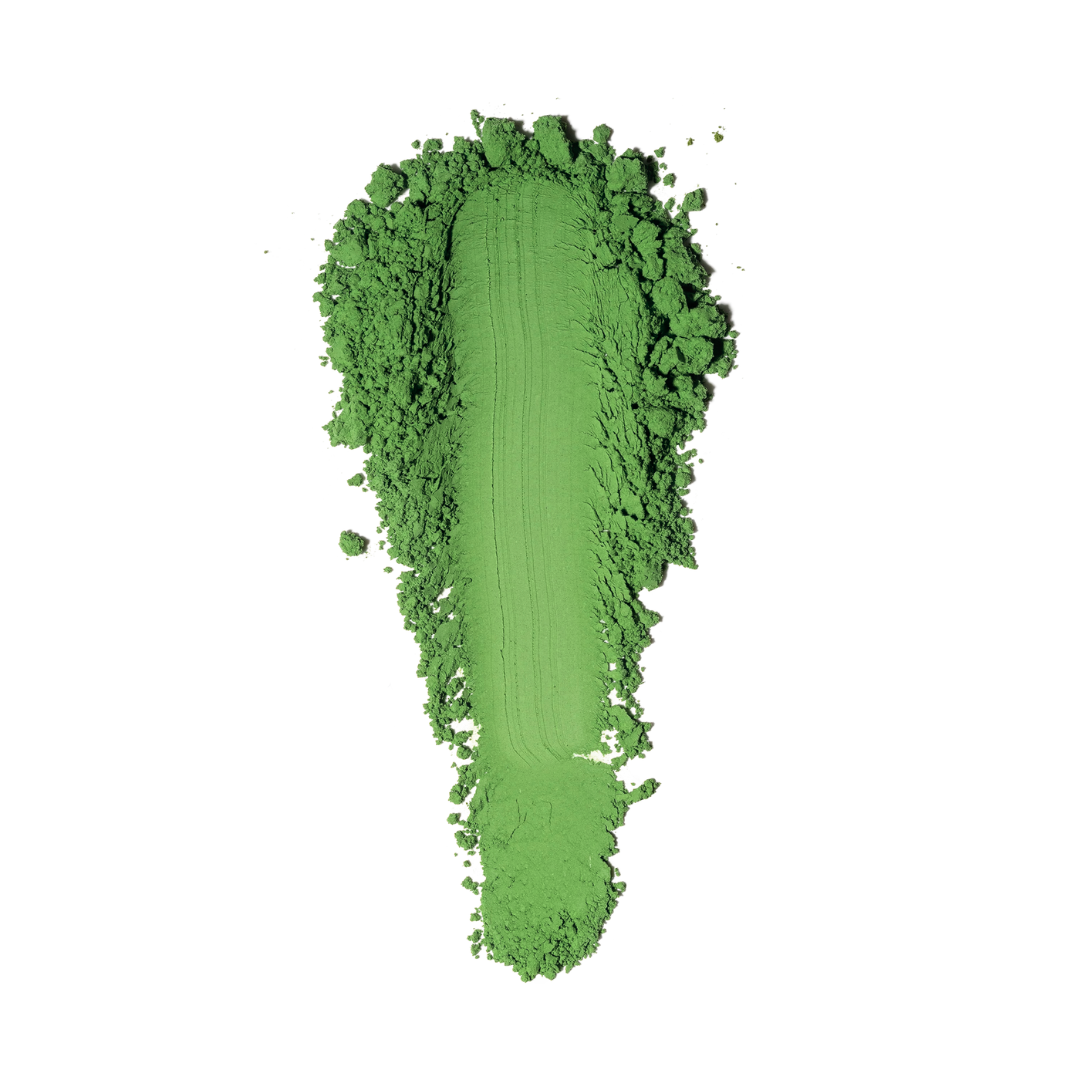
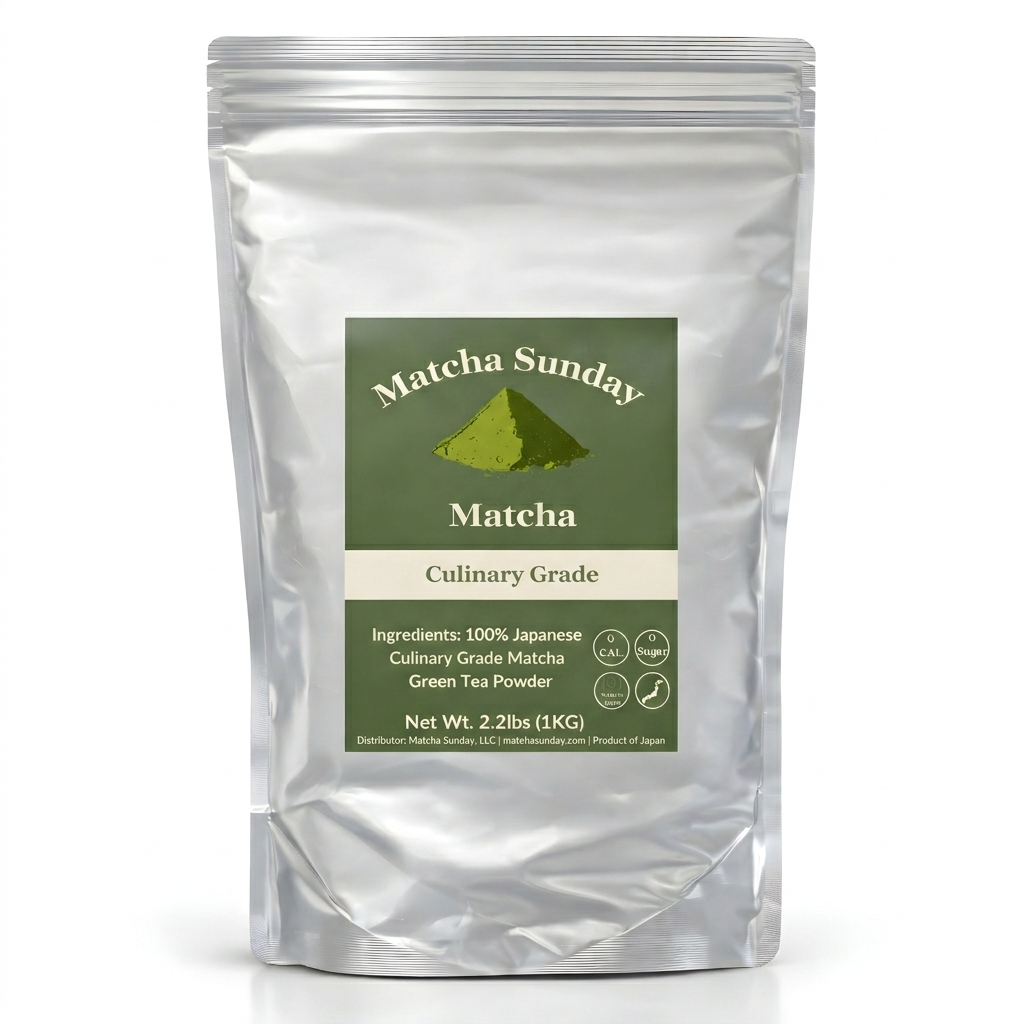
The primary difference lies in quality and intended use. Ceremonial matcha is of a higher grade, ideal for drinking in tea ceremonies or on its own, while culinary matcha is used in cooking and baking, where its slightly bitter taste complements other ingredients.
Can I use ceremonial matcha in recipes?
While you can technically use it in recipes, it may not be cost-effective due to its premium nature. Culinary matcha is specifically formulated for use in recipes and is better suited for that purpose.
What are the health benefits of ceremonial matcha?
Ceremonial matcha is rich in antioxidants, particularly catechins, which are known to support metabolism and immune function. It also contains L-theanine, an amino acid that promotes relaxation without drowsiness, making it ideal for maintaining focus and calm throughout your day.
In conclusion, ceremonial matcha offers a superior tea experience that delights the senses and provides numerous health benefits. Whether you’re a seasoned enthusiast or new to matcha, its rich history and quality will no doubt captivate and inspire you. Explore more about matcha and find the perfect matcha products at Matcha Sunday.