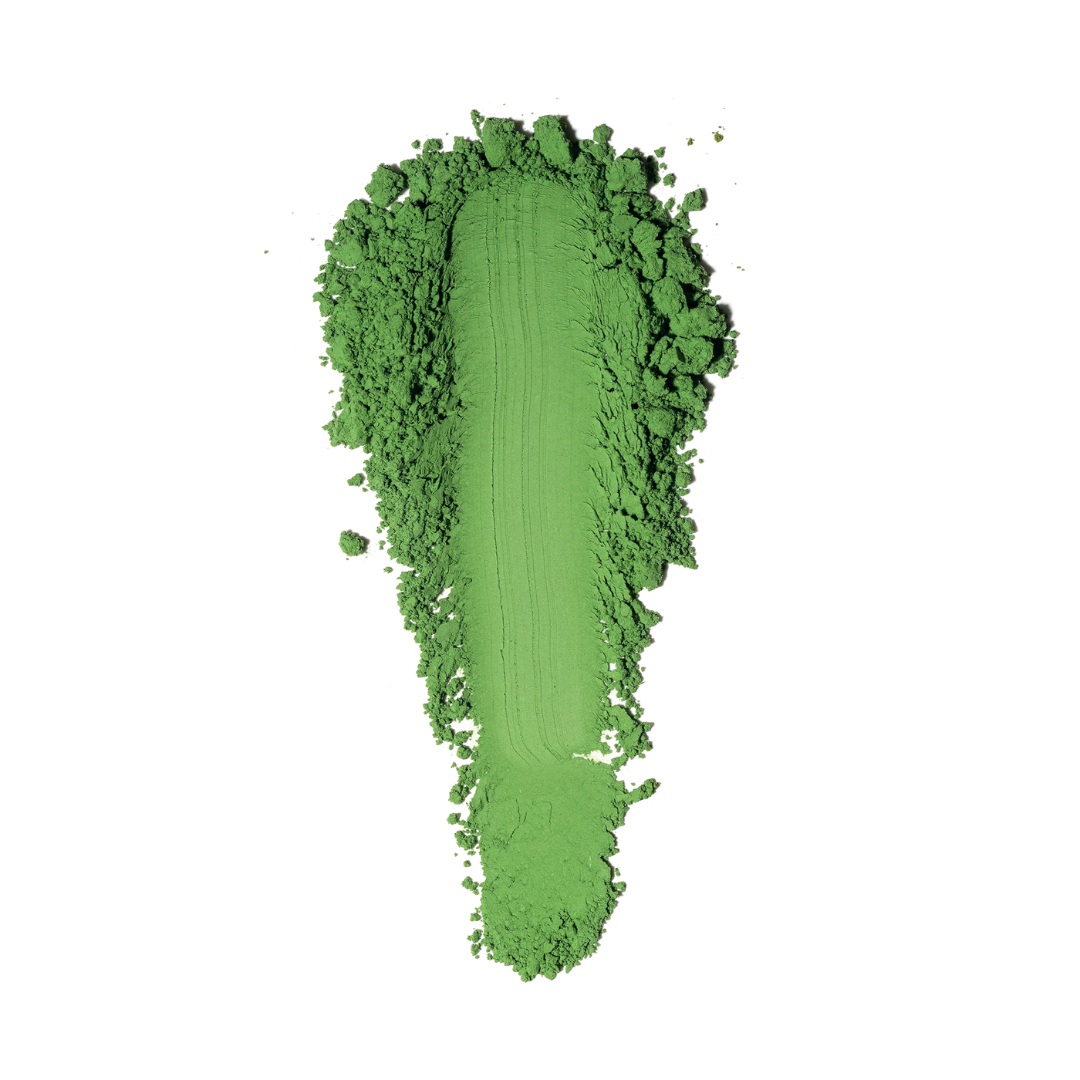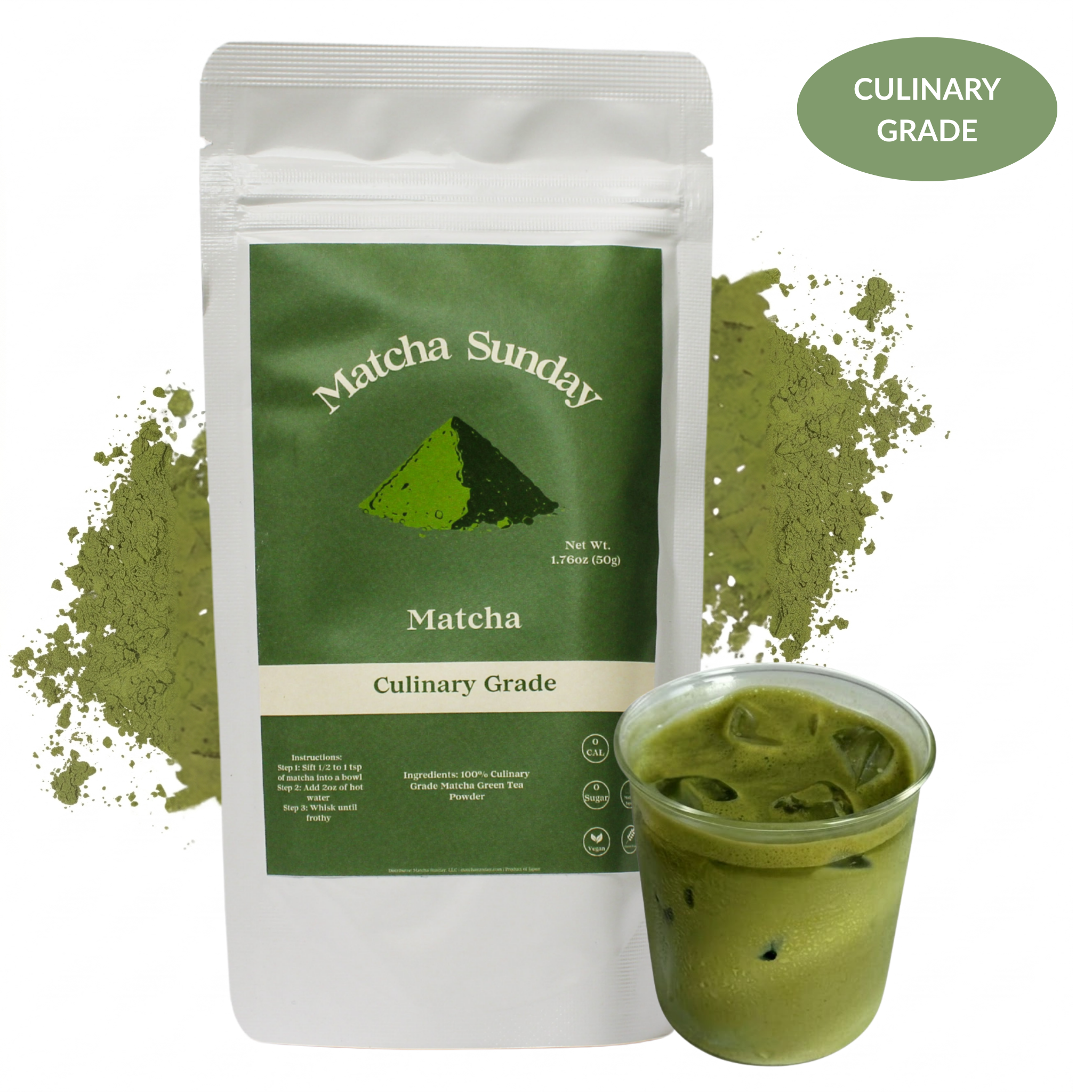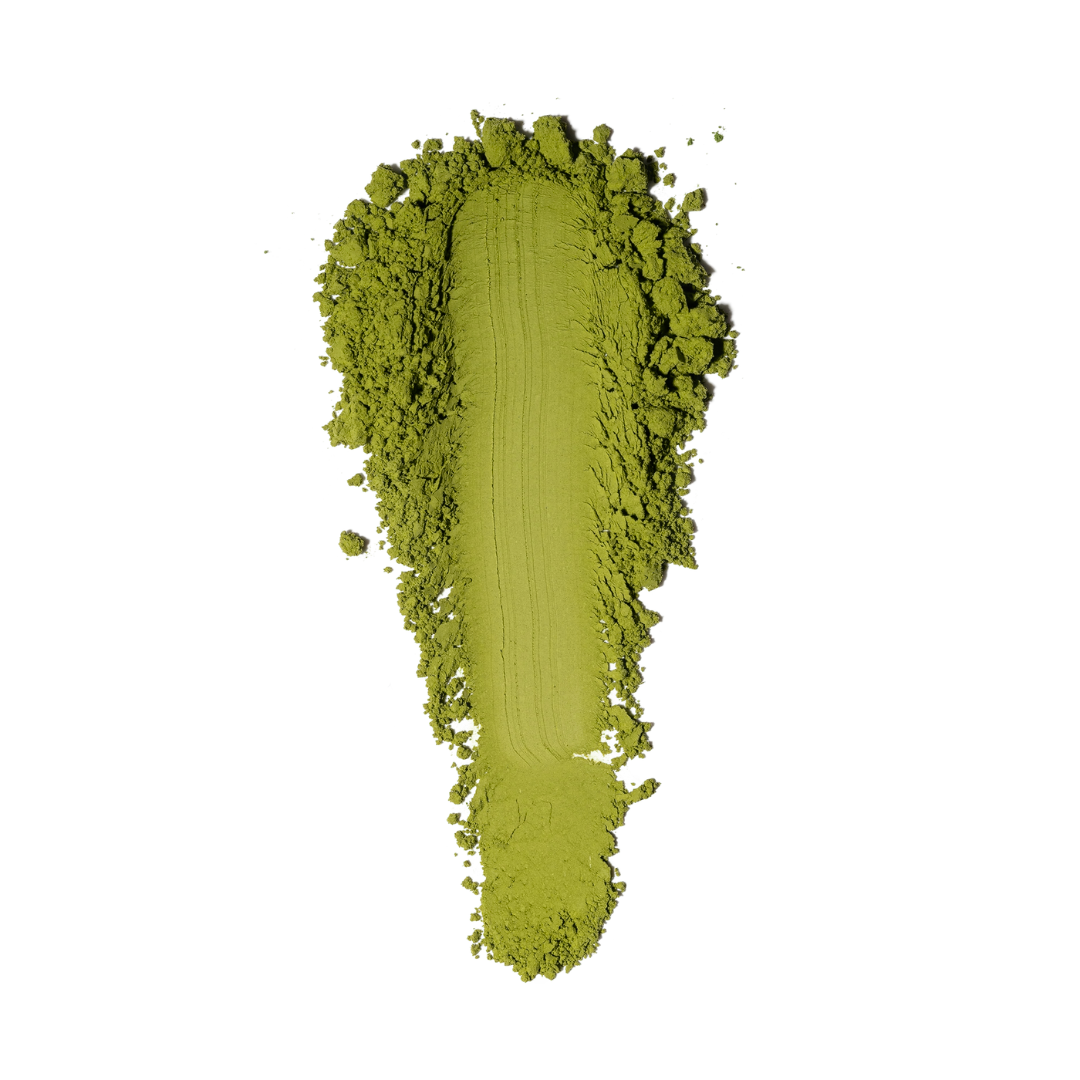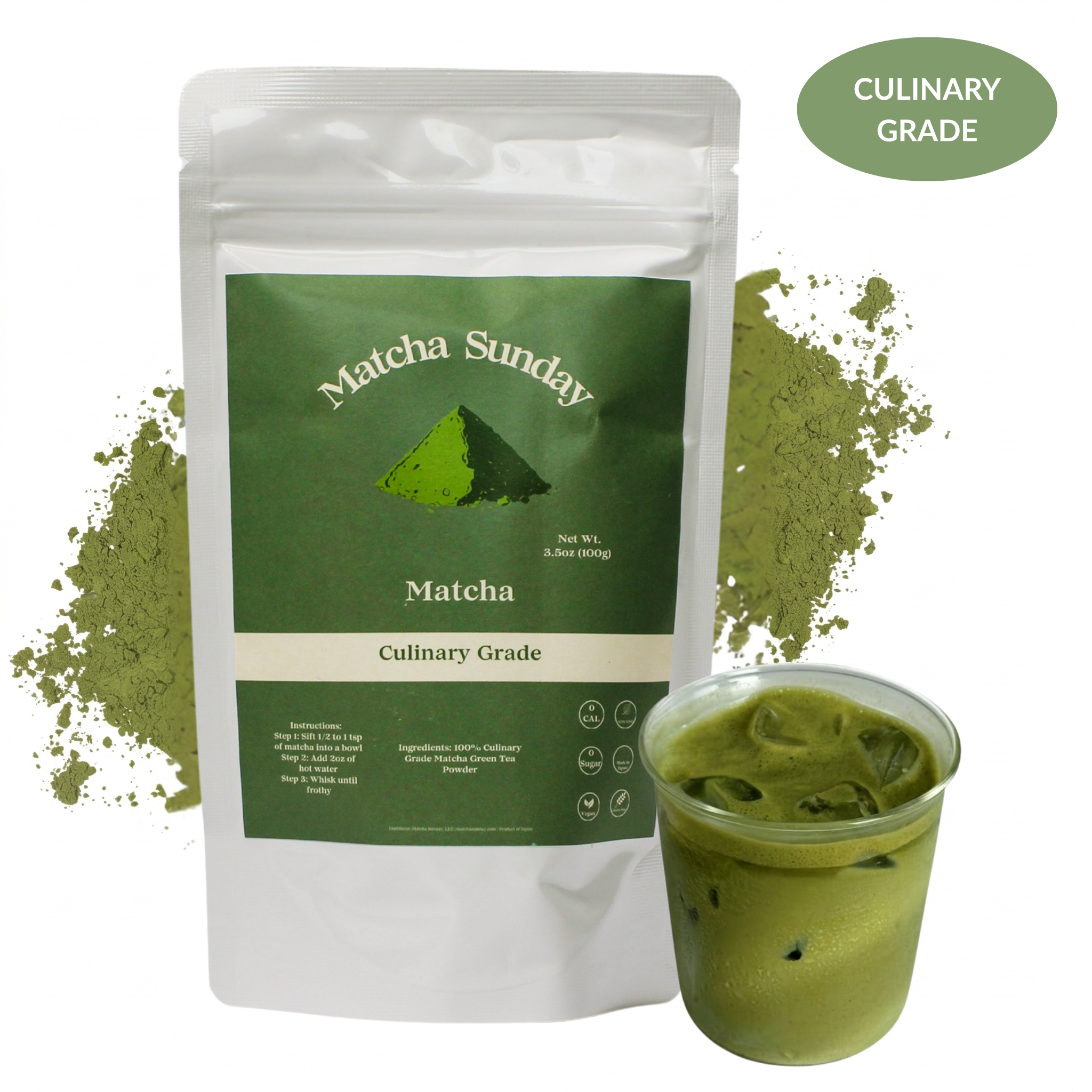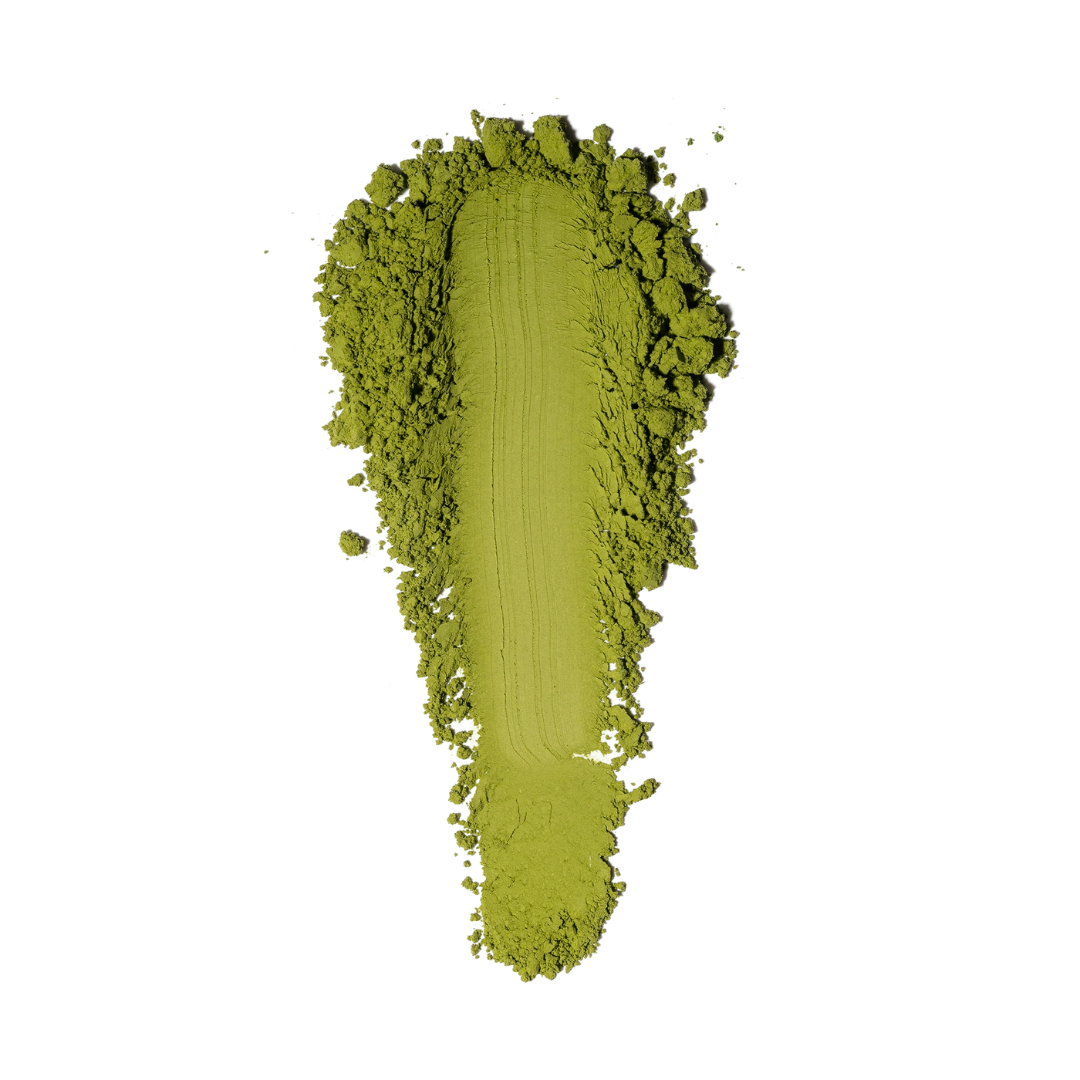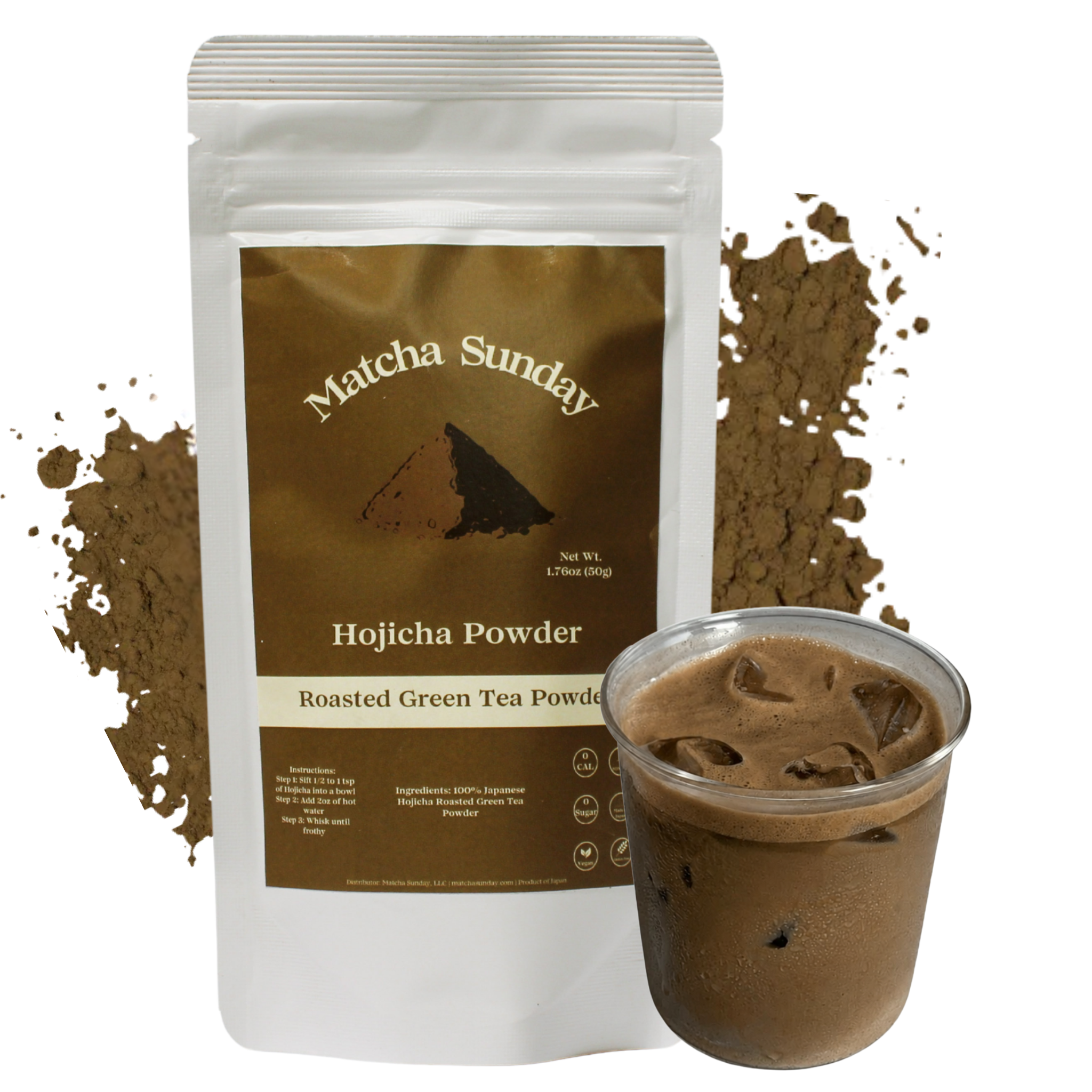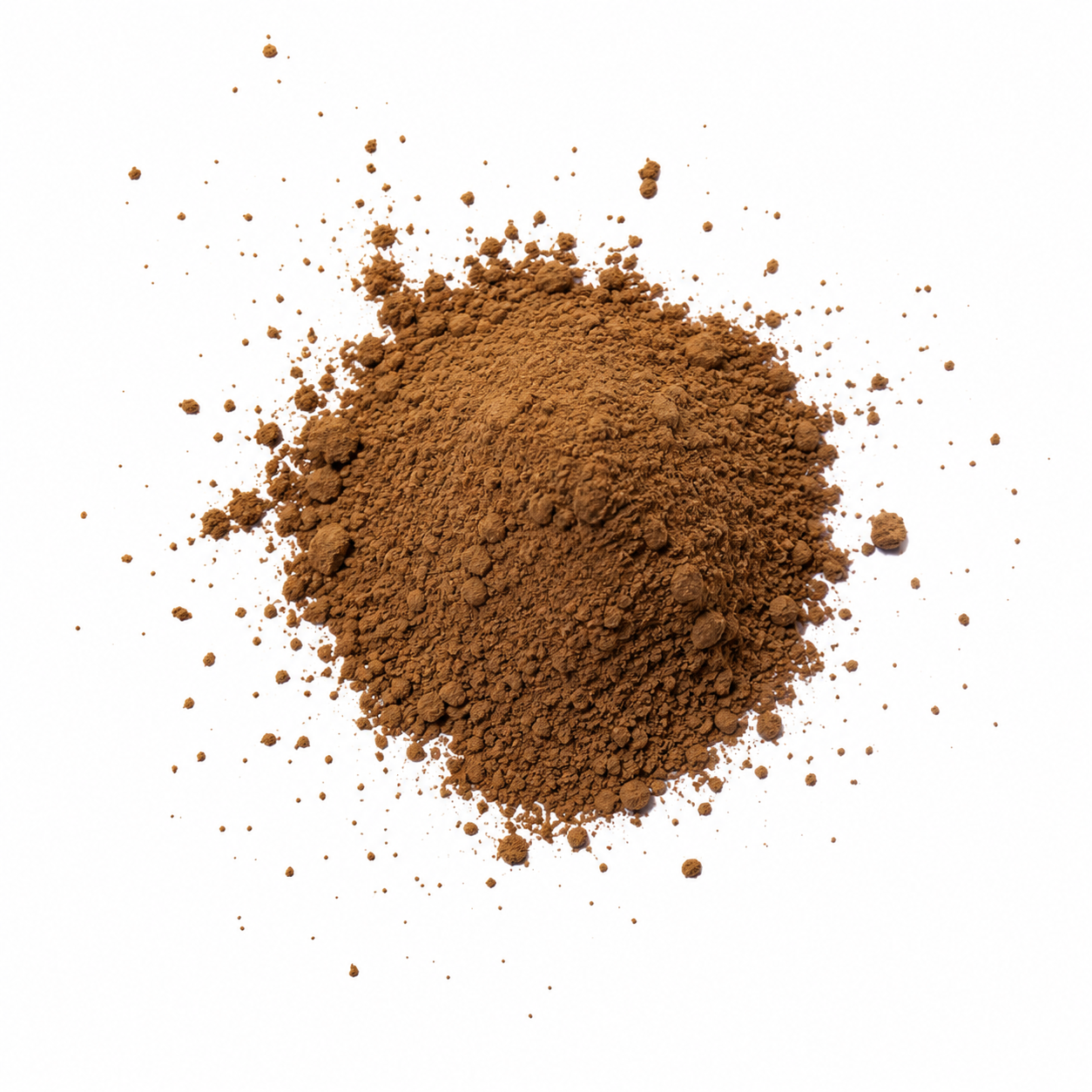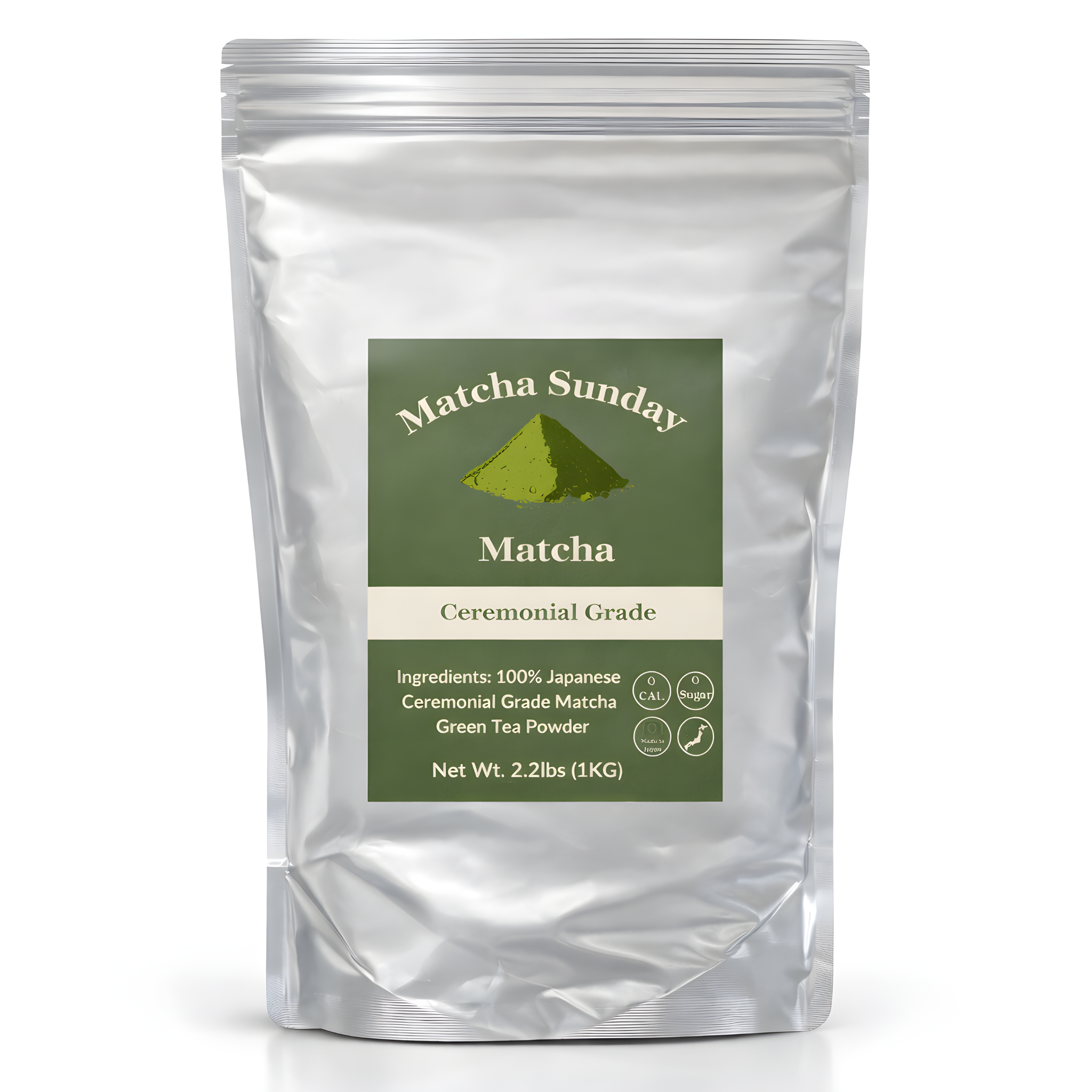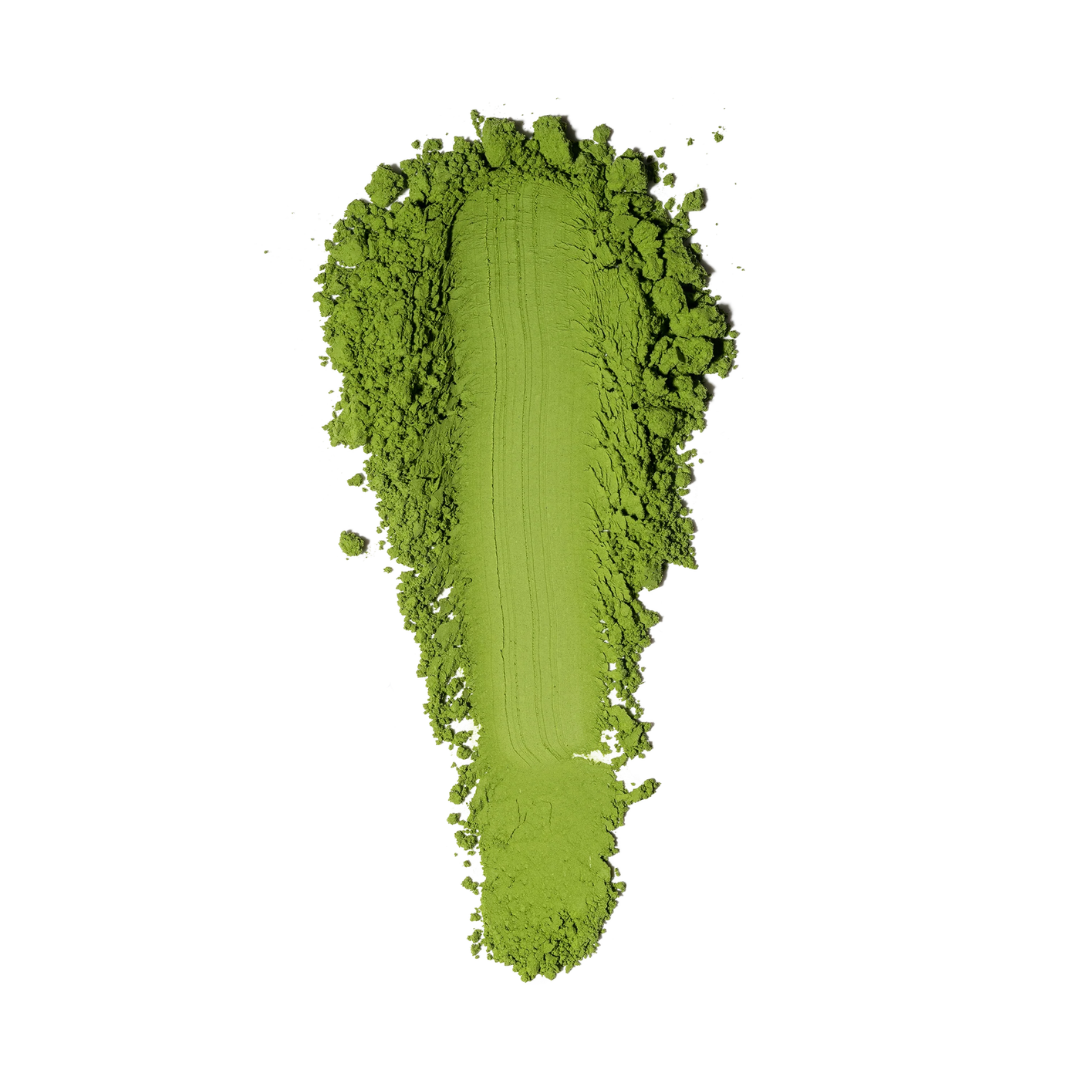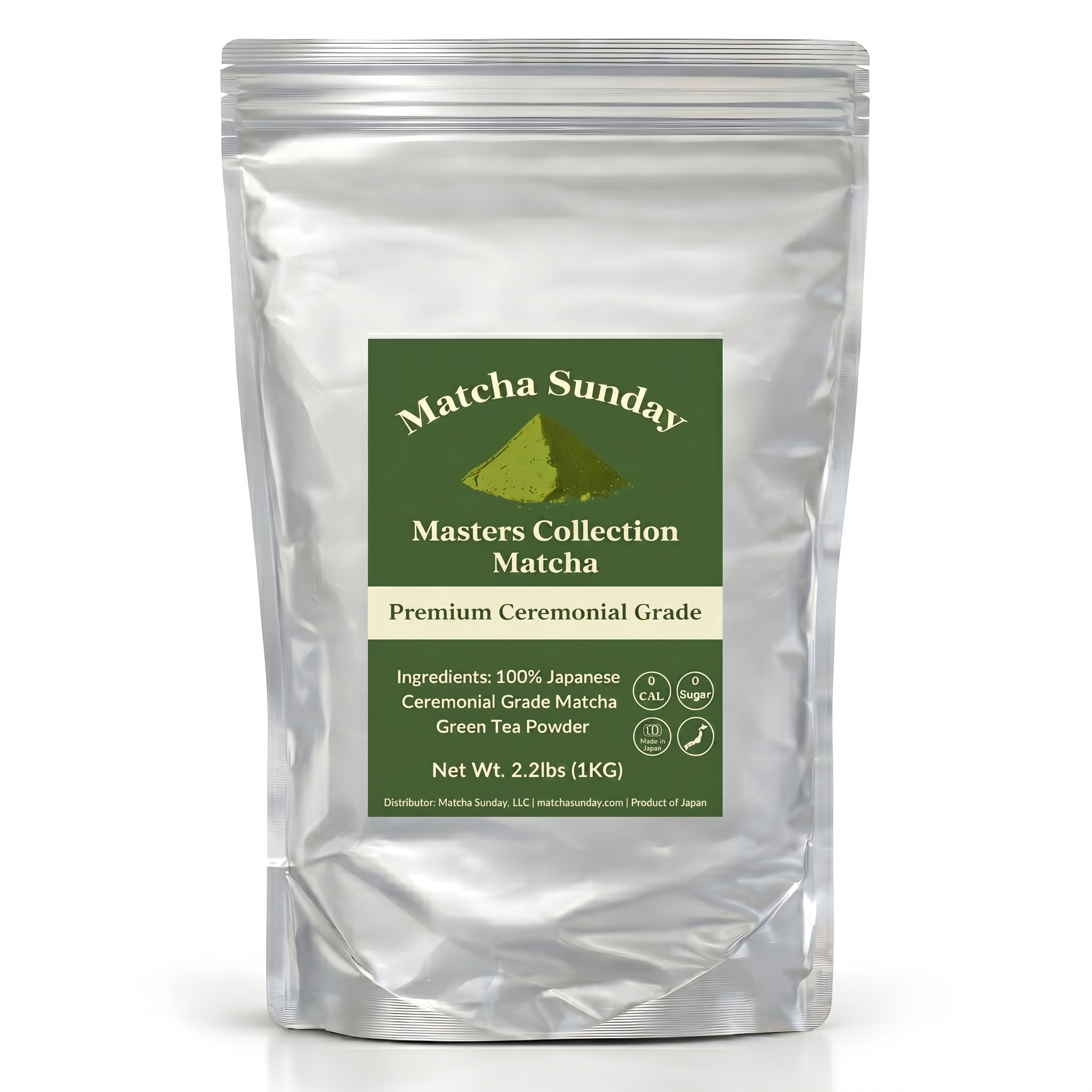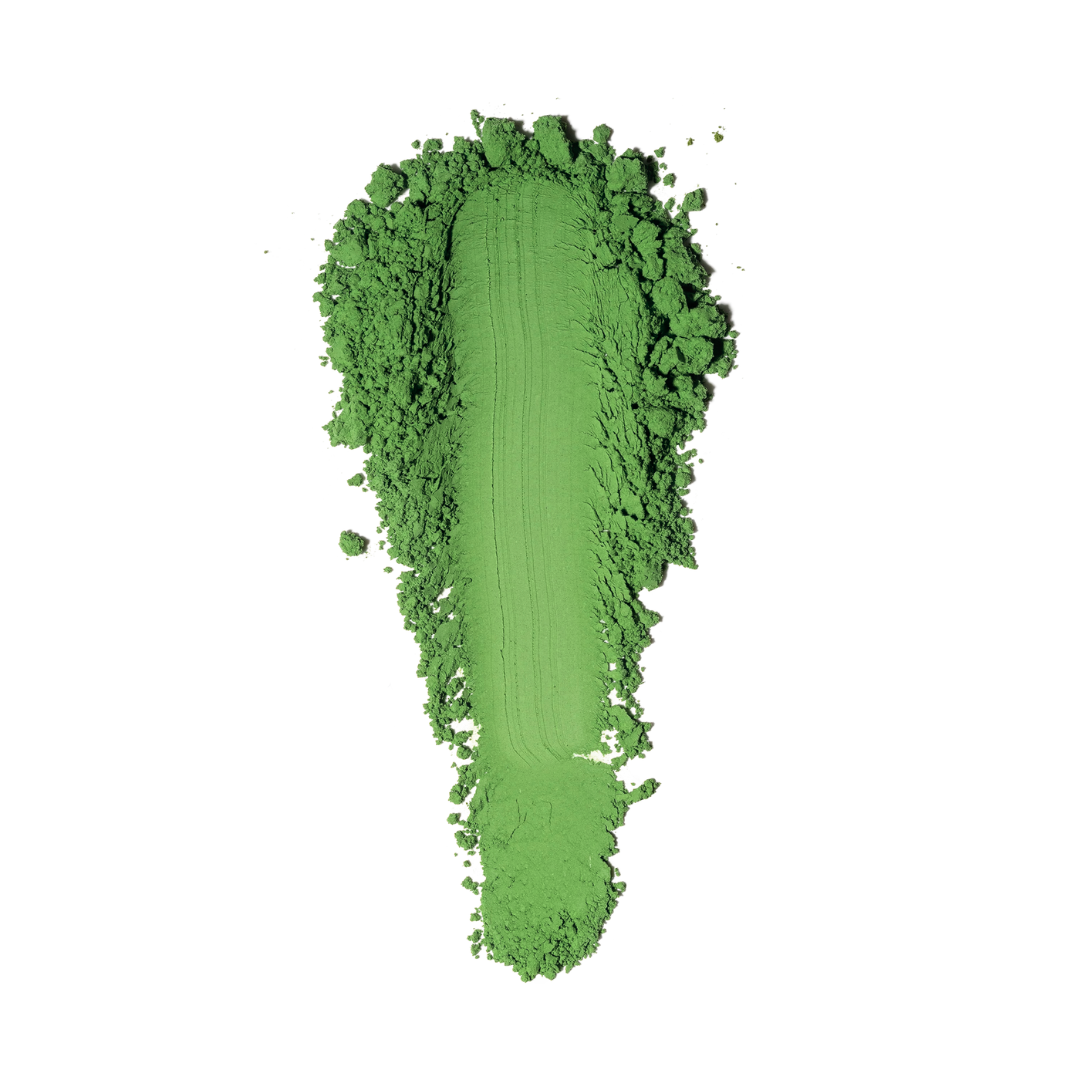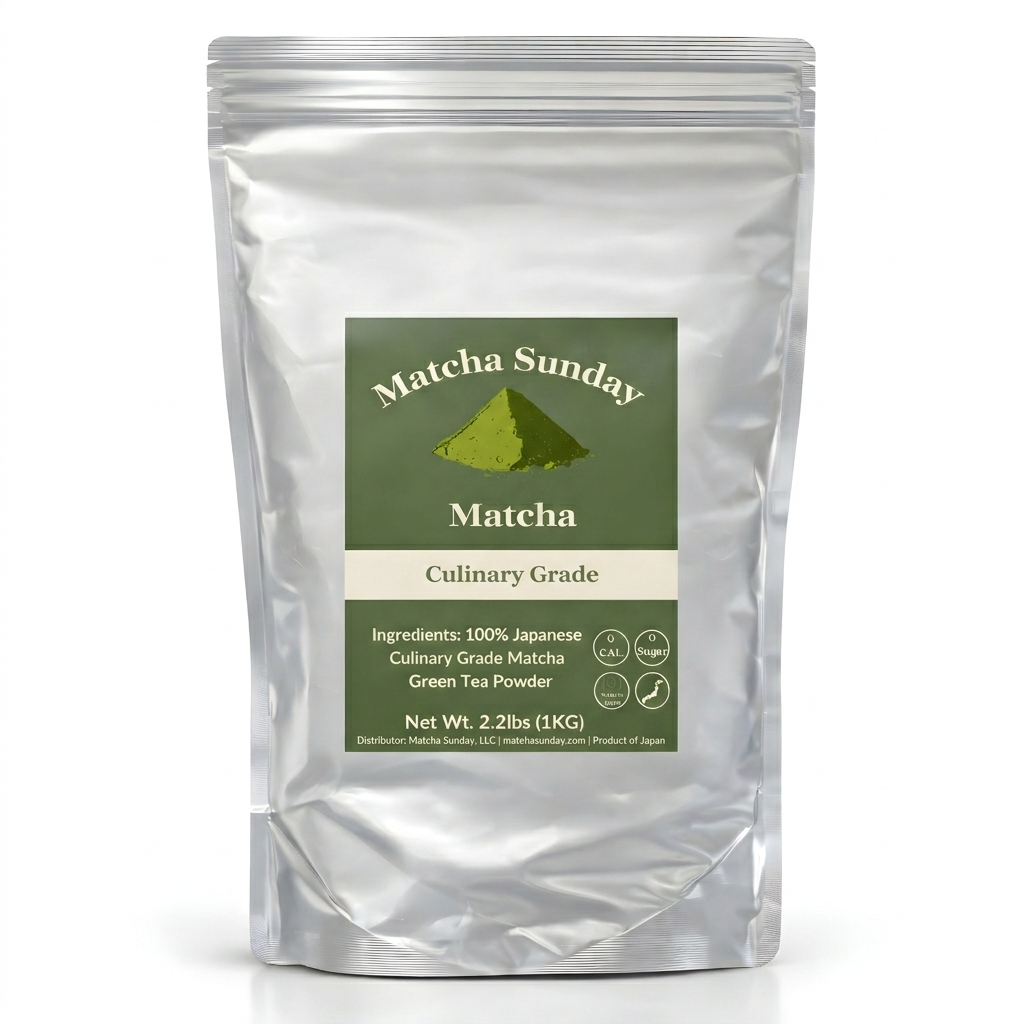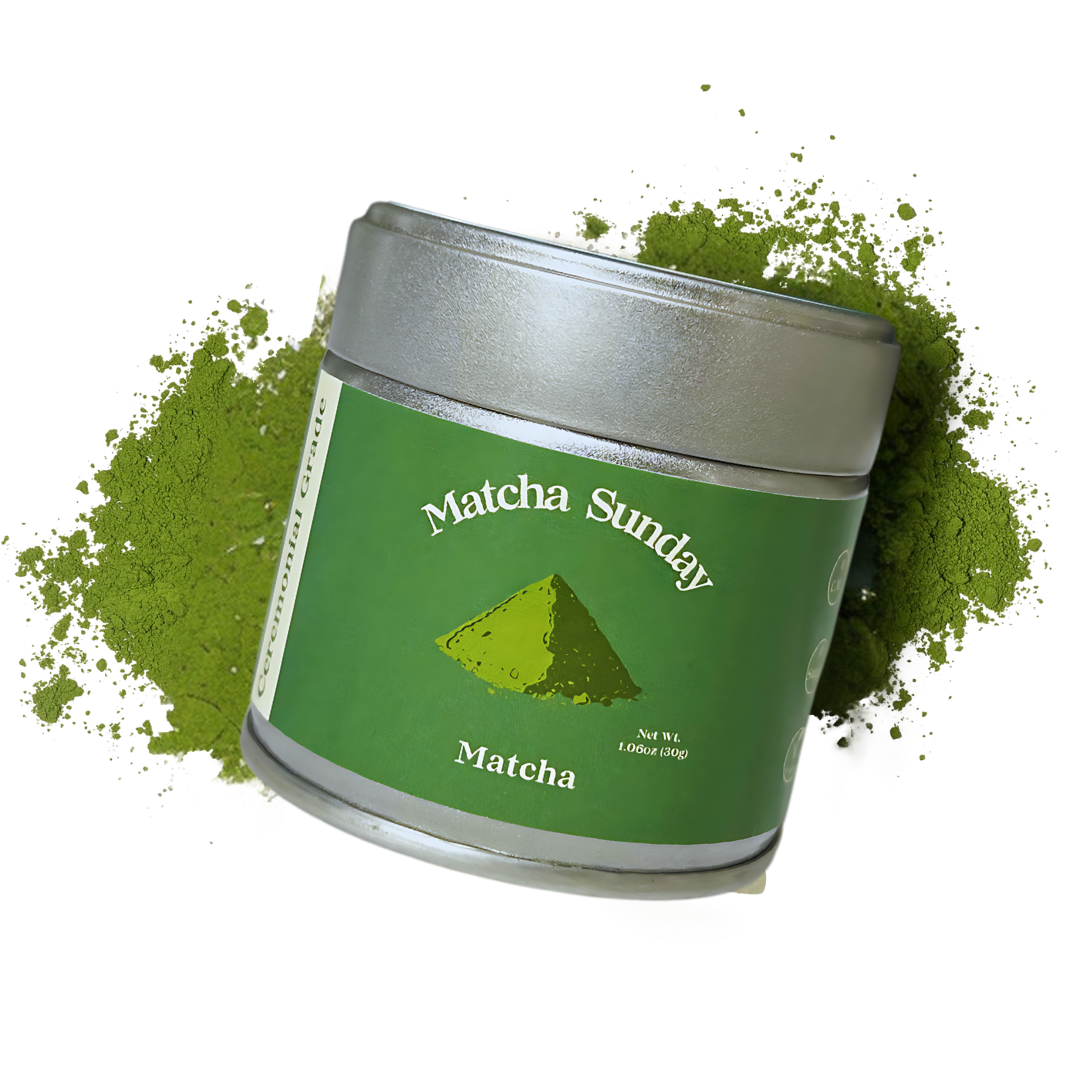
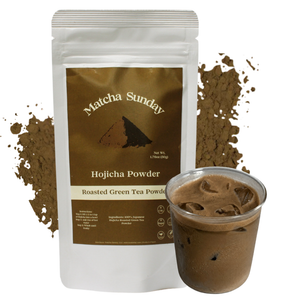
Hojicha is a roasted Japanese green tea with a toasty, naturally sweet flavor and roughly 7 to 20 mg of caffeine per cup. It is made by roasting green tea leaves at high temperatures, which turns them a warm reddish brown and creates a caramel warmth that sets it apart from matcha. If you drink matcha and have been curious about hojicha, here is everything we have learned from selling and drinking both teas every single day.
What is the real difference between hojicha and matcha?
The difference comes down to roasting. Matcha is stone ground from shade grown green tea leaves, keeping its bright green color and vegetal flavor. Hojicha is made by roasting green tea leaves (usually bancha or sencha) at high temperatures, which completely transforms the flavor, color, and caffeine content.
We explain it to customers this way: matcha keeps everything the tea leaf built up during shade growing. Hojicha trades some of those compounds for the warmth that only roasting can produce. Same plant, two completely different experiences.
That roasting process is what gives hojicha its signature reddish brown color, caramel aroma, and smooth finish. It also reduces caffeine, catechins, and tannins, which is why hojicha tastes less bitter than matcha or other unroasted green teas. Both come from the Camellia sinensis plant and both come from Japan.
| Category | Matcha | Hojicha |
|---|---|---|
| Processing | Shade grown, steamed, stone ground | Roasted at high temperatures |
| Color | Bright green | Reddish brown |
| Caffeine per cup | 38 to 70 mg | 7 to 20 mg |
| L theanine per cup | Around 40 mg | Around 5 to 8 mg |
| Catechin content | High (concentrated EGCG) | Reduced by roasting |
| Flavor | Grassy, umami, slightly bitter | Toasty, caramel, naturally sweet |
| Best time of day | Morning or early afternoon | Afternoon or evening |
Does hojicha really have less caffeine than matcha?
Yes, significantly less. Hojicha has roughly one fifth to one third the caffeine of matcha, and far less than coffee. For context, an 8 oz cup of drip coffee sits around 95 mg, matcha ranges from 38 to 70 mg, and hojicha comes in at the low end of the spectrum.
The reduction happens during roasting. When green tea leaves hit high temperatures, a portion of the caffeine breaks down and volatilizes off. The result is a tea you can genuinely drink in the evening without consequences.
This is the single biggest reason customers tell us they started buying hojicha. They love the ritual of a warm cup after dinner but want to actually sleep afterward. We drink hojicha every evening and it has never kept any of us up. If you are sensitive to caffeine or want a tea you can reach for at any hour, hojicha is one of the few options that genuinely works.
Caffeine per 8 oz cup
What does hojicha taste like compared to matcha?
Hojicha tastes warm, toasty, and naturally sweet with notes of caramel, roasted grain, and a clean finish. Matcha tastes grassy, vegetal, and rich with umami depth and slight bitterness. Despite coming from the same plant, they share almost no flavor overlap.
The roasting process creates aromatic compounds that are completely absent from matcha. If you have ever walked past a coffee roaster or smelled fresh toast, you already know the family of aromas we are talking about. Those warm, nutty, almost caramel notes come from the same type of chemical reactions that make roasted coffee and baked bread smell incredible. Matcha never goes through that transformation, so it keeps its fresh, grassy character instead.
We hear this constantly from customers: they thought they did not like green tea until they tried hojicha. The flavor profile is closer to a light roasted coffee or toasted grain than anything most people expect from green tea. If matcha's intensity has kept you on the fence, hojicha is often the tea that changes your mind.
How do you brew hojicha at home?
Hojicha is one of the most forgiving teas to brew. Unlike matcha, which needs precise water temperature and whisking technique, hojicha is genuinely hard to mess up.
For loose leaf hojicha: Use about 3 grams of leaves per 200 ml of water heated to 90 to 95°C. Steep for 30 to 60 seconds. Hojicha does not get as bitter as other green teas if you oversteep slightly, so it is a great starting point for beginners.
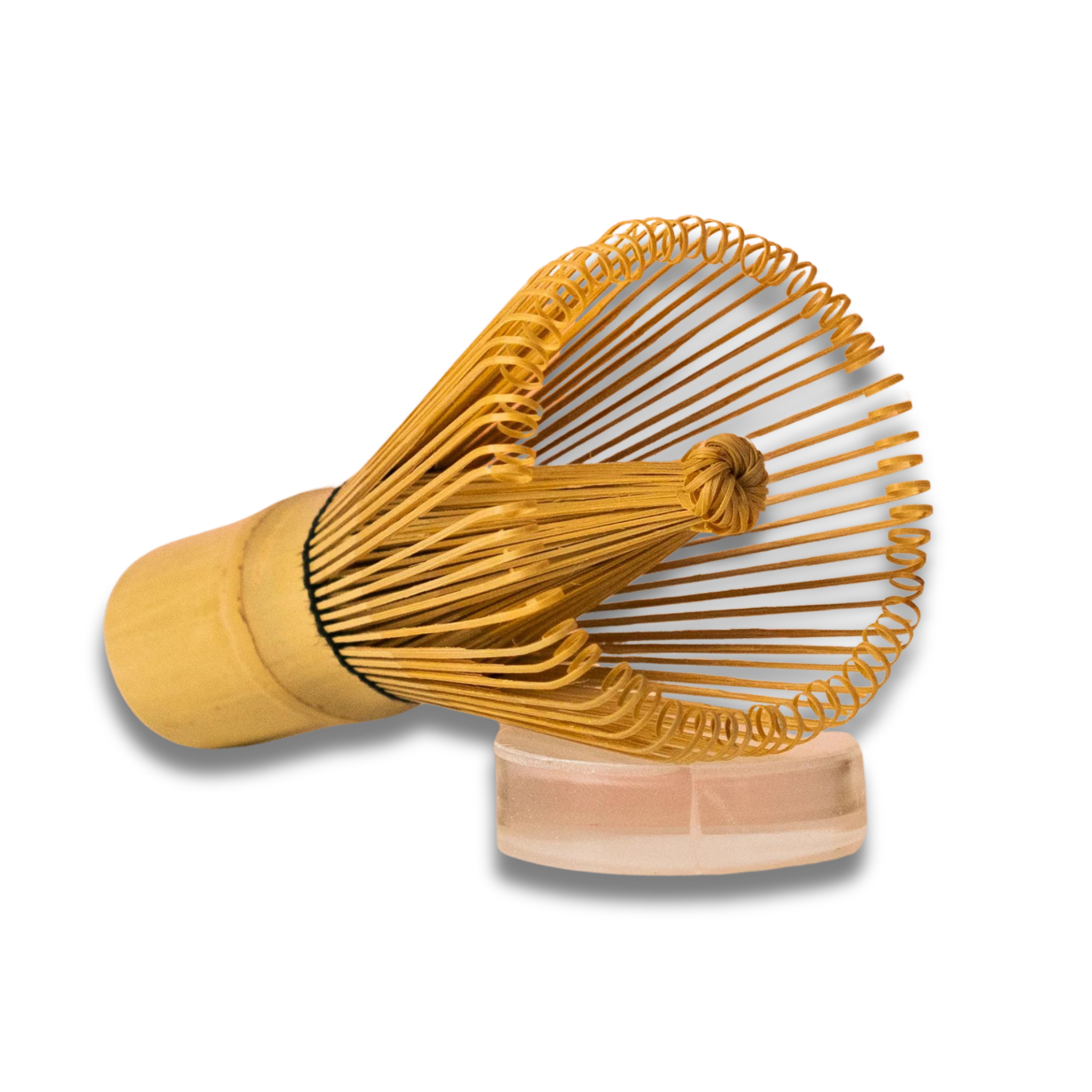
For hojicha powder: Use about 2 grams (roughly one teaspoon) per 200 ml of hot water. Whisk or stir until dissolved. You can use a matcha whisk, a milk frother, or just a spoon.
For a hojicha latte: Dissolve 2 grams of hojicha powder in a small amount of hot water, then add 150 to 180 ml of steamed milk or oat milk. The toasty caramel flavor pairs beautifully with milk without needing any added sweetener.
Should you buy hojicha powder or loose leaf?
It depends on how you plan to use it. Loose leaf is ideal for traditional brewing with a lighter, more delicate cup. Powder is better for lattes, baking, smoothies, and any recipe where you want the full roasted flavor to come through.
Here is the practical breakdown:
- Loose leaf is best for hot brewed tea, cold brew, and when you want a lighter flavor with a clean finish
- Powder is best for lattes, iced drinks, baking, and when you want a richer, more concentrated taste
- Powder dissolves completely in liquid, so you consume the whole leaf (similar to matcha) rather than steeping and discarding
- Both should be stored in an airtight container away from light and heat
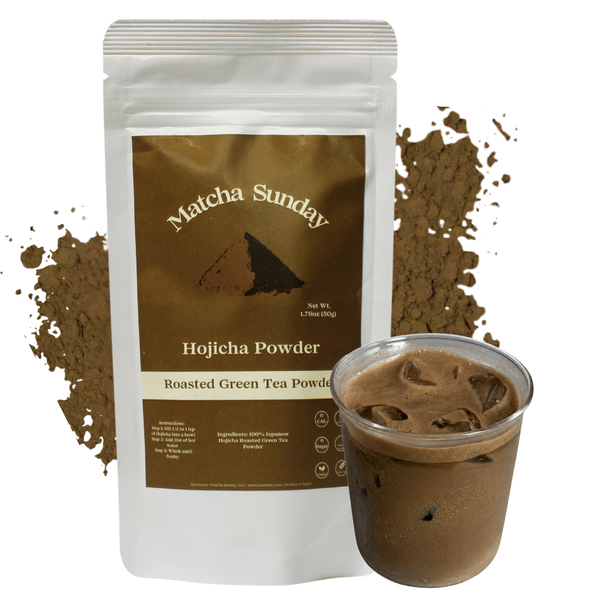
We carry both formats because they serve different purposes. Our hojicha powder is sourced from Japan and roasted in small batches. It is our most popular format for latte drinkers and the one we use behind our own bar. Most customers who start with one end up buying both once they realize how differently each one works in their routine.
What should you look for when buying hojicha?
Quality varies widely, and not all roasted tea is created equal. Here is what we look for when sourcing our own hojicha and what we suggest you pay attention to:
- Origin: Look for hojicha sourced from Japan. Japanese roasting techniques and leaf quality set the standard for this tea.
- Roast level: Light roasts keep more green tea character. Dark roasts lean into caramel and smoky notes. Our hojicha sits in the medium to dark range, which we find gives the best balance of sweetness and depth for both straight drinking and lattes.
- Freshness: Hojicha should smell noticeably toasty when you open the bag. If it smells flat or stale, the roast is too old.
- Color: Loose leaf should be a warm reddish brown. Powder should be a fine, even tan. Anything that looks grey or dusty may be lower grade or poorly stored.
- Ingredients: It should be 100% roasted green tea. Avoid blends that use fillers, added flavors, or sweeteners.
Why are cafes adding hojicha to their menus?
Hojicha fills a gap that matcha cannot. We have watched it go from a tea that needed explaining to one that customers ask for by name. Cafes and specialty shops across the country are adding hojicha lattes, iced hojicha, and hojicha boba to their menus because it opens up the second half of the day.
Matcha is a morning drink. It is caffeinated, it is bold, and most people order it before noon. Hojicha gives cafes a naturally sweet, low caffeine option that works hot, iced, or blended in the afternoon and evening. That means more tea sales when matcha orders slow down.
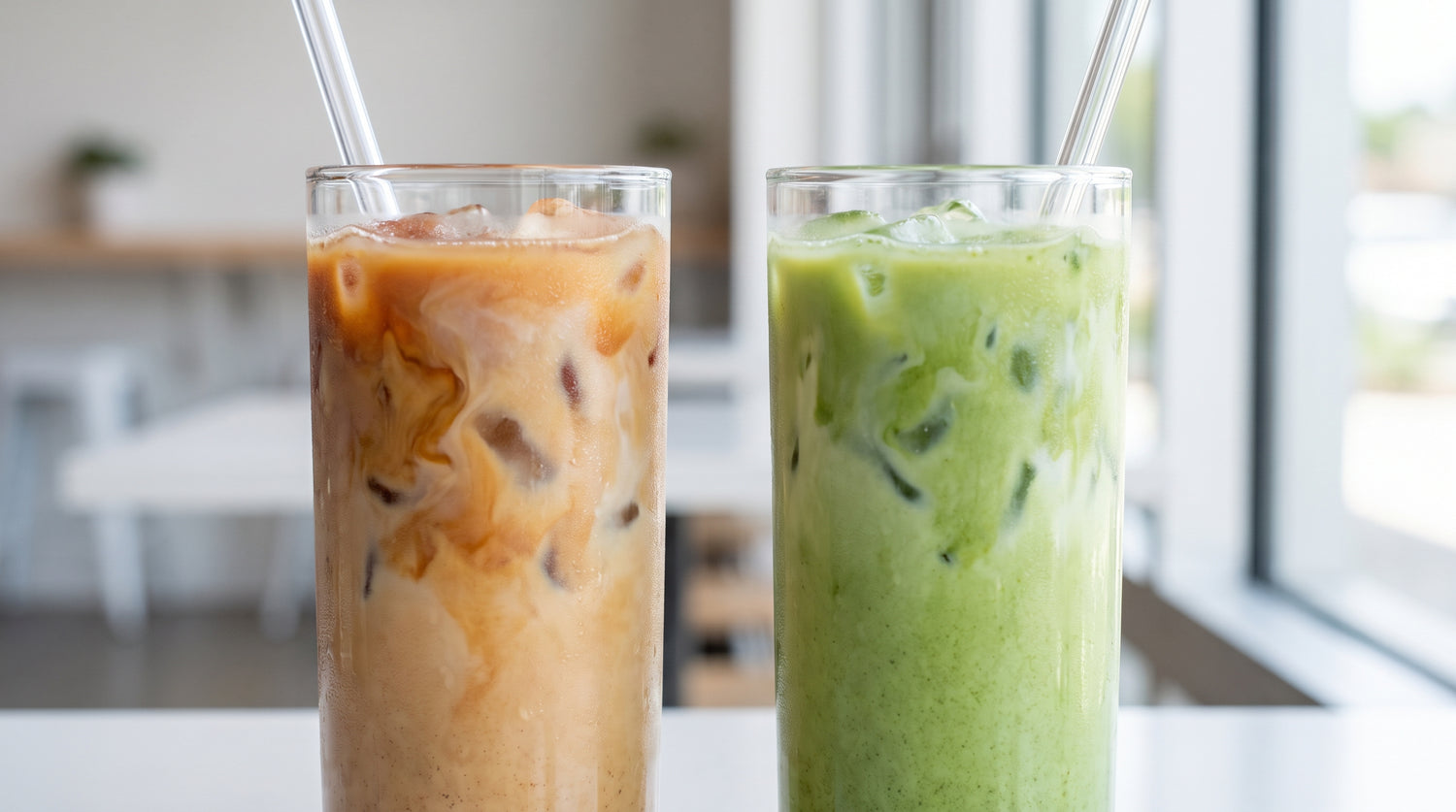
Hojicha also has practical advantages behind the bar. Its toasty flavor pairs naturally with milk and oat milk without needing sweetener, which means simpler prep and a cleaner ingredient list. The reddish brown color creates visual contrast next to matcha on a menu, and the unfamiliar name sparks curiosity that drives trial orders.
We work with cafes, coffee shops, and boba bars across the country through our wholesale program. If you are thinking about adding hojicha to your menu, we are happy to send samples and walk you through what works best for different drink formats.
Is hojicha or matcha healthier?
Neither is universally better. They offer different health profiles, and the right choice depends on what you need. Matcha delivers more antioxidants, more caffeine, and more L theanine. Hojicha delivers a gentler experience with its own set of beneficial compounds.
Matcha is one of the most concentrated dietary sources of EGCG, the catechin most studied for antioxidant and metabolic effects. Roasting reduces hojicha's total catechin content considerably, though the exact reduction depends on the specific roast temperature and duration. Be cautious of any source that gives you a single precise figure for this.
However, roasting does not simply strip away everything good. It creates melanoidins, a class of antioxidant compounds formed during the roasting process, which are largely absent from unroasted teas. Research on simulated digestion has shown that a meaningful portion of hojicha's polyphenols remain available for your body to absorb and use.
Matcha also contains significantly more L theanine, the amino acid behind matcha's calm, focused energy. If sustained alertness and concentration are your goals, matcha is the stronger choice. If you want a soothing, low stimulant tea that is gentle on the stomach, hojicha is the better fit.
Our honest take: we drink both for different reasons. Matcha in the morning when we need to focus. Hojicha in the evening when we want to wind down. They complement each other perfectly, and that is exactly why we carry both.
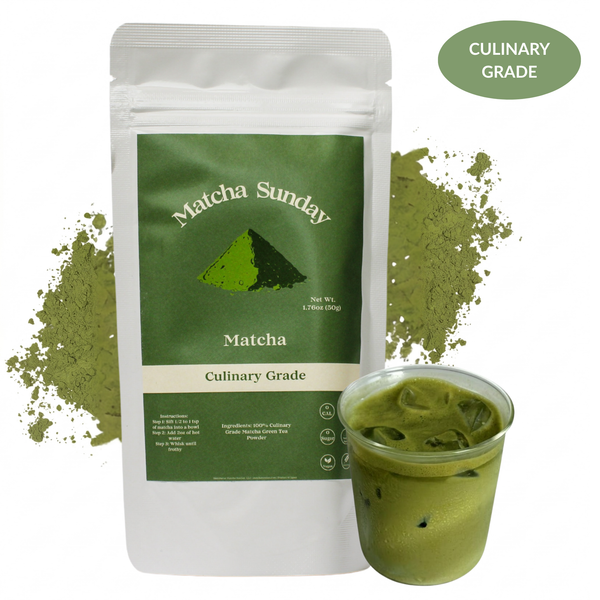
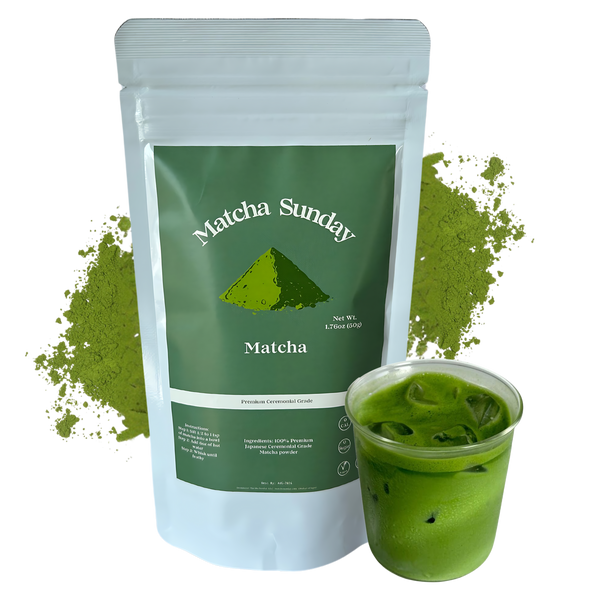
Shop these powders
Frequently asked questions
Is hojicha just roasted matcha?
No. Hojicha is made by roasting bancha or sencha green tea leaves. Matcha is stone ground from shade grown tencha leaves and is never roasted. They come from the same plant but use different leaf types and completely different processing methods, which is why they taste nothing alike.
Can I drink hojicha before bed?
Yes. Hojicha has very low caffeine compared to matcha and coffee. Many people, ourselves included, drink hojicha in the evening without any sleep disruption. It is commonly served as an after dinner tea in Japan.
Which has more antioxidants, hojicha or matcha?
Matcha has more total catechins and EGCG because it is not roasted. Roasting reduces hojicha's catechin content, though it also creates melanoidins, a different class of antioxidant compound. Both teas have beneficial properties, but matcha is the stronger antioxidant source overall.
Does hojicha taste like matcha?
Not at all. Matcha tastes grassy, vegetal, and umami rich. Hojicha tastes toasty, warm, and naturally sweet with notes of caramel and roasted grain. The roasting process gives hojicha a flavor profile closer to light roasted coffee than to green tea.
Is hojicha good for lattes?
Hojicha is excellent for lattes. Its toasty caramel flavor blends naturally with dairy and oat milk, often without needing any sugar. Where matcha lattes rely on sweetener to balance bitterness, a hojicha latte can stand on its own. It is one of the fastest growing specialty tea drinks on cafe menus.
Can I switch between matcha and hojicha during the day?
That is exactly what we do. Matcha in the morning for focused energy, hojicha in the afternoon or evening when we want something warm and calming. Both come from Japan and prepare quickly, so switching between them is effortless.