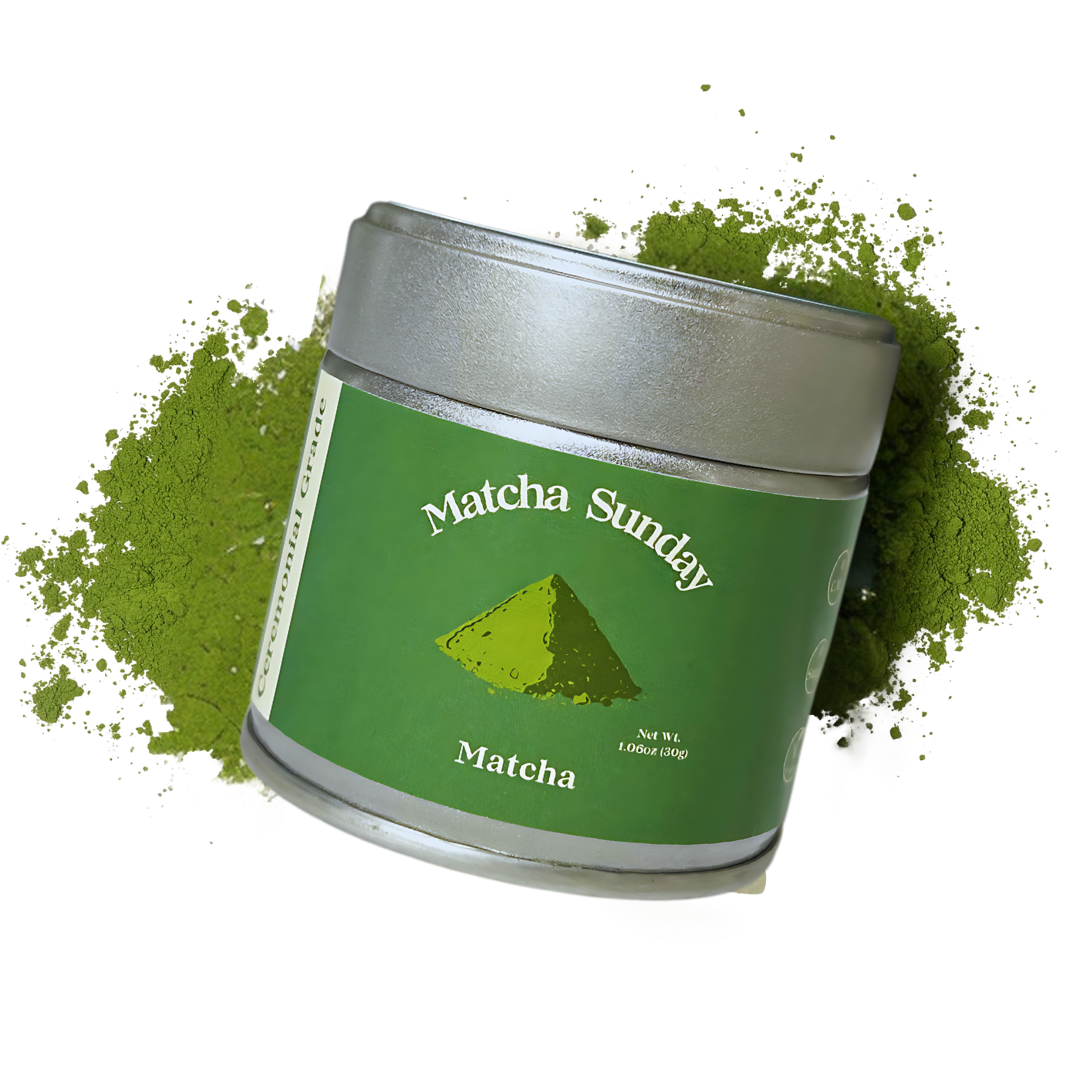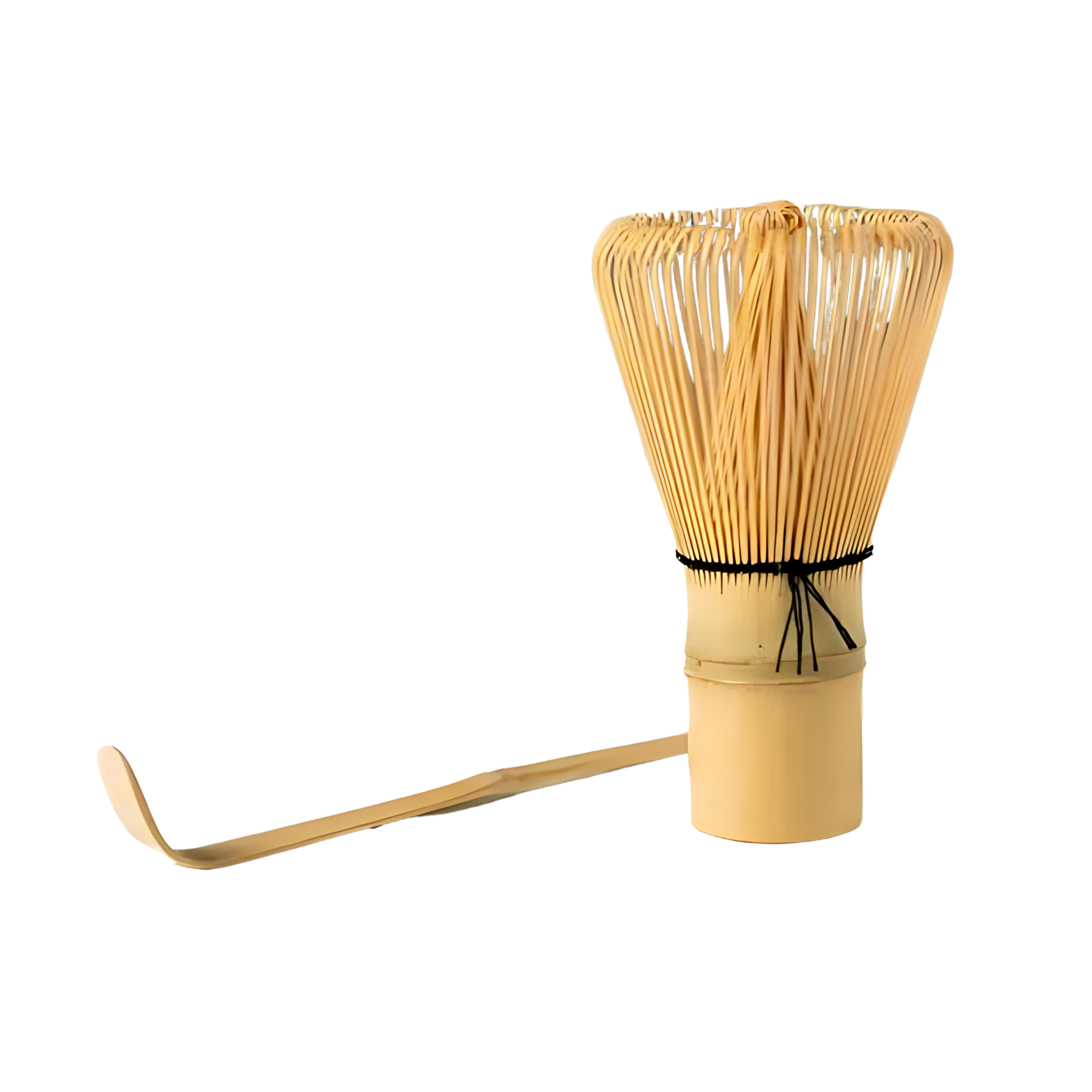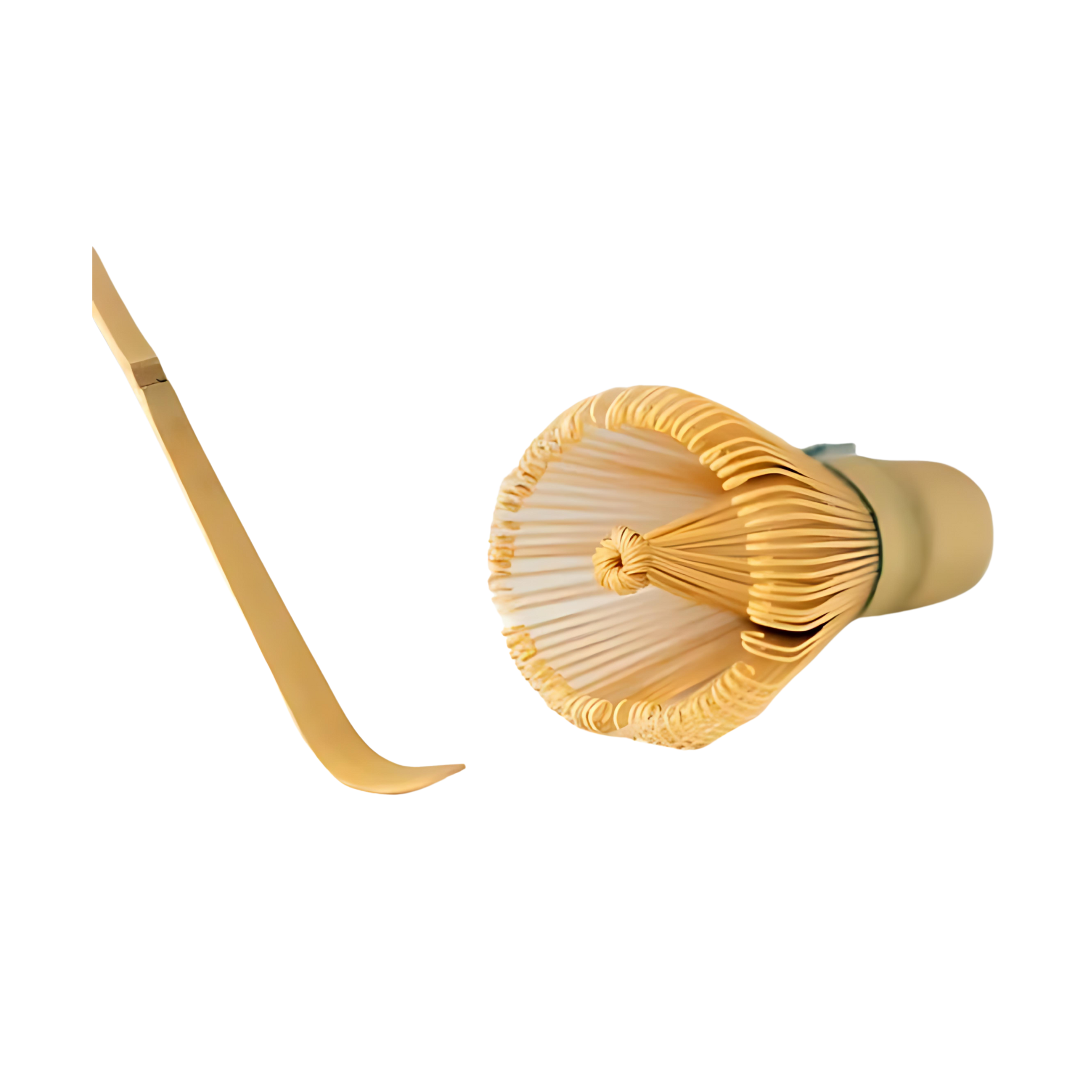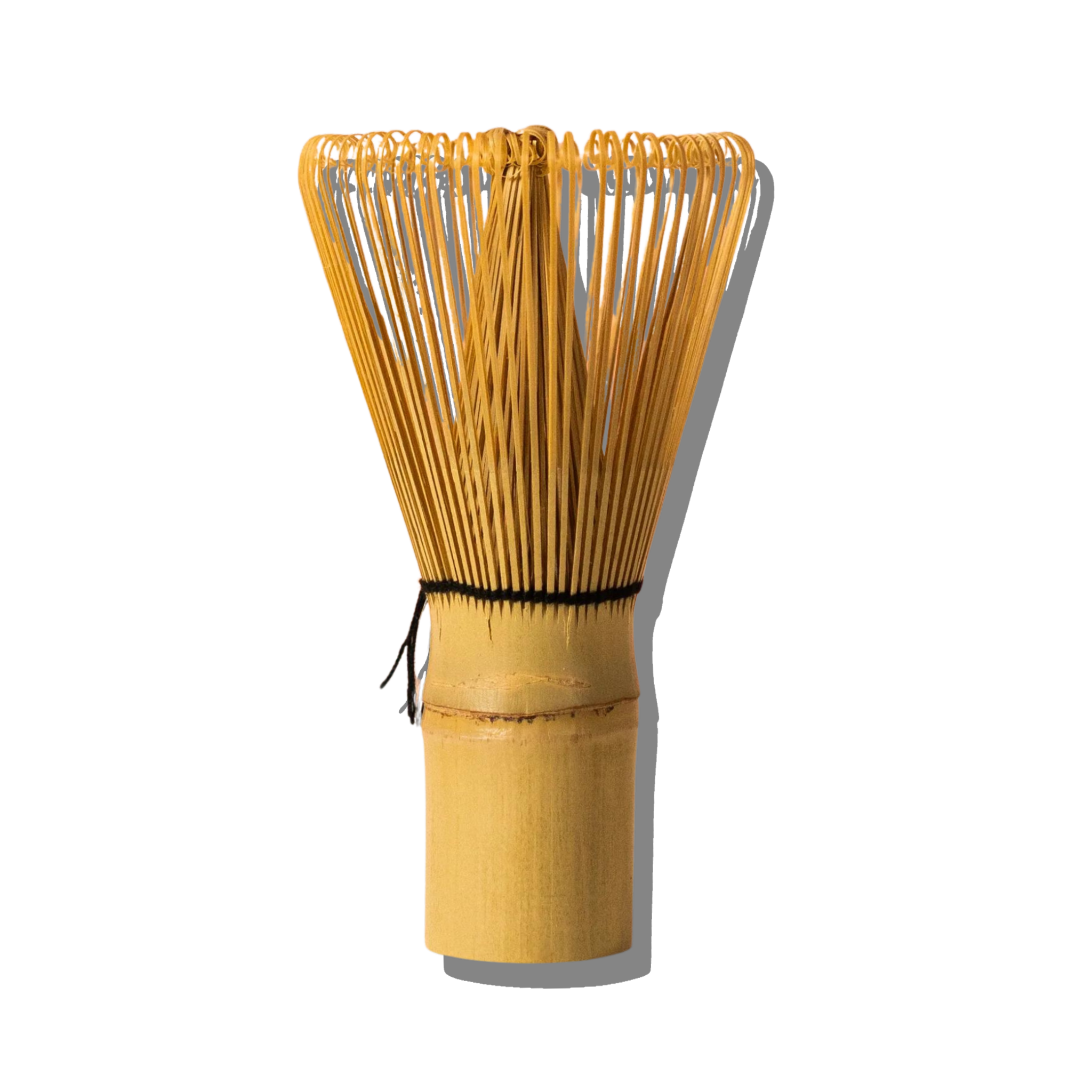

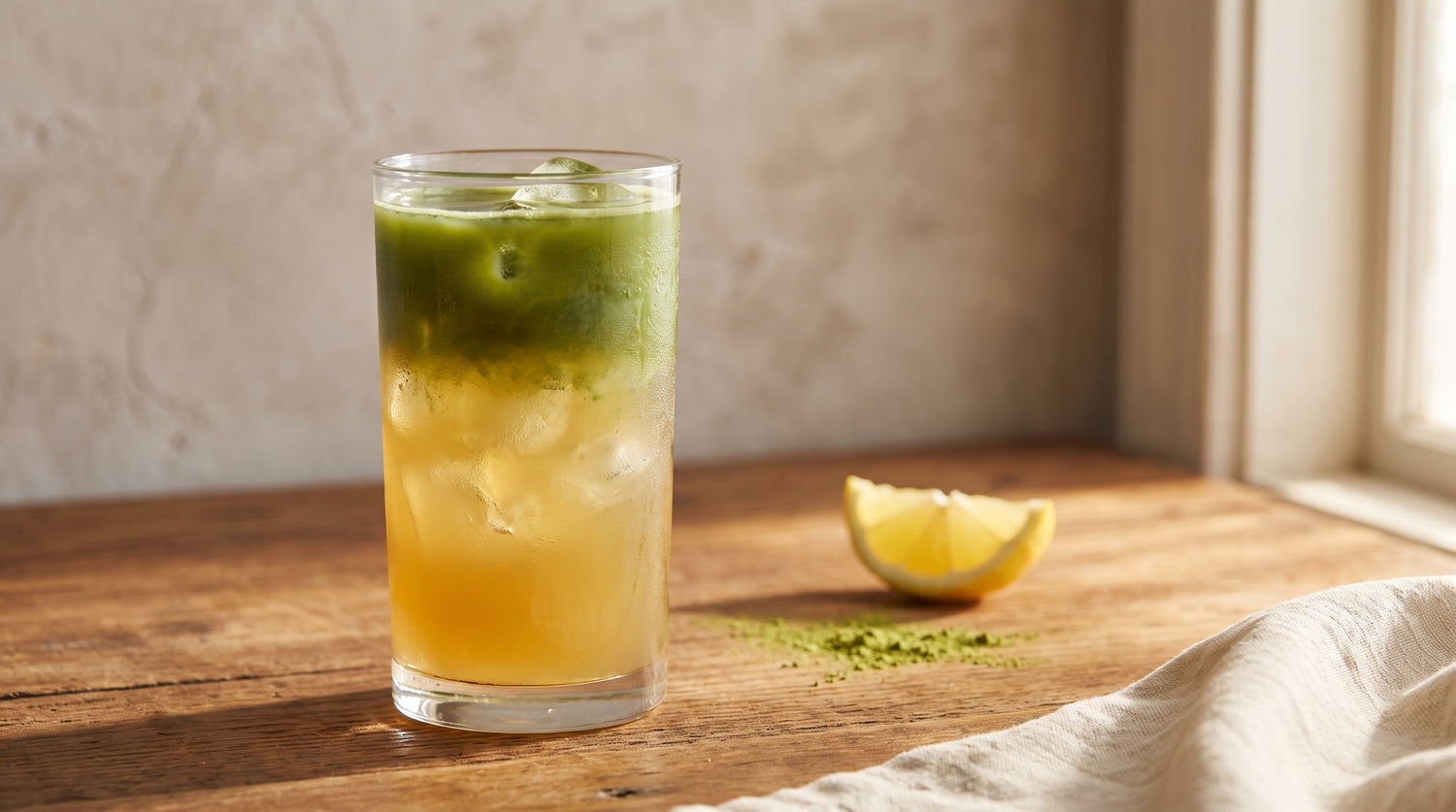
Matcha lemonade is a layered iced drink that combines whisked matcha with fresh lemonade for a striking green and gold glass. It balances the vegetal, slightly bitter flavor of matcha with bright citrus acidity. The vitamin C in lemon juice also helps your body absorb more of the antioxidants in matcha, making this combination as functional as it is refreshing.
Every summer this drink trends across social media, and for good reason. It takes about five minutes, requires no special equipment beyond a whisk, and the layered presentation looks far more impressive than the effort involved. Below you will find the exact ratios, techniques, and science that make this recipe work.
What is matcha lemonade and why is it trending?
Matcha lemonade is an iced beverage that pairs whisked Japanese matcha with fresh or homemade lemonade, served over ice so the two layers create a vivid green and yellow contrast. It trends every summer because of its visual appeal, its refreshing flavor profile, and the growing interest in matcha as a source of calm, sustained energy.
The drink gained mainstream visibility after it appeared on major coffee chain menus, but homemade versions have become more popular because you can control the sweetness level and use higher quality matcha. A typical serving of matcha provides roughly 38 to 70 mg of caffeine alongside L theanine, an amino acid that promotes focus without the jittery feeling associated with coffee.
The natural flavor of matcha is vegetal and slightly bitter with an underlying sweetness. Lemon juice cuts through that bitterness beautifully, creating a drink that appeals even to people who find straight matcha too intense. The color contrast also makes it one of the most photogenic drinks you can make at home, which keeps fueling its popularity on social platforms.
Does lemon juice affect the health benefits of matcha?
Yes, and the effect is positive. The vitamin C in lemon juice helps stabilize the catechins in matcha, particularly EGCG (epigallocatechin gallate), the most studied antioxidant compound in green tea. Research from Purdue University found that adding citrus juice to green tea can significantly increase catechin recovery during digestion.
Catechins are naturally unstable in the alkaline environment of the intestines. Without vitamin C, less than 20 percent of total catechins may survive digestion. Lemon juice creates a more acidic environment that preserves these compounds, with studies showing up to 80 percent of catechins remaining intact when lemon is added.
This means matcha lemonade is not just a flavor pairing. It is a functional combination where the citrus actively helps your body access more of what makes matcha beneficial. A single tablespoon of fresh lemon juice provides enough vitamin C to make a meaningful difference.
Quick comparison: matcha with and without lemon
| Factor | Matcha alone | Matcha with lemon juice |
|---|---|---|
| Catechin stability during digestion | Lower (under 20% survival) | Higher (up to 80% survival) |
| Flavor profile | Vegetal, umami, slightly bitter | Bright, balanced, citrus forward |
| Caffeine content | 38 to 70 mg per serving | Same (lemon does not change caffeine) |
| Best served | Hot or iced | Iced over ice |
Catechin Survival During Digestion
What ratio of matcha to lemonade tastes best?
The ideal starting ratio is 1 teaspoon (about 2 grams) of matcha whisked into 2 to 3 ounces of water, combined with 6 to 8 ounces of lemonade. This gives you a drink where both flavors are clearly present without either one overwhelming the other.
From there, adjust based on your preferences. If you find matcha too strong, use a slightly rounded half teaspoon instead. If you want a more intense matcha flavor, increase to a heaping teaspoon and reduce the lemonade to 4 to 5 ounces.
Recommended ratios by taste preference
- Citrus forward: 1/2 teaspoon matcha + 8 ounces lemonade. Light green color, lemon dominant, good for matcha beginners.
- Balanced (our favorite): 1 teaspoon matcha + 6 ounces lemonade. Equal presence of both flavors with a vivid layered look.
- Matcha forward: 1 heaping teaspoon matcha + 4 ounces lemonade. Deeper green, more body, best with high quality ceremonial grade matcha from Japan.
For the lemonade itself, fresh is best. Combine the juice of one large lemon (about 3 tablespoons) with 1 cup of cold water and 1 to 2 tablespoons of simple syrup or honey. You want it sweet enough to balance the matcha but not so sweet that it tastes like candy. Taste the lemonade on its own first. It should be tart and refreshing with just enough sweetness to round the edges.
Can you make matcha lemonade with cold brew matcha?
Absolutely. Cold brew matcha works beautifully in this recipe and actually produces a smoother, less bitter base that pairs especially well with lemon. Cold brewing reduces the extraction of bitter compounds while preserving the sweet, vegetal notes of the tea.
To use cold brew matcha, whisk 1 teaspoon of matcha into 4 ounces of cold or room temperature water until smooth. You can also shake it in a sealed jar for 30 seconds if you do not have a whisk. Let it sit in the refrigerator for 10 to 15 minutes if you want extra smoothness, though this step is optional.
The main difference you will notice is texture. Hot whisked matcha has a slightly thicker body and a more concentrated flavor, which creates a more dramatic layer in the glass. Cold brew matcha is lighter and more delicate. Both are excellent. If you are making a batch for a group, cold brew is the easier method since you can prepare the matcha base ahead of time and store it in the refrigerator.
How do you get the layered look in matcha lemonade?
The layered look depends on density. Lemonade with sweetener is denser than matcha whisked with plain water, so the lemonade sinks to the bottom while the matcha floats on top. To get clean, distinct layers, follow these steps in order.
- Fill a tall glass with ice. Use enough ice to reach near the top. The ice acts as a barrier that slows the matcha as you pour, preventing the layers from mixing too quickly.
- Pour the lemonade first. Add your sweetened lemonade directly over the ice. It should fill about two thirds of the glass.
- Whisk the matcha separately. In a small bowl or cup, whisk 1 teaspoon of matcha with 2 to 3 ounces of water (about 175°F / 80°C) until completely smooth with no clumps. Let it cool for a minute.
- Pour the matcha slowly over the back of a spoon. Hold a spoon just above the ice and pour the matcha over it in a thin stream. The spoon disperses the liquid gently so it floats on top rather than plunging through.
The key mistakes that ruin the layers are pouring too fast, using unsweetened lemonade (which has less density contrast), or stirring the drink before serving. Present it layered and let each person stir their own glass when they are ready to drink.
If you enjoy layered drinks, the technique is the same one used for an iced matcha latte where the matcha sits on top of milk. The principle is always the same: pour the lighter liquid last, slowly, over ice.
The complete matcha lemonade recipe
Ingredients
- 1 teaspoon (2 grams) ceremonial or culinary grade matcha from Japan
- 2 to 3 tablespoons fresh lemon juice (about 1 large lemon)
- 1 cup cold water
- 1 to 2 tablespoons simple syrup, honey, or agave
- 2 to 3 ounces hot water (175°F / 80°C) for whisking the matcha
- Ice
Instructions
- Make the lemonade by combining lemon juice, cold water, and sweetener. Stir until the sweetener dissolves. Taste and adjust.
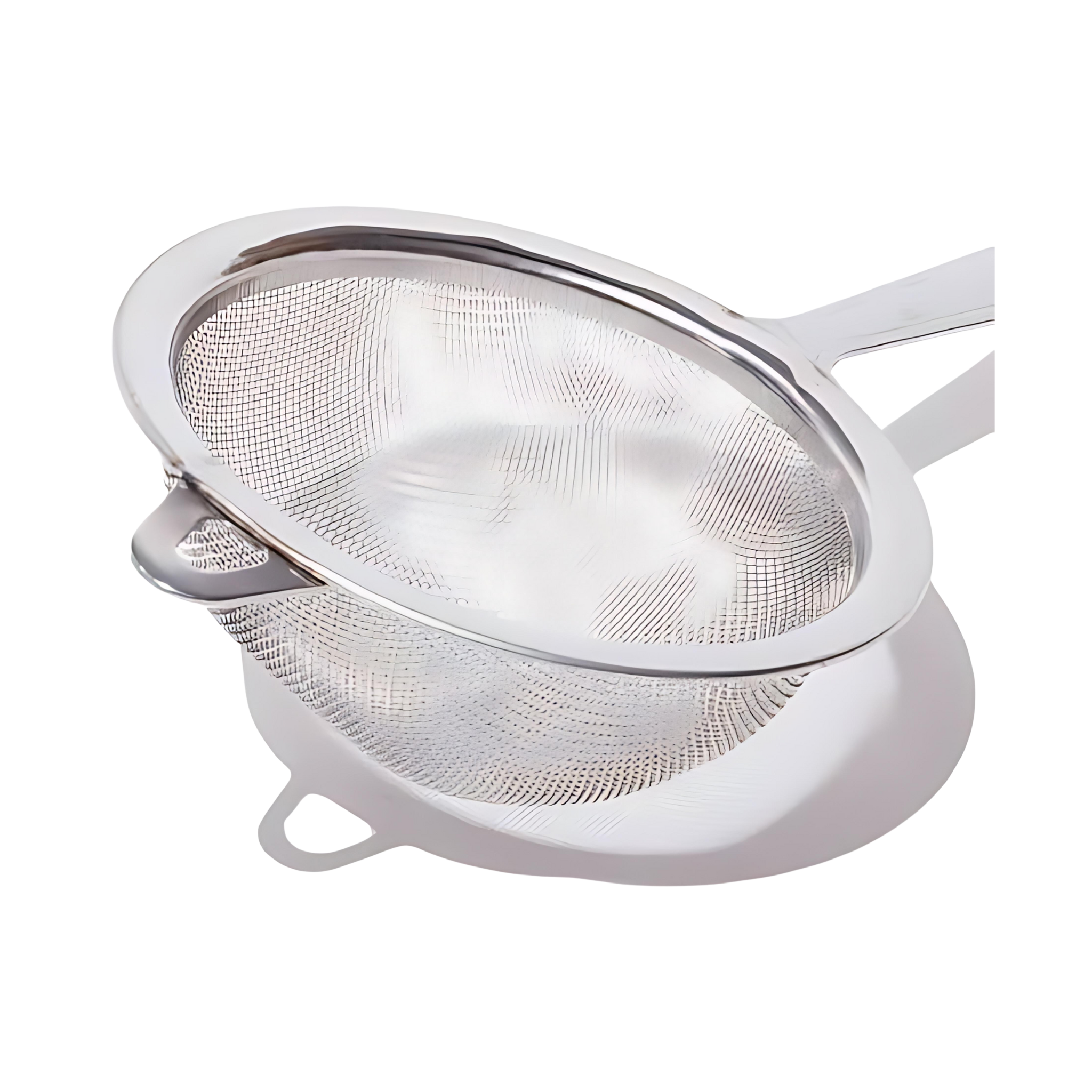
- Sift the matcha into a small bowl to remove any clumps.
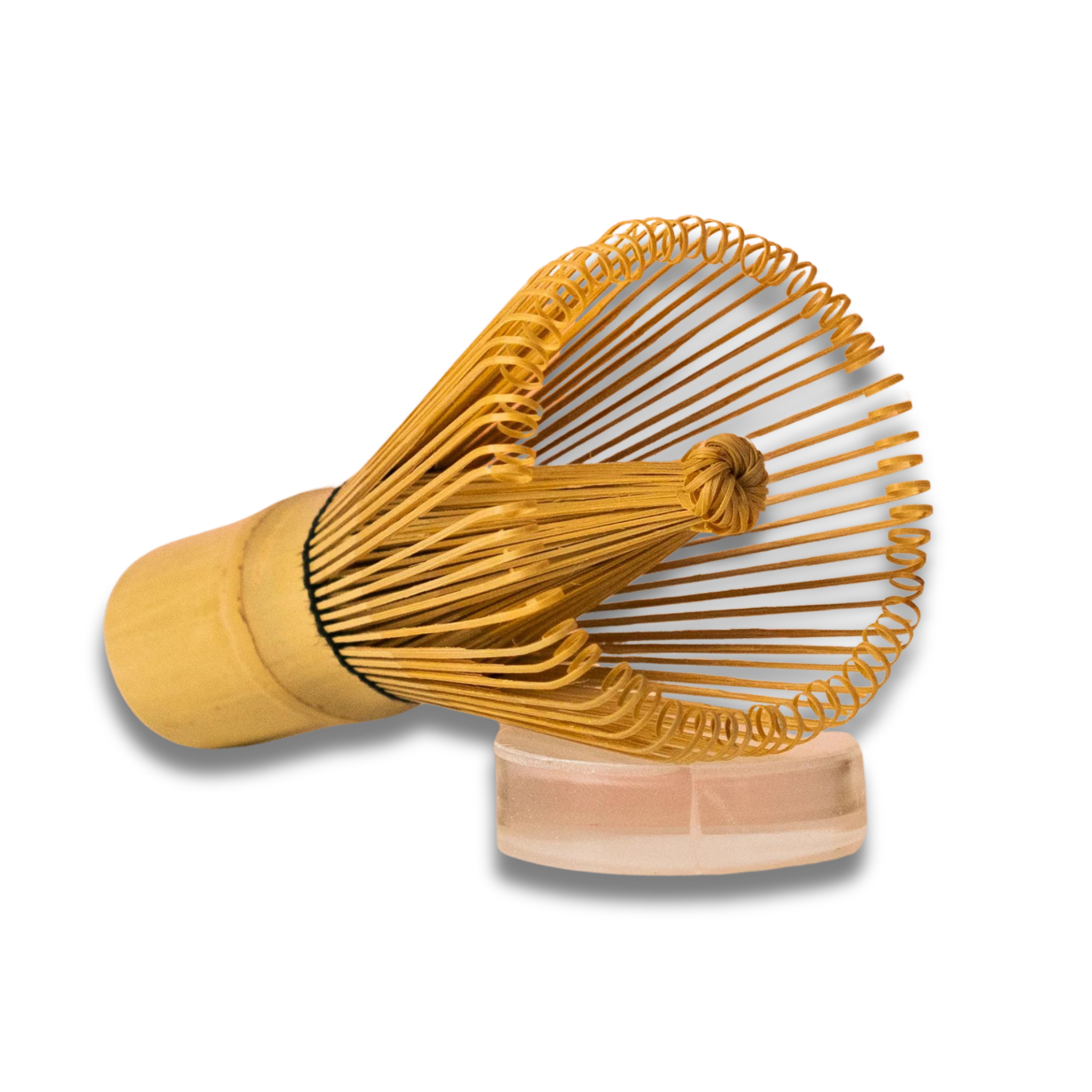
- Add 2 to 3 ounces of hot water (not boiling) and whisk vigorously in a zigzag motion until frothy and smooth.
- Fill a tall glass with ice.
- Pour the lemonade over the ice.
- Slowly pour the whisked matcha over the back of a spoon to create the layered effect.
- Serve immediately. Stir before drinking to combine the flavors.
Tips for the best result
- Use quality matcha. Lower quality matcha can taste excessively bitter when paired with citrus. A good culinary or ceremonial grade matcha from Japan will have enough natural sweetness to balance the lemon.
- Do not use boiling water. Water above 185°F / 85°C scorches matcha and amplifies bitterness. Aim for 175°F / 80°C.
- Sift your matcha. This takes ten seconds and eliminates the clumps that otherwise float in your drink.
- Sweeten the lemonade, not the matcha. Adding all the sweetener to the lemonade base makes it denser, which improves the layered effect.
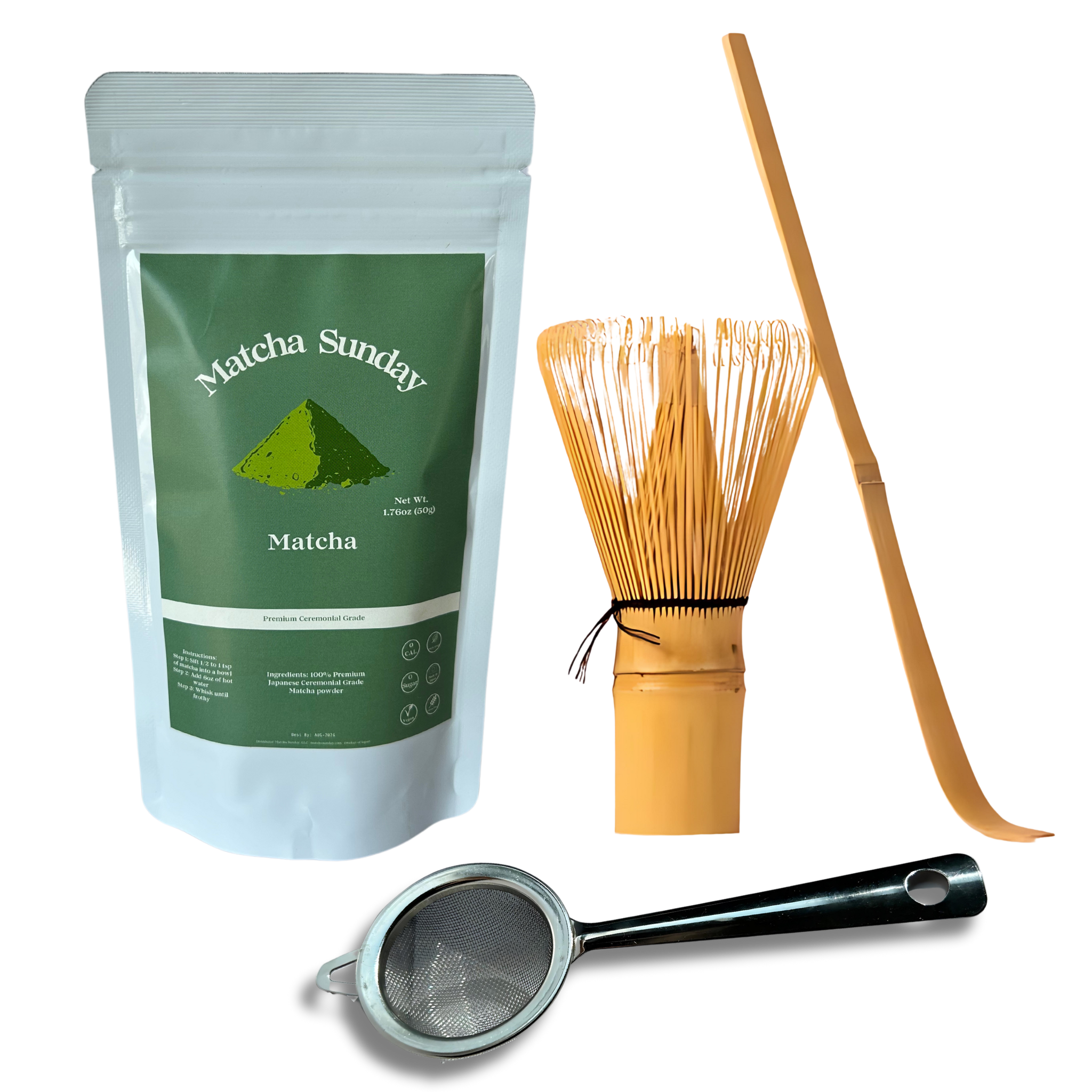
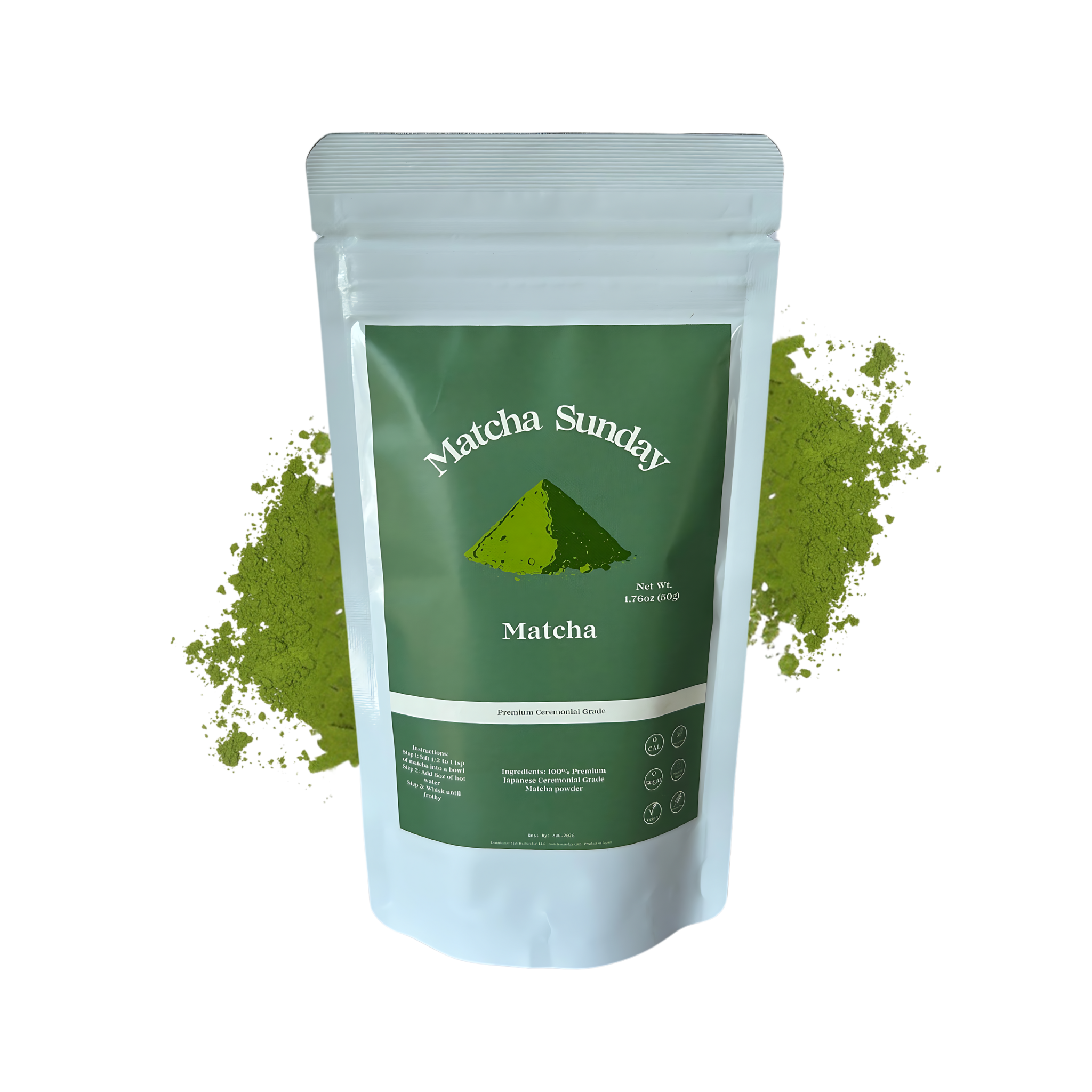
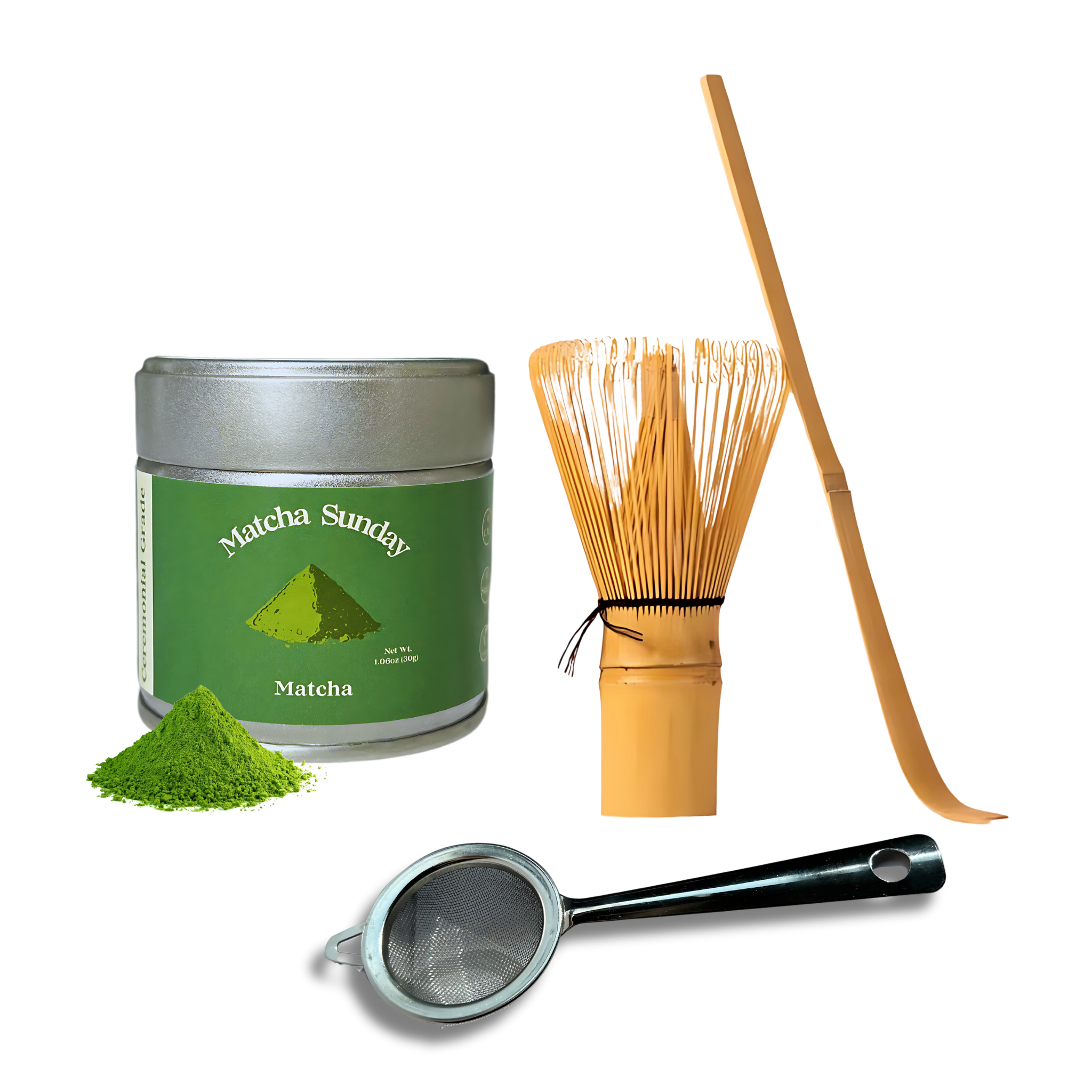
Start your matcha ritual
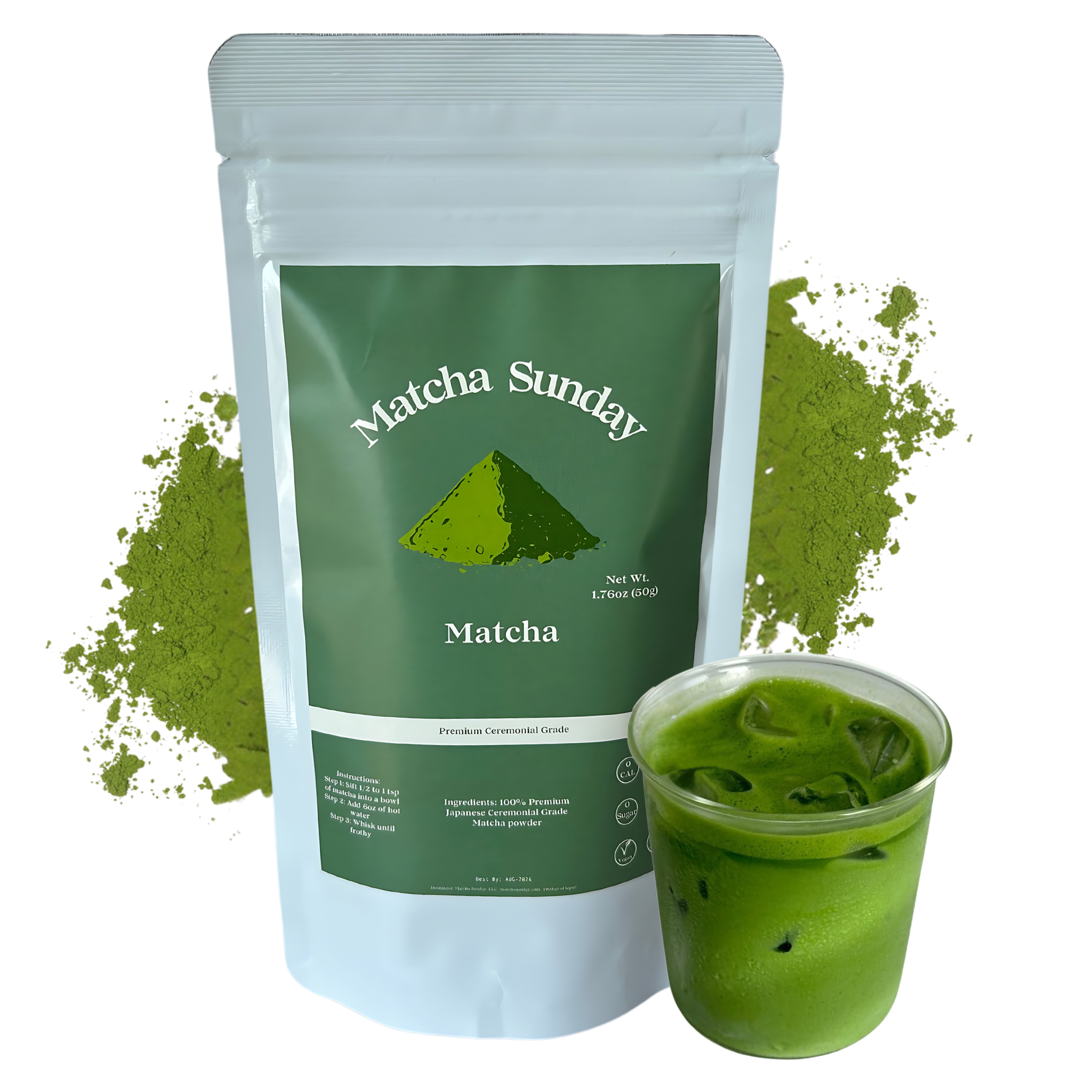
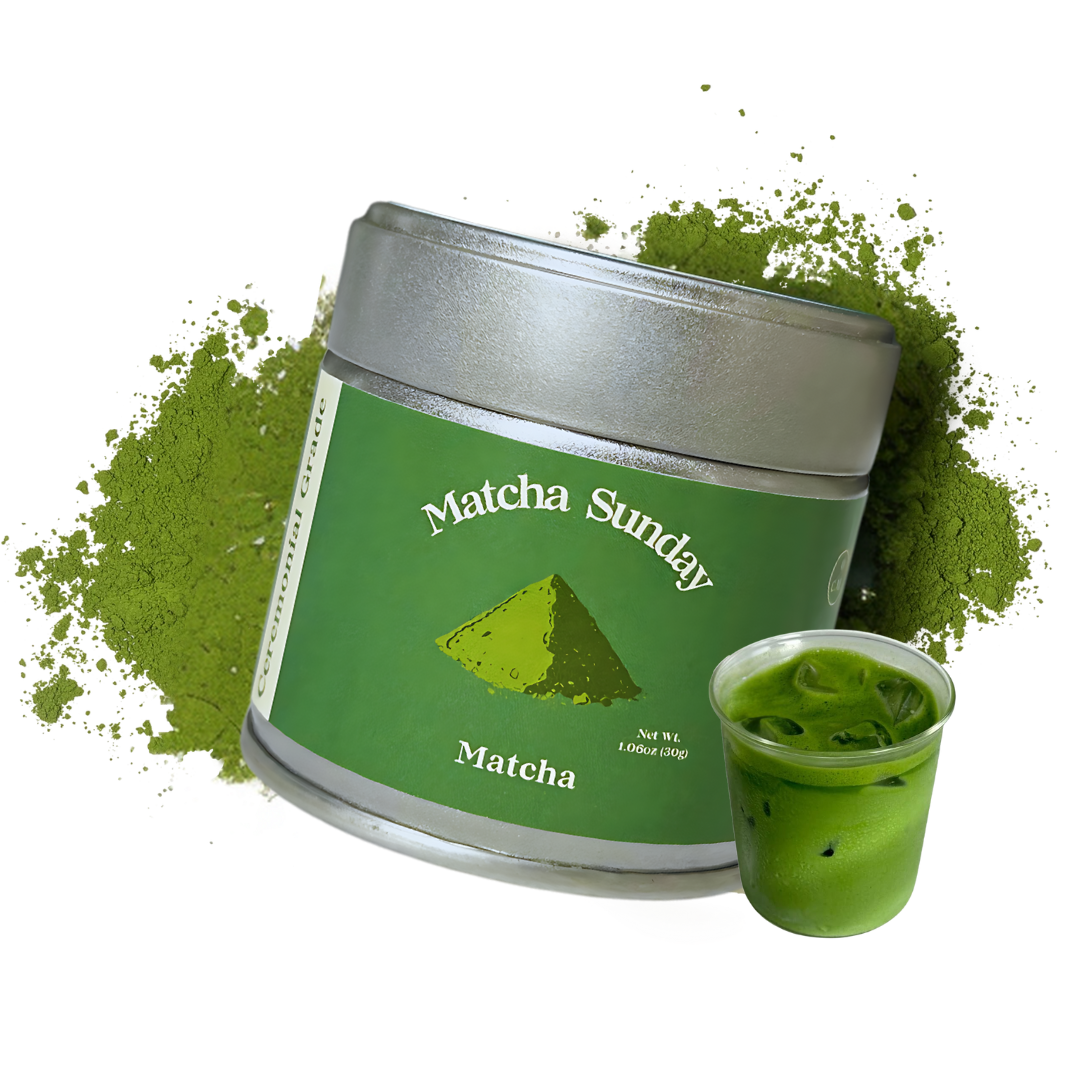
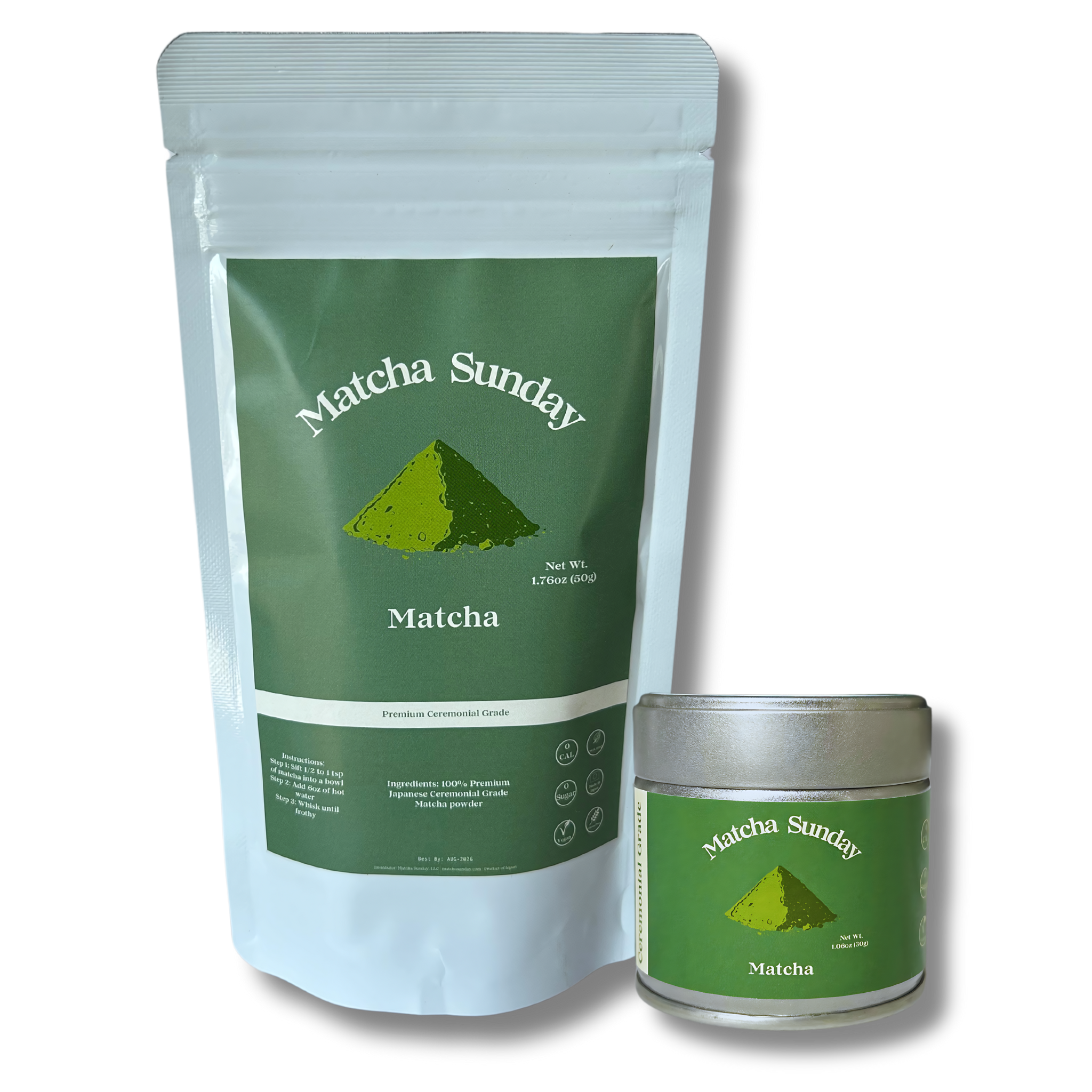
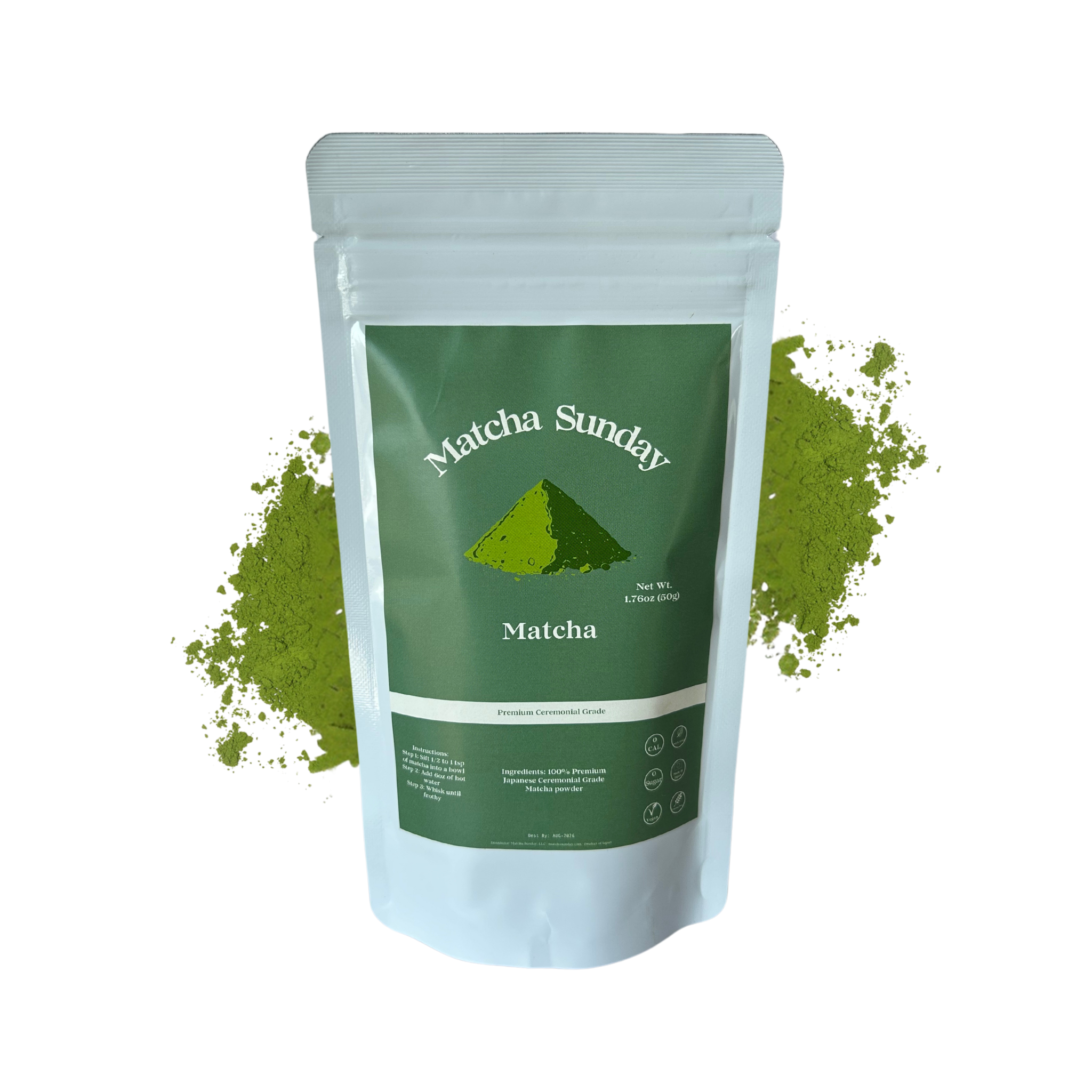
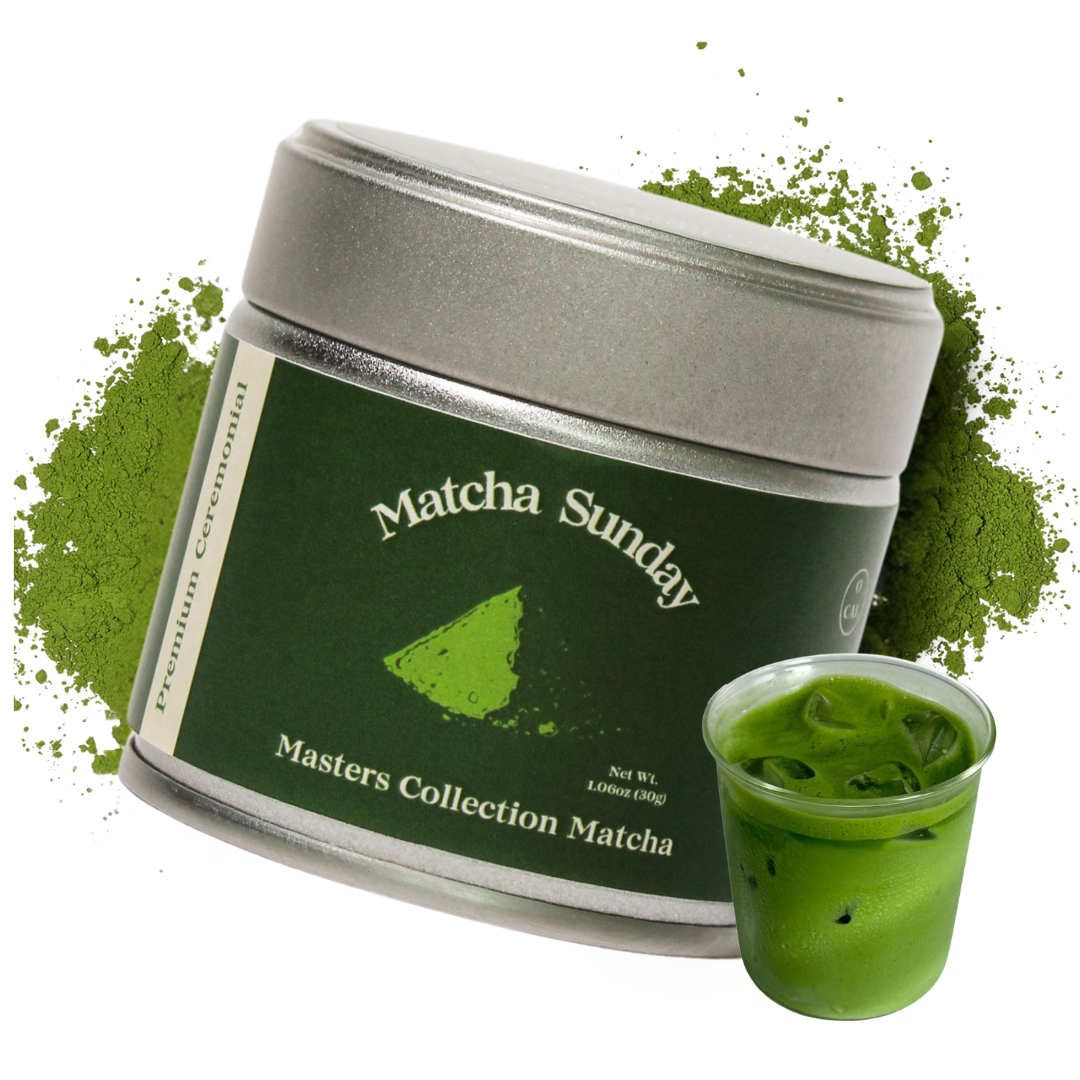
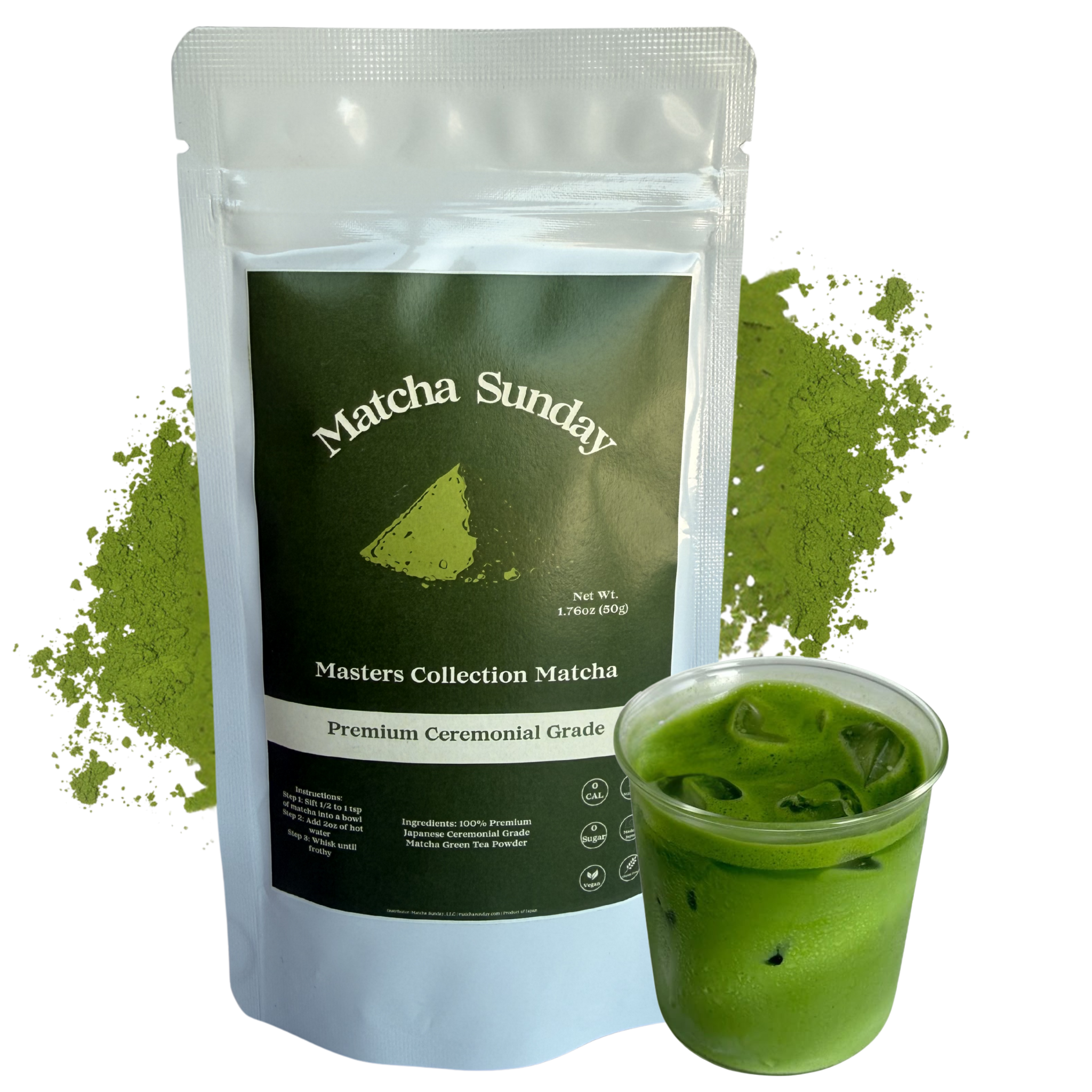
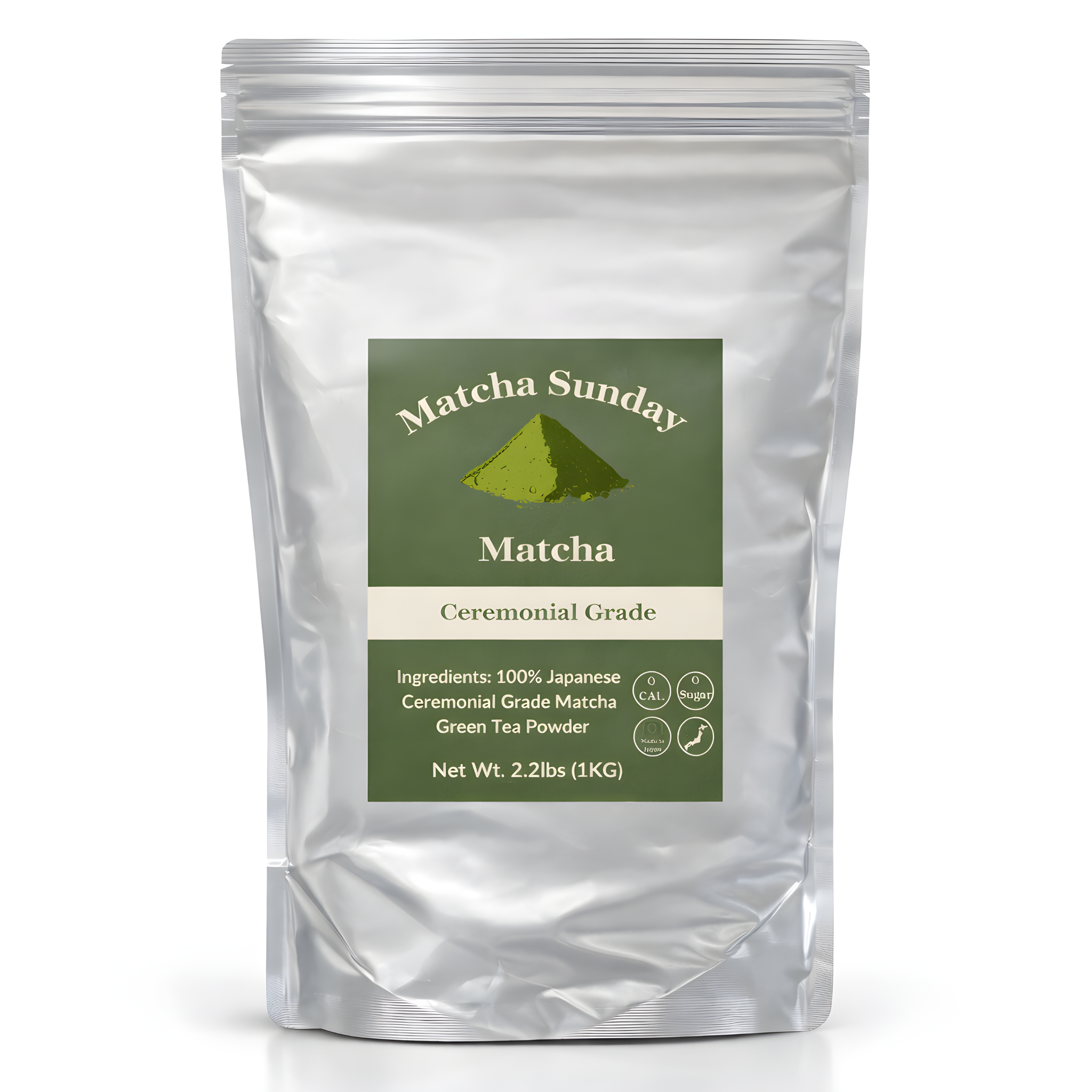
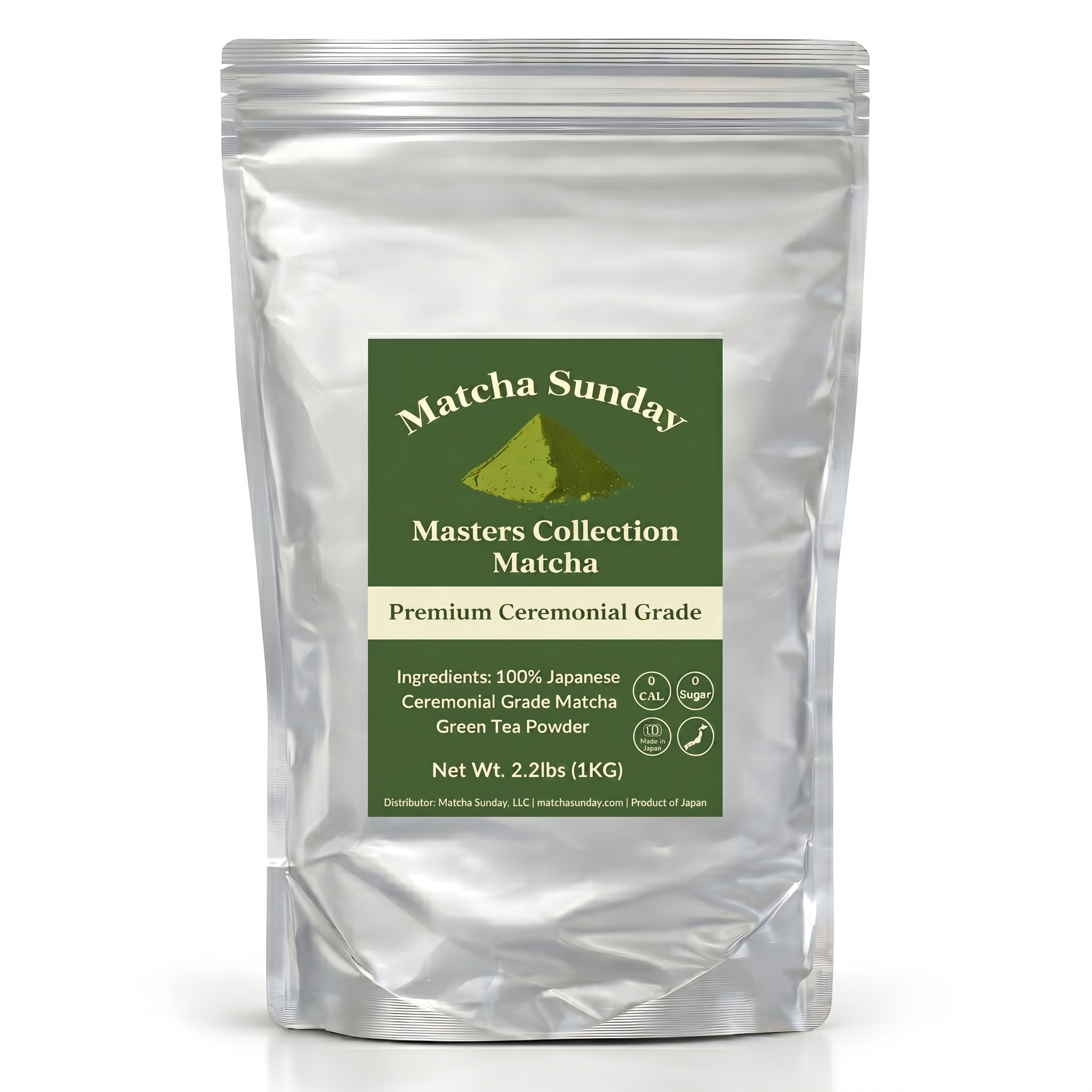
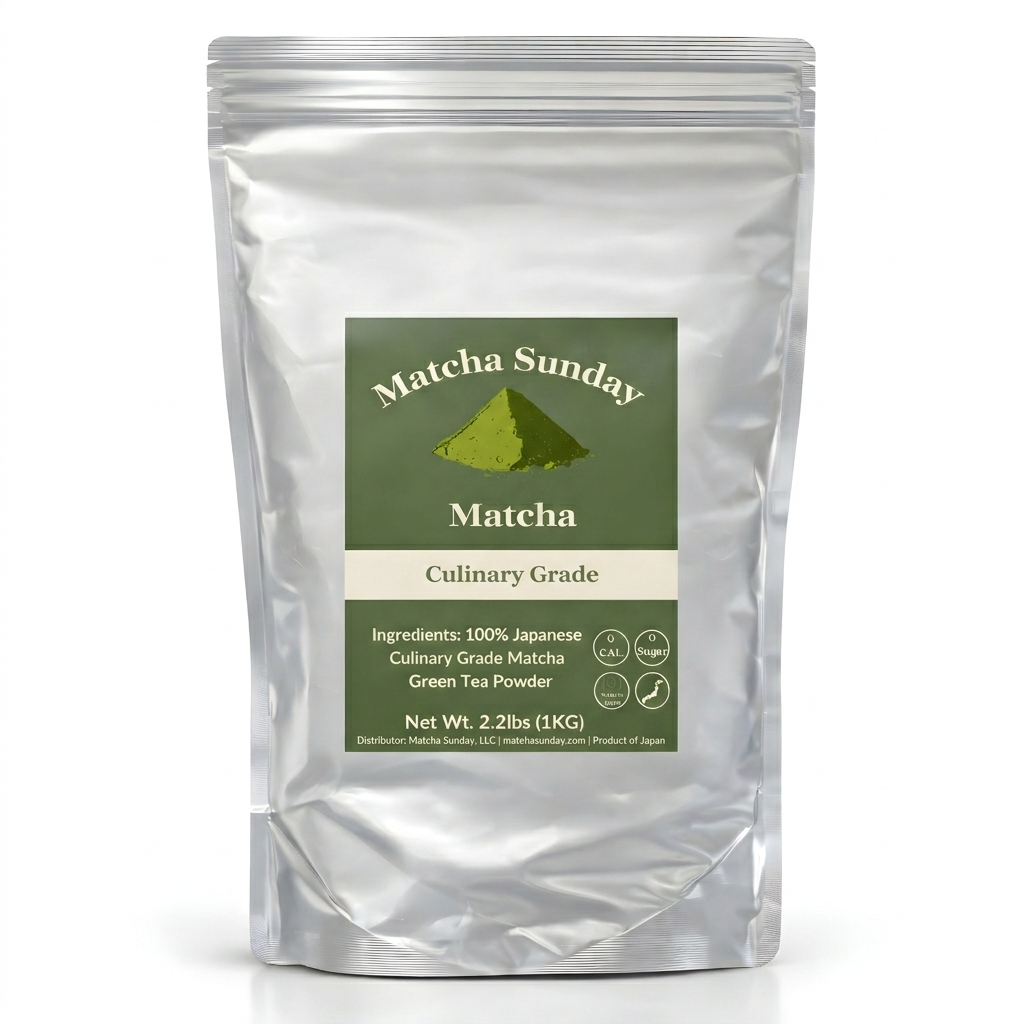
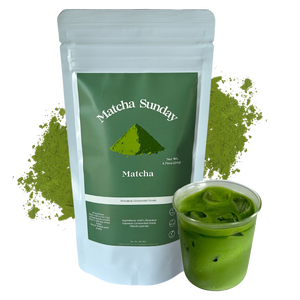
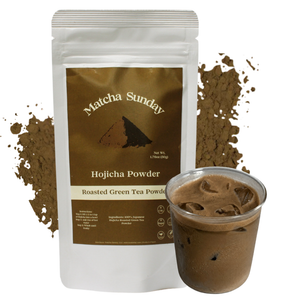
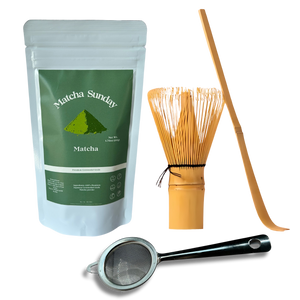
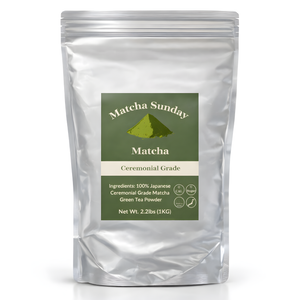
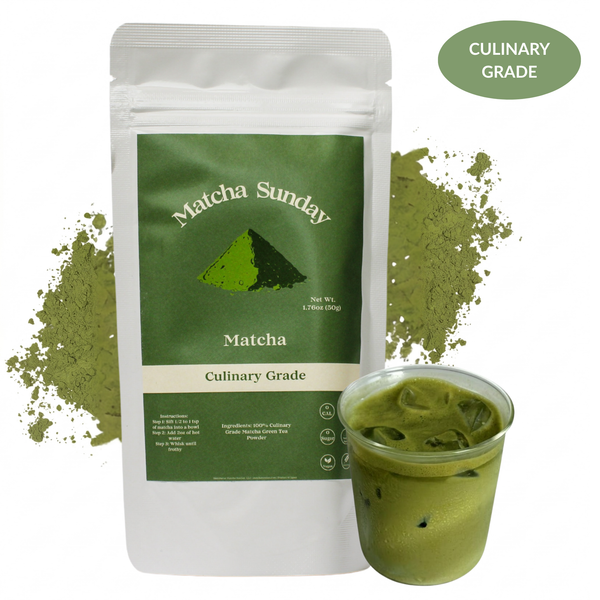
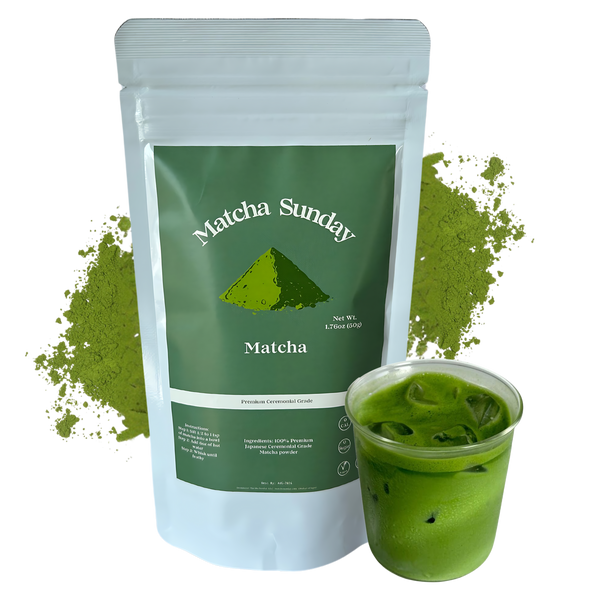
All 100% matcha from Japan. Pick the one that fits how you like to drink it.
Frequently asked questions
How many calories are in matcha lemonade?
A homemade matcha lemonade made with one teaspoon of matcha, one tablespoon of simple syrup, and fresh lemon juice contains roughly 50 to 70 calories. Most of the calories come from the sweetener, so you can reduce this by using less syrup or substituting a zero calorie sweetener. The matcha itself adds only about 3 calories per gram.
Can you make matcha lemonade without a whisk?
Yes. Add the matcha and a small amount of water to a sealed jar or bottle and shake vigorously for 30 seconds until smooth. A milk frother also works well. The goal is to break up all clumps so the matcha integrates smoothly into the drink rather than settling as powder at the bottom.
Is matcha lemonade good for you?
Matcha lemonade combines the antioxidant benefits of matcha with vitamin C from fresh lemon juice. The vitamin C helps stabilize catechins during digestion, potentially increasing the antioxidants your body absorbs. A single serving provides 38 to 70 mg of caffeine paired with L theanine for focused, calm energy without a crash.
What type of matcha is best for matcha lemonade?
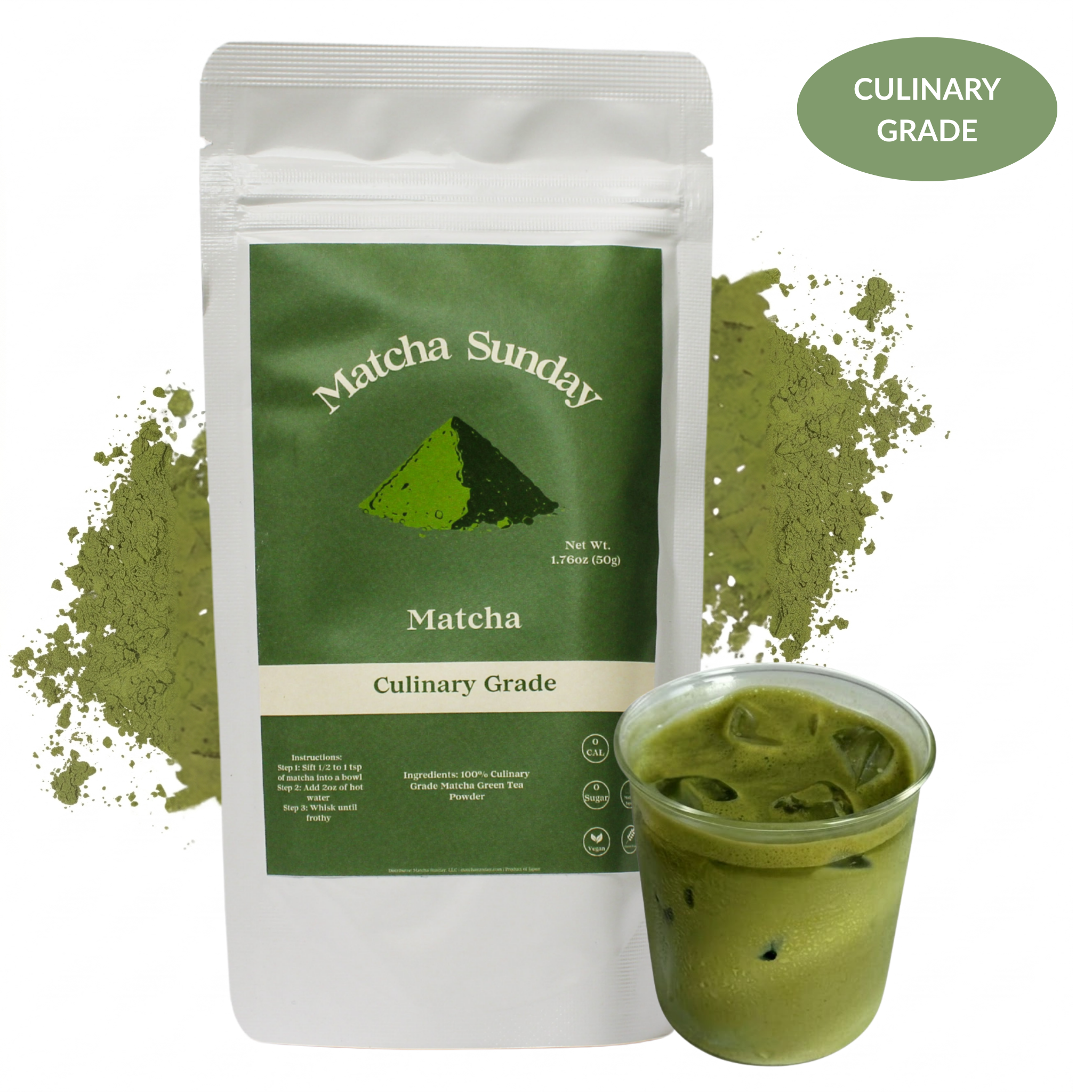
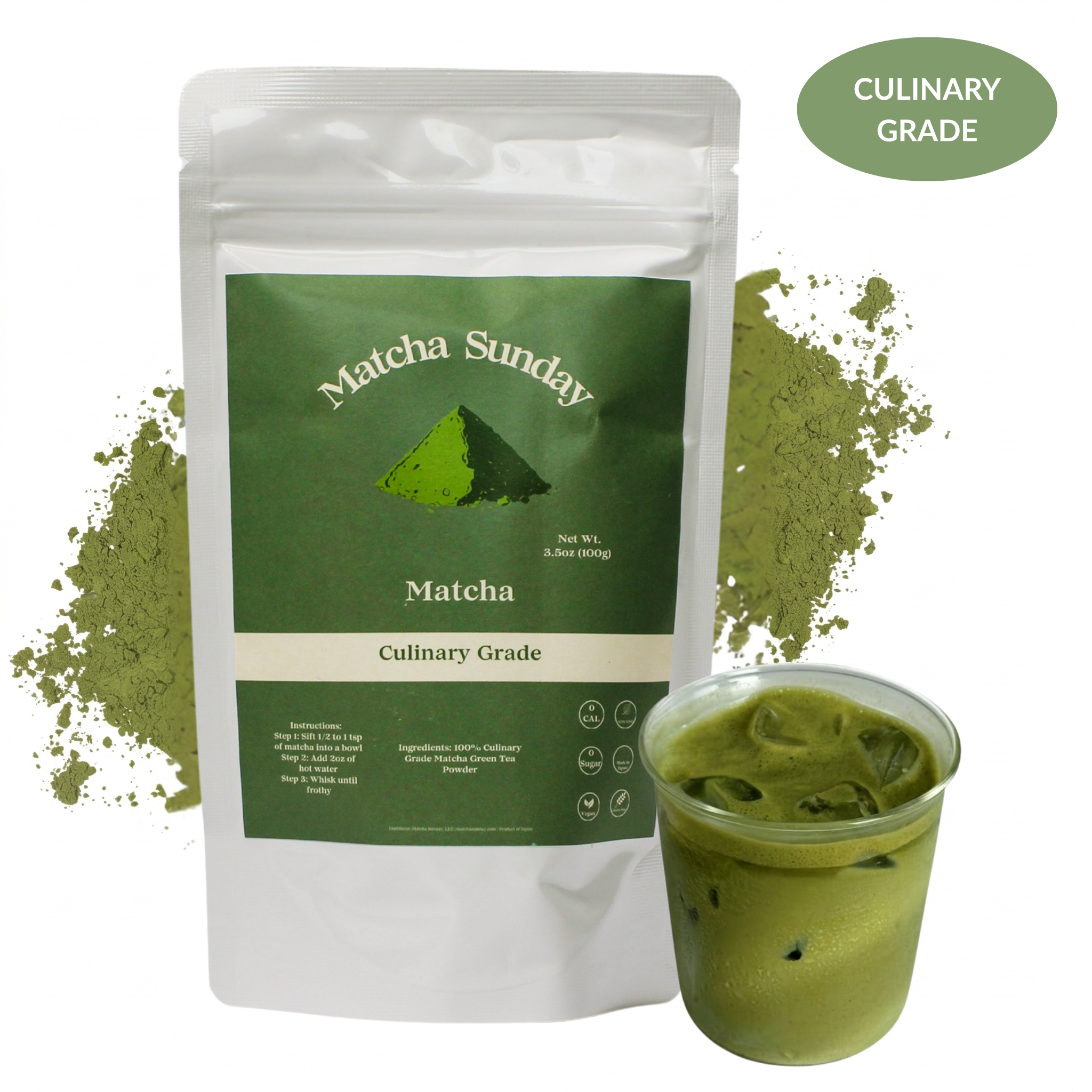
Both culinary grade and ceremonial grade matcha work well. Culinary grade is more affordable and has a stronger flavor that holds up against lemon. Ceremonial grade is smoother and more nuanced, which creates a more refined drink. Use quality matcha from Japan for the best color and flavor regardless of grade.
Can you make matcha lemonade ahead of time?
You can prepare the lemonade base up to three days in advance and store it in the refrigerator. However, whisk the matcha fresh just before serving for the best color and flavor. Pre mixed matcha will oxidize and turn brown within a few hours, losing both its vibrant green color and some of its delicate flavor.
Why does my matcha lemonade taste bitter?
Bitterness usually comes from one of three causes: water that was too hot when whisking the matcha, low quality matcha powder, or not enough sweetener in the lemonade. Try reducing your water temperature to 175°F, using a higher grade matcha from Japan, and adding a bit more simple syrup to the lemonade base.
Can you use bottled lemon juice instead of fresh?
Fresh lemon juice is strongly recommended because it provides brighter flavor and more vitamin C. Bottled lemon juice works in a pinch but often tastes flat and slightly metallic. If using bottled, you may need to add a small amount of lemon zest or an extra splash of juice to compensate for the reduced flavor intensity.
Does matcha lemonade have caffeine?
Yes. A standard matcha lemonade made with one teaspoon of matcha contains approximately 38 to 70 mg of caffeine, similar to a small cup of coffee. The caffeine in matcha is paired with L theanine, which promotes a more gradual, sustained energy lift compared to the quick spike and crash that coffee can produce.