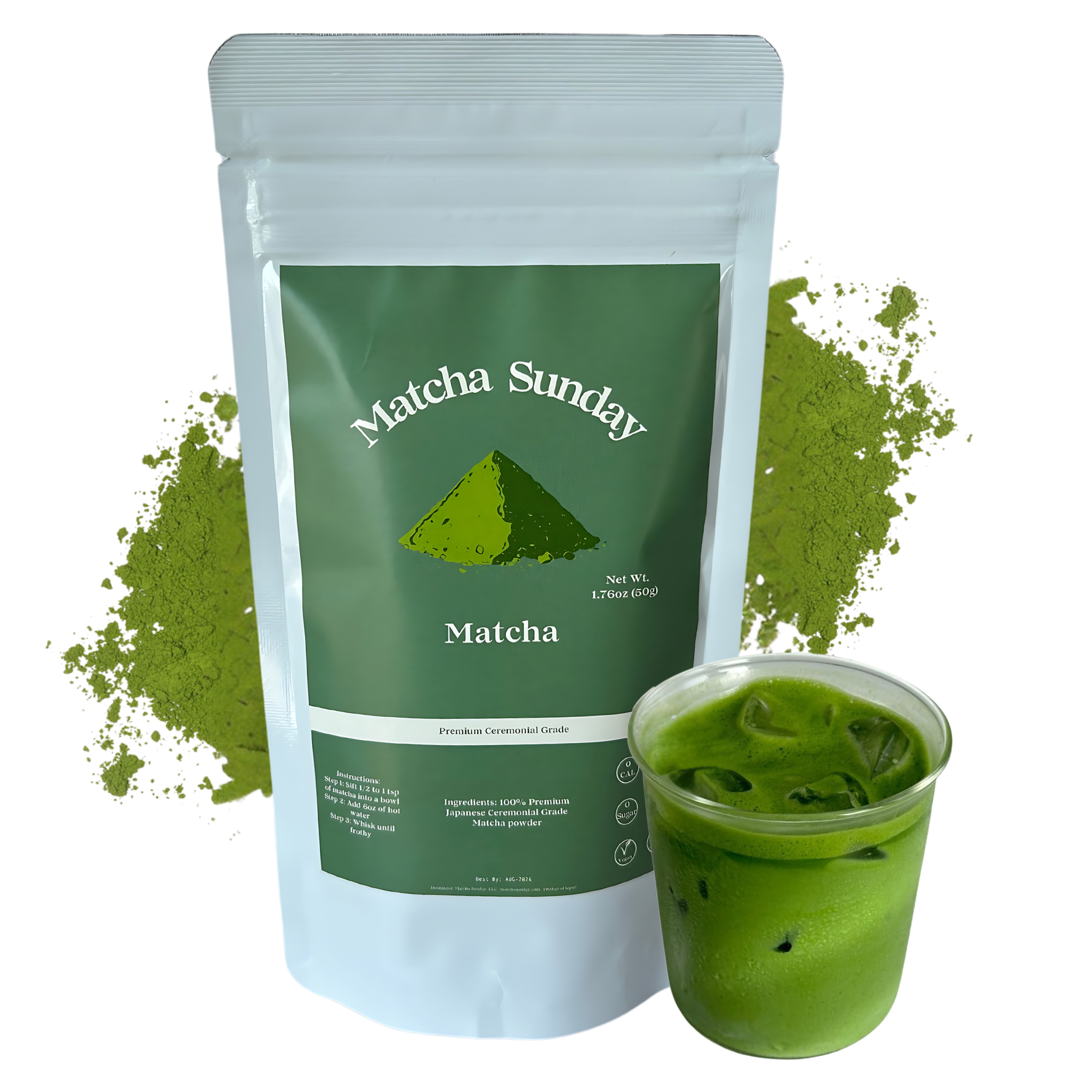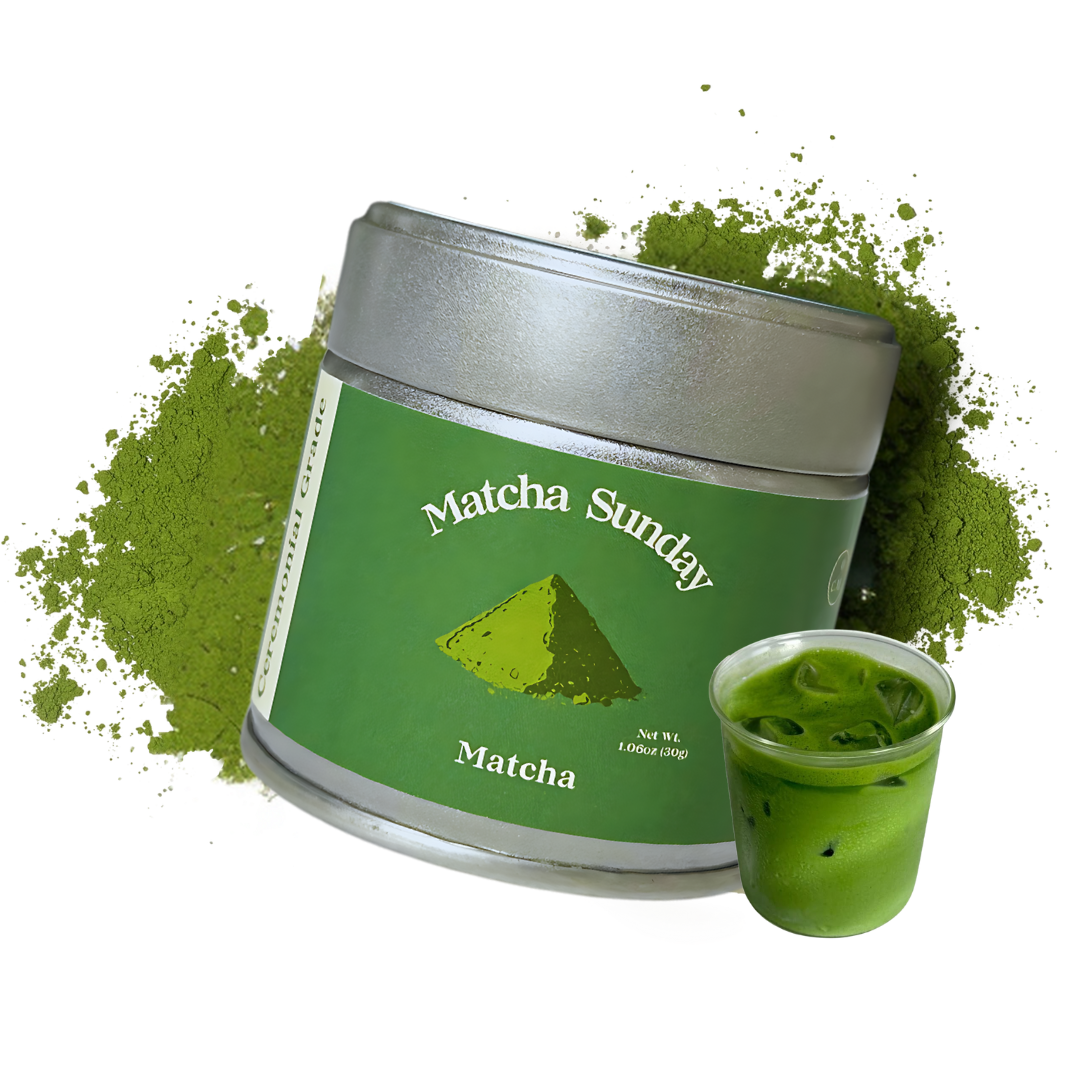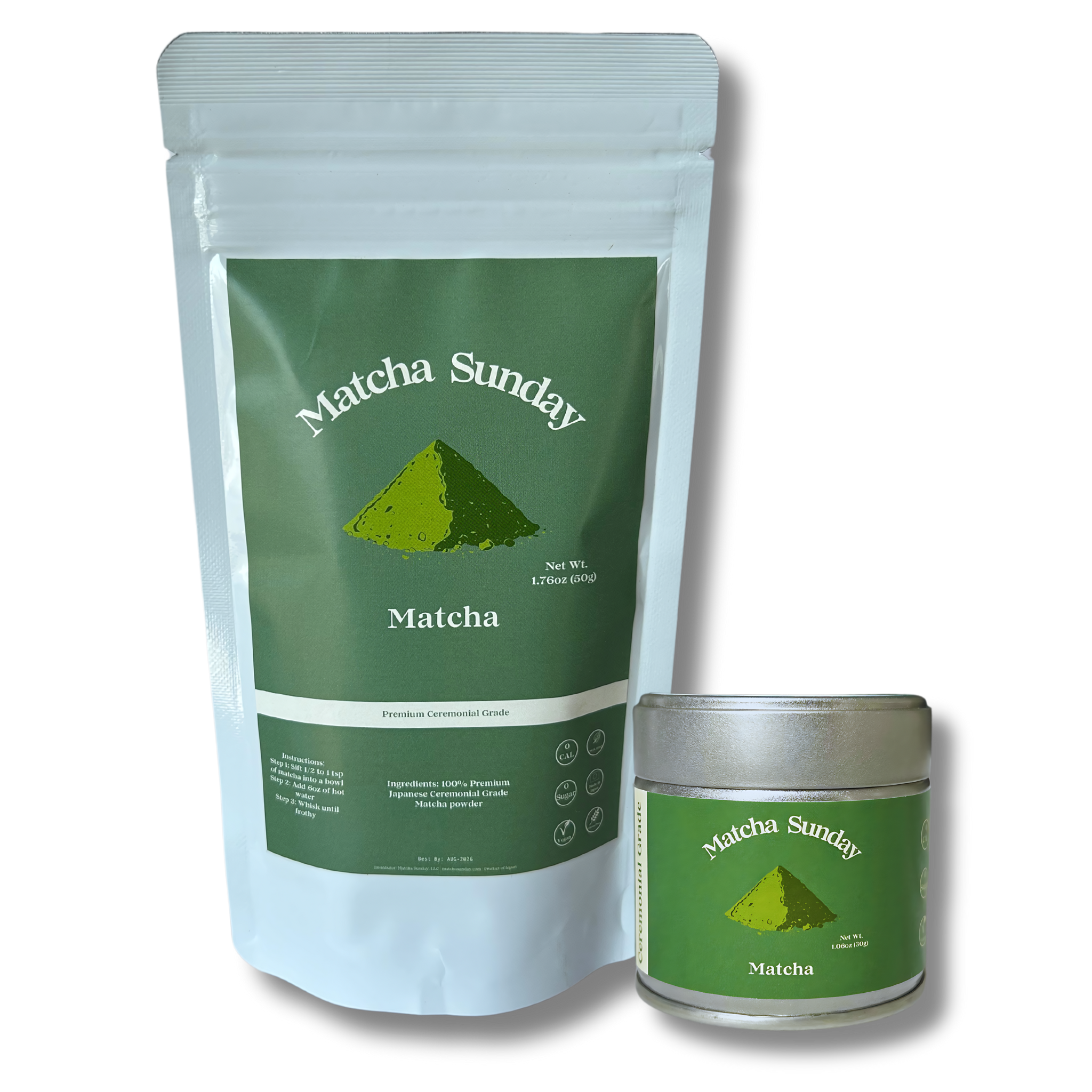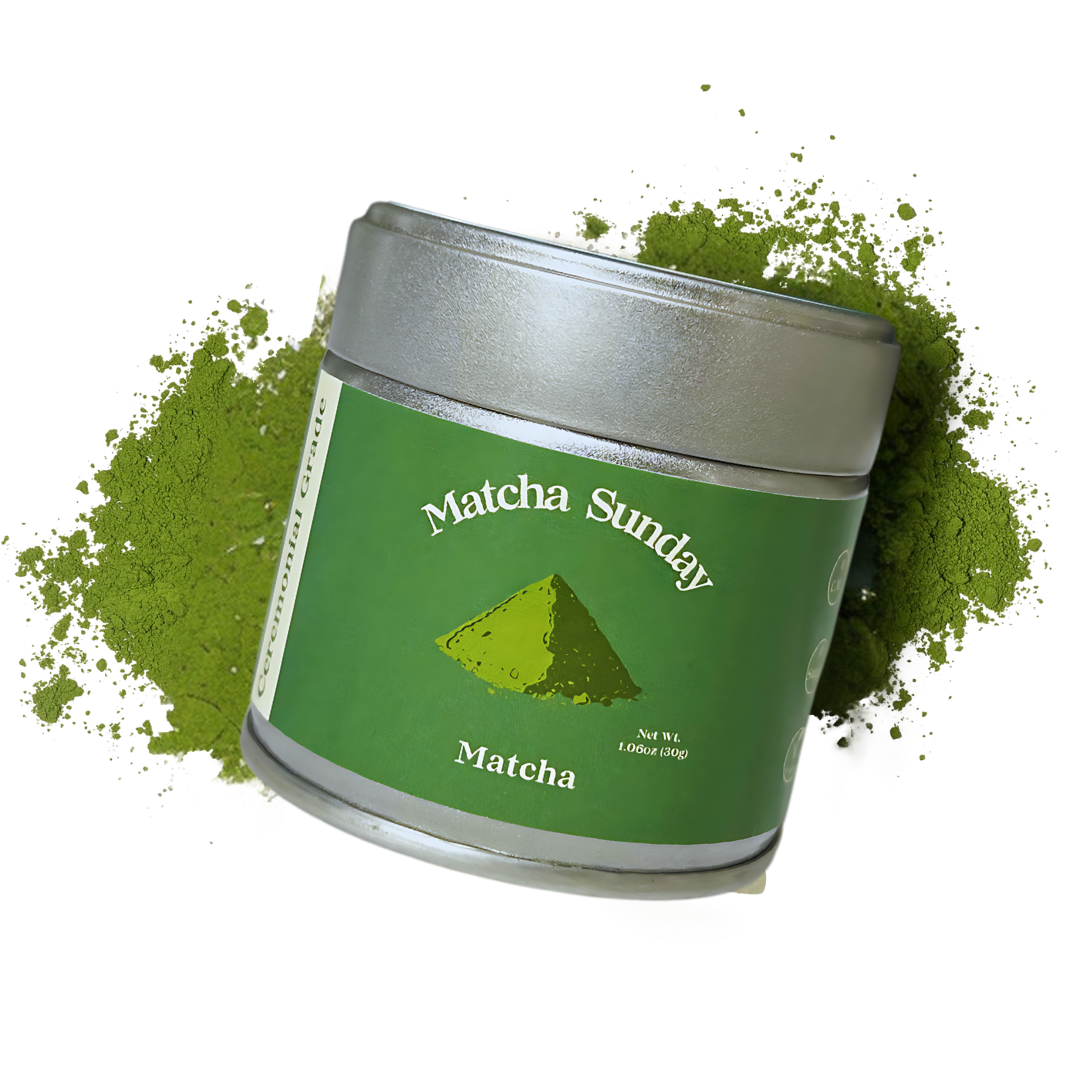
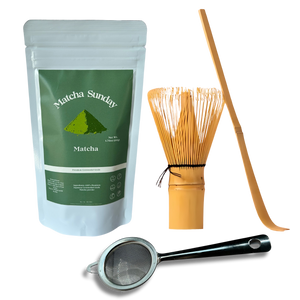
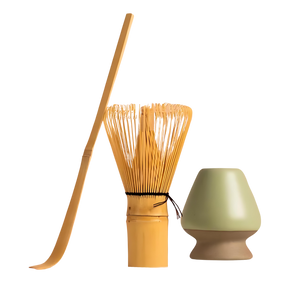
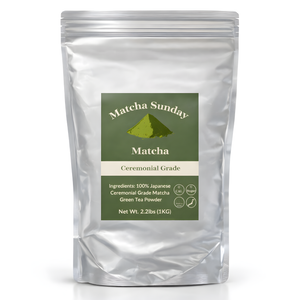
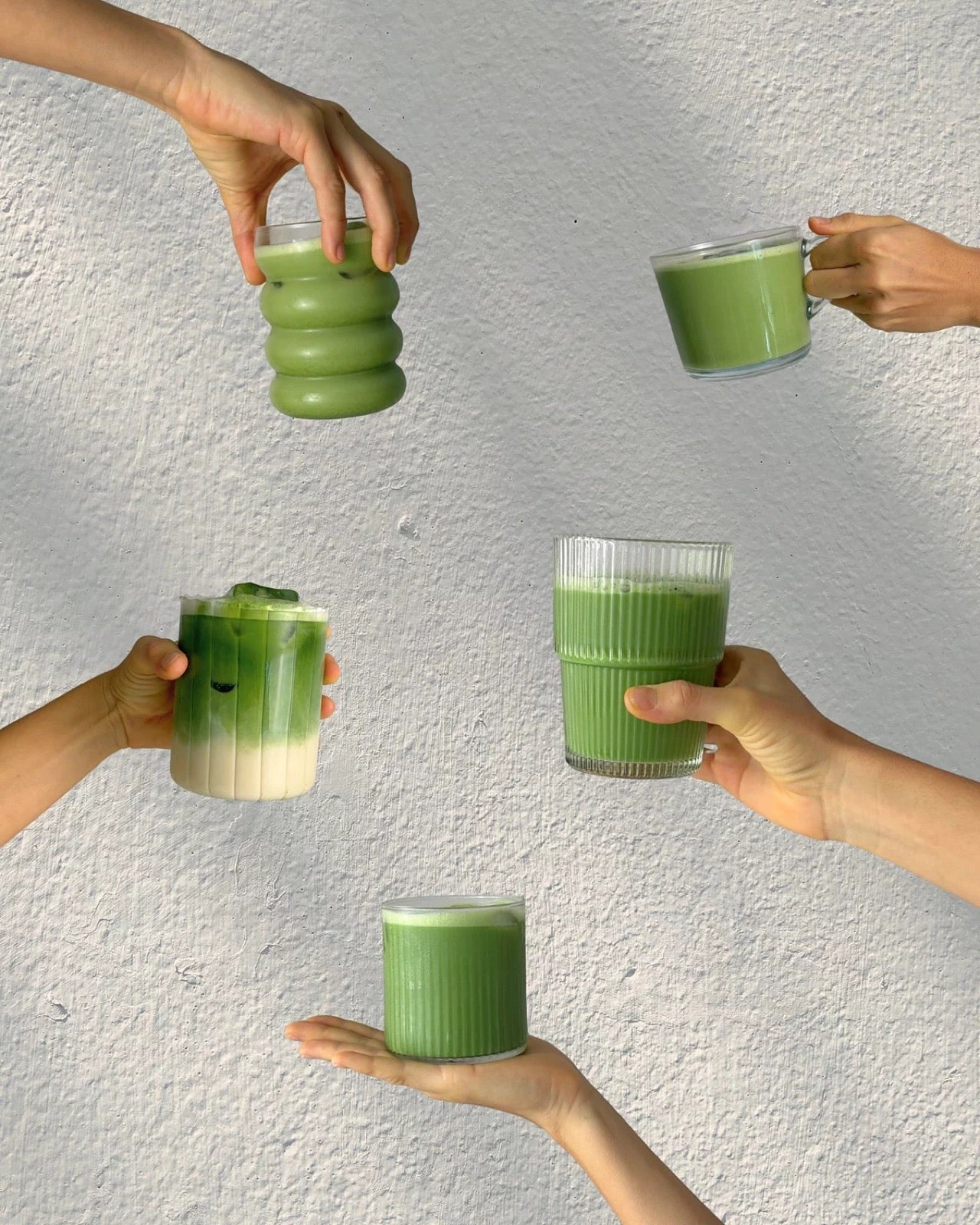
Matcha drinks deliver gross profit margins of 70% to 80% in cafes and boba shops, making them one of the most profitable specialty beverages on any menu. Ingredient costs run $0.80 to $1.45 per serving, menu prices land between $5 and $7, and the math works from day one.
What is the profit margin on a matcha latte in a cafe?
A properly priced matcha latte typically yields a gross profit margin of 70% to 80%. For every $6 matcha latte you sell, your ingredient cost runs roughly $1.00 to $1.40, leaving around $4.60 or more in gross profit per cup.
This margin is very achievable when you source wholesale matcha from a reliable supplier and keep your per serving cost under control. The keys are buying at volume pricing, dosing consistently, and pricing your drinks to hit a food cost percentage of 20% to 30%.
To make this concrete: a cafe selling 30 matcha lattes per day at a $5.50 average price with a 75% gross margin generates about $4.13 in gross profit per drink. Over a month, that single menu item contributes over $3,700 in gross profit before labor and overhead. We see these numbers regularly from the cafes we supply.
How much does it cost to make a matcha drink per serving?
The total ingredient cost for a matcha latte ranges from $0.80 to $1.45 per serving, depending on your matcha quality, milk choice, and cup size. Matcha powder is the largest variable, while milk and sweetener add modest costs on top.
Here is a realistic breakdown for a standard 16 oz matcha latte:
| Ingredient | Amount | Estimated Cost |
|---|---|---|
| Matcha powder | 2.5 to 3 grams | $0.30 to $0.60 |
| Milk (dairy) | 10 to 12 oz | $0.25 to $0.35 |
| Sweetener | 1 pump or 10 ml | $0.05 to $0.10 |
| Cup, lid, straw | 1 set | $0.15 to $0.25 |
| Total | $0.75 to $1.30 |
A few things shift this number. Oat milk and other plant based milks typically add $0.15 to $0.25 per serving over dairy. Using ceremonial grade matcha raises your powder cost but lets you charge a premium that more than covers it. And if you buy matcha at wholesale quantities, your per gram cost drops significantly compared to retail pouches.
Most cafes we work with use 2 grams per 12 oz serving and 2.5 to 3 grams per 16 oz serving. Getting your matcha latte ratios right matters for both flavor consistency and cost control.
Matcha Latte Ingredient Cost Breakdown (16 oz)
How should I price matcha drinks on my cafe menu?
Price your matcha drinks to hit a food cost of 20% to 30% of the menu price. If your total ingredient cost is $1.20 per serving, your menu price should fall between $4.00 and $6.00. Most specialty cafes land between $5.50 and $7.00 for a matcha latte, and that range works well.
Here are the main pricing factors to consider:
- Your local market: Check what nearby cafes charge for matcha lattes and position yourself competitively
- Matcha quality: Higher grade matcha from Japan justifies a higher price point and attracts customers who taste the difference
- Size tiers: Offer two or three sizes with incremental price increases that maintain your margin at each level
- Modifiers: Charge $0.50 to $1.00 extra for oat milk, vanilla, lavender, or an extra scoop of matcha
- Iced drinks: Many cafes price iced matcha $0.50 higher to account for ice displacement and larger cups
A strong approach is anchoring your matcha latte at a slight premium over your regular coffee latte. If your cafe latte is $5.50, pricing the matcha version at $6.00 to $6.50 reflects the ingredient difference while keeping the increase reasonable for customers.
Is matcha more profitable than coffee for cafes?
Matcha and espresso drinks both produce strong gross margins, and the gap is narrower than most people assume. Matcha lattes typically hit 70% to 80%, while espresso lattes generally land in a similar range depending on bean sourcing and equipment costs. The real advantage matcha offers goes beyond the margin percentage.
| Factor | Matcha Latte | Espresso Latte |
|---|---|---|
| Typical ingredient cost | $0.80 to $1.45 | $0.70 to $1.20 |
| Typical menu price | $5.50 to $7.00 | $5.00 to $6.50 |
| Gross margin range | 70% to 80% | 65% to 80% |
| Equipment needed | Whisk or milk frother | Espresso machine |
| Training time | Minimal | Significant |
| Shelf life | Months unopened; 4 to 8 weeks once opened (stored airtight in a cool, dark place) | 2 to 4 weeks after roasting |
One major advantage matcha has is lower equipment cost. A commercial espresso machine runs anywhere from a few thousand dollars to $15,000 or more, while matcha only needs a simple electric whisk or handheld frother. That makes matcha especially attractive for boba shops, juice bars, and food trucks that do not already have espresso infrastructure.
Matcha also brings in a different customer. Many people who order matcha are not replacing their coffee order. They are adding a new visit occasion, which means matcha expands your addressable market rather than eating into existing coffee sales. We hear this consistently from cafe owners: matcha creates incremental revenue, not substitution. If you are curious about the caffeine content in matcha compared to coffee, we break that down separately.
How do boba shops make money on matcha drinks?
Boba shops typically achieve gross margins of 65% to 80% on matcha drinks, and matcha based boba is often among the highest margin items on the menu. The combination of matcha, milk, sweetener, and tapioca pearls costs relatively little compared to the $6 to $8 price point most boba shops charge.
Boba shops have several built in advantages for matcha profitability:
- Customization charges: Toppings like boba pearls, jelly, and pudding each add $0.50 to $1.00 to the price while costing only $0.10 to $0.20
- Large format drinks: Boba drinks are often 20 to 24 oz, commanding higher absolute prices while the additional milk cost is marginal
- Seasonal specials: Limited time matcha drinks with unique flavor combinations drive traffic and support premium pricing
- Visual appeal: Layered matcha drinks photograph well, generating organic social media exposure that reduces your marketing costs
Finding the right wholesale matcha supplier and pricing program is especially important for boba shops because of the volume involved. A busy boba shop can go through 500 grams to over a kilogram of matcha per week, so even small per gram savings compound quickly.
See your cost per drink, margin, and monthly profit at your volume.
One 1kg bag makes about 500 drinks and lasts roughly 25 days at this volume.
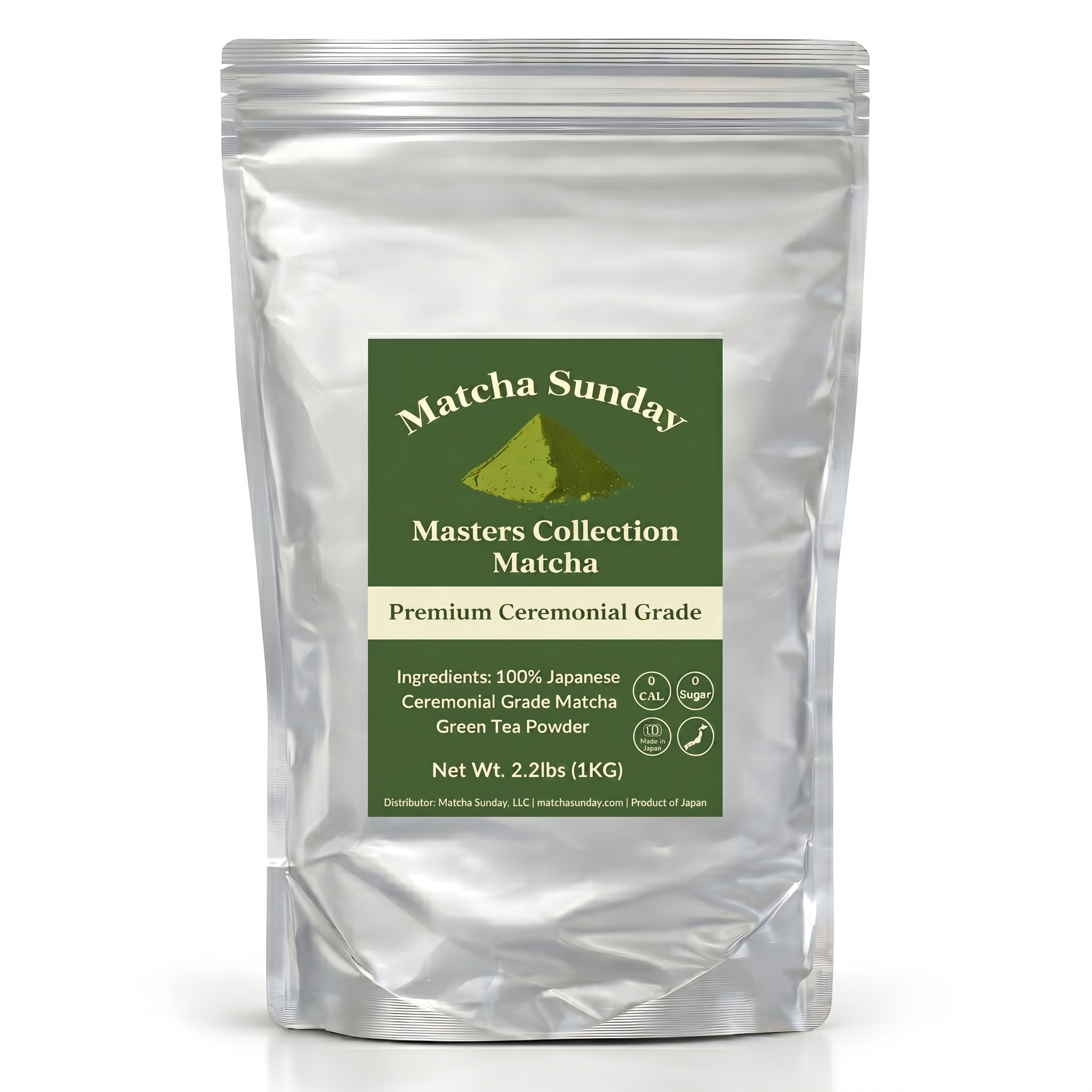
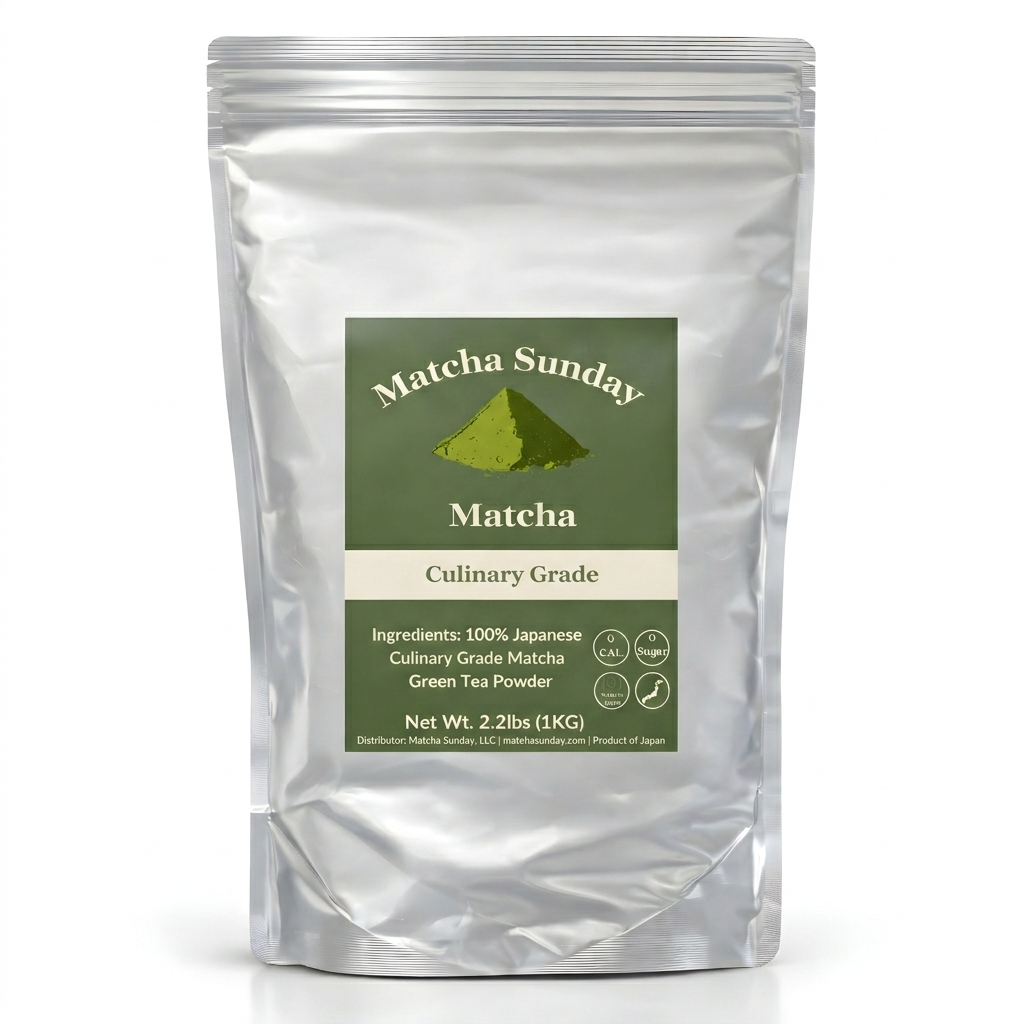
Shop this grade by the kiloShop the grades by the kilo


Frequently asked questions
What food cost percentage should I target for matcha drinks?
Aim for a food cost of 20% to 30% of your menu price. If your matcha latte costs $1.20 in ingredients, price it between $4.00 and $6.00. Most successful cafes target the lower end of that range by sourcing matcha at wholesale volume pricing, which keeps ingredient costs down while maintaining strong margins.
How many grams of matcha should I use per serving?
We recommend 2 grams per 12 oz serving and 2.5 to 3 grams per 16 oz serving. Using less than 2 grams produces a weak, watery flavor that disappoints customers and hurts reorder rates. Consistent dosing protects both your drink quality and your cost predictability across every cup.
Does matcha quality affect profit margins?
It does, and often in your favor. Higher quality matcha from Japan costs more per gram, but it lets you charge a meaningful premium. Customers notice the difference between vibrant, smooth matcha and bitter, dull powder. We have seen cafes increase their margin percentage by upgrading their matcha because the price bump they can charge outpaces the cost increase.
How much matcha does a typical cafe need per month?
A cafe selling 20 to 30 matcha drinks per day at 2.5 grams per drink uses roughly 1.5 to 2.25 kilograms per month. Ordering in 1 kg or larger quantities unlocks wholesale pricing that meaningfully reduces your per serving cost. We suggest tracking your weekly usage for the first month to dial in your reorder quantity and avoid waste.
Can I use culinary grade matcha to save money?
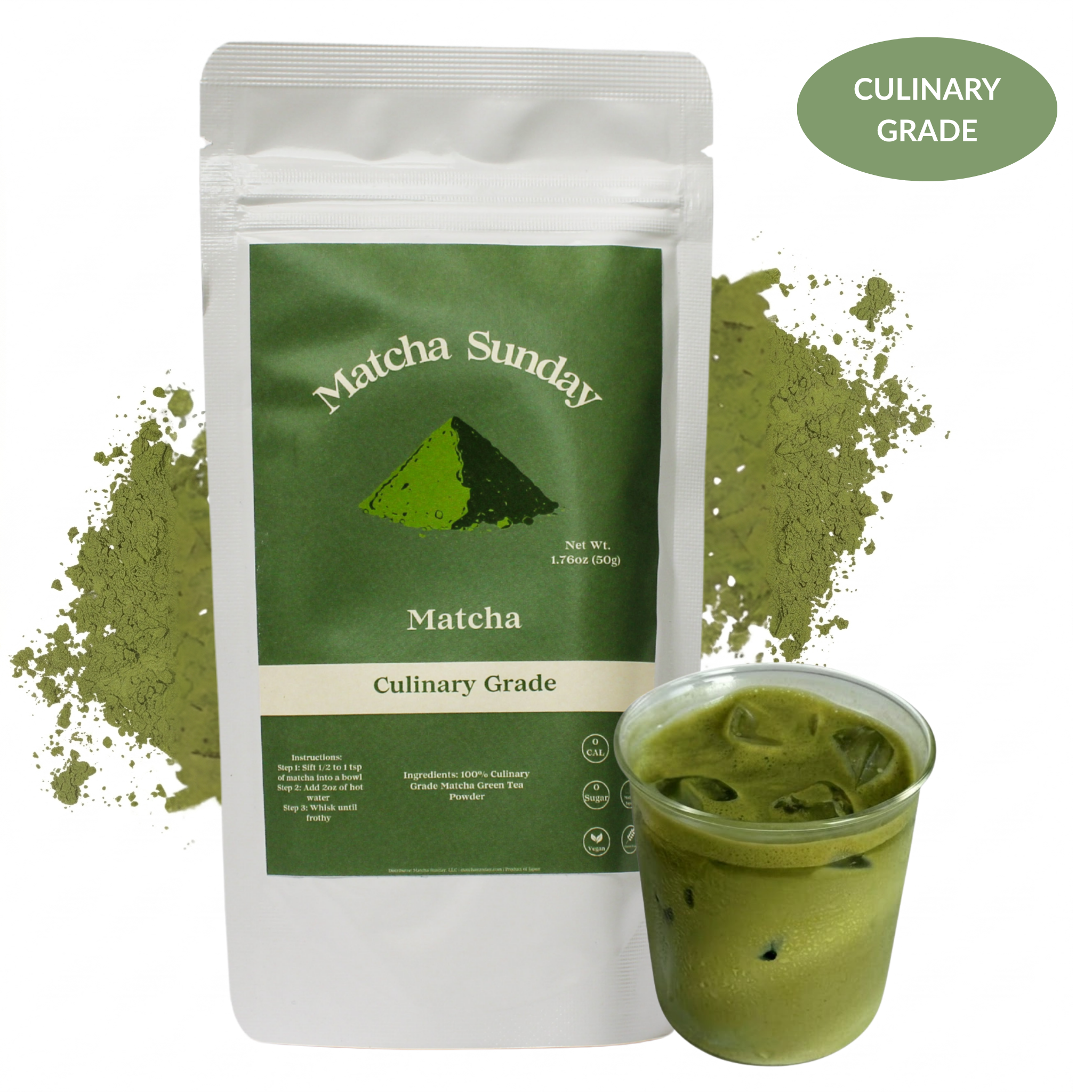
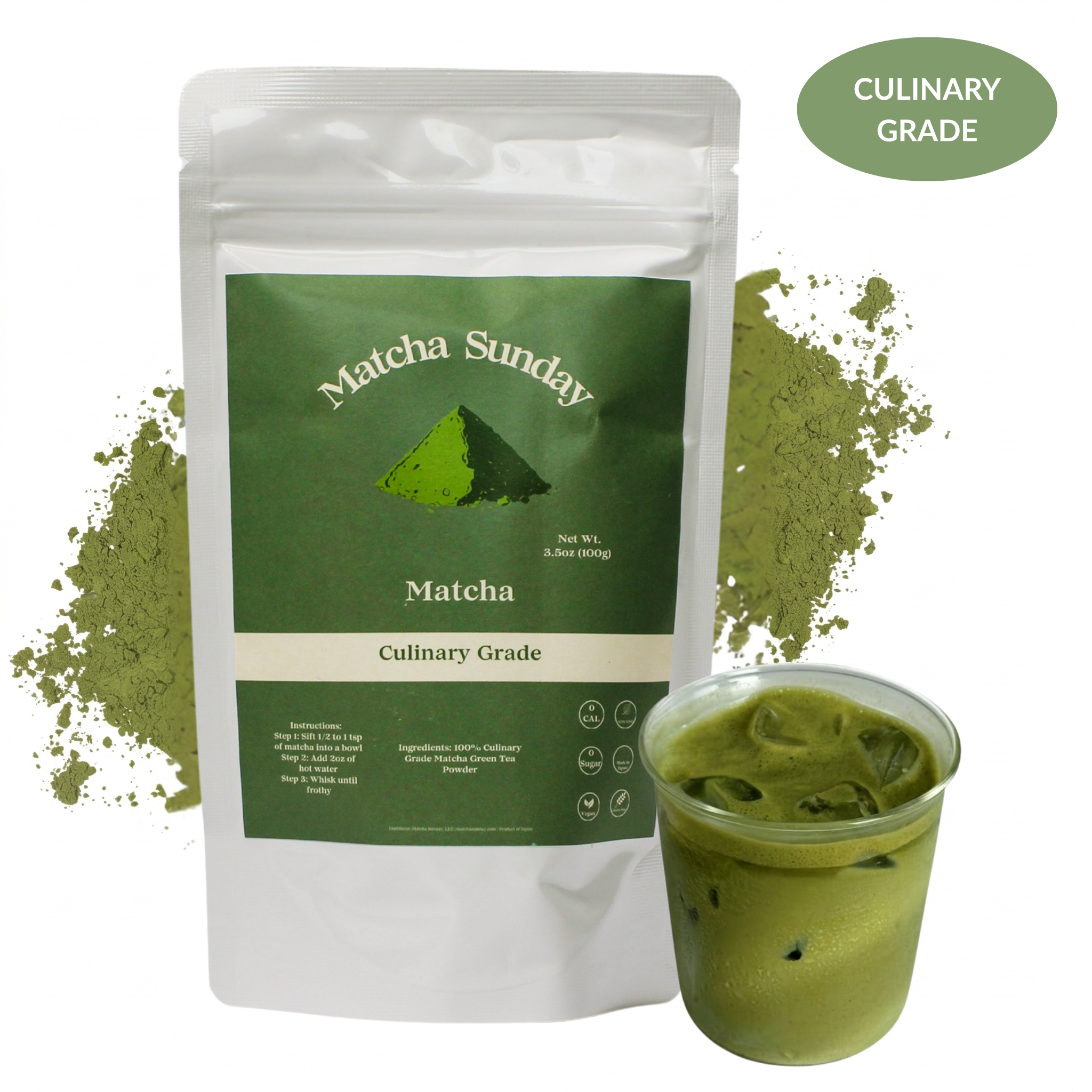
Culinary grade works well in blended drinks, smoothies, and boba where other flavors are present. For straight matcha lattes where the matcha flavor is front and center, we recommend at least a premium latte grade. The cost difference per serving is often just $0.10 to $0.20, but the taste difference is noticeable and affects whether customers come back.
What equipment do I need to serve matcha in my cafe?
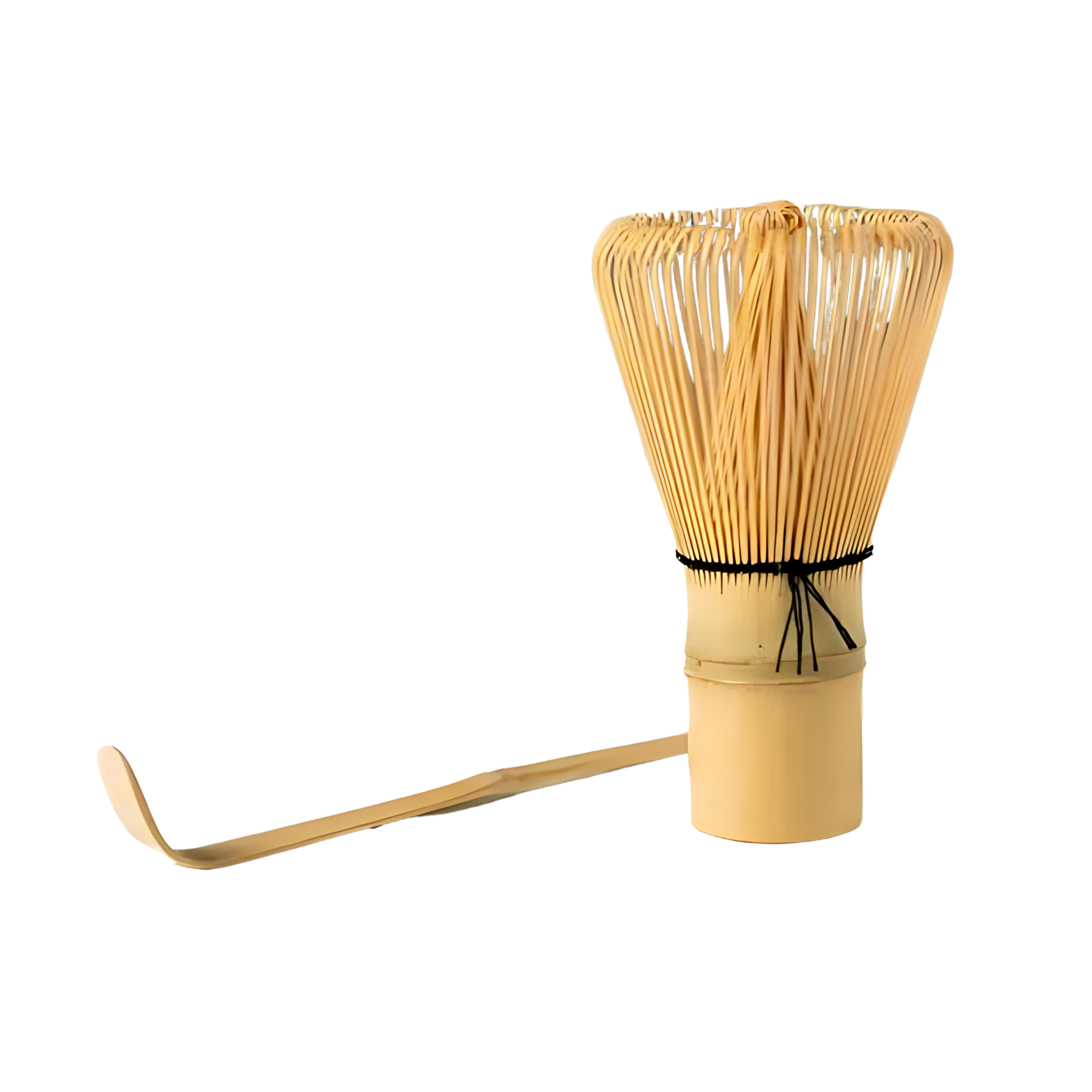
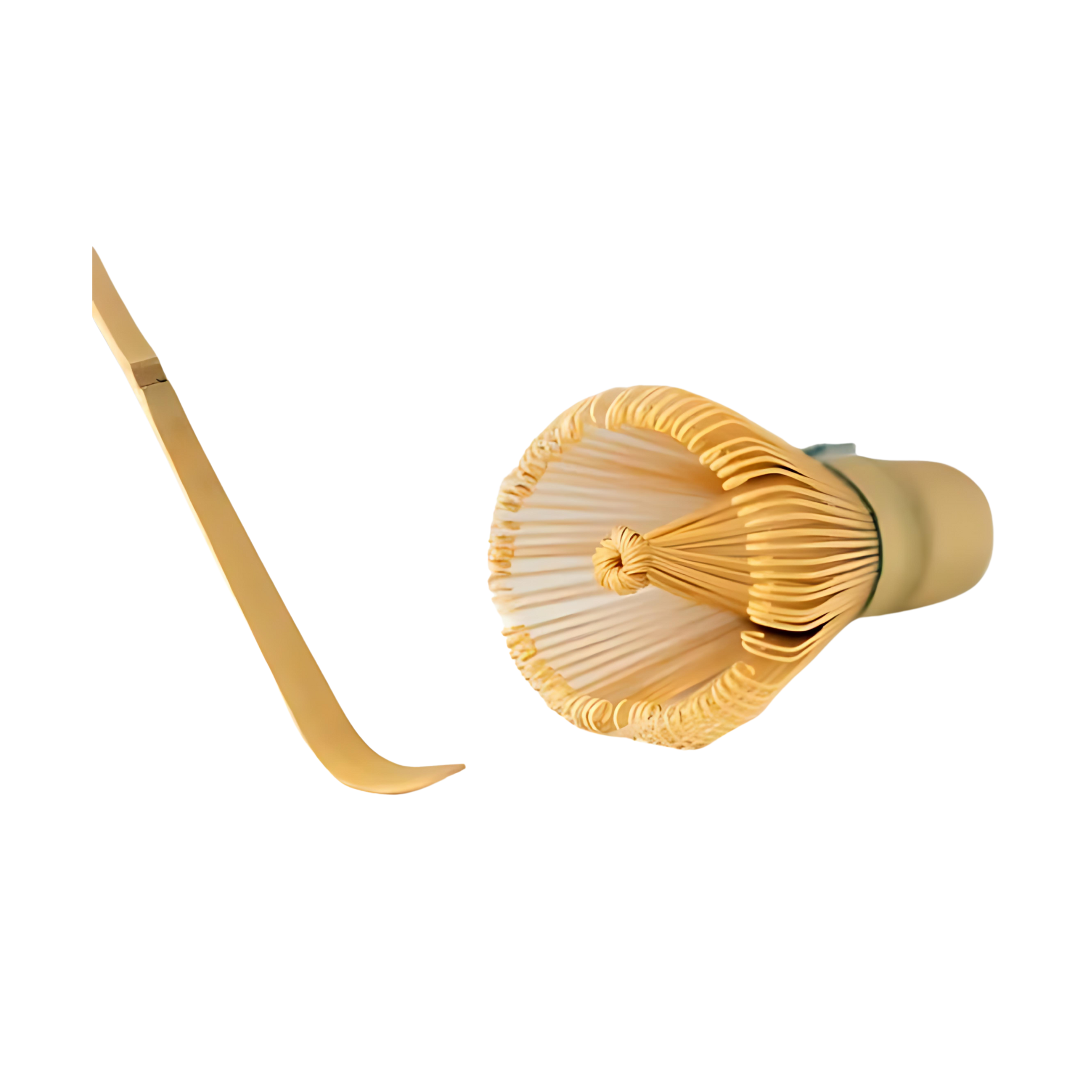
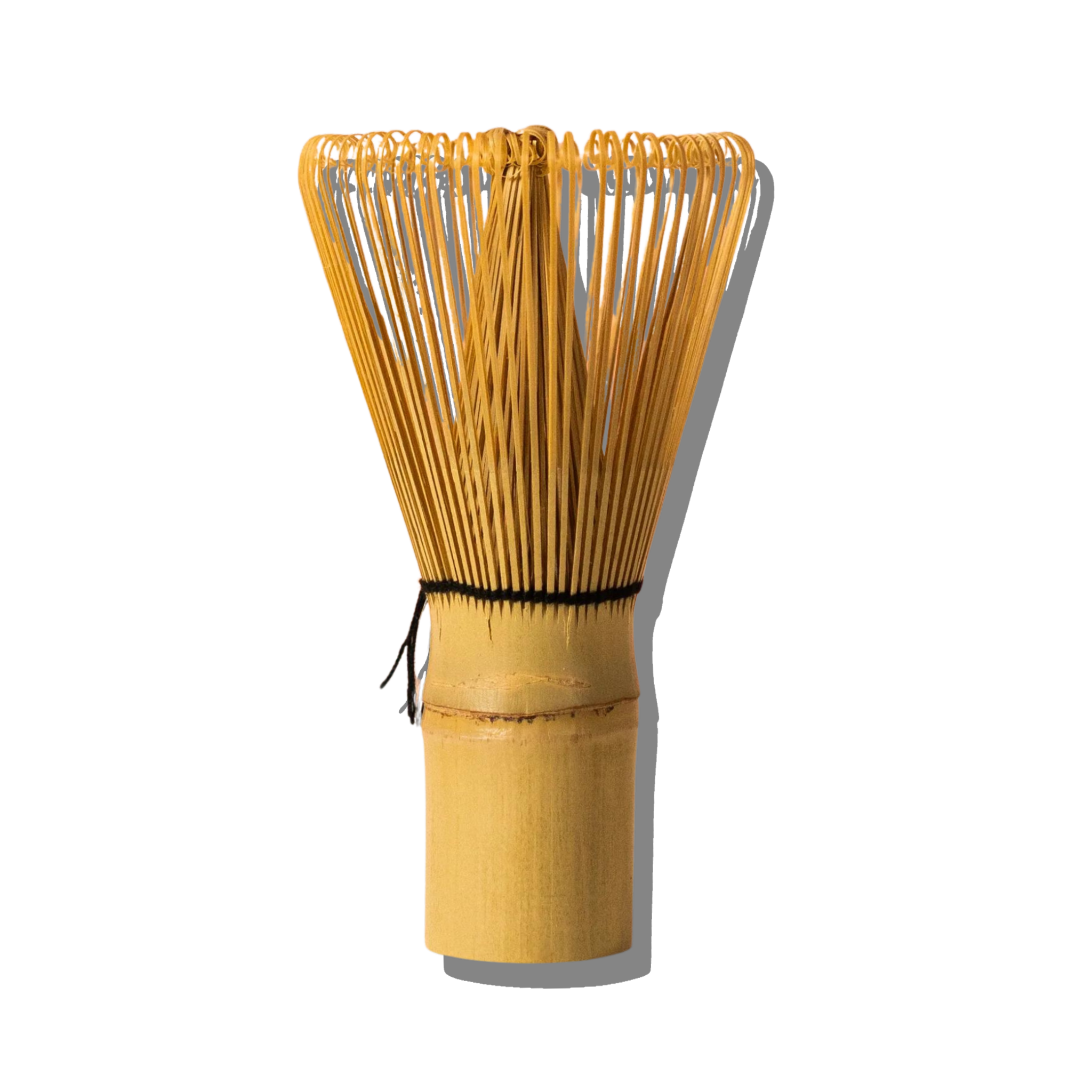
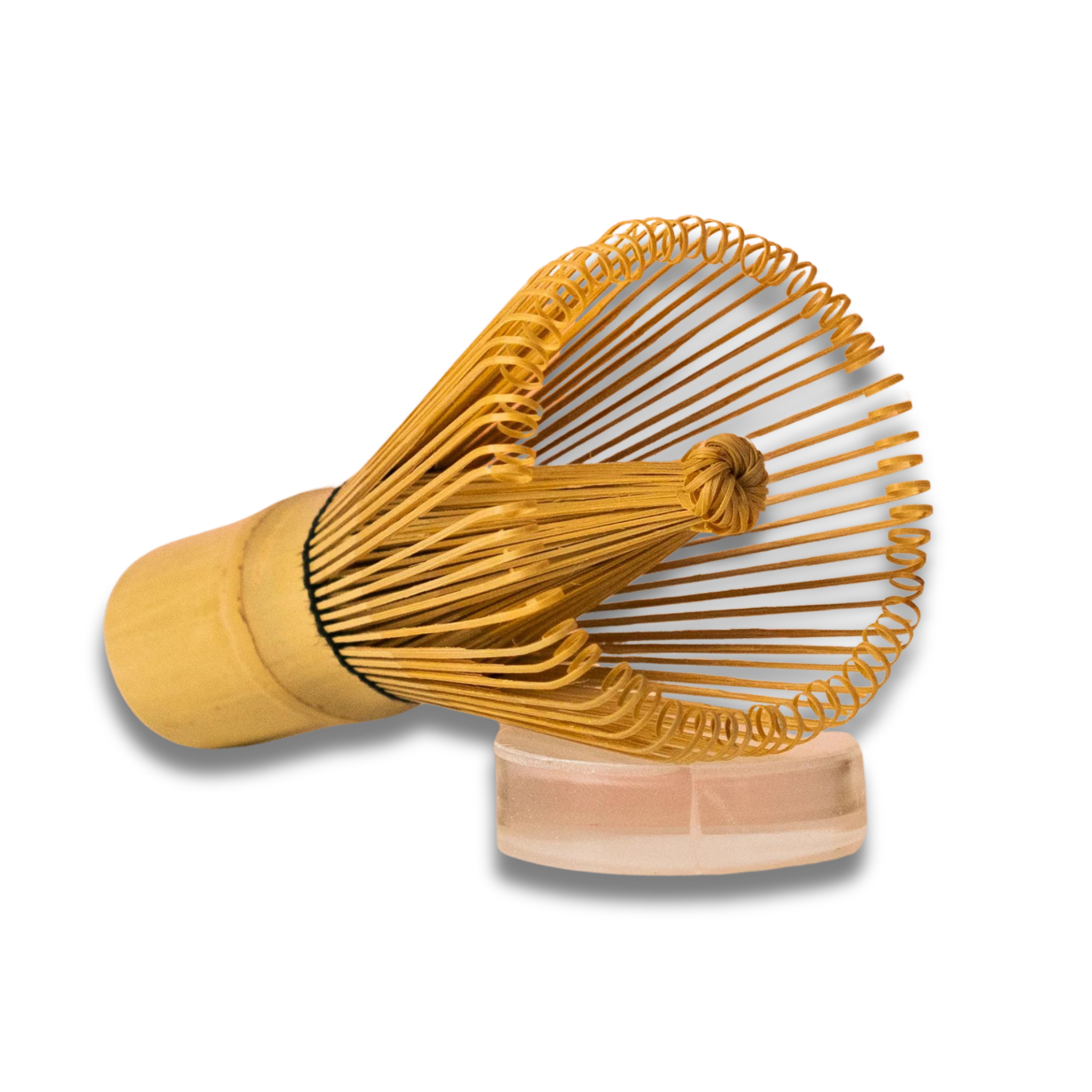
At minimum, you need a way to whisk matcha into hot water before adding milk. An electric milk frother, a handheld immersion blender, or a traditional bamboo whisk all work. Many cafes use the steam wand on their existing espresso machine. You do not need dedicated expensive equipment, which is part of what makes matcha so easy to add to any menu.