
Koicha vs Usucha: The Two Ways to Whisk Matcha and When to Use Each
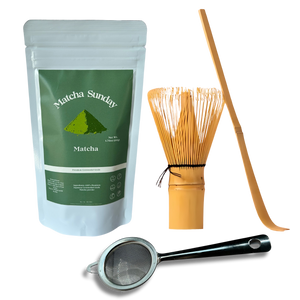
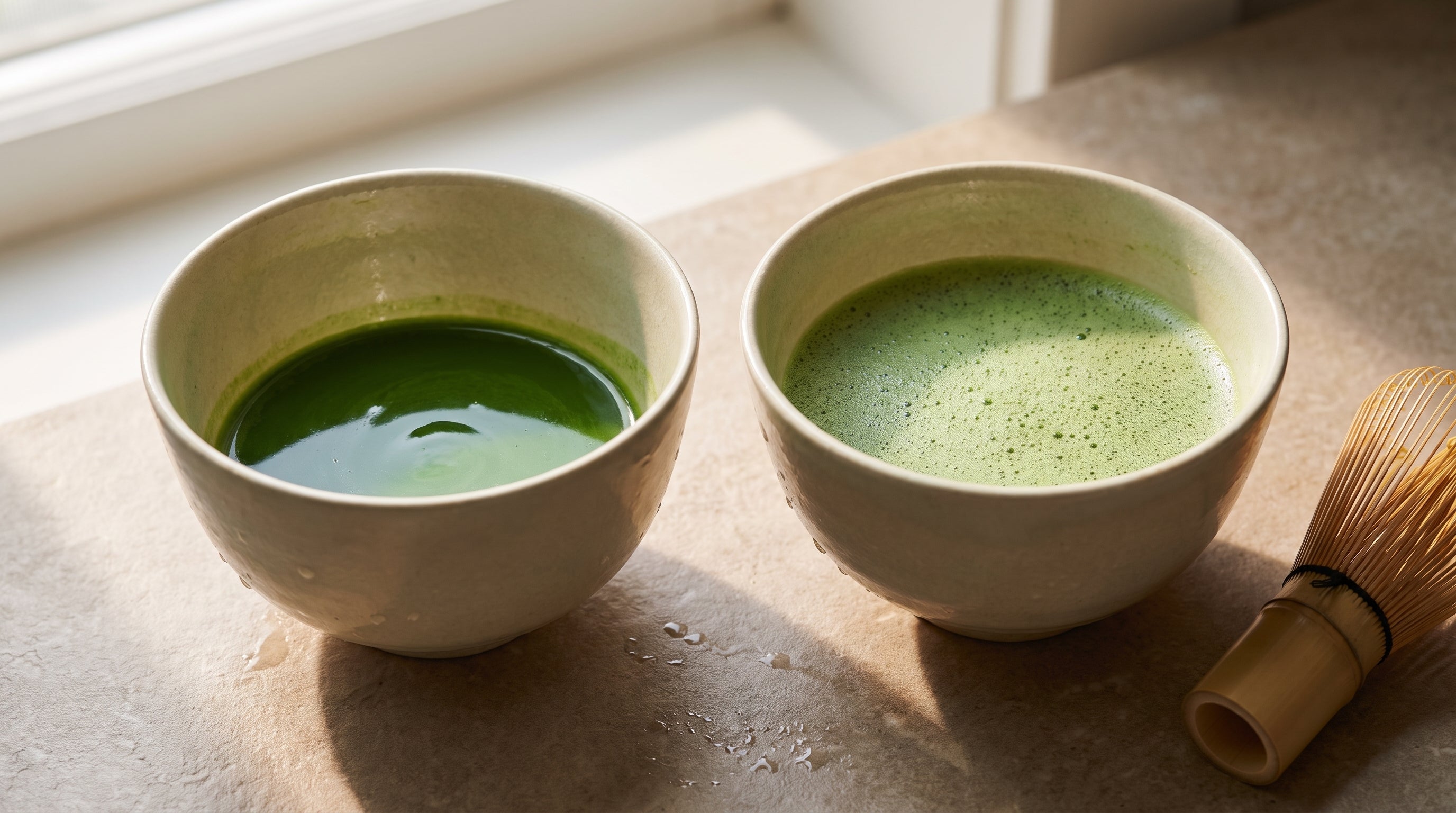
Koicha and usucha are the two traditional preparations of matcha from Japan. Koicha is a thick, glossy tea made by slowly kneading about 4 grams of matcha into 30 to 40 ml of water. Usucha is a thi...
How Much Matcha Does a Cafe Use Per Month and How to Calculate Your First Order
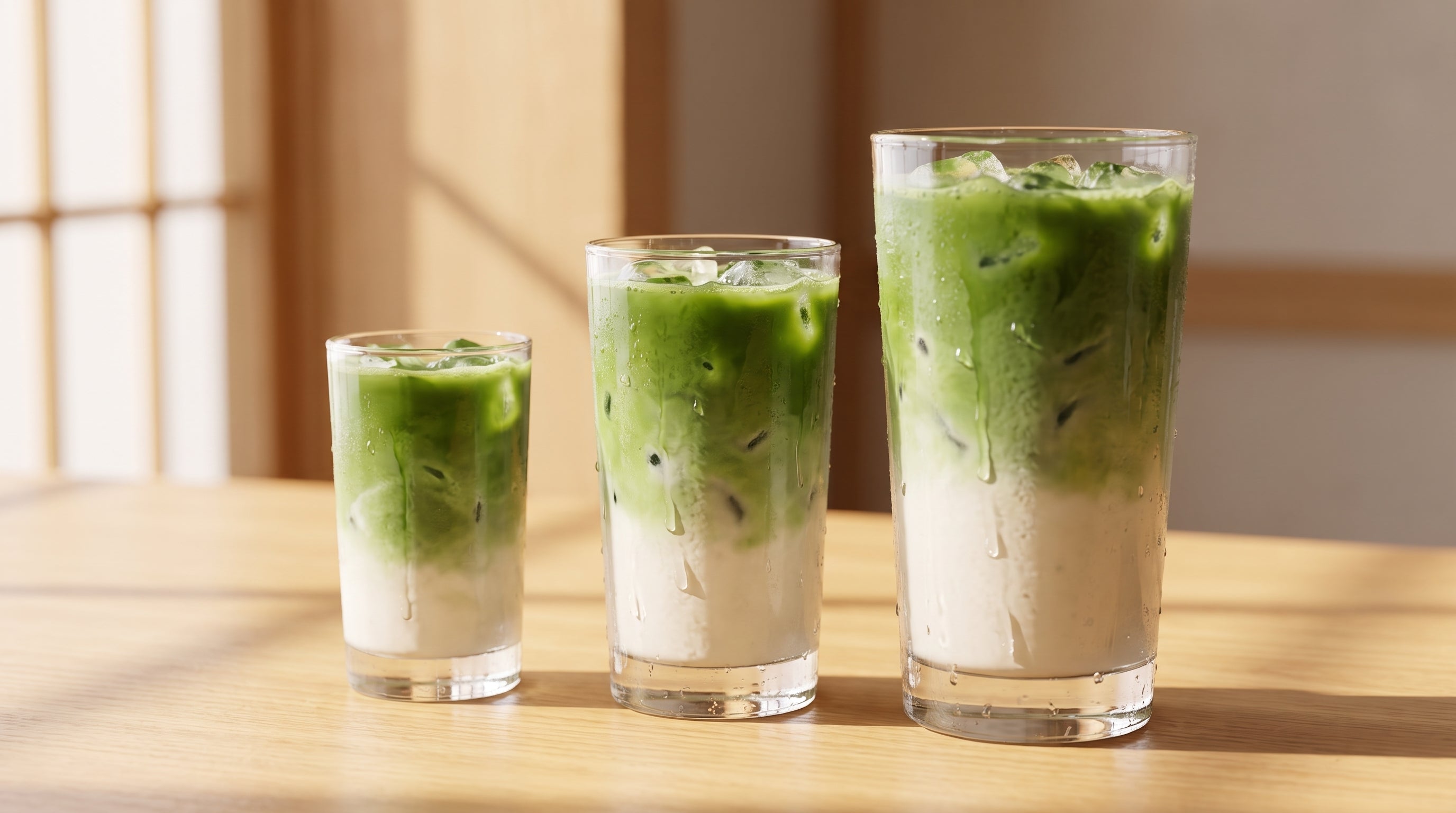
Most cafes use between 1 and 3 kg of matcha powder per month, depending on daily drink volume. The formula is simple: multiply the number of matcha drinks you sell per day by the grams per drink, t...
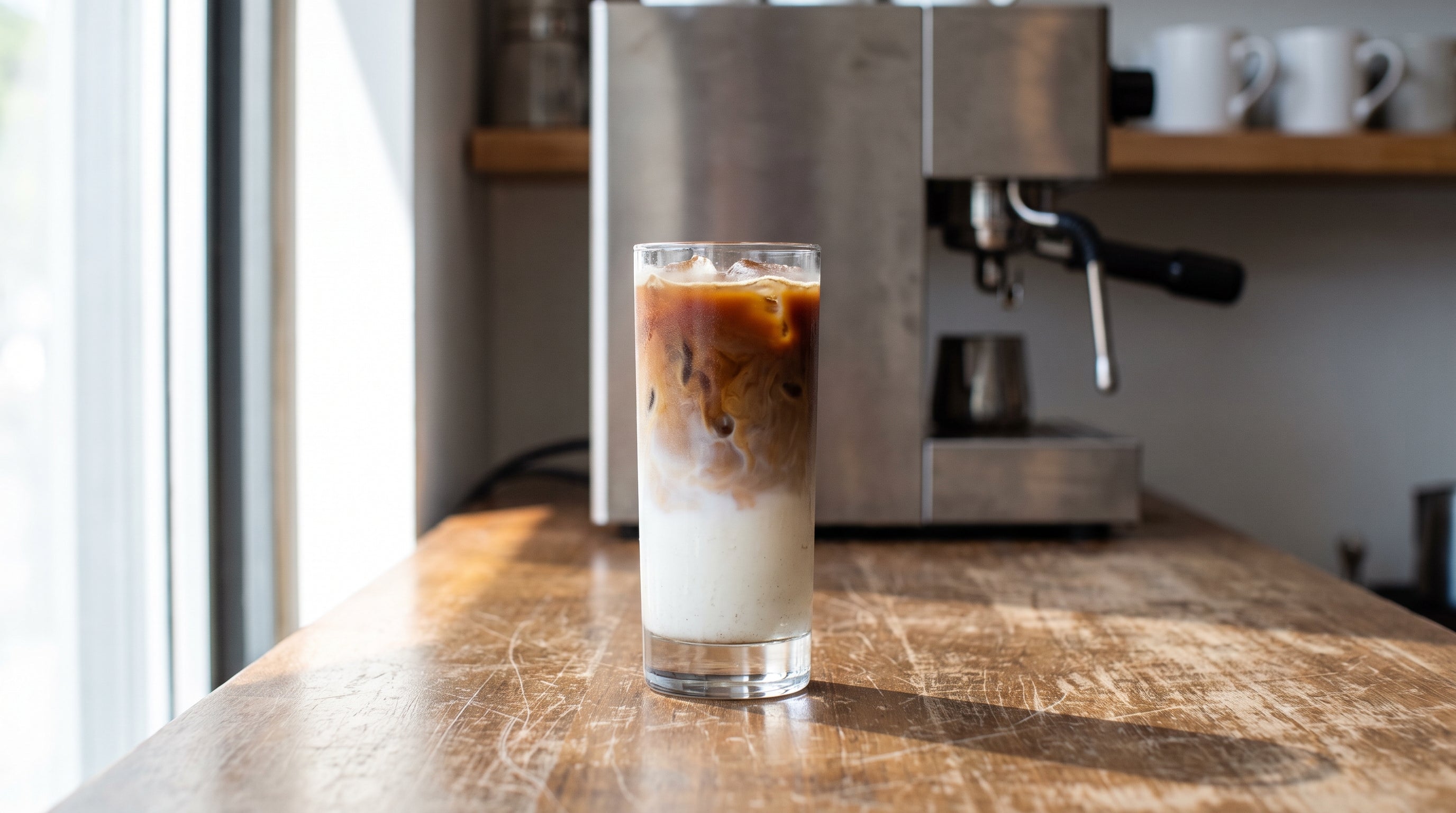
Adding Hojicha to Your Cafe Menu: A Guide for Coffee Shop Owners
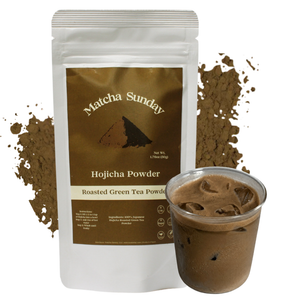
Hojicha is a roasted Japanese green tea with a naturally sweet, caramel like flavor that appeals to customers who find matcha too grassy or bitter. With lower raw ingredient costs than matcha, simp...
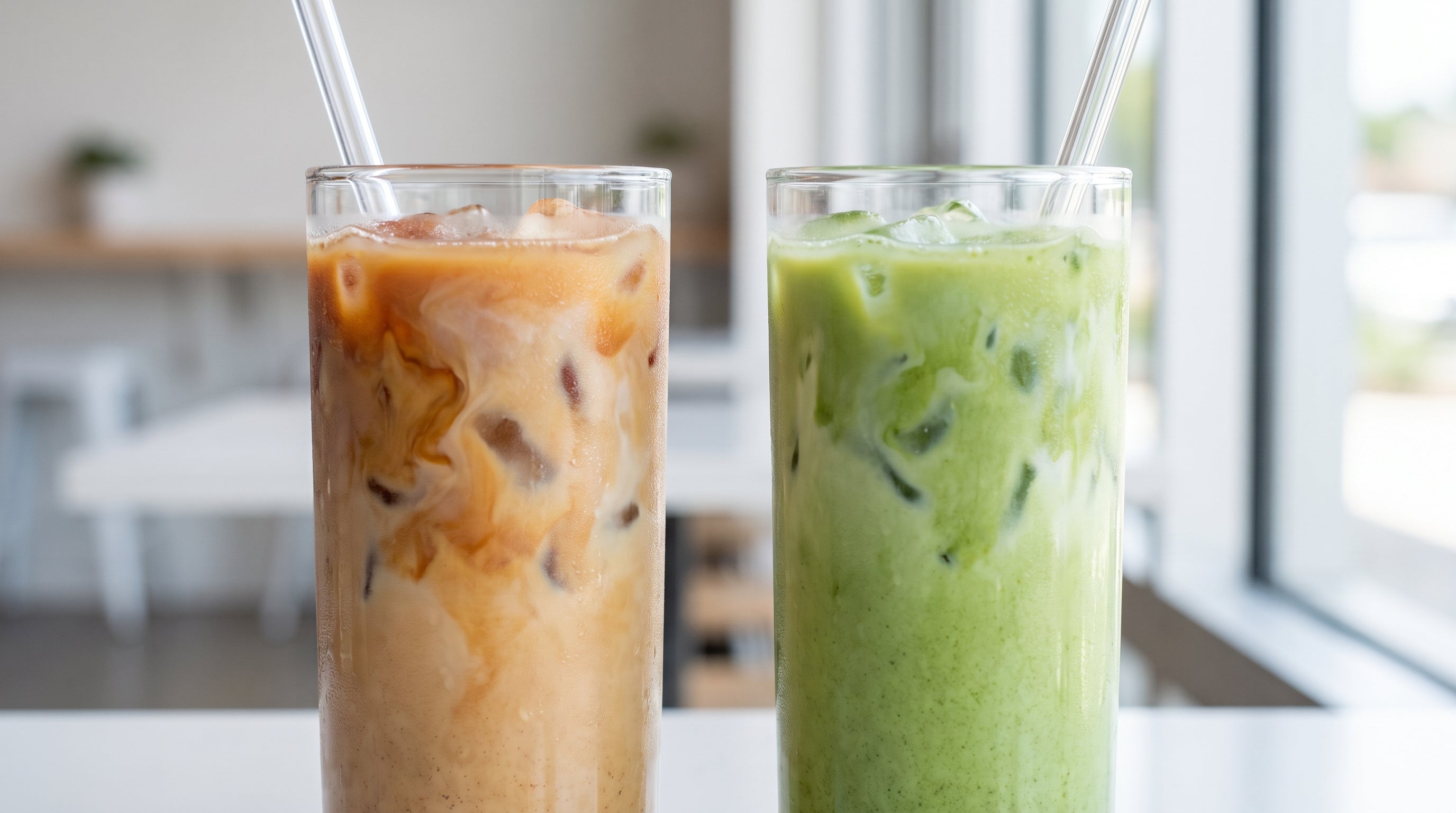
Hojicha vs Matcha: What Every Tea Lover Should Know
A complete comparison of hojicha and matcha from the team that drinks both daily. Covers caffeine, flavor, health benefits, brewing methods, and why matcha lovers are discovering hojicha as their e...
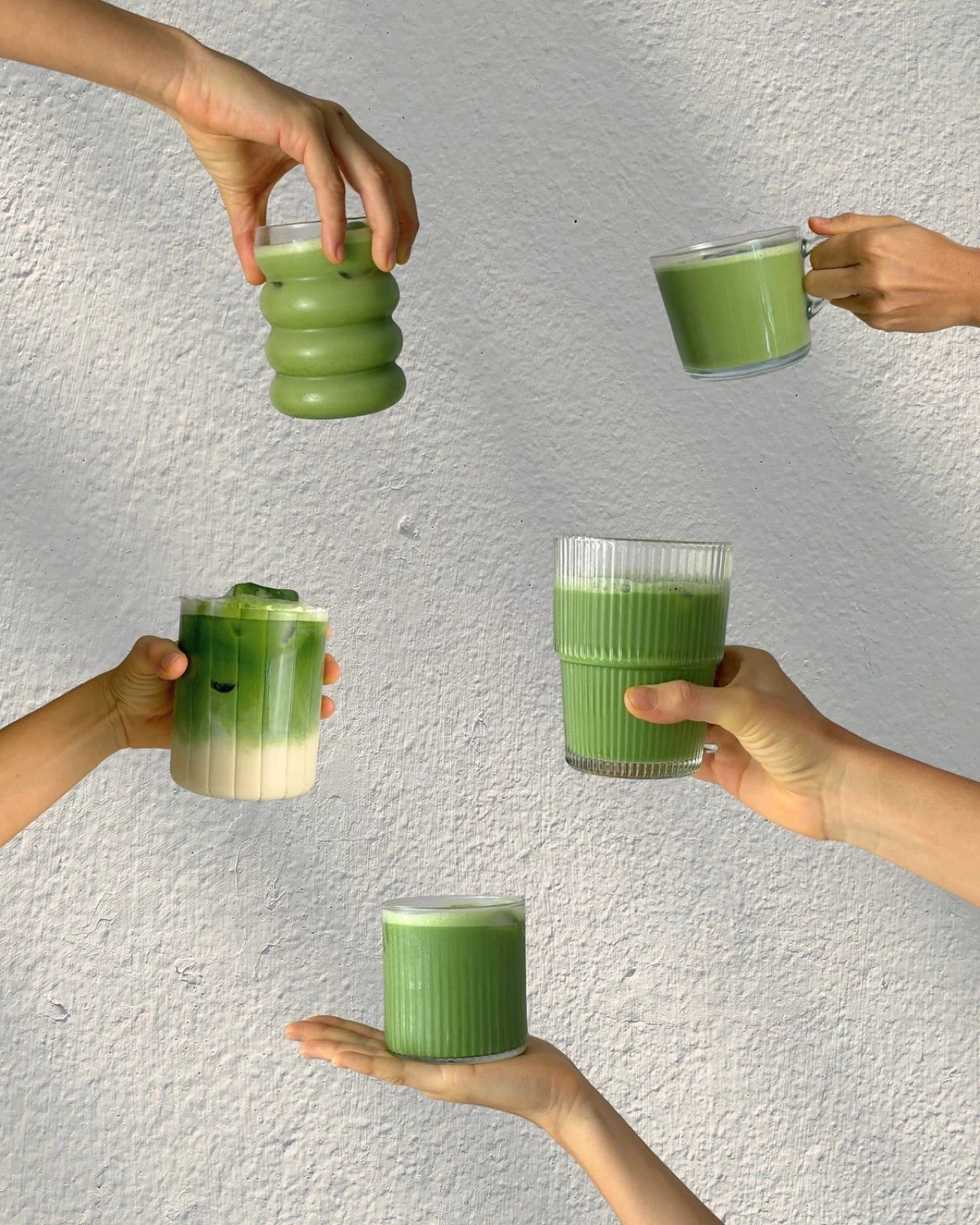
Matcha Drink Profit Margins for Cafes and Boba Shops
Matcha drinks deliver gross profit margins of 70% to 80% in cafes and boba shops. We break down ingredient costs, pricing strategies, and how matcha compares to espresso for profitability.