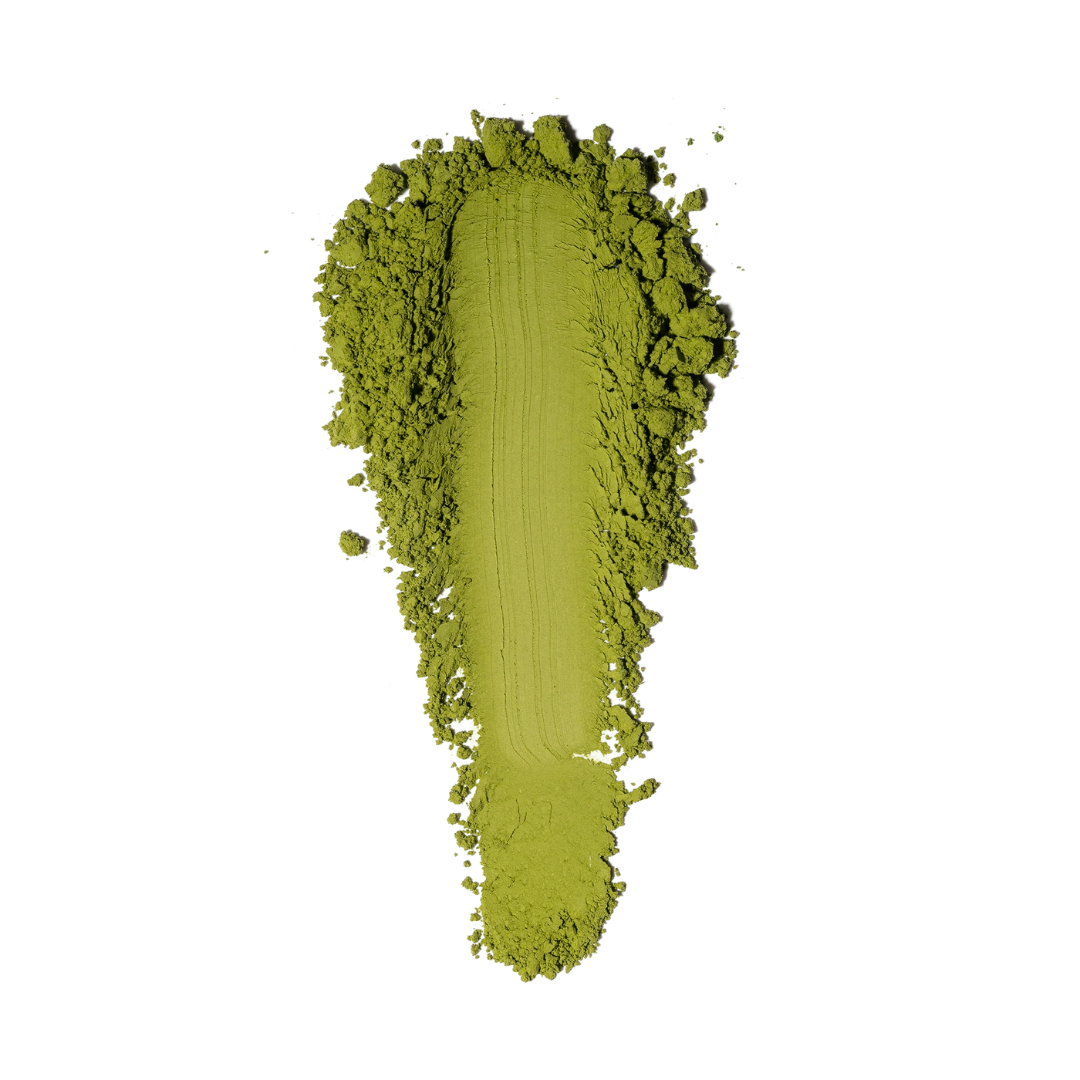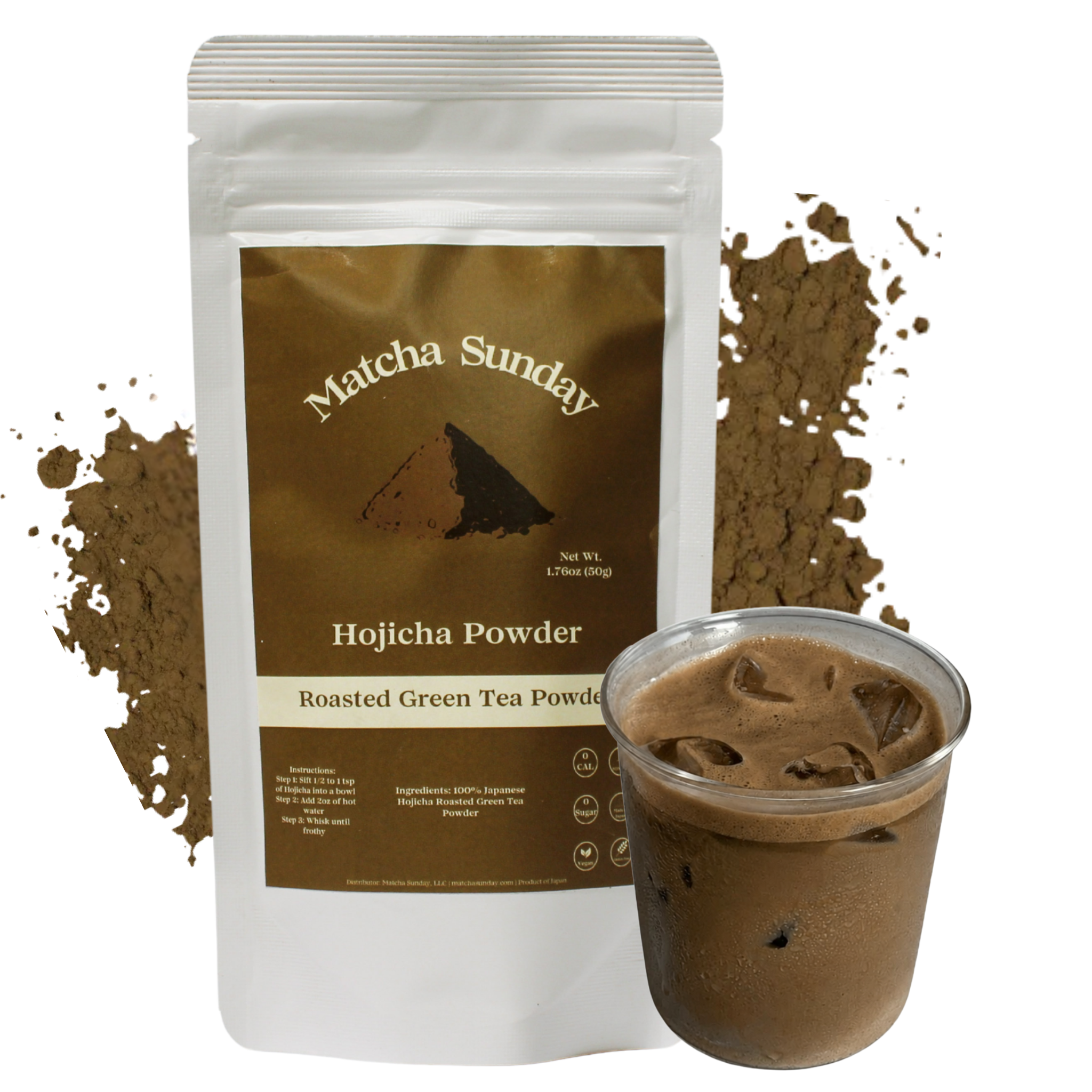
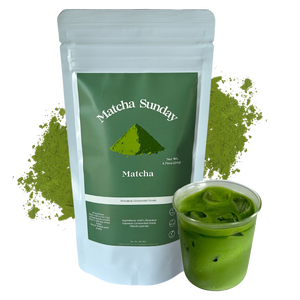
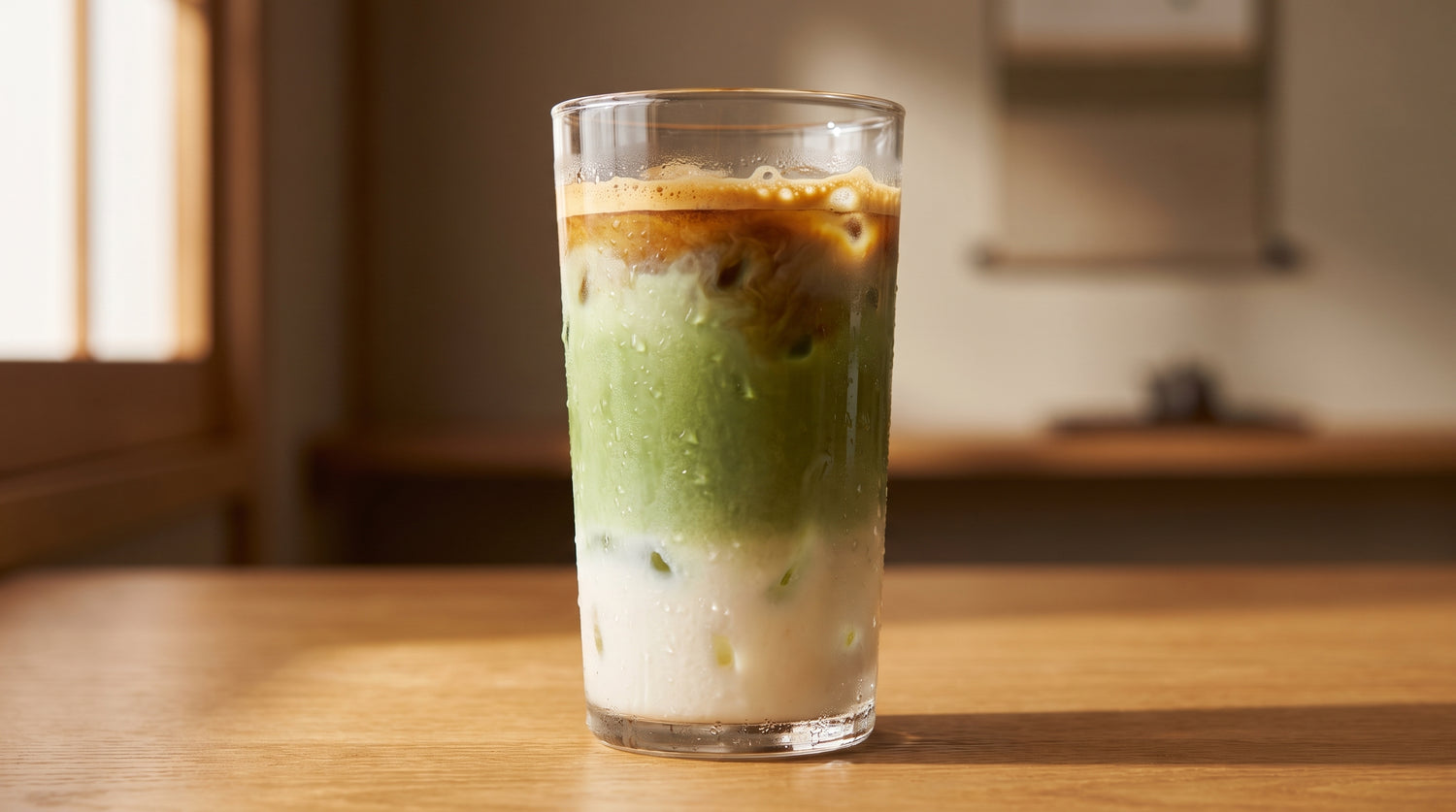
A dirty matcha latte is a matcha latte with a shot of espresso poured over the top. The espresso is the "dirty" part, streaking dark coffee through the green drink before it slowly blends in. You get grassy, sweet matcha and roasted, bitter espresso in one glass, along with the caffeine of both.
If your feed is full of green and brown layered drinks this summer, this is that drink. Here is exactly what it is, what it tastes like, how much caffeine you are actually getting, and how to make one at home in about five minutes.
What is a dirty matcha latte?
A dirty matcha latte is a standard matcha latte, which is whisked matcha and milk, with one or two shots of espresso added on top. The word "dirty" comes from the way the dark espresso muddies the clean green color as it sinks and swirls through the drink.
The drink borrows its name from the dirty chai, an older cafe order that adds espresso to a spiced chai latte. Baristas applied the same logic to matcha, and the visual contrast of deep brown espresso bleeding into bright green milk made it a natural fit for social feeds. Most cafes build it iced, in a clear cup, specifically so you can watch the layers before you stir.
Structurally, a well made dirty matcha latte has three layers from bottom to top:
- Milk and ice at the bottom, usually 180 to 240 ml of dairy or oat milk
- Whisked matcha in the middle, typically 2 grams of matcha whisked with a small amount of water
- Espresso floated on top, either a single or double shot
Stirred together, it lands somewhere between a latte and a mocha, with matcha playing the role that chocolate usually does.
What does a dirty matcha latte taste like?
A dirty matcha latte tastes like a creamy matcha latte with a roasted, slightly bitter coffee finish. The matcha brings sweet, grassy, umami depth, the milk rounds everything out, and the espresso adds dark roasted notes and a sharper bitter edge that matcha alone does not have.
The two flavors work better together than you might expect. Good matcha from Japan is shaded before harvest, which raises its content of L theanine and other amino acids and gives it natural sweetness and savory depth. Espresso contributes caramelized, roasted flavors from the coffee roasting process. The overlap is real: both drinks share a gentle bitterness, so the combination reads as one coherent drink rather than two competing ones.
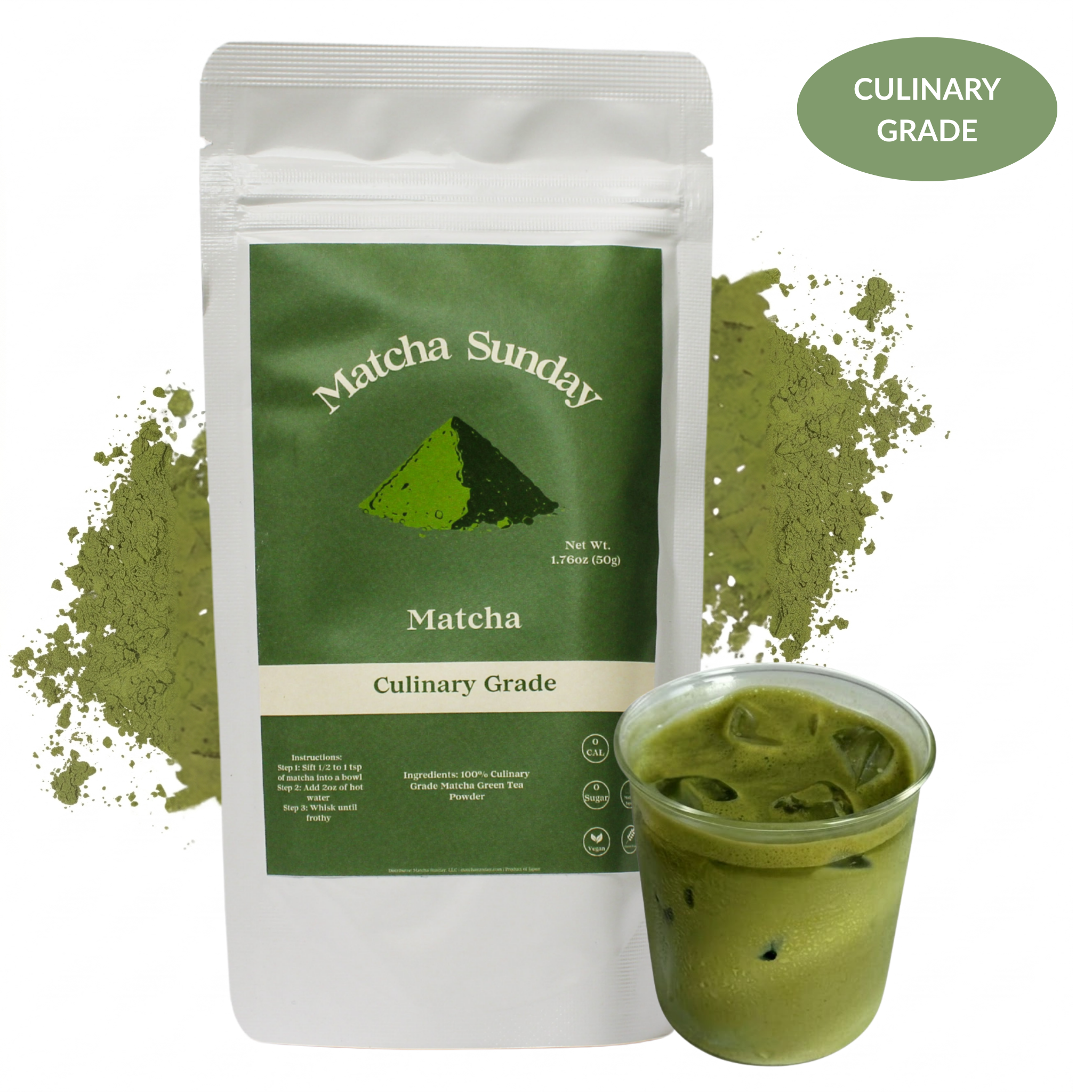
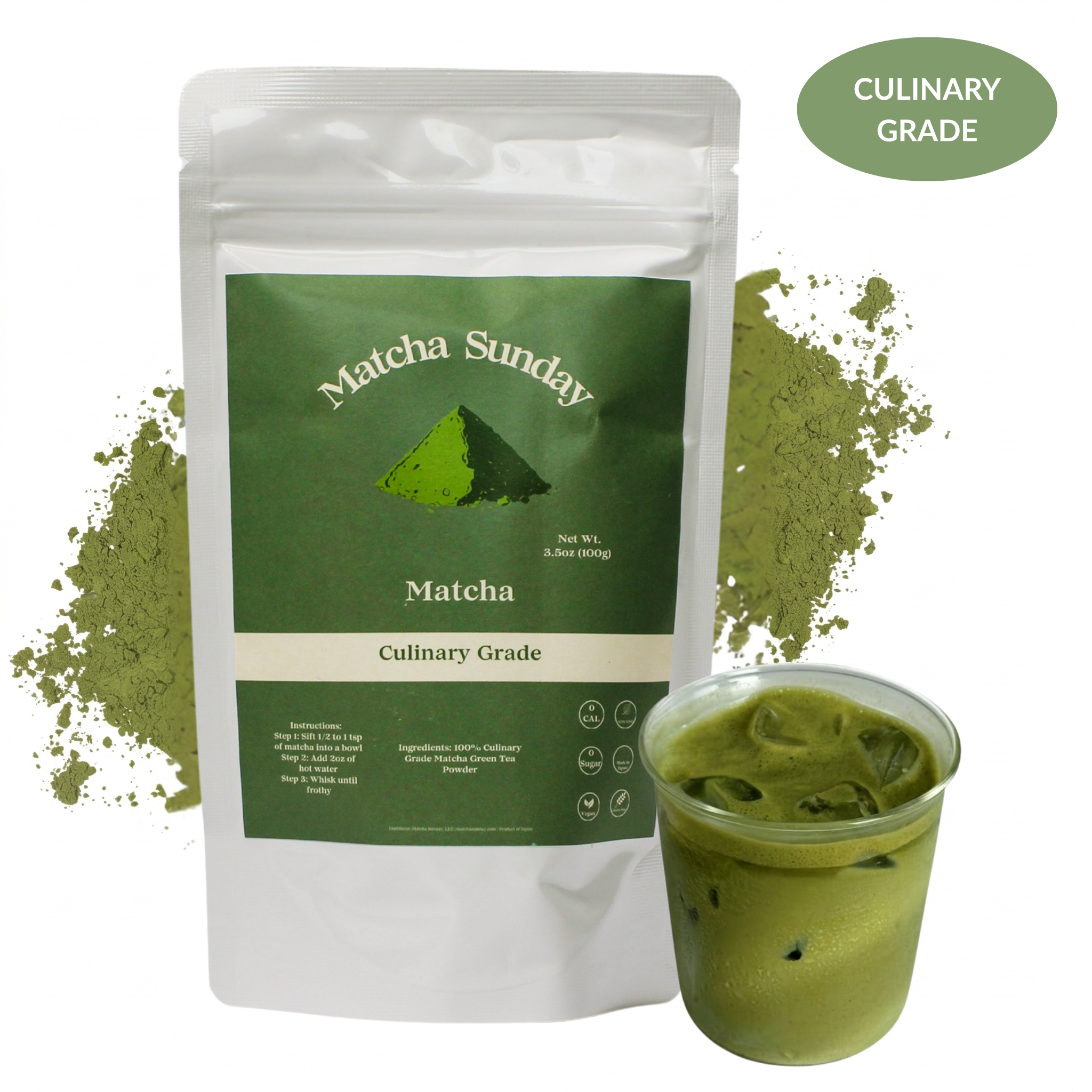
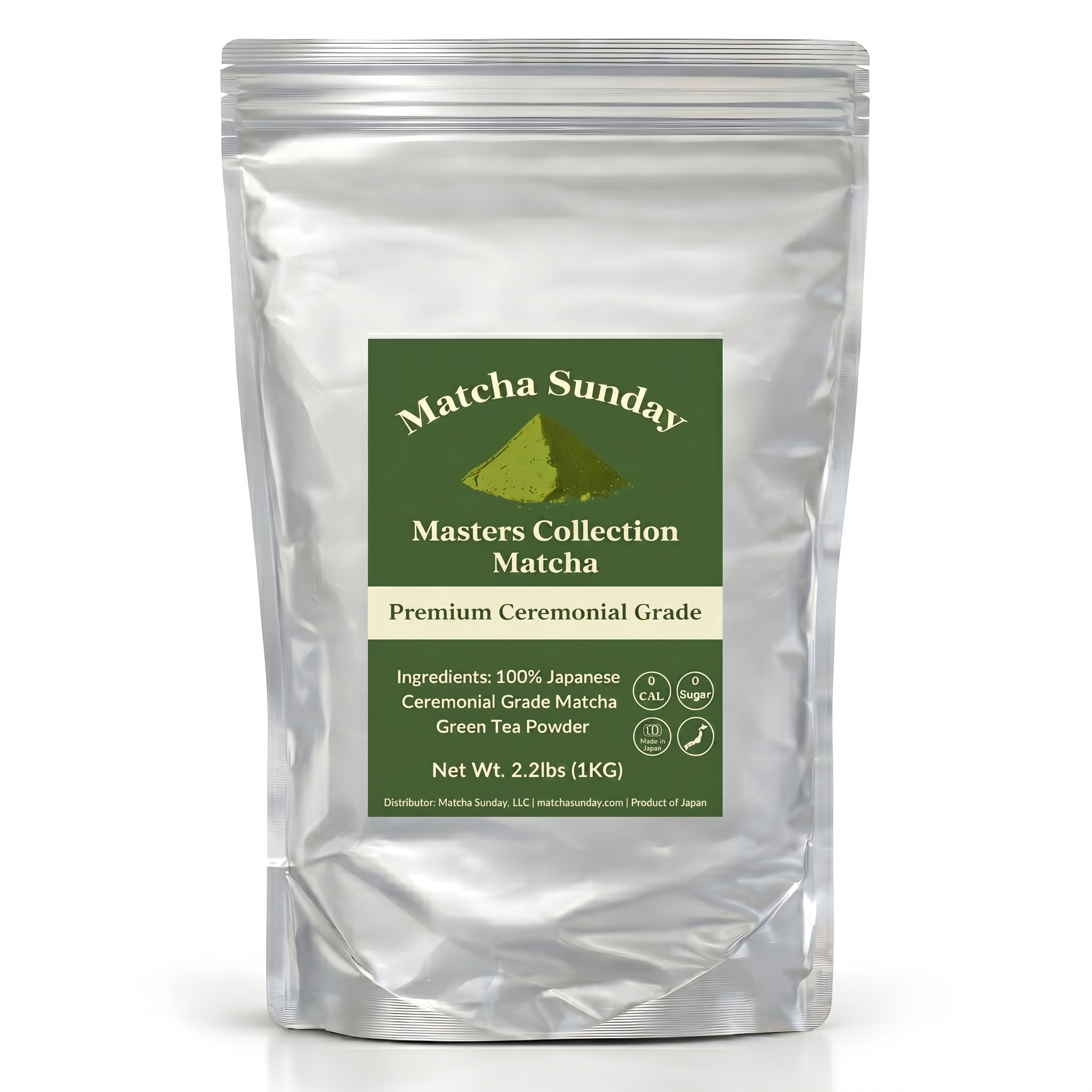
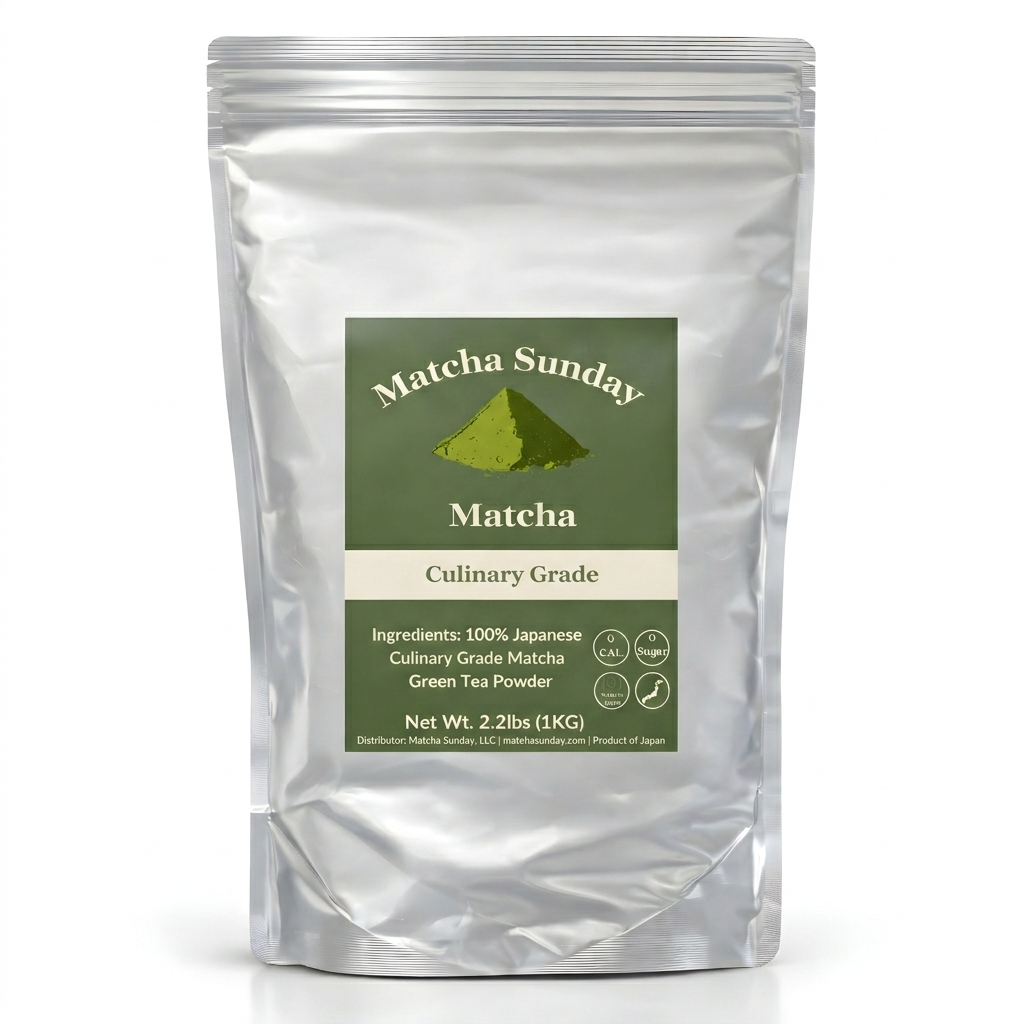
The quality of the matcha matters more here than in a plain latte. Weak or dull culinary matcha disappears entirely behind espresso, leaving you with an oddly thin coffee drink. A vibrant ceremonial or high quality culinary matcha holds its own, so the green tea character stays present in every sip. If you find the combination too bitter, a small amount of honey or simple syrup in the milk smooths the whole drink out.
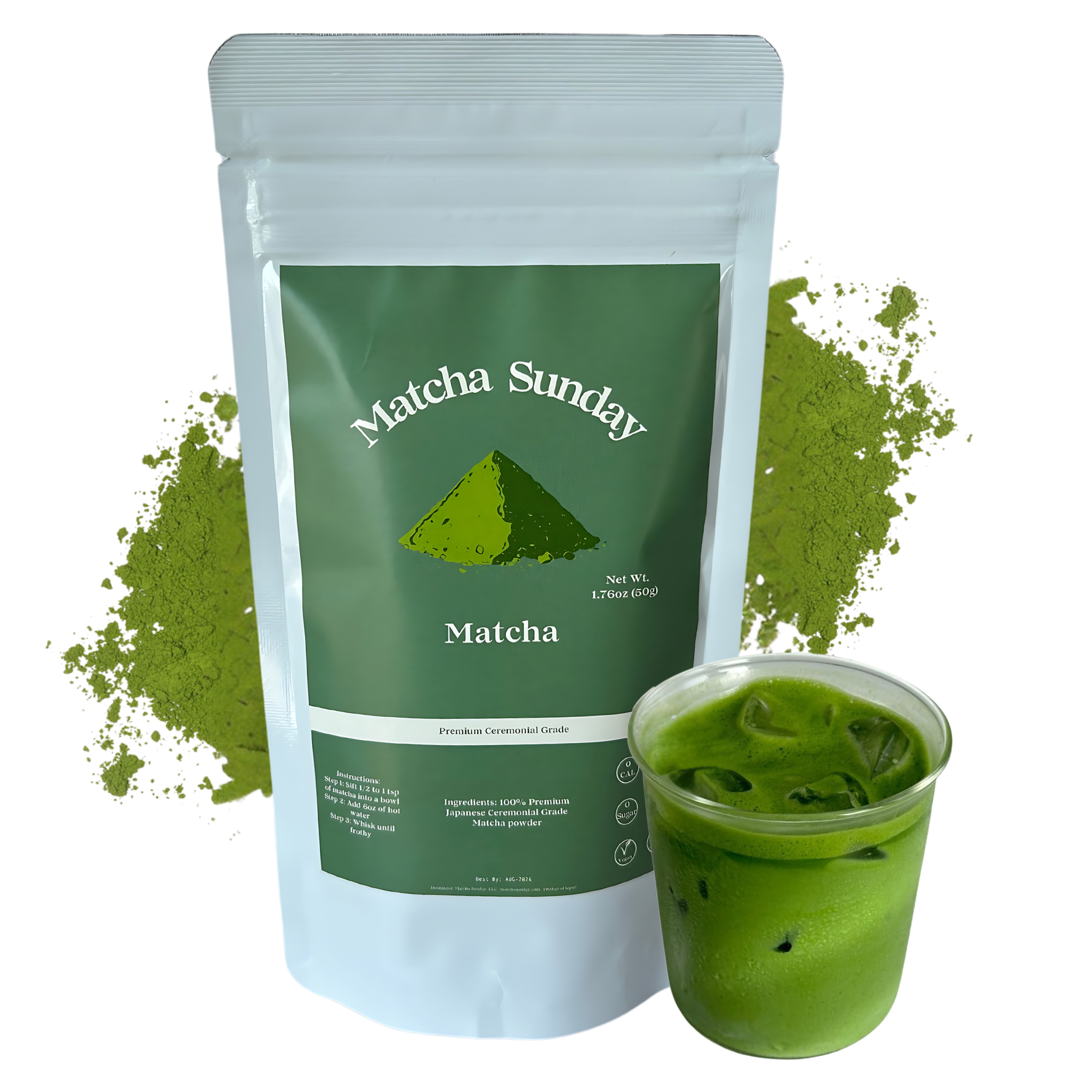
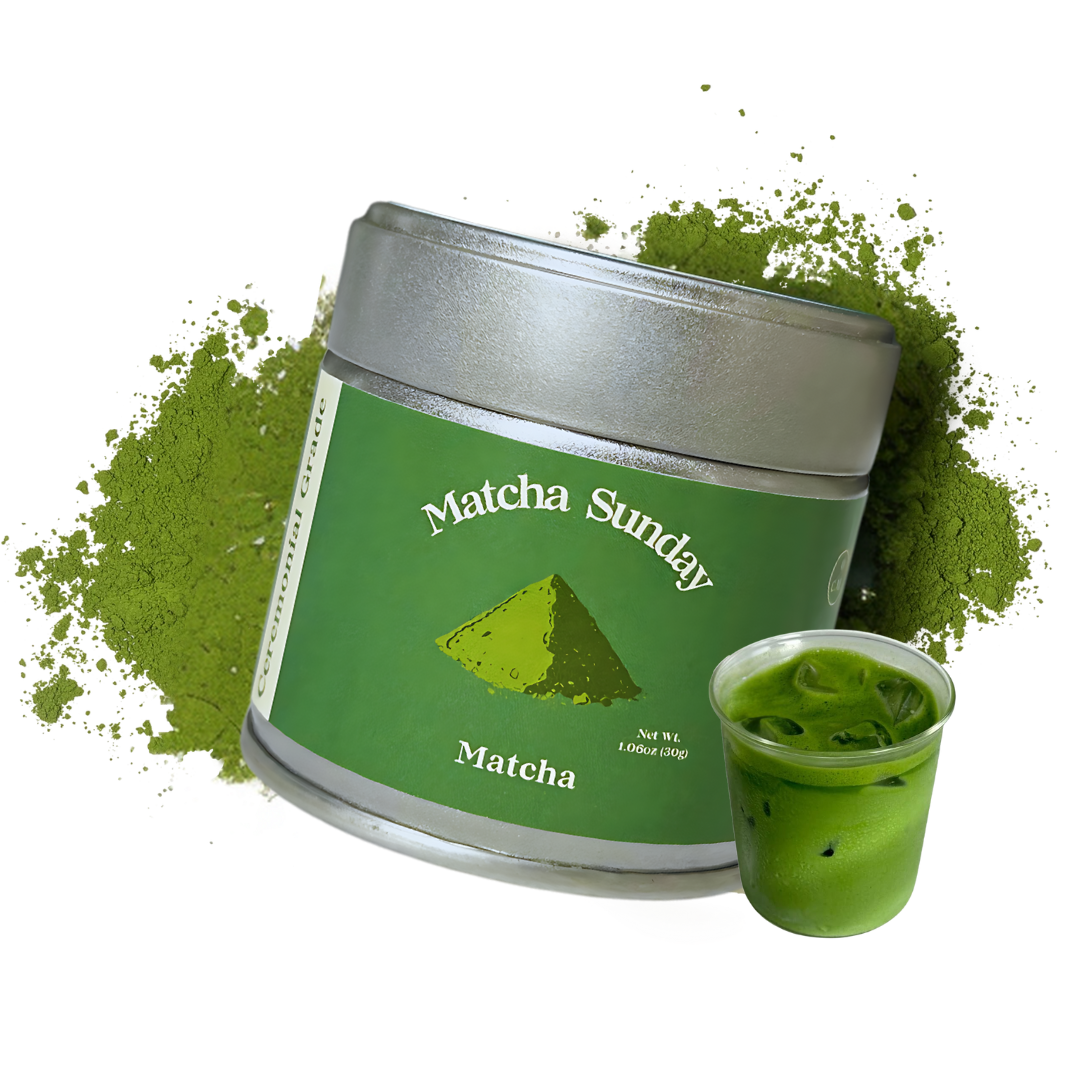
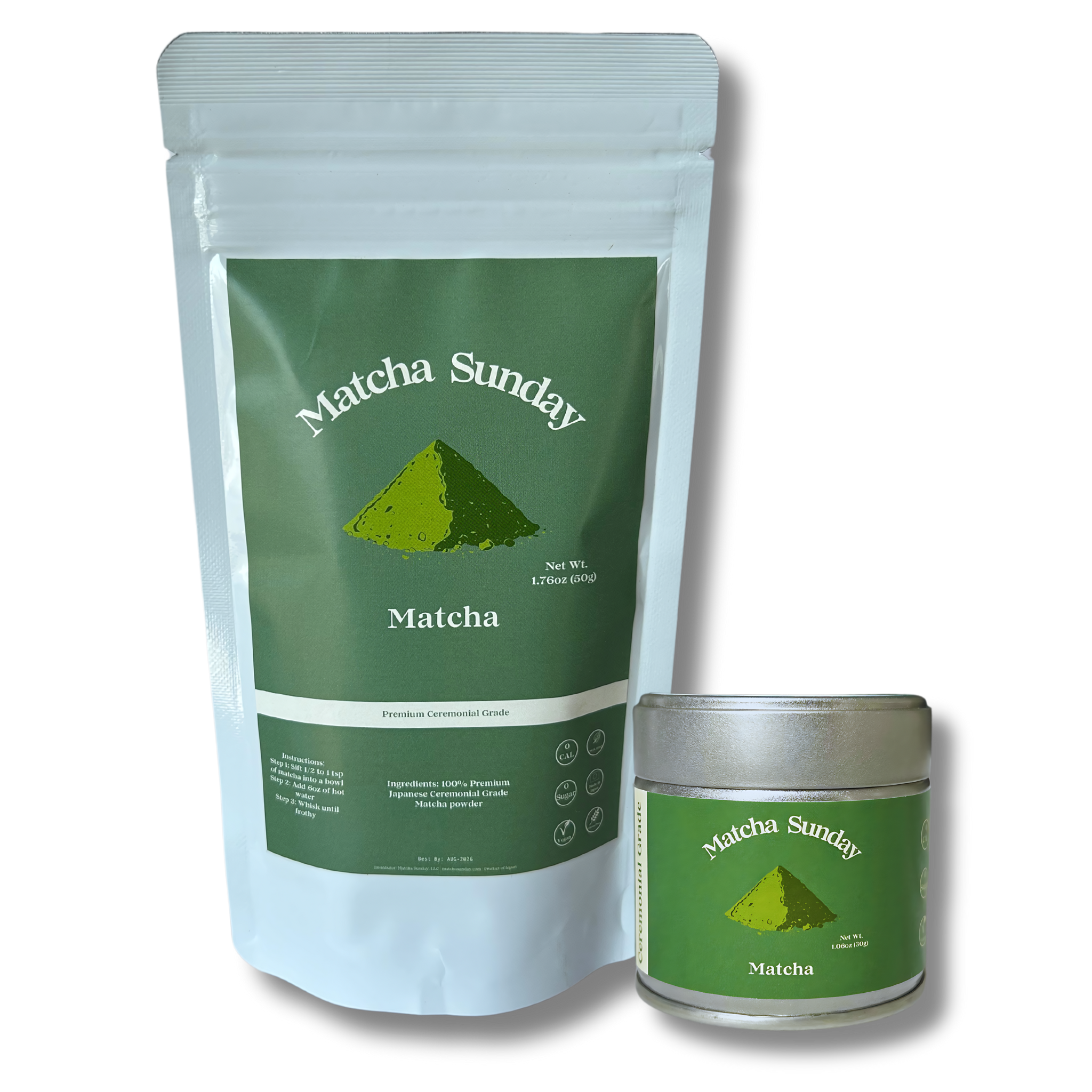
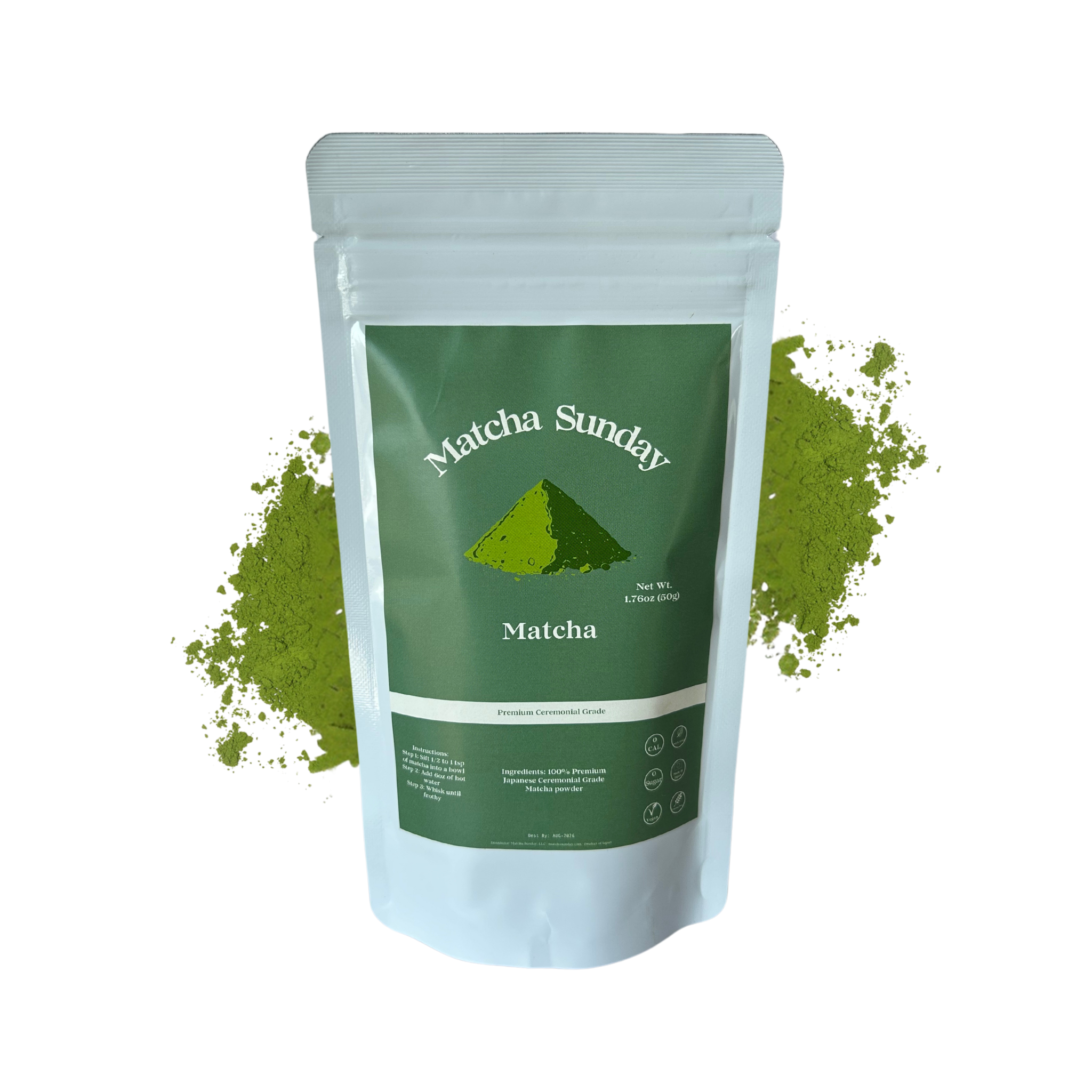
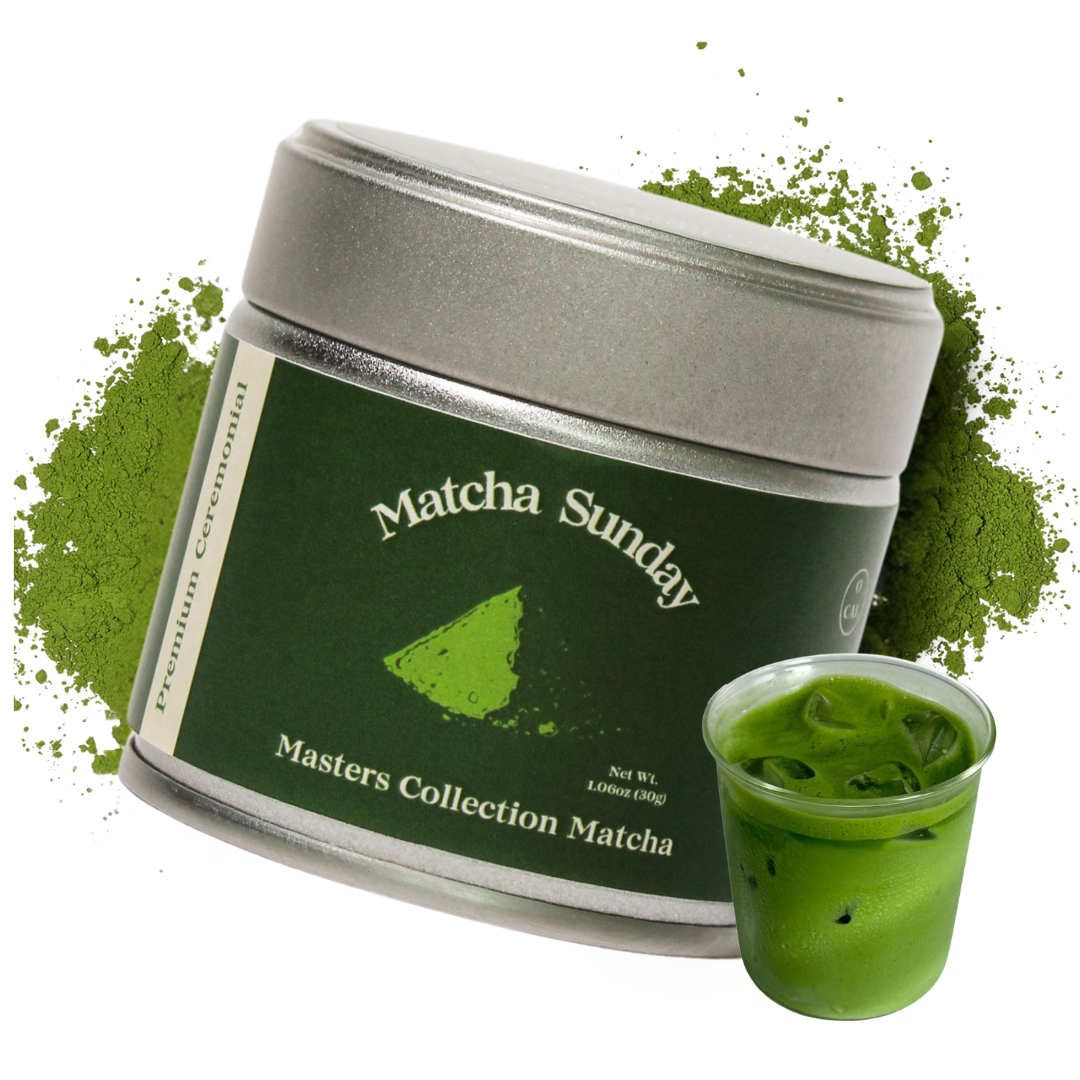
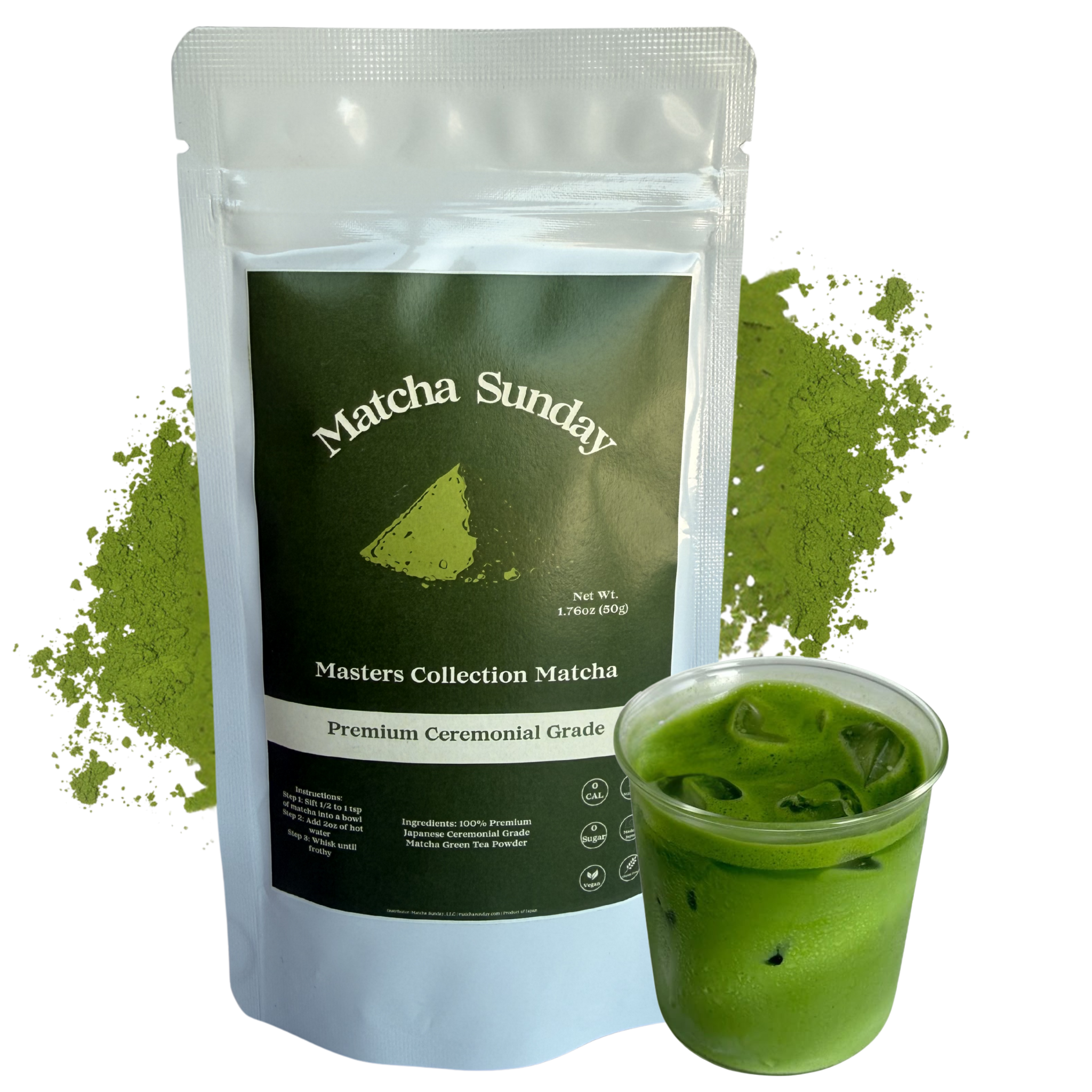
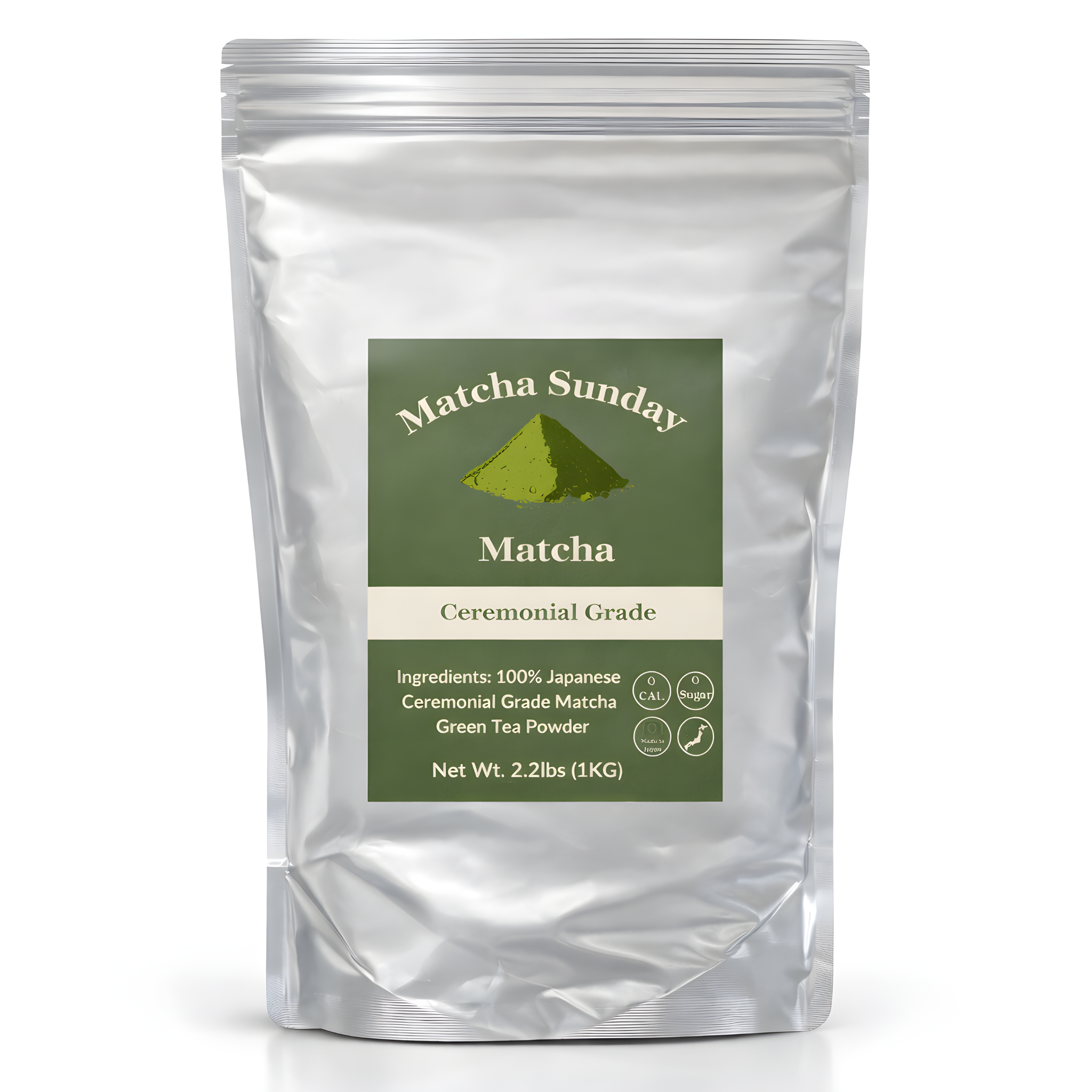
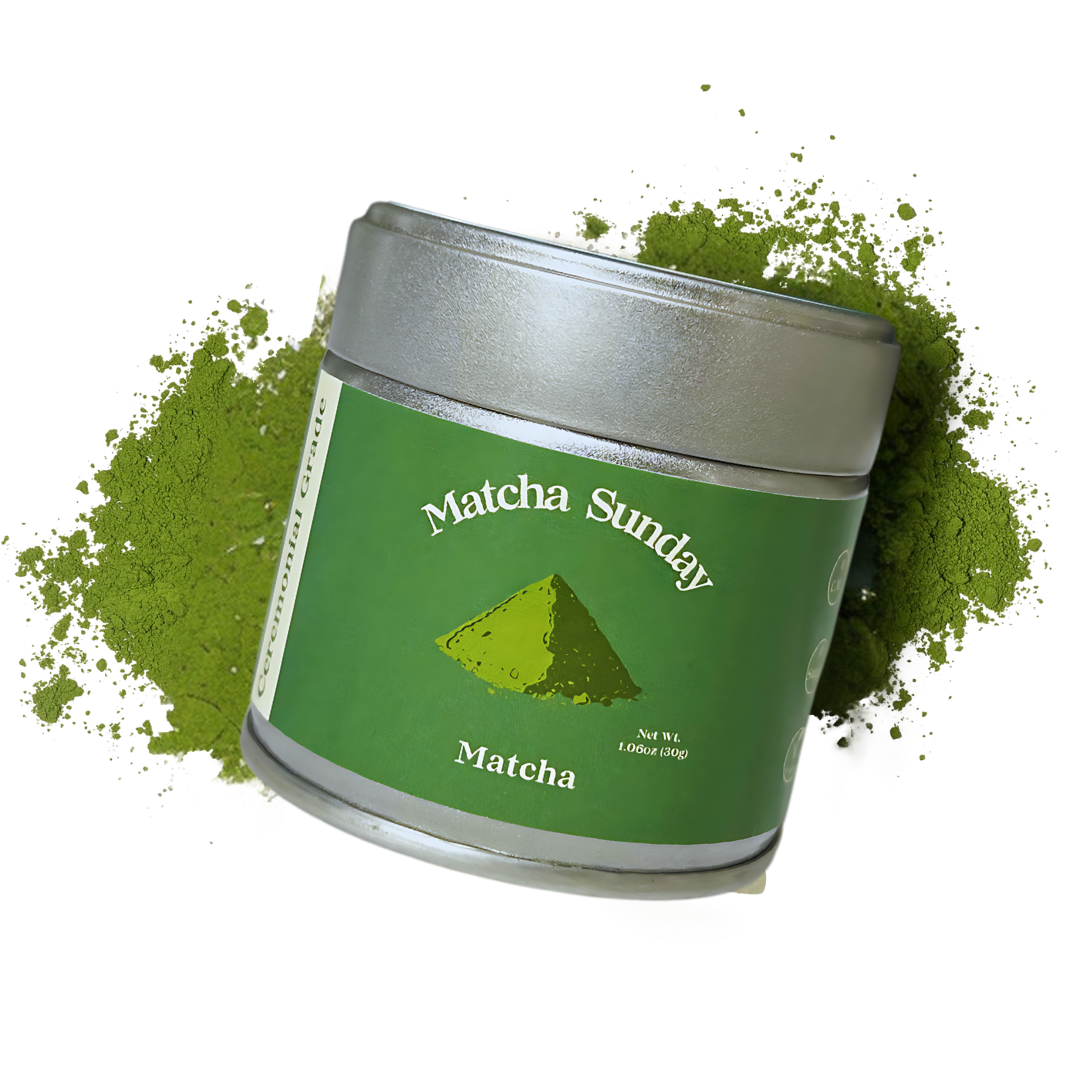
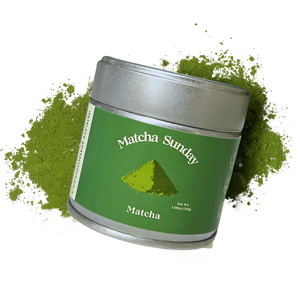
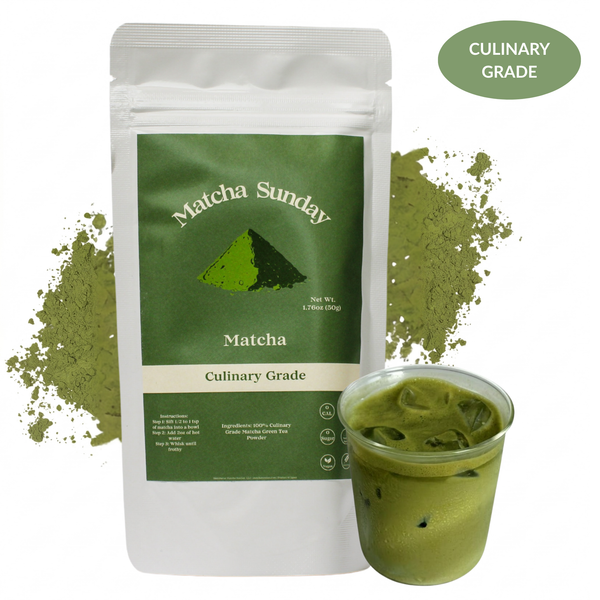
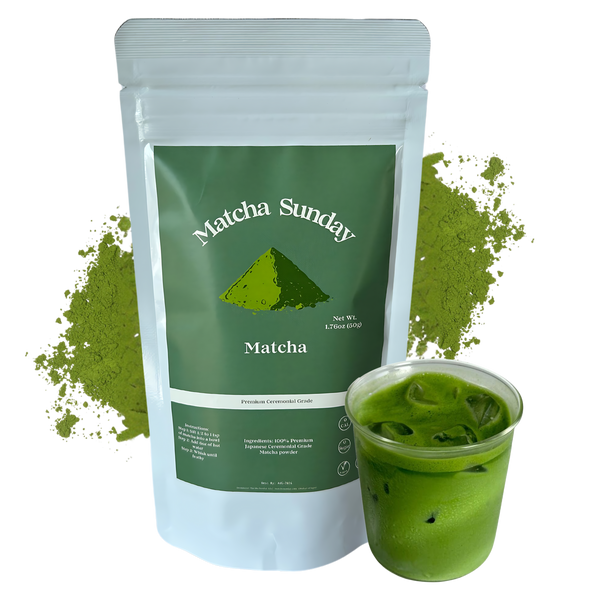
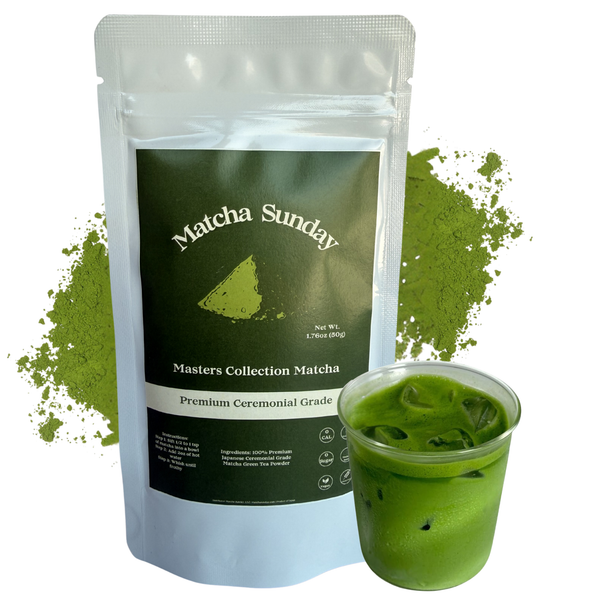
Shop the matcha
How much caffeine is in a dirty matcha latte?
A dirty matcha latte made with 2 grams of matcha and a single shot of espresso contains roughly 120 to 135 mg of caffeine. That is more than a typical 240 ml cup of brewed coffee, which averages about 95 mg, because you are combining two caffeinated ingredients in one drink.
Here is how the numbers break down. A typical serving of 2 grams of matcha contains about 60 to 70 mg of caffeine, since you consume the whole powdered leaf rather than an infusion. A single 30 ml shot of espresso contains about 63 mg of caffeine, and a double shot roughly doubles that. Order a dirty matcha with a double shot and you are approaching 190 to 200 mg, which is a serious dose worth spacing away from bedtime.
| Drink | Typical serving | Approximate caffeine |
|---|---|---|
| Matcha latte | 2 g matcha | 60 to 70 mg |
| Single espresso shot | 30 ml | About 63 mg |
| Dirty matcha latte, single shot | 2 g matcha + 30 ml espresso | 120 to 135 mg |
| Dirty matcha latte, double shot | 2 g matcha + 60 ml espresso | 185 to 200 mg |
| Brewed coffee | 240 ml | About 95 mg |
One thing softens the punch: matcha contains L theanine, an amino acid that promotes calm alertness and takes the jittery edge off caffeine for many people. That is why matcha energy tends to feel smoother than coffee energy, a difference we break down fully in our matcha caffeine vs coffee guide. In a dirty matcha latte, the L theanine still helps, but the espresso half of the drink behaves like coffee. Expect a stronger, faster lift than matcha alone.
How do you make a dirty matcha latte at home?
You need matcha, milk, espresso or strong coffee, and about five minutes. The method is the same as a regular matcha latte, with espresso floated on top at the end. Here is the full recipe for one serving.
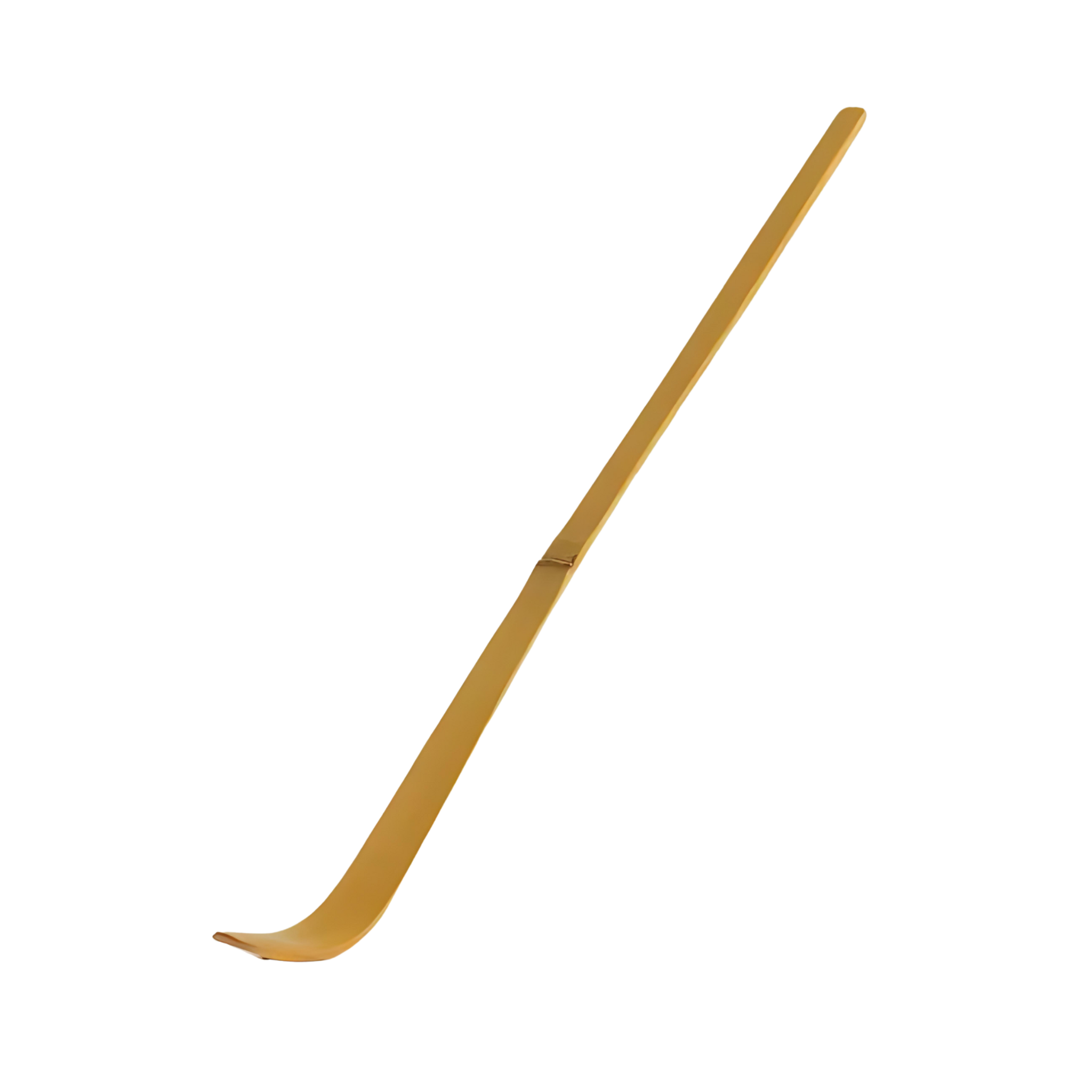
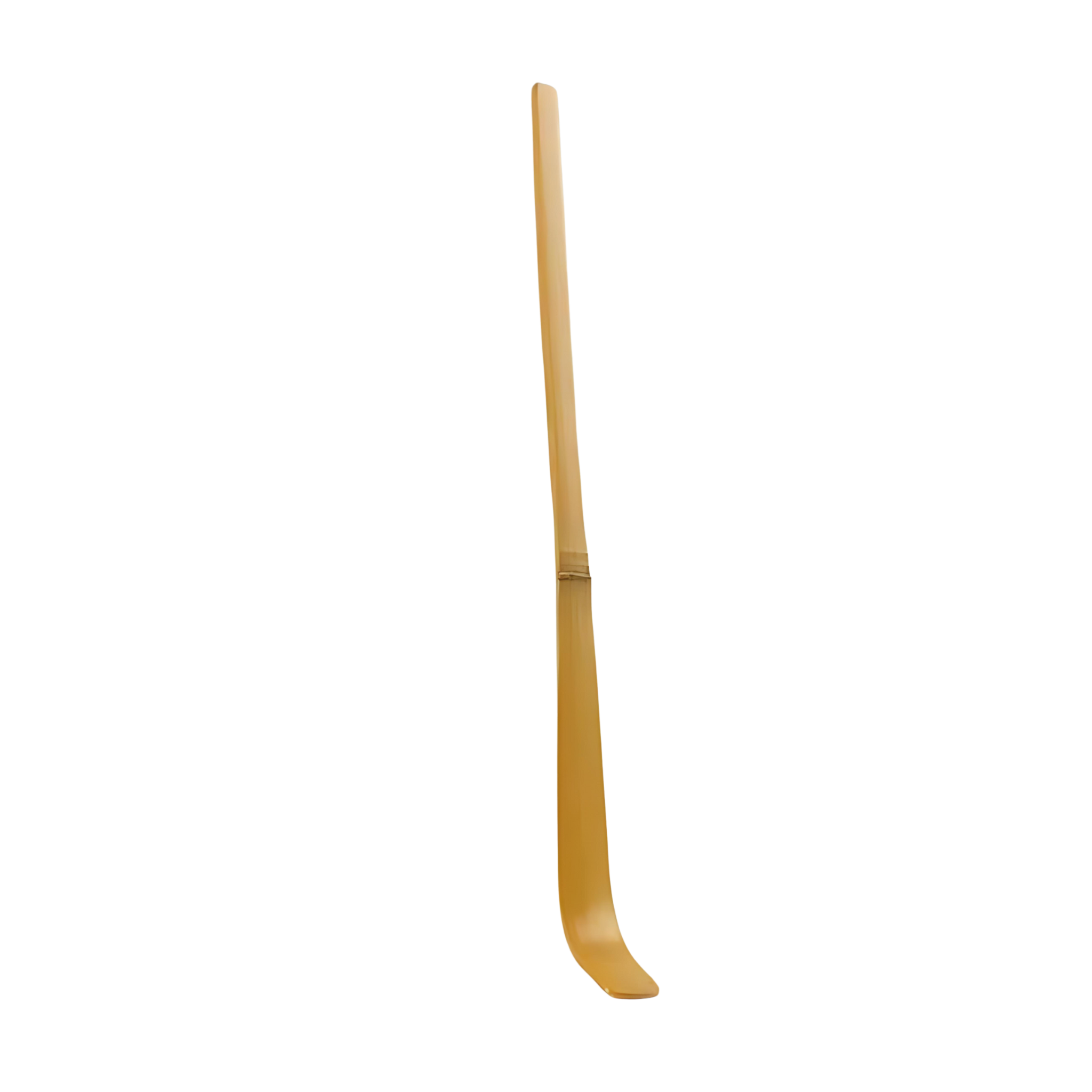
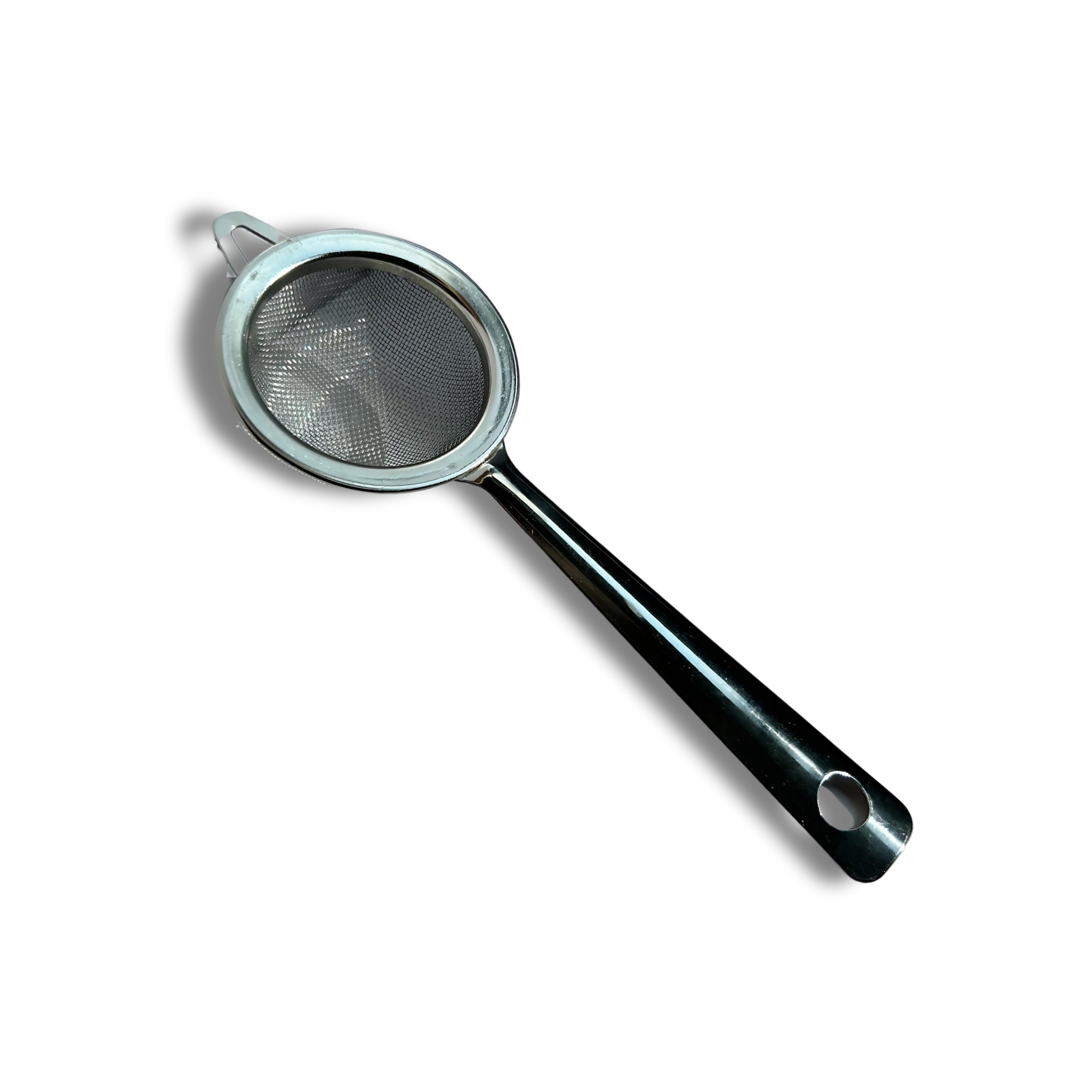
- Sift 2 grams of matcha (about 1 teaspoon) into a bowl. Sifting breaks up clumps so the matcha whisks smooth.
- Add 60 ml of hot water at 175°F (80°C). Water below a boil protects the delicate sweetness of matcha from Japan and keeps bitterness in check.
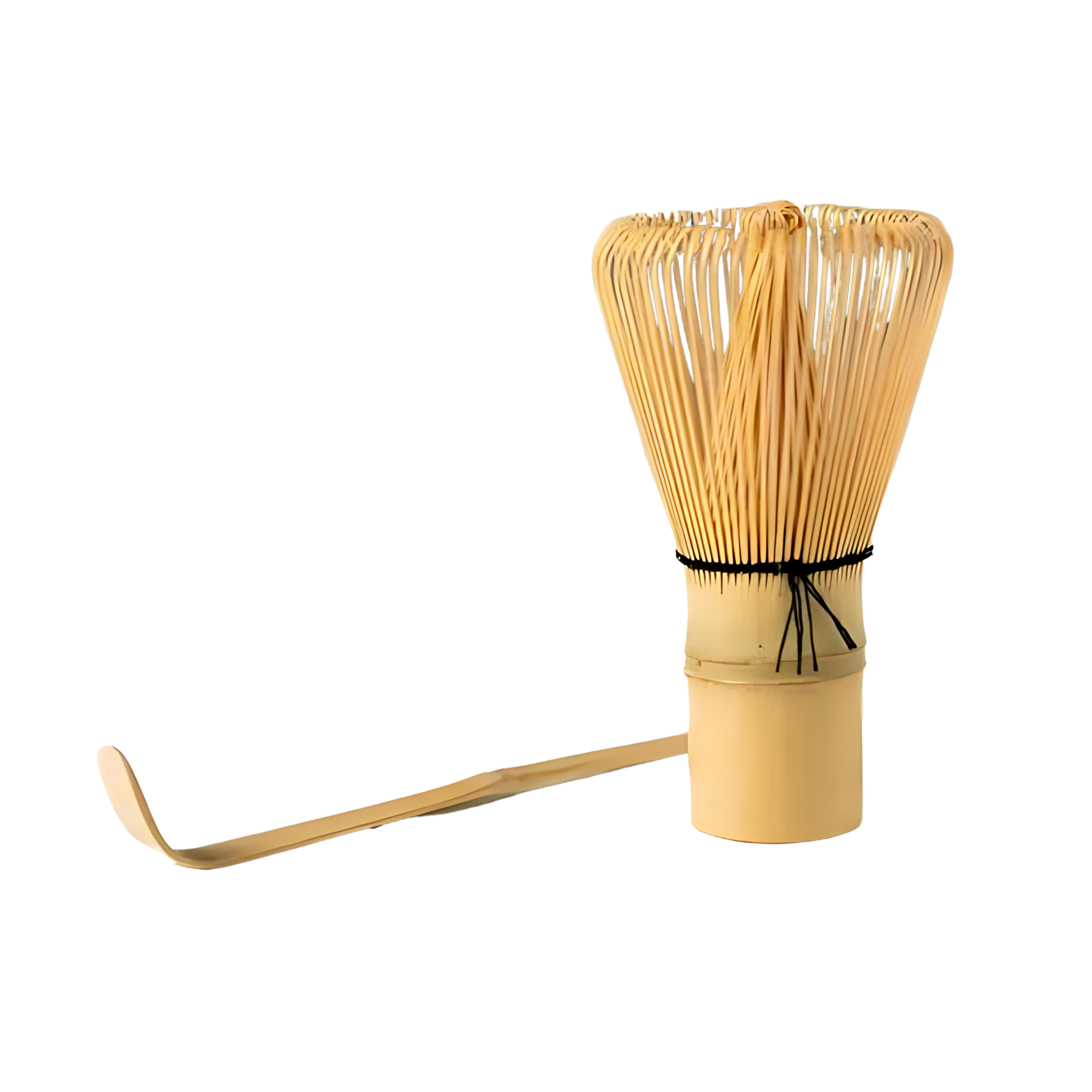
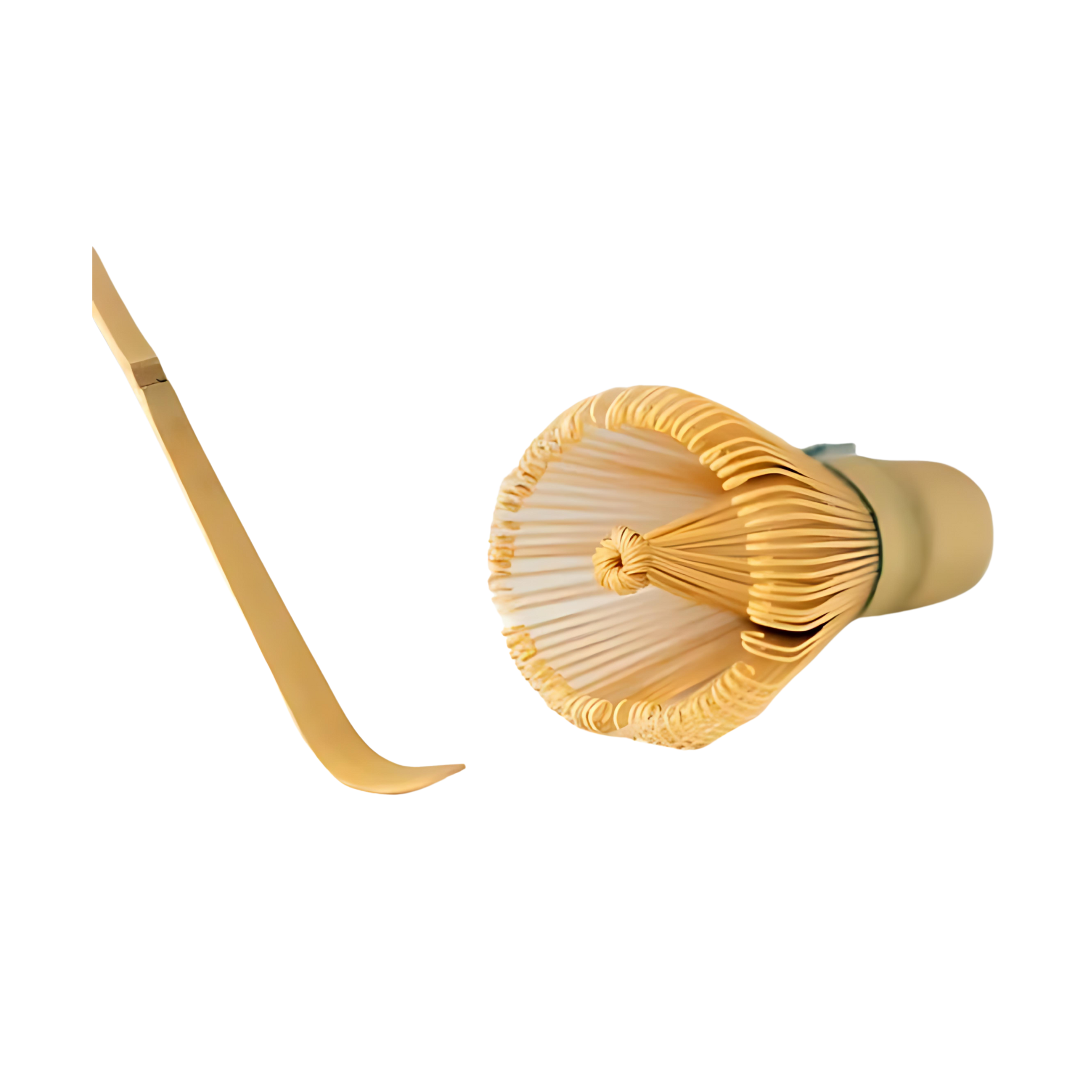
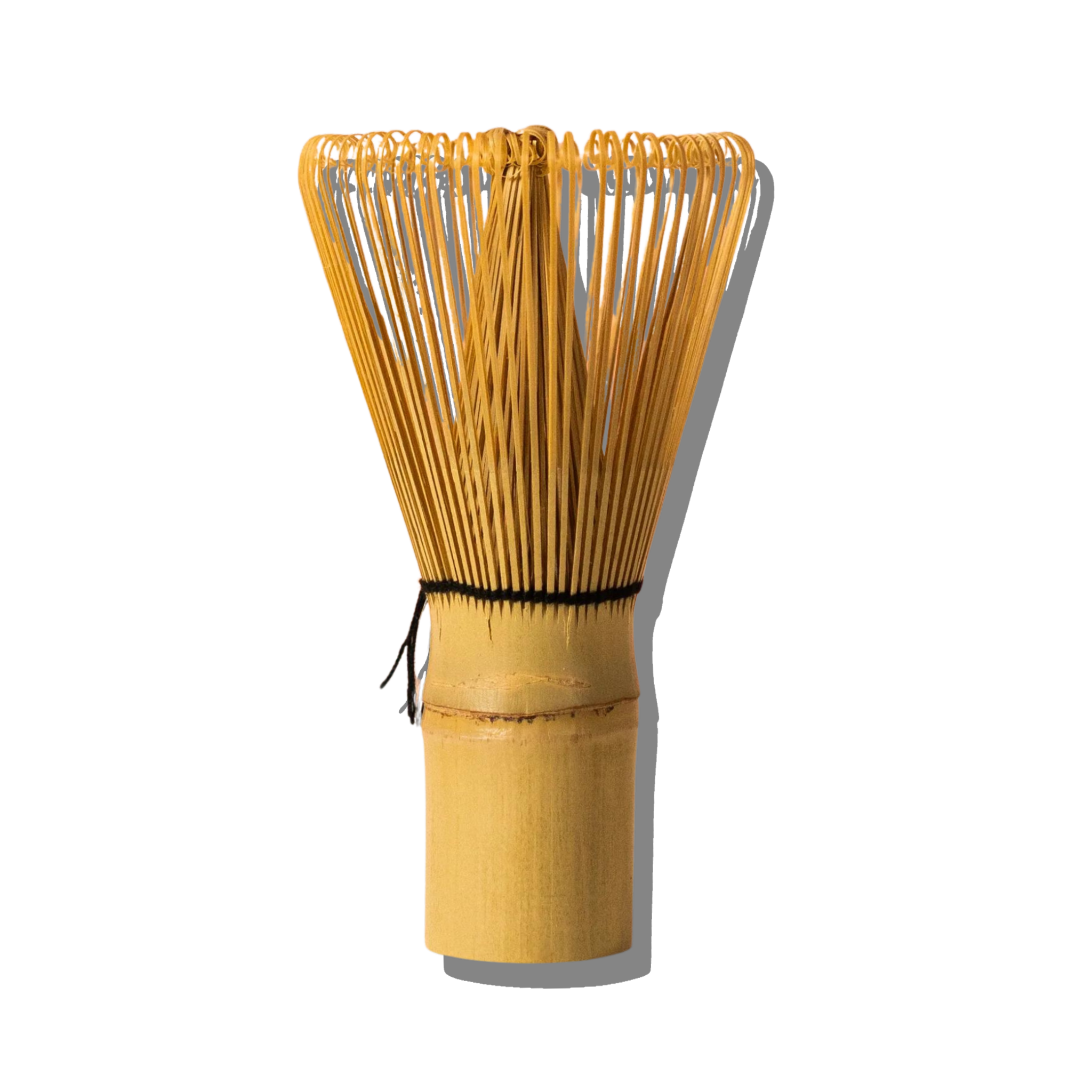
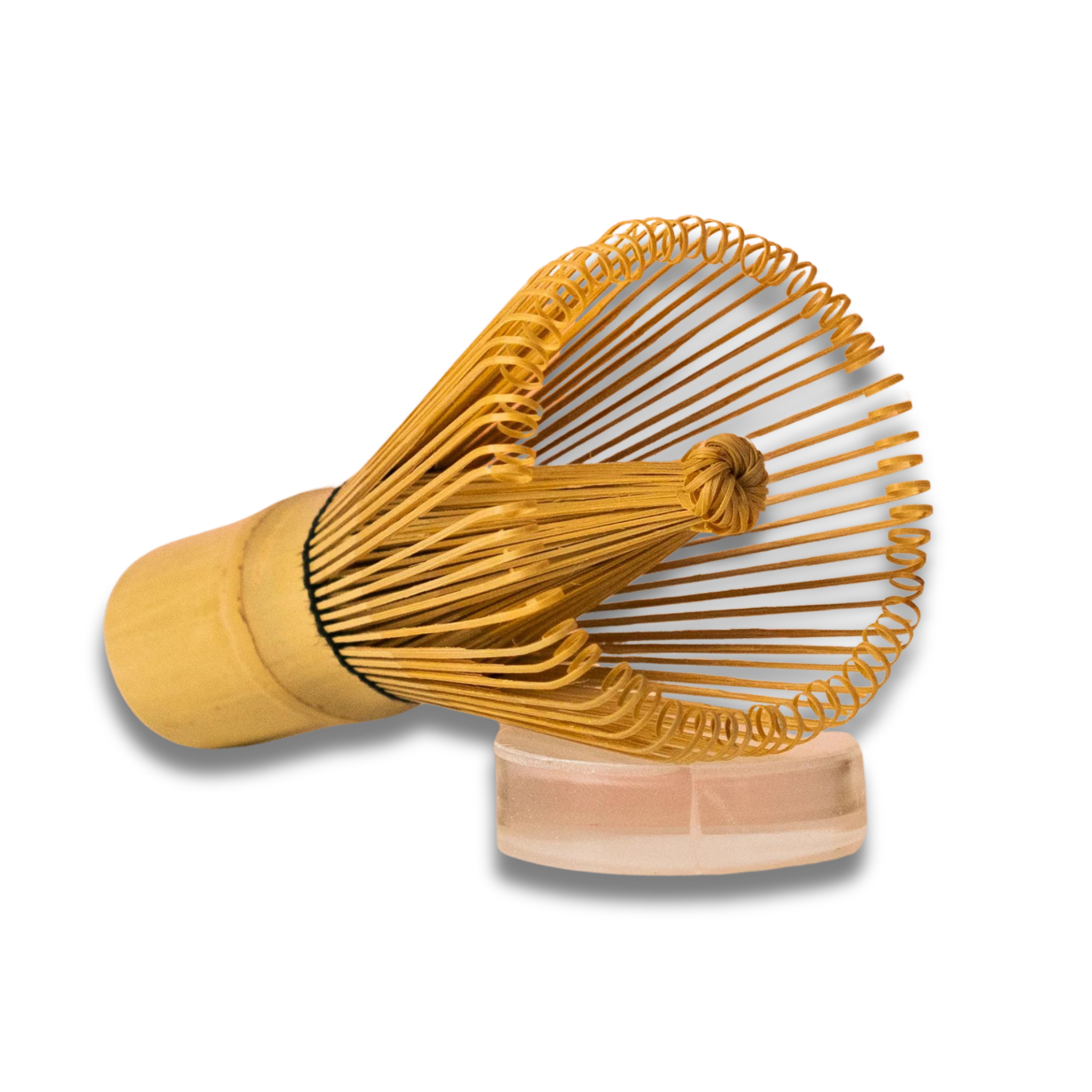
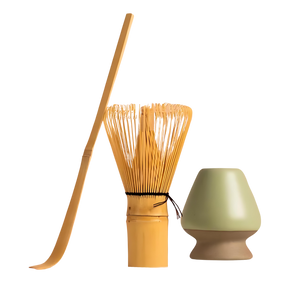
- Whisk in a zigzag motion for 15 to 30 seconds with a bamboo whisk, small regular whisk, or handheld milk frother, until the surface is smooth with a fine layer of foam.
- Pull one shot of espresso (about 30 ml). No machine? Use a moka pot, or dissolve 1 to 2 teaspoons of instant espresso in 30 ml of hot water.
- Fill a glass with ice and 180 to 240 ml of cold milk. Whole dairy milk and oat milk both give the creamy body this drink wants.
- Pour the whisked matcha over the milk, then slowly pour the espresso over the top. Pouring over the back of a spoon keeps the layers distinct.
- Admire it, then stir and drink. The layers are the show, but the flavor comes together once mixed.
If you want to sweeten it, stir honey or simple syrup into the milk first, before layering. For a deeper dive into getting the matcha and milk proportions right, our matcha latte ratio guide covers hot and iced builds in detail.
Can you make it hot?
Yes. Whisk the matcha the same way, steam or froth 180 to 240 ml of hot milk, combine them in a mug, and pour the espresso on top. You lose the dramatic layered look since there is no clear glass and no ice, but the flavor is arguably even better, closer to a rich green tea mocha.
Is a dirty matcha latte good iced?
Iced is the classic way to serve a dirty matcha latte, and most people prefer it that way. Cold milk keeps the matcha and espresso layers separated longer, the drink looks striking in a clear glass, and the chill tames the bitterness of both ingredients.
There are a few practical reasons iced works so well:
- The layers hold. Cold, dense milk at the bottom supports the matcha, and freshly pulled espresso floats on top because it is warm and less dense.
- Bitterness reads softer cold. Both espresso and matcha taste gentler over ice, so the combined drink stays smooth even without sweetener.
- It suits the caffeine occasion. Most people reach for a dirty matcha as an afternoon lift in warm weather, where an iced drink just makes sense.
The technique is identical to a standard iced matcha latte with one extra pour at the end. If you want to master the base drink first, our iced matcha latte guide walks through cafe quality results at home. And if you love cold matcha drinks but want something lighter than espresso and milk, cold brew matcha is the refreshing cousin worth trying next.
Frequently asked questions
Why is it called a dirty matcha latte?
The name comes from the espresso "dirtying" the clean green color of the matcha latte as it sinks through the drink. It follows the dirty chai, an established cafe order that adds espresso to a chai latte. The dark streaks through bright green milk gave the drink its name and its visual appeal.
Does a dirty matcha latte have more caffeine than coffee?
Usually yes. A dirty matcha latte with 2 grams of matcha and a single espresso shot contains roughly 120 to 135 mg of caffeine, while a typical 240 ml cup of brewed coffee contains about 95 mg. With a double shot of espresso, the dirty matcha climbs to nearly 200 mg.
Can you make a dirty matcha latte without an espresso machine?
Yes. A moka pot makes concentrated coffee that works well, and instant espresso powder dissolved in 30 ml of hot water is a fine substitute. Very strong brewed coffee also works in a pinch, though it dilutes the drink slightly more. The matcha side needs only a whisk or a handheld frother.
What milk works best in a dirty matcha latte?
Whole dairy milk and oat milk are the two best choices. Both are creamy enough to buffer the combined bitterness of espresso and matcha, and both layer well over ice. Lighter options like almond milk work but produce a thinner drink where the bitter edges of both ingredients come through more sharply.
What grade of matcha should I use for a dirty latte?
Use a vibrant ceremonial grade or a high quality culinary matcha from Japan. Because espresso is such a bold partner, dull or faded matcha disappears completely in this drink. A fresh, bright green matcha keeps its sweet, grassy character present in every sip instead of getting steamrolled by the coffee.
Is a dirty matcha latte too much caffeine for the afternoon?
It depends on your sensitivity and timing. At 120 to 135 mg with a single shot, one dirty matcha latte sits well within common daily guidance of up to 400 mg for healthy adults. Caffeine lingers for hours, though, so most people do best drinking it before mid afternoon to protect sleep.
Should I sweeten a dirty matcha latte?
Taste it first, then decide. Good matcha and quality milk carry natural sweetness, and many people enjoy the drink unsweetened. If the combined bitterness of espresso and matcha is too much, stir a teaspoon of honey or simple syrup into the milk before layering so it dissolves evenly without disturbing the pour.