Matcha harvest season in Japan begins in late April and peaks in May, when farms pick the first tender leaves of spring. This first harvest, called ichibancha, yields the sweetest, greenest, most umami rich matcha because the leaves store amino acids all winter and are shaded before picking. Here is the part most explainers miss: the year's entire supply of premium matcha is essentially decided in a few short weeks each spring. Miss that window, and there is no making more until the next year, which is why harvest timing shapes matcha flavor, price, and availability for the whole year.
When is matcha harvested in Japan?
Matcha is harvested in Japan primarily from late April through May, when tea farms pick the first flush of new spring growth. Smaller follow up harvests happen in June and July, and in some regions again in late summer or early autumn. The spring picking is the one that matters most for quality.
Japanese tea culture even has a date for it. Tradition holds that tea picked around hachijuhachiya, the eighty eighth night after the start of spring on the old calendar, is especially fine. That night falls around May 1 to 2, right in the heart of the first harvest window. In practice, farms watch the leaves rather than the calendar: they wait for the new shoots to reach the ideal stage of tenderness, usually two or three young leaves and a bud, then each farm picks within a narrow window of days.
| Harvest | Japanese name | Timing | Leaf character | Typical use |
|---|---|---|---|---|
| First harvest | Ichibancha | Late April to May | Tender, sweet, high in amino acids | Ceremonial and premium matcha |
| Second harvest | Nibancha | June to July | Sturdier, more bitter, more catechins | Everyday and culinary matcha |
| Third or autumn harvest | Sanbancha or shuutou bancha | Late summer to autumn | Coarser, flatter flavor | Blends, food service, processed tea |
What is first harvest matcha?
First harvest matcha is matcha made only from ichibancha, the very first leaves the tea plant produces in spring. These leaves grew slowly through the cold months, so they carry the highest concentration of the sweet and savory compounds the plant stored all winter. Most matcha sold as ceremonial grade matcha comes from this first picking.
After picking, the leaves destined for matcha are steamed within hours to stop oxidation, then dried without rolling into a leaf material called tencha. The stems and veins are removed, and the pure leaf flesh is ground slowly on granite mills into powder. Because the plant only produces one first flush per year, the supply of true first harvest matcha is fixed each spring and cannot be expanded until the next season.
Why does first harvest matcha taste better?
First harvest matcha tastes better because its leaves contain more L theanine and less of the bitter catechins that build up in summer leaves. L theanine is the amino acid responsible for umami, the savory sweetness that defines great matcha, and it accumulates while the plant rests through winter. Young spring leaves are also physically tender, which gives the finished powder a smoother, creamier texture in the bowl.
Later harvests grow quickly under strong summer sun. Fast growth in bright light pushes the plant to convert its amino acids into catechins, the compounds behind astringency and bitterness. That is why second and third harvest matcha tends to taste sharper and flatter, with a duller olive tone instead of vivid green. The difference is easy to taste side by side: whisk 2 grams of each in about 70ml of water at 70 to 80°C and the first harvest bowl will be noticeably sweeter and rounder.
How does shading before harvest change matcha flavor?
Shading is the step that turns good spring leaves into true matcha leaves. For roughly three to four weeks before the first harvest, farmers cover the tea plants with shade cloth or traditional reed and straw screens. Coverage starts near 70 percent of the sunlight and rises to 90 percent or more in the final days before picking. This is the defining technique of traditional Japanese matcha production.
Shading changes the leaf chemistry in three important ways:
- It preserves L theanine. Sunlight drives the conversion of theanine into bitter catechins. Cutting the light keeps the sweet umami compounds locked in the leaf.
- It boosts chlorophyll. Starved of light, the plant produces extra chlorophyll to capture what little remains, which is why shaded matcha is such an intense jade green.
- It keeps the leaf tender. Slower growth in the shade produces thin, soft leaves that grind into a finer, silkier powder.
This is also why harvest timing and shading are inseparable. Only leaves that were both spring grown and properly shaded deliver the full sweet, green, umami character matcha is known for. A summer leaf given the same shading still cannot match a shaded spring leaf.
Does harvest season affect matcha price and availability?
Yes, directly. Because premium matcha comes almost entirely from one spring picking, the year's supply of top grade matcha is essentially decided by the end of May. When global demand rises faster than spring yields, the best lots sell out and prices climb, and there is no way to make more until the following spring.
That is exactly the situation behind the current squeeze. Worldwide demand for matcha has grown dramatically while the number of tea farms in Japan has been shrinking for years, and the result is the supply crunch covered in our guide to the 2026 matcha shortage. First harvest ceremonial lots are the first thing to disappear, because they are the scarcest tier and the one cafes and serious drinkers want most.
Timing matters for buyers too. Fresh tencha from the spring harvest is typically rested, then milled to order through the year, so new crop matcha reaches shops in waves in the months after harvest. When you see a first harvest lot in stock during a shortage year, that availability is not guaranteed to last.
How can you tell if your matcha is from the first harvest?
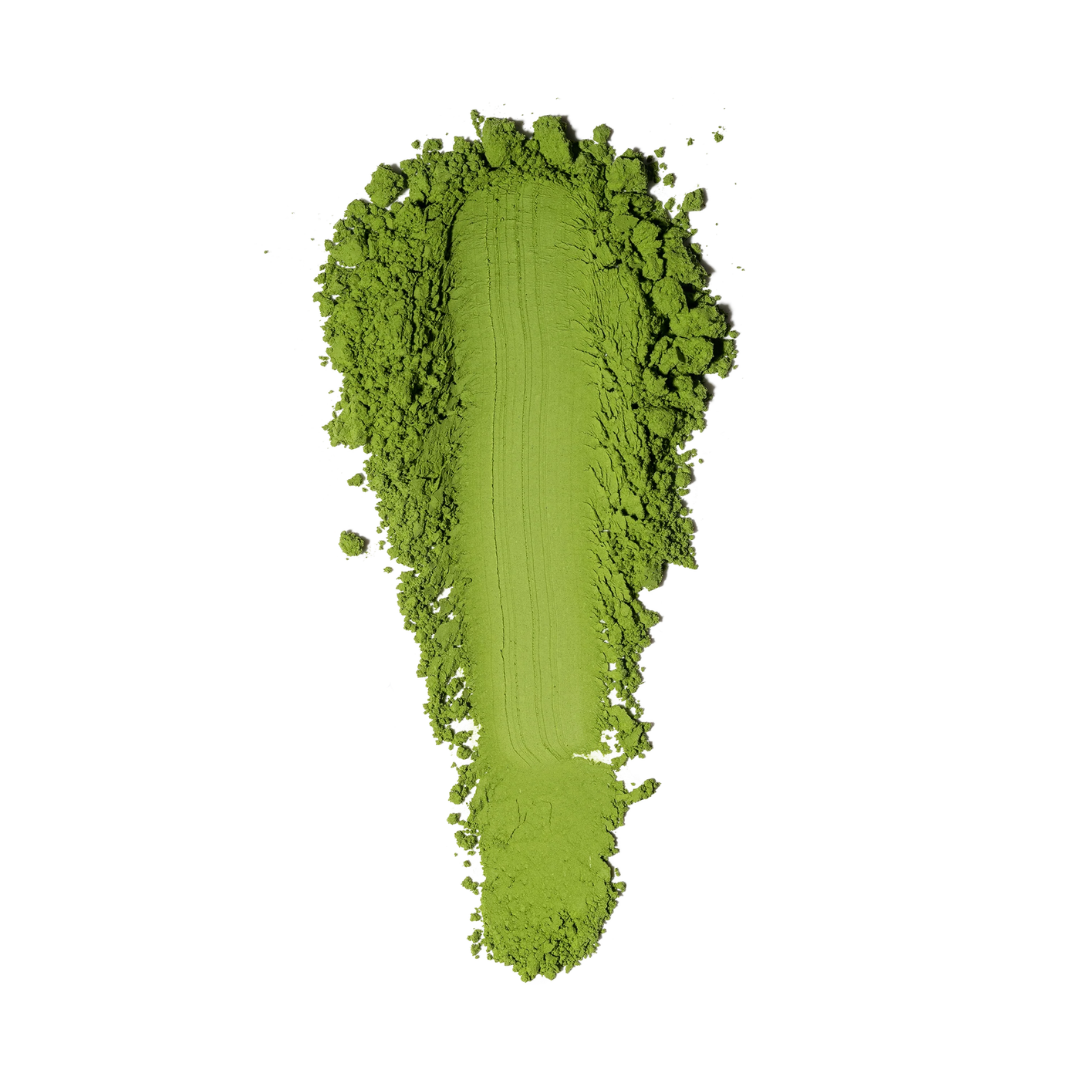
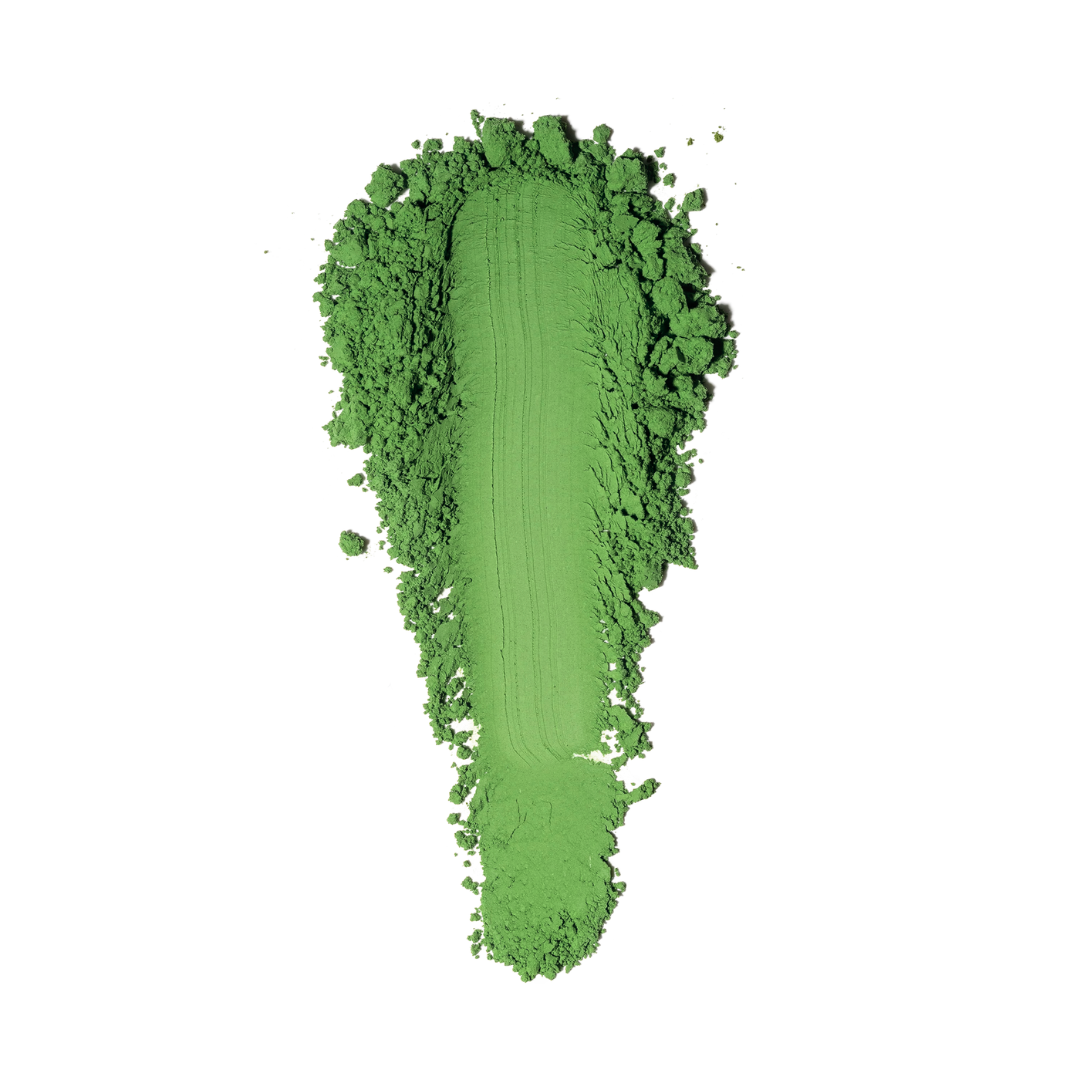
You can identify first harvest matcha by its color, texture, aroma, and taste, along with honest labeling. The fastest check is a side by side one: first harvest reads as vivid jade with a sweet, fresh cut grass aroma, while later harvest powder reads as dull olive with a roasted, hay like, or dusty note. No single clue is proof on its own, but together they are hard to fake. Here is what to check:
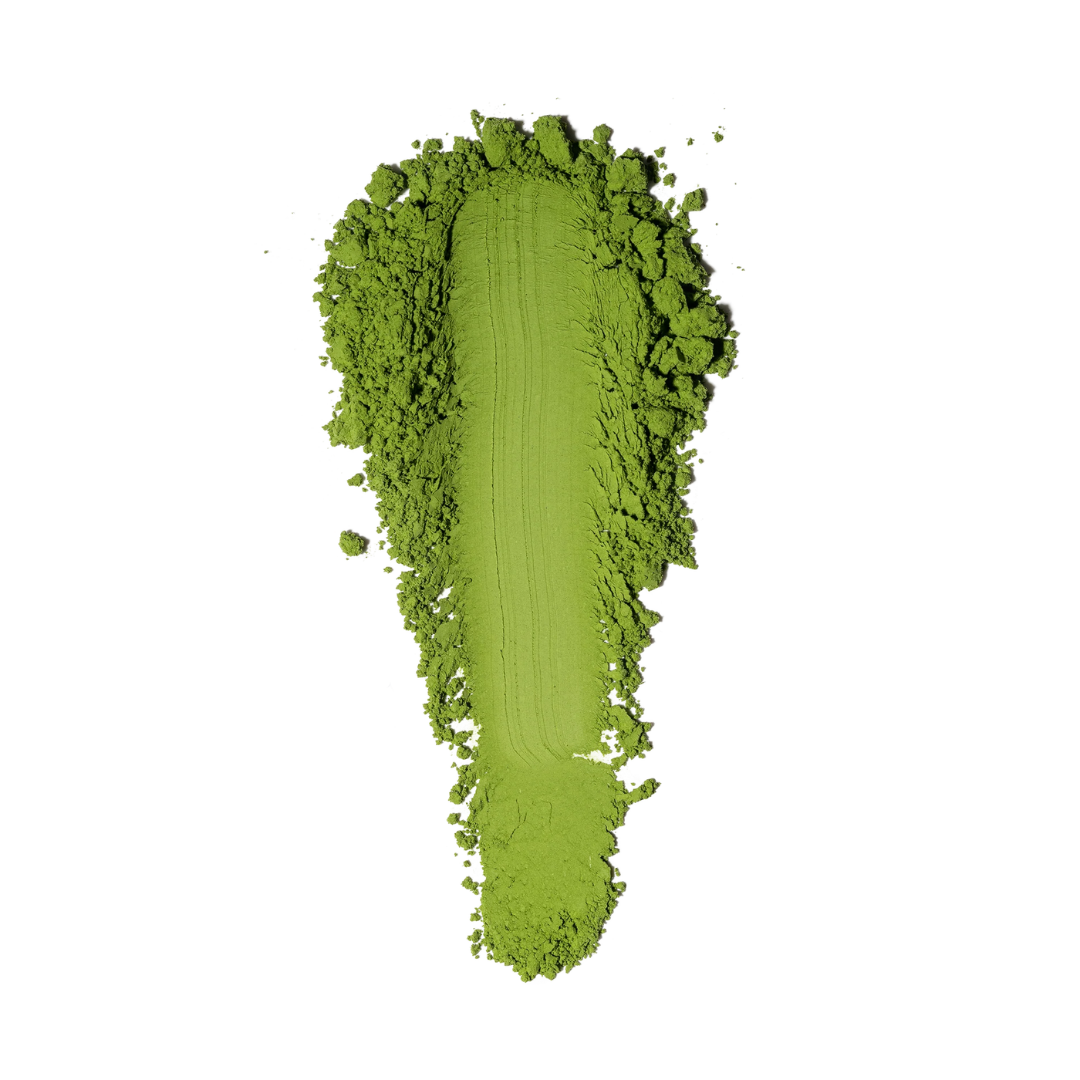
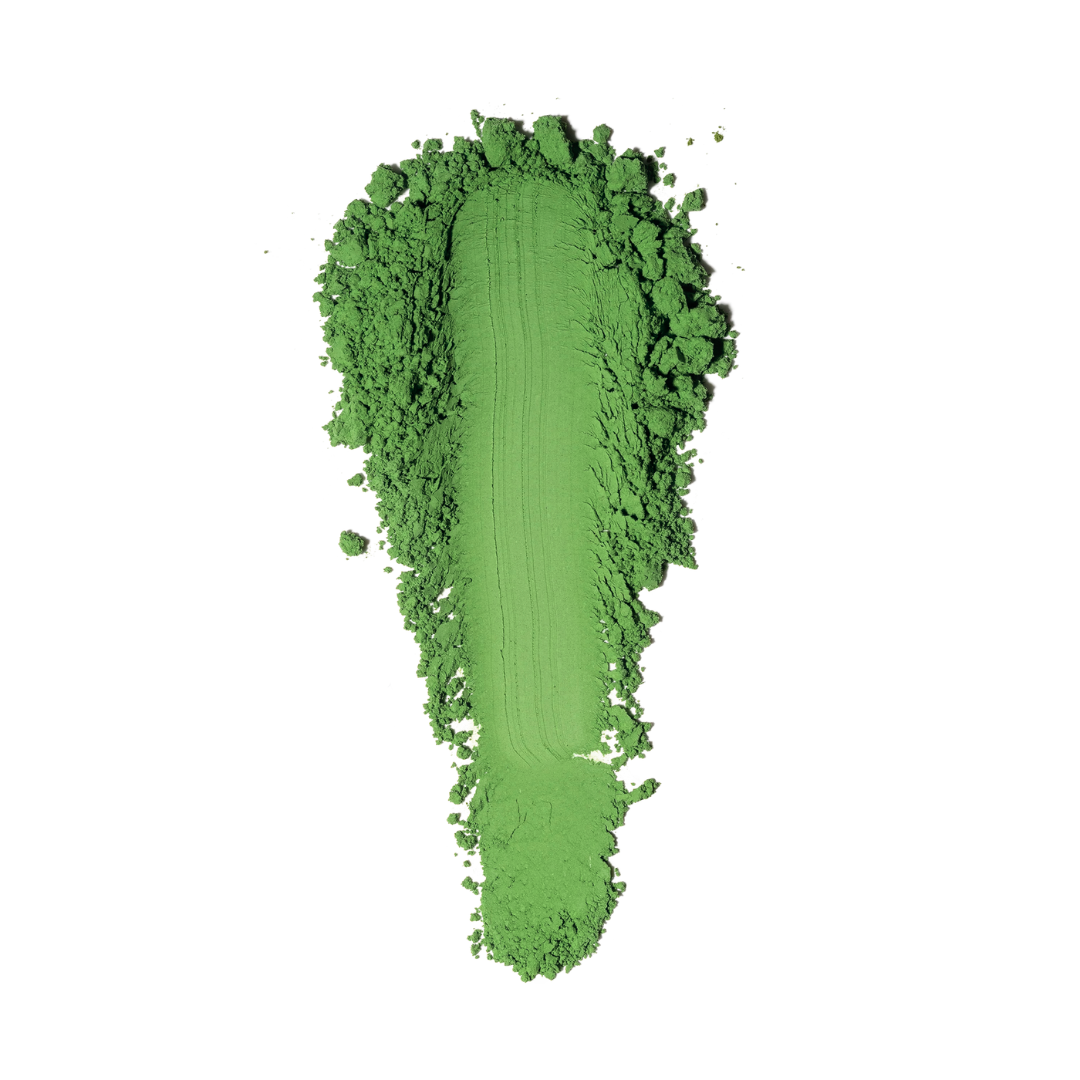
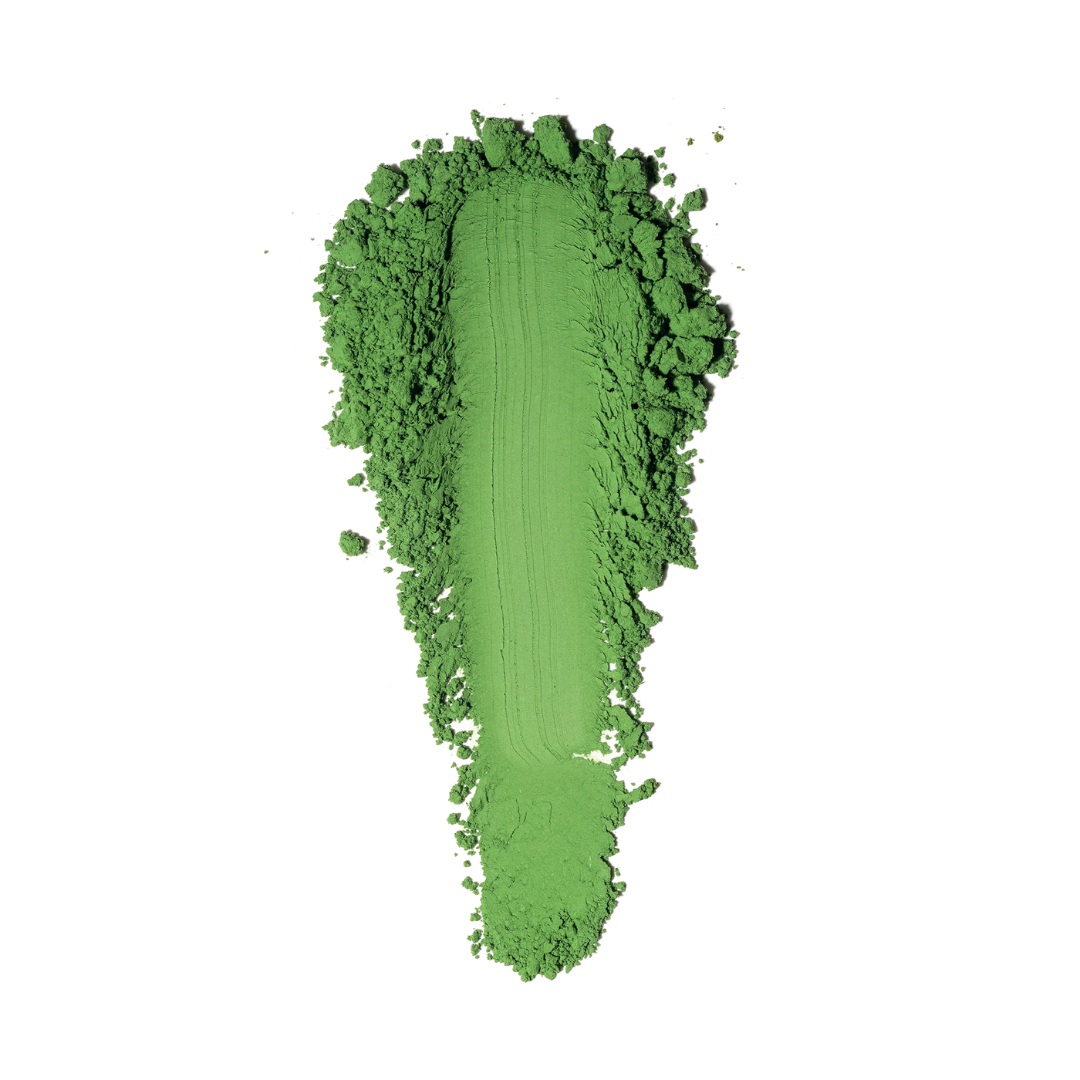
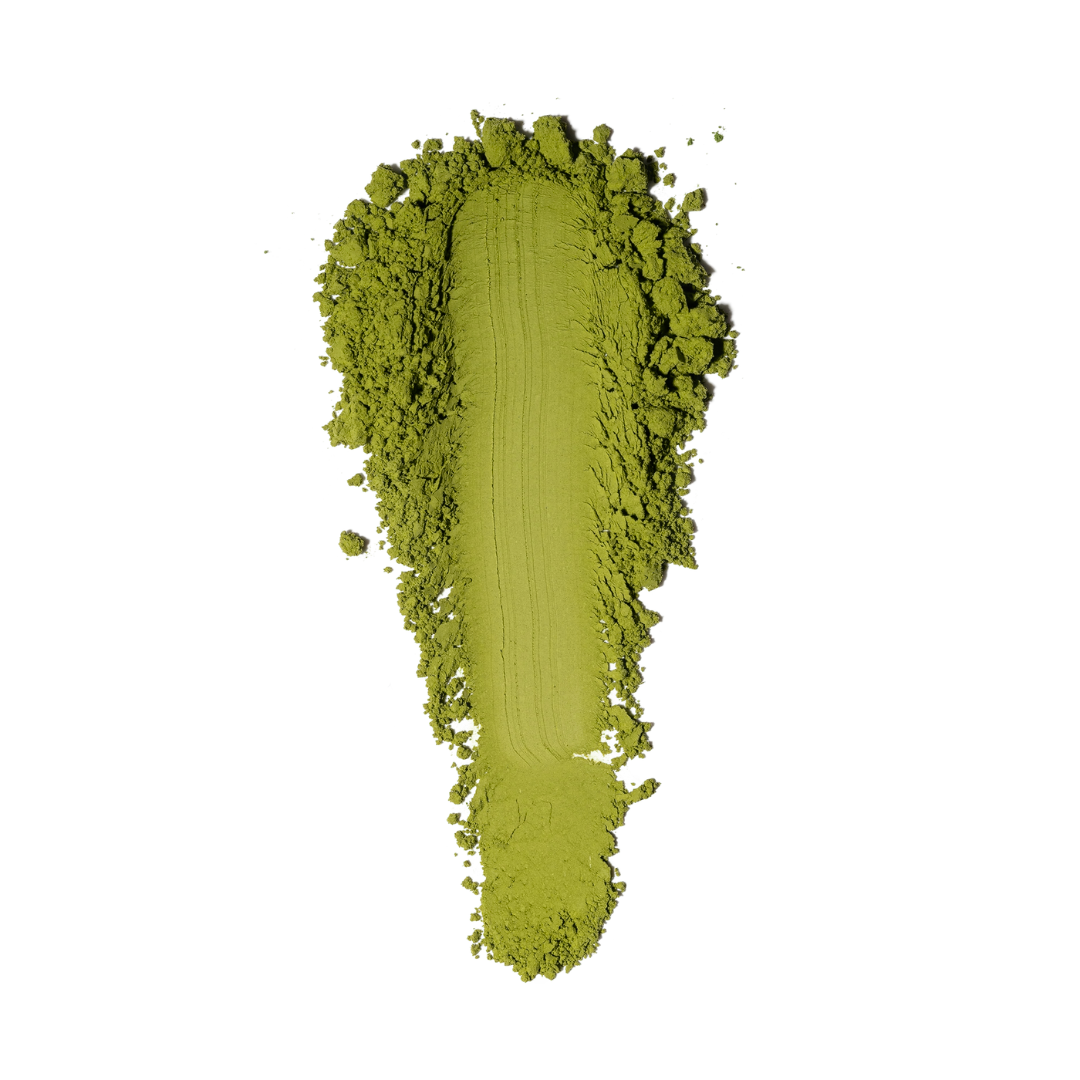
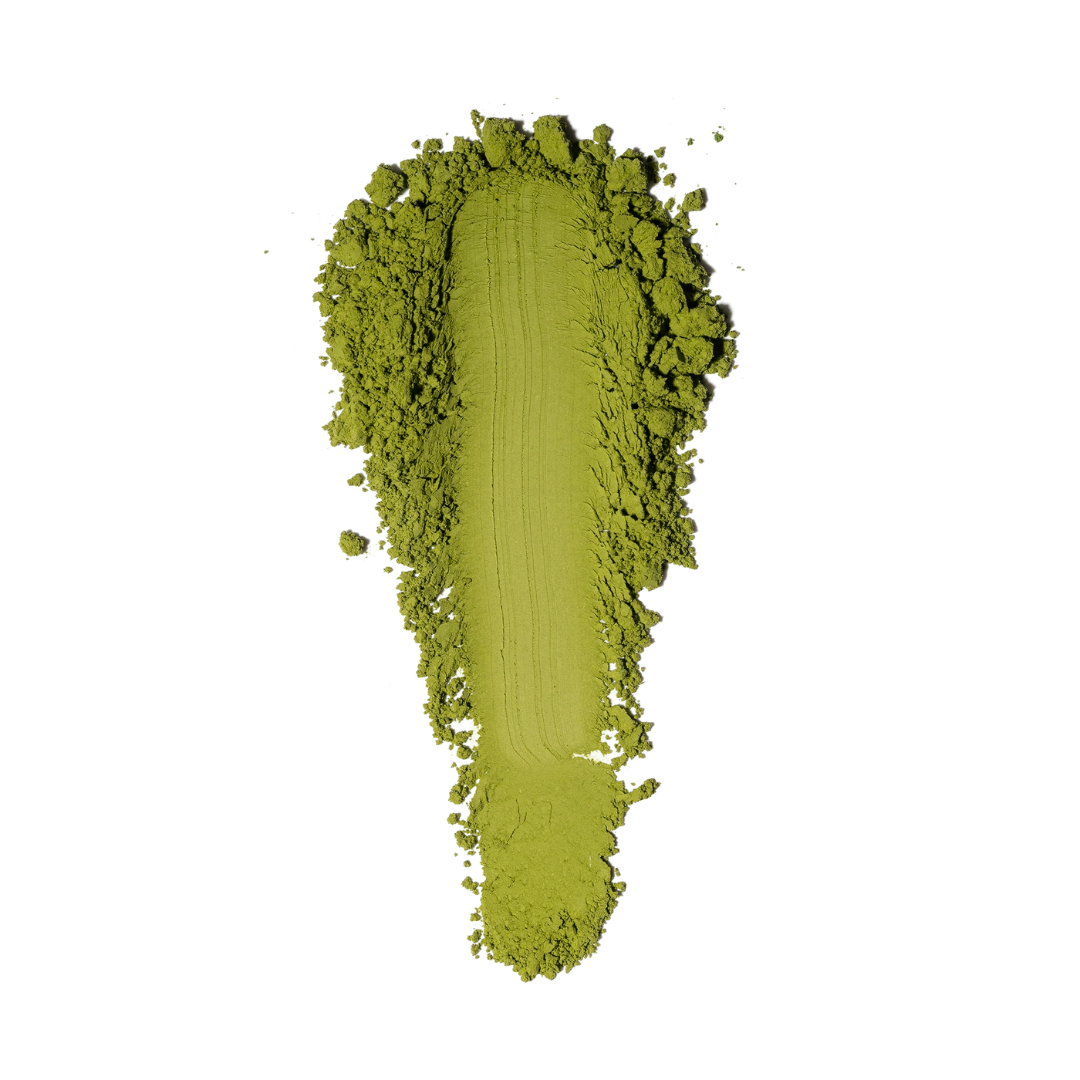
- Color: vivid, saturated jade green. Later harvest matcha looks duller, more olive or yellowish.
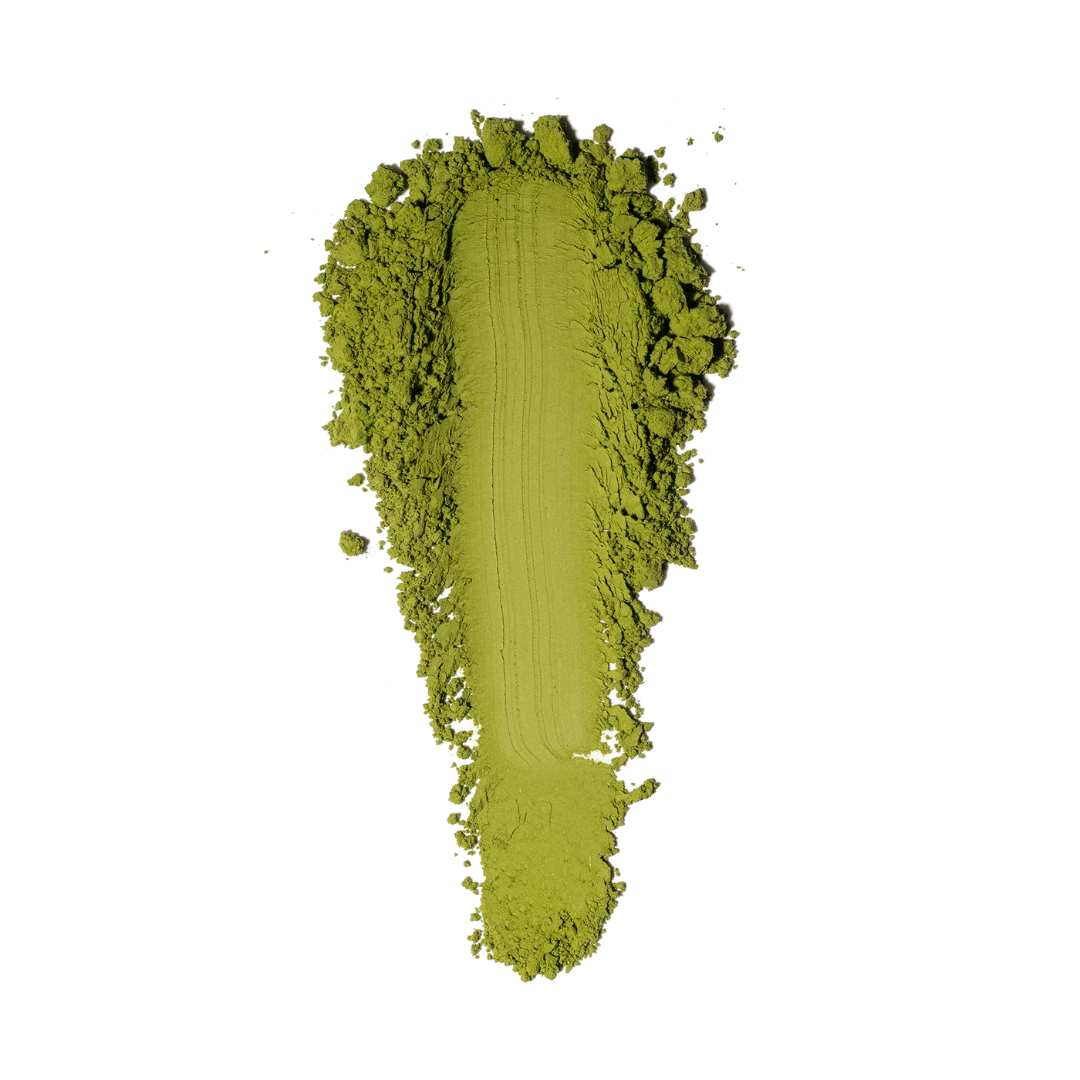
- Texture: an extremely fine powder that feels silky, almost like fine face powder, between your fingers.
- Aroma: fresh, sweet, and grassy with a savory edge, never hay like or stale.
- Taste: pronounced umami and natural sweetness with gentle, quickly fading astringency, not harsh bitterness.
- Labeling: terms like first harvest, ichibancha, or spring harvest, ideally with a stated origin from Japan and a recent production date.
Ceremonial grade labeling alone is not regulated, so treat it as a starting point rather than a guarantee. For a full walkthrough of grading, sourcing, and what the label should tell you, see our guide to choosing high quality matcha.
Start your matcha ritual
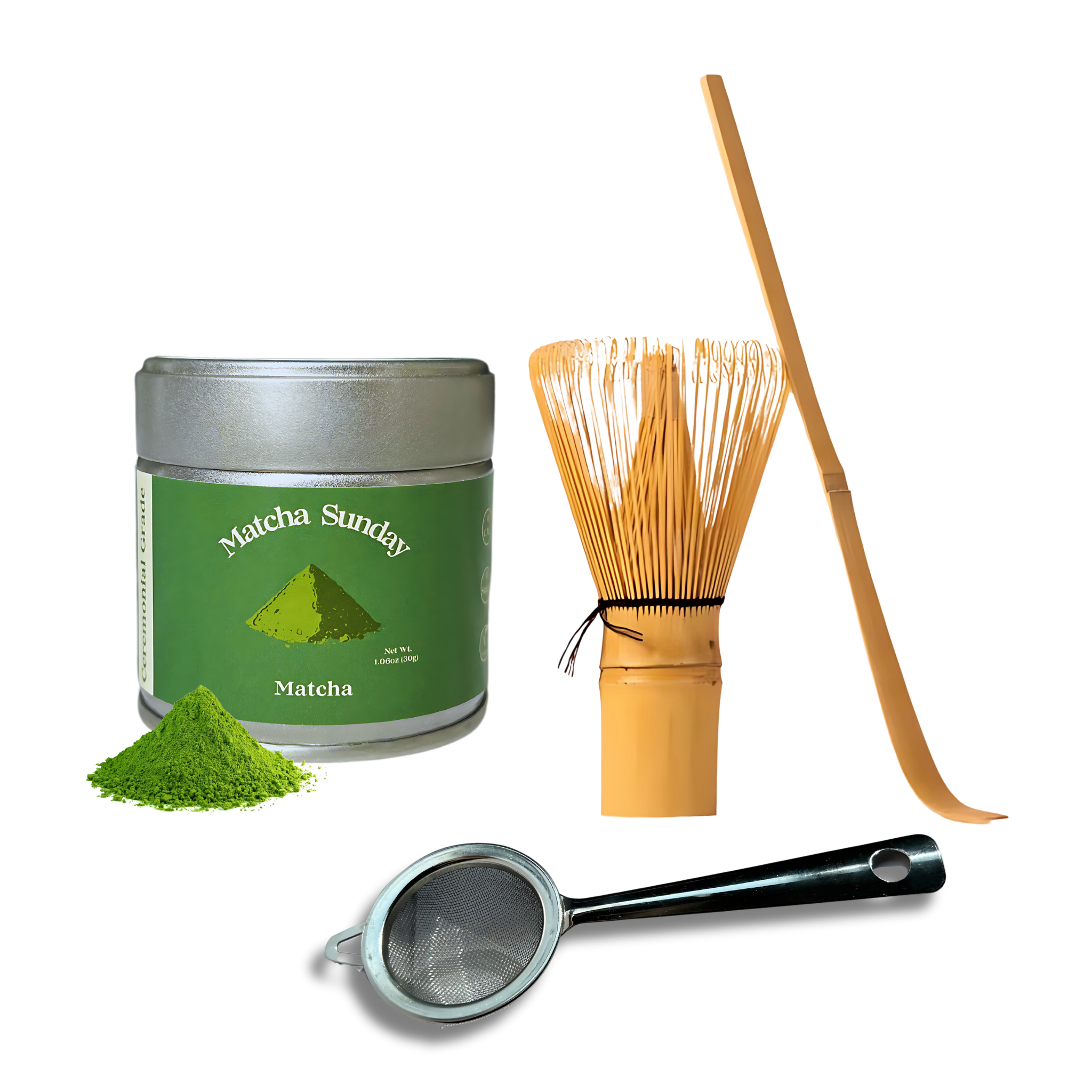
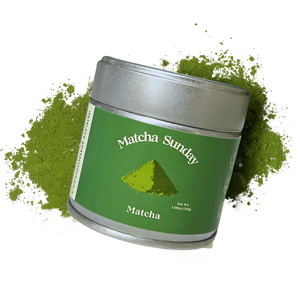
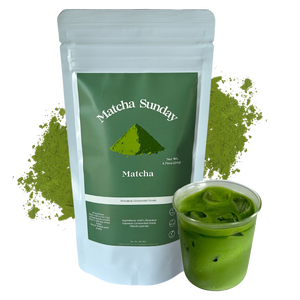
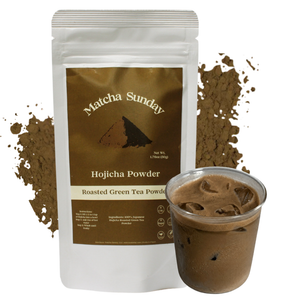
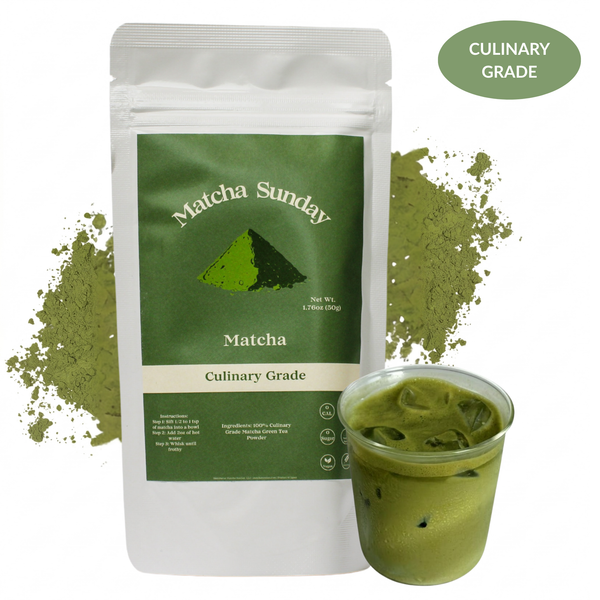
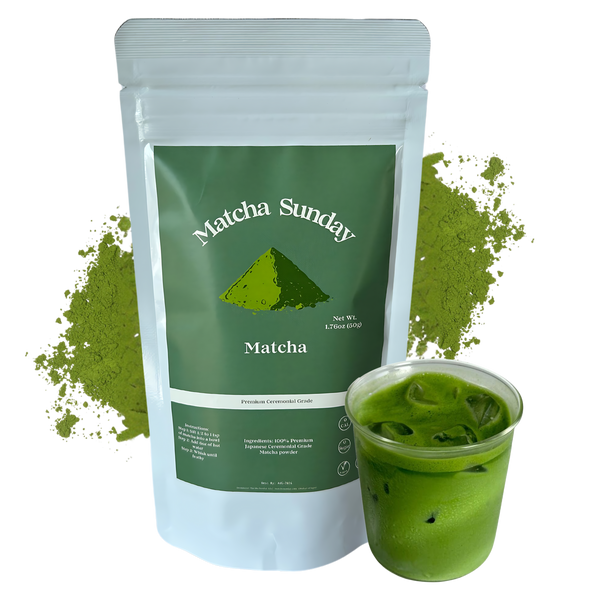
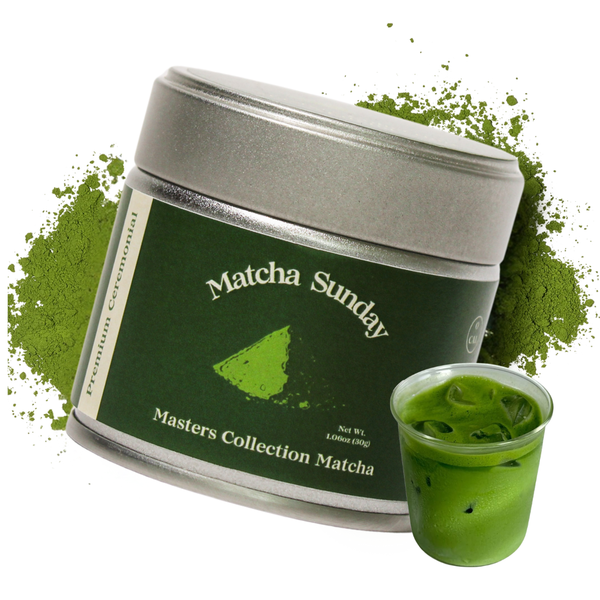
All 100% matcha from Japan. Pick the one that fits how you like to drink it.
Frequently asked questions
What months is matcha harvested in Japan?
Matcha leaves are harvested in Japan mainly from late April through May, when the first spring flush is picked. Secondary harvests follow in June and July, and sometimes in late summer or autumn, but the spring picking supplies nearly all premium and ceremonial matcha for the year.
What is the difference between first harvest and second harvest matcha?
First harvest matcha comes from tender spring leaves rich in L theanine, giving it a sweet, umami forward taste and vivid green color. Second harvest matcha comes from summer leaves that grew fast in strong sun, so it contains more bitter catechins and tastes sharper, with a duller olive tone.
Is first harvest matcha the same as ceremonial grade?
Not automatically, but they overlap heavily. Ceremonial grade matcha is almost always made from shaded first harvest leaves, since only those deliver the required sweetness and color. However, grade names are not regulated, so a first harvest claim plus vivid color, fine texture, and umami flavor is the real test.
How long are tea plants shaded before the matcha harvest?
Tea plants destined for matcha are shaded for roughly three to four weeks before the spring harvest. Farmers cover the rows with cloth or traditional screens, starting near 70 percent light blockage and rising to 90 percent or more before picking, which preserves sweet L theanine, raises chlorophyll for a deeper green color, and keeps the young leaves tender for fine grinding.
Does first harvest matcha have more caffeine?
Yes, slightly. Young shaded spring leaves tend to carry more caffeine than mature summer leaves, and a standard 2 gram serving of quality matcha provides roughly 60 to 70 milligrams of caffeine. Because first harvest matcha is also high in L theanine, the caffeine feels smoother and more sustained than coffee.
When does new harvest matcha become available to buy?
New crop matcha typically reaches shops in waves during the months after the spring harvest. The steamed and dried leaf, called tencha, is usually rested and then milled to order through the year, so freshly ground lots keep releasing. In shortage years, first harvest lots can sell out quickly at each release.
Why does matcha sell out after the harvest each year?
Premium matcha comes almost entirely from one spring picking, so the year's supply is fixed by May and cannot be expanded until the next season. When global demand outpaces that spring yield, as it has recently, top first harvest lots run out and prices rise until the following harvest.
Taste what first harvest actually means
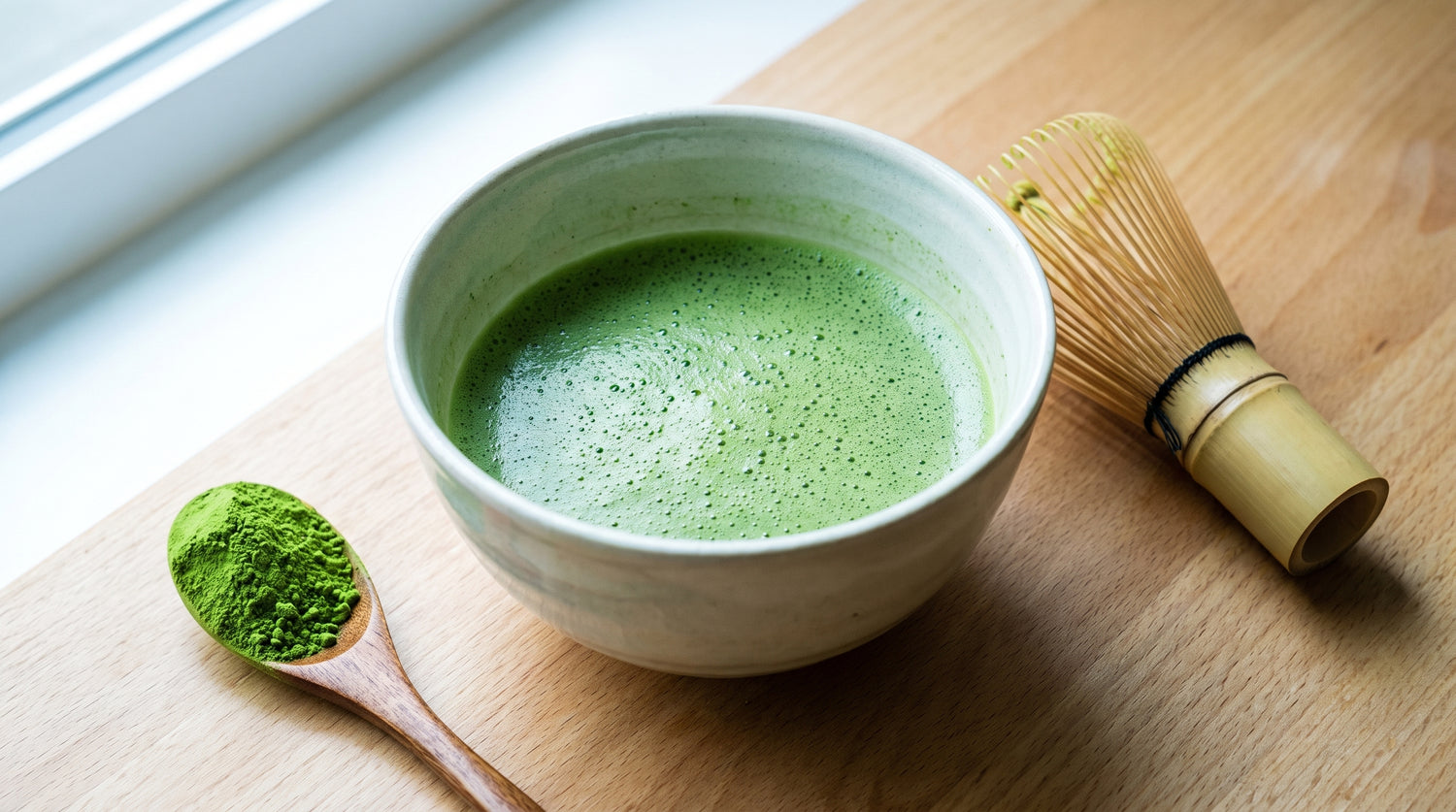
Everything in this article comes down to one bowl: shaded spring leaves, picked in those few short weeks each spring, stone milled into a powder that tastes sweet and smooth instead of sharp. That is the difference you can taste on the very first sip, and it is the reason first harvest lots are the ones that disappear in a shortage year.
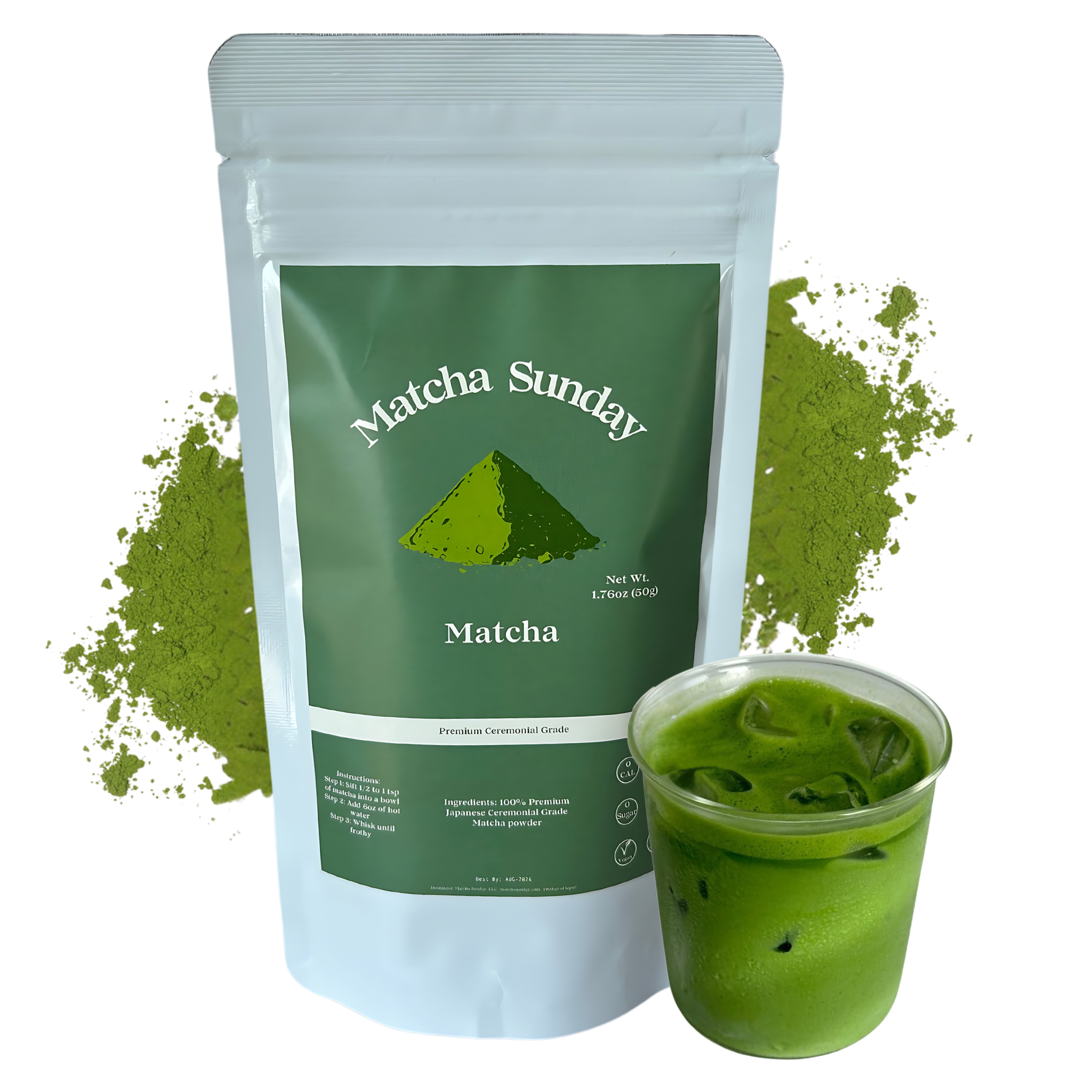
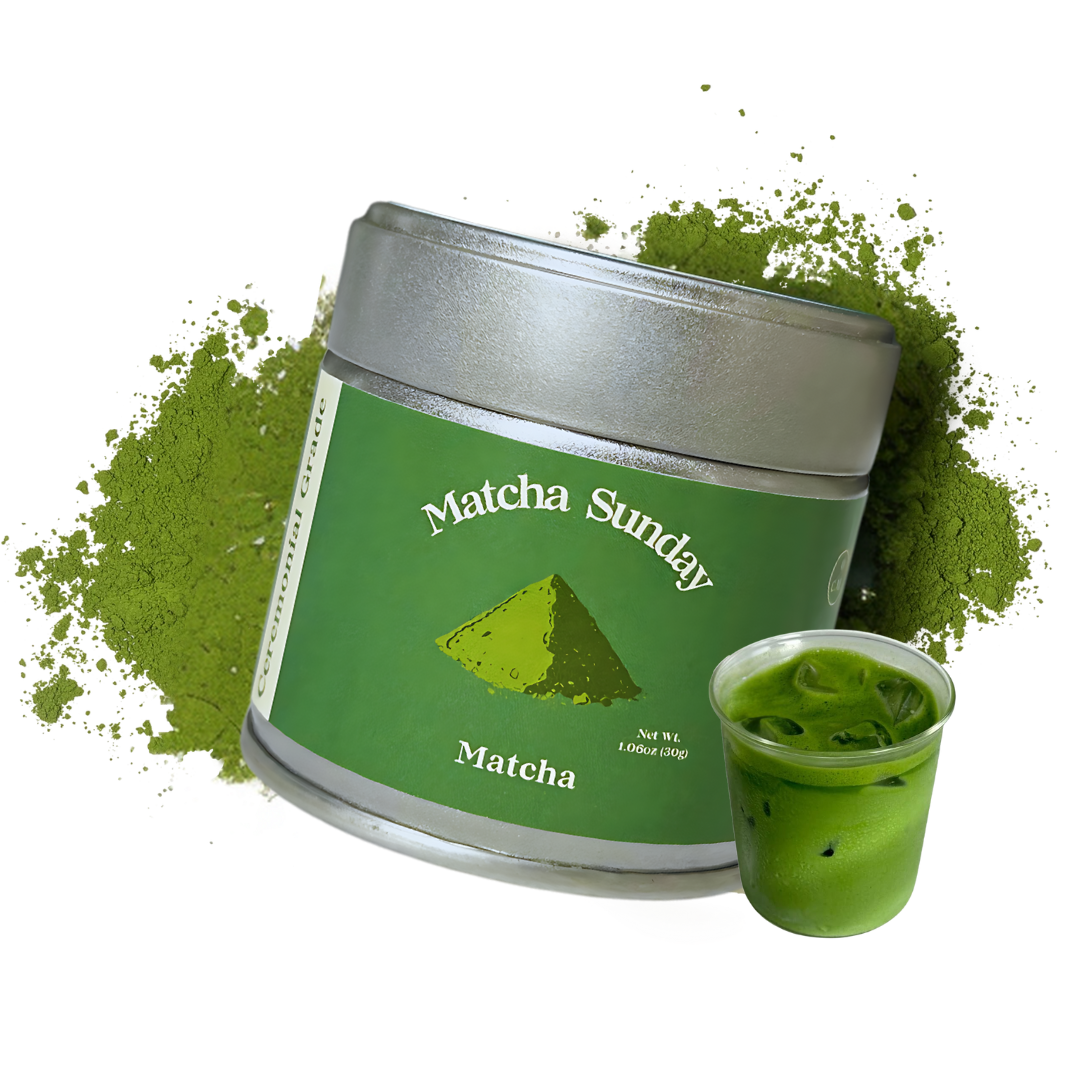
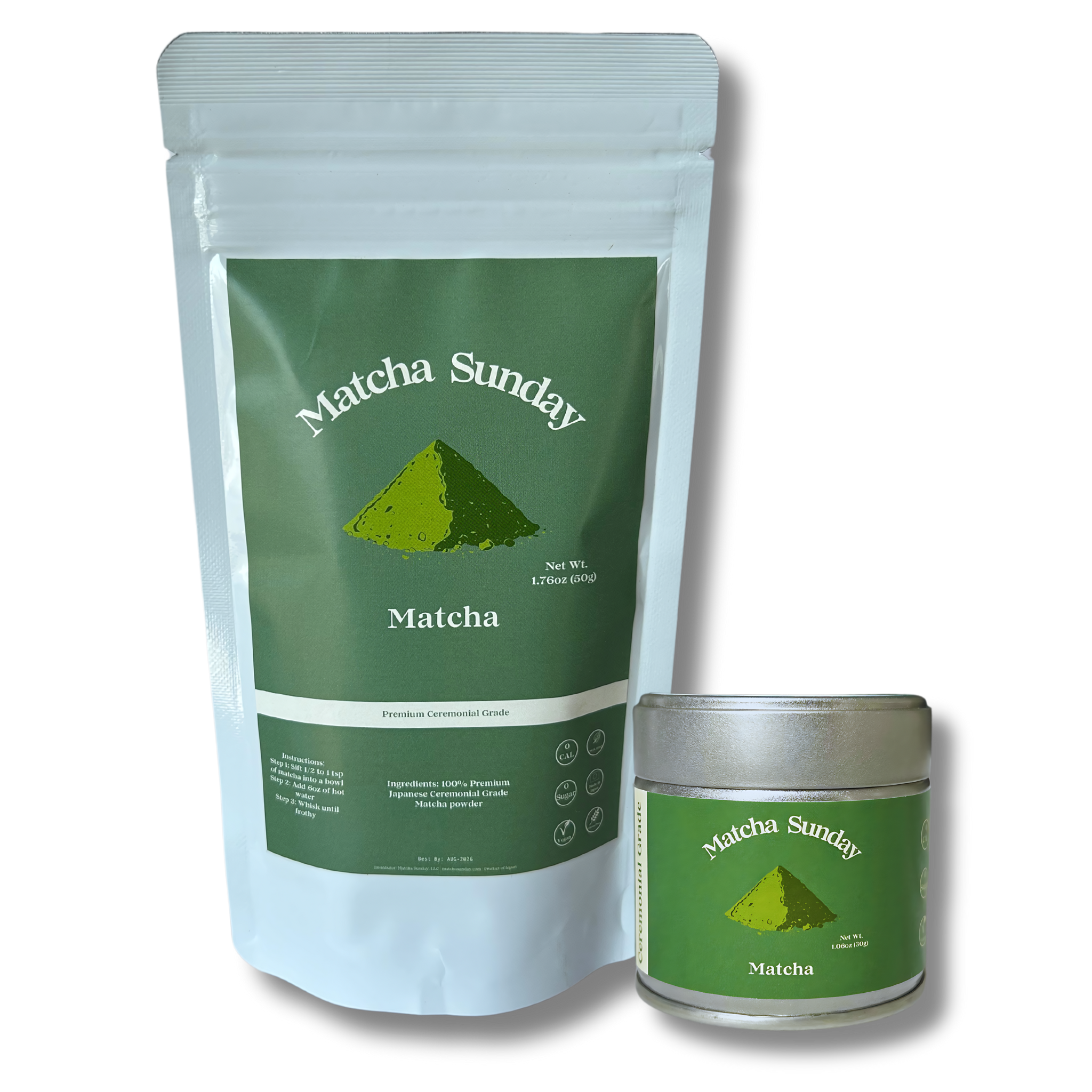
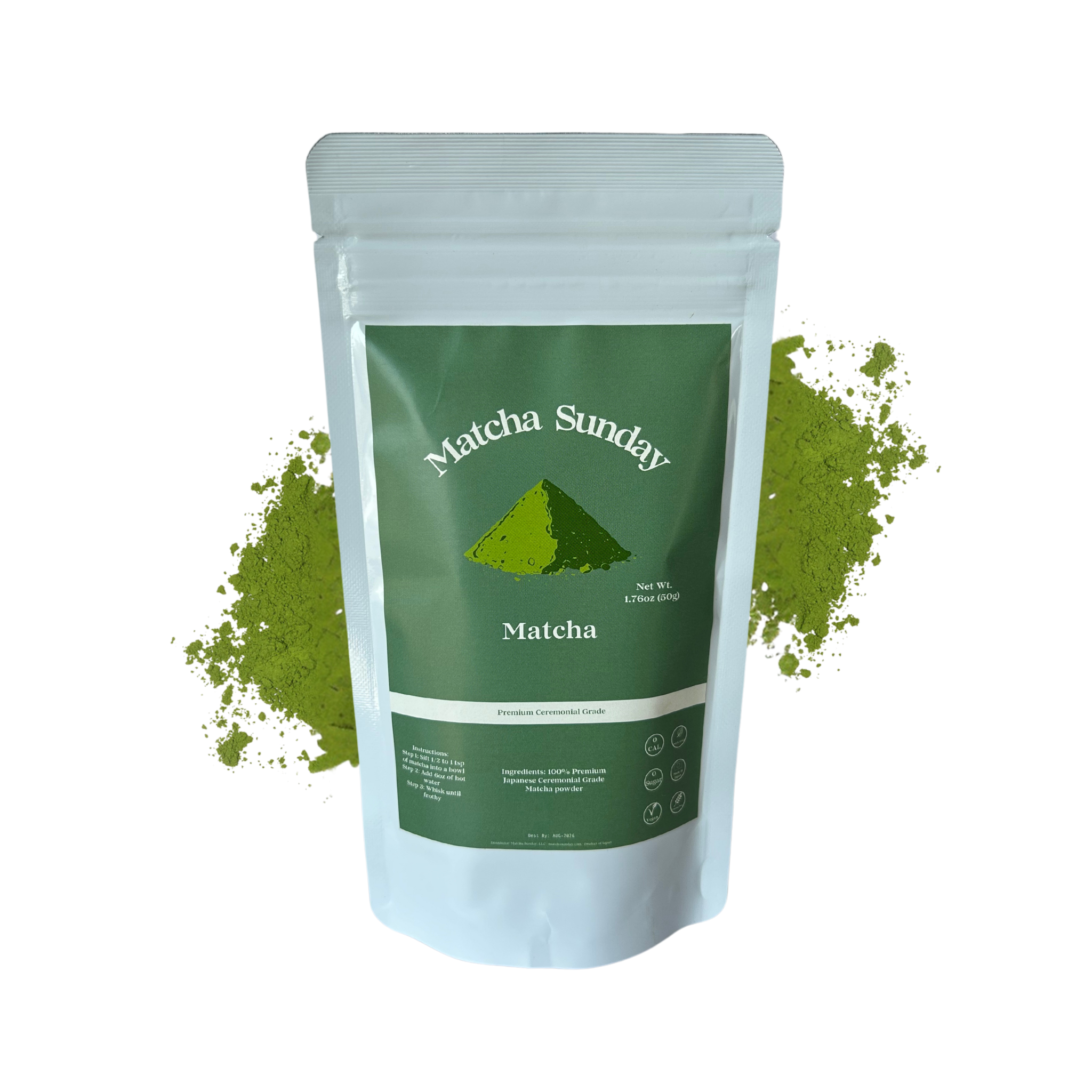
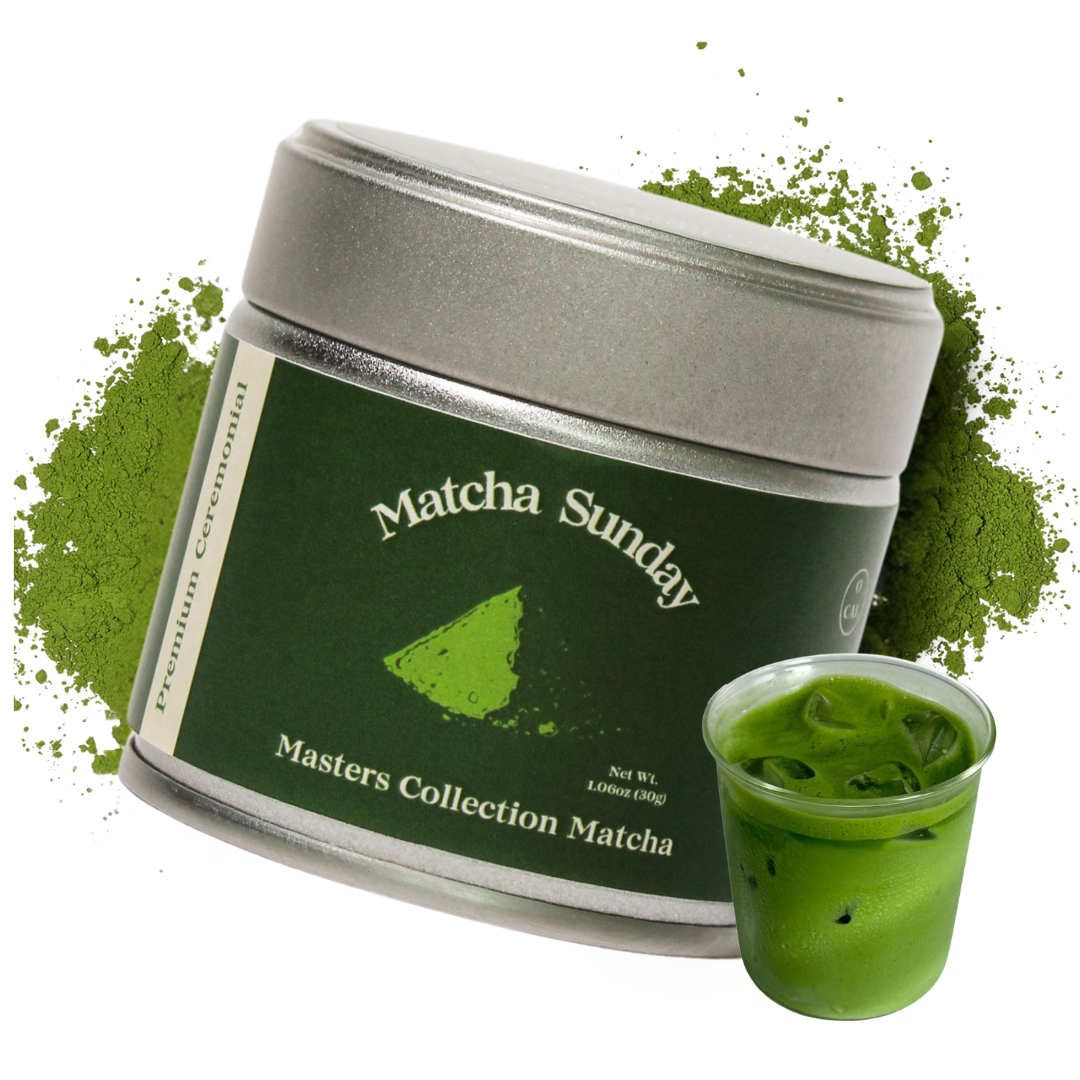
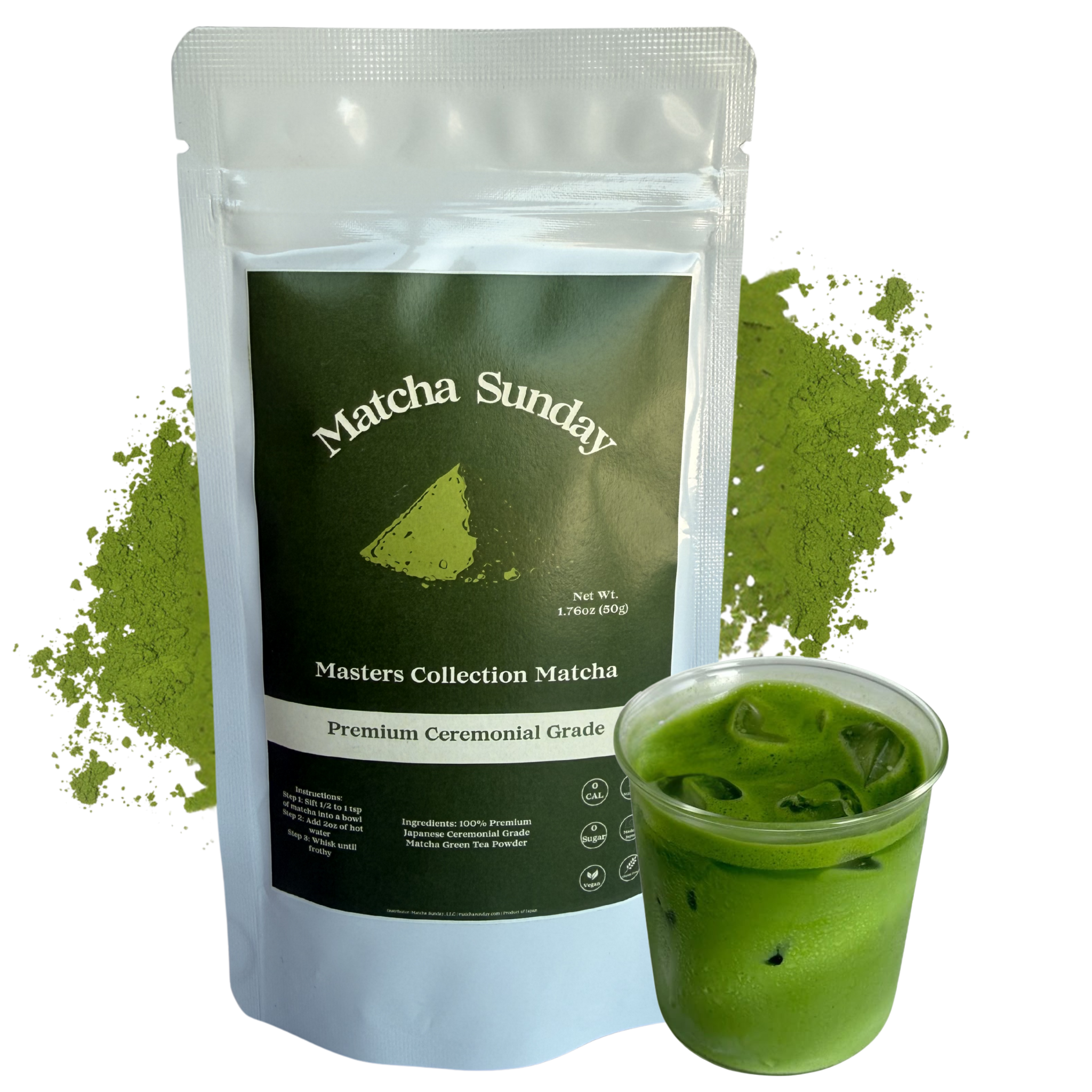
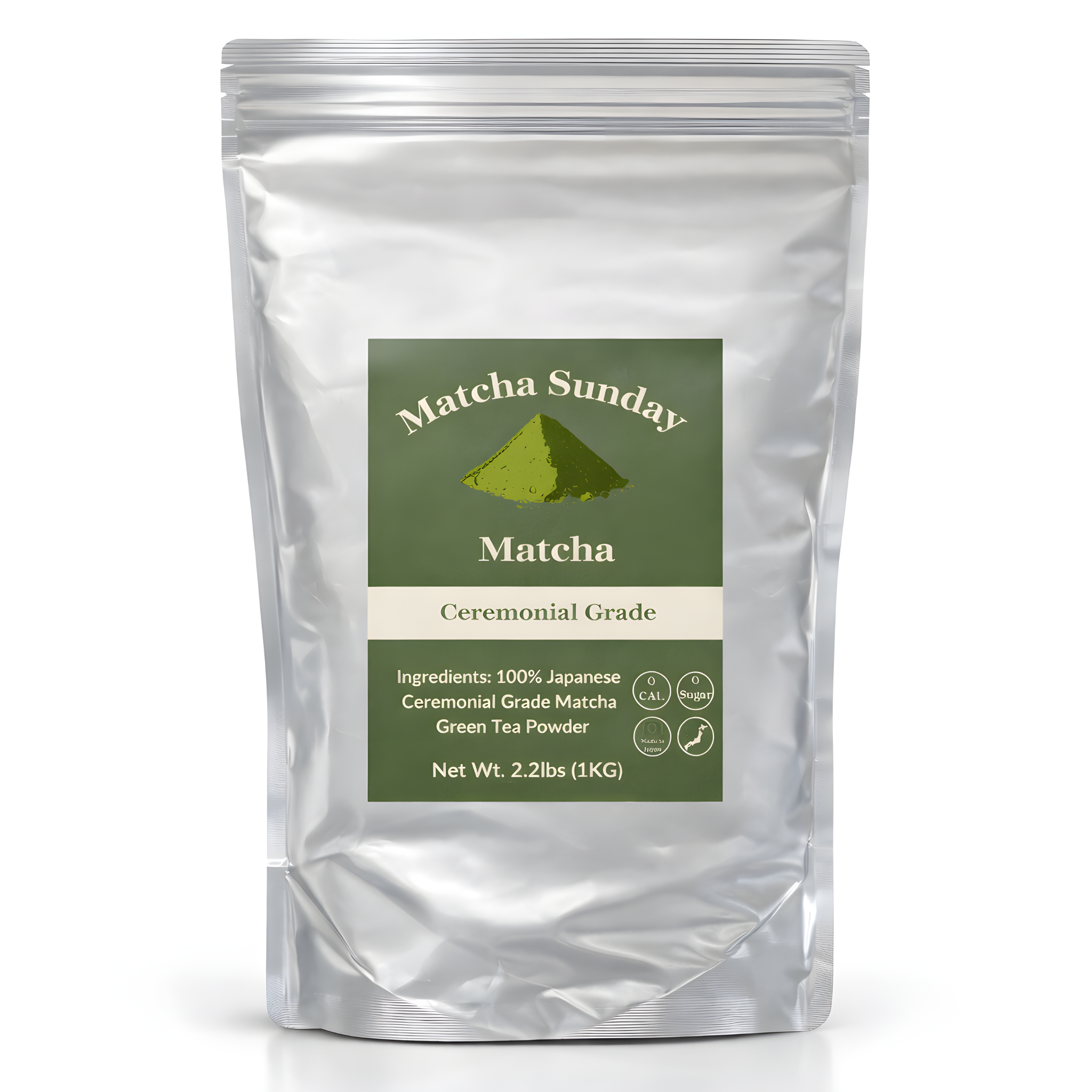
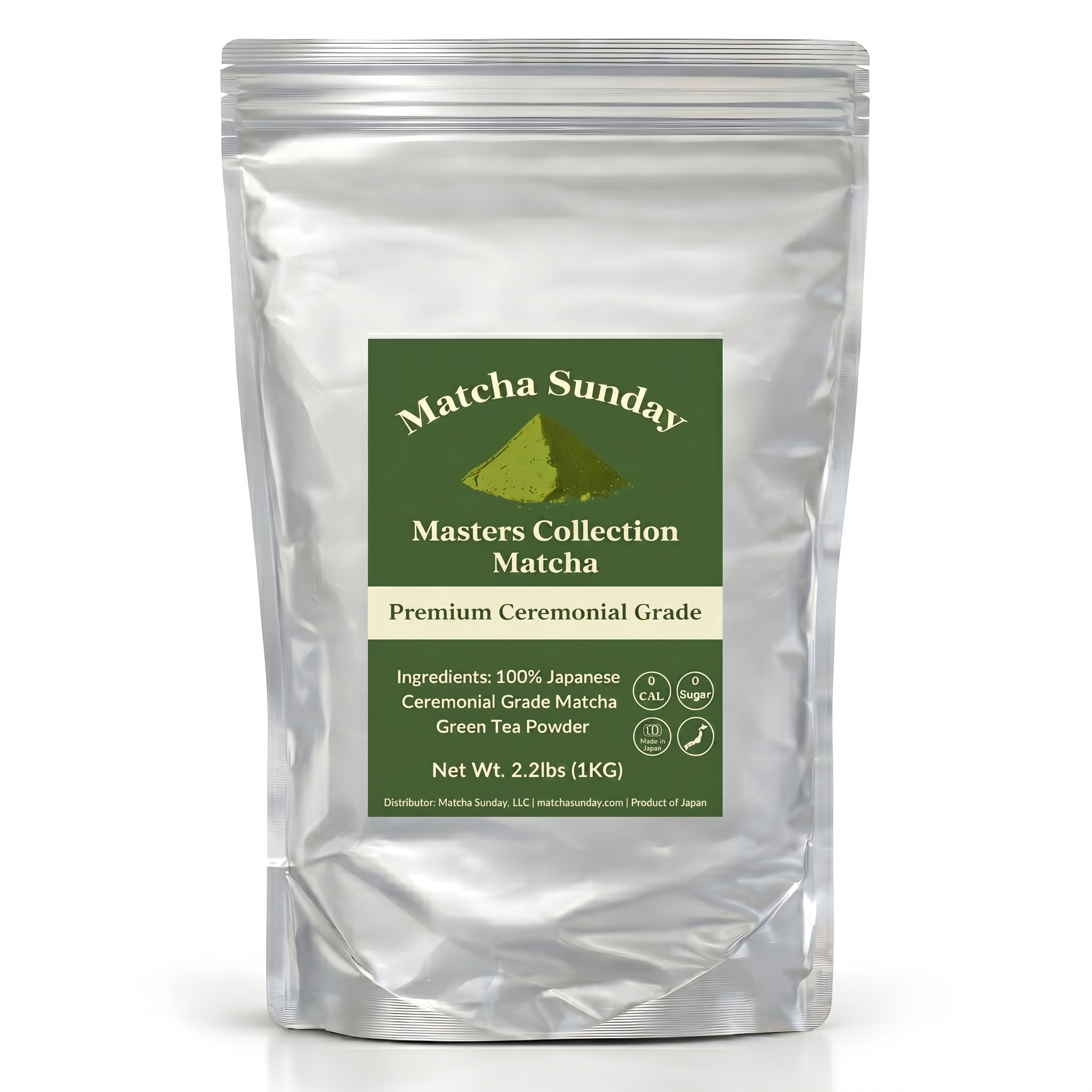
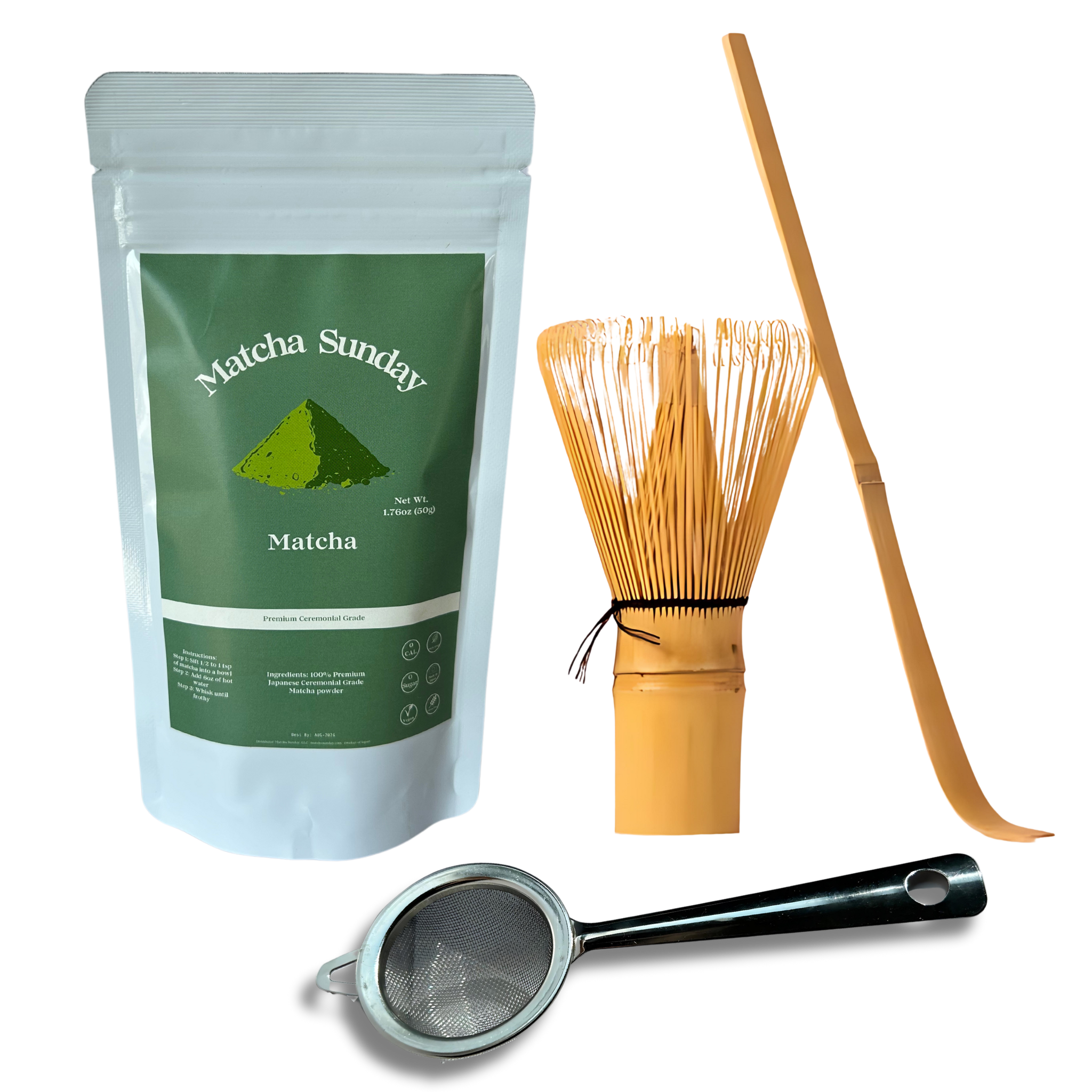
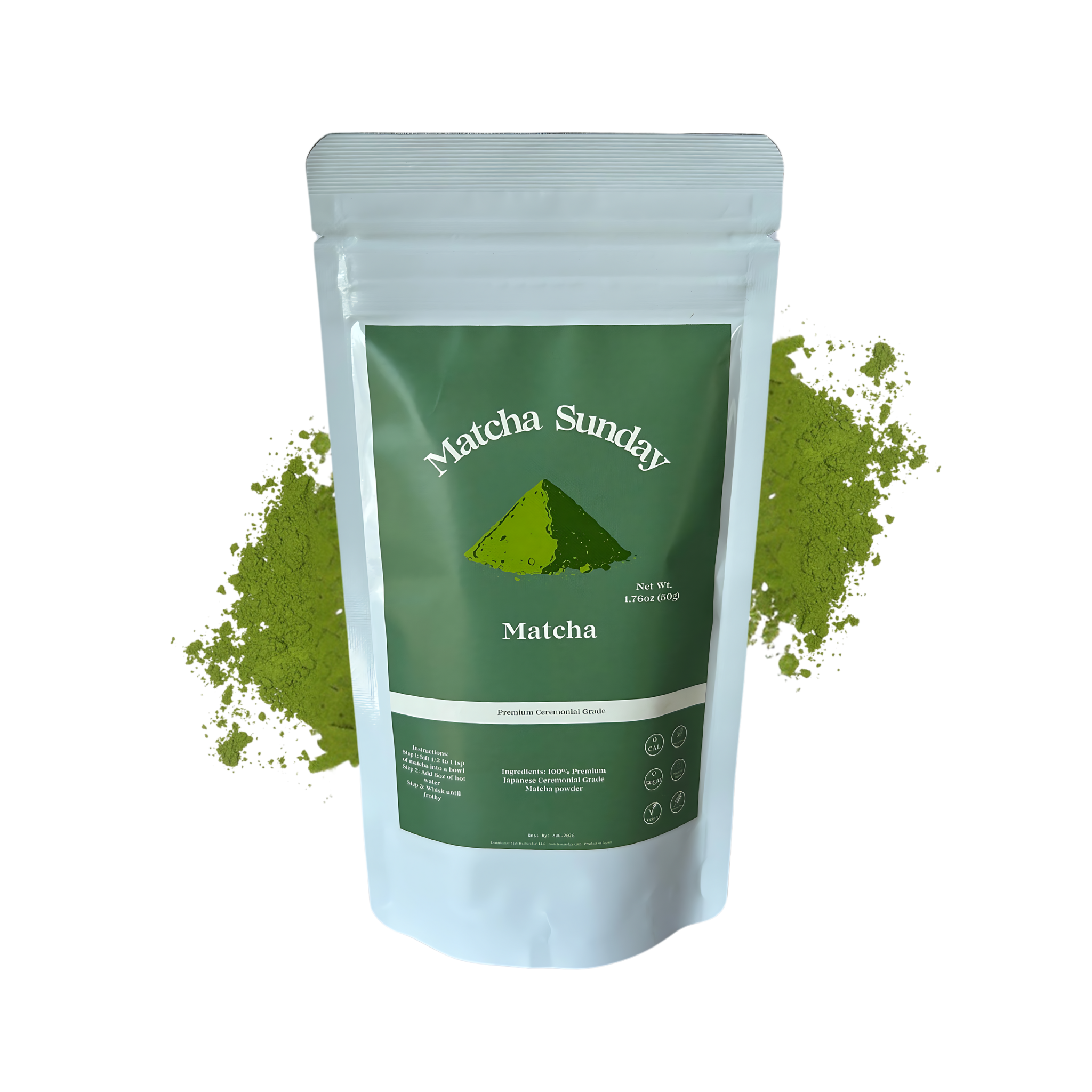
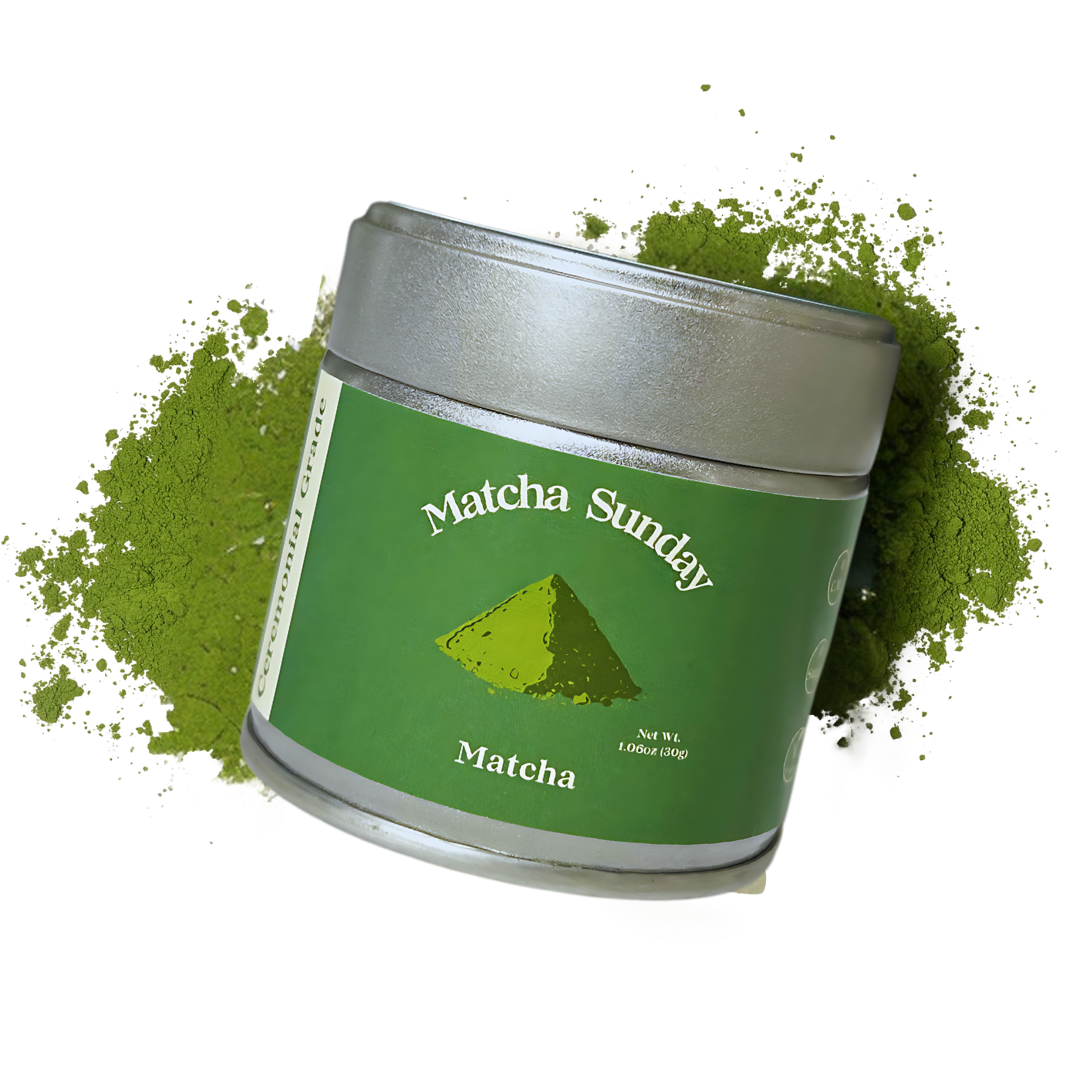
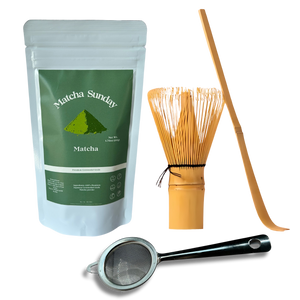
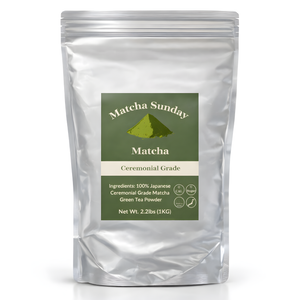
Matcha Sunday's ceremonial matcha is made from shaded first harvest leaves from Japan and stone milled, so the checklist above is exactly what you will find in the pouch: vivid jade color, silky texture, and a naturally sweet, umami rich cup. If you have only ever had dull, bitter matcha, whisk a bowl of true first harvest and taste the spring window for yourself. And remember what that window means this year: the matcha picked this spring is all there will be until next spring, so when a first harvest lot you trust is in stock, that is the moment to buy it.