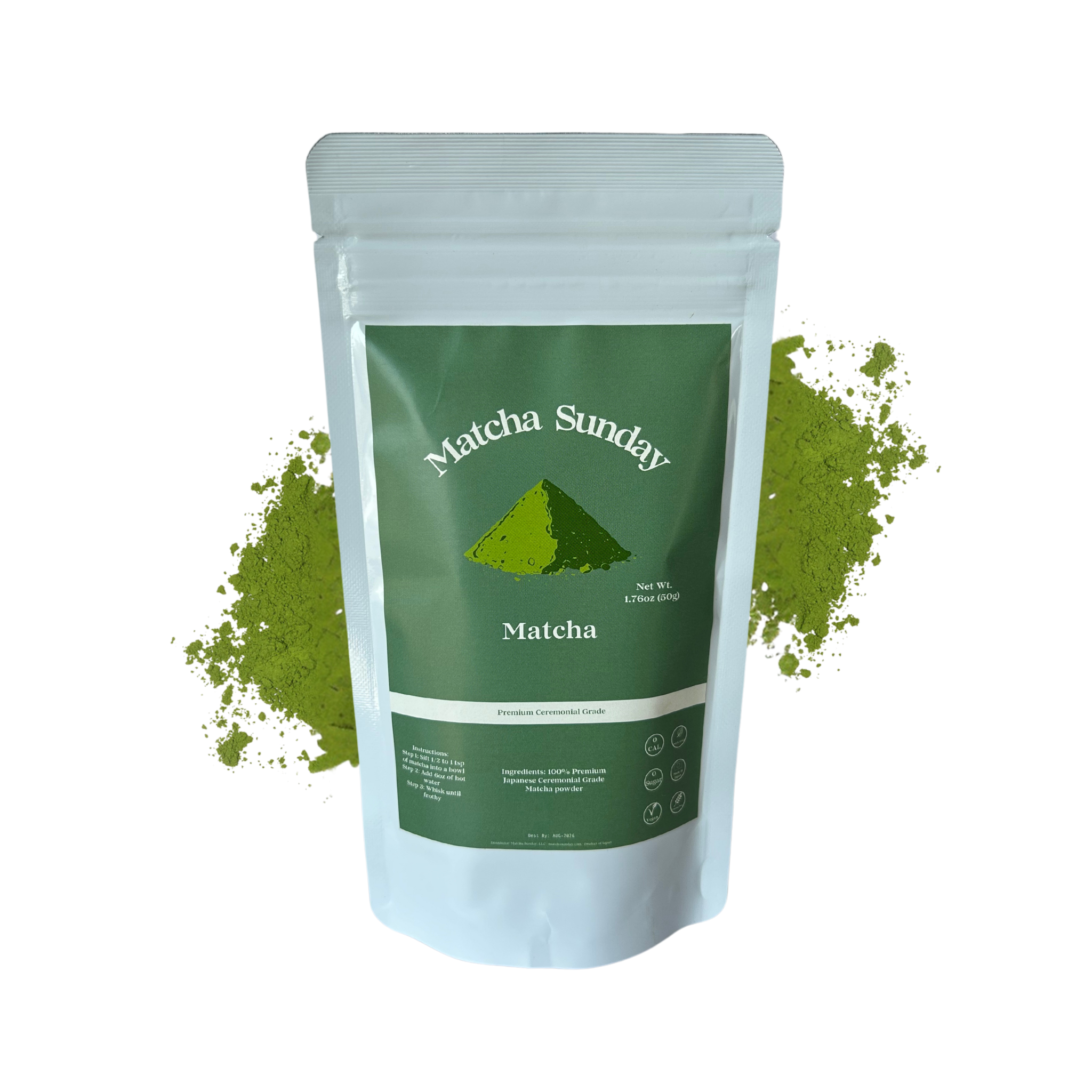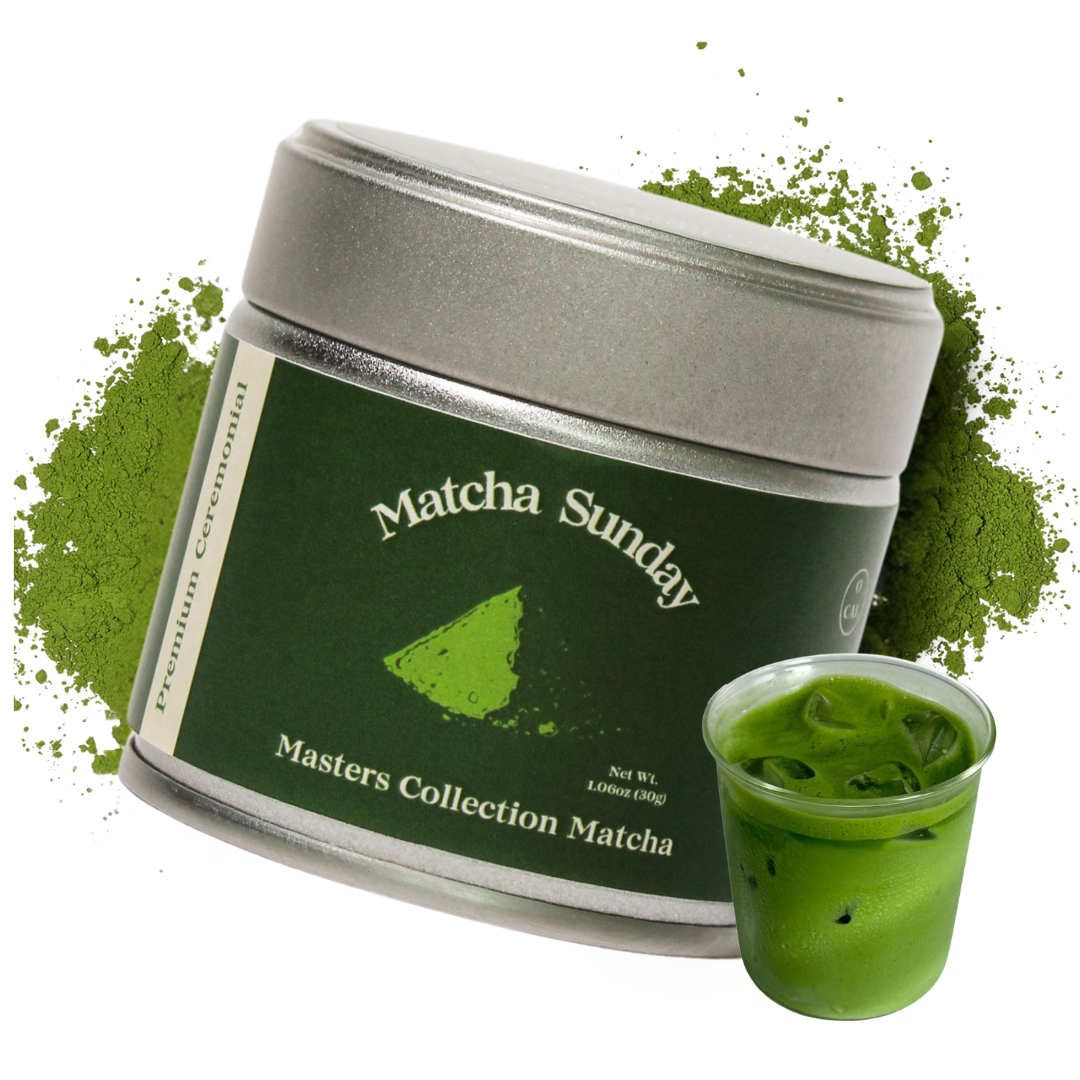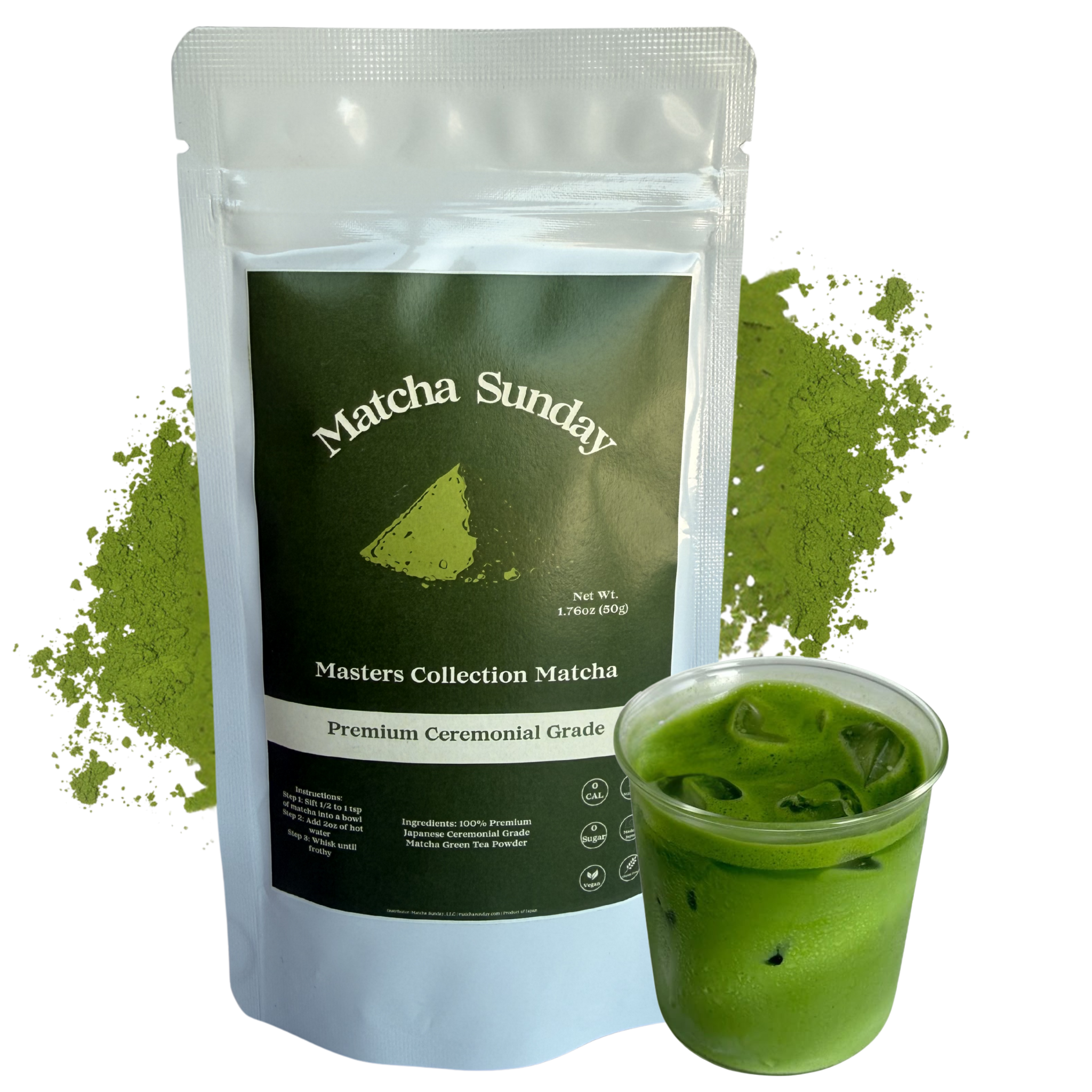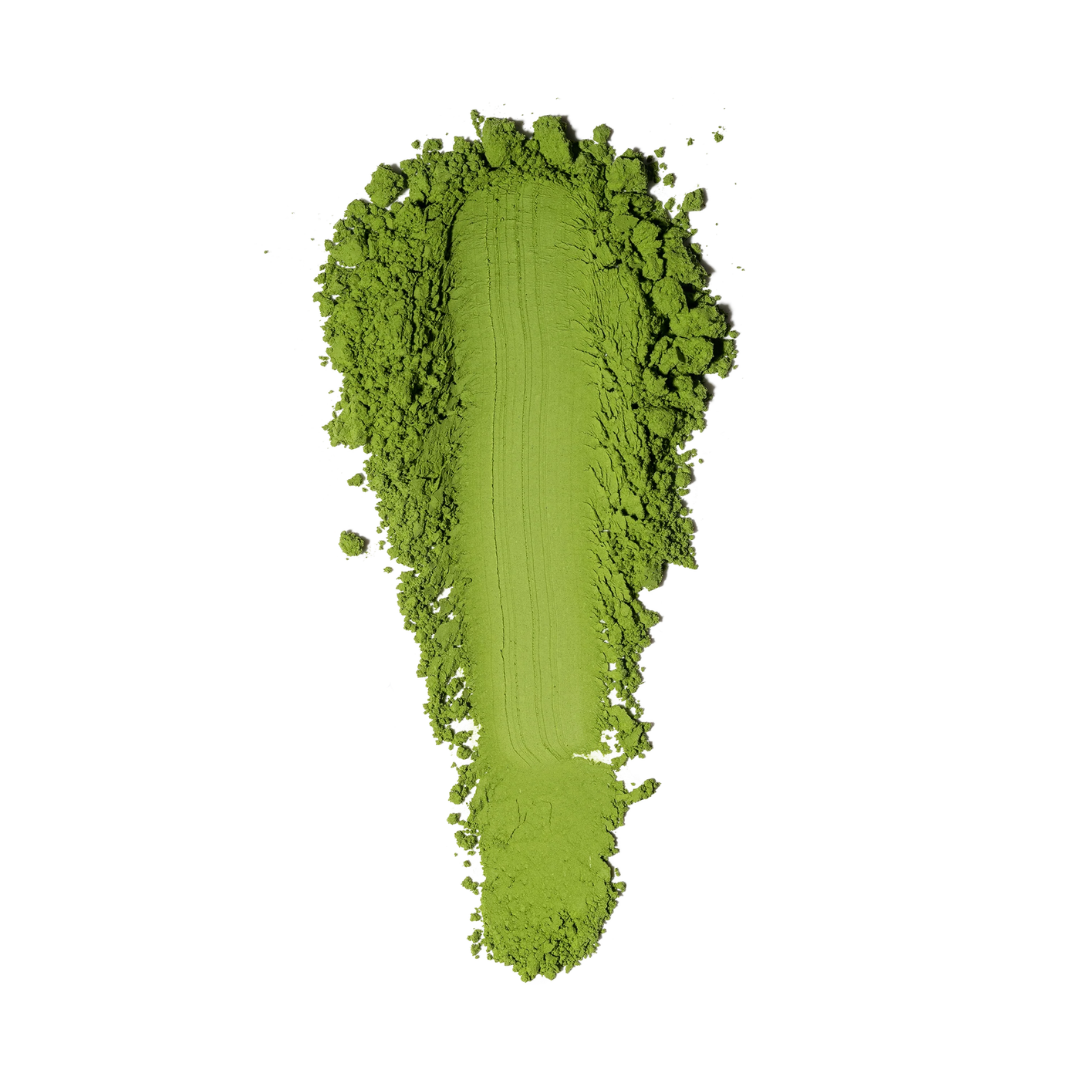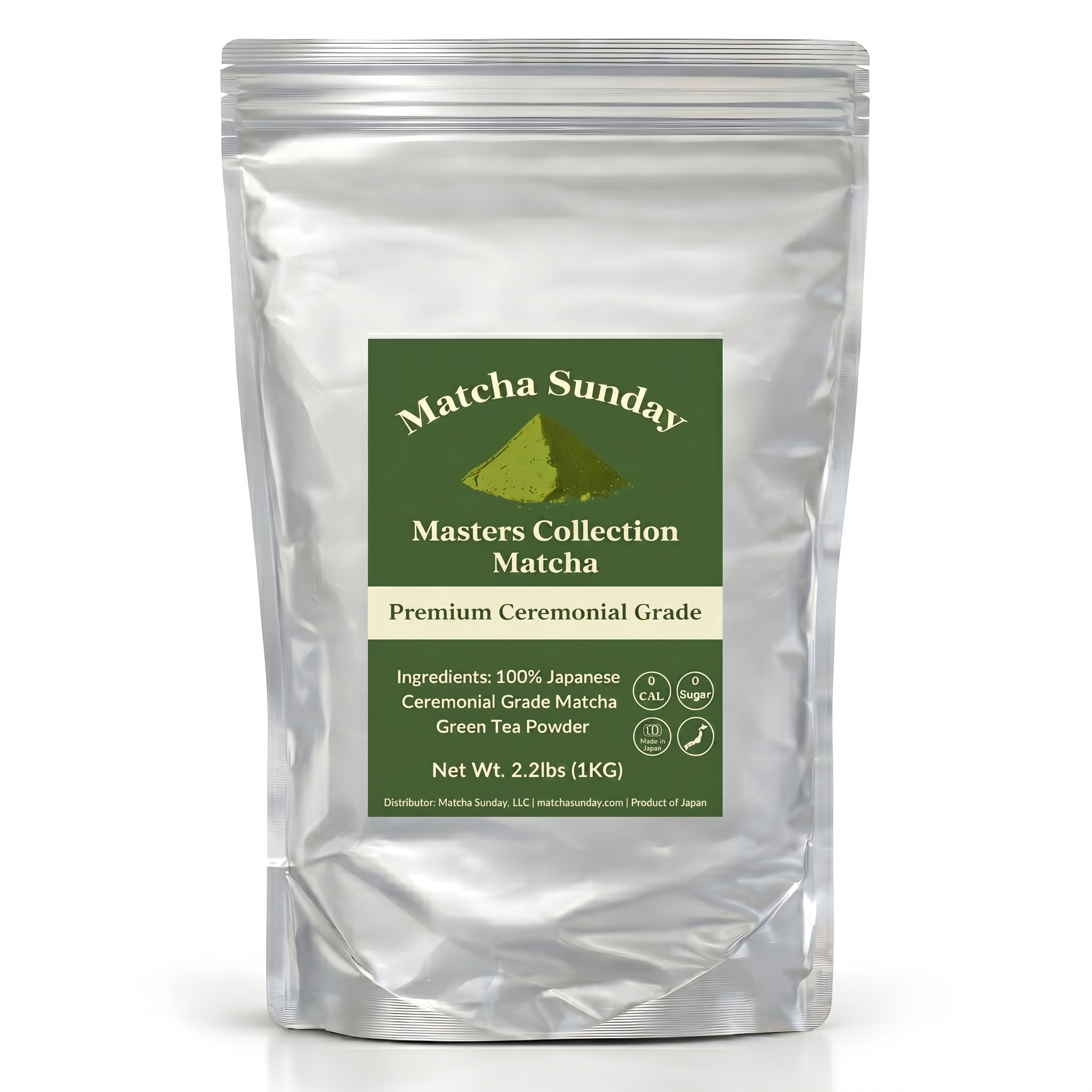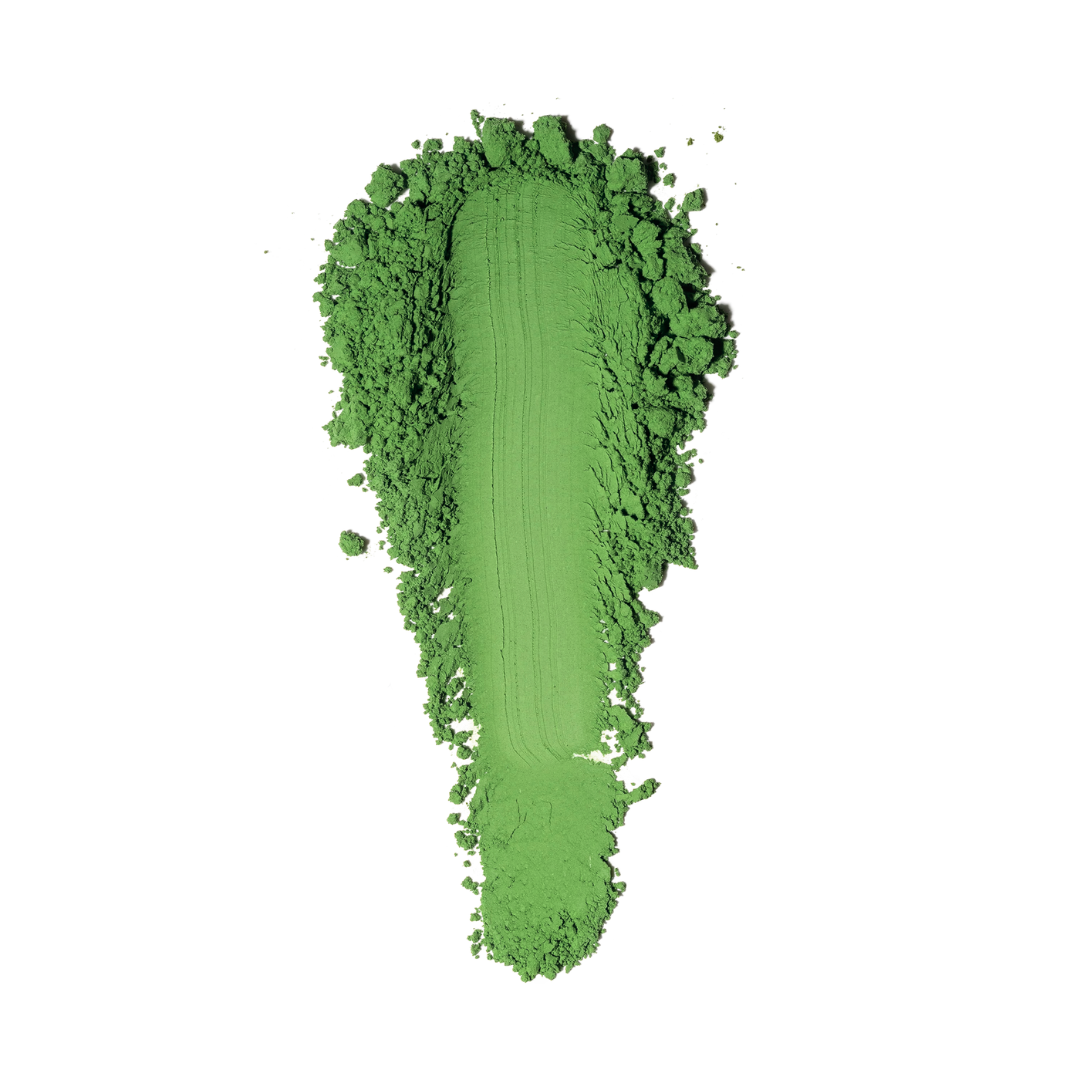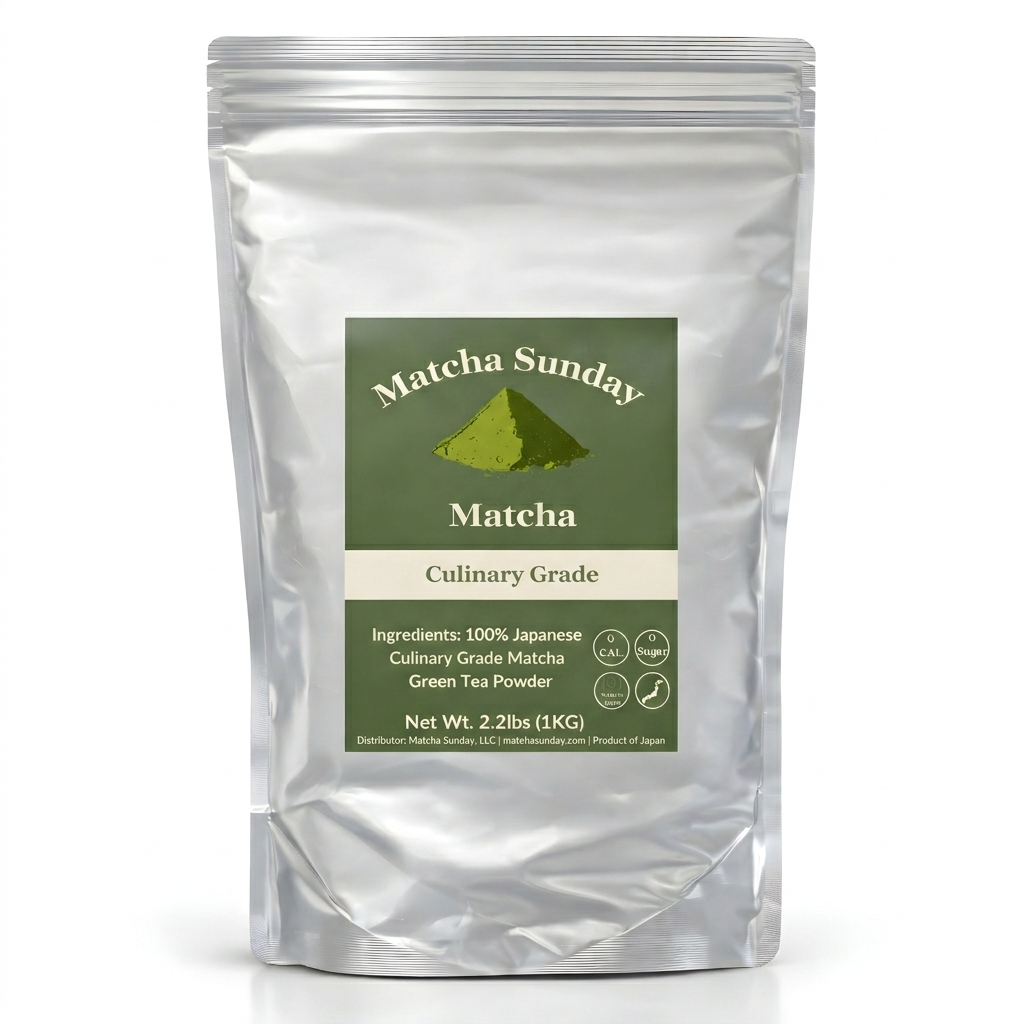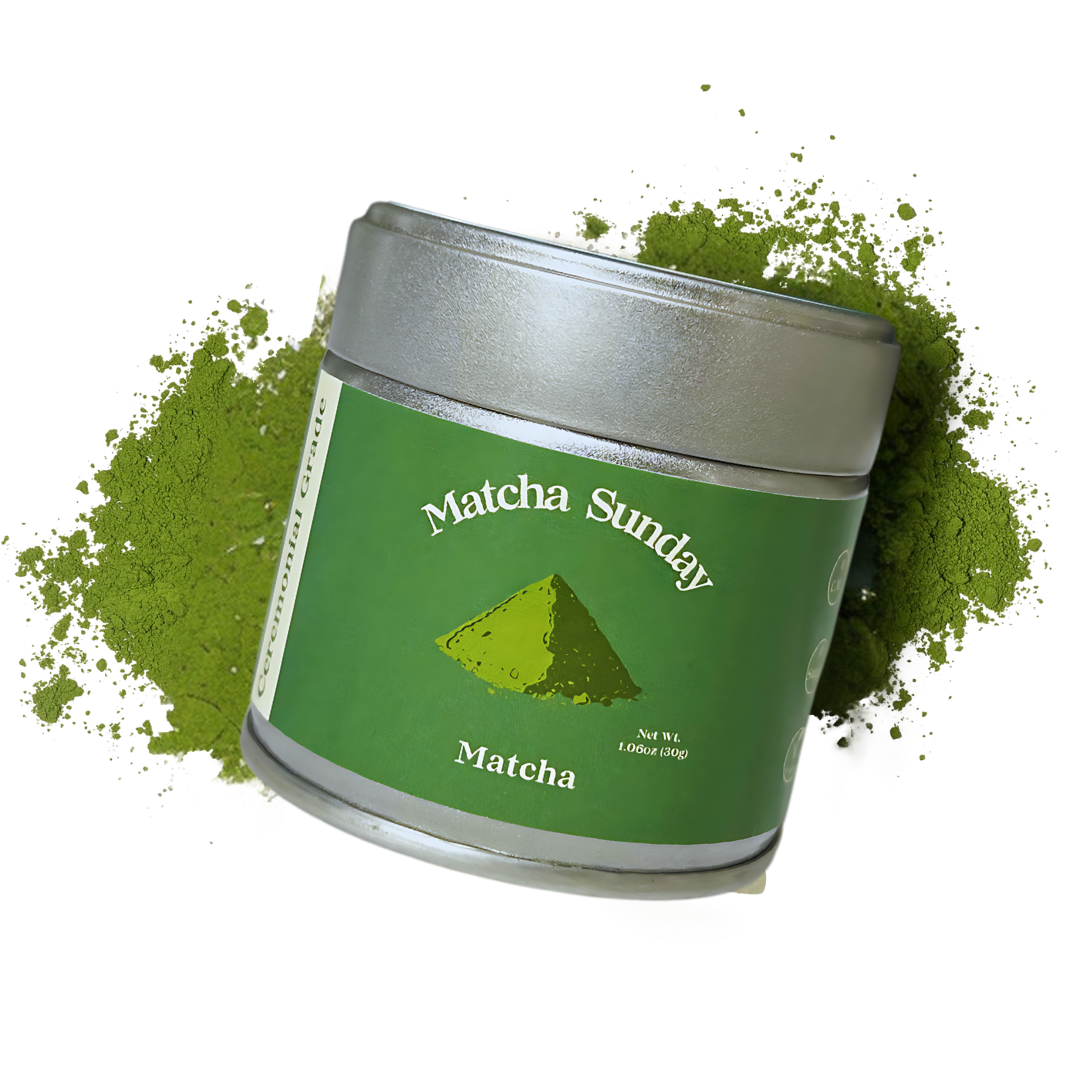
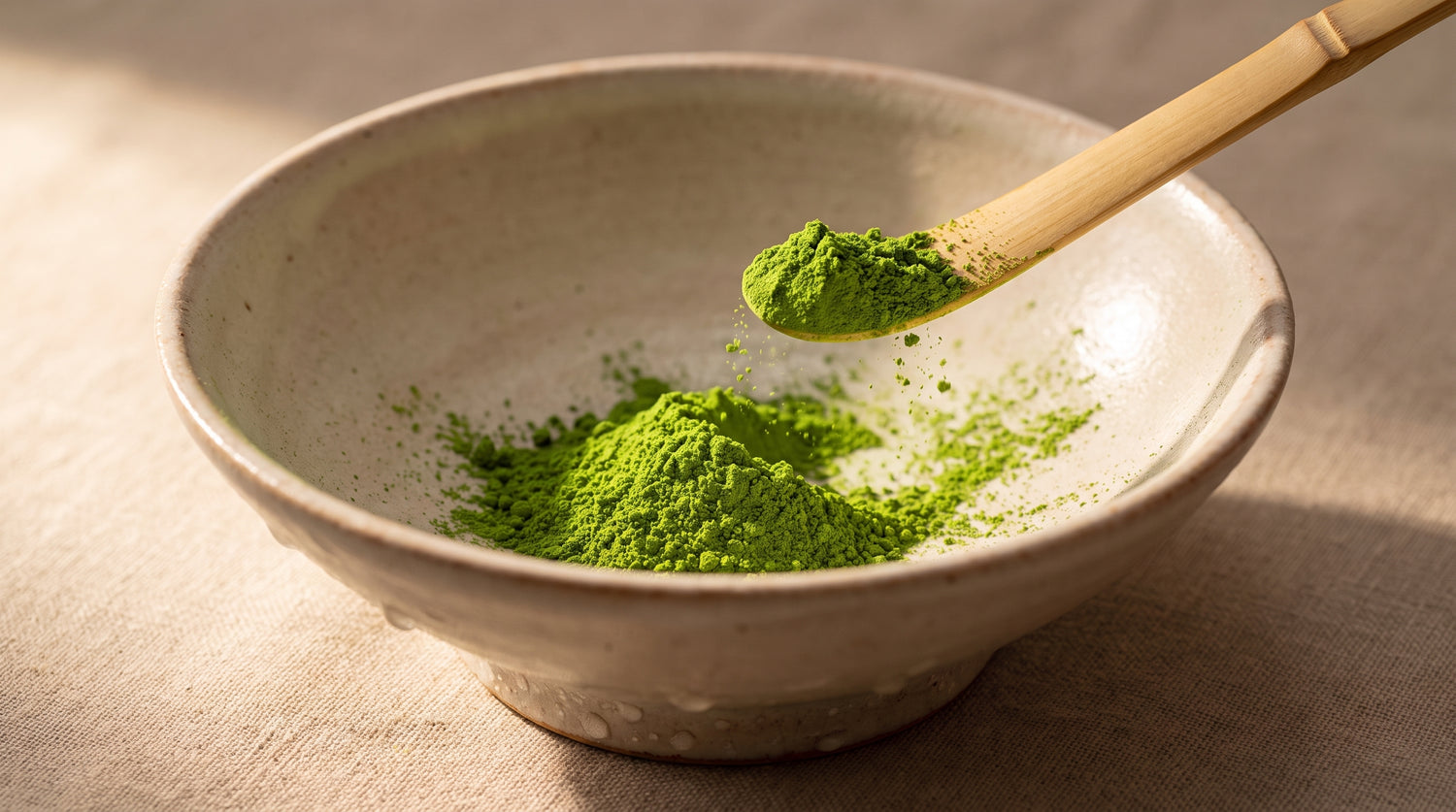
Matcha is sold out everywhere because worldwide demand for Japanese matcha has grown faster than Japan can produce it. True matcha comes from shade grown tencha leaves harvested mainly once a year each spring, then ground slowly on stone mills. Supply is fixed for months at a time, so when demand spikes, shelves empty quickly and restocks take far longer than shoppers expect.
Why is matcha sold out everywhere right now?
Matcha keeps selling out because demand exploded globally while production in Japan stayed roughly the same. Cafes, home baristas, and wellness routines all pull from the same limited pool of authentic Japanese matcha, and that pool refills mainly once a year.
Three features of matcha production make shortages almost inevitable when demand surges. First, matcha starts as tencha, a leaf that is shaded from direct sunlight for roughly three to four weeks before harvest to boost chlorophyll and L theanine. That shading step limits which fields can produce it. Second, the most prized leaves come from the spring harvest, picked in April and May. Once that harvest is milled and sold, there is no quick way to make more until the next spring. Third, milling itself is slow. A traditional granite mill grinds only about 30 to 40 grams of matcha per hour, because faster grinding creates heat that damages flavor and color. You can read more about how the leaf becomes powder in our guide to traditional Japanese matcha production.
Put simply: demand can double in a season, but supply cannot. That mismatch is what you are seeing on empty shelves and waitlists.
Is there really a matcha shortage in 2026?
Yes, the shortage is real, and it is a genuine supply constraint rather than a marketing story. Several respected Japanese producers have limited how much matcha each customer can buy, and many popular tins sell out within hours of restocking.
The deeper causes have been building for years. Japan's tea farming population is aging, and some tea fields have gone out of production as farmers retire without successors. Converting a regular tea field to tencha production requires shading equipment, different pruning, and new handling, so capacity grows slowly even when prices reward it. Meanwhile, matcha went from a specialty product to a global staple in lattes, baking, and daily wellness routines. The result is a market where each spring harvest is spoken for earlier and earlier, and where mid tier and premium grades disappear first.
It is worth noting that green tea overall is not scarce. The shortage is specific to matcha, and especially to high grade matcha, because tencha and stone milling are the bottlenecks.
Why is matcha so expensive right now?
Matcha prices have risen because scarce supply meets intense demand at every step of the chain. When many buyers compete for a fixed spring harvest, the price of raw tencha climbs, and that cost flows through to the tin on your shelf.
Several layers stack on top of each other:
- Raw leaf costs: tencha commands a premium over ordinary tea leaf because shading reduces yield and requires extra labor.
- Milling capacity: slow stone milling means producers pay for time as much as leaf, and mill time is fully booked.
- Grade competition: cafes and brands buying in bulk compete directly with retail shoppers for the same ceremonial and premium grades.
- Freight and freshness: matcha degrades with heat, light, and oxygen, so responsible sellers ship it in smaller, fresher batches rather than warehousing huge stockpiles.
Higher prices are frustrating, but they also reflect something real: authentic matcha is an agricultural product with a hard ceiling on annual production. A tin that costs more but comes from a trustworthy source is a better buy than a cheap powder of unknown origin. Our guide on where to buy premium matcha explains how to spot sellers worth your money.
When will the matcha shortage end?
The honest answer is gradually, over multiple harvest cycles, not on a specific date. Because matcha supply resets with each spring harvest, every new season brings relief, but structural limits mean the squeeze will ease in stages rather than vanish.
Here is why recovery takes time. A newly planted tea bush needs about five years before it produces a commercially useful harvest, so fields planted in response to today's demand will not add meaningful supply for years. Adding stone mills helps, but mills are specialized equipment and skilled operators are scarce. In the meantime, producers are prioritizing their long standing customers, which is why some retailers restock reliably while others stay empty.
What you can expect as a shopper: availability improves for a while after each spring harvest reaches the market in early summer, then tightens again through winter. Planning your purchases around that rhythm, and storing matcha well between them, is the most practical response. Our guide on how to store matcha shows how to keep a tin fresh, vibrant, and potent for months.
How can I still buy high quality matcha during the shortage?
You can absolutely still get excellent matcha in 2026; it just takes a little more intention than grabbing whatever is on the shelf. The key is buying from specialists with direct relationships in Japan and timing purchases sensibly.
- Buy from dedicated matcha sellers. Specialists secure allocations directly from producers in Japan, so their supply is steadier than general grocery channels.
- Sign up for restock alerts. Popular tins move fast; an email alert beats checking pages daily.
- Buy what you will drink in one to two months. Matcha is best fresh. A modest tin you finish quickly tastes better than a hoard that fades in the cupboard.
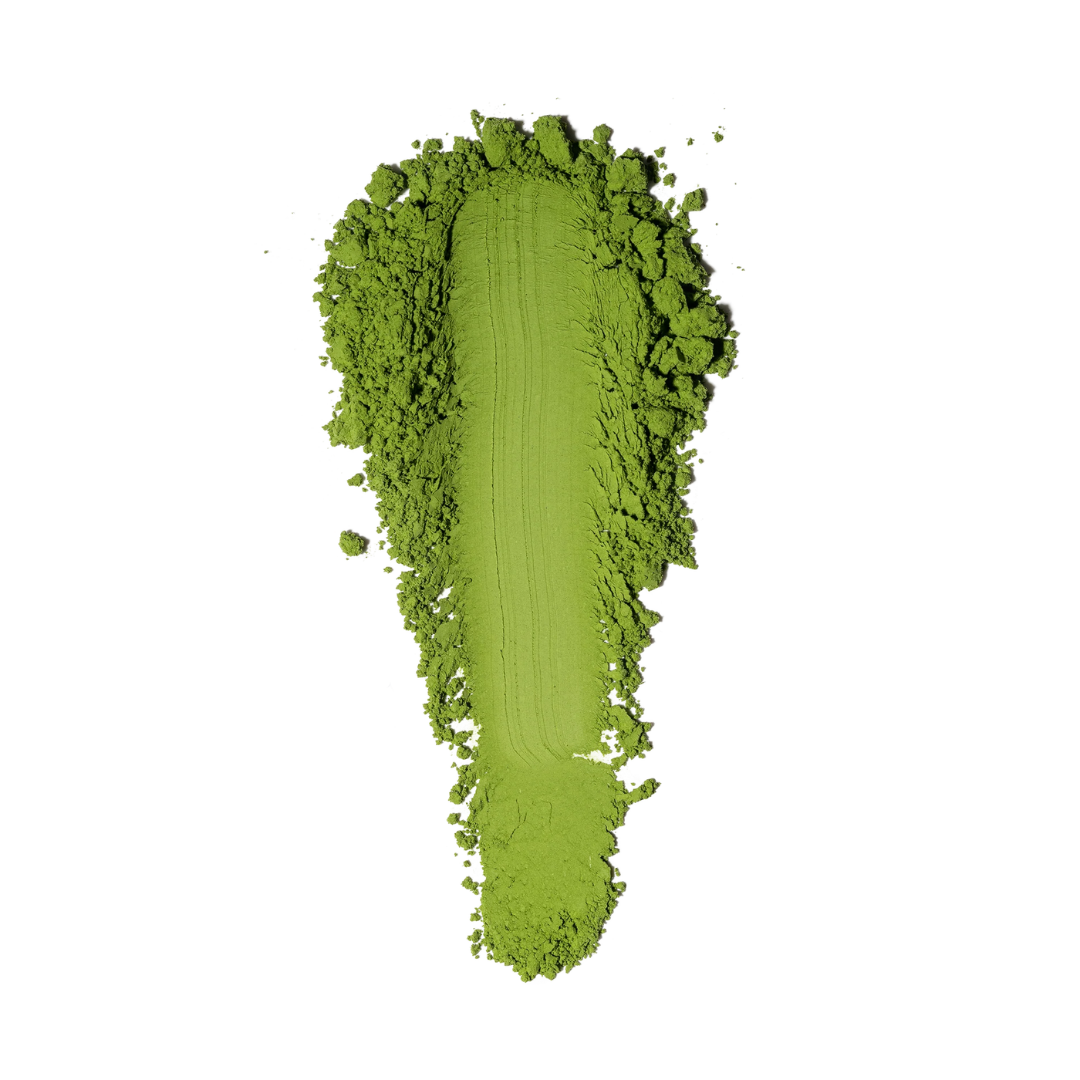
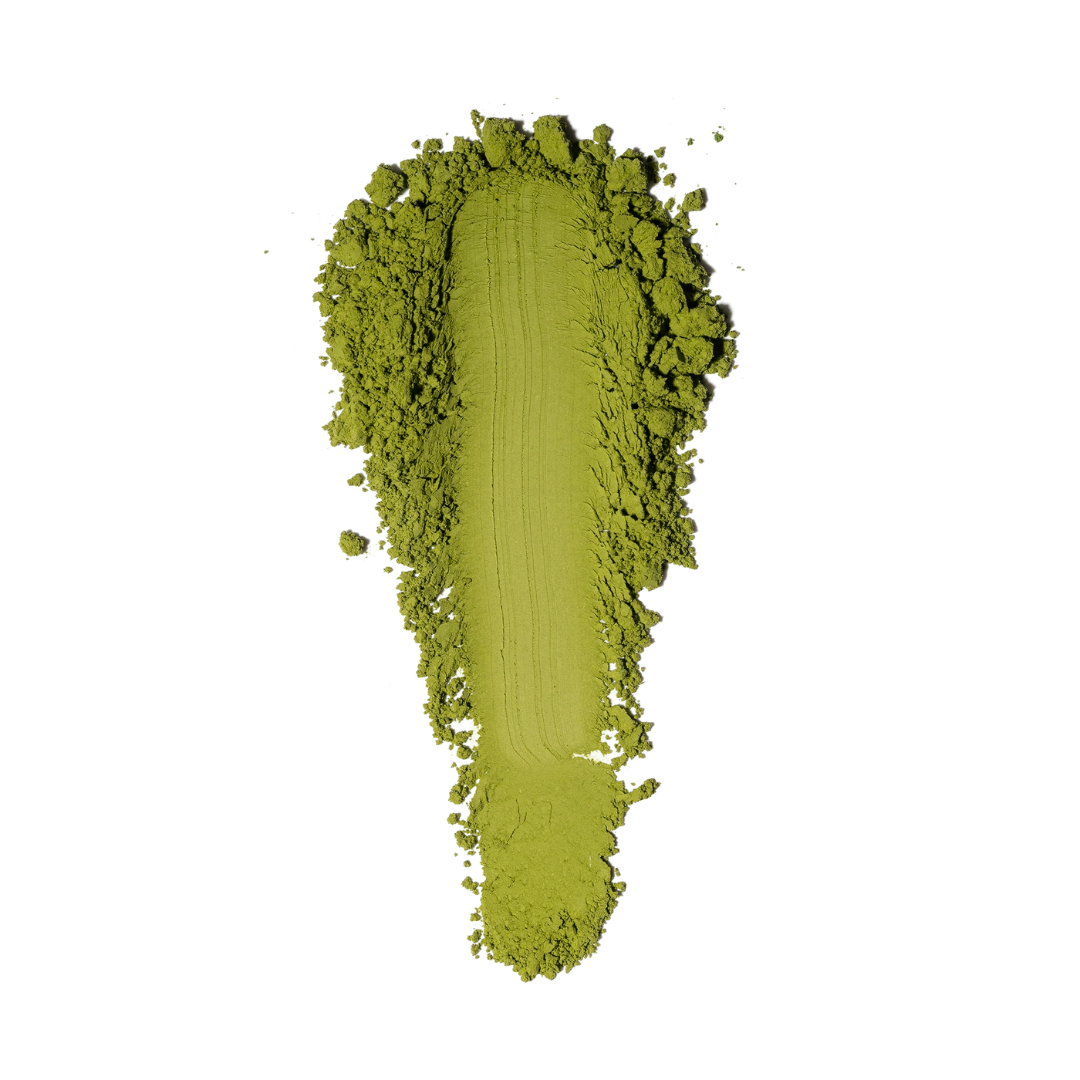
- Learn the quality markers before you pay. Vivid jade color, a fine silky texture, fresh sweet aroma, and clear origin from Japan are the essentials. Our guide to choosing high quality matcha walks through each one.
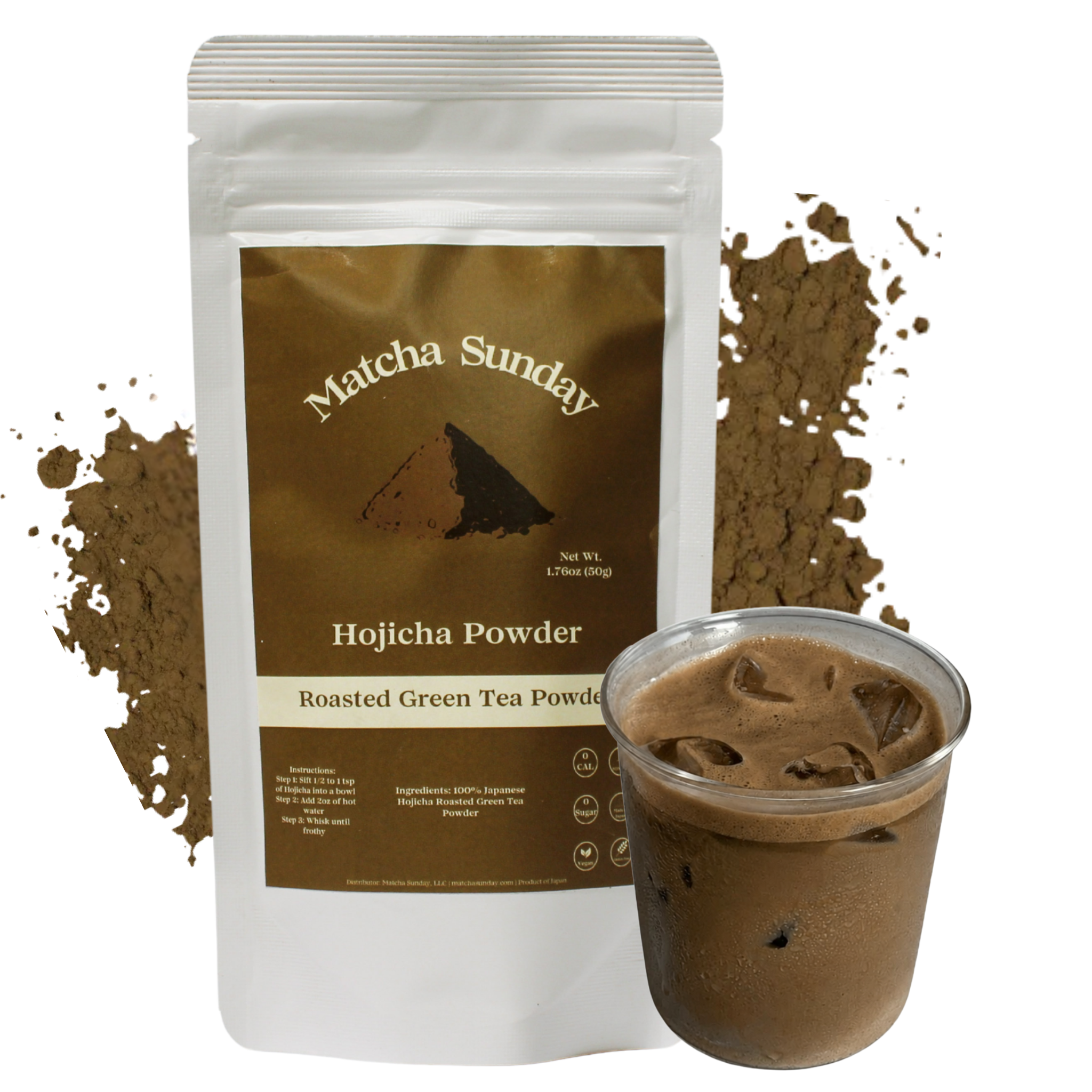
- Keep hojicha in your rotation. Roasted hojicha from Japan is not affected by the tencha bottleneck in the same way, and its toasty, naturally sweet character makes a wonderful lower caffeine companion. See how the two compare in hojicha vs matcha.
One thing not to do: panic buy large quantities of cheap powder. Matcha loses aroma and color once opened, and low grade powders bought in bulk are the least satisfying way to spend your tea budget.
Does the shortage change matcha quality?
The shortage does not lower the quality of genuine Japanese matcha, but it does raise your risk of buying something that is not really matcha at all. When authentic supply runs short, vaguely labeled green powders rush in to fill shelves, and that is where disappointment happens.
Real matcha is still made the same way it always has been: shaded tencha, careful harvest, gentle stone milling. A reputable producer will not cut corners on a flagship product. What changes during a shortage is the surrounding market, so your judgment matters more.
| Quality signal | Genuine matcha | Shortage era shortcut |
|---|---|---|
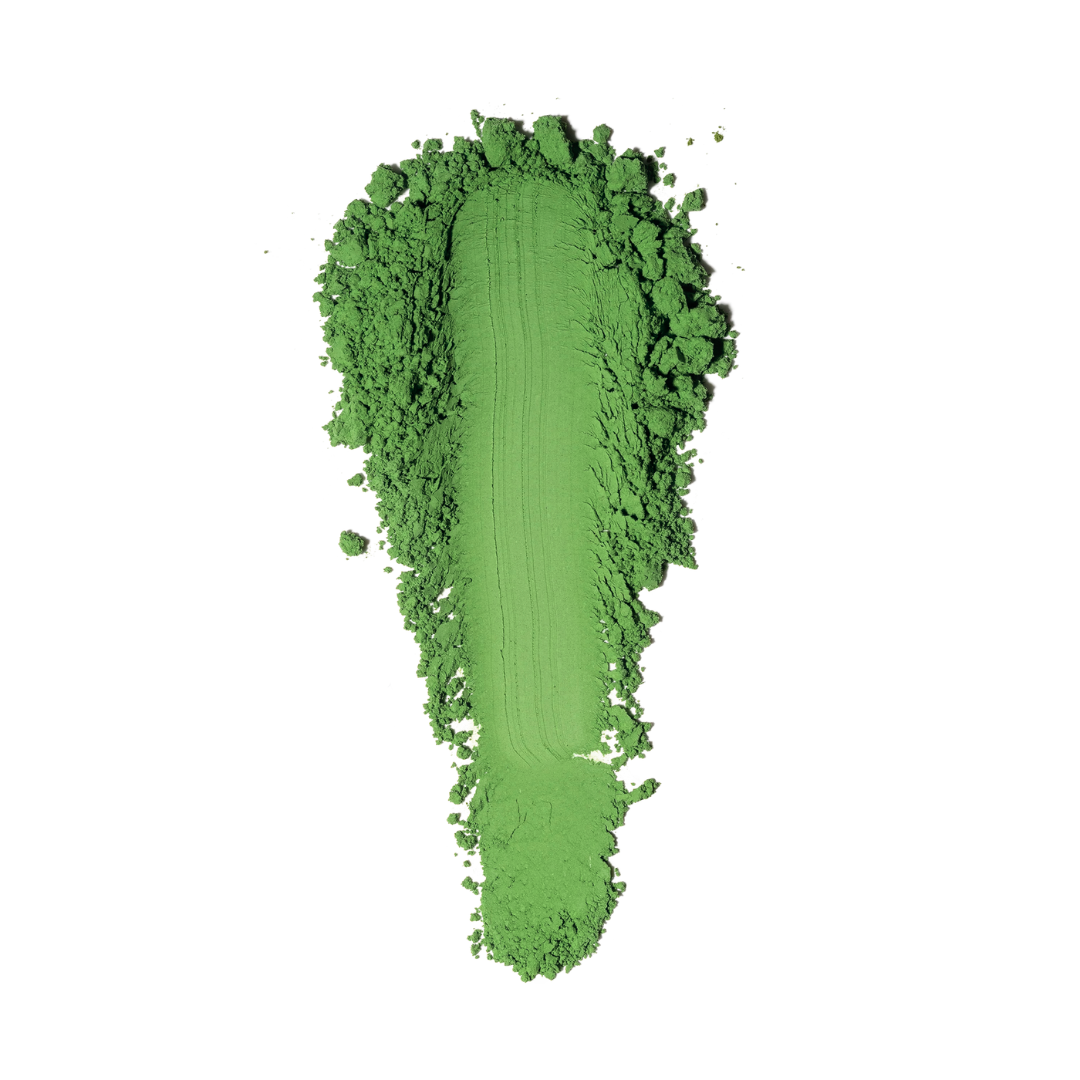
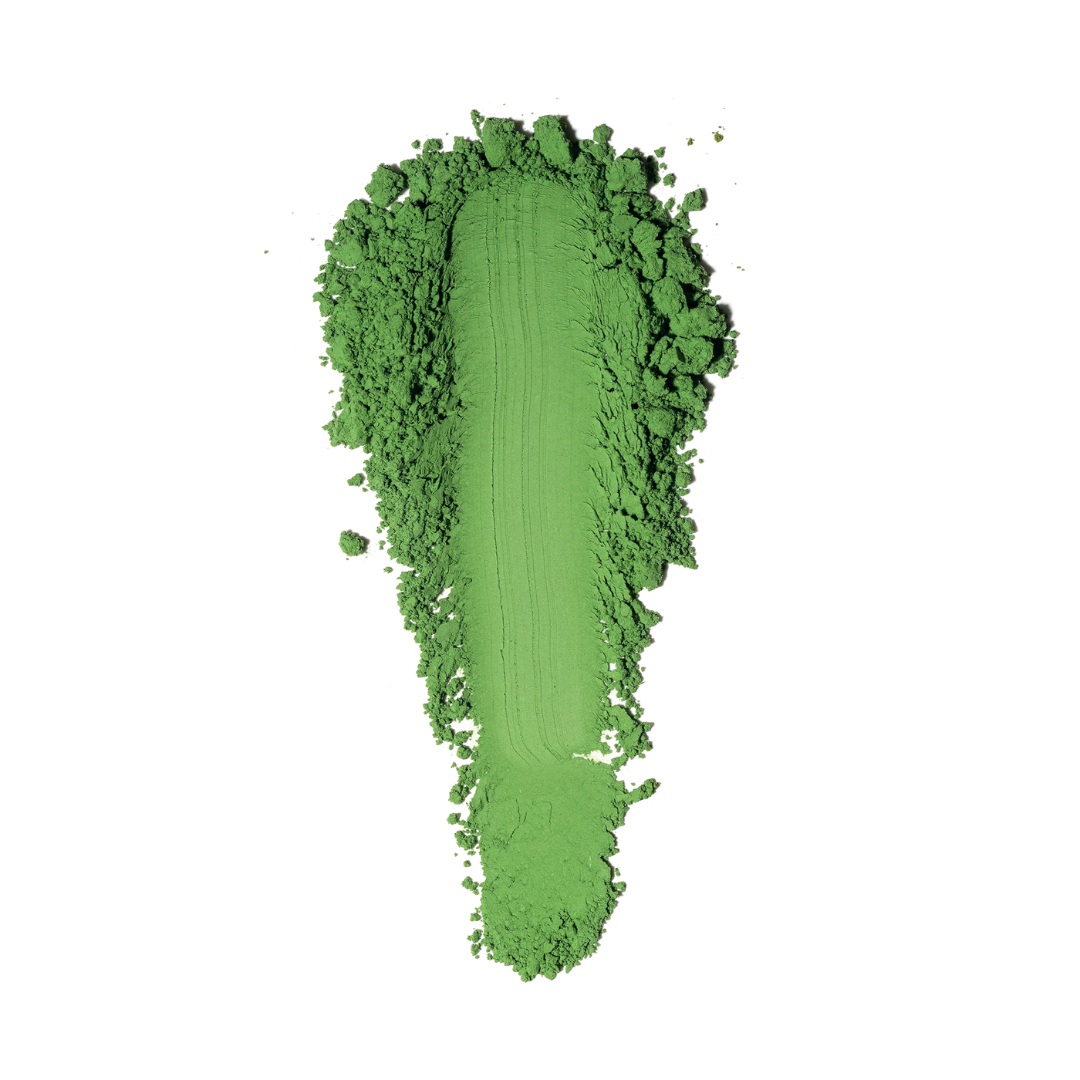
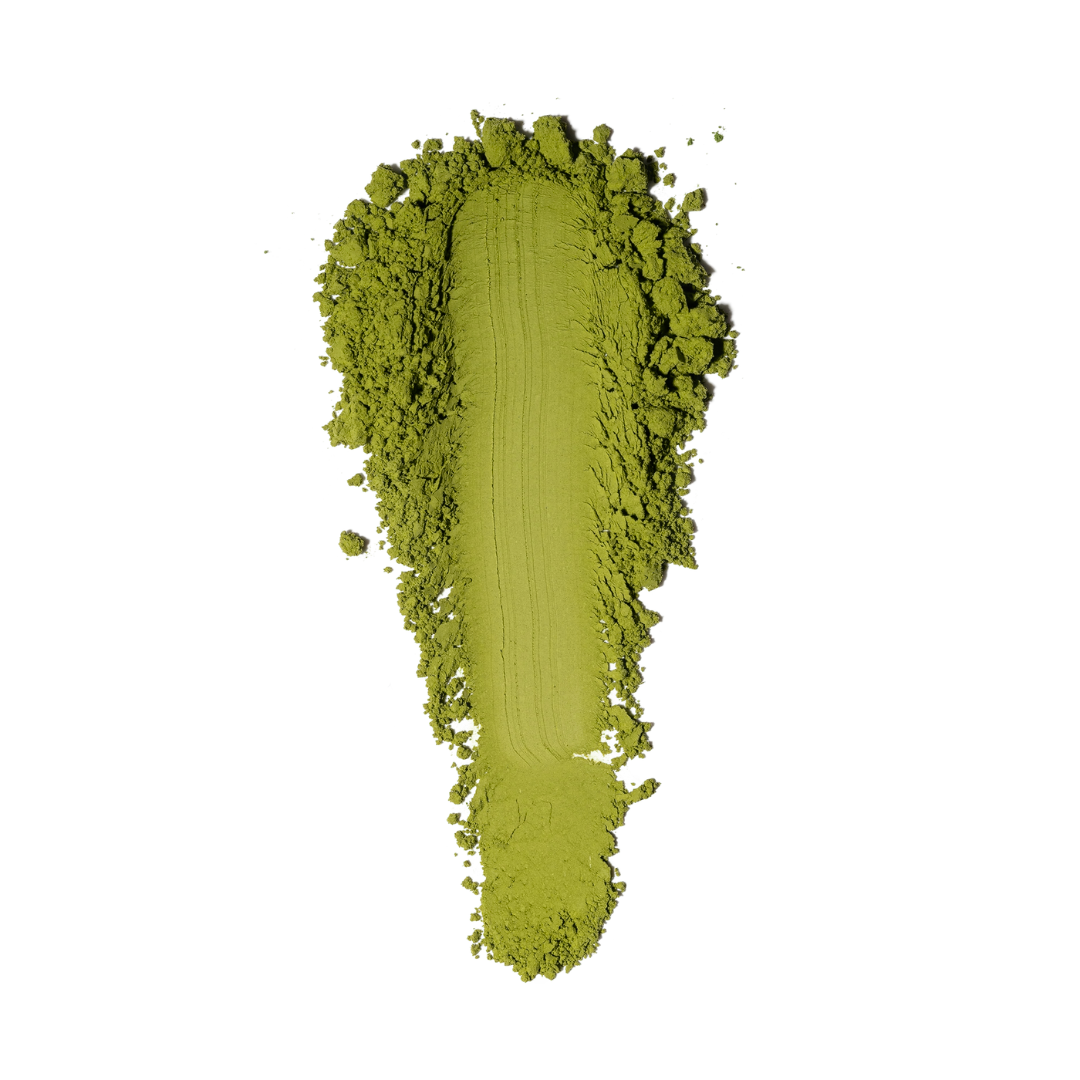
| Color | Vivid jade green | Dull olive or yellowish green |
| Texture | Silky, fine as pressed powder | Gritty or coarse between fingers |
| Aroma | Fresh, sweet, gently vegetal | Flat, hay like, or stale |
| Origin | Clearly stated: from Japan | Vague or missing origin |
| Label | Says matcha, states harvest or batch | Says green tea powder |
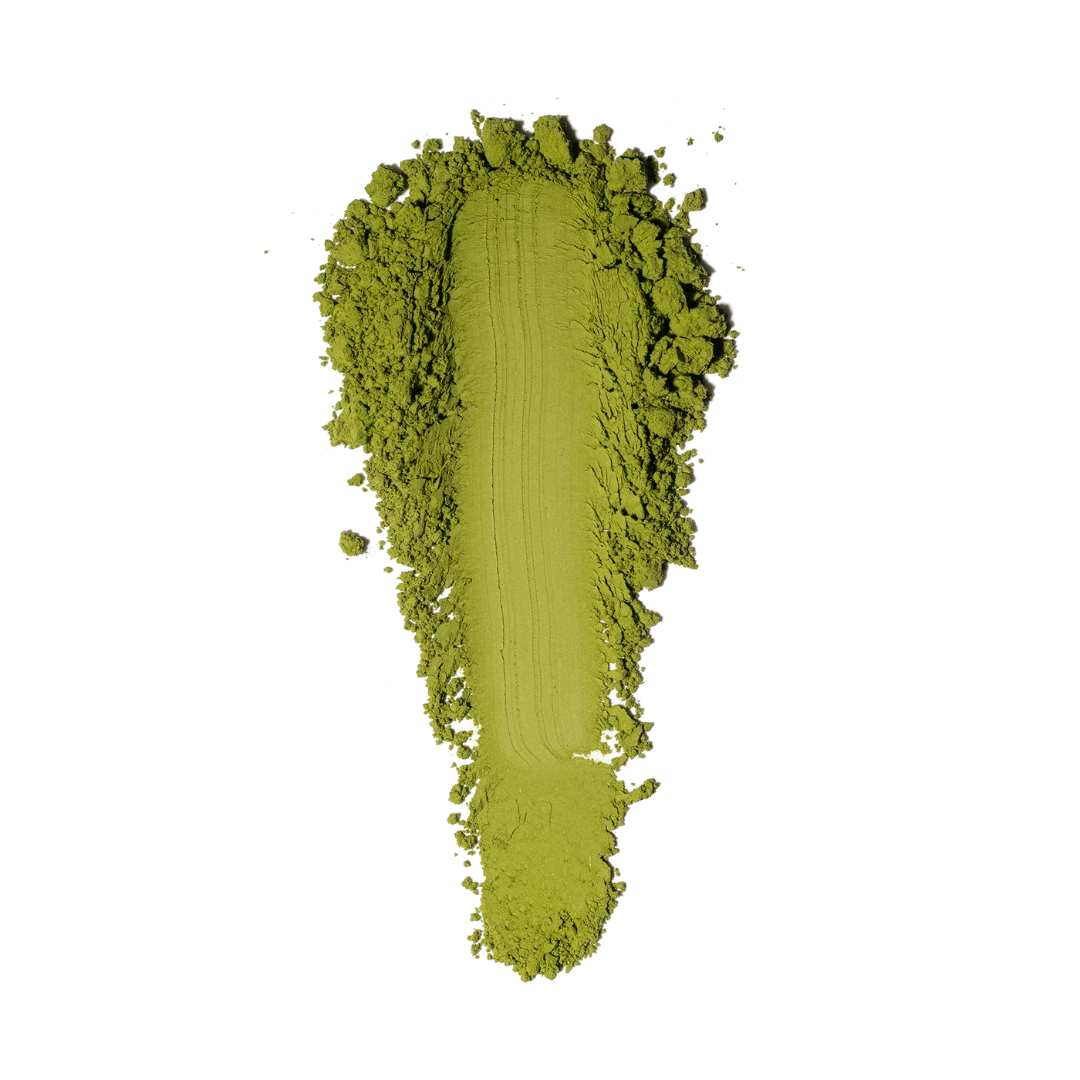
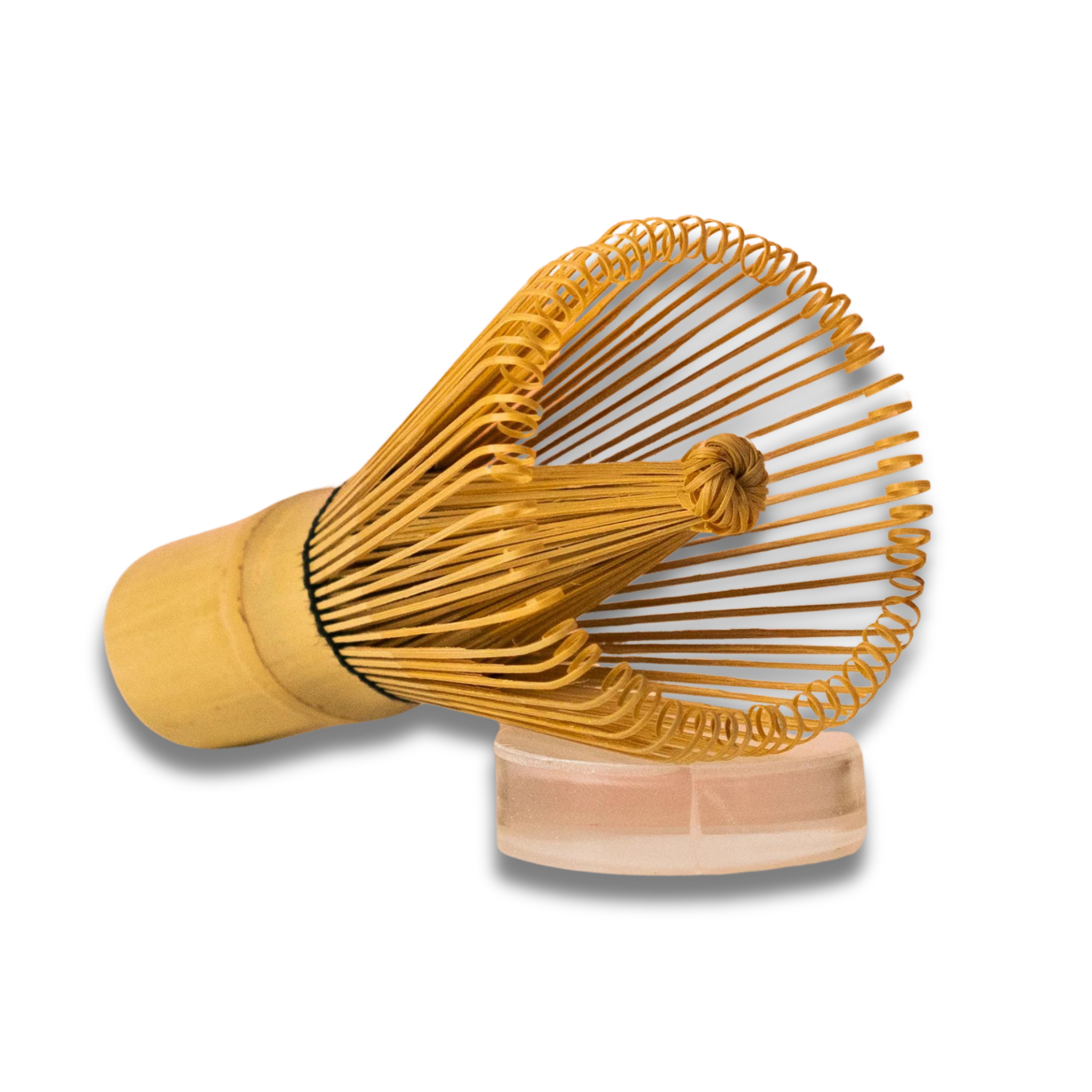
Taste and preparation also stay exactly the same. Whisk 2 grams of matcha with 60 to 80 milliliters of water at 70 to 80 degrees Celsius, and a quality tin will reward you with a smooth, umami rich bowl, shortage or no shortage. A typical 2 gram serving still delivers roughly 60 to 70 milligrams of caffeine alongside L theanine, which many drinkers experience as calm, steady focus.
Start your matcha ritual
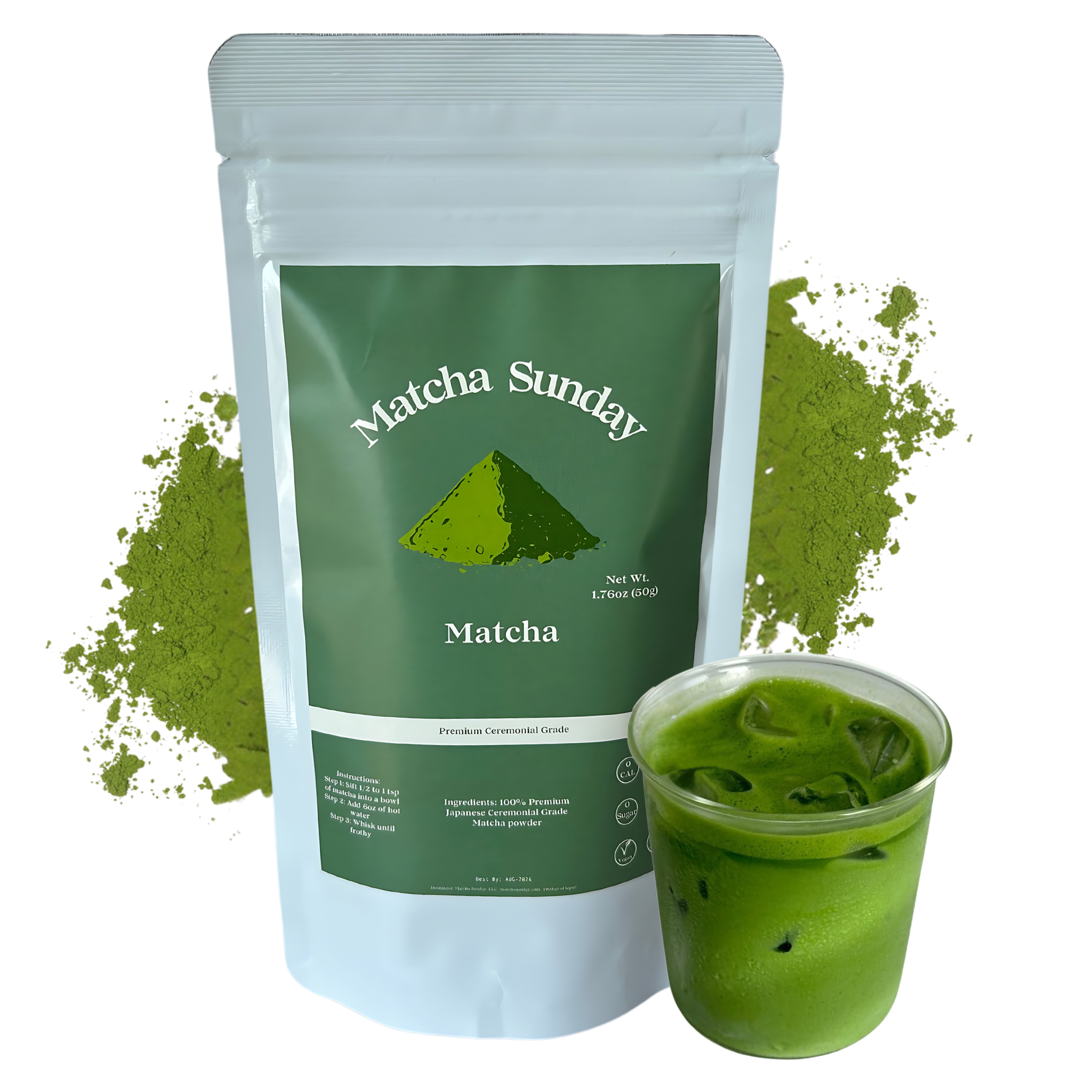
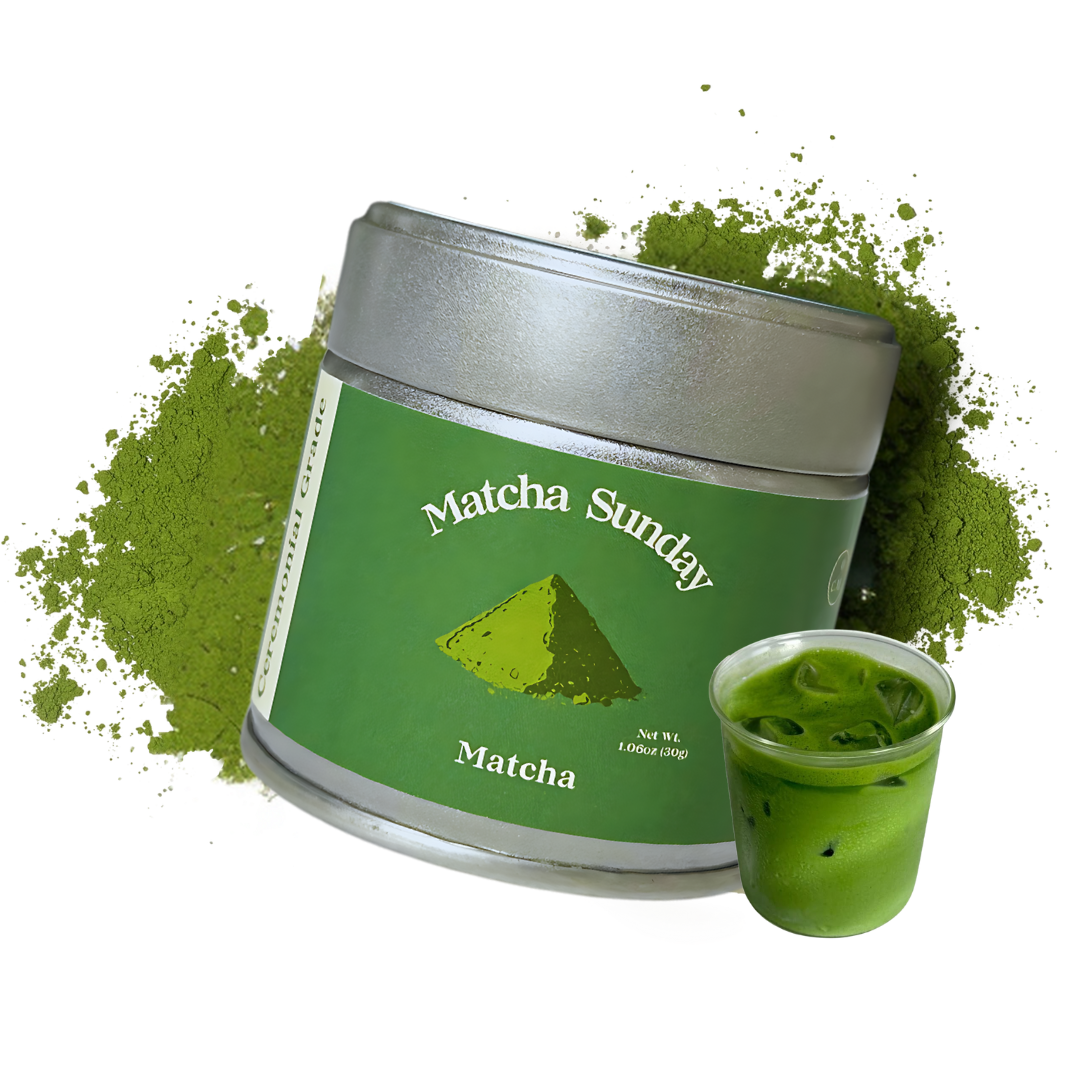
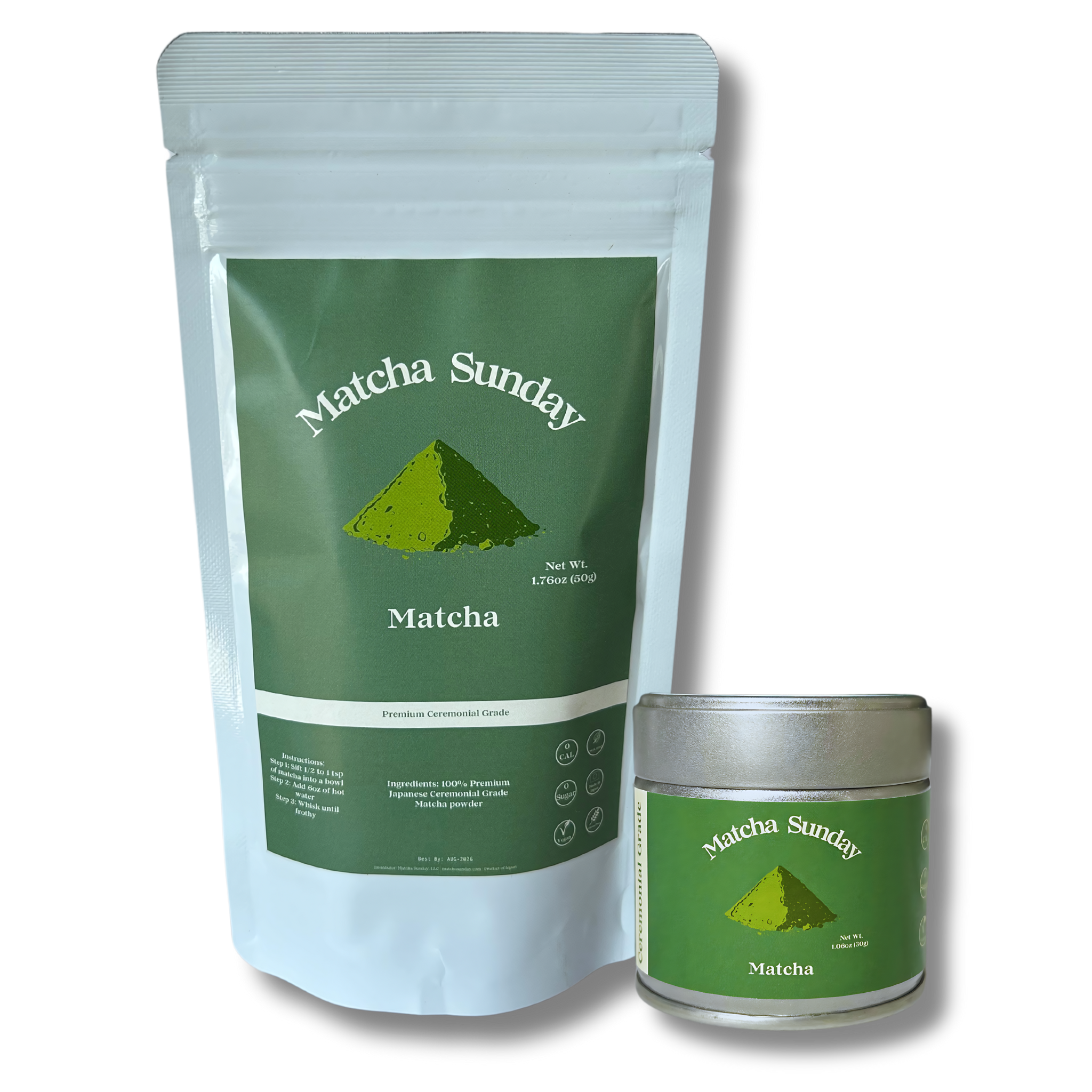
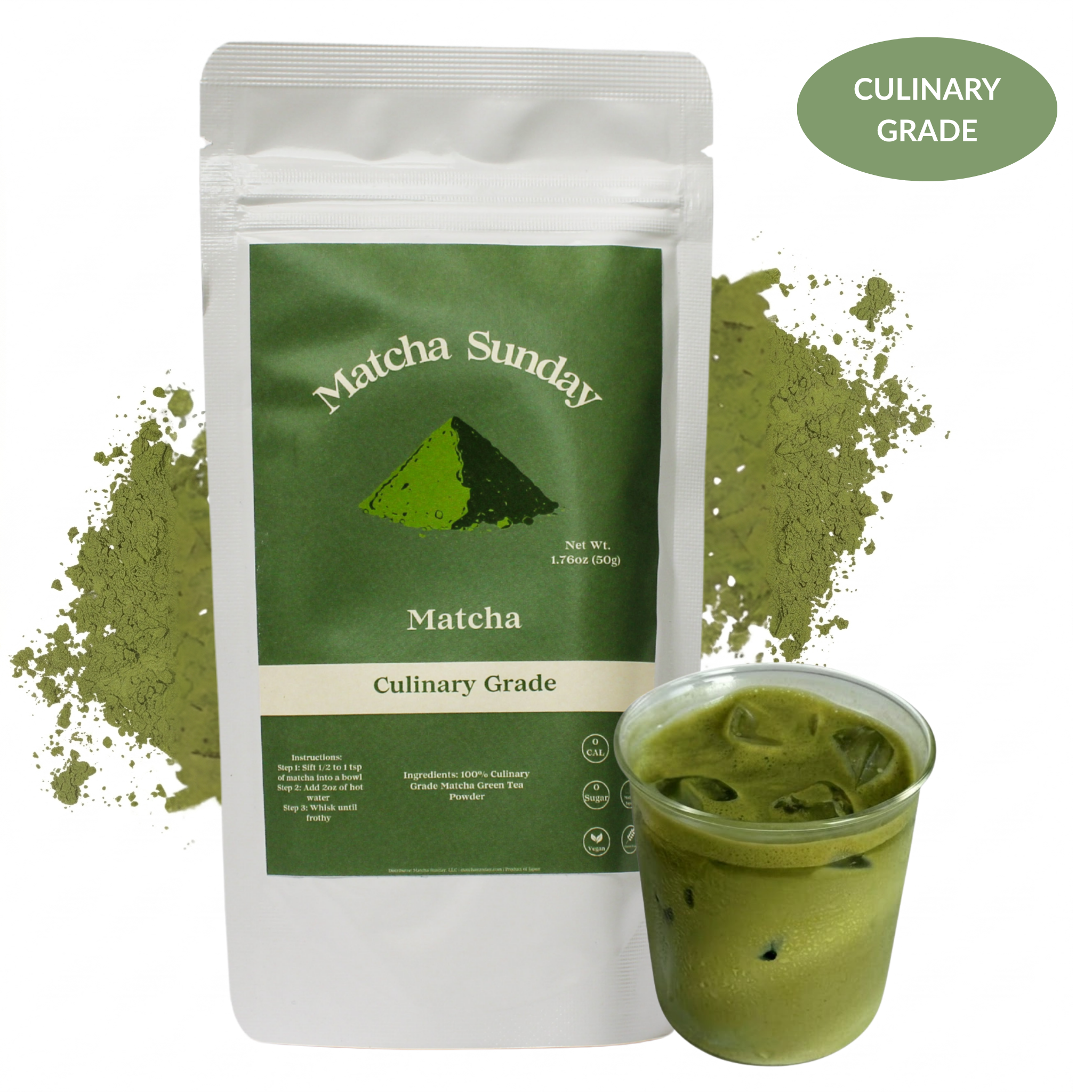
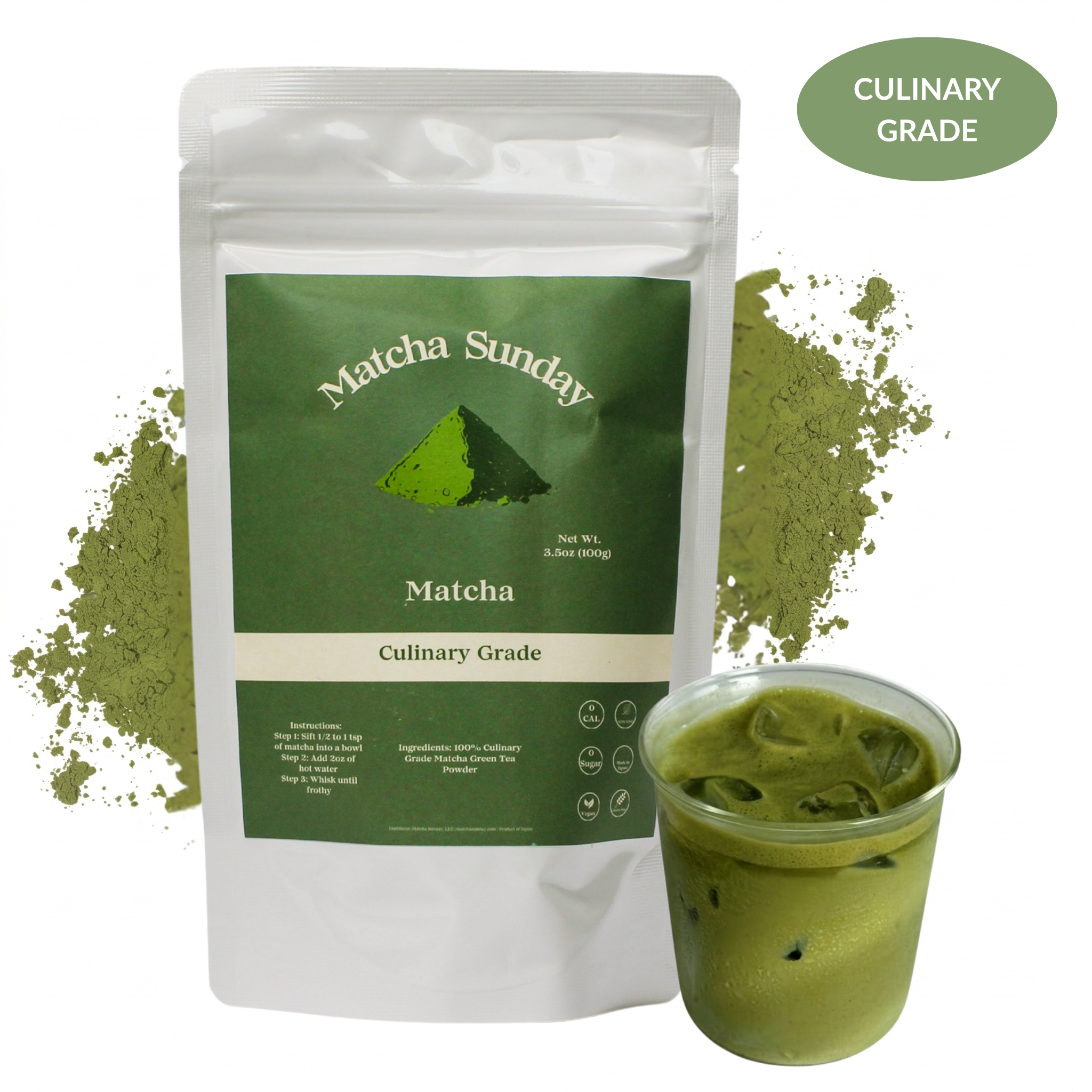
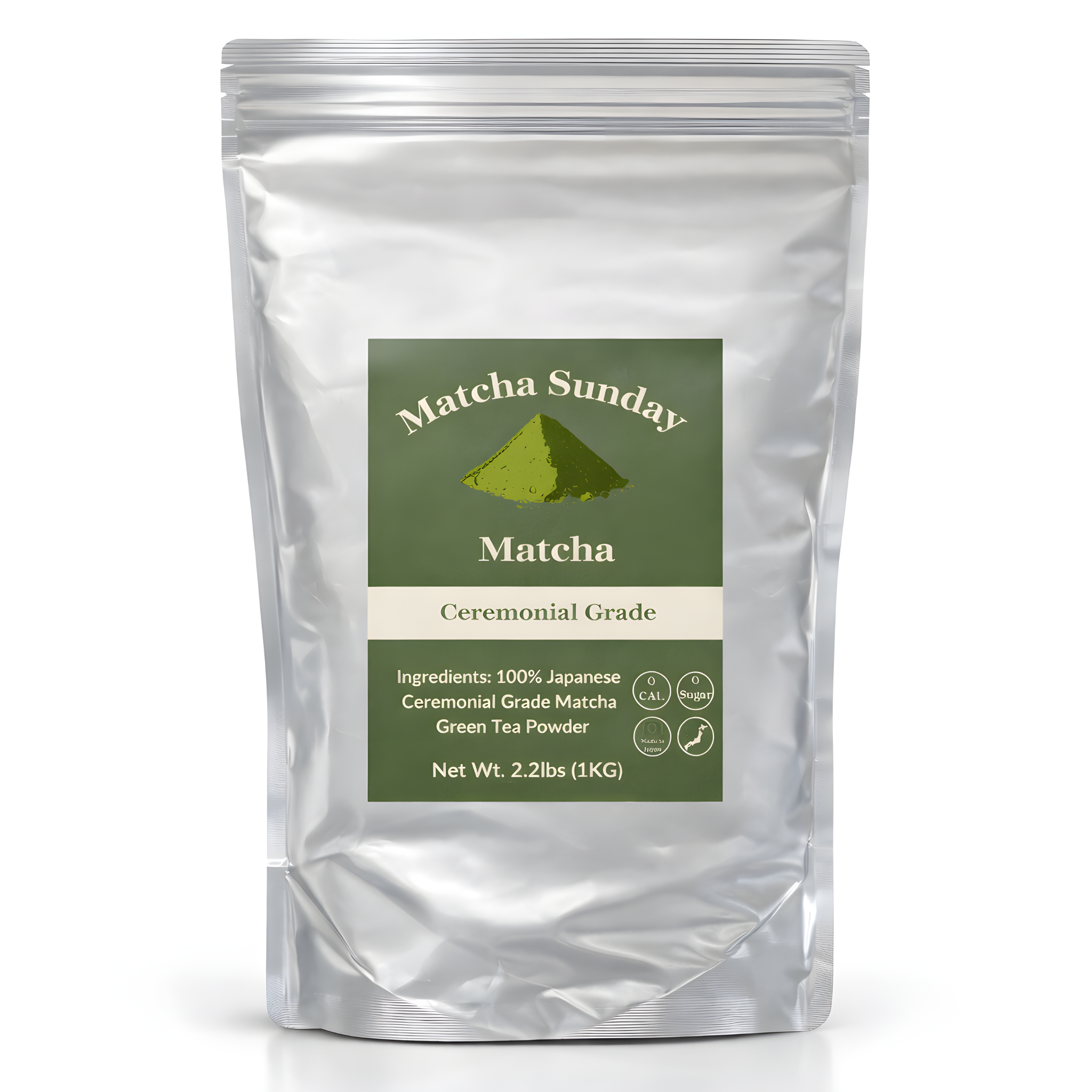
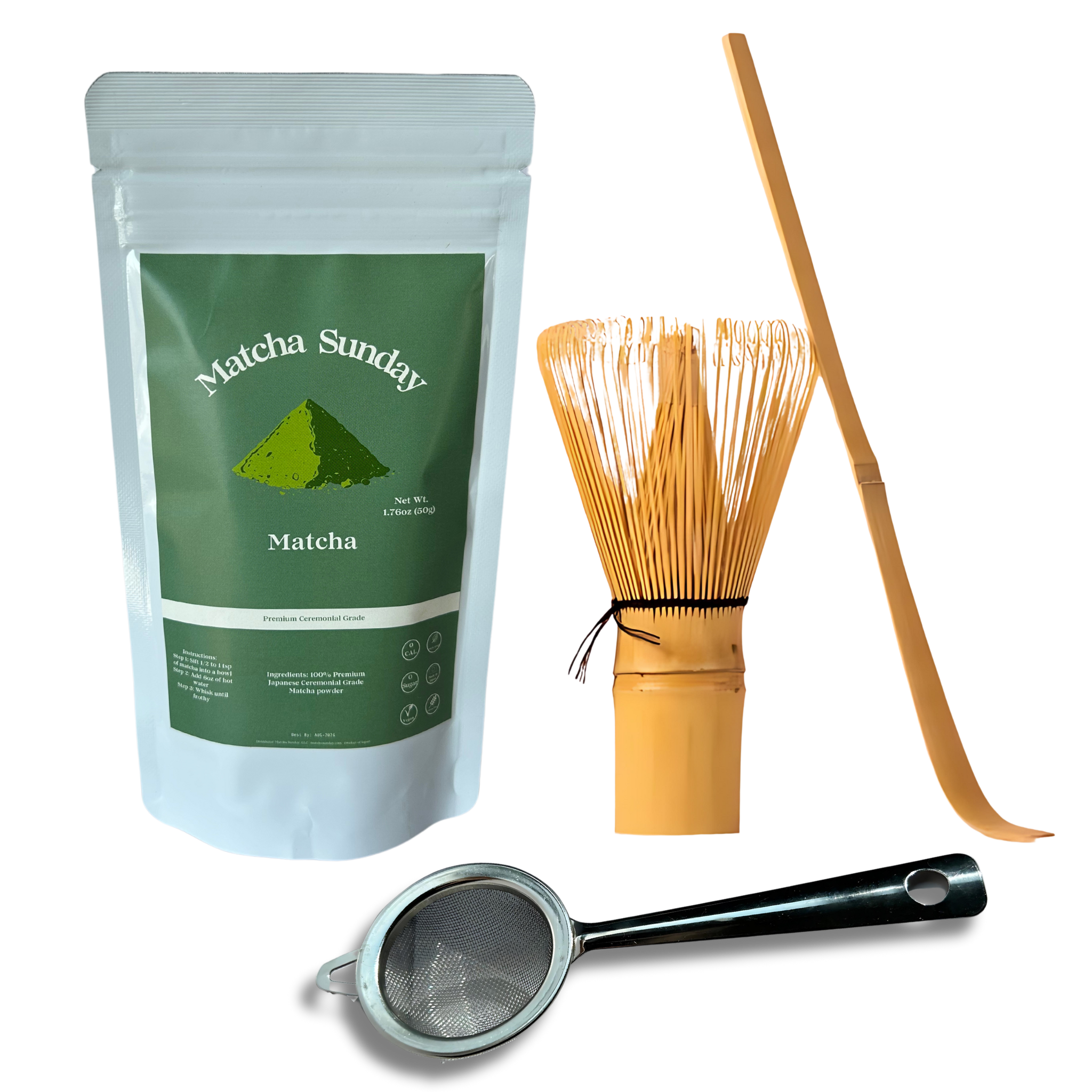
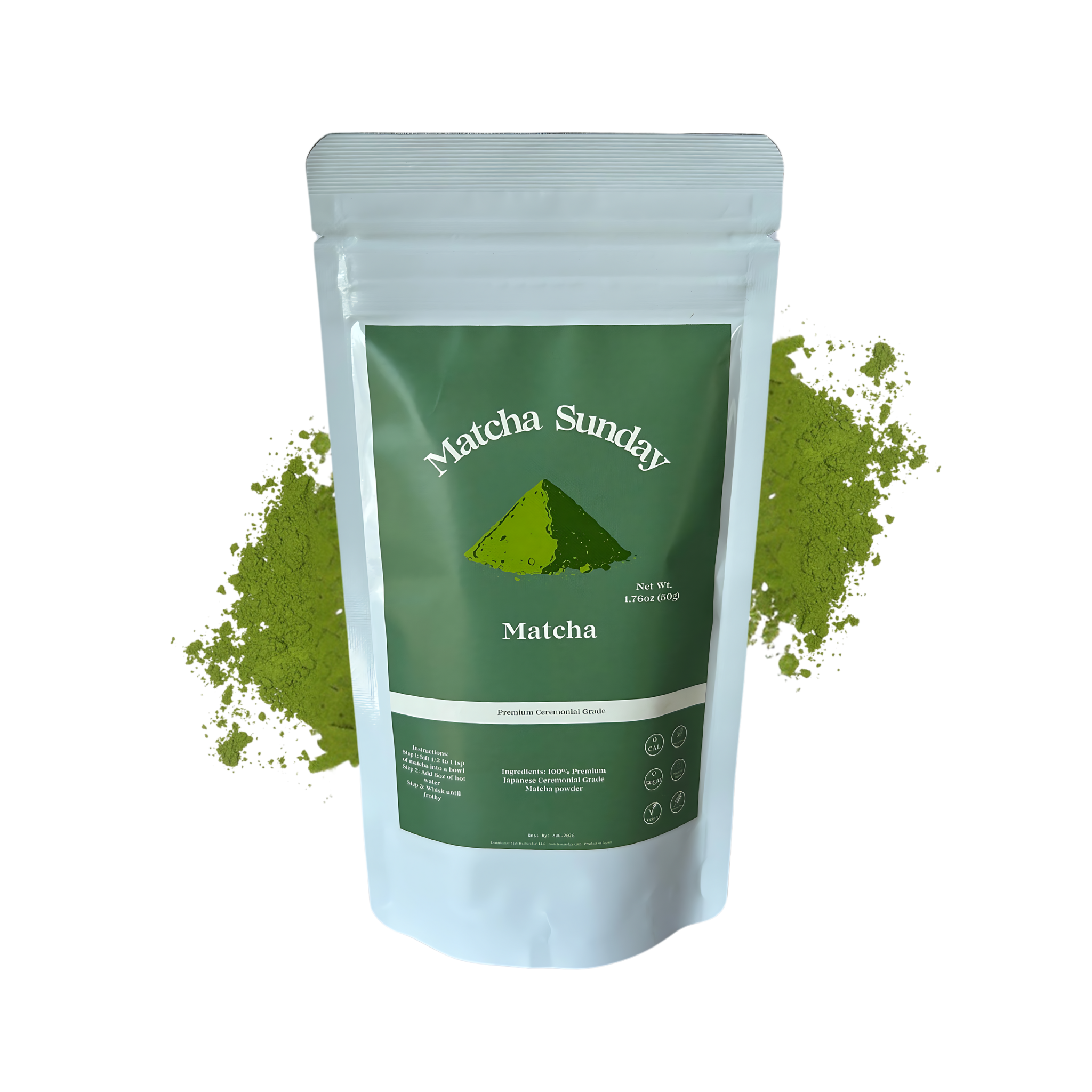
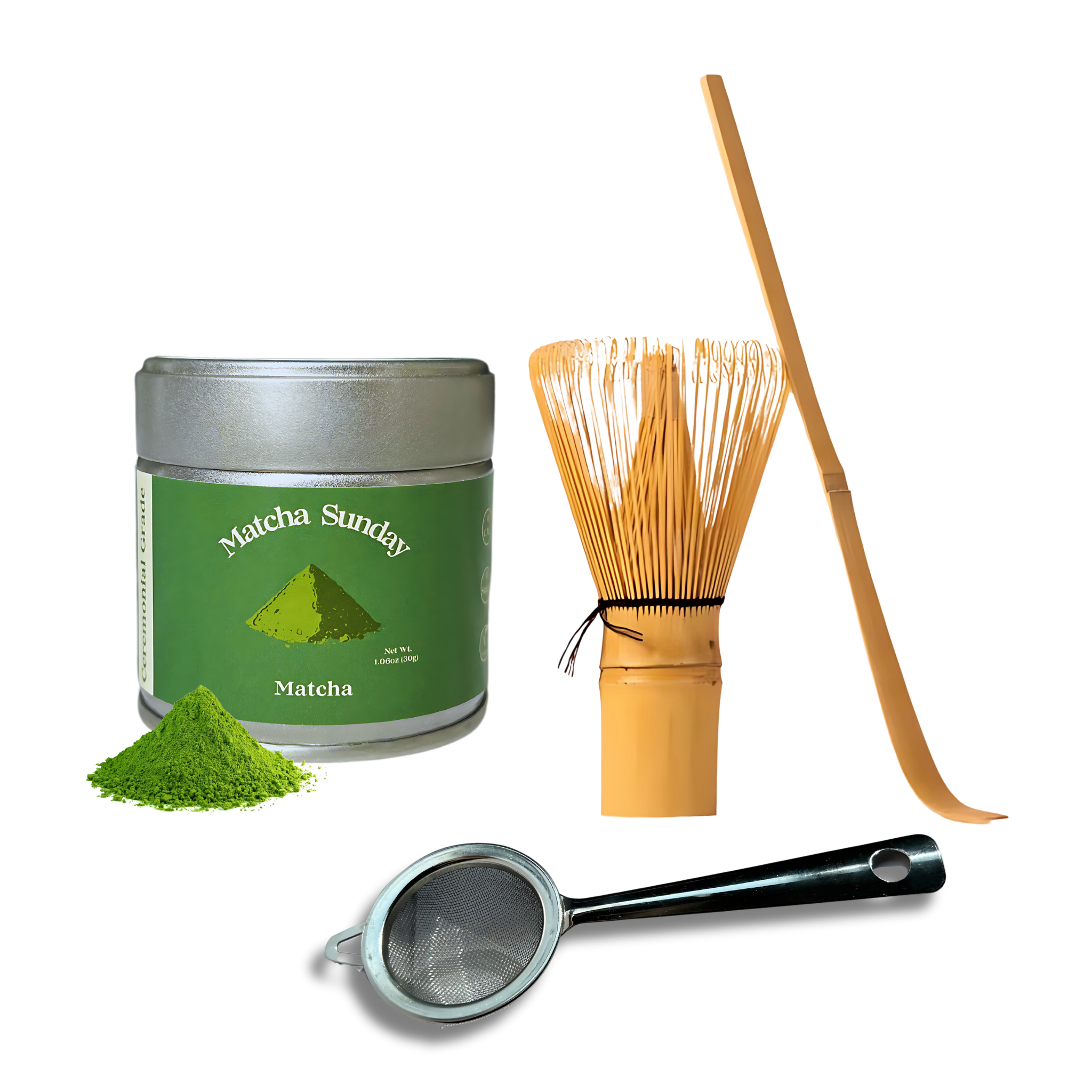
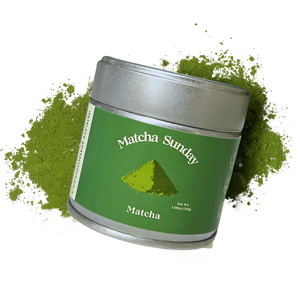
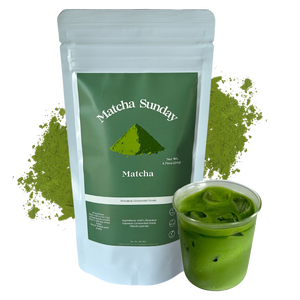
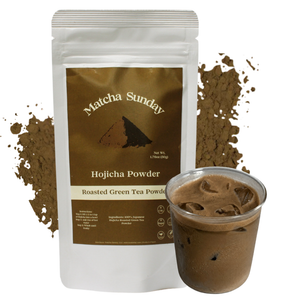
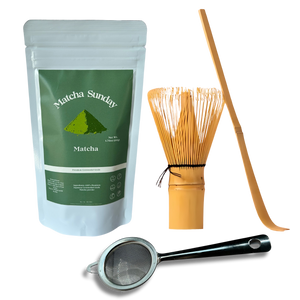
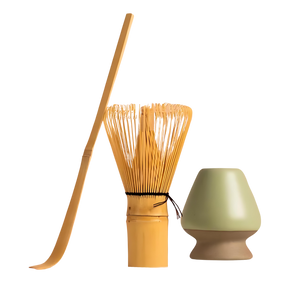
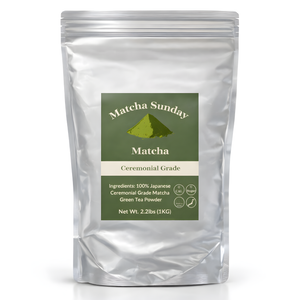
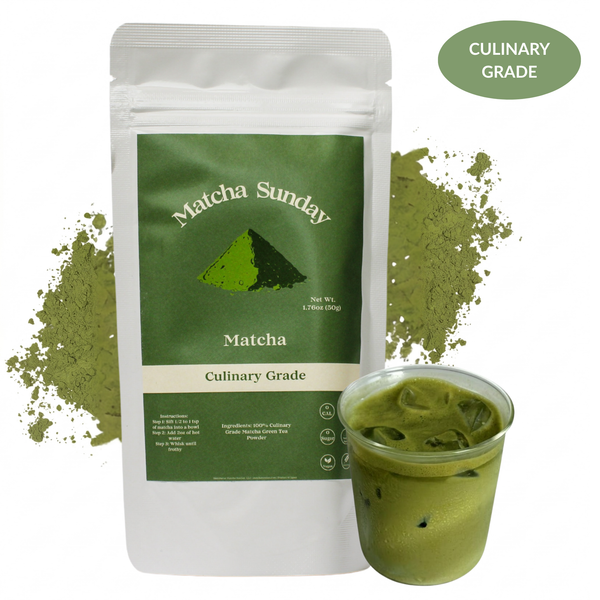
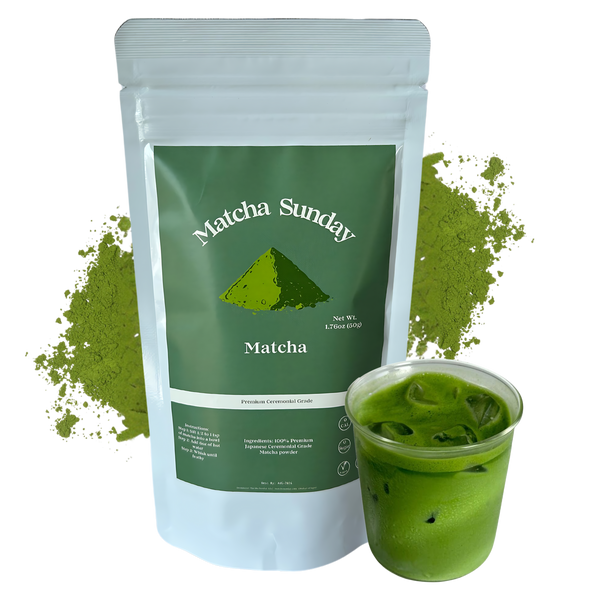
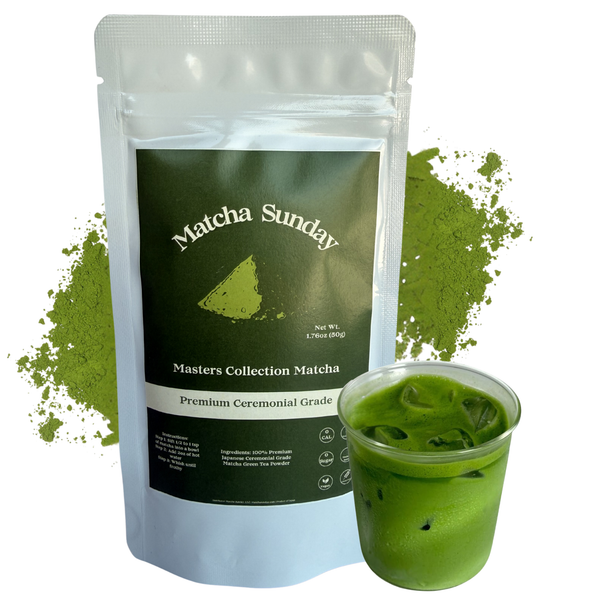
All 100% matcha from Japan. Pick the one that fits how you like to drink it.
Frequently asked questions
Why is matcha sold out everywhere?
Matcha keeps selling out because global demand has grown faster than Japan can produce it. Authentic matcha comes from shade grown tencha leaves harvested mainly once a year each spring and ground slowly on stone mills, so supply is fixed for months while demand keeps climbing.
Is the matcha shortage in 2026 real?
Yes. The shortage is a genuine supply constraint, not a marketing tactic. Several Japanese producers have limited purchase quantities, tencha fields and stone mills are fully committed, and Japan's tea farming population is aging. High grade matcha sells out first because it is the hardest to produce.
How long will the matcha shortage last?
Expect gradual easing over several harvest cycles rather than a sudden end. New tea bushes need about five years before a commercial harvest, and stone milling capacity grows slowly. Availability typically improves after each spring harvest reaches the market, then tightens again through winter.
Should I stock up on matcha during the shortage?
No, buy only what you will drink in one to two months. Matcha loses color, aroma, and flavor once opened, even with good storage. A fresh smaller tin from a reliable seller tastes far better than a large stockpile slowly fading in your cupboard.
Is more expensive matcha worth it right now?
Usually yes, if it comes from a trustworthy specialist. Higher prices reflect real scarcity of shaded tencha leaf and stone mill time. Paying a little more for vivid jade color, silky texture, and clear origin from Japan beats a cheap powder of unknown quality.
Is hojicha a good alternative during the matcha shortage?
Yes. Hojicha is a roasted Japanese green tea with a toasty, naturally sweet flavor and less caffeine than matcha. It does not depend on the same shaded tencha supply, so availability is steadier, and it makes excellent lattes while your favorite matcha is out of stock.
How much caffeine does matcha have?
A standard 2 gram serving of matcha contains roughly 60 to 70 milligrams of caffeine, similar to a small cup of coffee. Because matcha also contains L theanine, many people describe its effect as calmer and steadier than coffee, with less of a spike and crash.