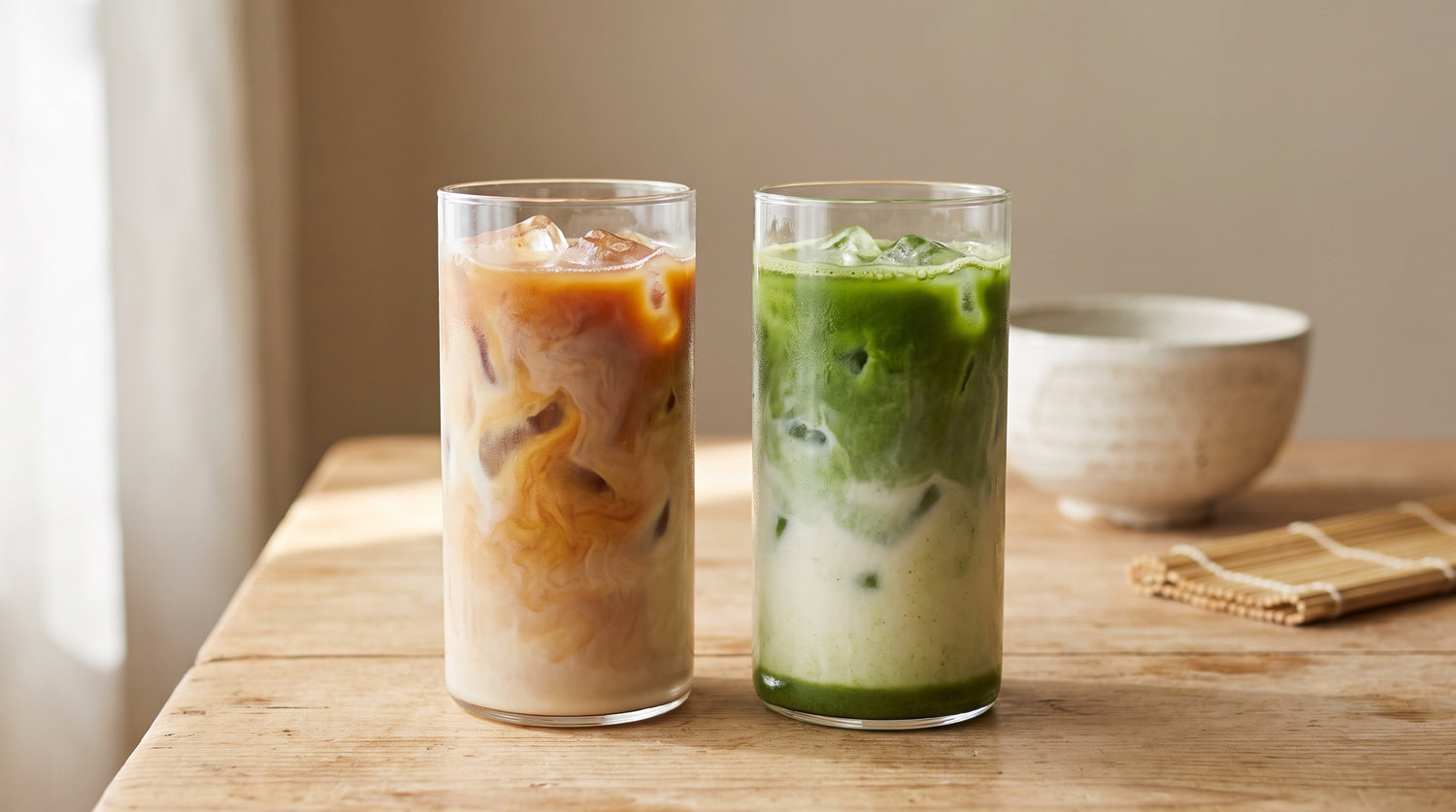
Hojicha is a roasted Japanese green tea with roughly 7 to 18 mg of caffeine per cup, making it one of the gentlest true teas you can drink. Made by roasting mature green tea leaves from Japan at high temperatures, it has a warm, toasty flavor with notes of caramel and roasted grain that sets it apart from every other green tea.
How much caffeine is in hojicha compared to matcha and coffee?
A standard 8 oz cup of brewed hojicha contains about 7 to 18 mg of caffeine. That is roughly one tenth the caffeine in drip coffee and about one quarter of a cup of sencha. The exact amount depends on the leaf type, water temperature, and steeping time, but hojicha consistently sits at the very bottom of the caffeine spectrum among true teas.
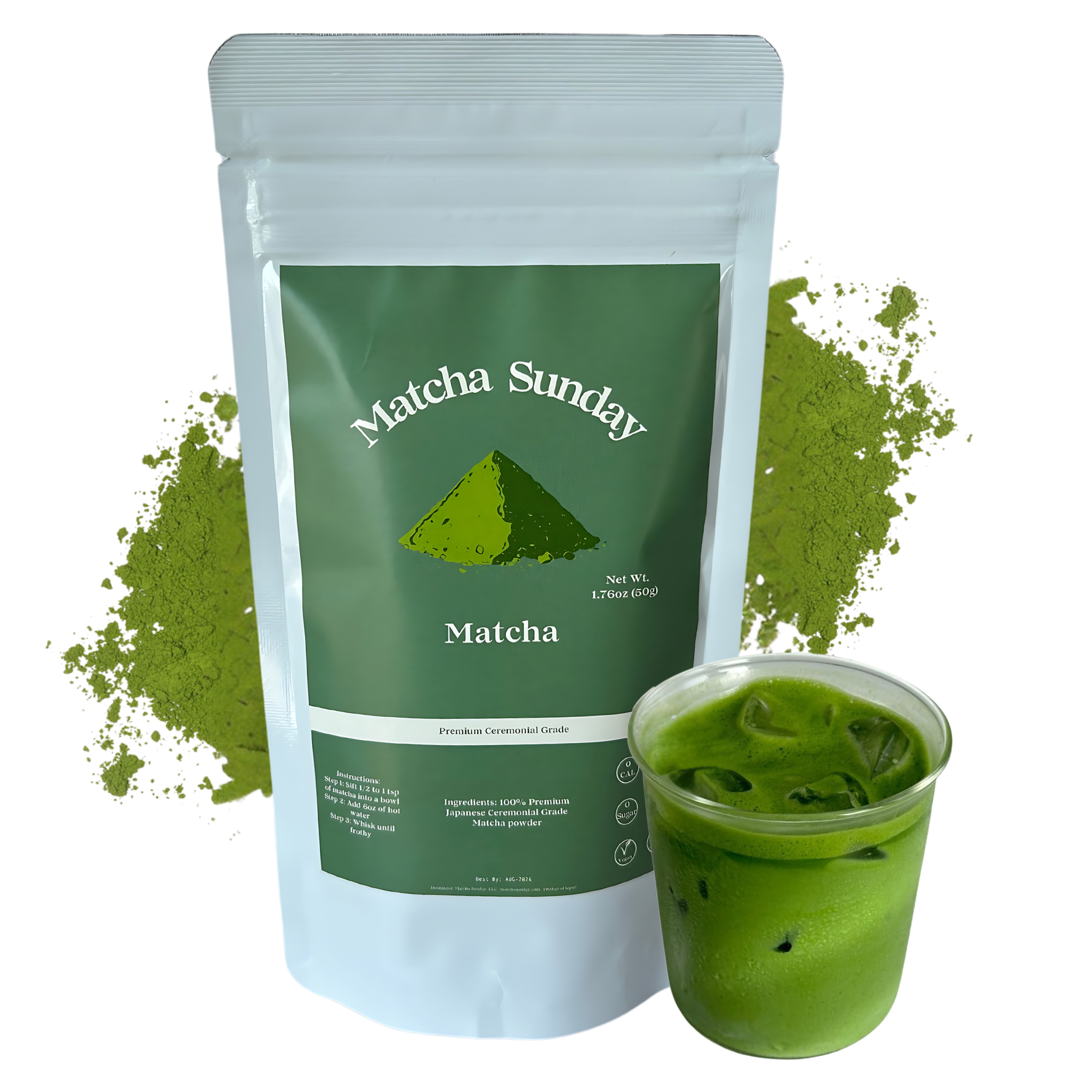
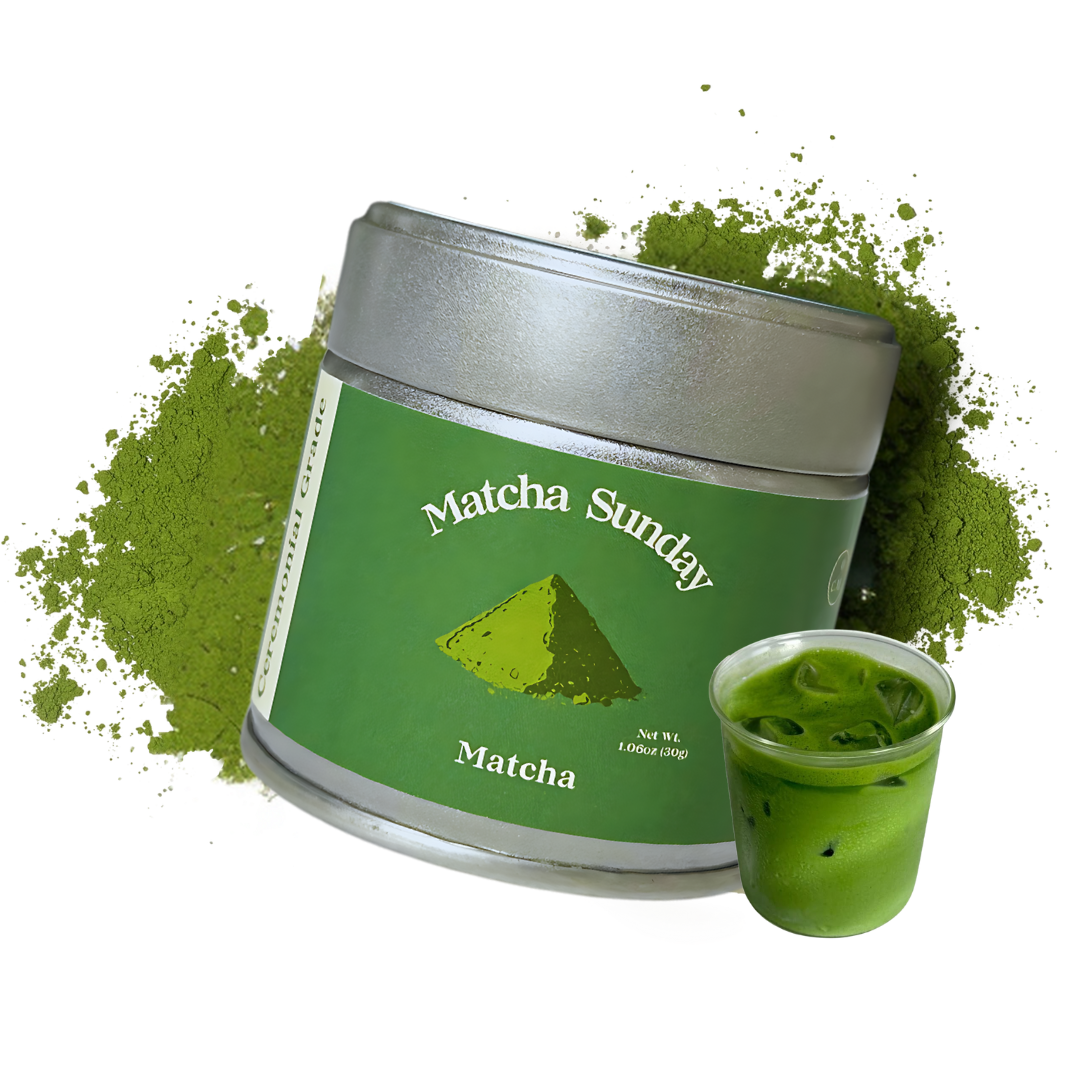
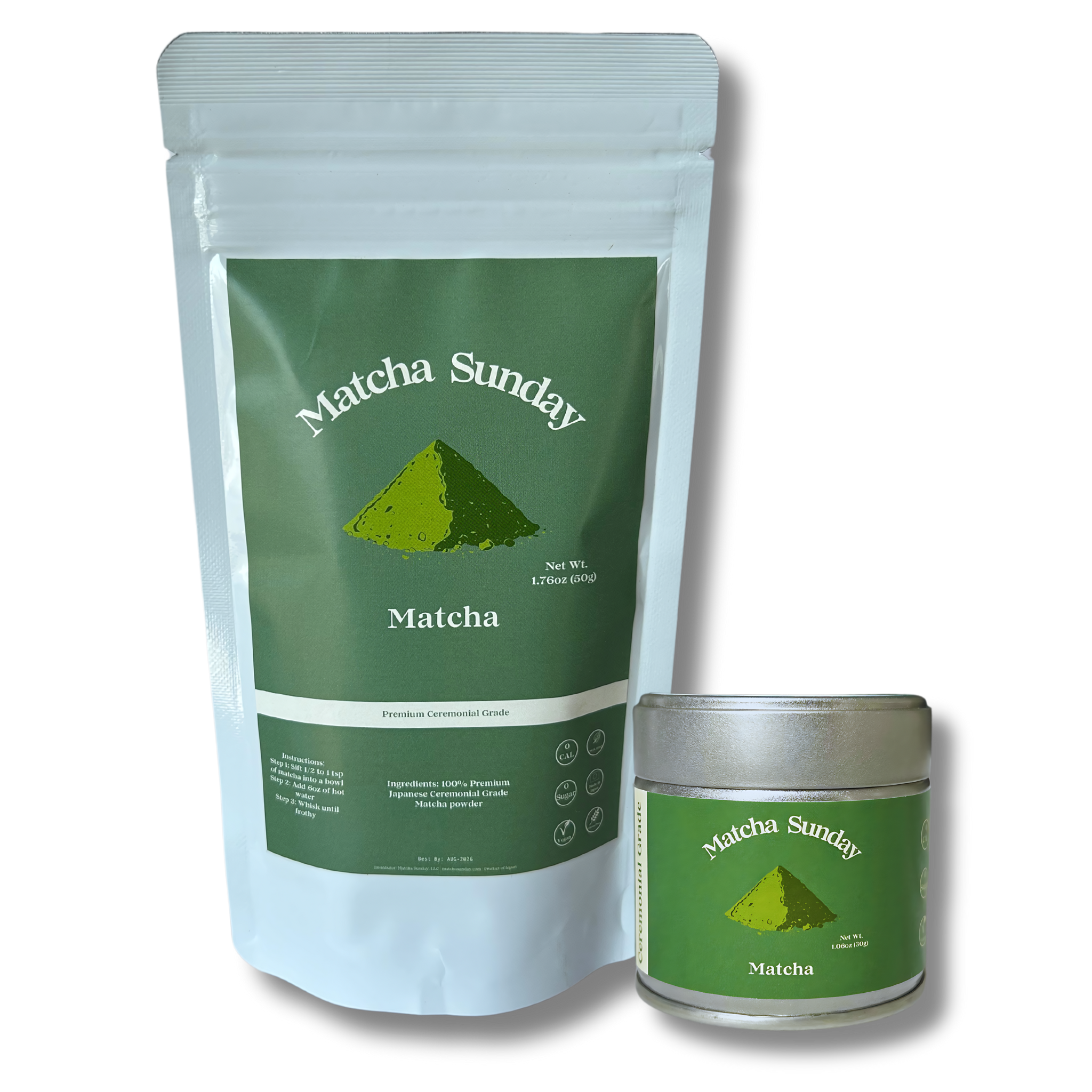
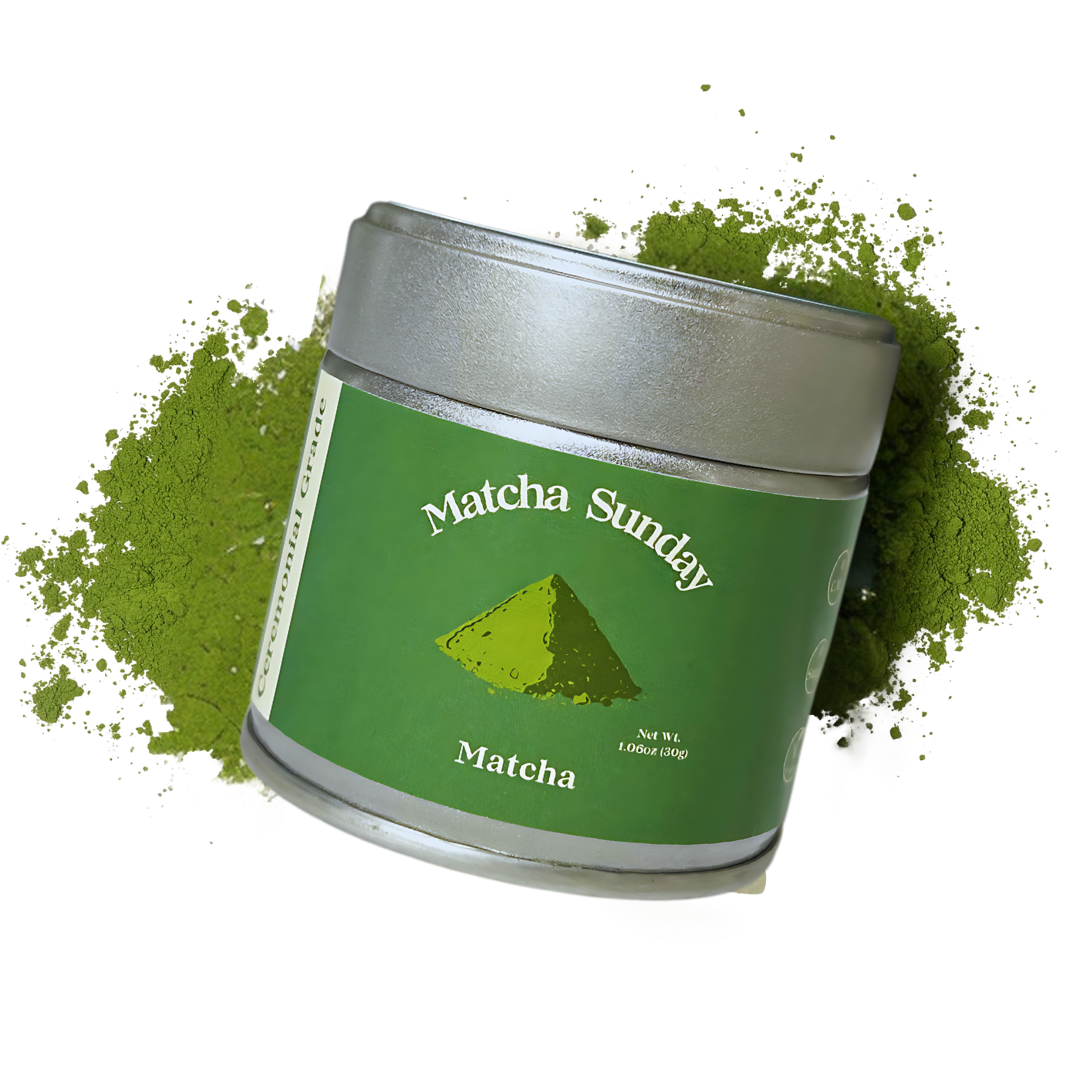
We drink matcha every morning and hojicha every evening at Matcha Sunday, so these numbers shape our daily rhythm. Matcha delivers about 60 to 70 mg of caffeine per serving because you consume the whole leaf ground into a fine powder. Hojicha is brewed and strained, so only a fraction of the caffeine ends up in your cup. The difference in your body is unmistakable: matcha gives you steady, focused energy for hours, while hojicha feels like a warm hug with no buzz at all.
| Beverage | Typical caffeine per 8 oz cup |
|---|---|
| Drip coffee | 80 to 100 mg |
| Matcha (2 g serving) | 60 to 70 mg |
| Black tea | 40 to 70 mg |
| Sencha (green tea) | 20 to 30 mg |
| Hojicha | 7 to 18 mg |
If you enjoy the calm energy that matcha provides compared to coffee, hojicha takes that gentle profile even further. It is the tea we reach for when we want flavor and ritual without any caffeine lift.
Caffeine per 8 oz Cup
Can you drink hojicha before bed?
Yes, and many people do exactly that. At 7 to 18 mg of caffeine per cup, hojicha contains less caffeine than a square of dark chocolate, which typically has 12 to 25 mg. For most adults, that amount has no noticeable effect on sleep.
In Japan, hojicha has been the after dinner tea for generations. Families serve it to children and grandparents alike because the caffeine is negligible and the roasted flavor feels naturally comforting. We have the same habit at Matcha Sunday: once the afternoon matcha is finished, the evening belongs to hojicha. There is something about that toasty, almost nutty aroma that signals the day is winding down.
Hojicha also contains L theanine, an amino acid that research suggests promotes relaxation and supports alpha brain wave activity associated with calm alertness. While hojicha has less L theanine than matcha, the combination of minimal caffeine and a gentle dose of L theanine makes it a genuinely calming cup. You can read more about the broader health benefits of hojicha if the relaxation angle interests you.
If you are especially sensitive to caffeine, enjoy your hojicha two to three hours before bed. For most drinkers, a cup right after dinner works perfectly.
Why does roasting lower the caffeine in hojicha?
Two factors work together to give hojicha its remarkably low caffeine content.
First, hojicha is traditionally made from bancha or kukicha, which are mature leaves and stems harvested later in the growing season. These older leaves naturally contain less caffeine than the young, shade grown buds used for gyokuro or matcha. Some hojicha is made entirely from kukicha (tea stems), which has even less caffeine than leaf material.
Second, the roasting process itself reduces caffeine further. Hojicha is roasted at roughly 150 to 200°C, and at those temperatures a portion of the caffeine is lost through heat exposure. The precise degree of reduction is still debated among food scientists, but the roasting clearly contributes to the low levels measured in the finished cup.
- The starting leaf material (bancha or kukicha) is naturally lower in caffeine than young leaf teas.
- The roasting process further reduces caffeine through exposure to high heat.
Roasting also breaks down catechins, the compounds that give unroasted green tea its grassy, astringent bite. That is why hojicha tastes smooth and toasty rather than vegetal. You trade some antioxidant intensity for a mellow, deeply approachable flavor and a much gentler caffeine profile.
How should you brew hojicha at home?
Hojicha is one of the most forgiving teas to brew. Unlike matcha or gyokuro, which demand precise water temperatures, hojicha actually welcomes hot water that draws out its full roasted character.
For a hot cup:
- Use about 4 g of loose leaf hojicha per 8 oz of water
- Heat water to 90 to 95°C (just off a full boil)
- Steep for 30 to 60 seconds
- Strain and enjoy immediately
For a hojicha latte:
- Prepare a concentrated brew using 6 g of loose leaf in 4 oz of hot water, steeped for 45 seconds
- Strain into your favorite mug
- Add 4 to 6 oz of steamed milk or your preferred plant milk
- No sweetener needed as the natural caramel notes carry the drink beautifully
One thing we have learned from years of daily brewing: shorter steeps produce a sweeter cup. If your hojicha tastes flat or slightly bitter, try pulling the leaves at 30 seconds instead of a full minute. The difference is surprising. You can also reduce the caffeine content even further by using slightly cooler water (around 80°C) and a shorter steep, since less caffeine extracts at lower temperatures.
Hojicha lattes are showing up on cafe menus everywhere now, from specialty tea shops to major coffee chains. Brewing one at home takes less than three minutes and costs a fraction of the cafe price.
Should you choose hojicha powder or loose leaf?
Both work well, and the right choice depends on how you plan to use your hojicha.
Loose leaf hojicha is ideal for a traditional brewed cup. It delivers the lightest caffeine content (7 to 18 mg per serving) because you steep and strain the leaves, leaving most of the caffeine behind. Loose leaf also gives you more control over the strength and flavor of each cup, and you can re steep the same leaves for a lighter second brew.
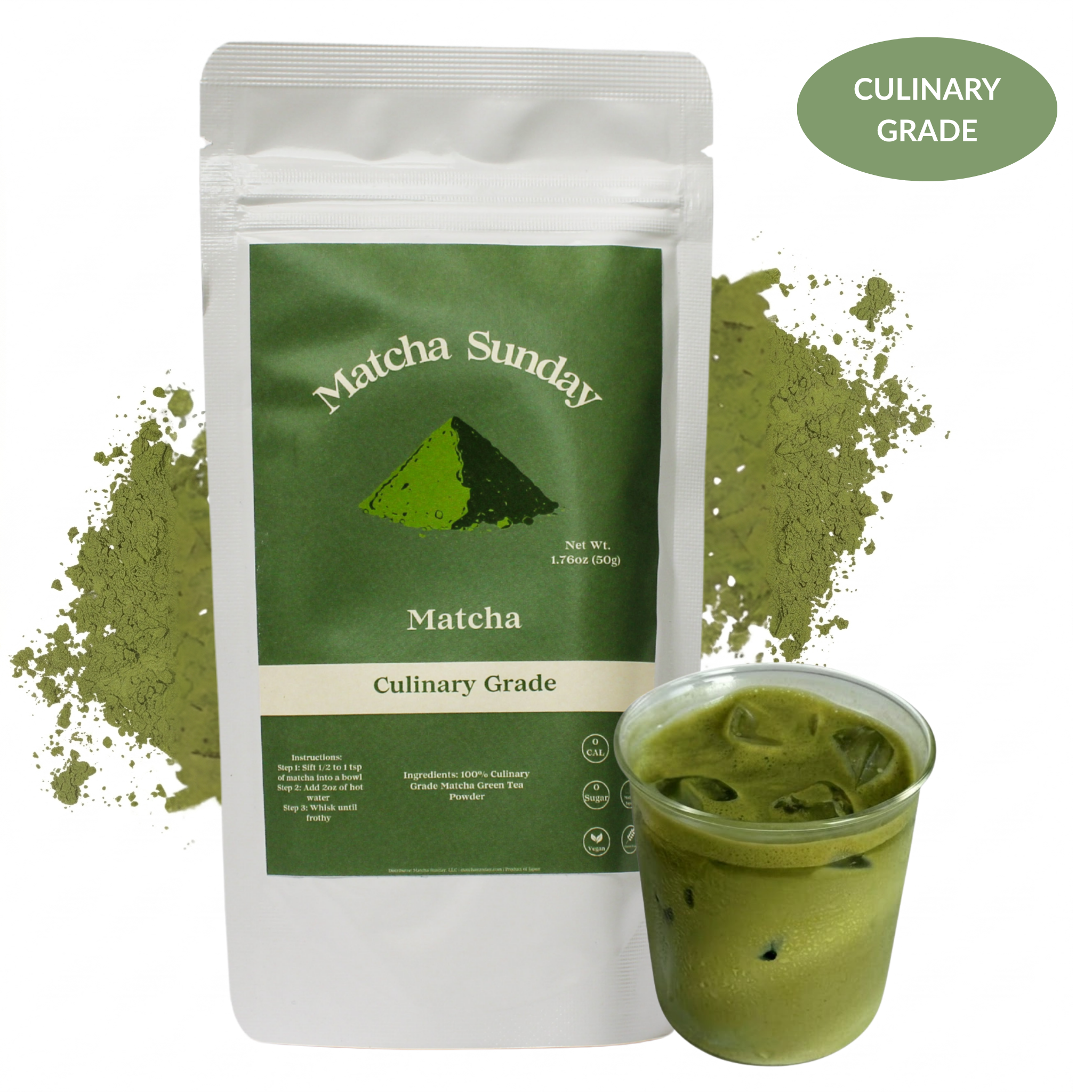
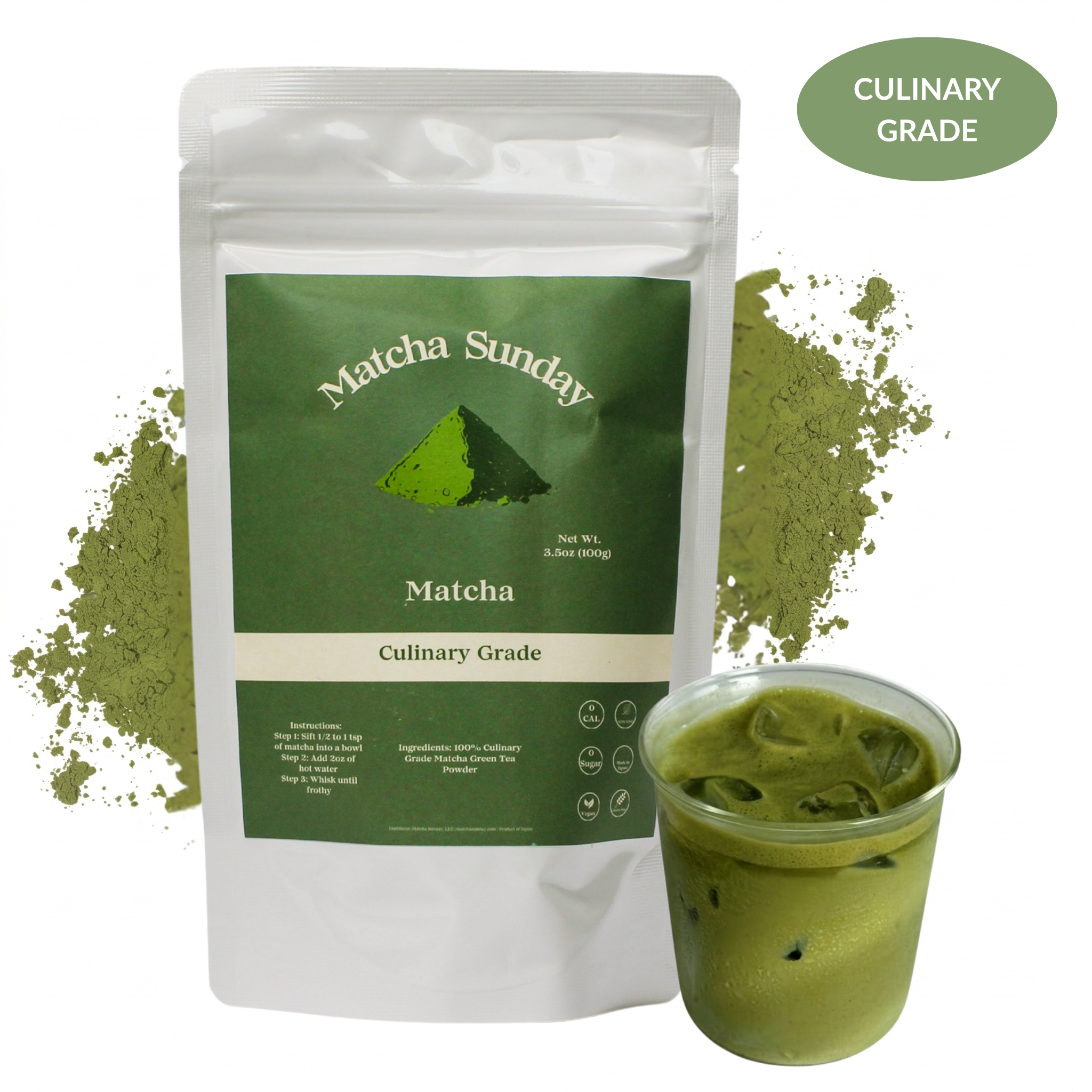
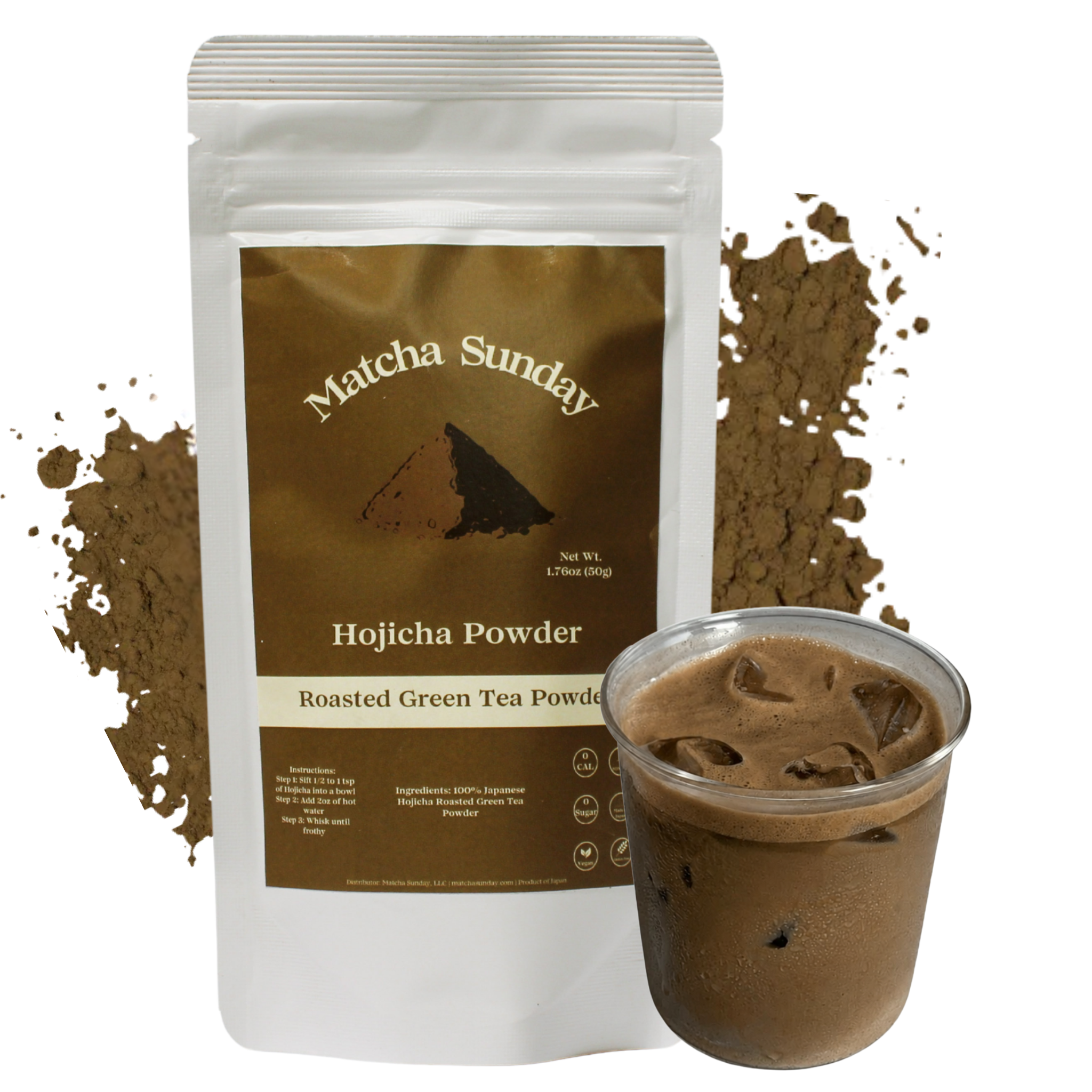
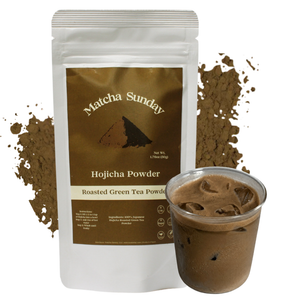
Hojicha powder works like matcha powder: the whole leaf is ground fine and whisked or blended directly into your drink. Because you consume the entire leaf, hojicha powder delivers more caffeine per serving, typically around 20 to 30 mg. That is still well below matcha at 60 to 70 mg and coffee at 80 to 100 mg, but it matters if you chose hojicha specifically for minimal caffeine.
If you want the absolute lowest caffeine cup, go with loose leaf. If you want convenience and a richer, more full bodied flavor for lattes and baking, powder is the better choice.
What should you look for when buying hojicha?
Not all hojicha is equal. Here is what we pay attention to when sourcing ours:
- Origin from Japan. Authentic hojicha is a Japanese tea. Look for clear origin labeling that confirms the leaves were grown and roasted in Japan.
- Even roast color. Quality hojicha leaves are a uniform reddish brown. Uneven color can indicate inconsistent roasting or a blend of different leaf grades.
- Leaf material. Hojicha made from bancha (mature leaves) has a different character than kukicha (stems). Bancha hojicha tends to be richer and more robust. Kukicha hojicha is lighter and sweeter. Neither is better, but knowing which you prefer helps.
- Freshness. Roasted teas lose their aroma faster than unroasted ones. Buy from sellers who roast in small batches and look for a packaging or harvest date.
- Aroma first. Before you brew, smell the dry leaves. Good hojicha should smell like toasted grain or roasted chestnuts. If it smells stale or flat, move on.
If you are just starting to explore how hojicha and matcha compare, these details will help you understand why two bags of hojicha can taste completely different.
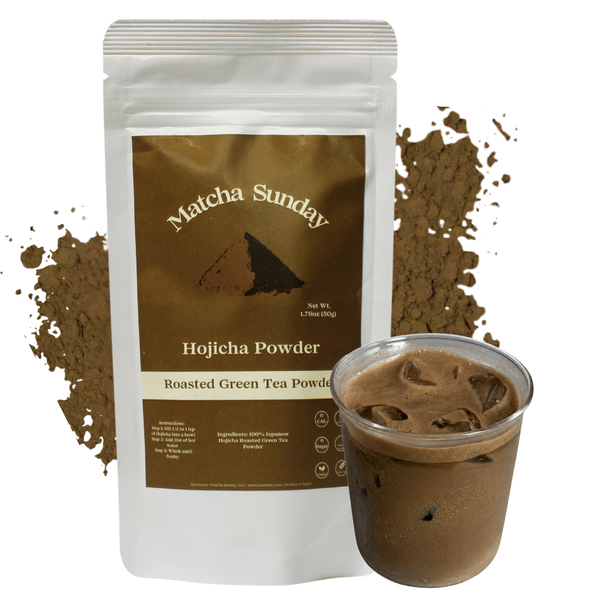
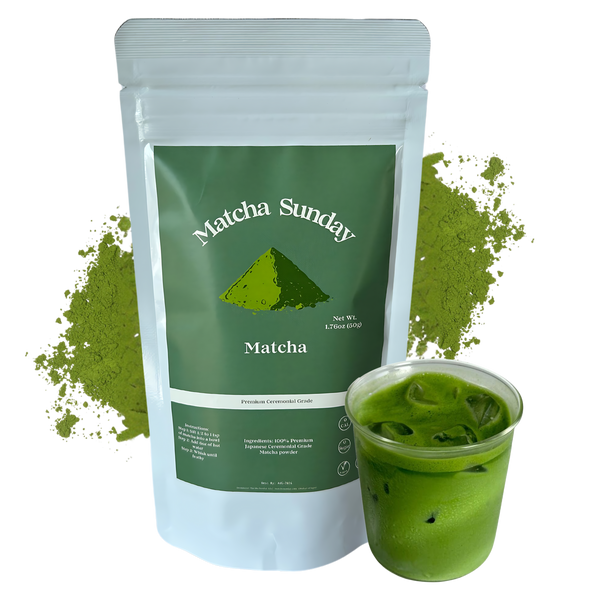
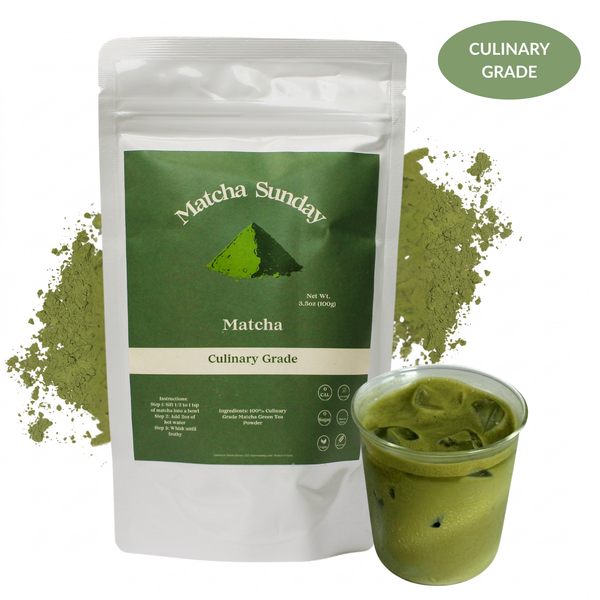
Shop these powders
Frequently asked questions
Is hojicha caffeine free?
No. Hojicha is a true tea made from the Camellia sinensis plant, so it does contain caffeine. However, at 7 to 18 mg per cup, it has one of the lowest caffeine levels of any true tea. It is a practical choice for people who want to reduce their caffeine intake without switching to herbal infusions that are not technically tea.
Does hojicha powder have more caffeine than loose leaf hojicha?
Yes. Hojicha powder delivers roughly 20 to 30 mg of caffeine per serving because you consume the entire ground leaf rather than steeping and straining. That is still well below matcha at 60 to 70 mg and coffee at 80 to 100 mg, but it is worth knowing if low caffeine is your primary reason for choosing hojicha.
Can I give hojicha to children?
In Japan, hojicha is commonly served to children because of its low caffeine content and mild, smooth flavor. At 7 to 18 mg per cup, it contains less caffeine than a cup of hot chocolate. Many families in Japan consider hojicha an appropriate everyday tea for all ages.
What does hojicha taste like?
Hojicha has a warm, toasty flavor with notes of caramel, roasted grain, and a hint of natural sweetness. It is smooth, clean on the finish, and completely free of the grassy bitterness found in unroasted green teas. People who find sencha or matcha too vegetal often discover that hojicha is immediately enjoyable.
Is hojicha better than decaf coffee?
Hojicha and decaf coffee sit in a similar caffeine range, but hojicha offers benefits that decaf does not. Hojicha contains L theanine, which research suggests promotes calm focus, and it retains antioxidants from the tea plant. It also has a naturally smooth flavor without the chemical processing that some decaffeination methods require.