Most cafes use between 1 and 3 kg of matcha powder per month, depending on daily drink volume. The formula is straightforward: multiply the number of matcha drinks you sell each day by the grams of matcha per drink, then multiply by 30 days and divide by 1,000 to convert to kilograms. A small shop selling 15 matcha lattes a day at 2 grams each needs roughly 1 kg per month, while a busier cafe pouring 50 drinks a day will go through about 3 kg.
How much matcha powder does a cafe use per month?
The typical cafe uses 1 to 3 kg of matcha per month. Exact usage depends on how many matcha drinks you sell daily and how much powder goes into each one. A small coffee shop just adding matcha lattes to the menu might move 1 kg per month, while a matcha focused boba shop can easily go through 6 kg or more.
Here is a practical breakdown by cafe size and daily volume:
| Cafe Type | Matcha Drinks per Day | Grams per Drink | Monthly Usage (kg) |
|---|---|---|---|
| Small coffee shop | 10 to 15 | 2 | 0.6 to 0.9 |
| Mid volume cafe | 25 to 50 | 2 to 3 | 1.5 to 4.5 |
| Matcha focused or boba shop | 75 to 100+ | 2 to 3 | 4.5 to 9+ |
These numbers assume standard serving sizes and do not account for waste, training drinks, or remakes. Most experienced cafe operators budget 10 to 15 percent above their calculated usage to cover those extras comfortably.
How many grams of matcha go into one cafe latte?
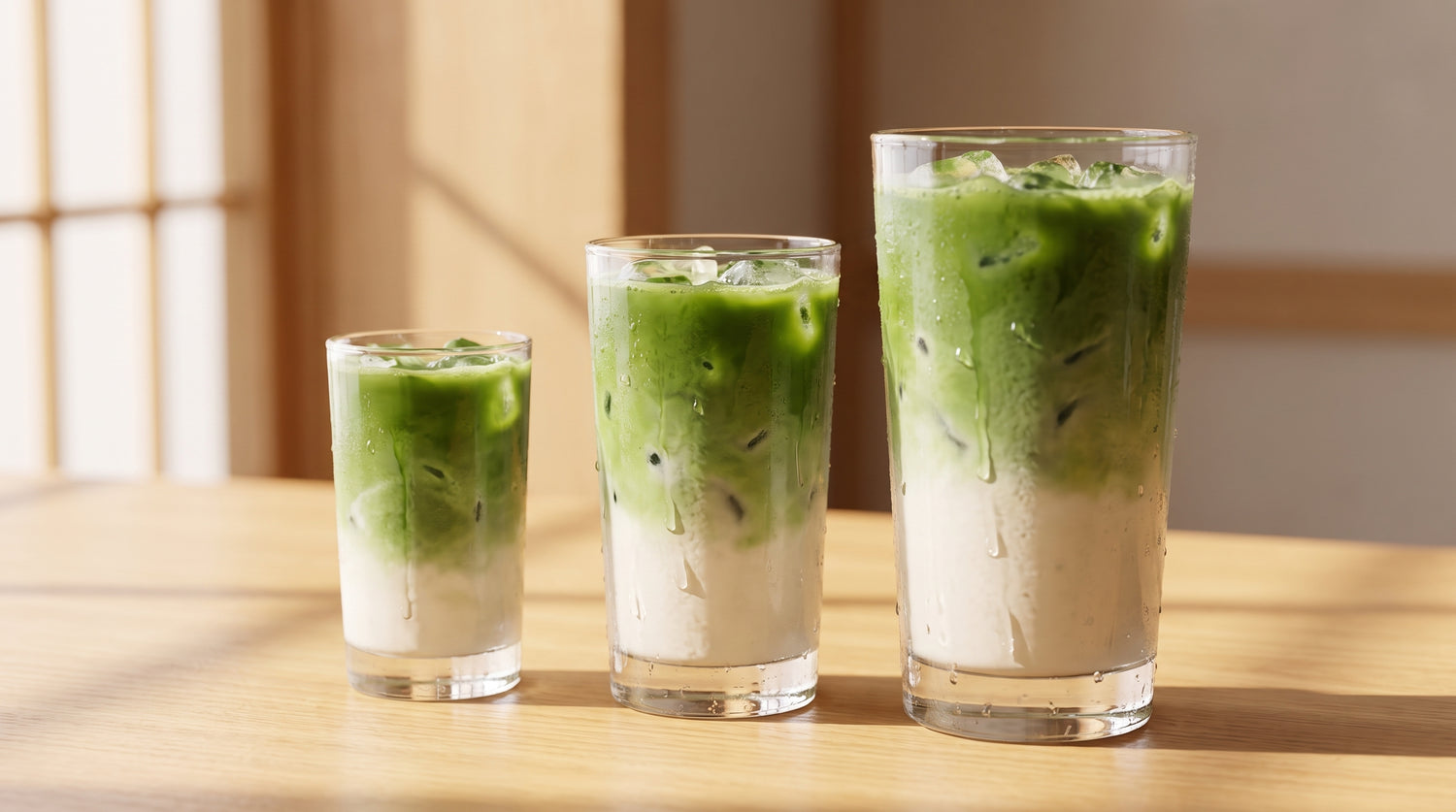
A standard 12 oz matcha latte uses about 2 grams of matcha powder. A larger 16 oz latte typically calls for 2.5 to 3 grams so the matcha flavor does not get lost in the extra milk. Some shops that want a bolder, more vivid green drink go up to 4 grams per serving.
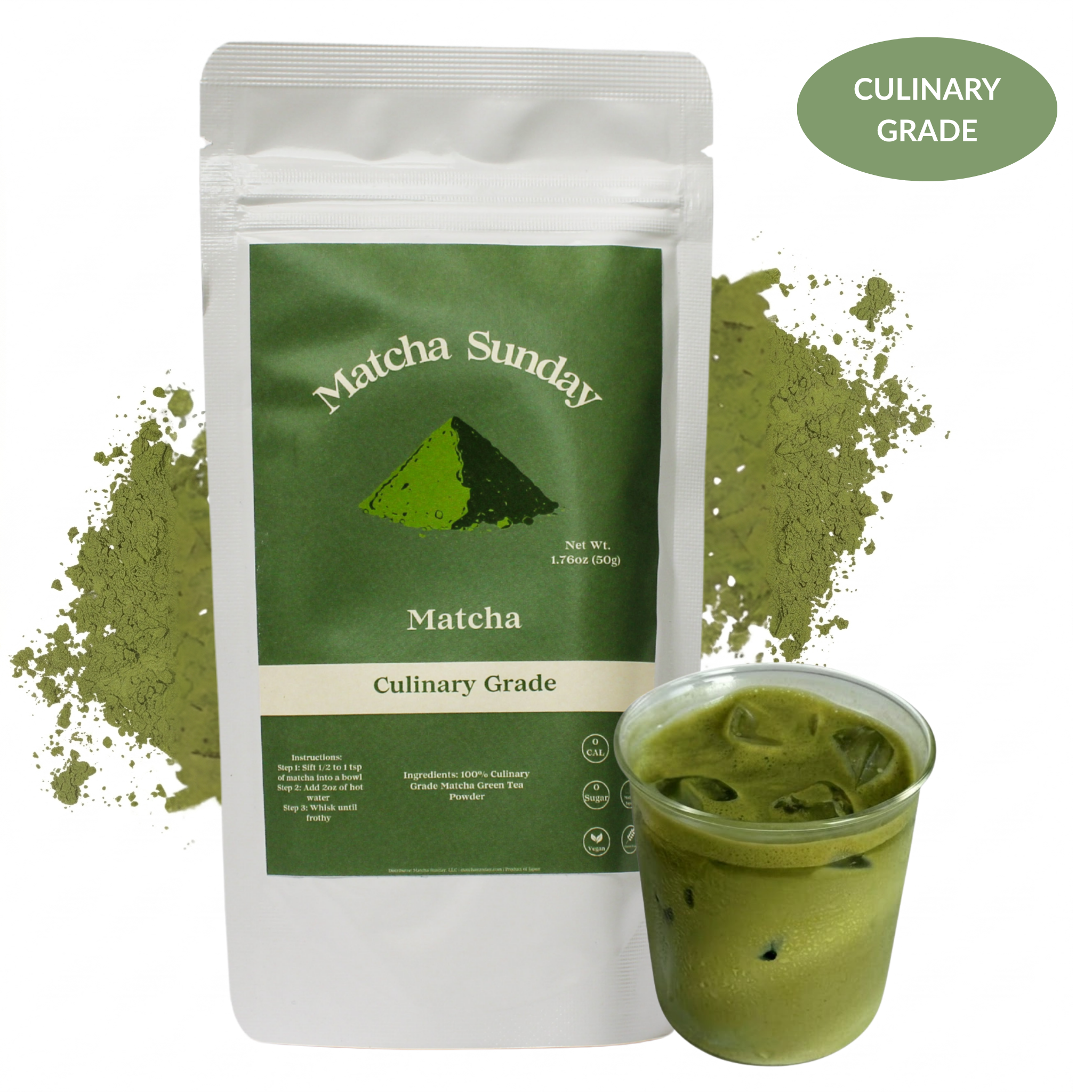
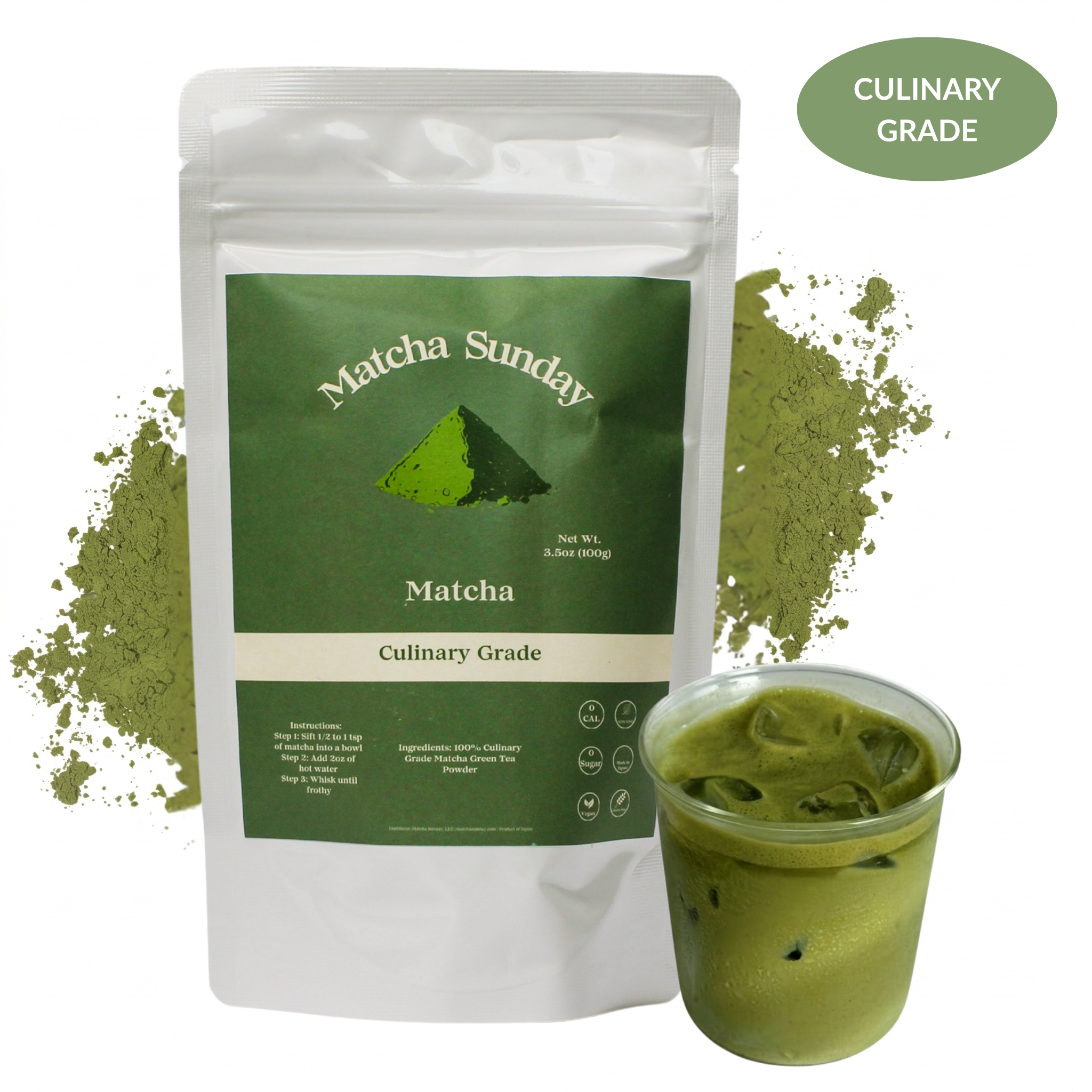
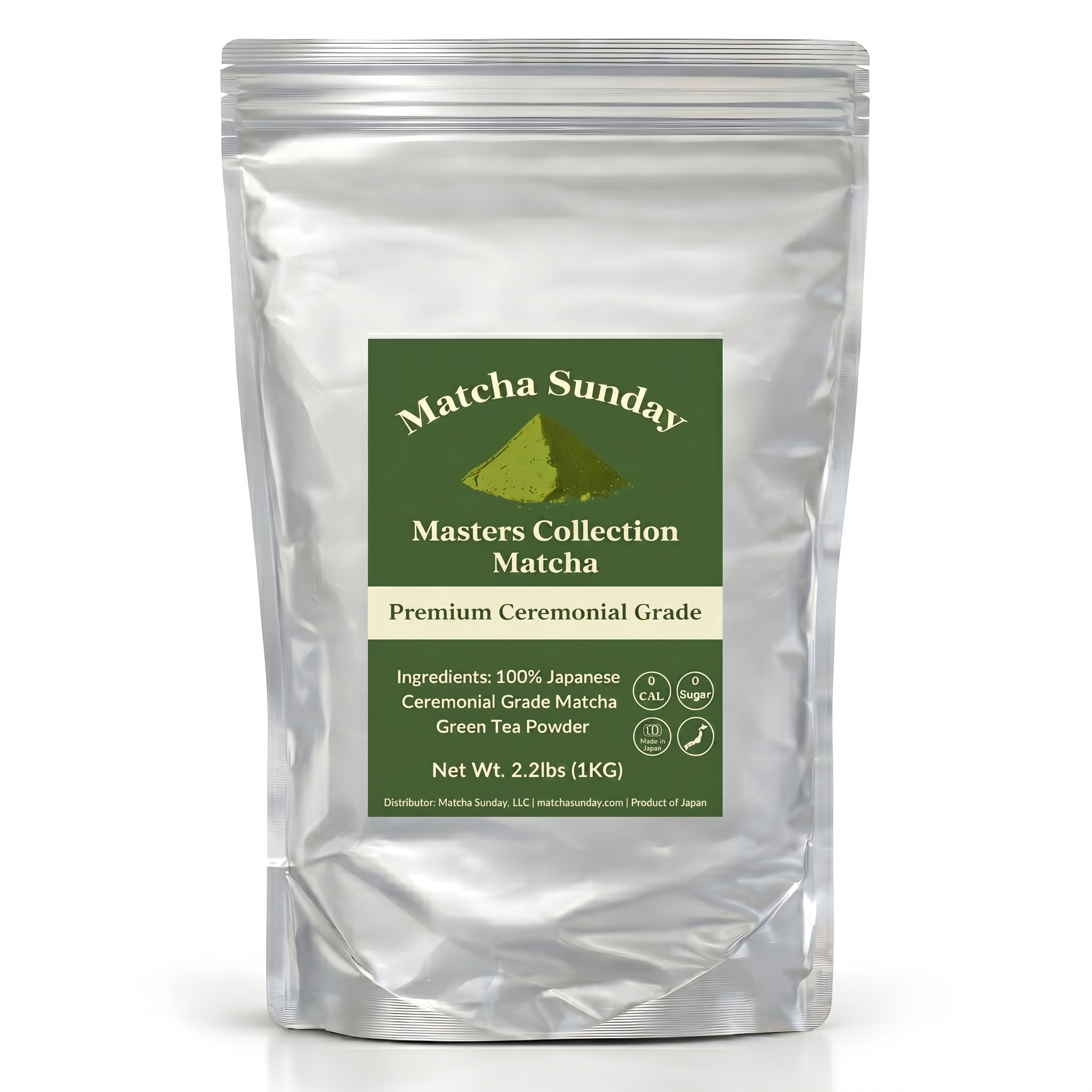
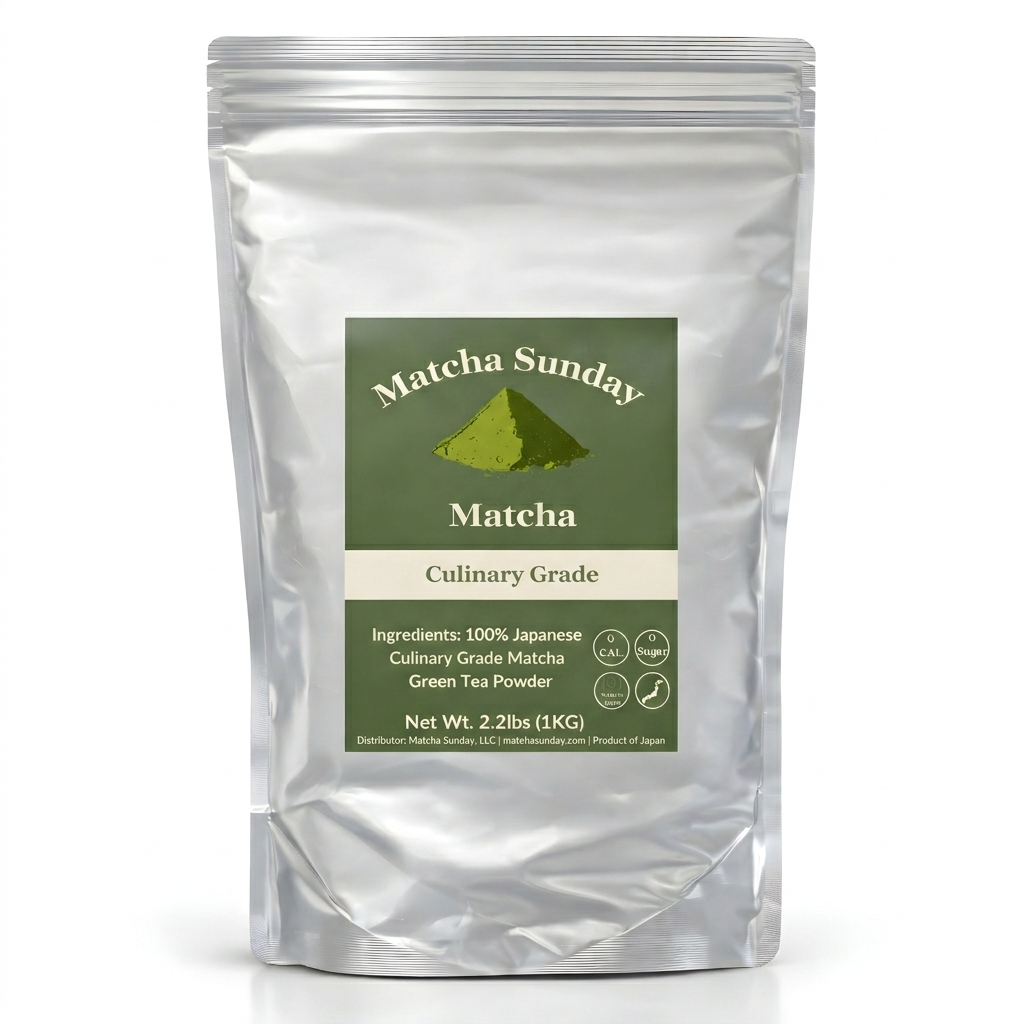
The exact amount depends on your recipe, your matcha grade, and the flavor profile you want. Higher quality ceremonial grade matcha tends to deliver stronger flavor per gram, so you may need less powder. Culinary or cafe grade matcha is more affordable and designed for blending with milk at standard latte ratios, but you may want to use a bit more per cup.
Here is a quick reference for common drink types:
- Hot matcha latte (12 oz): 2 grams
- Iced matcha latte (16 oz): 2.5 to 3 grams
- Matcha smoothie or frappe: 3 to 4 grams
- Matcha shot or traditional style: 2 grams in 2 to 3 oz of water
- Matcha boba or specialty drink: 3 to 4 grams
Dialing in your grams per drink is the single most important variable in your ordering calculation, so it is worth standardizing your recipe before placing your first wholesale order.
Matcha Powder per Drink Type
How do I calculate how much matcha to order for my coffee shop?
Use this formula: daily matcha drinks multiplied by grams per drink, multiplied by 30 days, divided by 1,000. The result is your base monthly order in kilograms. Then add a 10 to 15 percent buffer for waste, remakes, and staff training drinks.
Here is the formula laid out step by step:
- Estimate daily drink count. If you are just launching matcha, start with a conservative guess. A new coffee shop adding matcha to the menu often sees 10 to 20 matcha drinks per day in the first month.
- Set your grams per drink. Lock in a standardized recipe. Most cafes land on 2 to 3 grams per drink.
- Multiply and convert. For example: 25 drinks per day times 2.5 grams equals 62.5 grams per day. Over 30 days that is 1,875 grams, or about 1.9 kg.
- Add your buffer. Multiply by 1.10 to 1.15. So 1.9 kg becomes roughly 2.1 to 2.2 kg.
- Round to your bag size. If your supplier sells in 1 kg bags, order 2 kg for the month. If you want a small safety margin, grab a third bag.
For your very first order, it is smarter to order slightly less and reorder quickly rather than overstock. Matcha is a fresh product and quality degrades once a bag is opened, so you want to go through each bag within four to six weeks of opening it.
Sample first order scenarios
| Scenario | Drinks per Day | Grams per Drink | Monthly Grams | Suggested First Order |
|---|---|---|---|---|
| New to matcha, testing the menu | 10 | 2 | 600 | 1 kg |
| Established cafe, adding matcha | 30 | 2.5 | 2,250 | 2 to 3 kg |
| Matcha focused shop | 75 | 3 | 6,750 | 7 kg (split into 2 deliveries) |
If you are evaluating suppliers, look for wholesale matcha programs that let you start small without locking you into a massive minimum order. That way you can dial in your recipe and sales volume before committing to bulk quantities.
How long does a 1 kg bag of matcha last in a cafe?
At 2 grams per drink, a 1 kg bag of matcha yields approximately 500 servings. A cafe selling 15 matcha drinks per day will finish a bag in about 33 days. A busier shop pouring 30 drinks per day will go through the same bag in roughly 17 days.
Here is how long a 1 kg bag lasts at different volumes:
| Drinks per Day | Grams per Drink | Days per 1 kg Bag |
|---|---|---|
| 10 | 2 | 50 |
| 15 | 2 | 33 |
| 25 | 2.5 | 16 |
| 50 | 3 | 7 |
The freshness window matters here. Once you open a bag of matcha, the powder is at its best for about four to eight weeks. After that, the color starts fading from vibrant green toward dull olive, the aroma weakens, and the flavor loses its sweetness and develops a flat, slightly bitter edge.
If your bag will last longer than six weeks at your current volume, consider ordering smaller quantities more frequently. Fresh matcha from Japan makes a noticeably better latte. Your customers will taste the difference, and that quality gap directly affects whether matcha becomes a repeat order on your menu or a drink people try once.
What happens if I order too much matcha and it expires?
Matcha does not become unsafe after its best by date, but it does lose the qualities that make it worth serving. Stale matcha turns yellowish green, loses its grassy sweet aroma, and tastes flat or bitter. Serving old matcha in a latte produces a muddy, underwhelming drink that will not bring customers back.
The practical risk of overordering is waste and lower drink quality, not a food safety issue. Here is how to avoid it:
- Order based on your formula, not on a bulk discount impulse. Saving a few dollars per kilogram means nothing if 2 kg of matcha goes stale before you use it.
- Open one bag at a time. Keep backup bags sealed and stored in a cool, dark place (or the freezer for longer storage). Only open the next bag when the current one is nearly finished.
- Use FIFO rotation. First in, first out. Label bags with the date you open them so your team always reaches for the oldest open bag first.
- Track usage weekly. If your matcha drinks are selling slower than expected, adjust your next order downward. Your matcha drink profit margins depend on both the cost per serving and actually selling those servings before the powder degrades.
- Reorder more frequently in smaller amounts. Two deliveries of 2 kg each will keep your matcha fresher than one delivery of 4 kg, even if the per unit cost is slightly higher.
If you do end up with matcha that has passed its peak, you can still use it in matcha smoothies, baked goods, or blended iced drinks where other flavors mask the staleness. But for your core lattes, always use the freshest powder you have.
See your cost per drink, margin, and monthly profit at your volume.
One 1kg bag makes about 500 drinks and lasts roughly 25 days at this volume.
Shop this grade by the kiloShop the grades by the kilo


Frequently asked questions
How much matcha does a small cafe need per month?
A small cafe selling 10 to 15 matcha drinks per day at 2 grams per drink typically needs about 1 kg of matcha per month. This accounts for roughly 300 to 450 servings. Add 10 to 15 percent for waste and training drinks, and a single 1 kg bag should cover the full month comfortably.
What is the formula for calculating monthly matcha usage?
Multiply your daily matcha drinks by grams per drink, then multiply by 30 days and divide by 1,000 to get kilograms. For example, 20 drinks per day at 2.5 grams equals 1.5 kg per month. Add a 10 to 15 percent buffer for waste, bringing the total to roughly 1.7 kg per month.
How many servings does 1 kg of matcha powder make?
One kilogram of matcha makes approximately 333 to 500 servings depending on your recipe. At 2 grams per drink you get 500 servings. At 3 grams per drink you get about 333 servings. Most cafes use between 2 and 3 grams per latte, so expect roughly 400 drinks per kilogram on average.
Should I buy ceremonial or culinary grade matcha for my cafe?
For lattes and blended drinks, cafe grade or culinary grade matcha is the standard choice. It is formulated to hold its flavor when mixed with milk and costs significantly less per gram than ceremonial grade. Reserve ceremonial grade for straight matcha shots or traditional preparations if you offer them.
How should I store matcha in a cafe environment?
Keep opened matcha in an airtight container away from light, heat, and moisture. Store sealed backup bags in a cool dark place or freezer. Never leave matcha on the counter near espresso machines or ovens, as heat and steam accelerate degradation. Aim to finish each opened bag within four to six weeks.
How often should a cafe reorder matcha?
Reorder frequency depends on your volume and storage capacity. Most mid volume cafes reorder every two to four weeks. Ordering smaller amounts more frequently keeps your matcha fresher and your drinks better. Set a reorder point when you are down to one week of supply so you never run out.
Can I freeze matcha powder to extend its shelf life?
Yes, sealed and unopened matcha stores well in the freezer for several months without significant quality loss. Let the bag come to room temperature fully before opening it to prevent condensation from introducing moisture. Once opened, do not return matcha to the freezer. Use it within four to six weeks.
What is a good first matcha order for a new cafe?
Start with 1 to 2 kg for your first month. This gives you enough to serve customers, train your team on preparation technique, and test recipes without risking waste from overstock. Track your actual daily usage during the first two weeks, then adjust your second order based on real sales data.