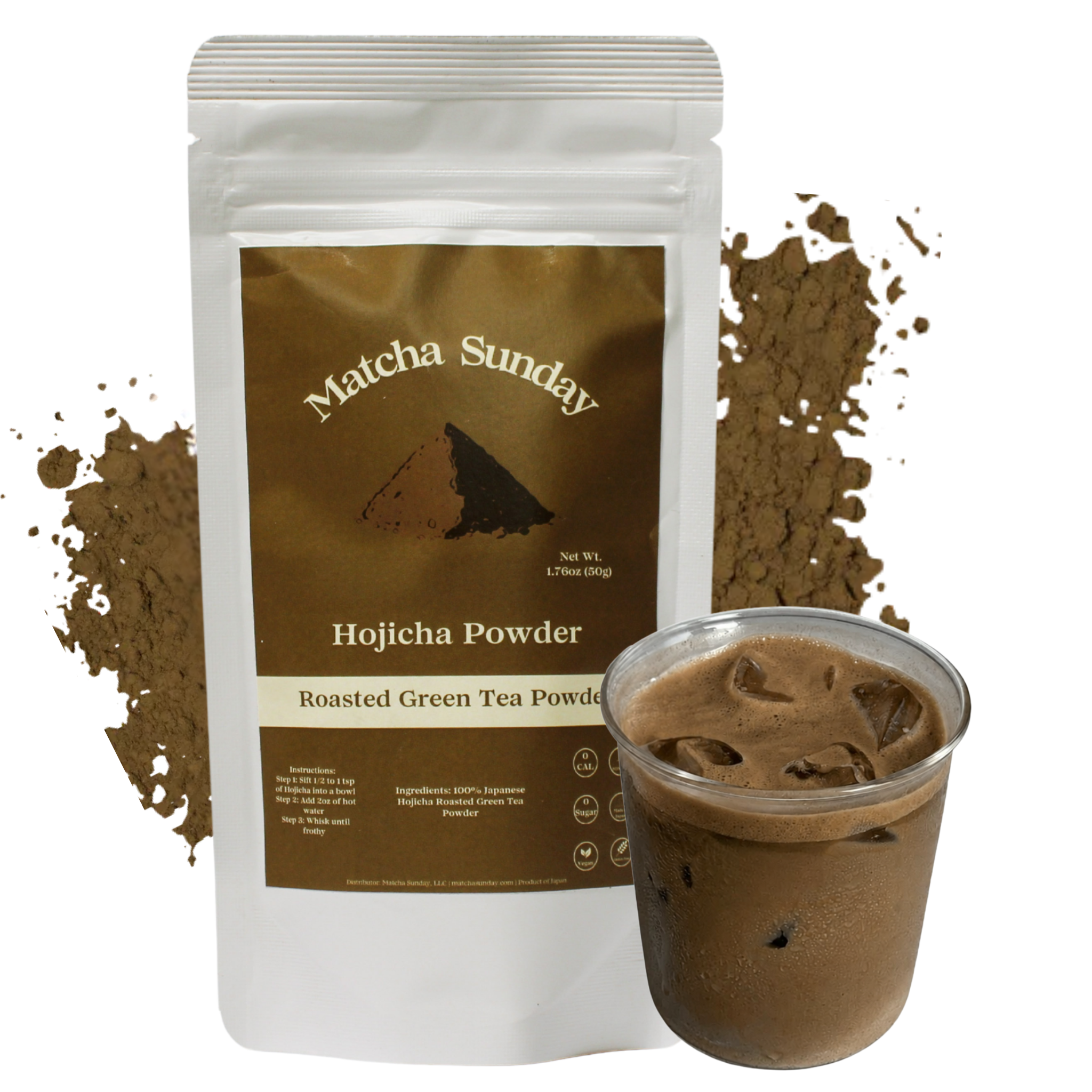
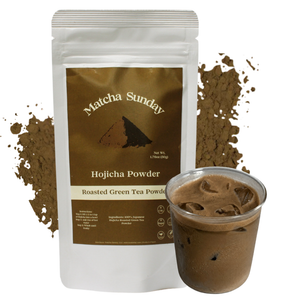
Hojicha is a roasted Japanese green tea with a naturally sweet, caramel like flavor that appeals to customers who find matcha too grassy or bitter. With lower raw ingredient costs than matcha, simple preparation, and strong customer demand, hojicha gives cafes a high margin menu addition that complements an existing matcha program. If you already serve wholesale matcha, adding hojicha is the easiest way to expand your tea menu without new equipment or training.
Why should cafes add hojicha to their menu?
Hojicha fills a gap that matcha and coffee leave open. Its roasted, nutty flavor profile is approachable for customers who want something warm and comforting without the grassiness of matcha or the bitterness of espresso. That means incremental sales from guests who might otherwise order a vanilla latte or hot chocolate.
The roasting process creates pyrazines, the same flavor compounds found in roasted coffee and toasted bread, which is why hojicha feels familiar even to first time tea drinkers. At the same time, hojicha contains roughly 7 to 20 mg of caffeine per cup compared to 70 to 140 mg in drip coffee. That makes it a genuine low caffeine option you can recommend for afternoon and evening orders, a daypart most cafes struggle to fill with high margin drinks.
Customer awareness is growing quickly. Search interest for hojicha lattes has surged over the past two years, and cafes in major cities are already adding it alongside matcha. If your shop serves matcha, hojicha is the natural next step. If you do not serve matcha yet, launching both together creates a complete Japanese tea program that differentiates your menu.
Caffeine per Cup: Hojicha vs Coffee
What hojicha drinks sell best in coffee shops and boba shops?
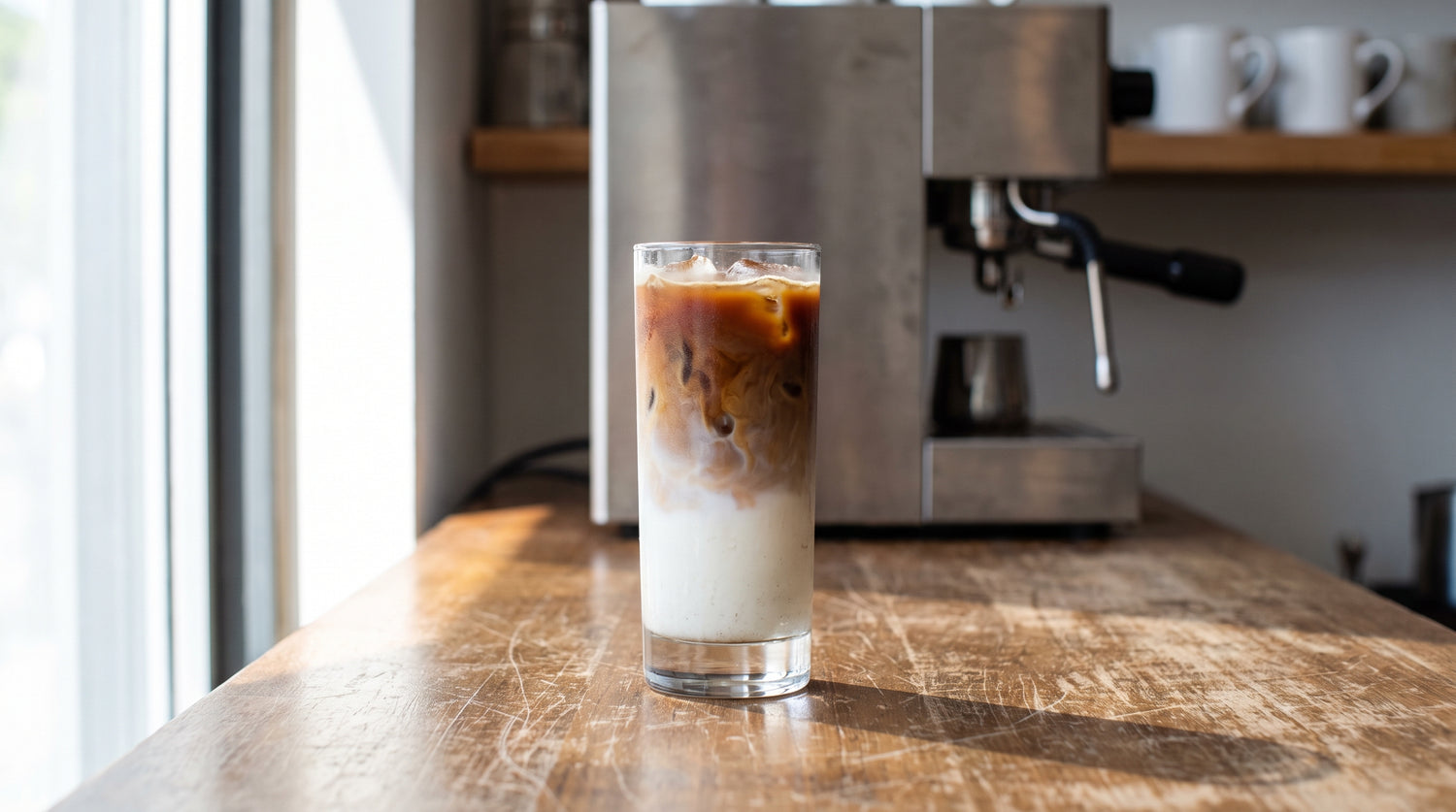
The hojicha latte is the top seller by a wide margin, both hot and iced. It is the drink that most customers search for and the one that converts first time buyers. Beyond the latte, a handful of other formats perform well depending on your shop type.
Best selling hojicha drinks for cafes
- Hojicha latte (hot and iced): The anchor drink. Hojicha powder whisked with a small amount of hot water, then combined with steamed or cold milk. Works with oat, almond, and coconut milk.
- Hojicha boba: A strong hojicha base sweetened lightly and served over ice with tapioca pearls. The roasted flavor pairs especially well with brown sugar boba.
- Hojicha smoothie: Blended with banana, honey, and milk or yogurt. A good warm weather option that uses the same powder.
- Hojicha affogato: A concentrated hojicha shot poured over vanilla ice cream or soft serve. High perceived value, low cost.
- Iced hojicha: Simply brewed hojicha served over ice, unsweetened or lightly sweetened. The lowest cost option on the list.
If you want to learn more about what hojicha is and how it differs from matcha, we have a full guide that covers the basics. For latte technique specifically, our hojicha latte recipe breaks down ratios and method.
How much does wholesale hojicha cost compared to matcha?
Hojicha powder costs significantly less than matcha powder at wholesale volume. The primary reason is that hojicha is made from mature tea leaves and stems rather than the shade grown tencha leaves used for matcha. The raw material is less labor intensive to produce, and that cost difference carries through to the finished powder.
| Factor | Hojicha powder | Matcha powder (cafe grade) |
|---|---|---|
| Raw material | Mature leaves and stems | Shade grown tencha leaves |
| Processing | Roasted at 200 to 220 C, then ground | Stone ground without roasting |
| Relative cost per kg | Lower | Higher |
| Powder per drink | 1 to 1.5 tsp (2 to 3 g) | 1 to 2 tsp (2 to 4 g) |
| Shelf stability | More stable (roasting reduces oxidation) | More sensitive to light and heat |
Because hojicha powder is less expensive per kilogram than cafe grade matcha, your cost per drink is lower while the menu price can stay comparable. That gap is where the margin advantage lives. We cover matcha wholesale economics in detail in our guide to matcha drink profit margins for cafes, and the same principles apply to hojicha with even more favorable input costs.
How do you prepare hojicha drinks at cafe volume?
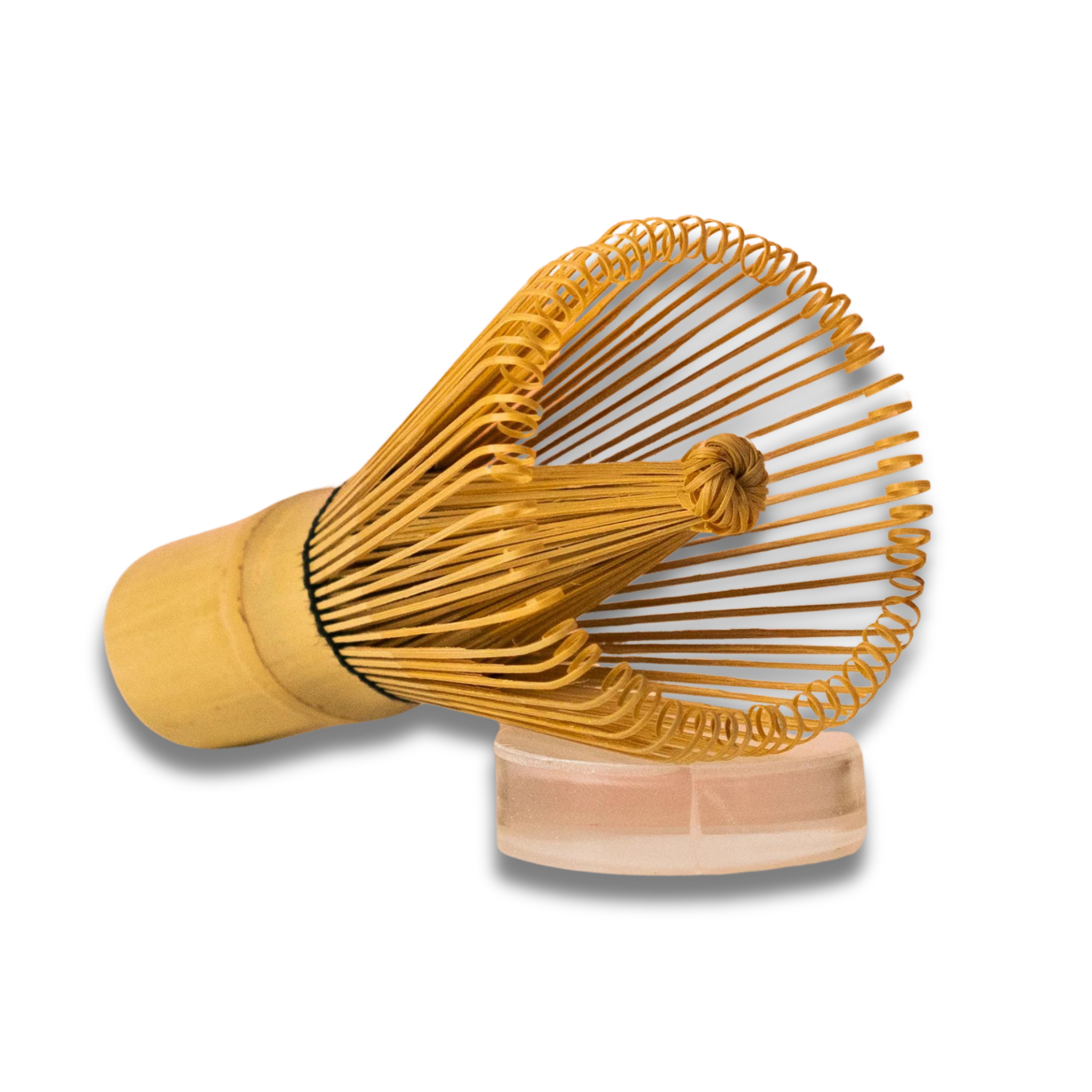
Preparing hojicha drinks at cafe speed is straightforward, especially if your team already makes matcha lattes. The technique is nearly identical: whisk powder into hot water to create a concentrate, then combine with milk. Hojicha is actually more forgiving than matcha because the roasting process breaks down the tannins and catechins that cause bitterness when matcha is over extracted.
Standard hojicha latte prep (single serve)
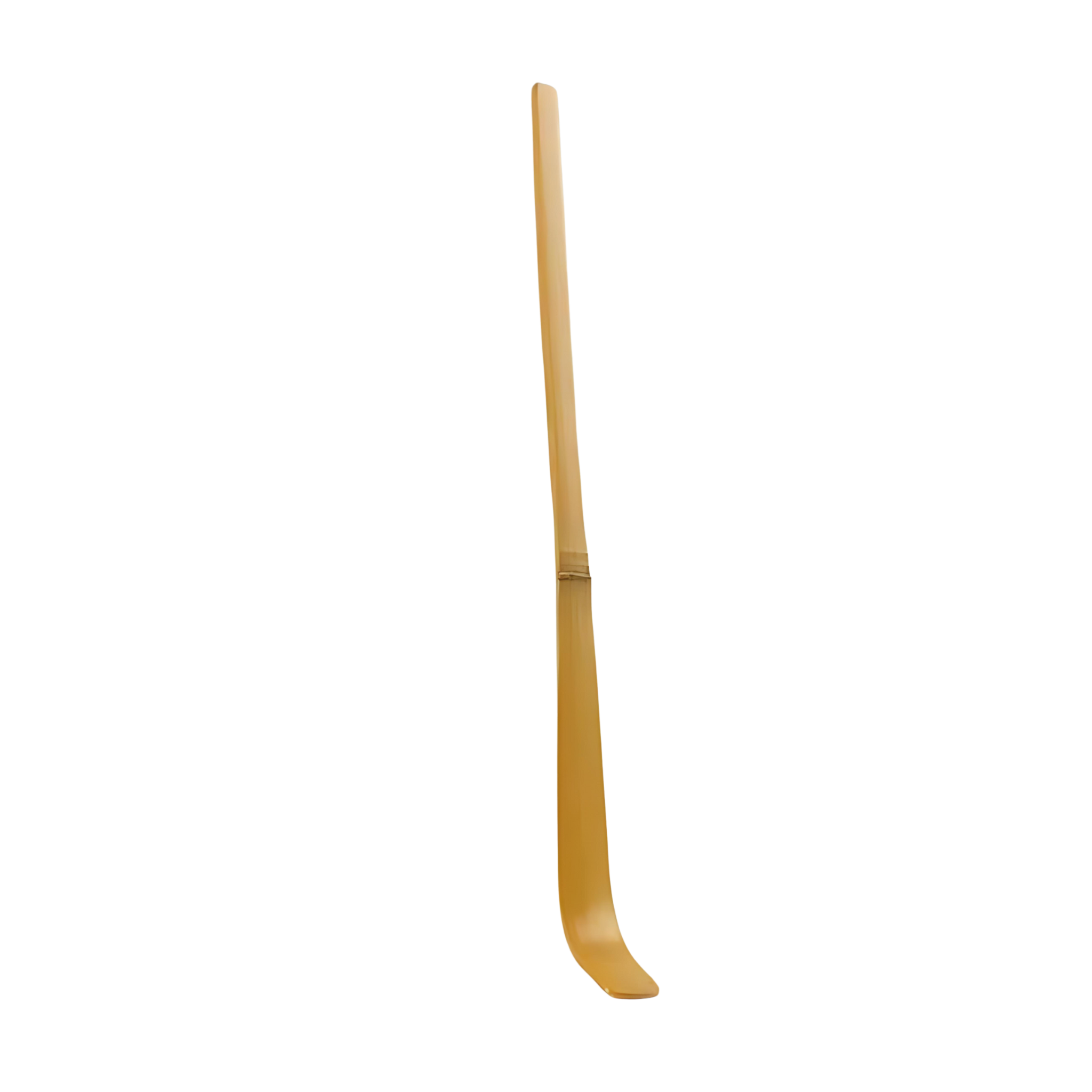
- Measure 1 to 1.5 teaspoons (2 to 3 g) of hojicha powder into your bowl or pitcher.
- Add 60 ml (2 oz) of hot water at 80 C (175 F). This temperature dissolves the powder smoothly without pulling out bitterness.
- Whisk or froth until the powder is fully dissolved and slightly foamy.
- Pour over 180 ml (6 oz) of steamed milk for hot, or over ice and cold milk for iced.
Batch prep for high volume
For shops doing significant volume, you can prepare a hojicha concentrate in advance. Whisk a larger batch of powder into hot water at the same ratio (roughly 1 part hojicha concentrate to 3 parts milk) and hold it in a thermal carafe. Hojicha concentrate holds better than matcha because the roasted compounds are more stable and do not oxidize as quickly. Remake the batch every 2 to 3 hours during service for best flavor.
The water ratio matters. Too much water dilutes the roasted flavor; too little makes the concentrate thick and difficult to integrate with milk. The 2 oz hot water base is your starting point, and you can adjust slightly based on your customers' preferences and the specific powder you use.
What profit margins can cafes expect on hojicha drinks?
Hojicha drinks can deliver strong profit margins because the ingredient cost is low and customers perceive them as a specialty offering worth a premium price. The economics are similar to matcha drinks but with a lower cost of goods, which means your margin per cup can be even better.
Here is what drives the margin advantage:
- Low powder cost per drink: Each hojicha latte uses 2 to 3 grams of powder. Because hojicha powder costs less than matcha powder at wholesale, your ingredient cost per drink is lower.
- Premium menu pricing: Customers expect to pay specialty drink prices for hojicha, similar to what they pay for matcha lattes. The perceived value is high.
- Minimal waste: Hojicha powder has a longer effective shelf life than matcha because the roasting process makes it more resistant to oxidation. Less waste means more of what you buy turns into revenue.
- No new equipment needed: If you already make matcha, you already have everything you need. No capital investment required.
The key to maximizing margins is sourcing quality hojicha powder at wholesale pricing. Just as with matcha, buying direct from a supplier in larger quantities drops your per serving cost significantly. Our wholesale program guide covers how to evaluate suppliers and what to look for in a wholesale partner.
Quick margin comparison
| Drink | Typical menu price | Relative ingredient cost | Margin potential |
|---|---|---|---|
| Hojicha latte | $5.50 to $7.00 | Low | High |
| Matcha latte | $5.50 to $7.00 | Moderate | High |
| Espresso latte | $5.00 to $6.50 | Moderate | Moderate to high |
| Hojicha boba | $6.00 to $8.00 | Low to moderate | High |
See your cost per drink, margin, and monthly profit at your volume.
One 1kg bag makes about 500 drinks and lasts roughly 25 days at this volume.
Shop this grade by the kiloShop these powders


Frequently asked questions
What does hojicha taste like?
Hojicha has a warm, roasted flavor with notes of caramel, toasted grain, and a light natural sweetness. The roasting process removes the grassy and vegetal notes found in matcha, making hojicha approachable for customers who prefer coffee or chocolate based drinks. It pairs well with both dairy and plant based milks.
Is hojicha caffeinated?
Yes, but hojicha is naturally low in caffeine. A typical cup contains roughly 7 to 20 mg of caffeine, compared to 60 to 80 mg in matcha and 70 to 140 mg in drip coffee. This makes hojicha a good option for afternoon and evening menu items when customers want flavor without the stimulation.
Can you use the same equipment for hojicha and matcha?
Yes. Hojicha powder is prepared the same way as matcha: whisk the powder into hot water to create a concentrate, then combine with milk. If your cafe already has whisks, pitchers, and a milk steamer for matcha service, you are ready to serve hojicha with no additional equipment.
Does hojicha powder expire faster than matcha?
Hojicha powder is actually more shelf stable than matcha. The high temperature roasting process reduces the compounds that cause oxidation, so hojicha maintains its flavor longer after opening. Store it in an airtight container away from light and heat, and it will hold its quality well during normal cafe use.
What milk works best with hojicha?
Oat milk is the most popular pairing because its natural sweetness and creamy texture complement the roasted flavor of hojicha. Whole dairy milk also works well. Almond and coconut milk are good options for customers with dietary preferences, though they produce a lighter body in the finished drink.
How is hojicha different from matcha?
Both are Japanese green teas from Japan, but they differ in processing and flavor. Matcha is made from shade grown leaves that are stone ground into a bright green powder. Hojicha is made from tea leaves roasted at high temperatures, producing a brown powder with a toasty, caramel like flavor and significantly less caffeine.
Can hojicha be served as a cold drink?
Absolutely. Iced hojicha lattes, hojicha boba, and hojicha smoothies are all strong sellers, especially in warmer months. Prepare the hojicha concentrate with hot water as usual, then pour it over ice and add cold milk. The roasted flavor holds up well over ice without becoming watery or flat.
Where does hojicha come from?
Hojicha is a traditional Japanese tea that has been produced in Japan for nearly a century. It was originally created in the 1920s when tea merchants began roasting lower grade green tea leaves and stems to create a more affordable, everyday tea with a distinct roasted character.