
You are about to take the guest's seat at a Japanese tea ceremony. Here is exactly what will happen, gesture by gesture, and why none of it is accidental.
What happens in a Japanese tea ceremony?
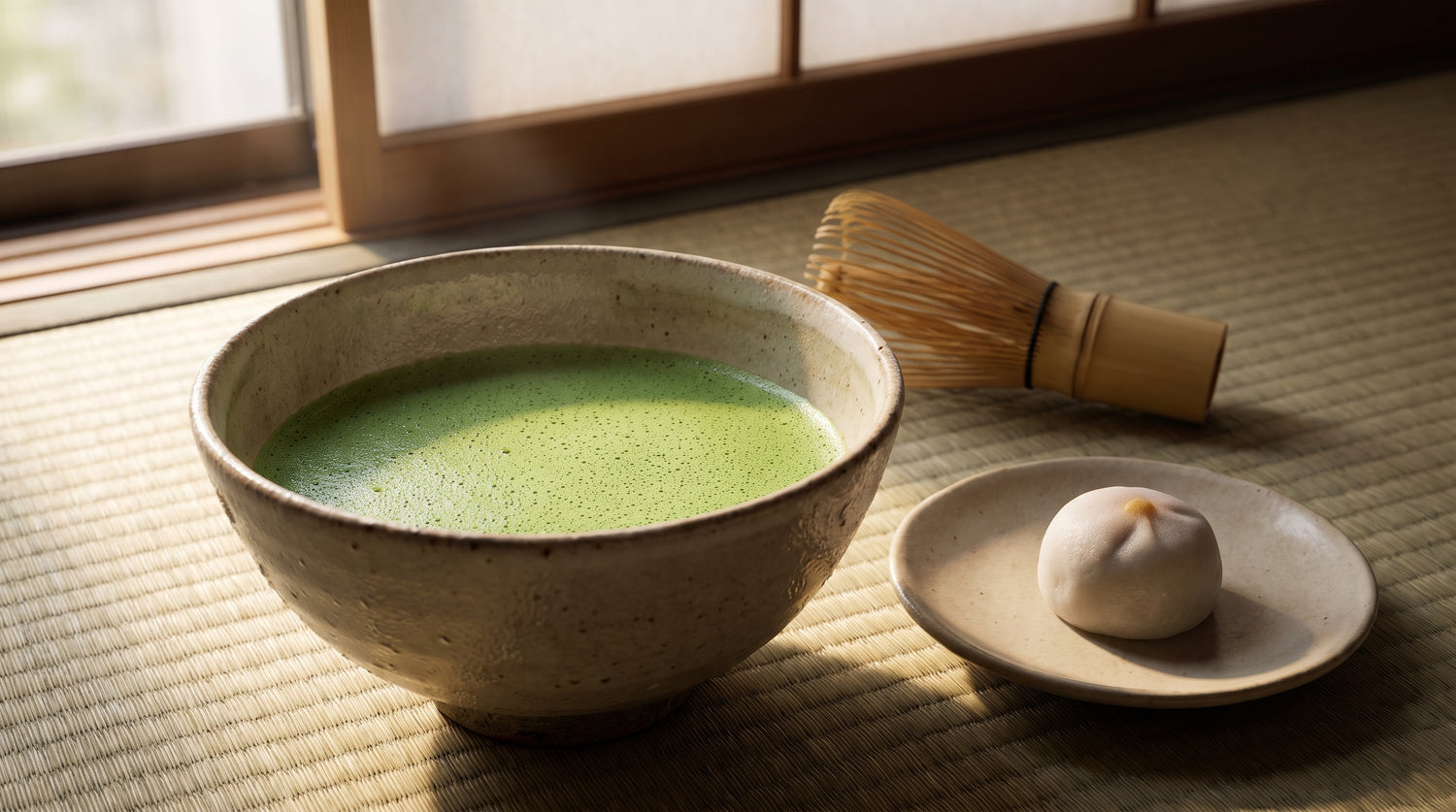
In a Japanese tea ceremony, called chanoyu or chado, a trained host prepares and serves matcha to a small group of guests following a precise sequence of movements refined over centuries in Japan. Guests are welcomed, served a traditional sweet, then a bowl of whisked green tea, and the gathering closes with a quiet appreciation of the utensils. Every gesture, from the bow to the turn of the bowl, expresses respect and presence.
The ceremony is less about drinking tea and more about shared presence. The host may spend years learning the temae, the choreographed procedure for purifying each utensil, scooping the powdered tea, adding hot water, and whisking. But the guest's seat is not a spectator's seat: how you enter, where you sit, when you bow, and how you hold the bowl are all part of the form. The spirit behind it is summed up as ichigo ichie, the idea that this exact gathering of these exact people will never happen again, so it deserves complete attention. That is why the room is quiet, the movements are slow, and even the flowers in the alcove are chosen for that single day. Keep ichigo ichie in mind as you read the steps below; it is the answer to almost every question about why the ceremony works the way it does.
What are the steps of a Japanese tea ceremony in order?
A typical ceremony moves through arrival, purification, entering the tea room, sweets, the preparation of the tea, drinking, and a closing appreciation of the utensils. Here is the sequence as you would experience it from the guest's seat:
- Arrival and waiting. Guests gather in a waiting area, often a small room or a garden bench, and settle into a calm frame of mind.
- The garden path. Guests walk the roji, a garden path that acts as a threshold between everyday life and the world of the tea room.
- Purification. At a low stone basin called a tsukubai, each guest rinses their hands and mouth with a ladle of water.
- Entering the tea room. Traditional rooms use a nijiriguchi, a low door that obliges every guest, whatever their status, to bow as they crawl through.
- Admiring the alcove. Each guest pauses at the tokonoma, an alcove holding a hanging scroll and simple seasonal flowers.
- Sweets are served. Guests eat a wagashi sweet before the tea, so its sweetness cushions the intensity of the matcha to come.
- The temae. The host ritually purifies the bowl, whisk, and tea scoop with a silk cloth, then scoops the matcha, adds hot water, and whisks in front of the guests.
- Drinking the tea. Each guest bows, receives the bowl, rotates it, drinks, and returns it.
- Appreciating the utensils. Guests examine the bowl, tea container, and scoop closely and may ask about their history.
- Farewell. The host sees the guests out with a final bow at the door.
In a full formal gathering, the host also rebuilds the charcoal fire in front of the guests and serves a light seasonal meal before the tea itself. Two styles of matcha can appear: thick koicha, kneaded from a generous amount of tea and traditionally shared from a single bowl, and lighter usucha, whisked to a foam and served individually. Our guide to koicha versus usucha explains how differently the two are prepared.
How long does a Japanese tea ceremony last?
An informal tea gathering, called a chakai, usually lasts about 45 to 90 minutes. A full formal gathering, called a chaji, includes a charcoal ceremony, a seasonal kaiseki meal, thick tea, and thin tea, and commonly runs around four hours.
| Element | Chakai (informal) | Chaji (formal) |
|---|---|---|
| Typical length | About 45 to 90 minutes | Around 4 hours |
| Food served | Usually just a sweet | Full seasonal kaiseki meal |
| Tea served | Usually usucha only | Koicha, then usucha |
| Charcoal ceremony | Rarely included | Performed before the guests |
| Best suited to | First time guests | Experienced guests |
If you are attending your first ceremony, you will almost certainly be at a chakai. Tea schools and cultural centers favor this shorter format for visitors precisely because it fits comfortably inside an hour or two while still containing the heart of the ritual.
How long does a tea ceremony last?
What should you do as a guest at a tea ceremony?
Your job as a guest is simple: arrive a little early, follow the lead of the host and the head guest, and give the gathering your full attention. Phones stay silenced and put away, and jewelry that could scratch a tea bowl comes off before you enter.
- Bow when greeted and again when the tea is presented to you.
- Eat the sweet completely before the tea arrives, so its sweetness is still on your tongue for the first sip.
- Receive the bowl with both hands and set it down in front of you before lifting it to drink.
- Rotate the bowl, commonly about a quarter turn in two small movements, so you avoid drinking from its front, the side the host faced toward you. The exact turn varies by tea school: in the Urasenke school, for example, guests turn the bowl clockwise in two small motions before drinking, while other schools differ slightly. Copying the guest beside you is always correct.
- Finish with one gentle audible sip, a polite signal that you enjoyed the tea to the last drop.
- Wipe the rim where you drank, rotate the bowl back, and return it with a bow.
- Ask about the utensils. Complimenting the bowl and asking about its maker honors the host's choices.
Seiza, the formal kneeling posture, is traditional, but many hosts today offer low stools or accept a comfortable cross legged seat, especially for newer guests. If you are ever unsure what to do, quietly copy the guest beside you. The form is designed so that watching and following is always enough. Remember that from the host's point of view, your attention is the whole point of ichigo ichie: a guest who is fully present has already done everything right.
What is the difference between chanoyu and just making matcha?
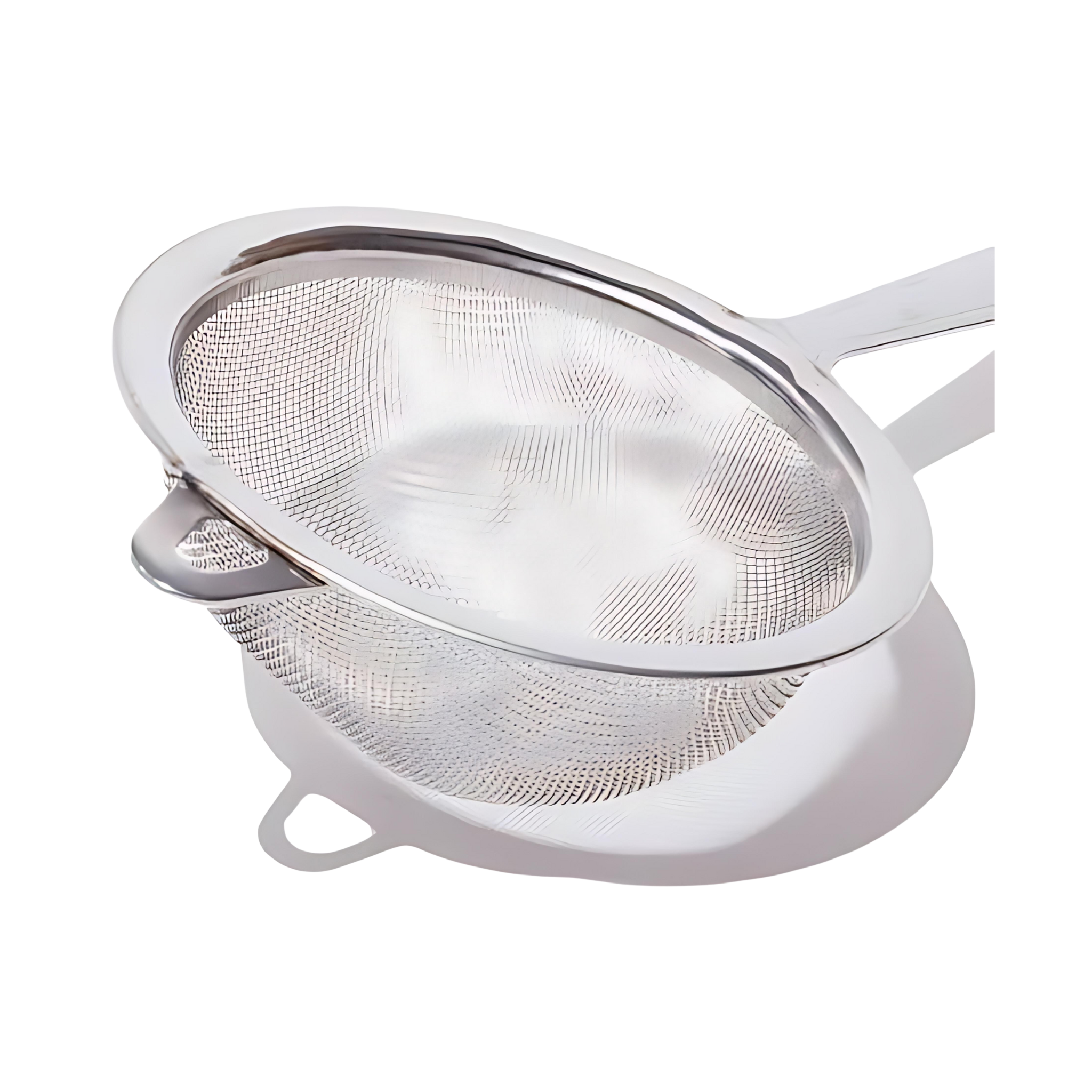
Mechanically, they are nearly identical. For usucha, the light whisked style you would make at home, you sift about 2 grams of matcha into a bowl, add roughly 60 to 70 ml of water heated to 70 to 80°C, and whisk until smooth. Note that this ratio applies to usucha only: thick koicha uses around 4 grams of matcha with just 30 to 40 ml of water, kneaded rather than whisked into a glossy, intense liquid. The real difference between ceremony and everyday matcha is intention. Chanoyu wraps a simple act in hospitality, seasonality, and total attention, while an everyday bowl of matcha is simply a good drink made well.
In the tea room, every element is chosen for the specific day and the specific guests: the scroll in the alcove, the flowers, the sweet, even the bowl itself. The host purifies utensils that are already clean, because the purification is a gesture of care rather than hygiene. Meanwhile, most matcha drinking in Japan is completely casual, closer to a daily coffee habit than a ritual. We wrote about that everyday side in how Japanese people actually drink matcha every day. Both approaches are authentic. The ceremony simply asks you to slow down and notice what the daily habit lets you rush past.
Can you experience a tea ceremony at home?
Yes. You do not need a tatami room or years of training to hold a sincere tea gathering at home. Choose a quiet moment, tidy the space, set out a small sweet, and prepare a bowl of matcha slowly and attentively for someone you care about, or simply for yourself.
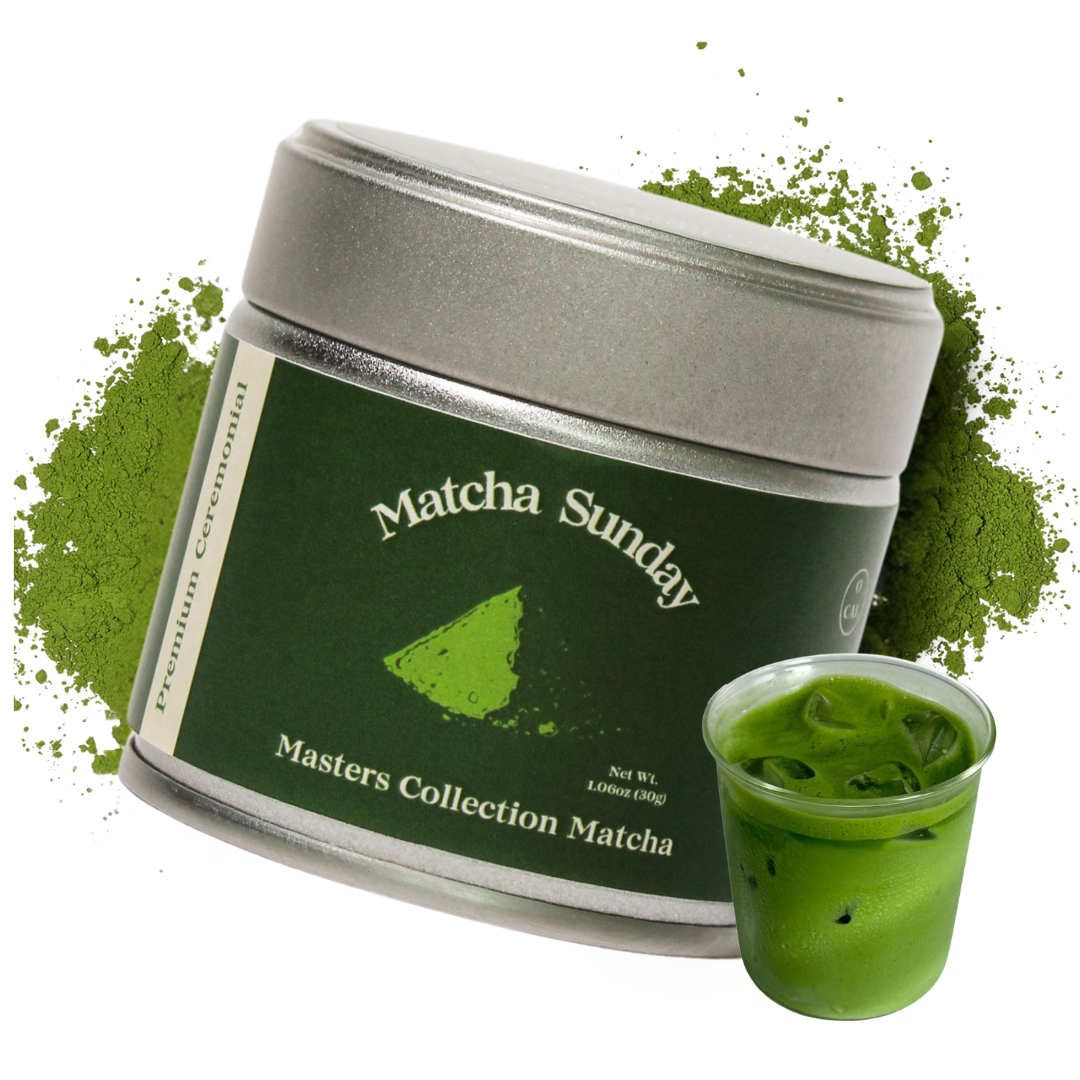
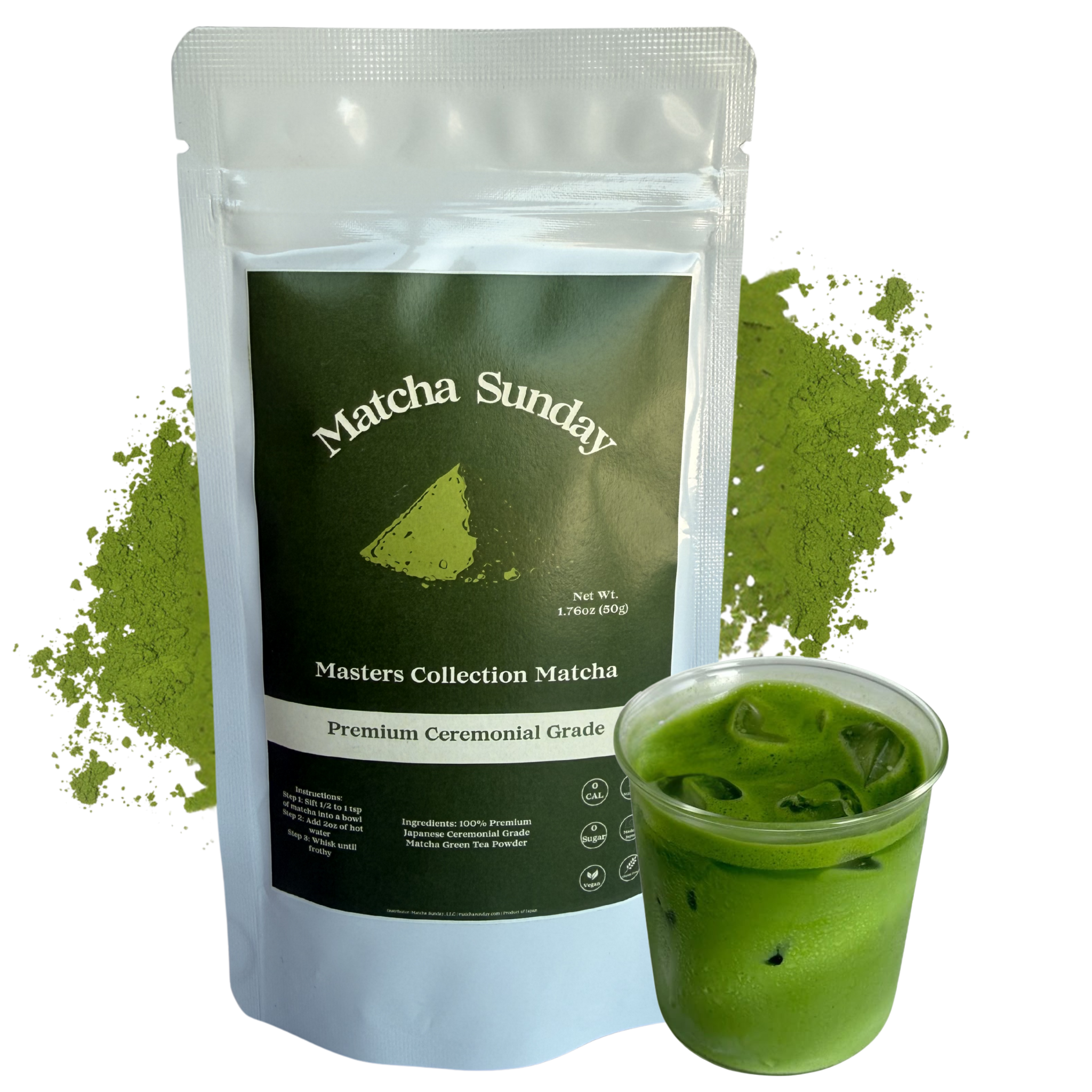
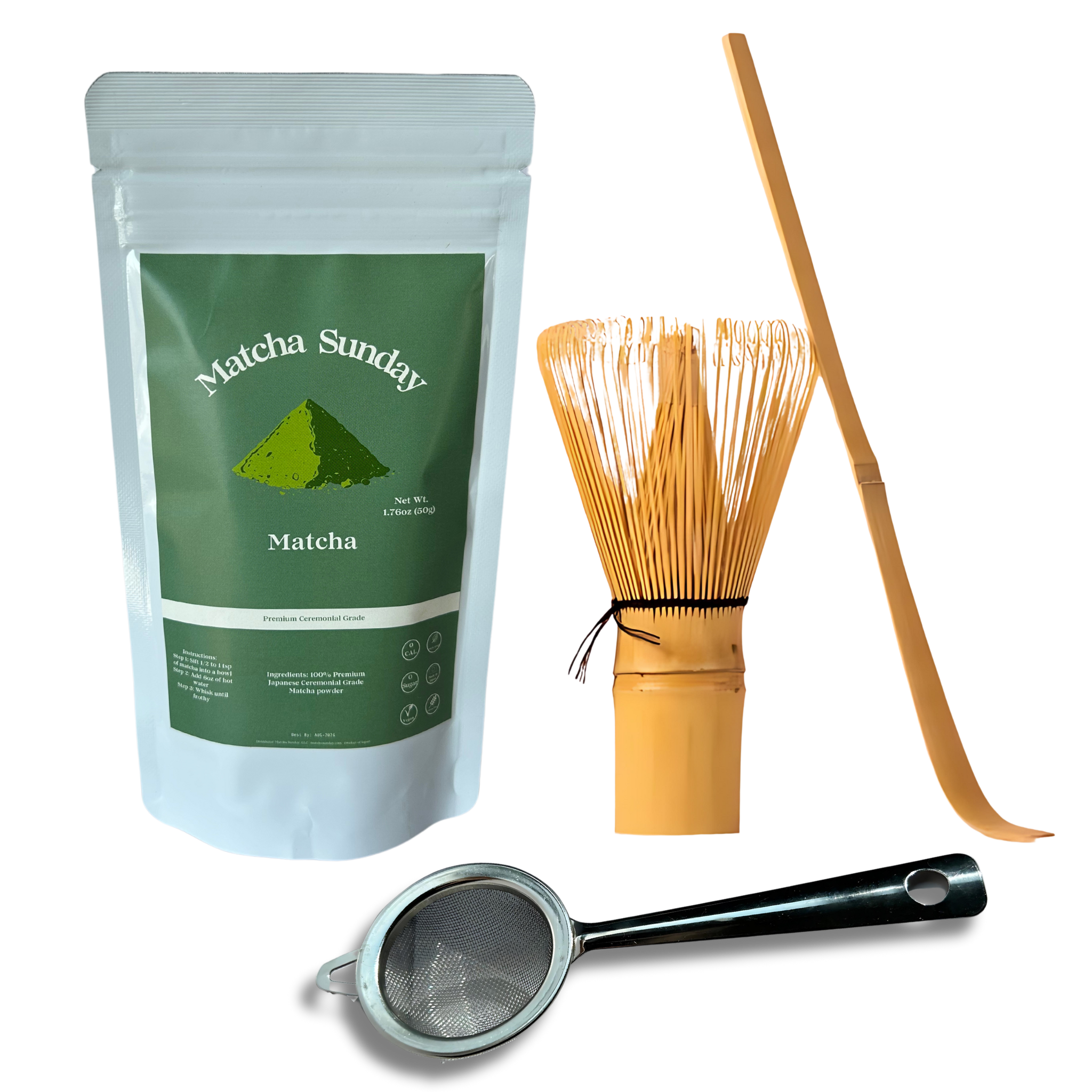
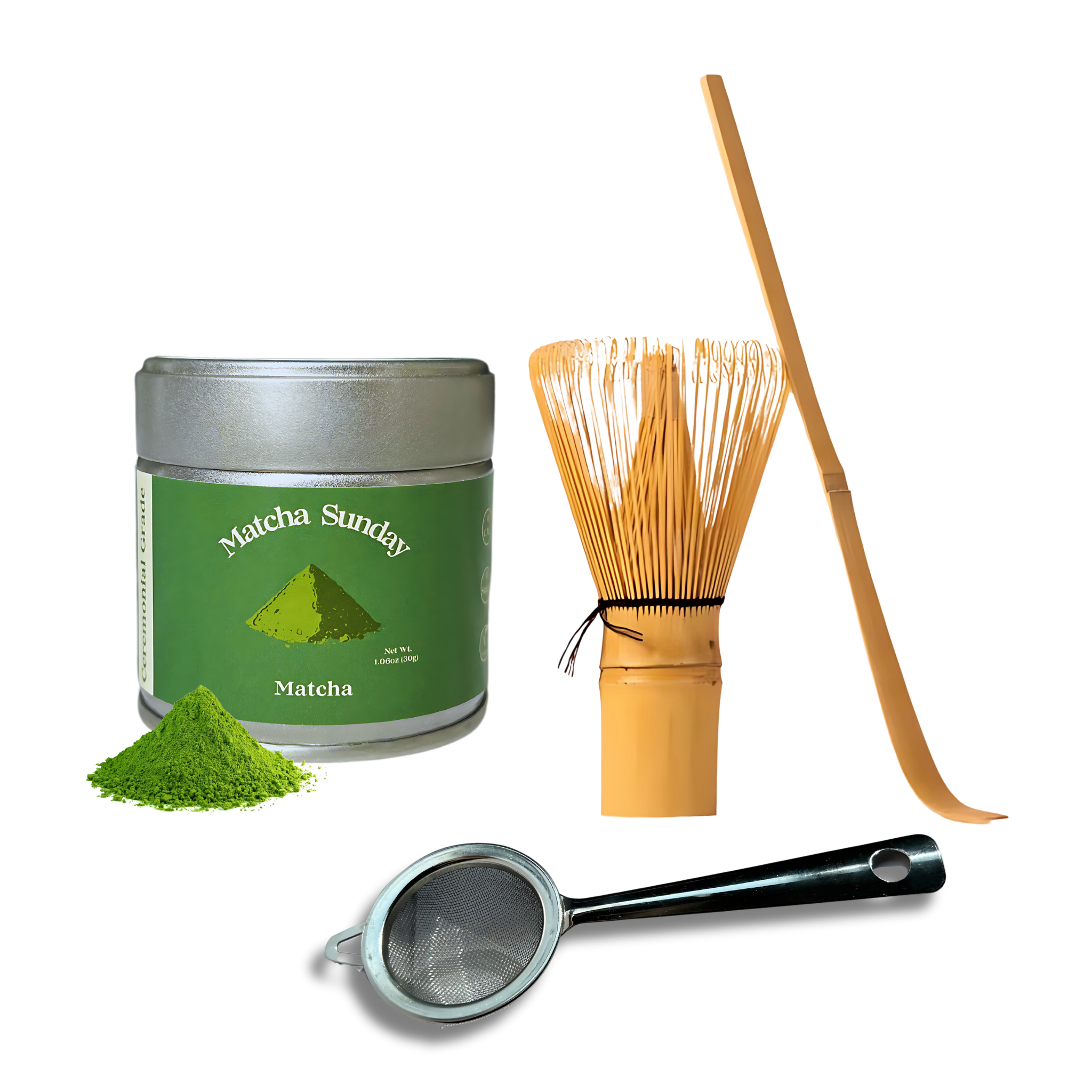
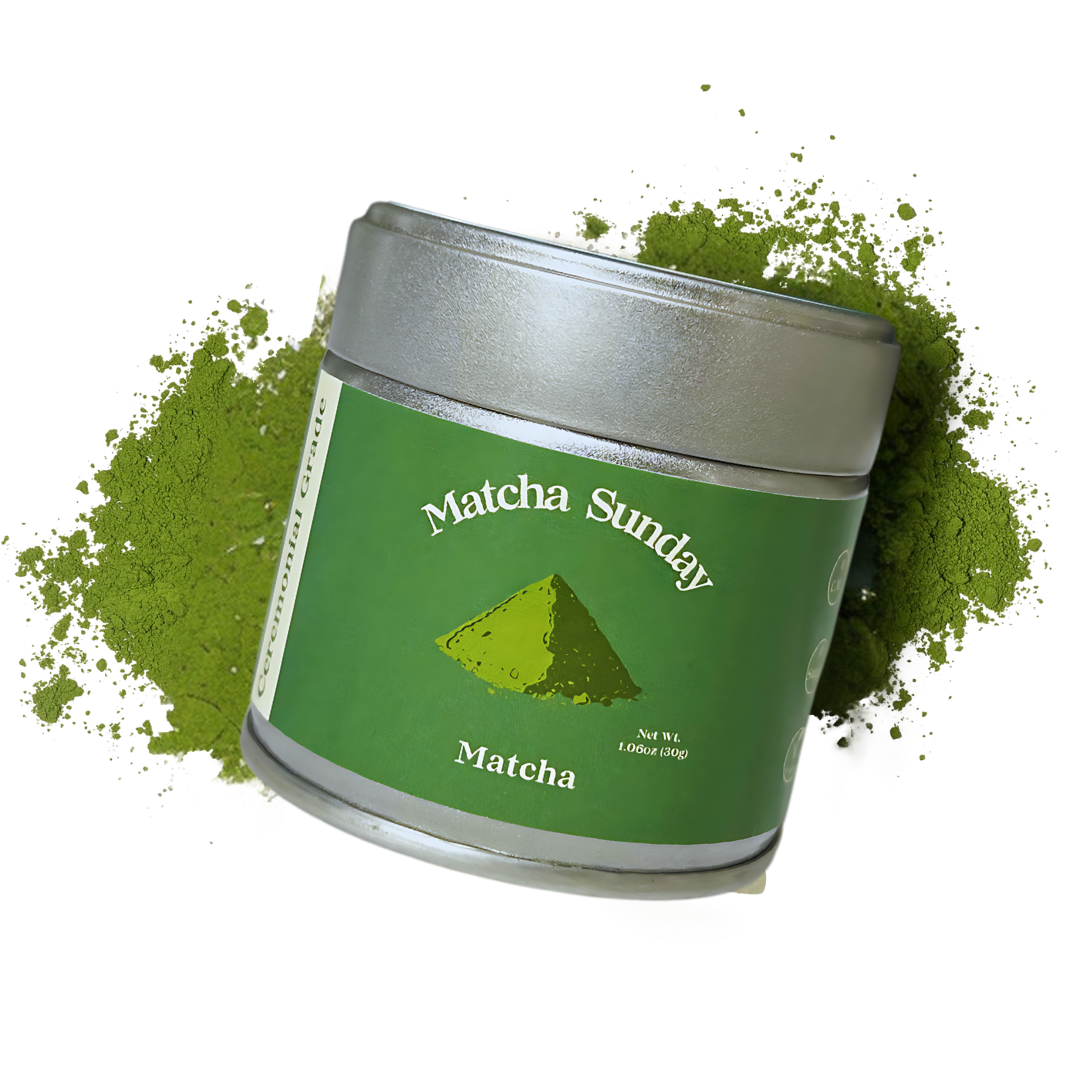
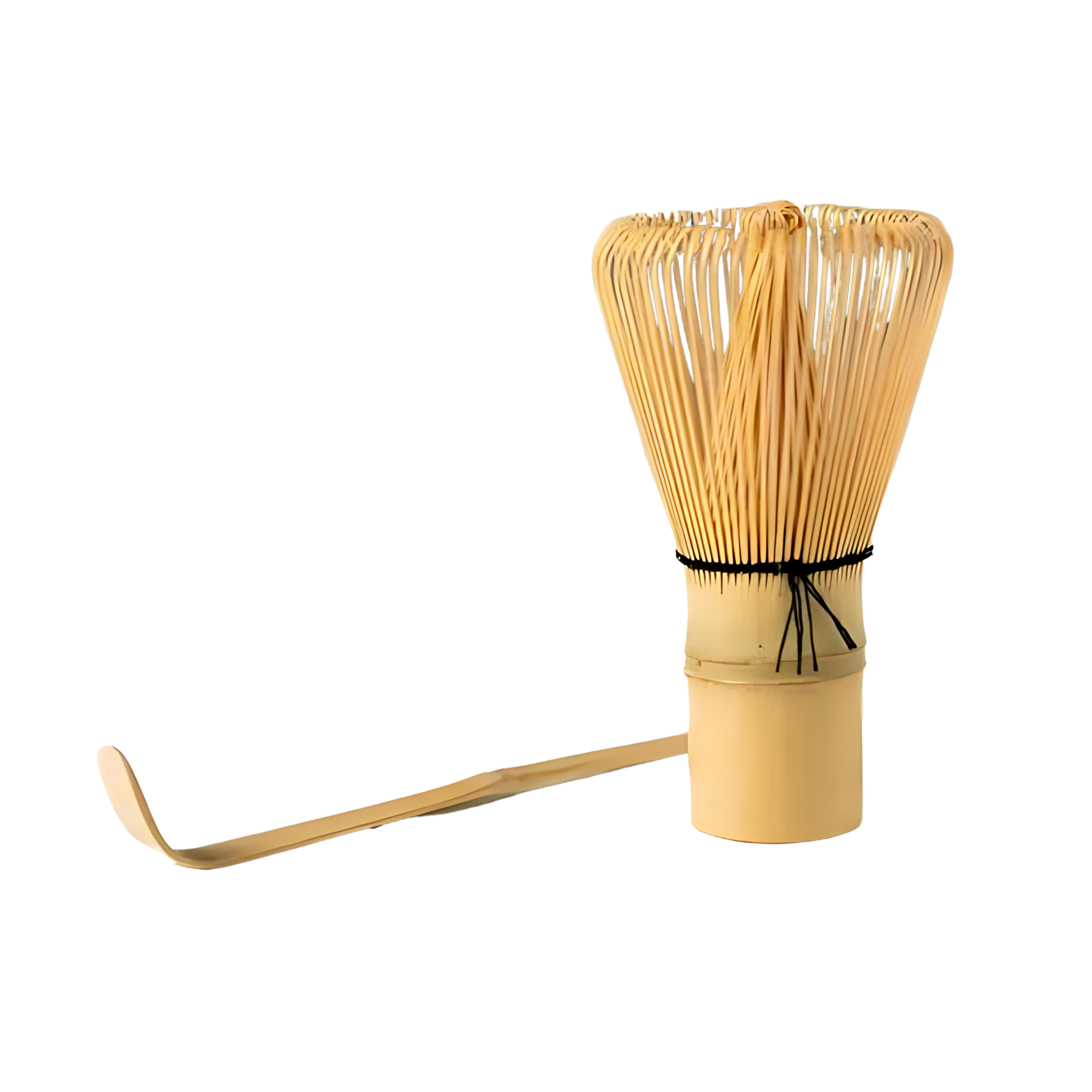
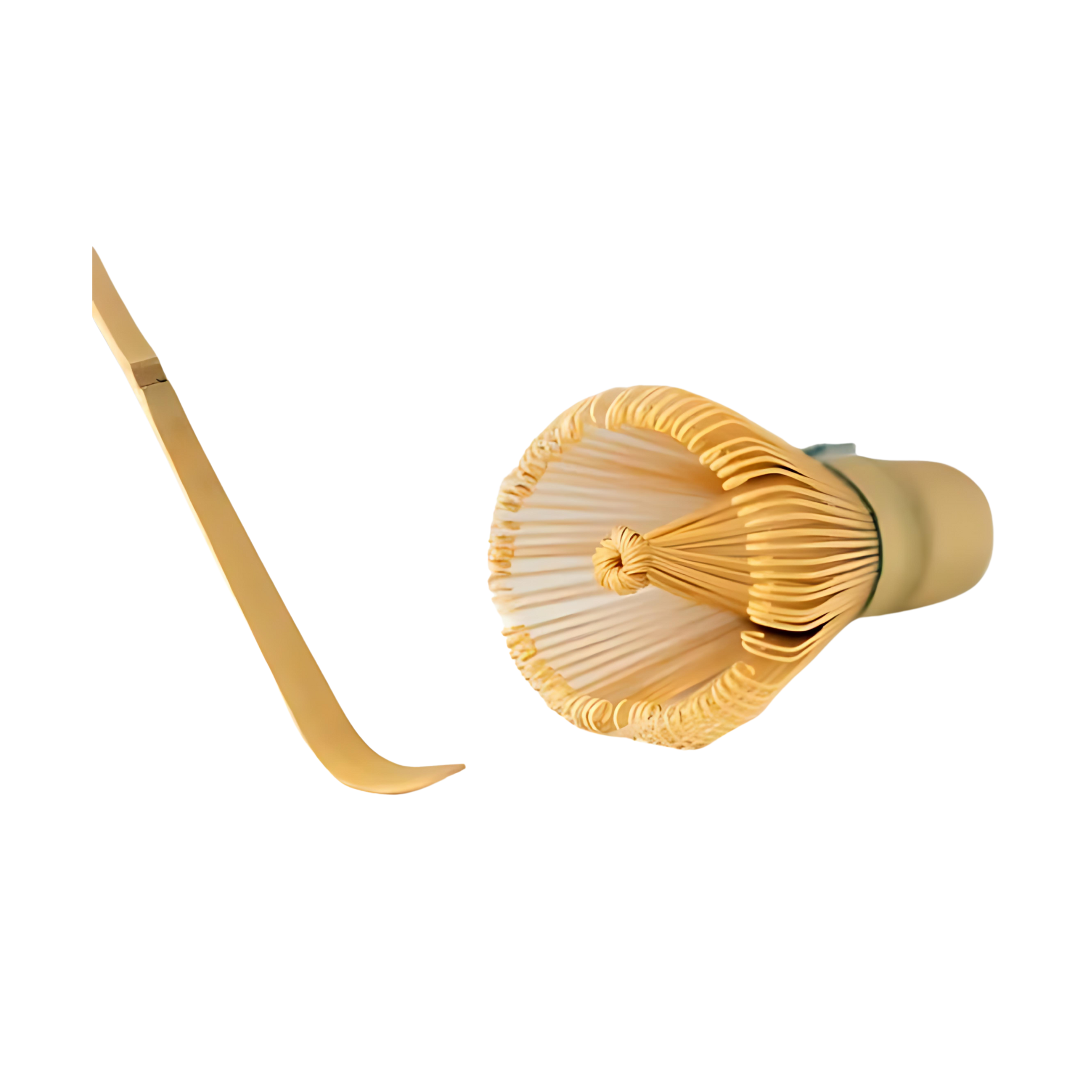
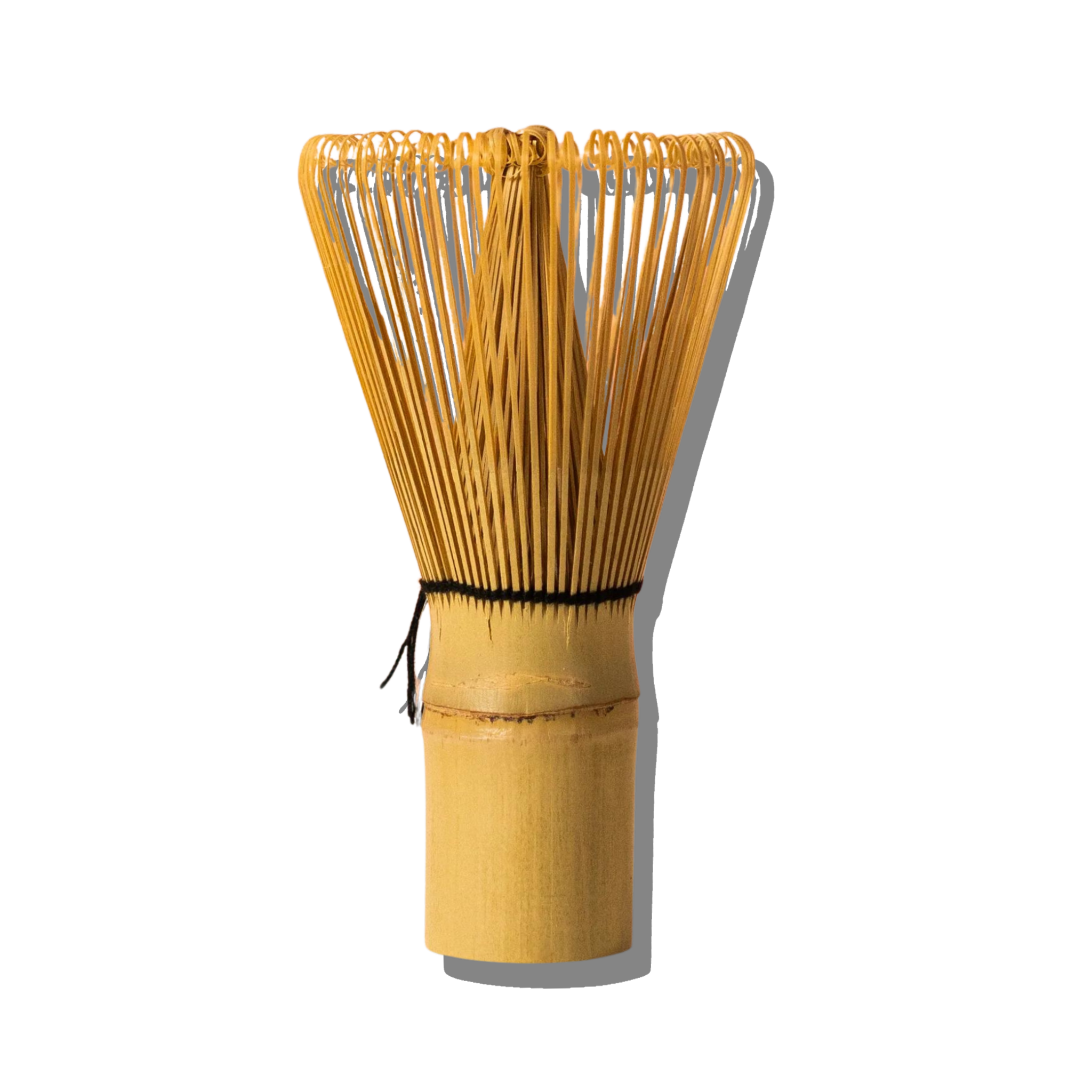
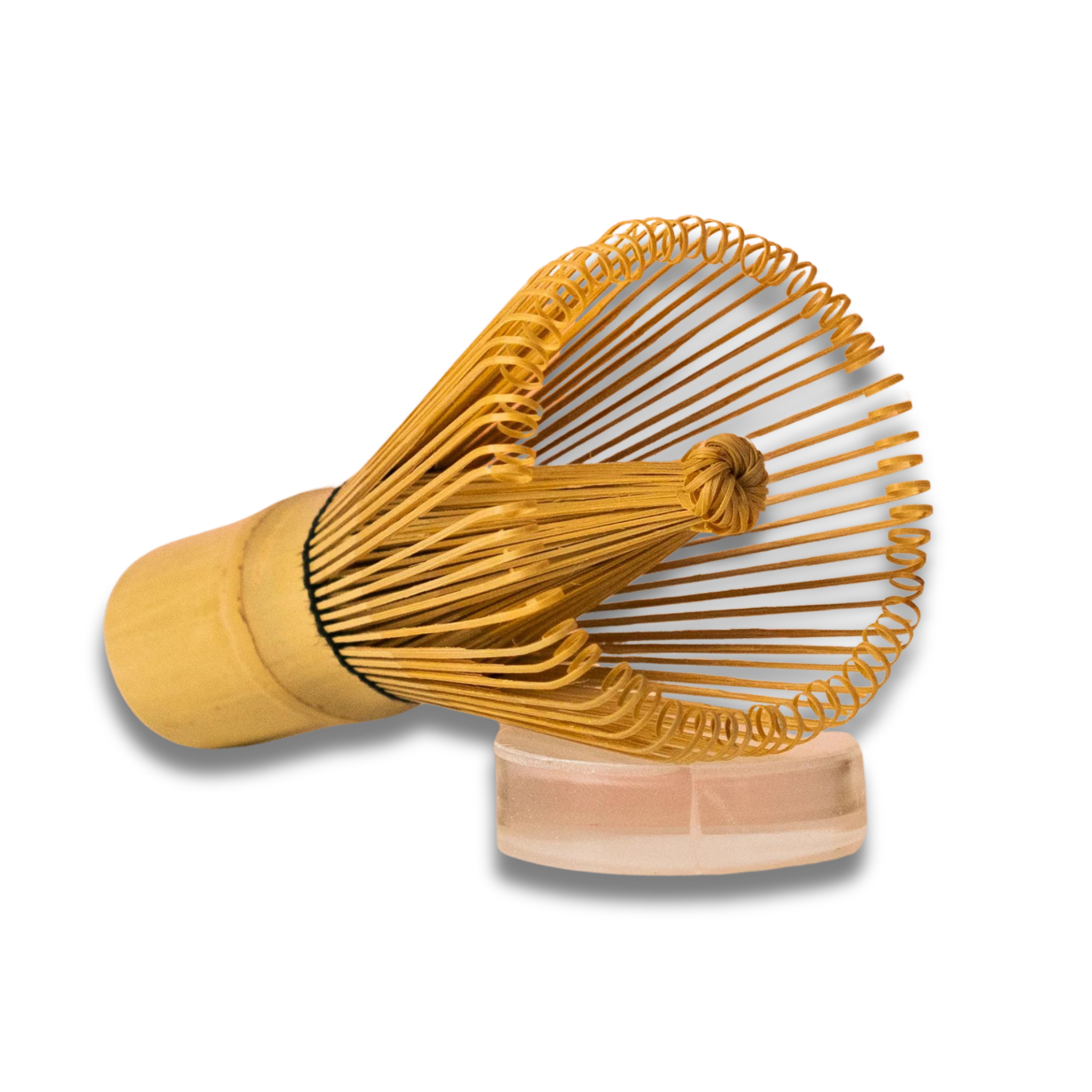
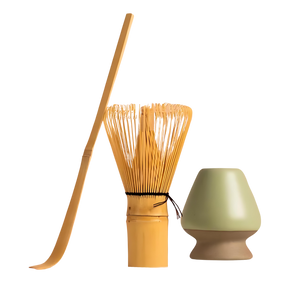
Keep the mechanics honest: use a real bowl and a bamboo whisk, sift about 2 grams of ceremonial grade matcha from Japan, and pour water at 70 to 80°C rather than boiling, which scalds the leaf and turns it bitter. Whisk briskly in a zigzag motion until a fine foam forms, then serve the bowl with its best side facing your guest. If you want to go deeper into the meaning behind each gesture, our guide to mastering the ancient Japanese ritual with ceremonial matcha is a natural next step, and our walkthrough on how to prepare ceremonial grade matcha at home covers technique in detail. The point is not perfection. The point is ichigo ichie at your own table: this bowl, this moment, this person will not come around again, so for ten unhurried minutes the tea has your whole attention.
Start your matcha ritual
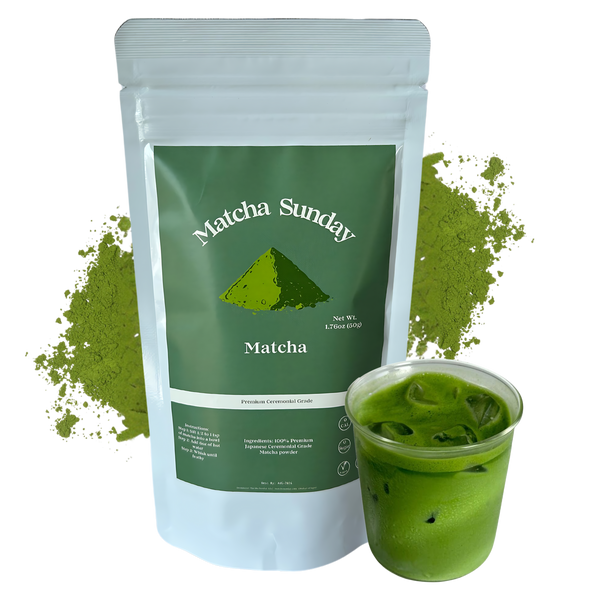
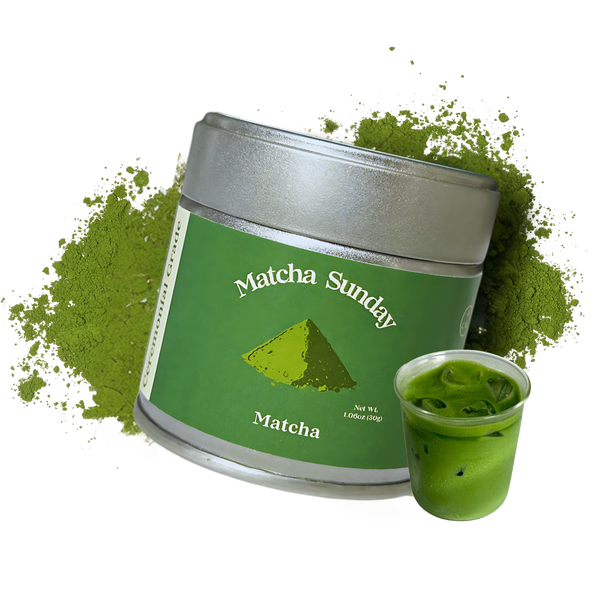
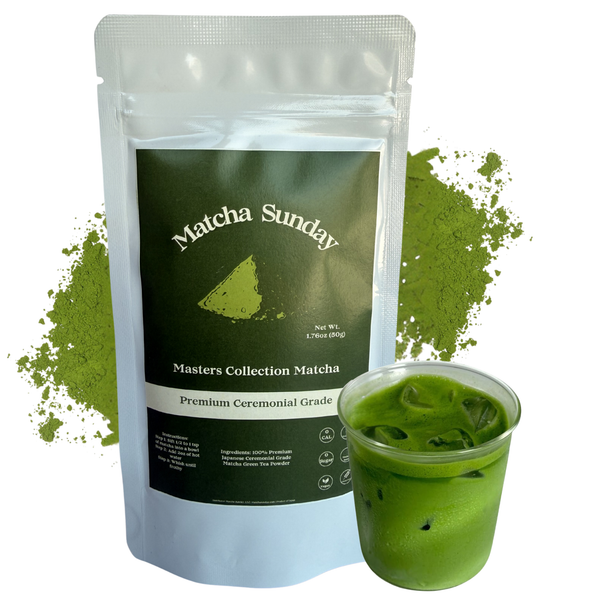
All 100% matcha from Japan. Pick the one that fits how you like to drink it.
Frequently asked questions
Do you have to sit seiza during a Japanese tea ceremony?
No. Seiza, the formal kneeling posture, is traditional, but most modern hosts understand it is difficult for unaccustomed guests. Many tea rooms offer low stools, cushions, or chair seating, and it is perfectly acceptable to shift quietly if your legs go numb. Attentiveness matters far more than perfect posture.
Why do guests rotate the bowl before drinking?
Guests rotate the bowl so they do not drink from its front, the most beautiful side, which the host deliberately faces toward them when serving. The exact turn varies by tea school: in Urasenke practice, for example, the bowl is turned clockwise in two small motions before drinking. However it is done, the small rotation is a quiet gesture of humility and respect toward both the host and the bowl.
What should you wear to a Japanese tea ceremony?
Wear clean, modest, subdued clothing and plain socks, since shoes come off before entering the tea room. Avoid strong perfume, which competes with the aroma of the tea, and remove rings and watches that could scratch a tea bowl. A kimono is welcome but never required for guests.
Is it rude to slurp your matcha at a tea ceremony?
No, one gentle audible sip at the very end is actually polite. It signals to the host that you enjoyed the tea completely and finished every drop. Through the rest of the bowl, drink quietly in a few unhurried sips rather than draining everything in one go.
How much caffeine is in a bowl of ceremonial matcha?
A standard bowl of usucha made with about 2 grams of matcha contains roughly 60 to 70 milligrams of caffeine, similar to a small cup of coffee. Because matcha also supplies the amino acid L theanine, many people describe the lift as calmer and steadier than coffee.
Can a complete beginner attend a Japanese tea ceremony?
Yes, beginners are welcome at most tea gatherings, especially informal chakai events held by tea schools and cultural centers. Hosts expect first time guests and will guide you through each step. Arrive a little early, silence your phone, follow the head guest's lead, and simply pay attention.