Matcha is popular right now because five forces converged at once: social media virality, Gen Z choosing wellness over coffee culture, cafe menu expansion across every major chain, a real supply shortage in Japan creating scarcity buzz, and mainstream L theanine science proving matcha delivers calm, lasting energy without the crash.
Why is matcha so popular right now?
No single factor explains the boom. Together, these five forces made matcha the defining drink of the decade. But the most revealing entry point is also the most counterintuitive: a supply shortage in Japan did not slow matcha down. It accelerated everything.
When tencha auction prices roughly doubled and Tokyo tea shops imposed purchase limits in early 2026, mainstream news outlets covered the story and introduced matcha to millions of people who had never thought about it. Scarcity created buzz, buzz drove trial, and trial converted because the product actually delivers on its promise. That paradox, a shortage making something more popular rather than less, only works when four other forces are already pushing in the same direction.
Understanding these forces helps explain why matcha is not just another wellness fad, and why its popularity is still accelerating rather than leveling off.
How did social media make matcha go viral?
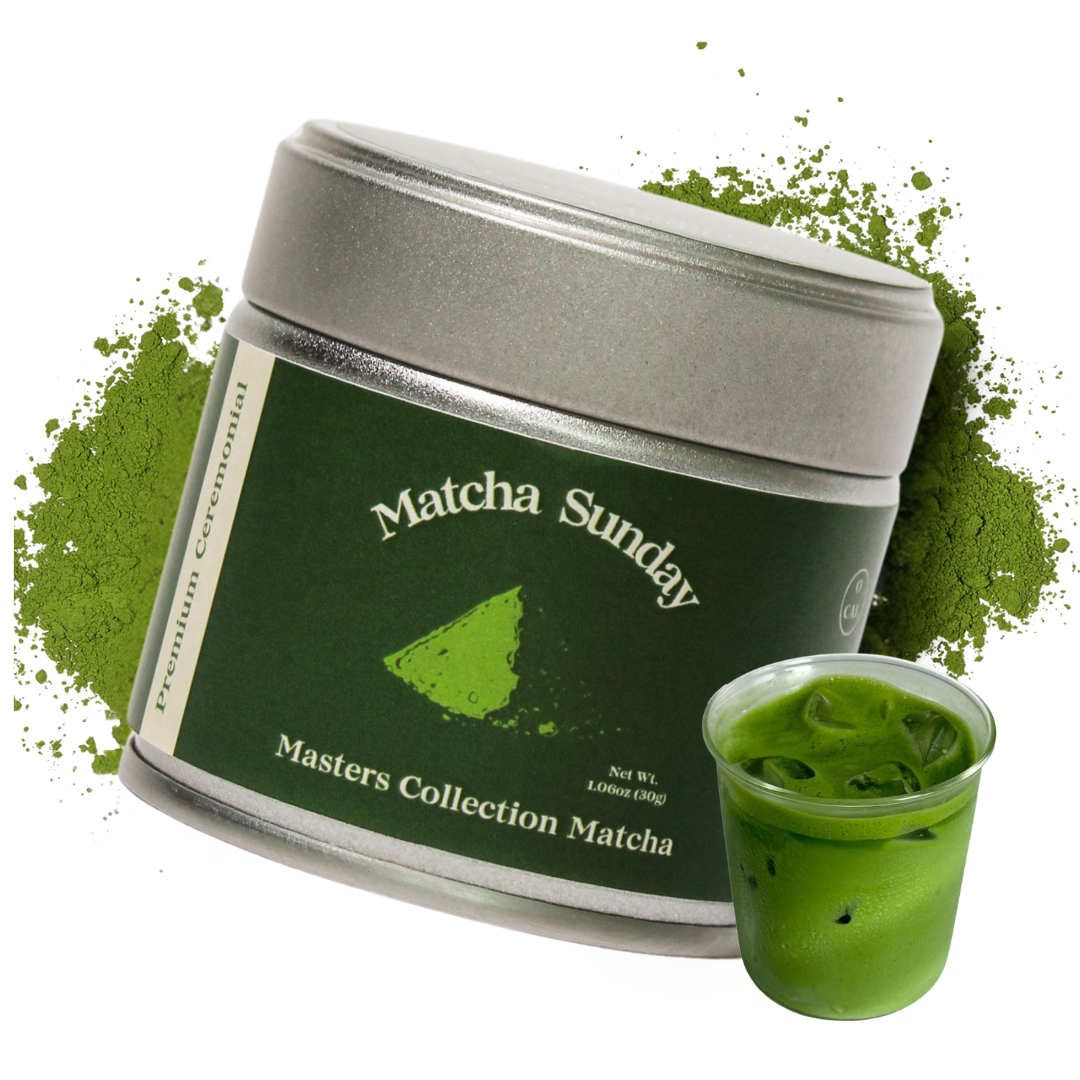
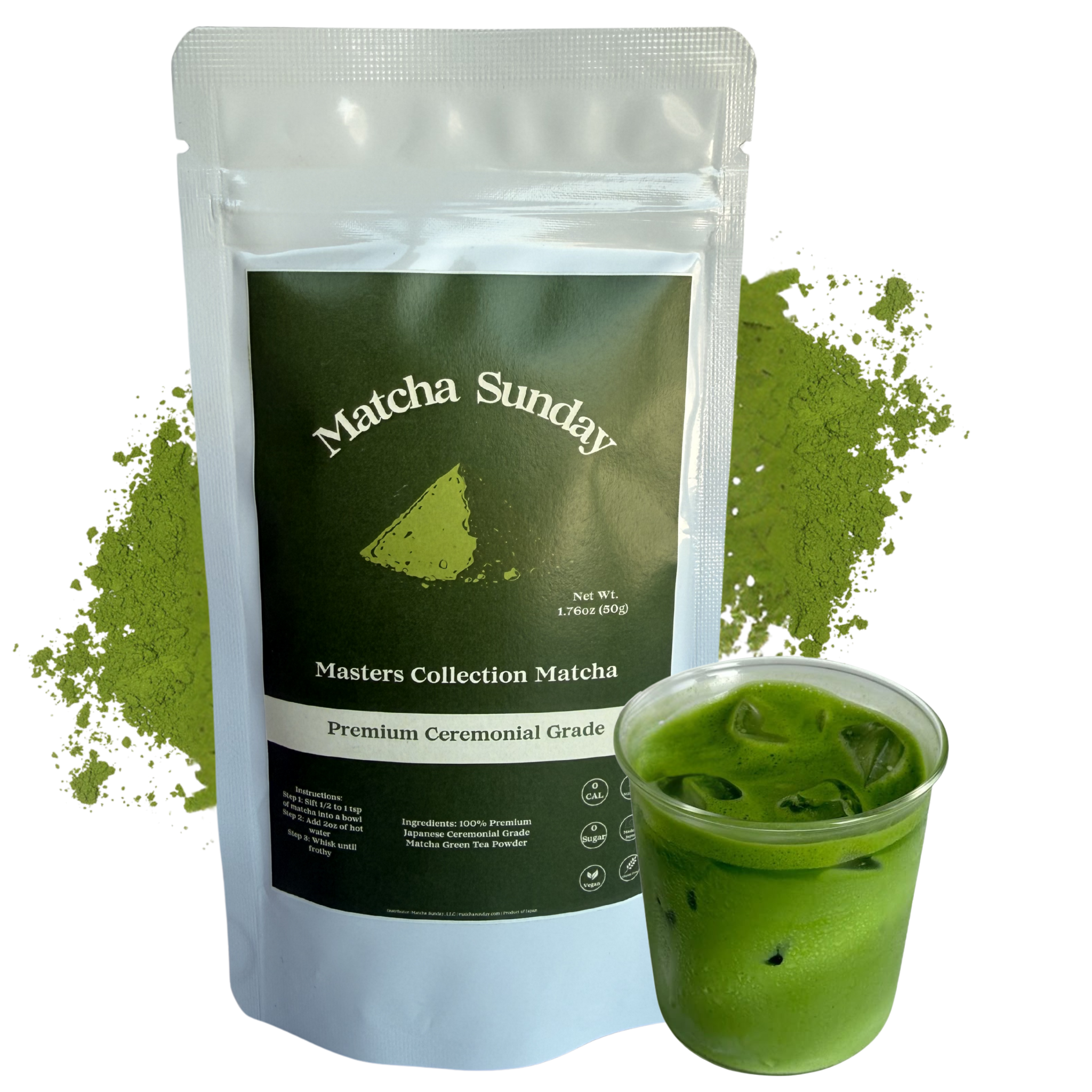
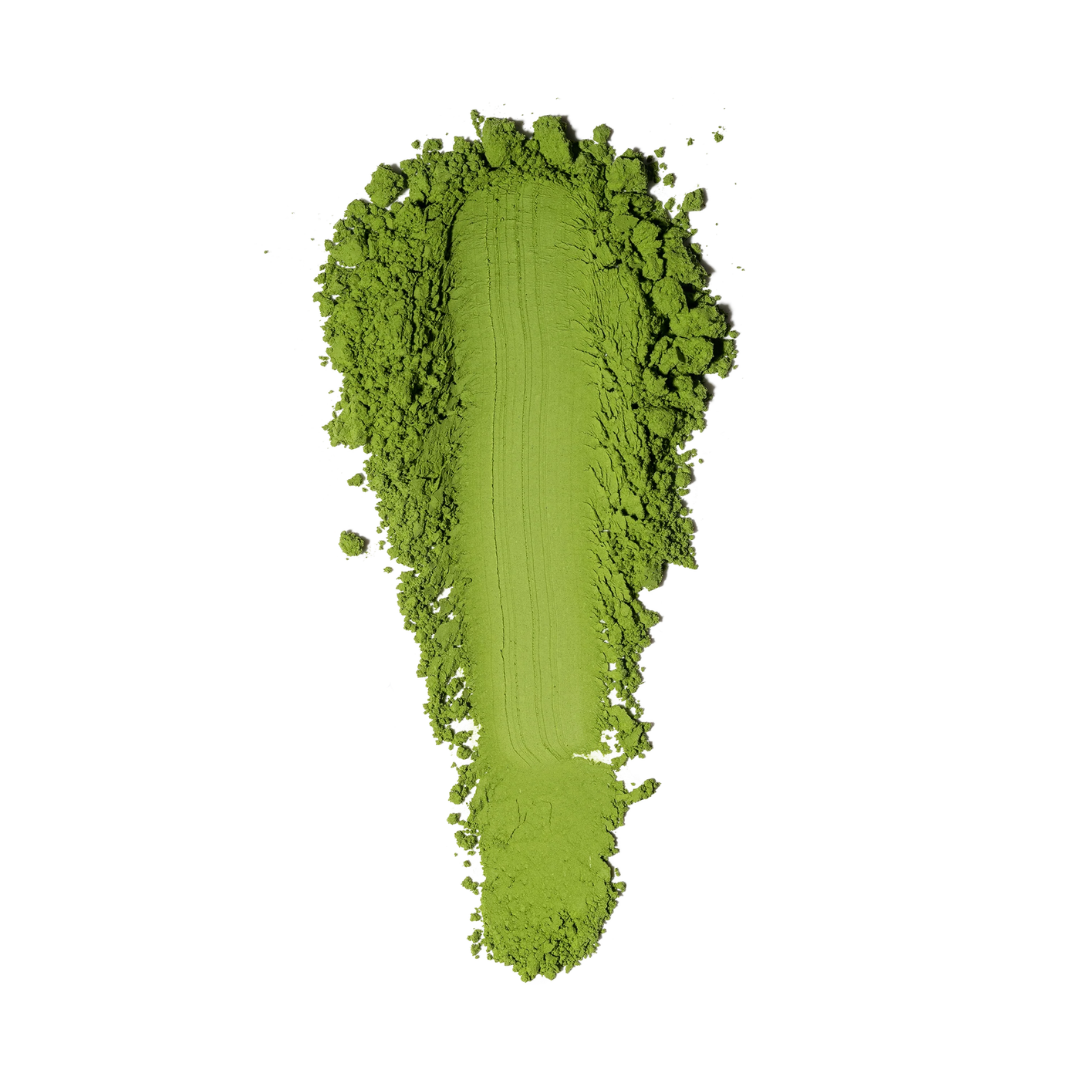
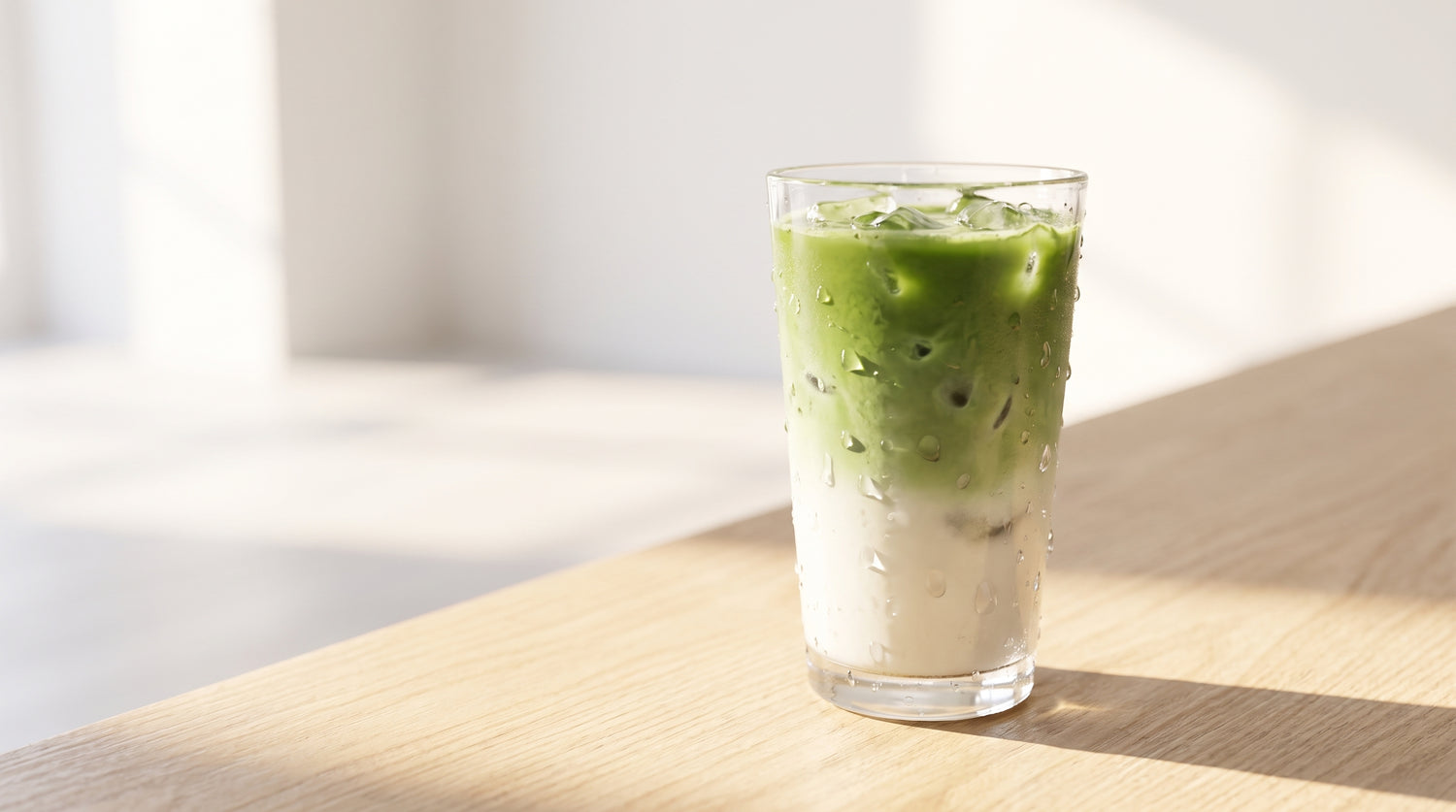
Social media turned matcha from a drink into visual content. That electric green color is almost impossibly photogenic, especially when layered against white milk in a clear glass. Every iced matcha latte is its own piece of content, and the platform algorithms reward exactly that kind of striking visual.
Tastewise, a food intelligence platform that tracks social and menu data, reported that online conversation around matcha grew 202 percent in a single year. TikTok and Instagram drove much of that growth, with creators filming everything from traditional whisking rituals to elaborate layered latte builds. The hashtag culture created a feedback loop: the more people posted matcha, the more other people tried it, which generated more posts.
What makes matcha different from other food trends on social media is that it actually tastes good and delivers a real functional benefit. A lot of viral foods are purely visual. Matcha is visual and functional, which means people keep buying it after the novelty of the first post wears off. The calm energy matcha provides gives people something to talk about beyond the aesthetic, and that is what separates a lasting trend from a two week moment.
Why does Gen Z prefer matcha over coffee?
Gen Z gravitates toward matcha because it fits their broader relationship with wellness, identity, and intentional consumption. Multiple surveys now show that younger adults are shifting toward tea based beverages and away from traditional coffee, a meaningful departure from every older generation. They are not just switching drinks. They are choosing a different energy culture entirely.
Coffee culture for decades was built around productivity and intensity. The double espresso, the red eye, the "don't talk to me before my coffee" identity. Gen Z largely rejects that framing. They want energy that supports focus and calm, not just raw stimulation. Matcha compared to coffee represents a fundamentally different approach: approximately 60 to 70 mg of caffeine per serving paired with L theanine, versus 95 to 200 mg of caffeine in drip coffee with no L theanine to smooth the ride.
| Factor | Coffee | Matcha |
|---|---|---|
| Caffeine per serving | 95 to 200 mg (8 oz drip) | 60 to 70 mg (2 g serving) |
| L theanine content | Negligible | High (from shade grown leaves) |
| Energy curve | Sharp spike, then crash | Gradual onset, 4 to 6 hours |
| Jitters and anxiety | Common at higher doses | Rare, buffered by L theanine |
| Ritual and preparation | Usually automated | Whisking or shaking, more hands on |
The L theanine difference comes down to how matcha is grown. Tea plants destined for matcha are shade covered for several weeks before harvest, which forces the leaves to produce significantly more L theanine than sun grown tea. That single agricultural step is why matcha delivers a noticeably different energy experience than coffee or even regular green tea.
There is also an identity component. Matcha signals something specific: mindfulness, health awareness, and a kind of quiet sophistication that resonates with how Gen Z builds personal brands online. The ritual of making matcha, even the simple version with a shaker bottle, feels more deliberate than pressing a button on a coffee machine.
Caffeine per Serving: Matcha vs Coffee
Why are so many coffee shops adding matcha to their menus?
Coffee shops are adding matcha because customer demand made it impossible to ignore. Industry tracking firms report matcha menu appearances growing roughly 30 percent year over year, and nearly every major chain now carries it. Starbucks, Dunkin', Peet's, Blank Street, and hundreds of independent shops have all expanded their matcha offerings because the numbers justify it.
For cafe owners, matcha makes strong business sense on multiple levels:
- It attracts a new customer segment that might not otherwise visit a coffee shop
- Matcha lattes typically command a higher price point than drip coffee
- Preparation is fast once staff are trained, with no espresso machine required
- Matcha pairs with oat milk, coconut milk, and other alternative milks that are already stocked
- Seasonal and specialty matcha drinks drive social media visibility for the shop
In the UK, chains like Caffe Nero and Black Sheep reported record matcha sales in 2025, with some locations seeing matcha purchases rival coffee at certain times of day. That kind of performance makes it clear that matcha is not a niche add on but a core menu category.
The quality of a cafe's matcha powder is the single biggest reason one shop's latte tastes better than another's. Customers can tell the difference between genuine stone ground matcha from Japan and lower quality alternatives, and that quality gap determines whether matcha becomes a repeat purchase or a one time experiment.
How did the Japan supply shortage fuel the matcha boom?
The 2026 matcha shortage did something counterintuitive: it made matcha more popular, not less. When tencha auction prices in Japan roughly doubled and Tokyo tea shops imposed purchase limits, mainstream news outlets covered the story, introducing matcha to millions of people who had never thought about it before. Scarcity created buzz, and buzz drove new trial.
But the shortage also revealed something less obvious. As global demand strained supply, a quality gap opened up. Brands sourcing directly from Japanese farms maintained access to genuine stone ground matcha, while mass market suppliers increasingly turned to lower grade powder or non Japanese sources to fill orders. For the first time, everyday consumers started noticing that the matcha at one cafe tasted completely different from the matcha at another, and the conversation shifted from "matcha is trendy" to "where does your matcha actually come from?" That quality awareness is what turns a trend into a permanent category.
What does L theanine science have to do with matcha's popularity?
L theanine is the ingredient that gives matcha its staying power beyond aesthetics and trendiness. It is an amino acid found almost exclusively in tea plants, with especially high concentrations in shade grown matcha, and it does something that no other common drink ingredient does: it modulates the way your brain responds to caffeine.
The science moved from niche nootropic communities to mainstream health coverage in a remarkably short window. For years, L theanine research circulated mainly in biohacking forums and supplement subreddits. Then a series of randomized controlled trials confirmed what those early adopters had reported: L theanine promotes alpha brain wave activity associated with calm alertness and can measurably improve attention and reduce perceived stress when paired with caffeine. Once major health publications started covering these findings, the narrative around matcha shifted from "it is a pretty green drink" to "it is a functionally superior way to get your energy."
That shift matters because it gave matcha something most food trends never get: a science backed reason to keep drinking it after the social media novelty fades. The research on matcha and focus is now cited not just by wellness influencers but by productivity writers, workplace health programs, and even clinical nutritionists recommending it as a coffee alternative for people sensitive to caffeine's anxiogenic effects.
Five forces, one outcome: matcha is not going anywhere
Each of these five forces would have boosted matcha on its own. Social media gave it visibility. Gen Z gave it cultural meaning. Cafe expansion gave it accessibility. The supply shortage gave it urgency and quality awareness. And L theanine science gave it a lasting reason to exist beyond the trend cycle. What makes matcha different from every other food trend of the past decade is that all five hit at once, and they reinforce each other rather than competing.
That is why matcha is not a fad with an expiration date. It is a permanent shift in how people think about energy, ritual, and what they drink every day.
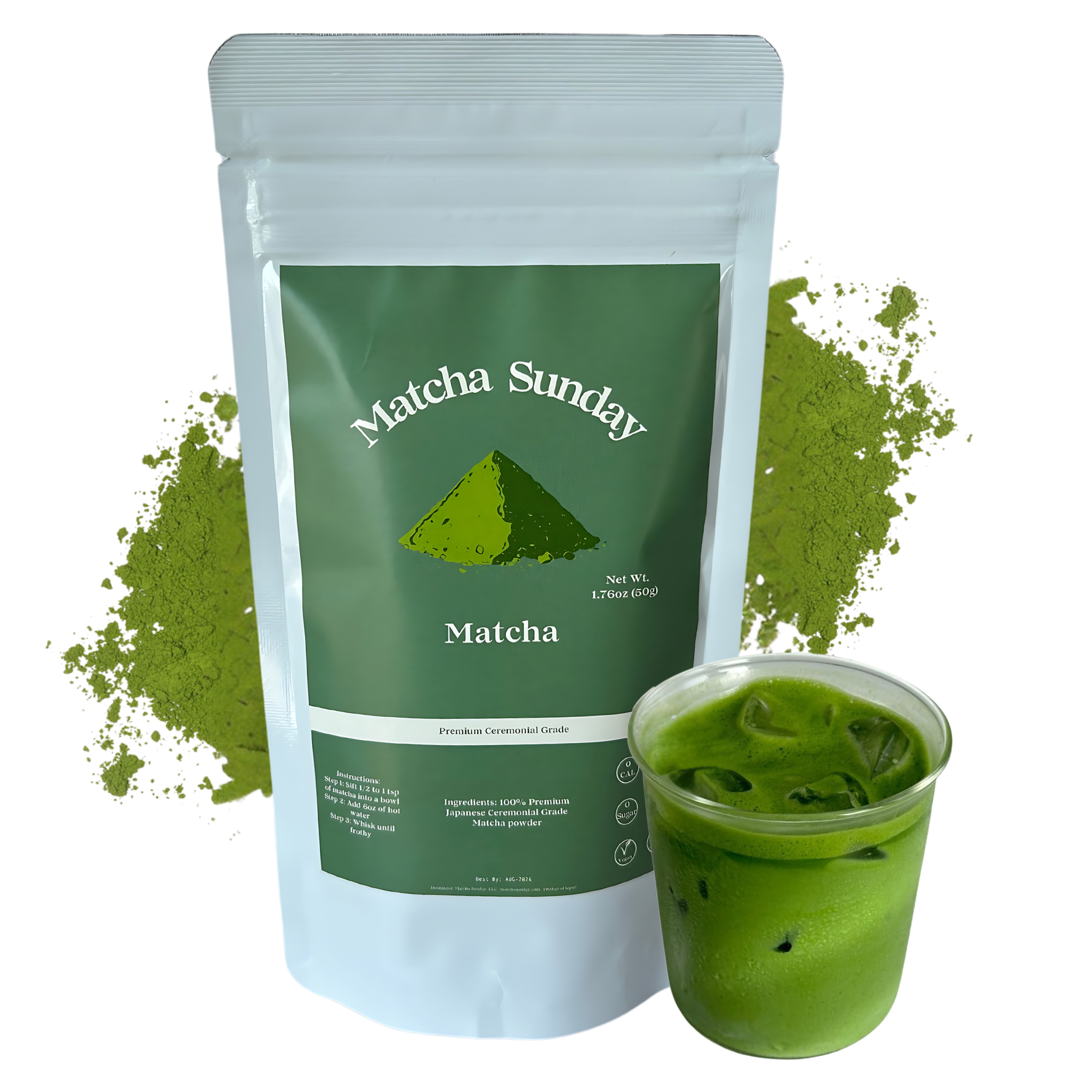
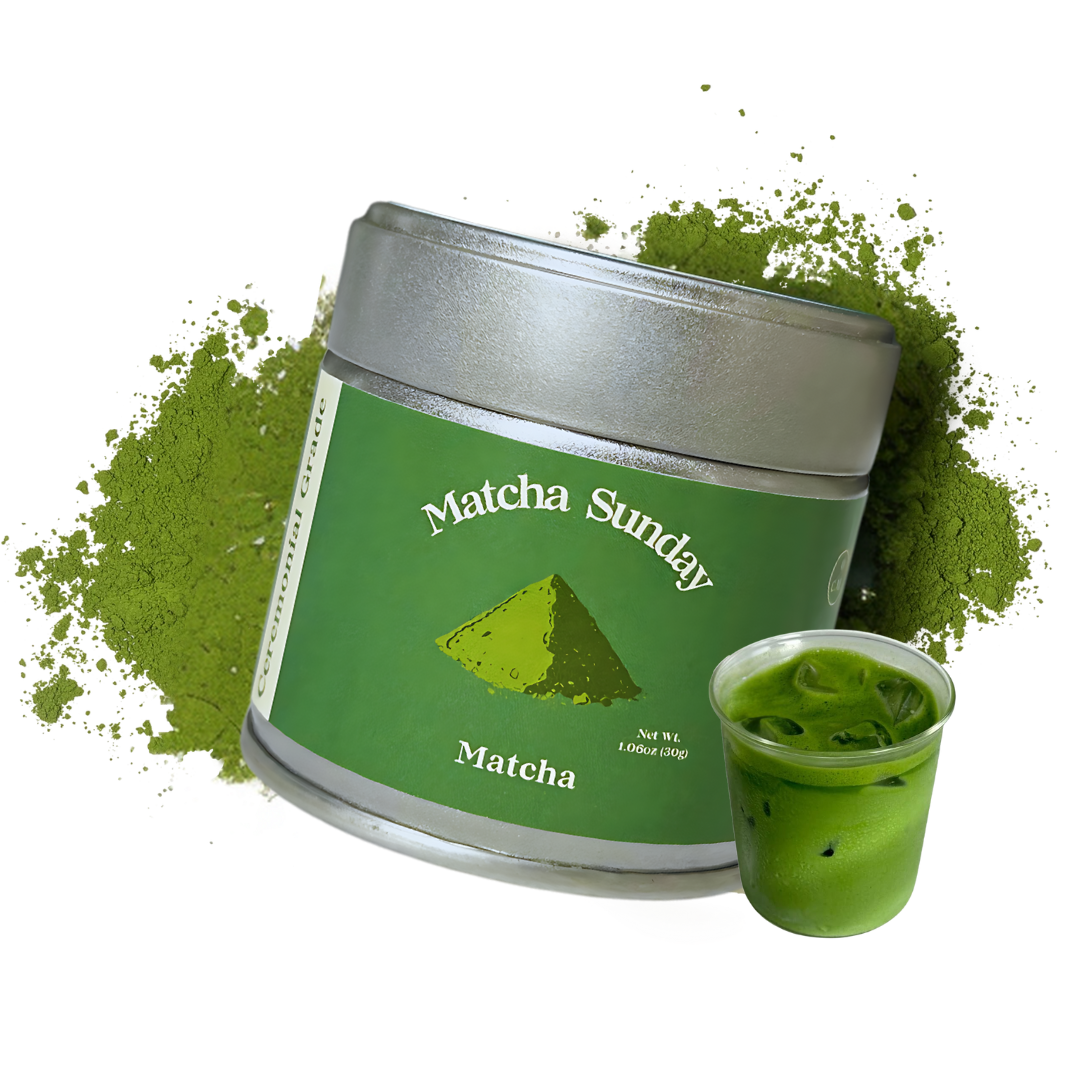
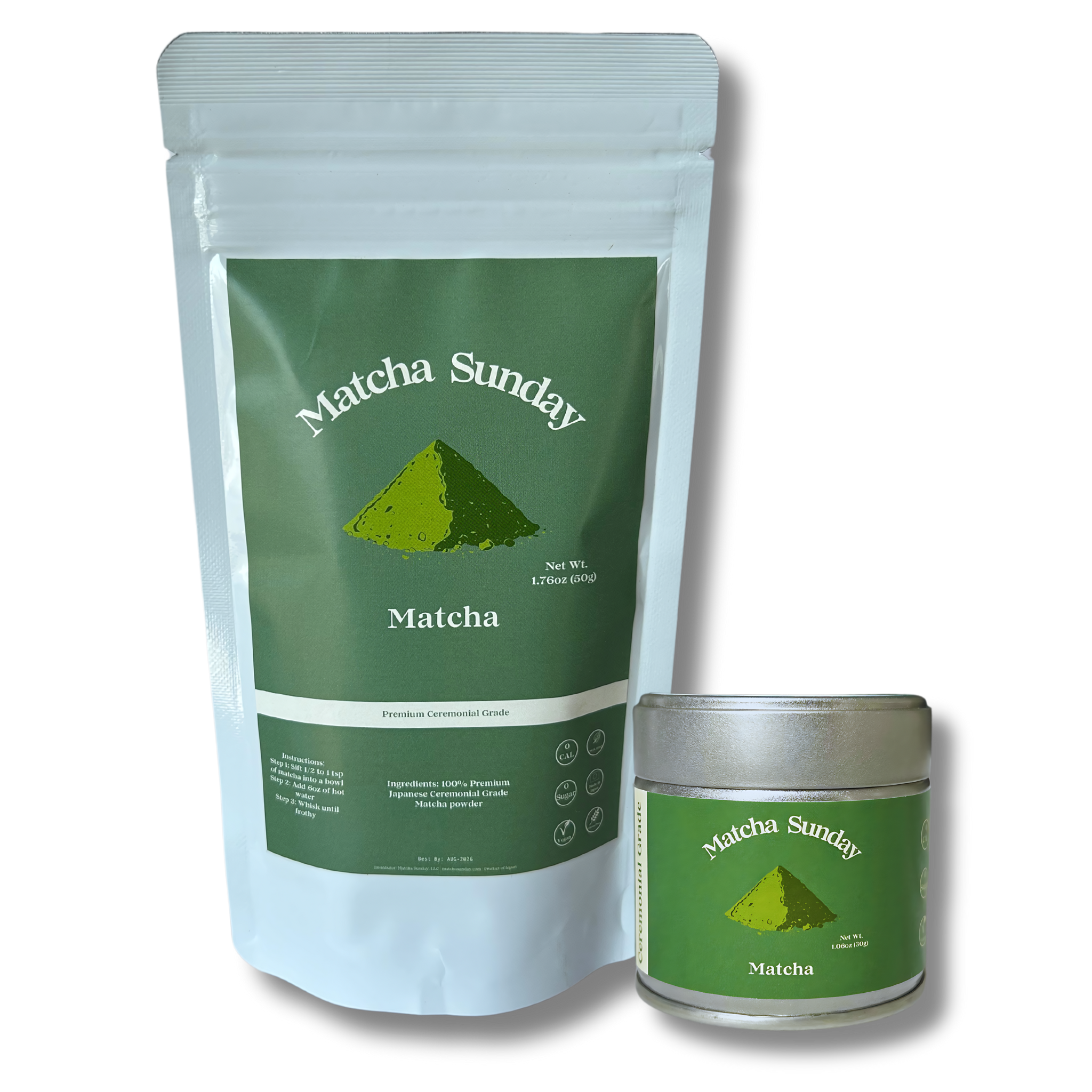
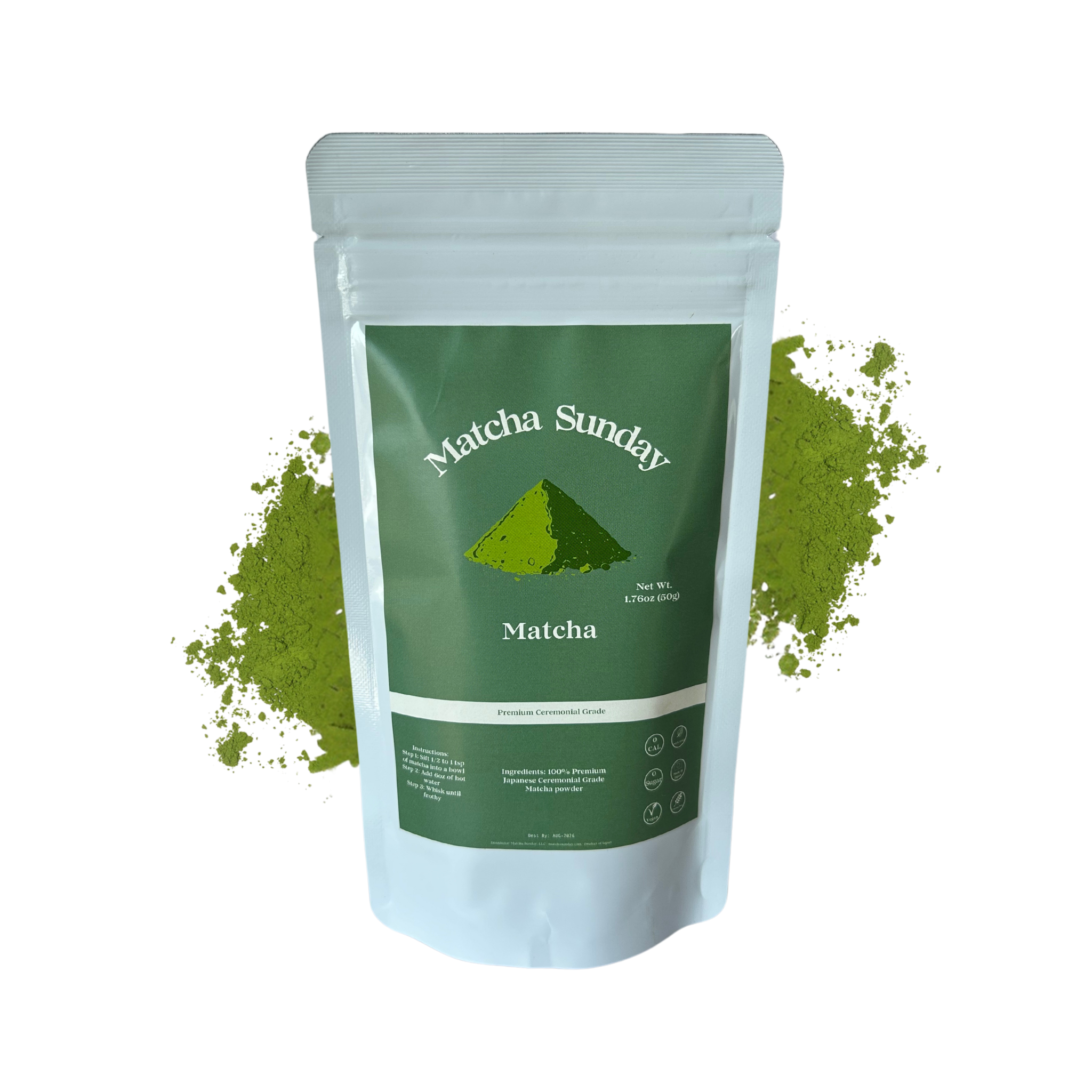
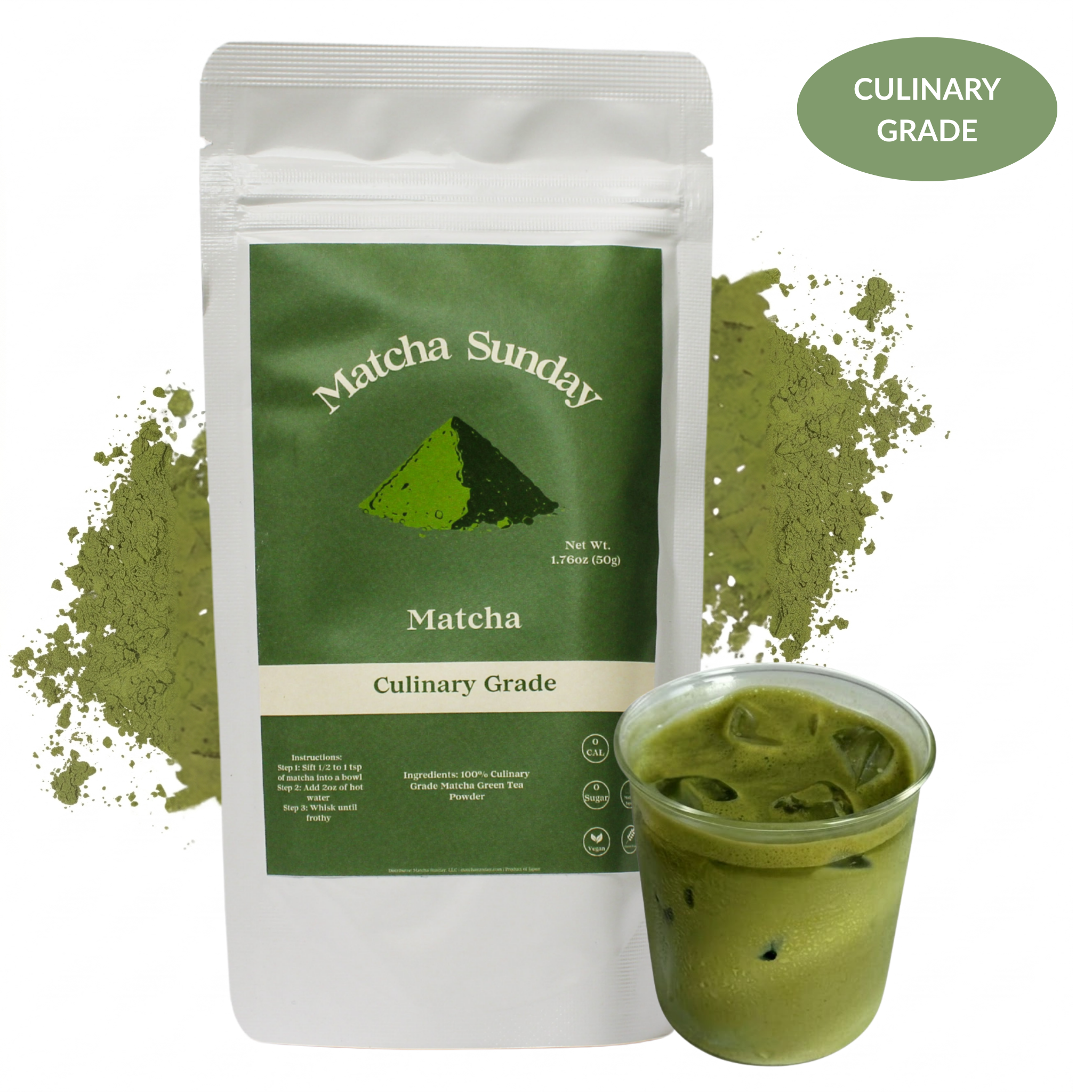
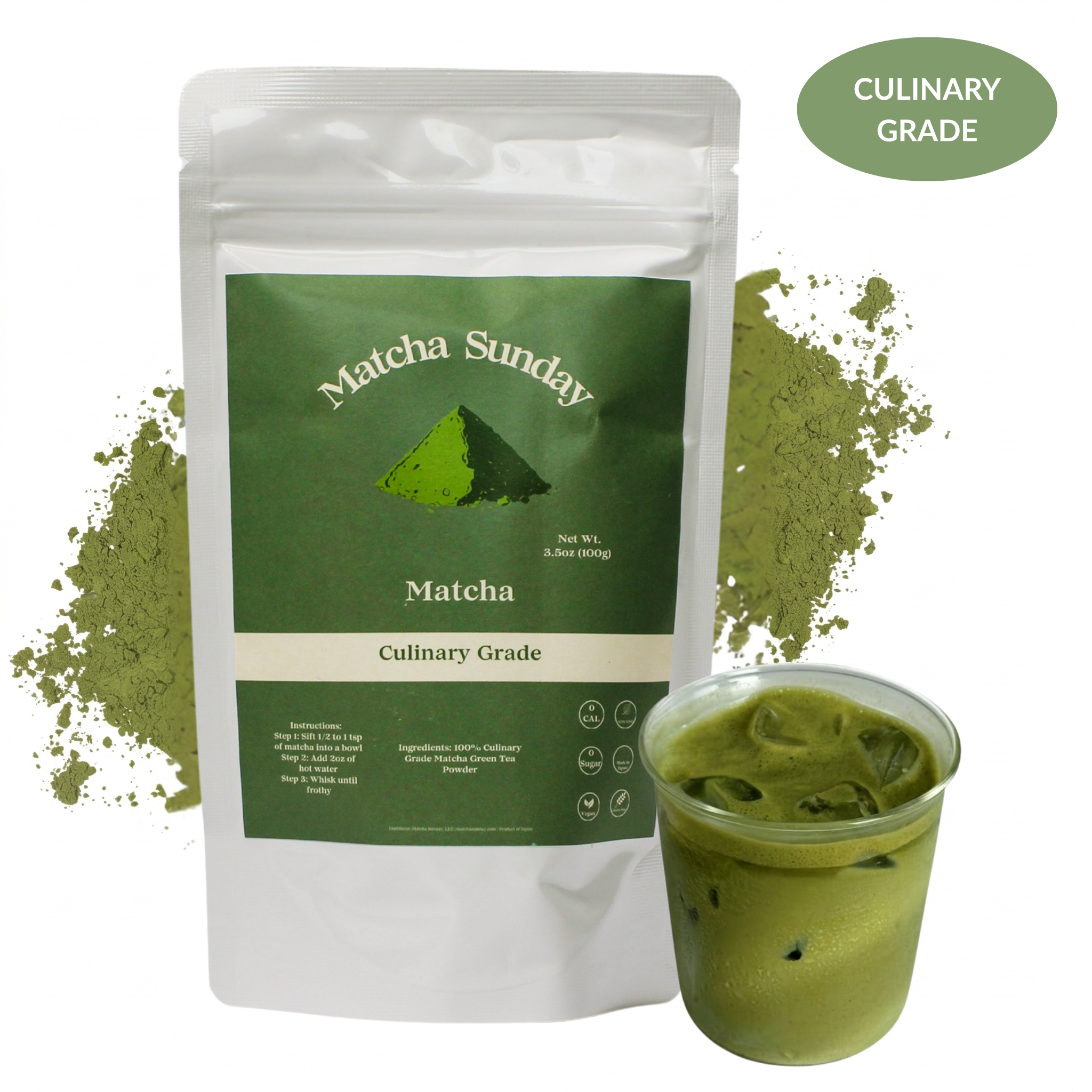
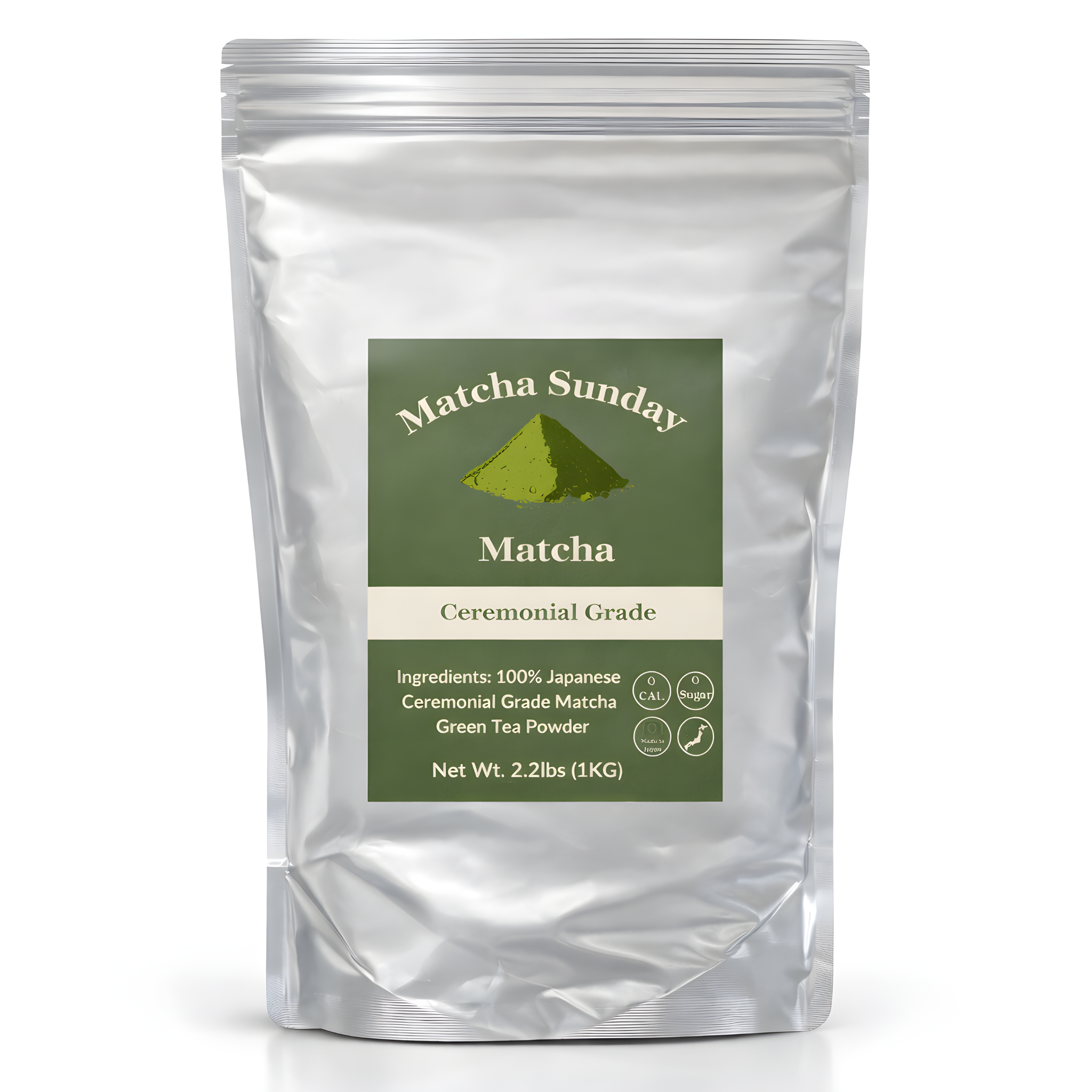
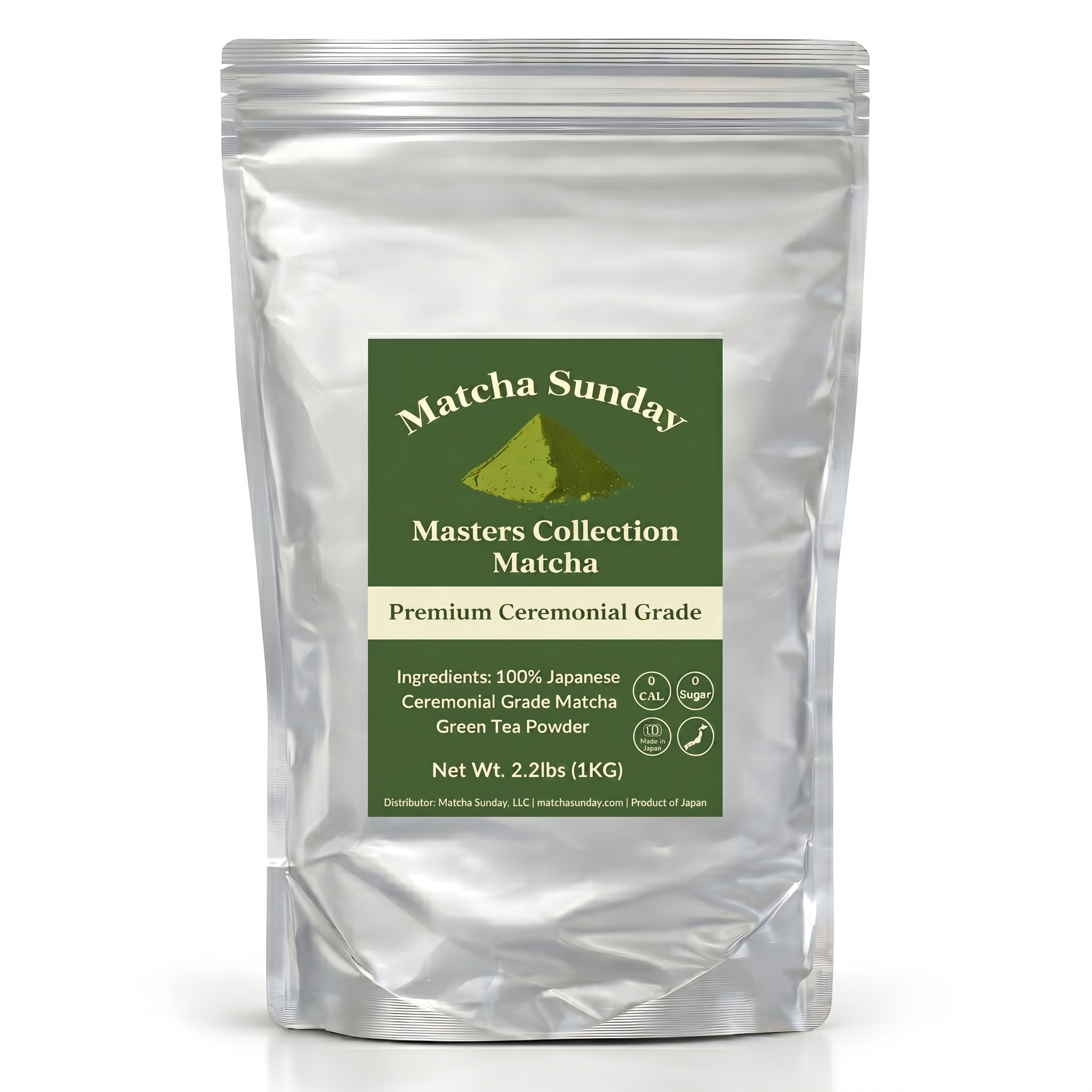
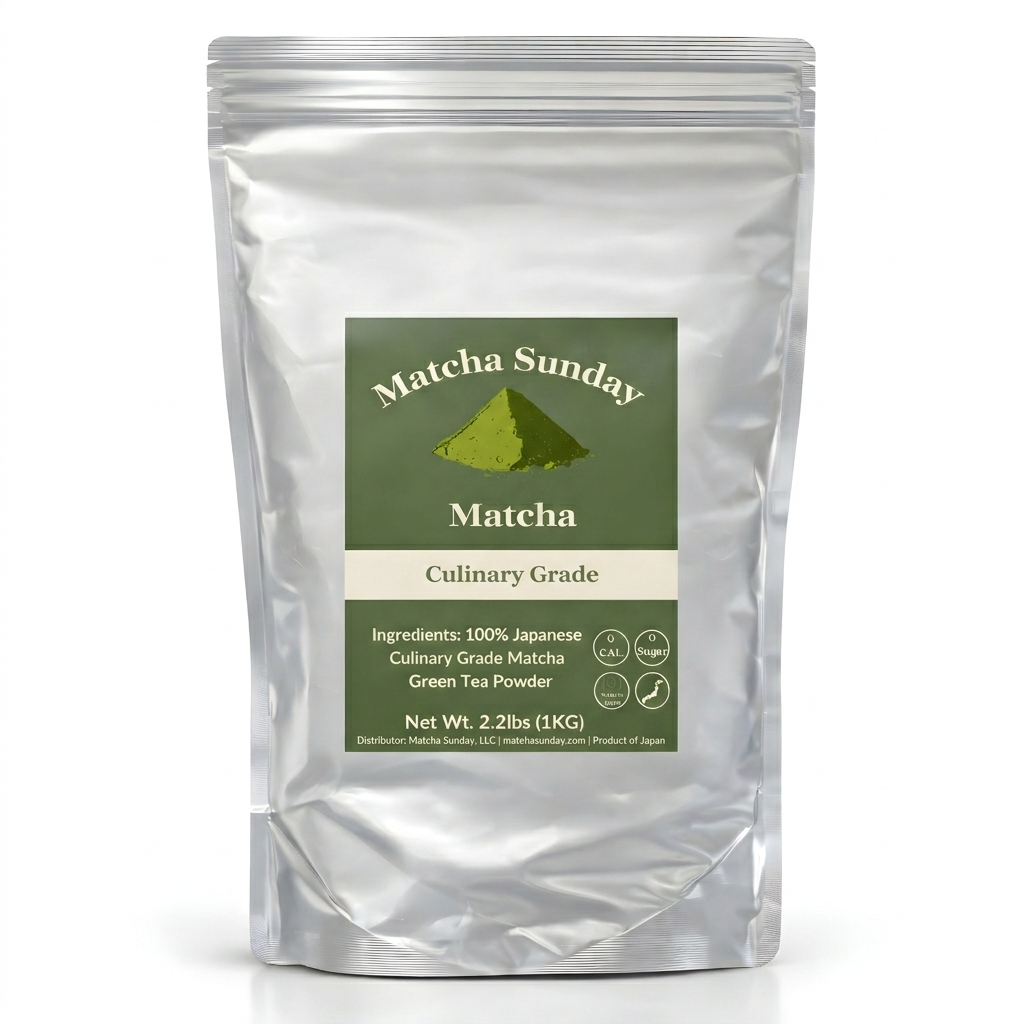
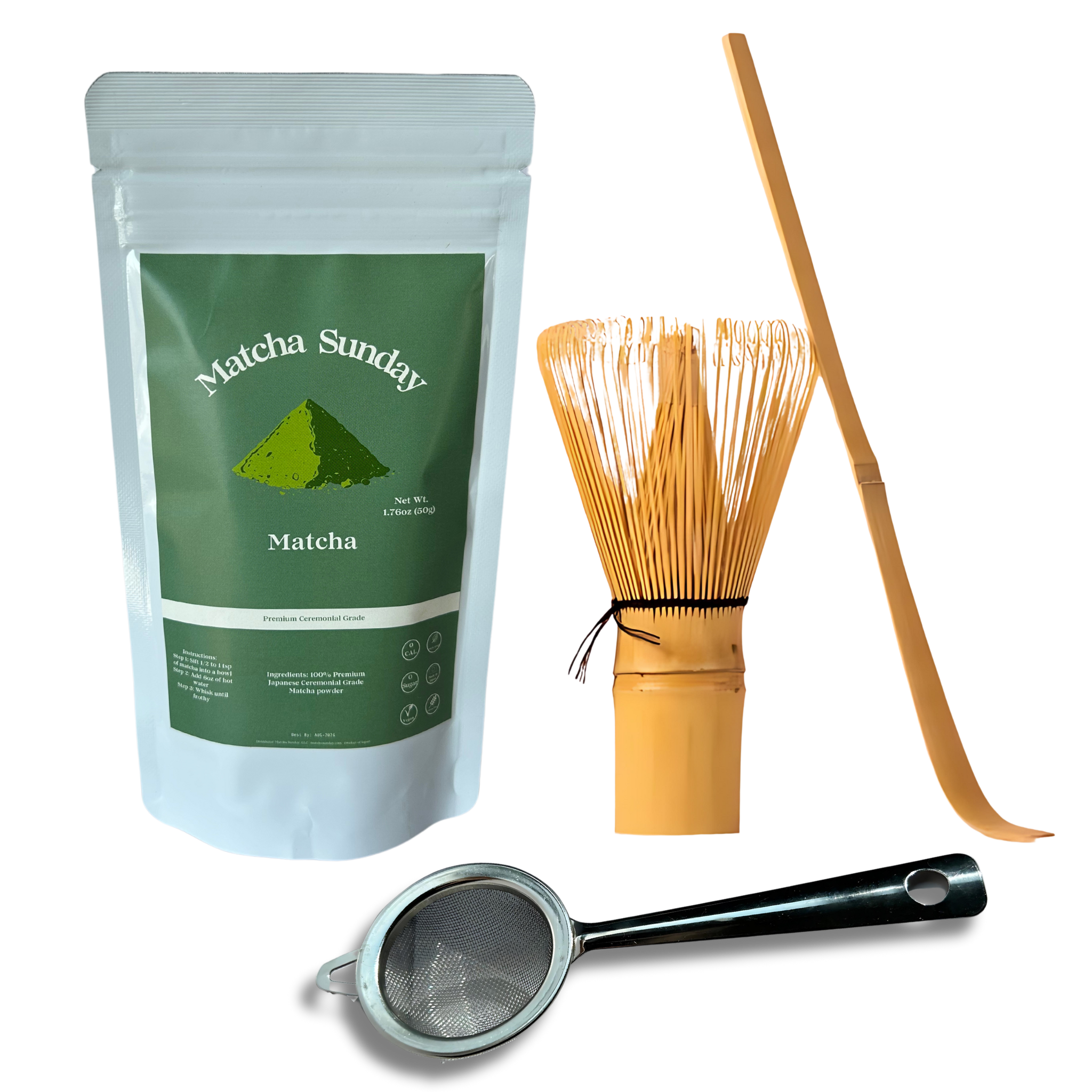
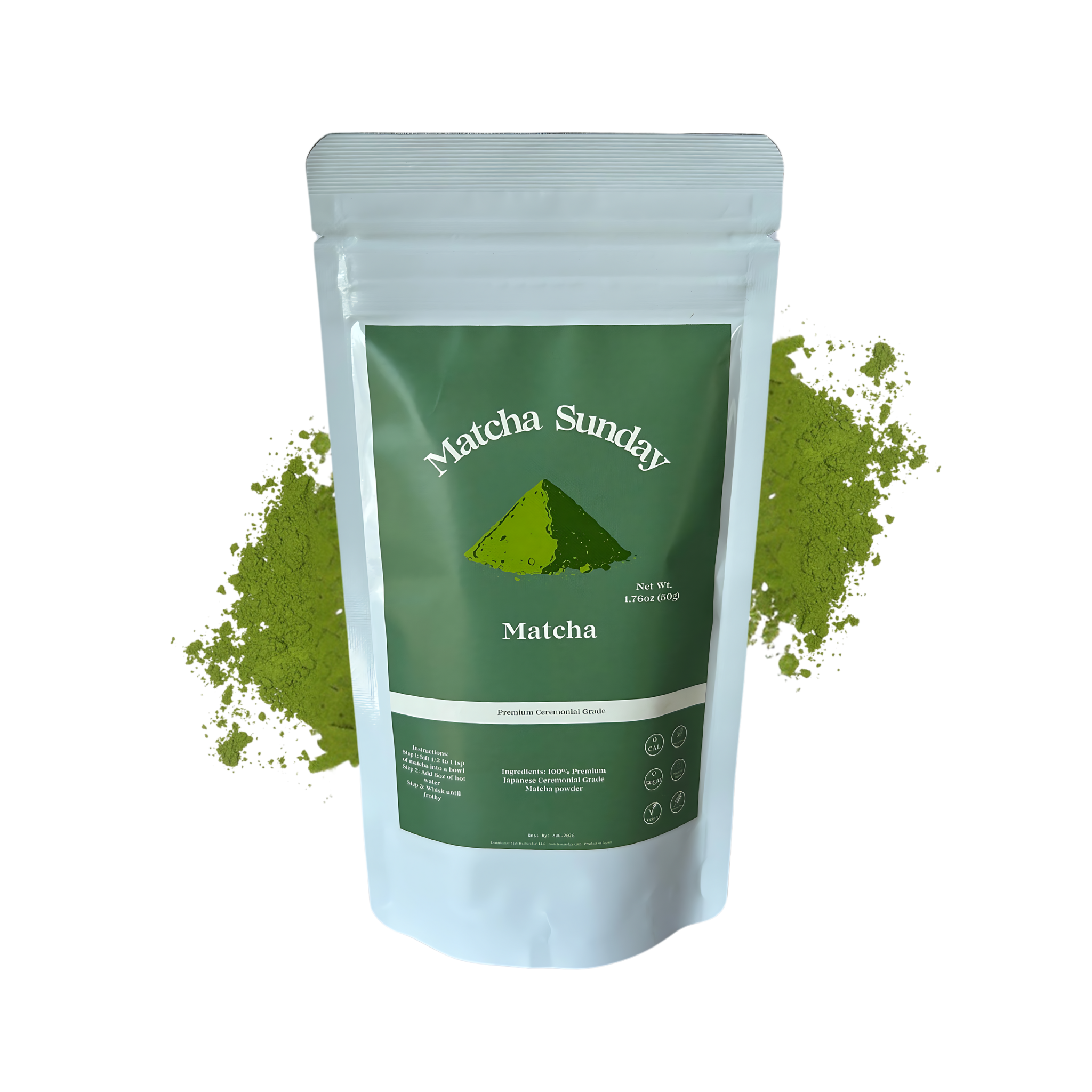
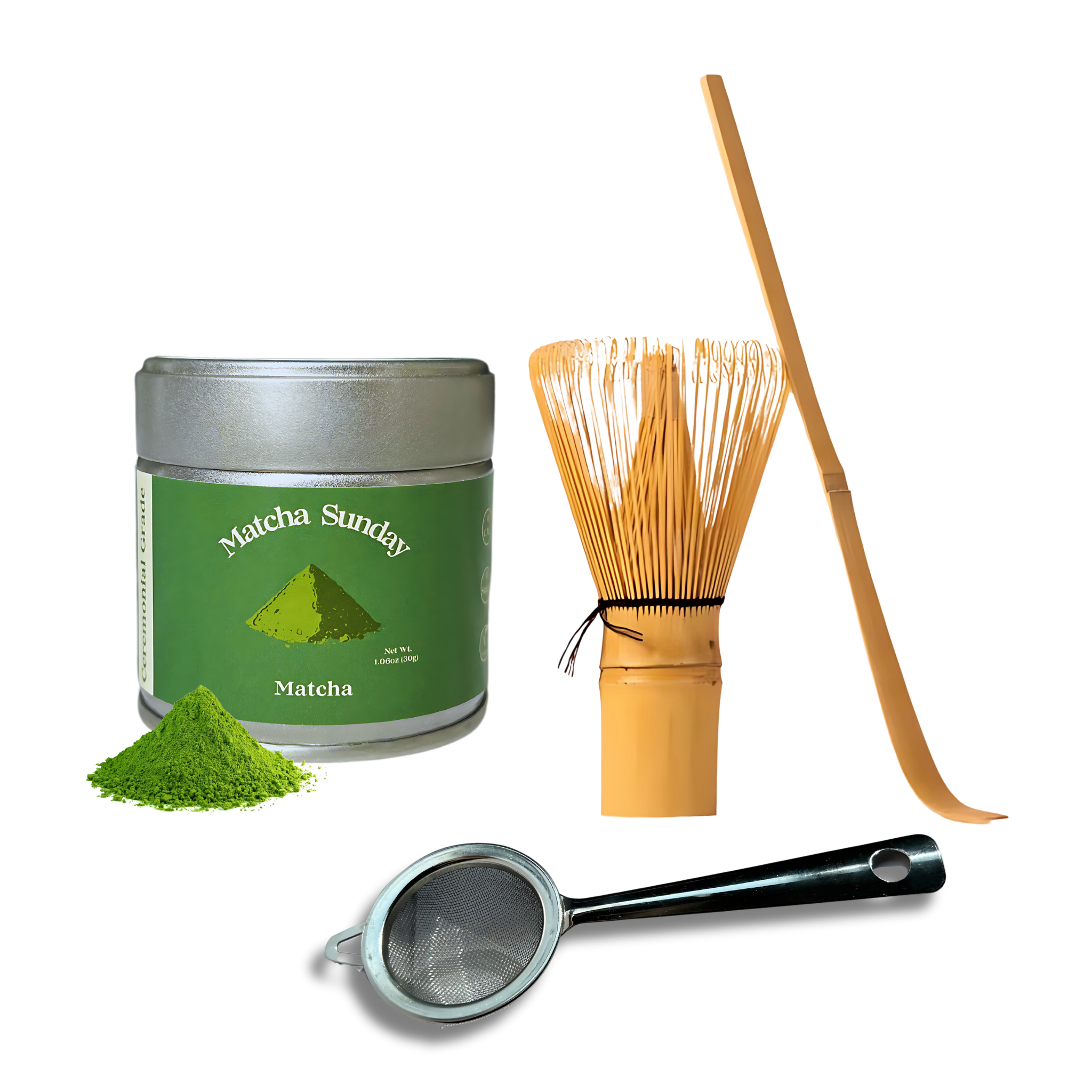
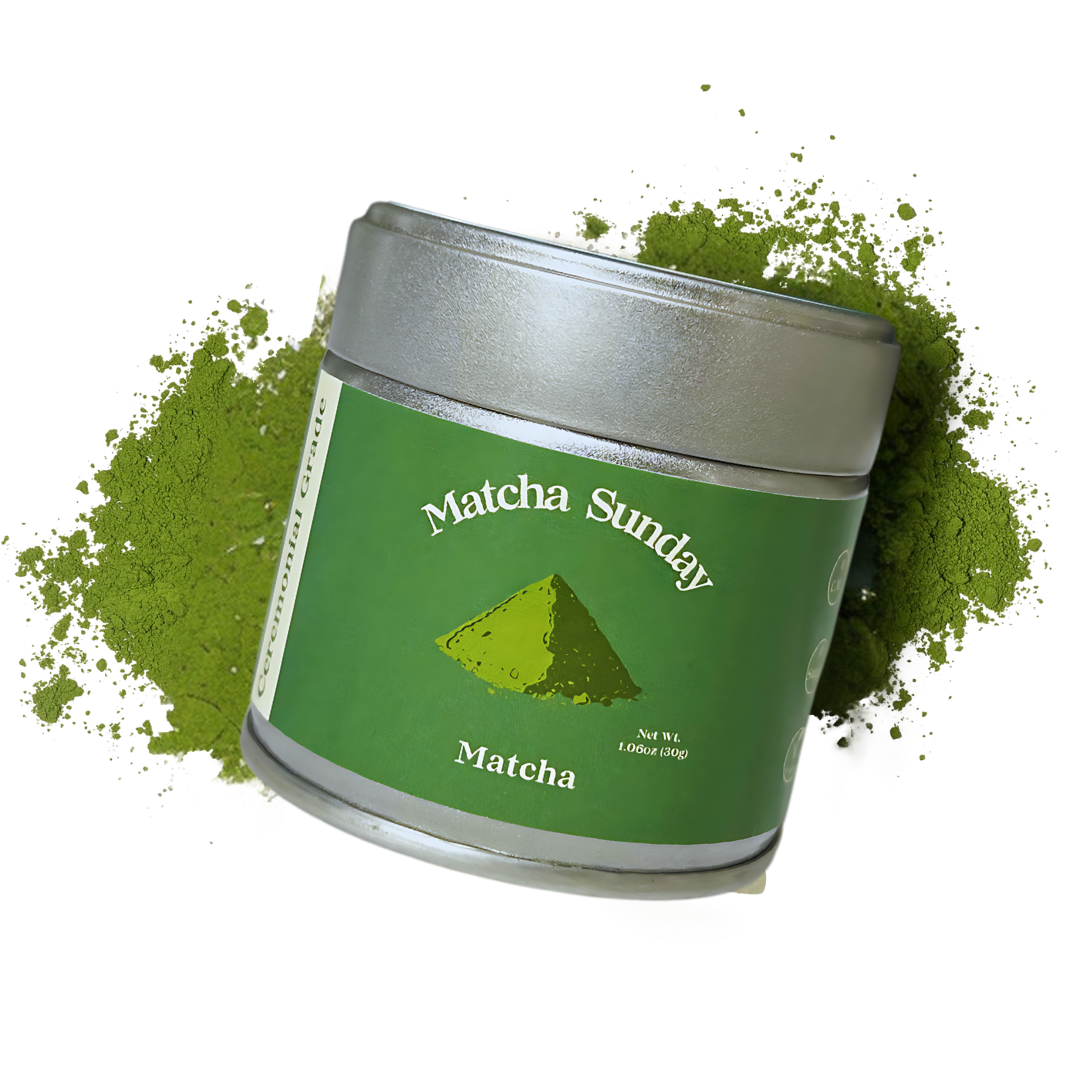
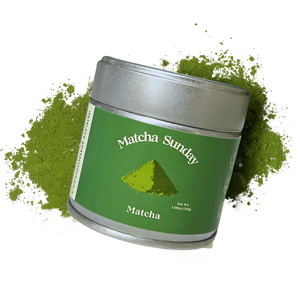
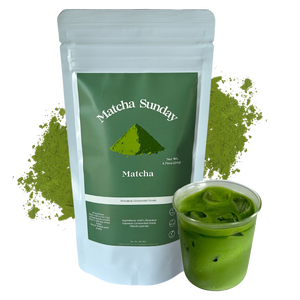
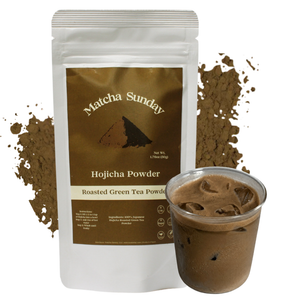
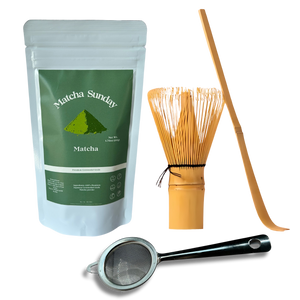
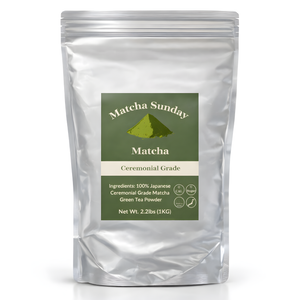
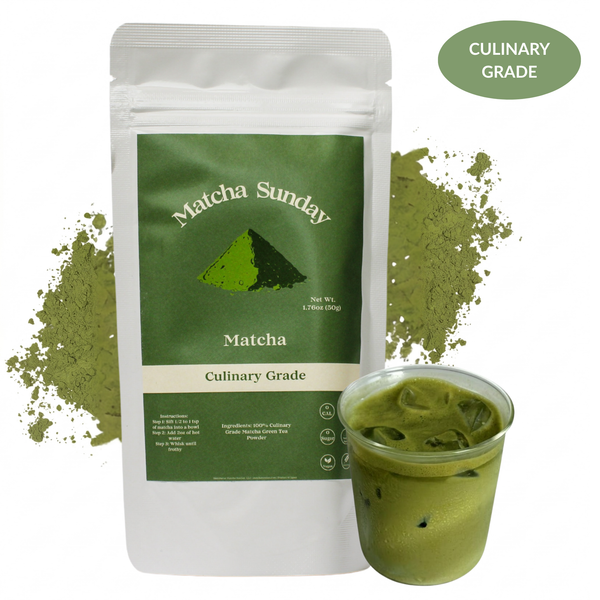
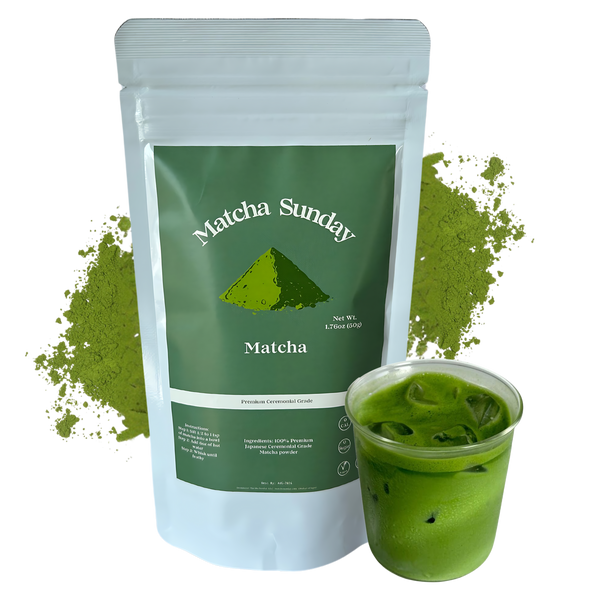
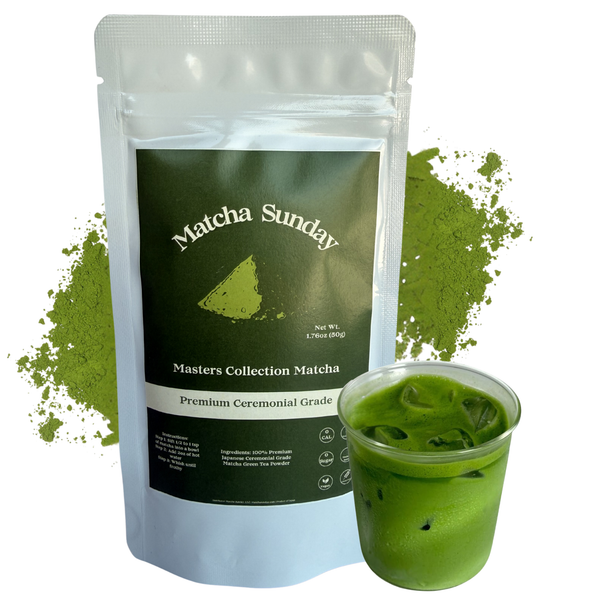
Our culinary, ceremonial, and Masters Collection powders are all stone ground in Japan and ship fresh in airtight pouches. Whether you are making your first iced matcha latte or your five hundredth, the quality is the reason you keep coming back. Find your matcha and taste the difference real Japanese matcha makes.
Start your matcha ritual
All 100% matcha from Japan. Pick the one that fits how you like to drink it.
Frequently asked questions
Why is matcha more popular than coffee now?
Matcha is not outselling coffee overall, but it is the fastest growing hot drink category globally. Its appeal comes from delivering caffeine with L theanine for calm, sustained energy instead of the spike and crash pattern many coffee drinkers experience. Younger adults in particular are shifting toward tea based beverages, driving significant category growth.
What makes matcha different from regular green tea?
Matcha is made from shade grown tea leaves from Japan that are stone ground into a fine powder. You consume the entire leaf rather than steeping and discarding it. This means matcha contains significantly more L theanine, antioxidants, and caffeine per serving than steeped green tea, and delivers a richer, more concentrated flavor.
How much caffeine does matcha have compared to coffee?
A standard matcha serving (about 2 grams of powder) contains approximately 60 to 70 mg of caffeine. An 8 ounce cup of drip coffee contains 95 to 200 mg. Matcha has less caffeine per serving, but the L theanine in matcha slows caffeine absorption and produces a steadier, longer lasting energy curve of 4 to 6 hours.
What is L theanine and why does it matter?
L theanine is an amino acid found almost exclusively in tea plants, with especially high concentrations in shade grown matcha. It promotes alpha brain wave activity associated with relaxed focus. When combined with caffeine, L theanine smooths the stimulating effect, enhancing attention and mood without the jitters or crash that caffeine alone can cause.
Is there really a matcha shortage in 2026?
Yes. Global demand for matcha has outpaced Japan's tencha production capacity, with auction prices roughly doubling from 2025 to 2026. The shortage is structural: expanding shade grown tea fields takes years. Japan's agriculture ministry is encouraging more production, but it will take time to close the gap. You can read the full story in our matcha shortage explainer.
Why is quality matcha so expensive?
Authentic matcha from Japan requires shade growing for several weeks before harvest, hand picking the youngest leaves, removing stems and veins, and stone grinding the leaves slowly to avoid heat damage. This labor intensive process, combined with the current global supply shortage, keeps prices high. Lower cost alternatives often use unshaded leaves or non Japanese sources and lack the flavor and nutritional profile of genuine matcha.
Will matcha stay popular or is it just a trend?
Matcha has strong staying power because it combines genuine health benefits, cafe infrastructure support, cultural relevance, and supply chain depth backed by centuries of Japanese agriculture. Unlike purely aesthetic food trends, matcha delivers measurable functional value through its caffeine and L theanine combination, which keeps consumers coming back after the novelty fades.
Can I make good matcha at home?
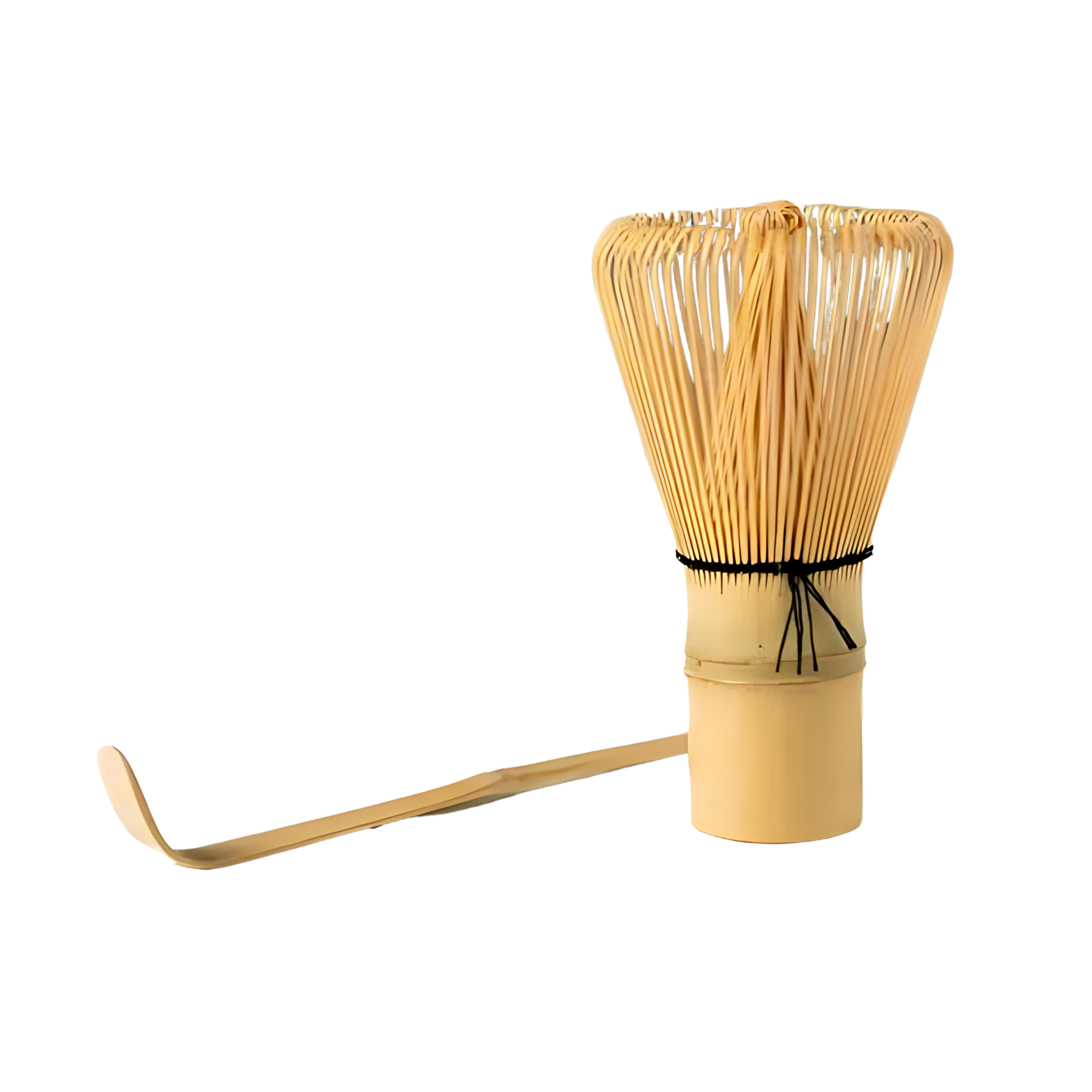
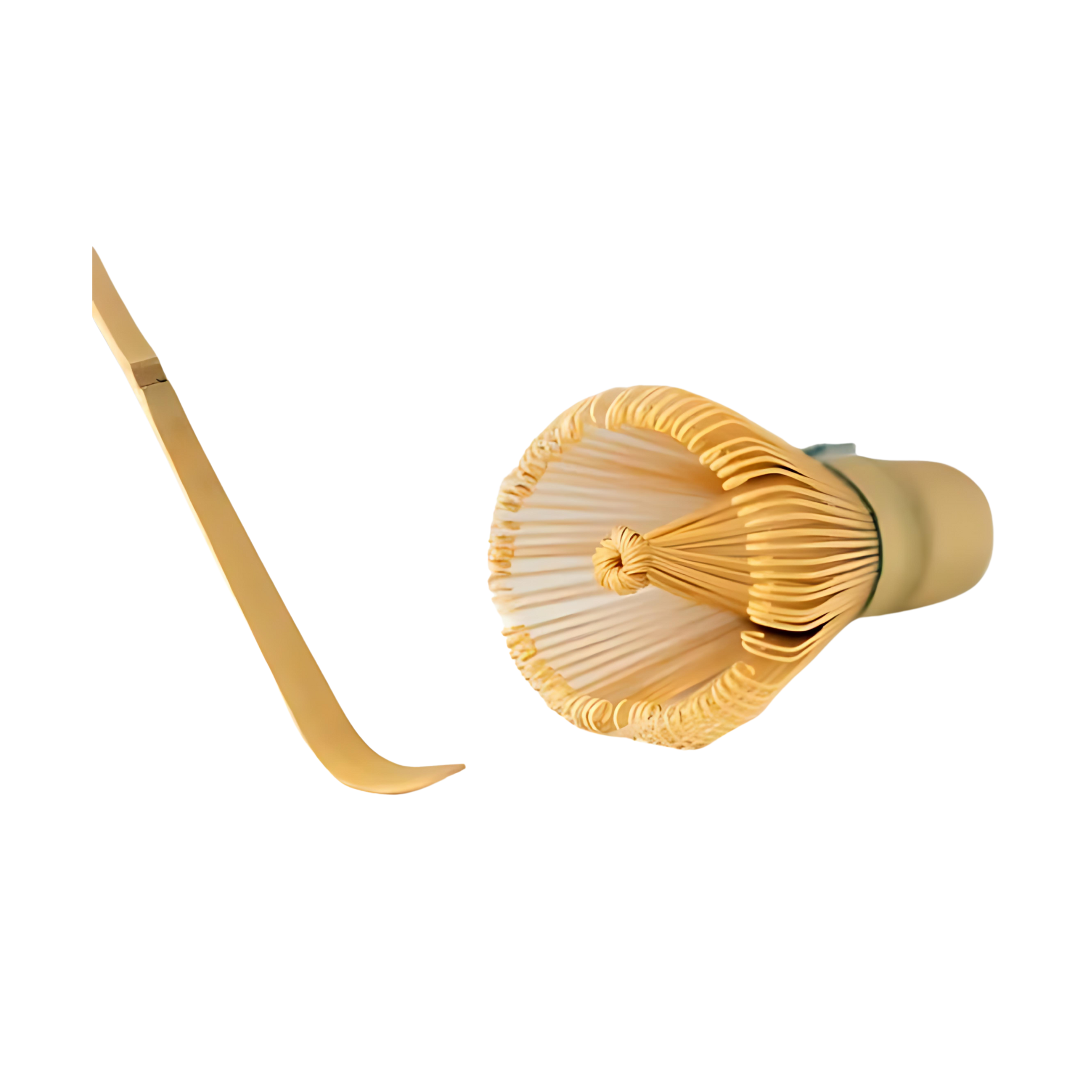
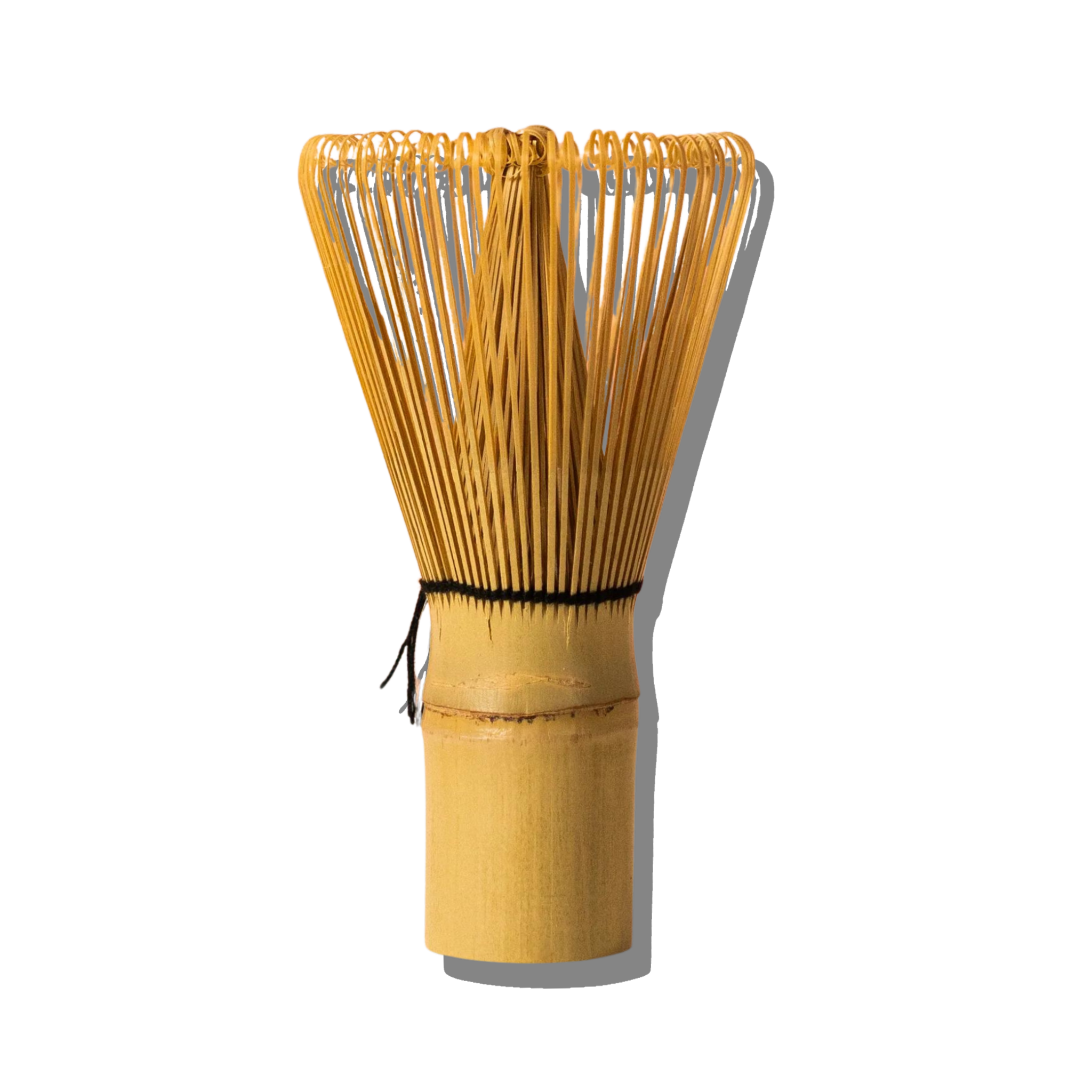
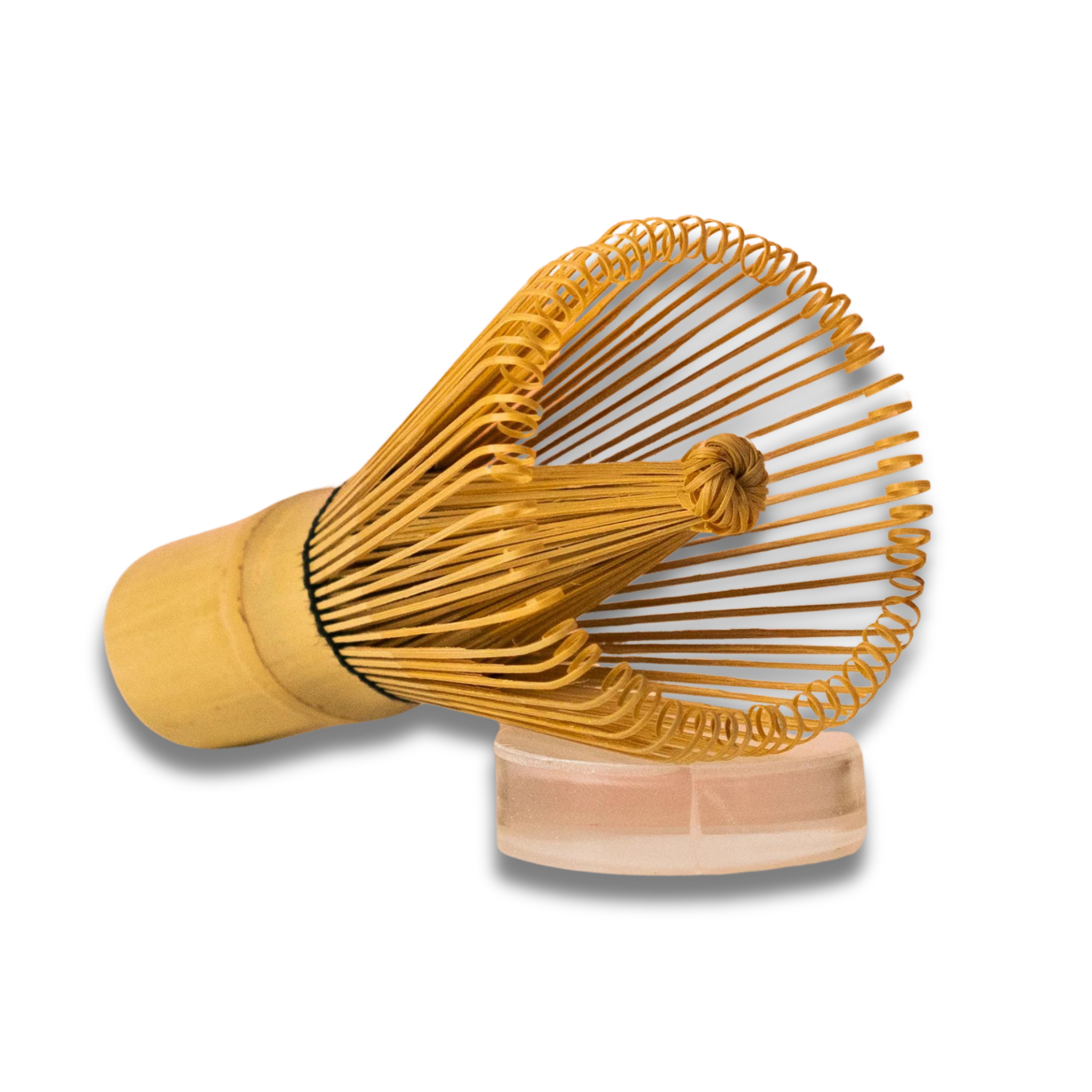
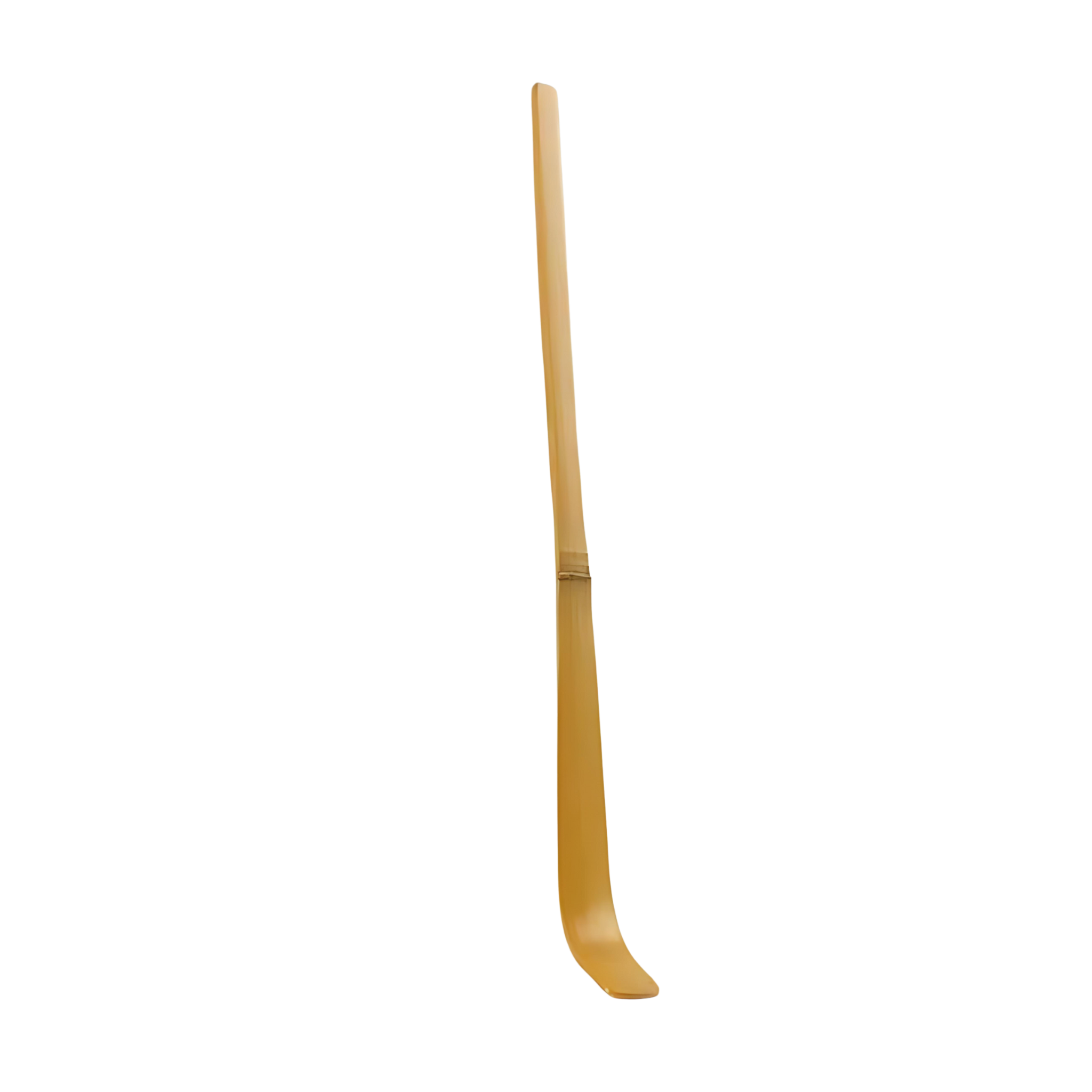
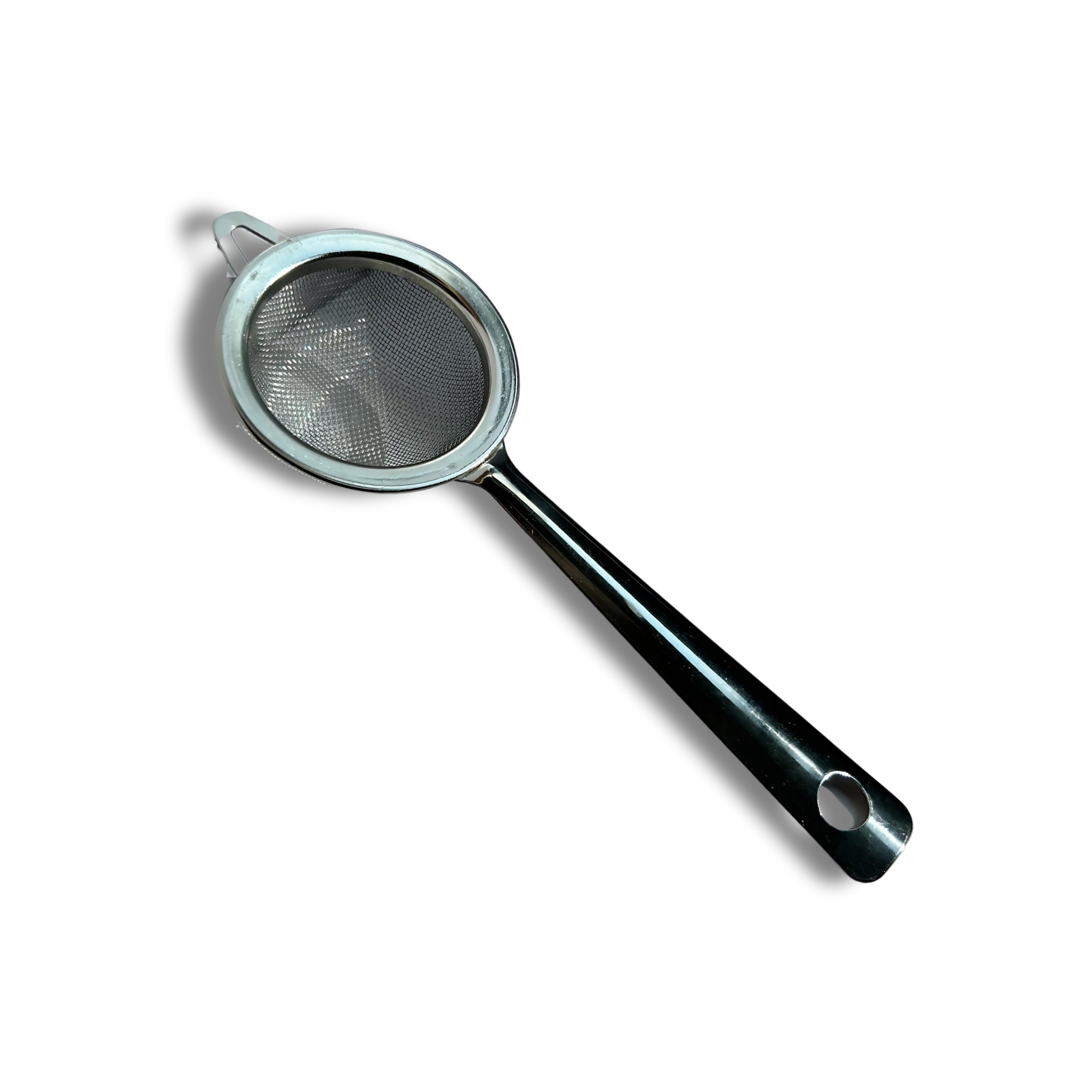
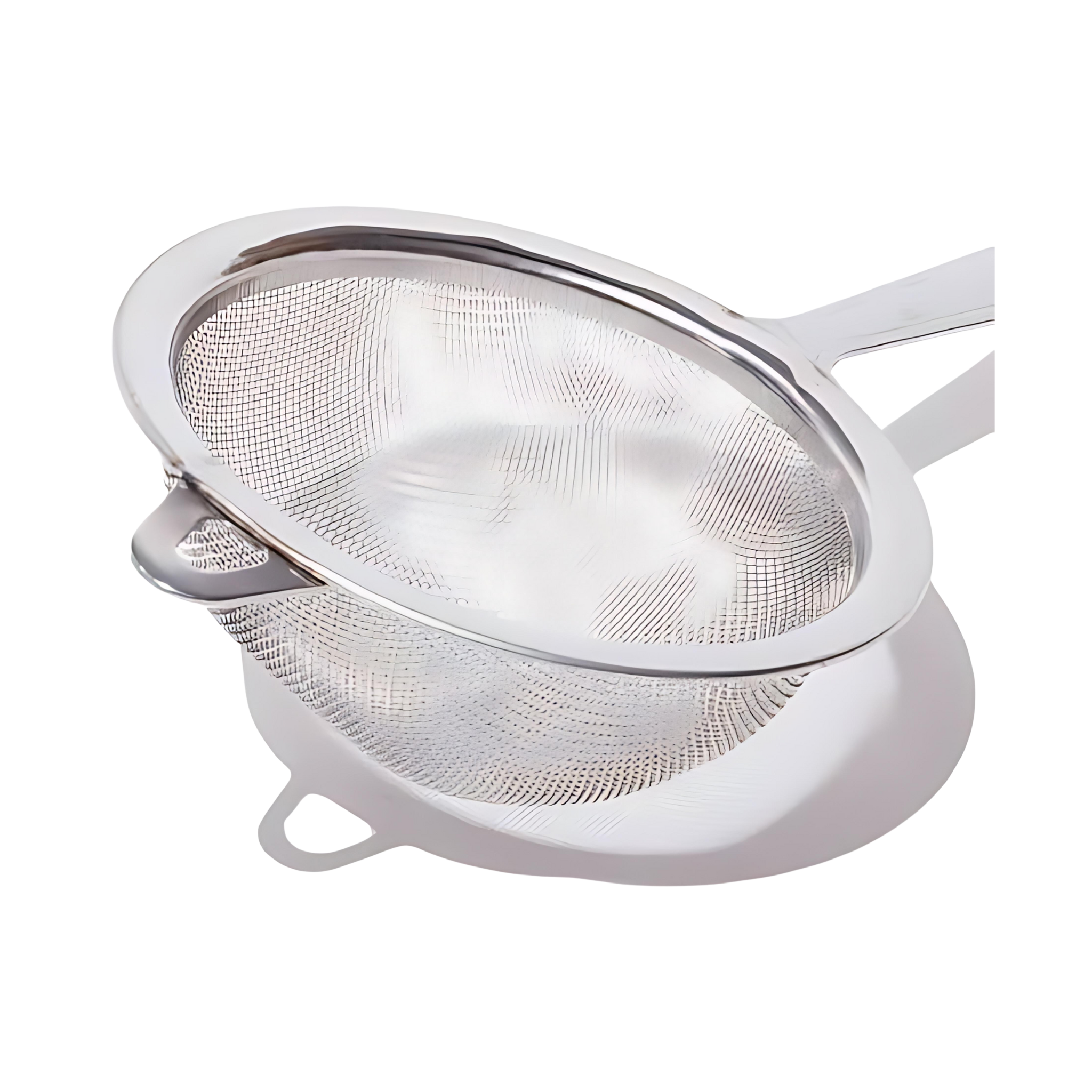
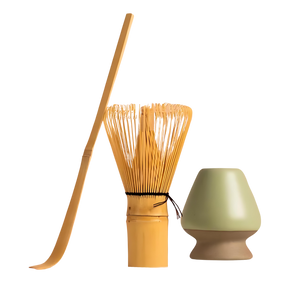
Yes. All you need is quality matcha powder from Japan, hot water at around 175 degrees Fahrenheit, and a bamboo whisk or milk frother. Sift 1 to 2 grams of matcha into a bowl or cup, add a small amount of water, whisk until smooth and frothy, then add more water or milk to taste. Starting with good quality powder matters more than any specific technique or equipment.