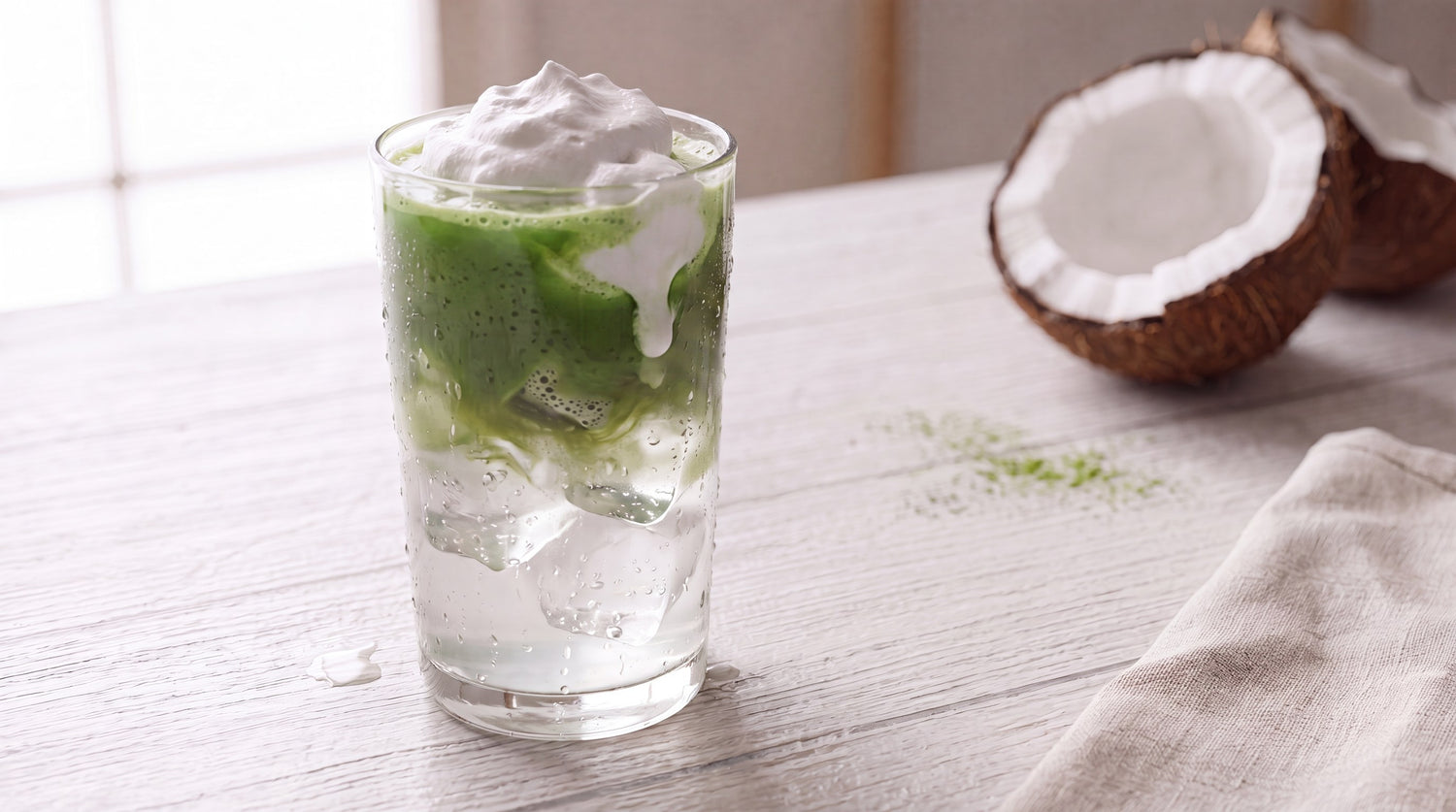
A coconut matcha cloud is an iced drink of vivid matcha from Japan shaken smooth, poured over ice and chilled coconut water, then topped with a soft whipped coconut cream cloud that slowly melts into the glass. It carries roughly 60 to 70 mg of caffeine, tastes light, grassy and gently sweet, and takes about 10 minutes with no gadgets.
What is a coconut matcha cloud?
A coconut matcha cloud is a layered iced matcha drink built on coconut water instead of milk, finished with a spoonful of whipped coconut cream floating on top like a cloud. The base stays light and hydrating while the cream drifts down through the green as you sip, so every mouthful shifts from crisp to silky.
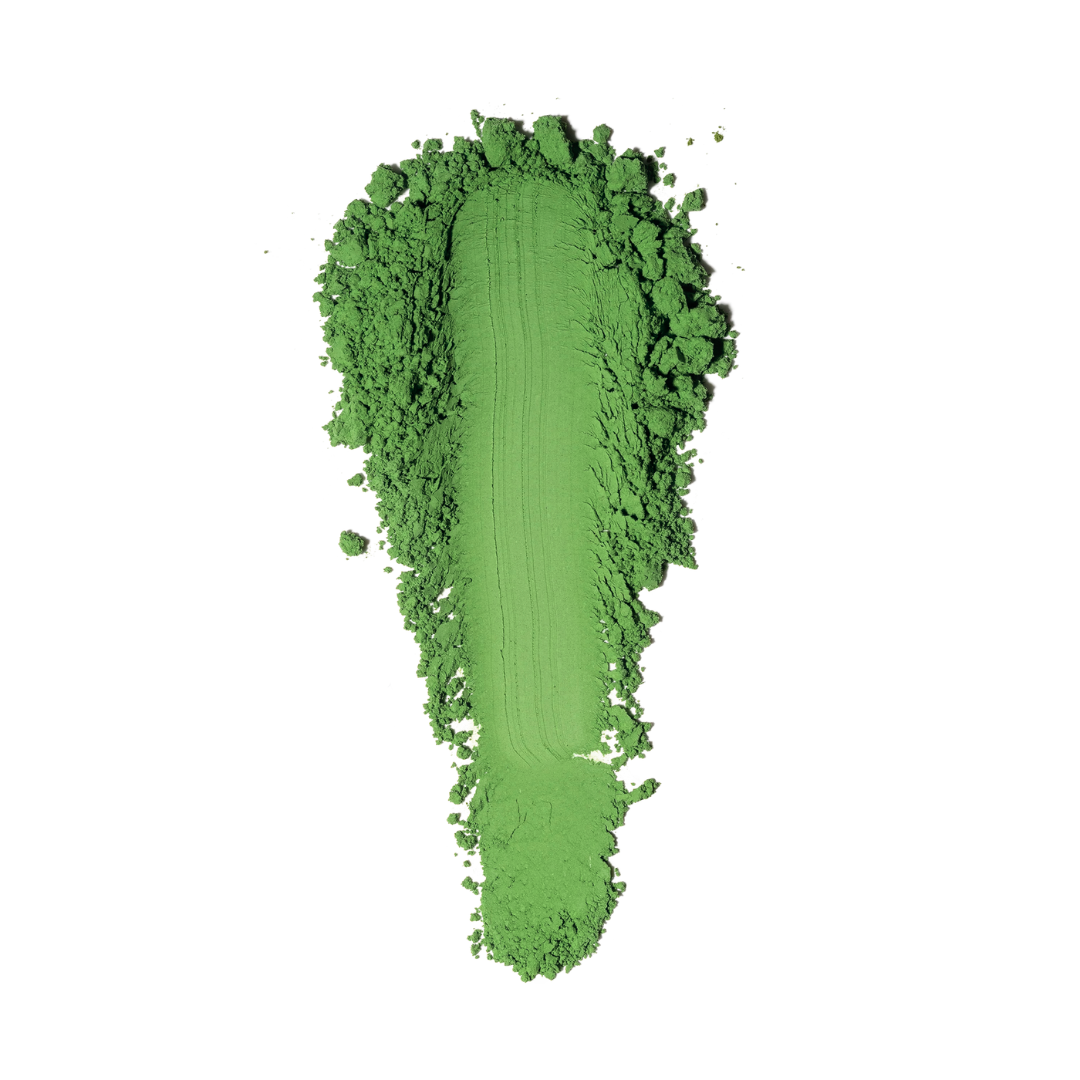
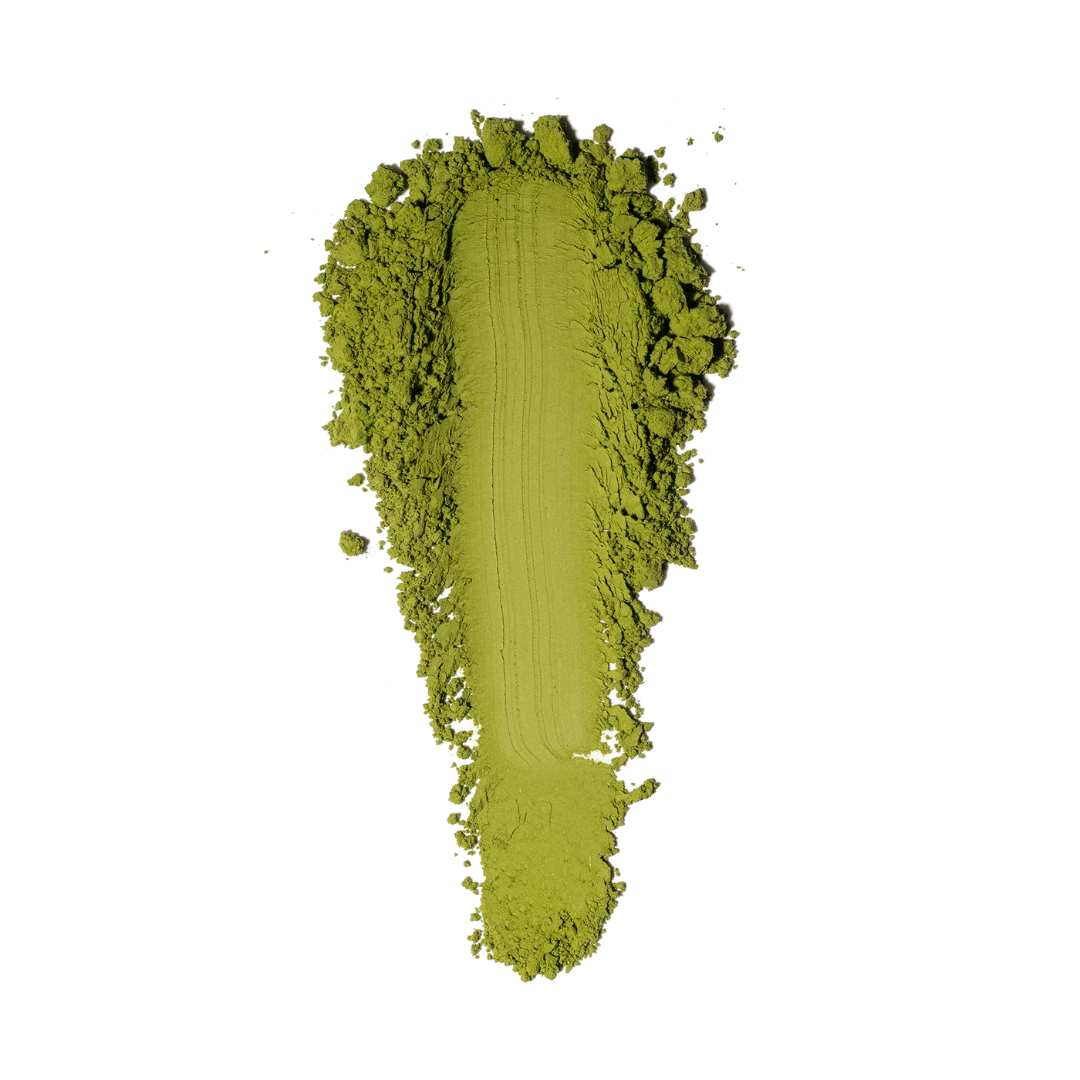
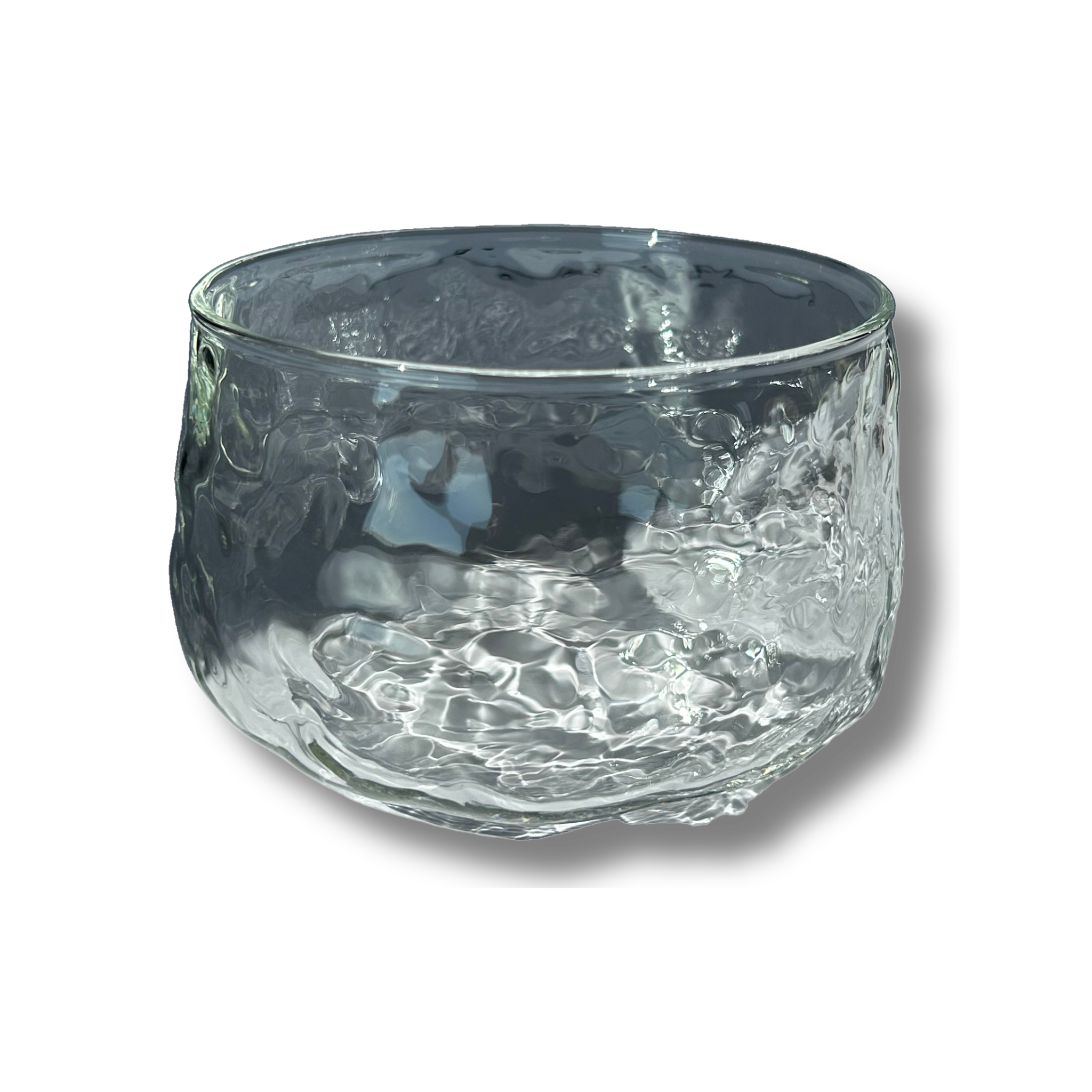
We have been seeing this build show up more and more on cafe menus and in our own kitchen, and we understand why. Like the matcha lemonade we make on hot afternoons, it looks stunning in a clear glass, it is naturally dairy free, and it tastes like a vacation. Coconut water is subtly sweet, so it lets matcha's grassy, umami depth shine instead of flattening it the way heavy sweeteners can. And because there is no milk in the base, color matters more than usual. A dull, yellowish matcha reads murky in coconut water, while a vivid green matcha glows. In our testing that is the single biggest quality lever in this whole recipe.
How do you make a coconut matcha cloud at home?
Shake sifted matcha with a splash of cold water until smooth, pour it over ice and chilled coconut water in a tall clear glass, then top with whipped coconut cream. The key move is the shake: 2 g of matcha in 60 ml of cold water, a 1:30 shake ratio, gets the matcha completely smooth and lightly frothy before it ever meets the ice.
| Ingredient | Amount | Notes |
|---|---|---|
| Matcha | 2 g (about 1 teaspoon) | Vivid green matcha from Japan, sifted |
| Cold water | 60 ml | For shaking the matcha smooth |
| Coconut water | 200 ml | Chilled, unsweetened |
| Ice | 1 full glass | Large cubes melt slower |
| Coconut cream | 80 ml (about 4 tablespoons) | The thick part of a chilled can |
| Maple syrup | 1 to 2 teaspoons | Optional, split between drink and cloud |
| Vanilla extract | Small splash | Optional, for the cloud |
- The night before, put a can of full fat coconut milk or coconut cream in the fridge so the thick cream sets firmly at the top.
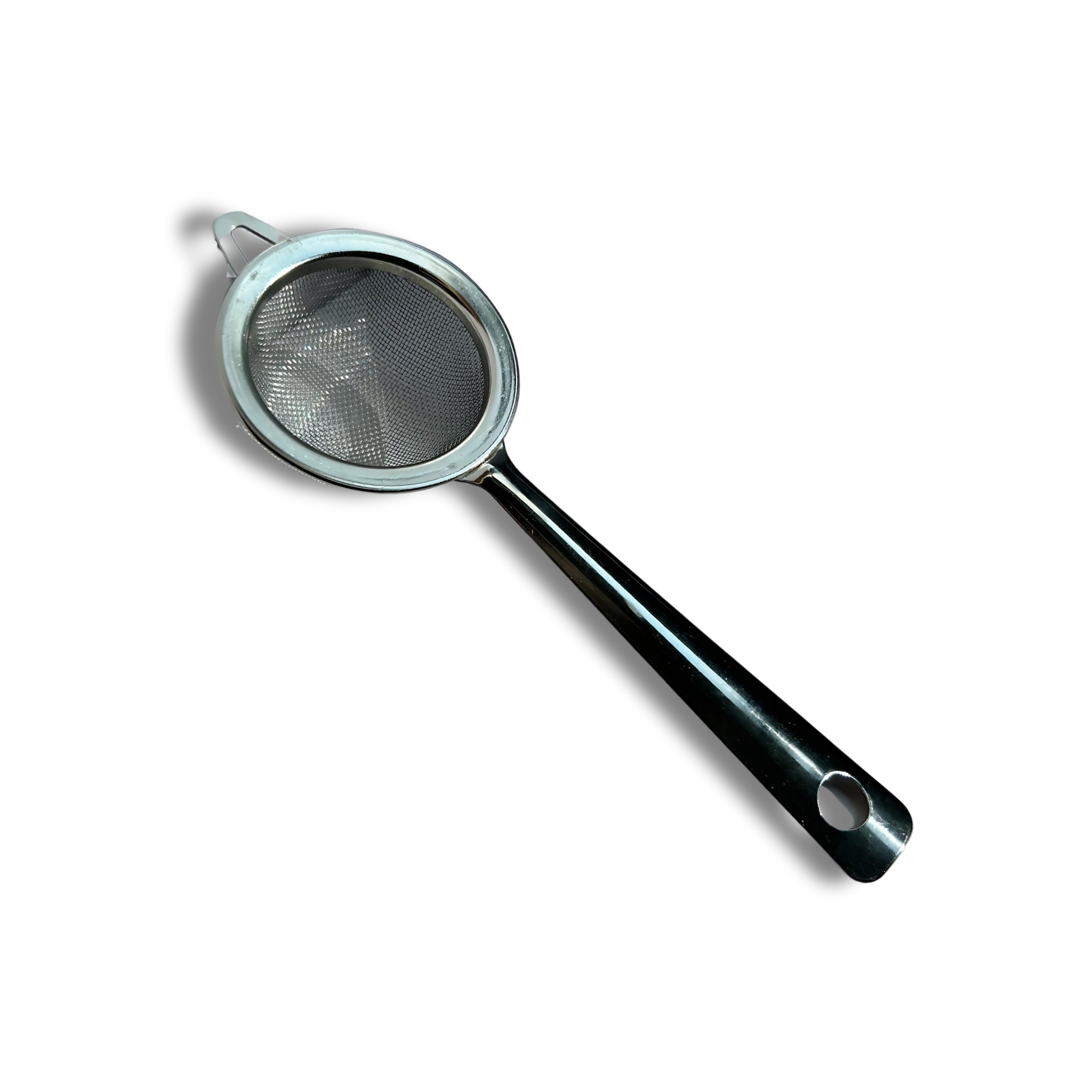
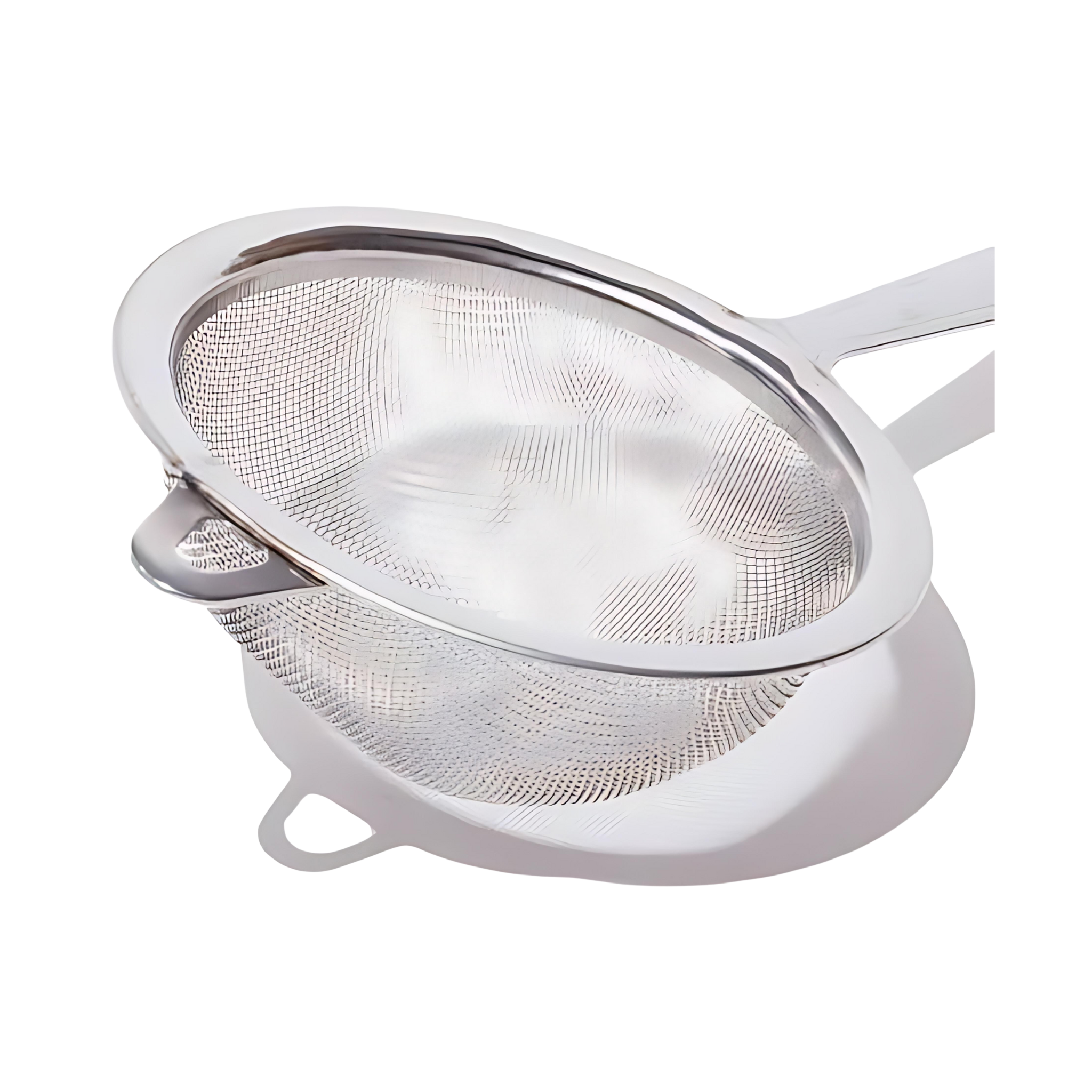
- Sift 2 g of matcha into a jar or cocktail shaker. Sifting first is non negotiable in cold drinks; our clump free iced matcha guide explains why cold preparations clump more than hot ones.
- Add 60 ml of cold water, seal, and shake hard for 15 to 20 seconds until completely smooth and lightly frothy.
- Fill a tall clear glass with ice, pour in 200 ml of chilled coconut water, and stir in 1 teaspoon of maple syrup if you want a sweeter base.
- Pour the shaken matcha slowly over the ice so it layers into the coconut water.
- Open the chilled can without shaking it and scoop only the thick white cream into a bowl, leaving the watery liquid behind. Add 1 teaspoon of maple syrup and a splash of vanilla if using.
- Whisk the cream for 2 to 3 minutes until it holds soft, droopy peaks. It should mound on a spoon but still pour slowly.
- Spoon the cloud gently onto the surface, let it settle for a few seconds, and serve with a wide straw or a long spoon.
How do you whip the coconut cloud without a frother?
You do not need a frother, a stand mixer, or any gadget at all. The cloud comes from two things: very cold coconut cream and a little agitation. Chill the can overnight, use only the thick set portion, and it whips readily by hand.
- Hand whisk: the classic. Whisk the chilled thick cream in a cold bowl for 2 to 3 minutes until it holds soft peaks. Chilling the bowl for 10 minutes first speeds this up noticeably.
- Jar shake: put the thick cream and sweetener in a small jar, seal, and shake hard for 60 to 90 seconds. This gives a slightly looser, pourable cloud that cascades beautifully down the glass.
- Fork whip: in a pinch, beat the cream briskly with a fork in a shallow bowl for 3 to 4 minutes. Slower, but it works.
If the cream refuses to thicken, it is almost always a temperature problem or a fat problem. Light coconut milk will never whip because there is not enough fat to trap air. Stabilizers on the label matter too, and behavior varies by brand and even by can: guar gum is usually fine and can even help the cloud hold, while cans with emulsifiers like polysorbate 60 tend to stay permanently pourable, so we skip those when we can. Look for coconut cream or full fat coconut milk where the ingredient list is basically coconut, water, and perhaps guar gum, and always chill it overnight rather than rushing it in the freezer.
What matcha should you use for a coconut matcha cloud?
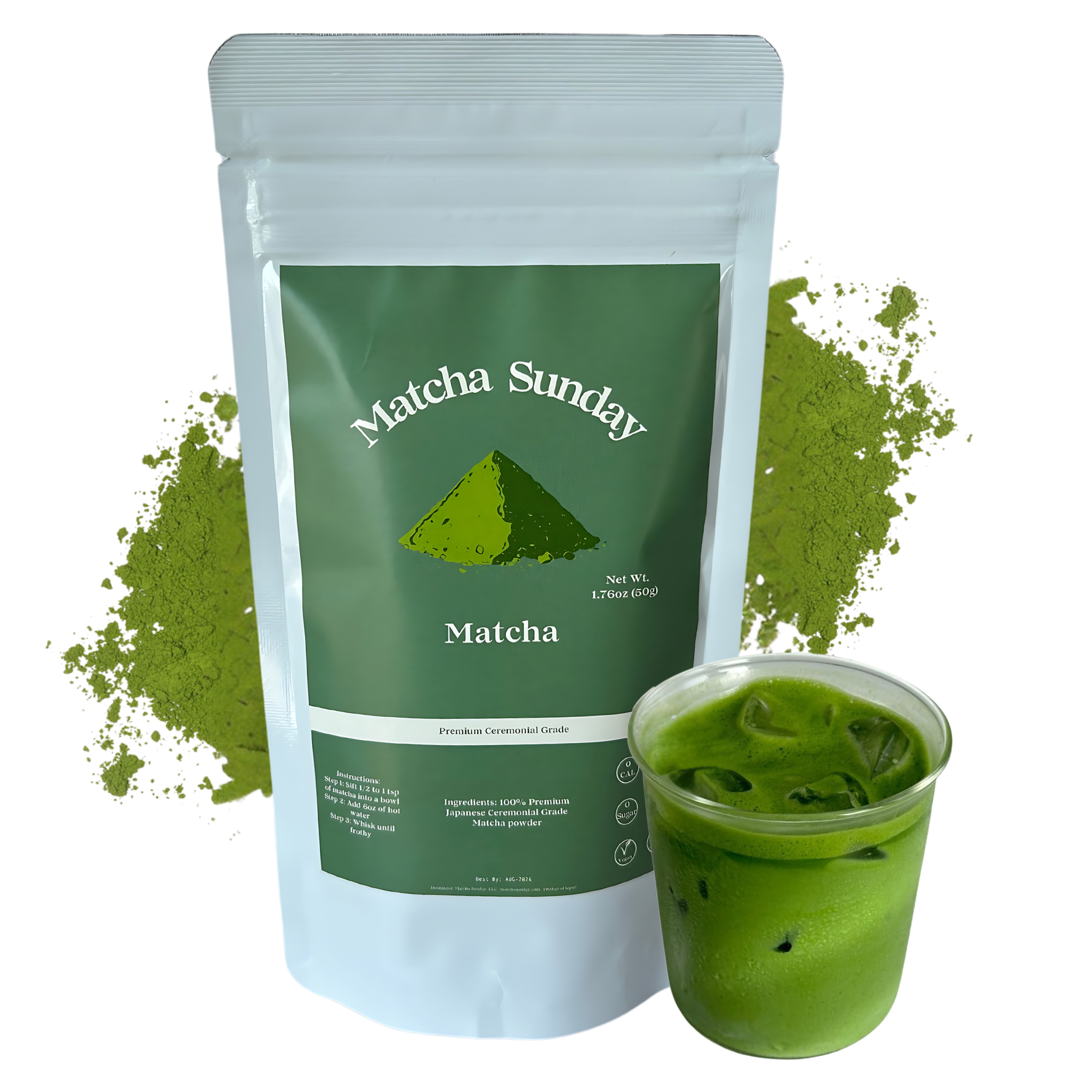
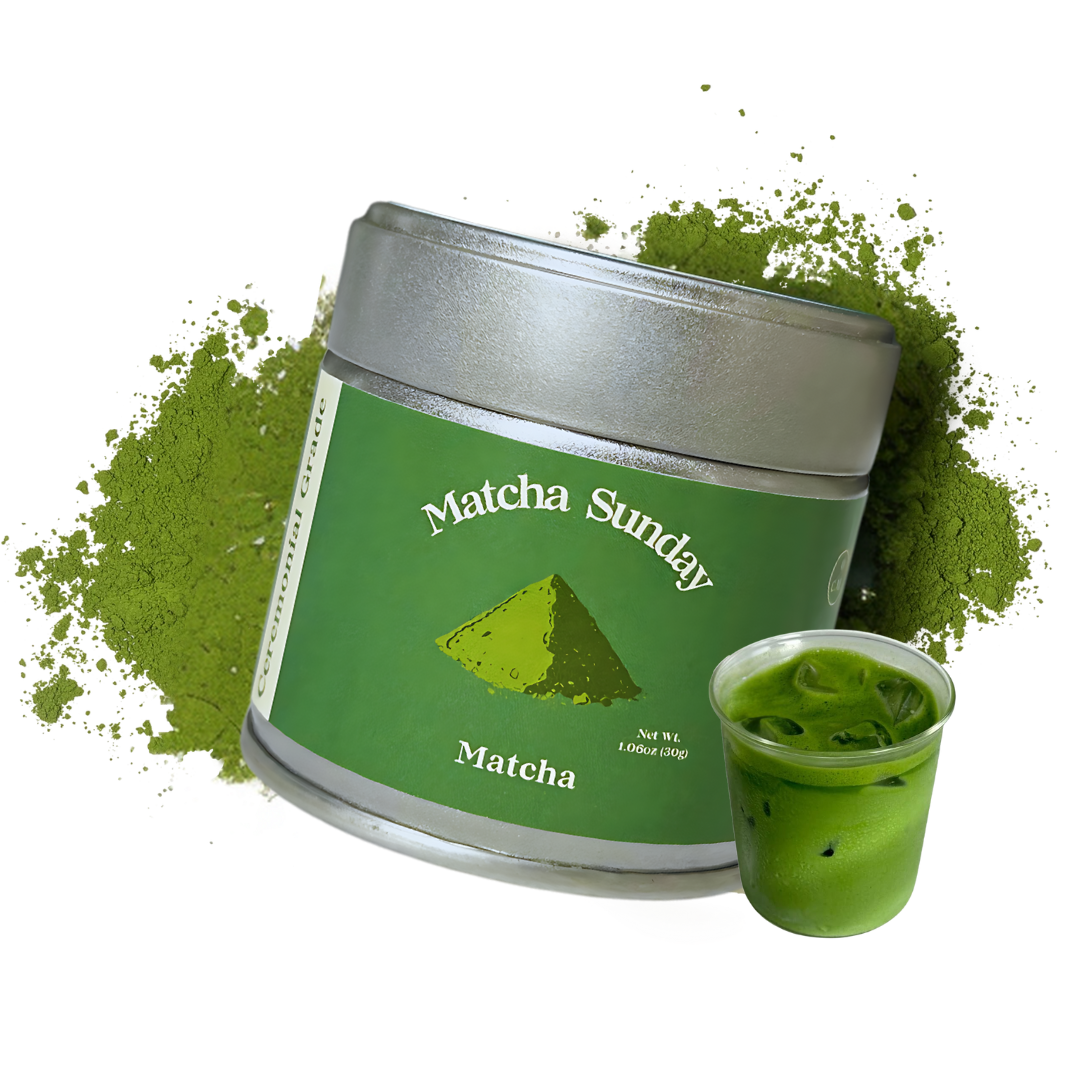
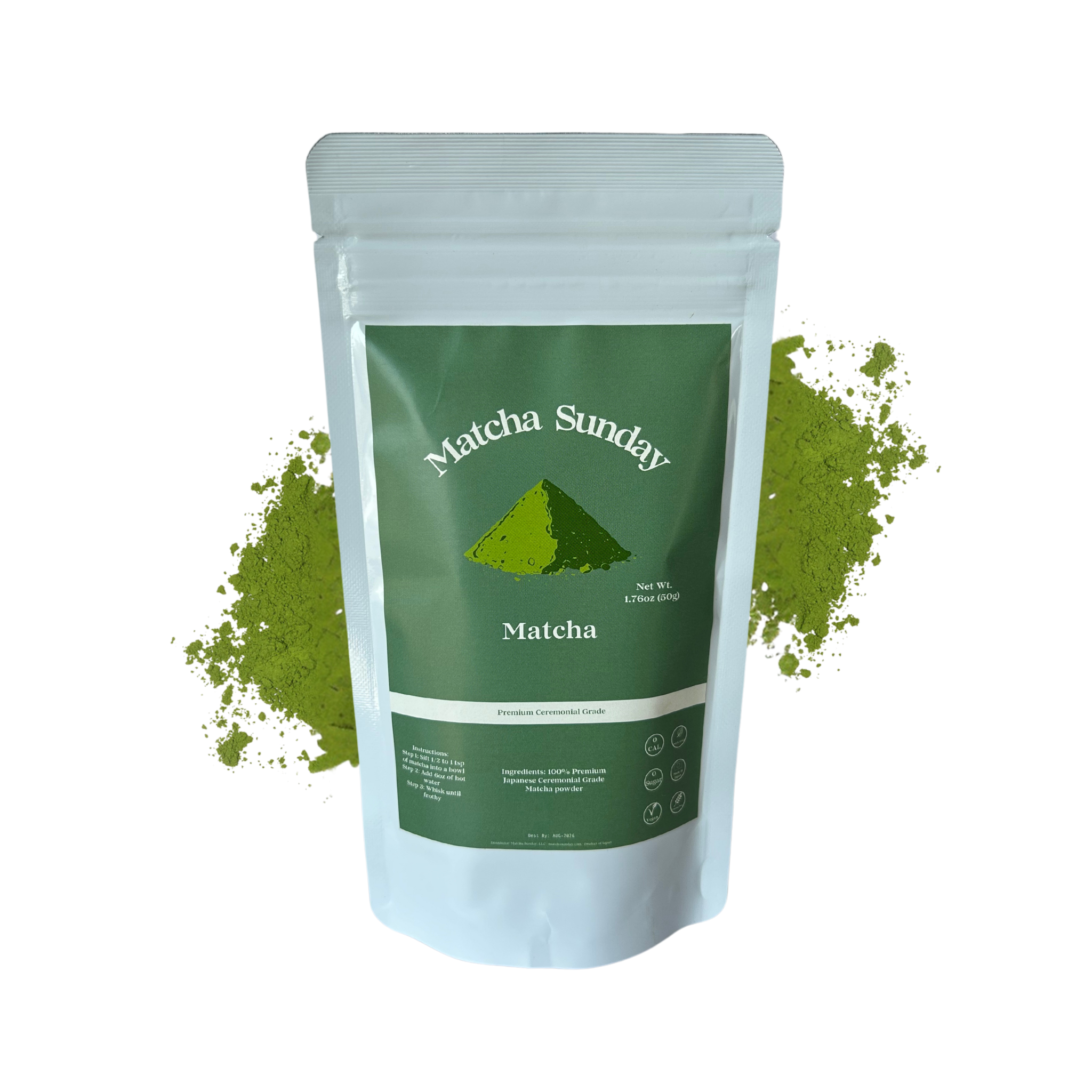
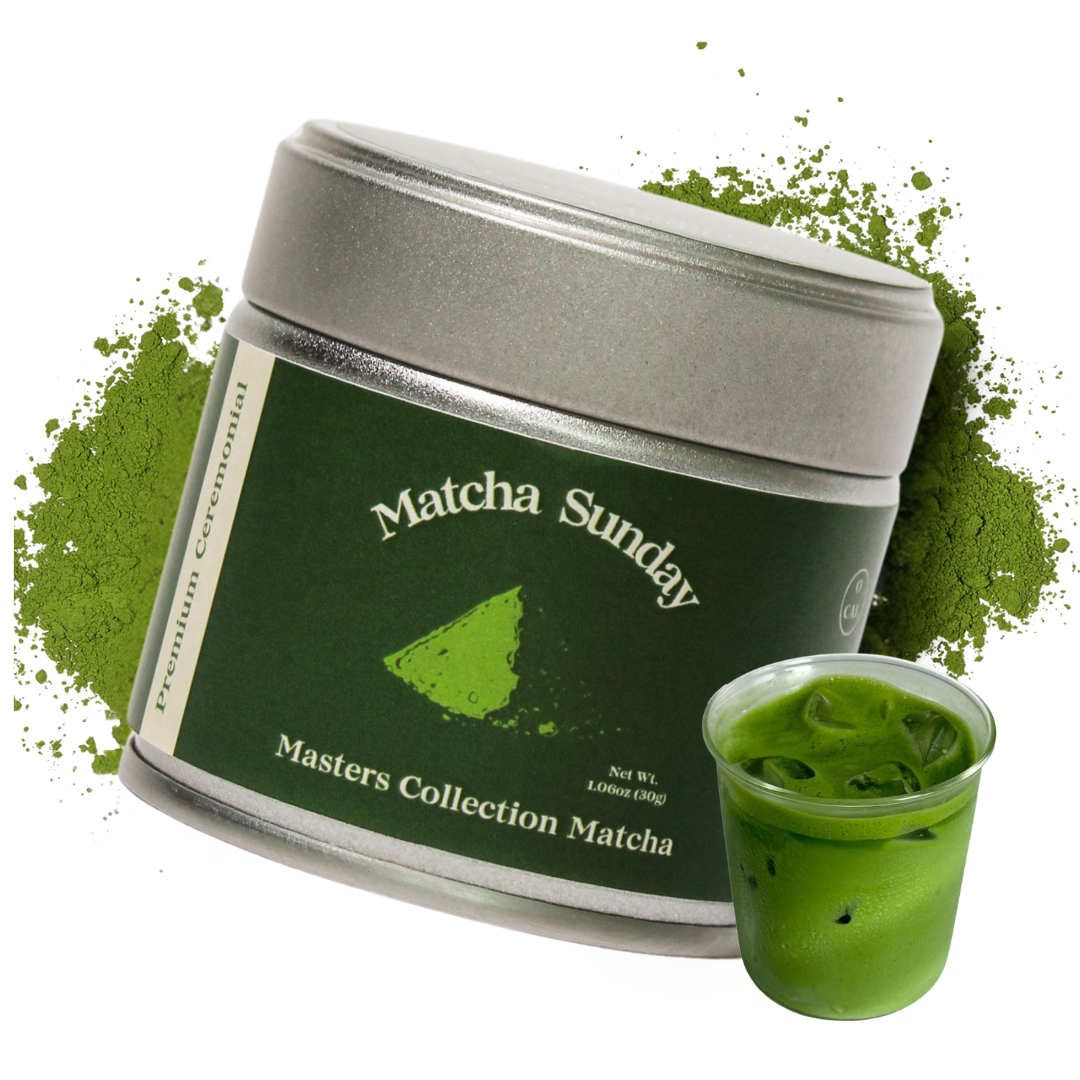
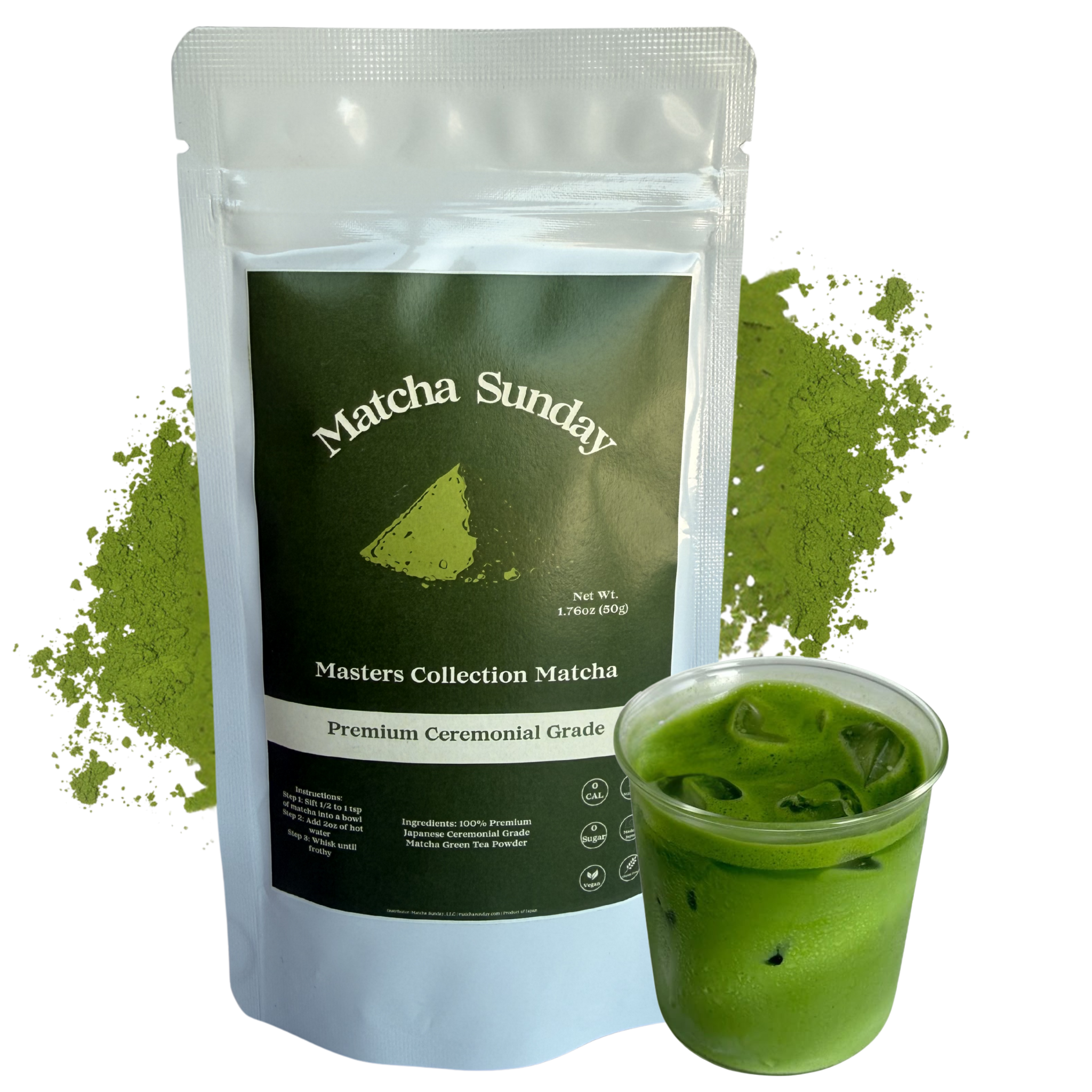
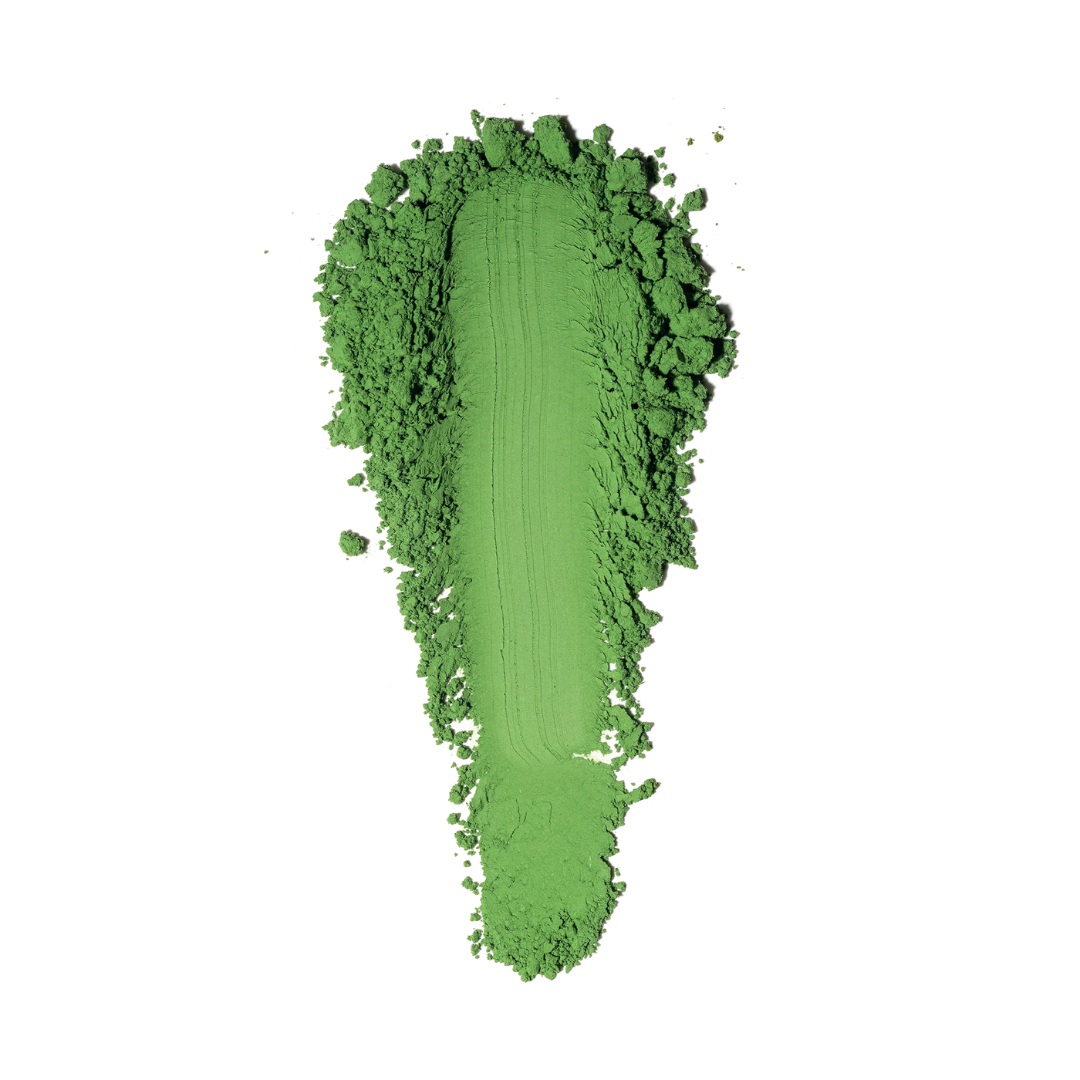
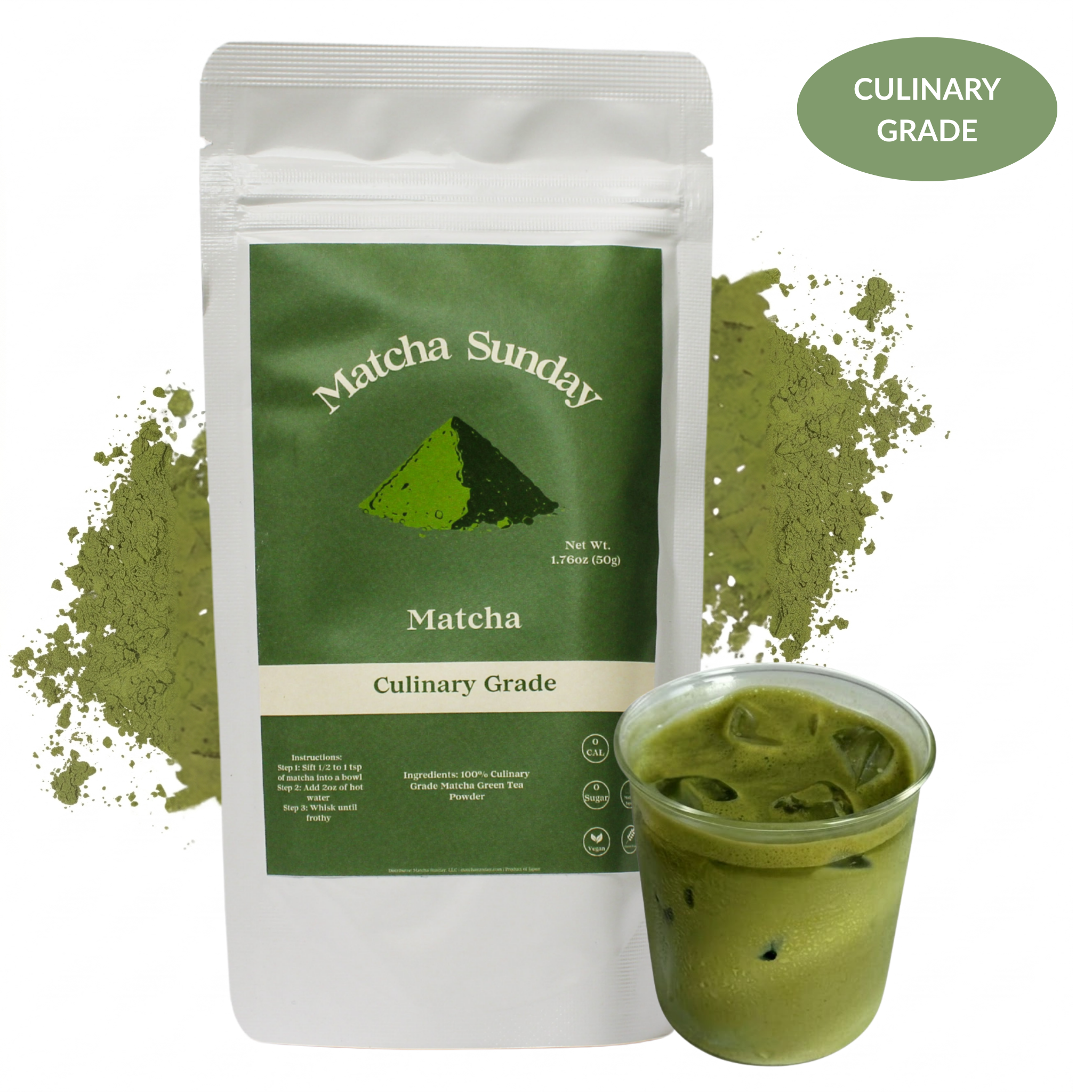
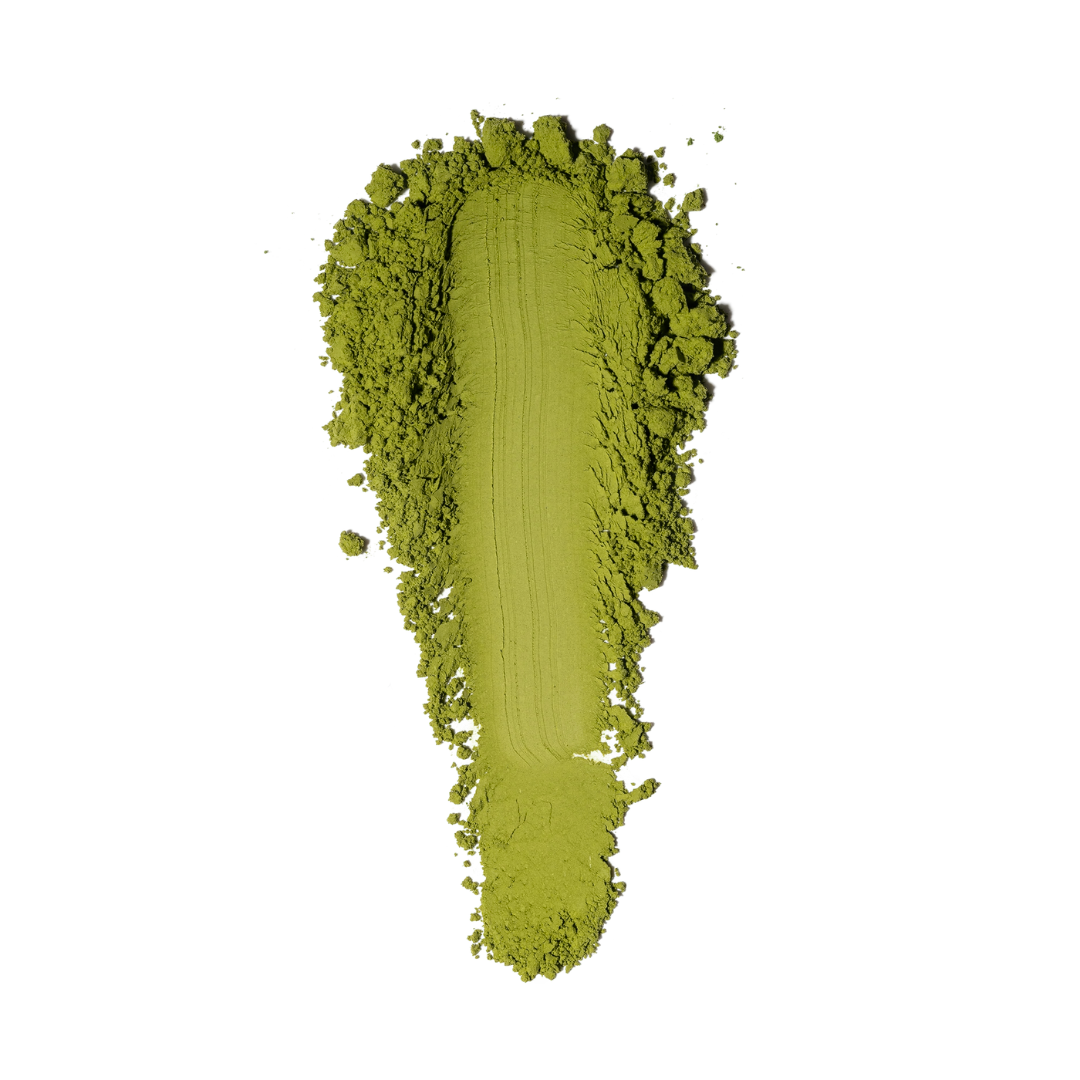
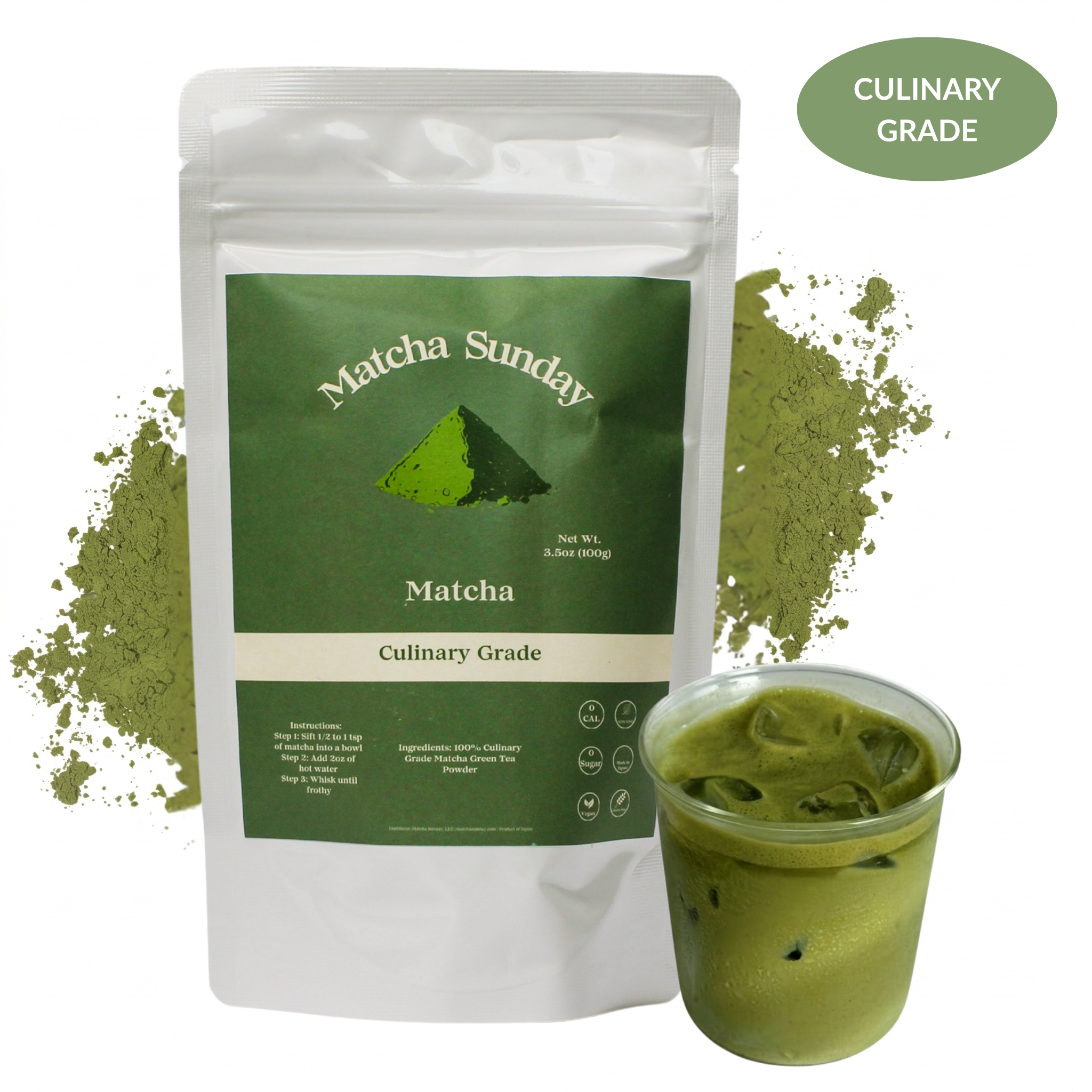
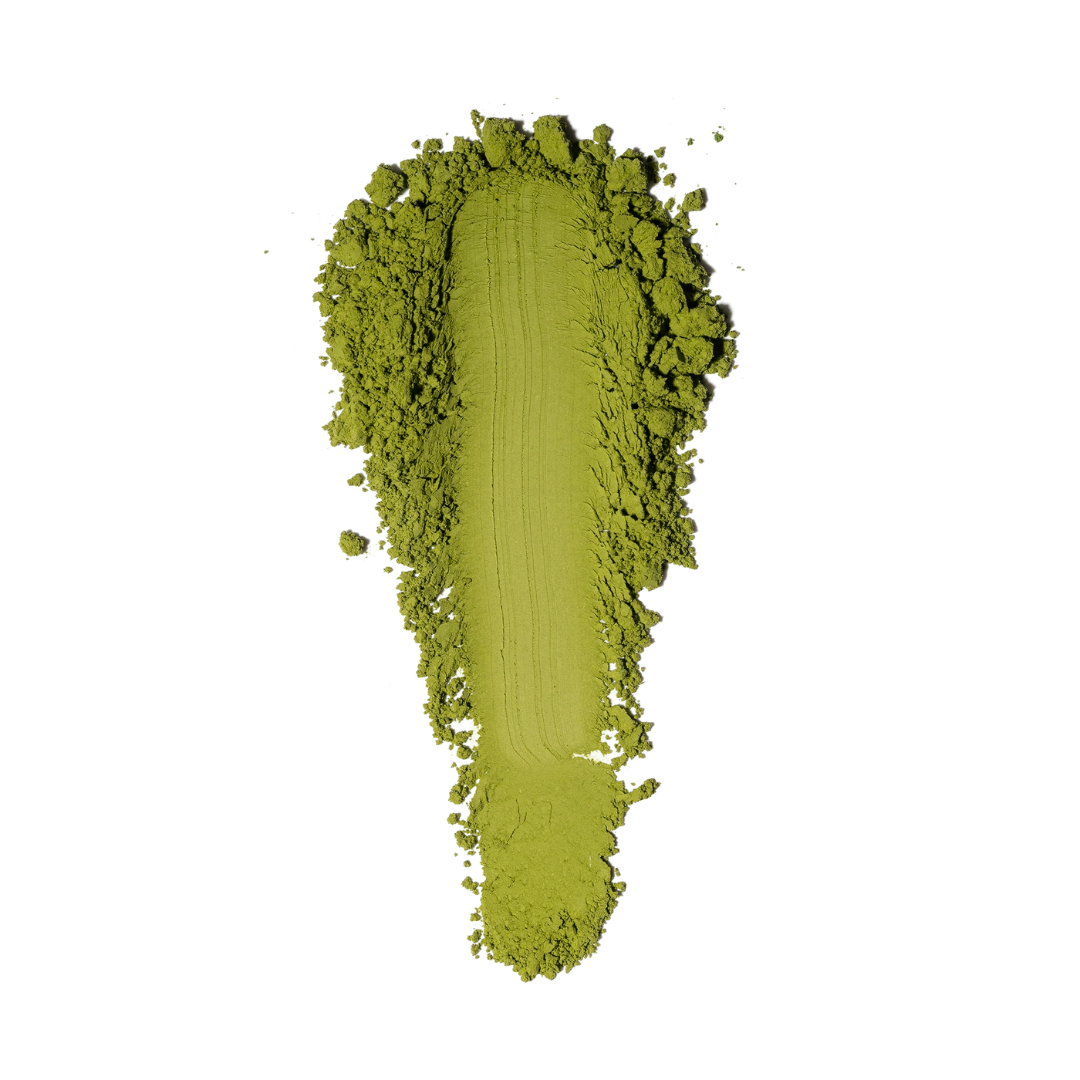
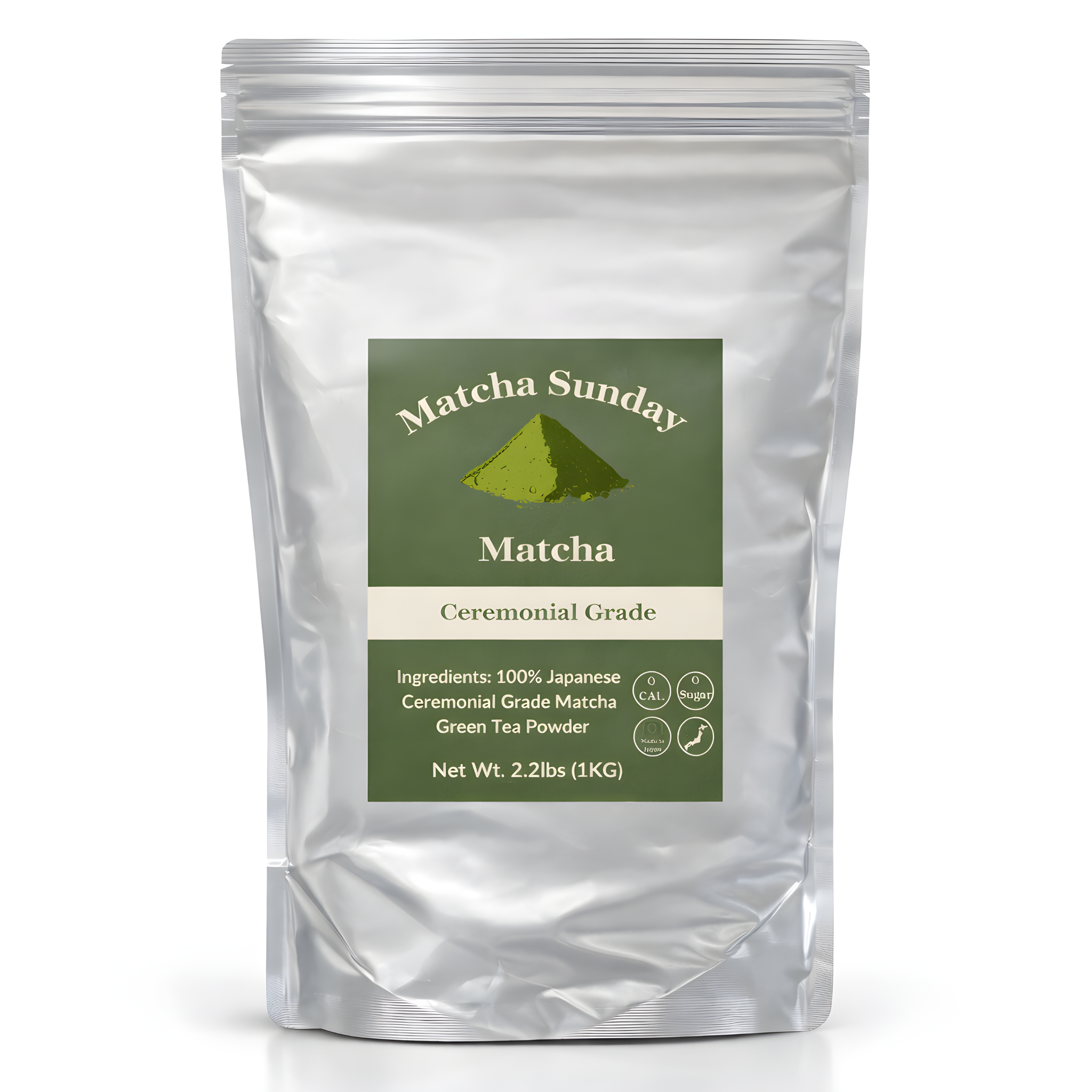
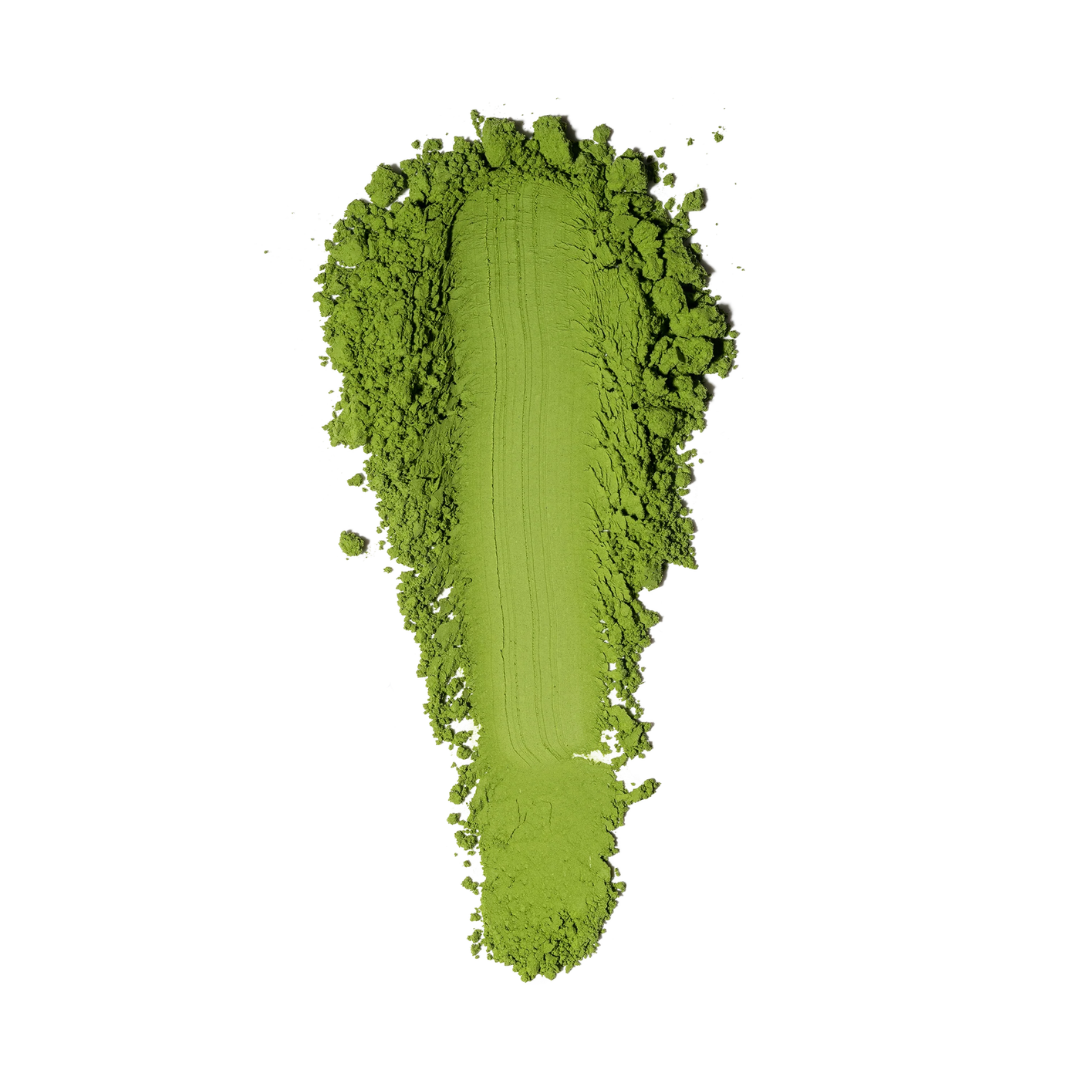
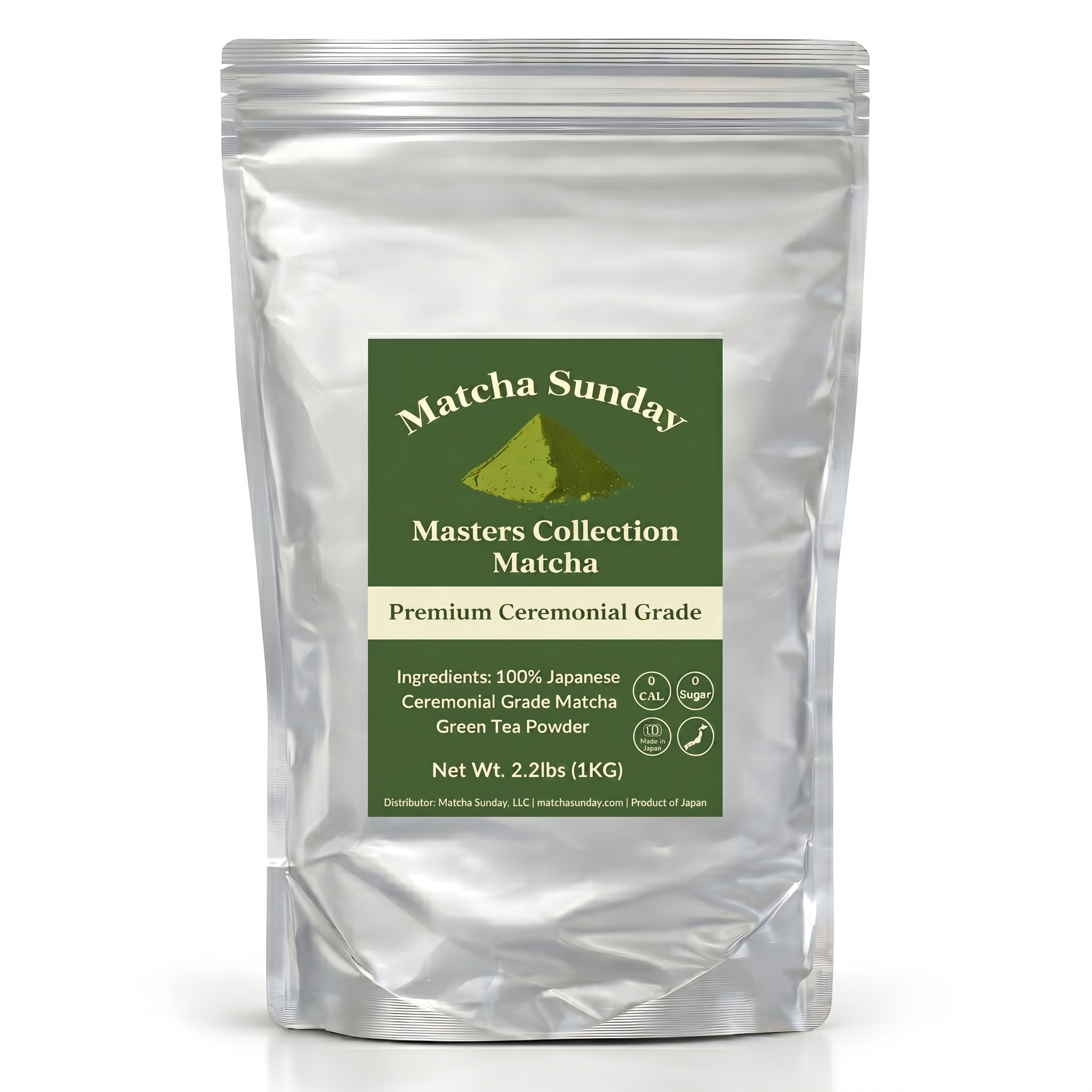
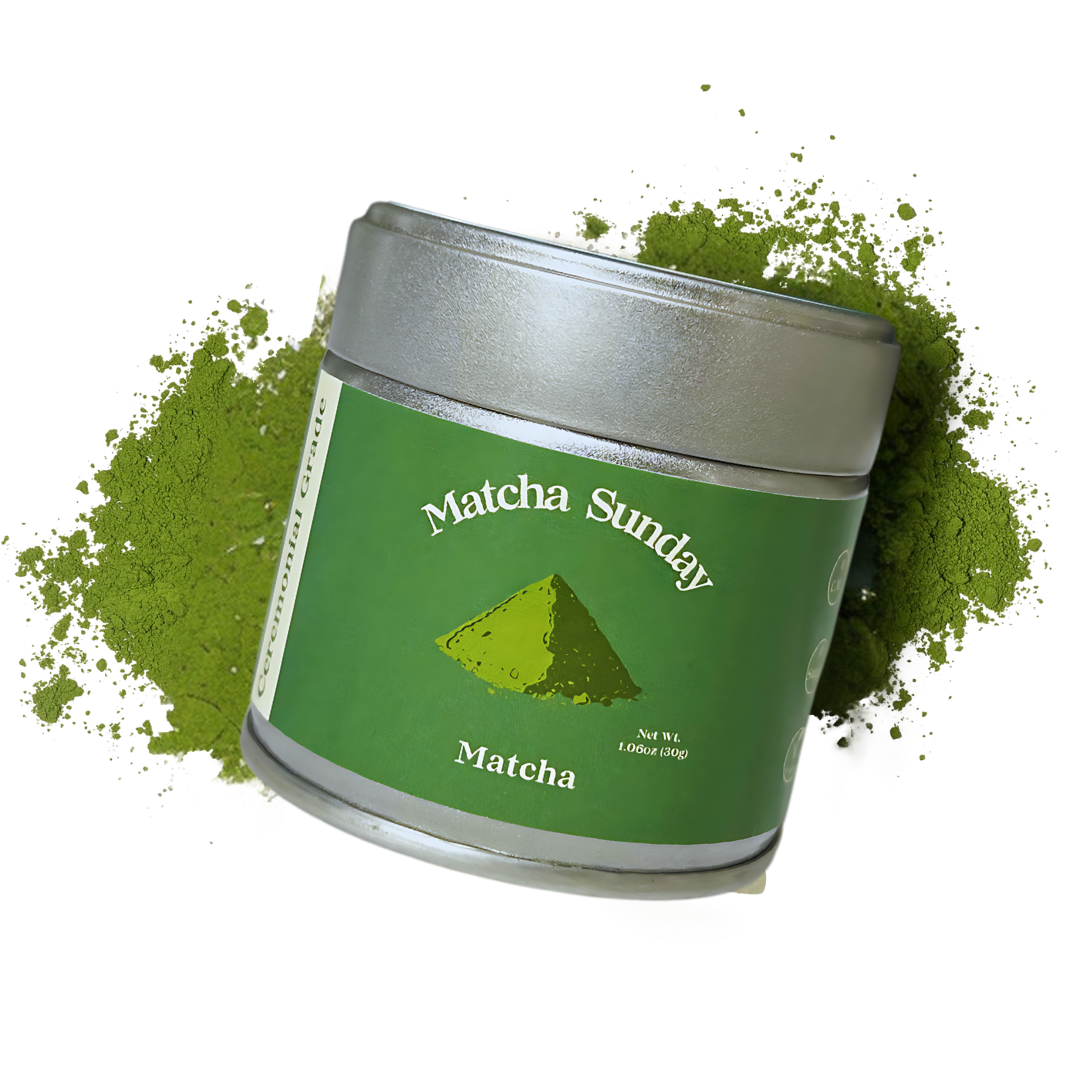
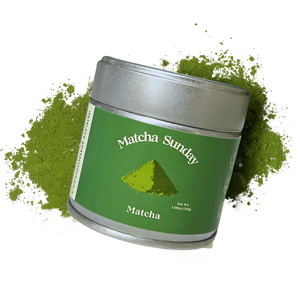
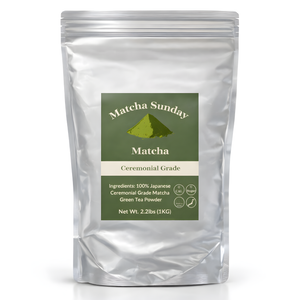
Use a vivid, ceremonial grade matcha from Japan. With no milk in the base, the matcha is fully visible through the coconut water, so its color and smoothness carry the whole glass. A bright green matcha with natural sweetness and umami tastes clean here, while a dull culinary grade can turn the drink khaki and bitter.
Freshness matters just as much. Matcha oxidizes after opening, fading from jade toward olive, so use a recently opened tin and store it sealed in the fridge. The 2 g dose here matches a standard iced matcha latte; if you like your drinks stronger, 3 g works well against 200 ml of coconut water. Our guide to matcha latte ratios breaks down how dose changes flavor across different bases.
How many calories and how much caffeine are in a coconut matcha cloud?
The finished glass lands at roughly 240 to 280 kcal with the full cloud, and it carries about 60 to 70 mg of caffeine, all from the 2 g of matcha. That caffeine is around two thirds of a typical 240 ml cup of brewed coffee, and matcha's natural L theanine tends to make it feel smoother and steadier, with less of a spike and crash.
The calories live mostly in the cloud. The matcha itself is nearly calorie free. Coconut water runs about 45 kcal per 240 ml, so the 200 ml here adds roughly 35 to 40 kcal from natural sugars. The whipped coconut cream is the rich element: coconut cream runs about 50 kcal per tablespoon, so the 4 tablespoon cloud contributes around 200 kcal, and 1 to 2 teaspoons of maple syrup add another 15 to 35 kcal. Skip the syrup and halve the cloud and you are closer to 140 kcal, which puts a lighter build in easy reach. Here is how the drink compares to its iced matcha cousins:
| Drink | Base liquid | Topping | Caffeine (2 g matcha) | Richness |
|---|---|---|---|---|
| Coconut matcha cloud | Coconut water | Whipped coconut cream | 60 to 70 mg | Light base, rich top |
| Iced matcha latte | Milk or oat milk | None | 60 to 70 mg | Creamy throughout |
| Matcha lemonade | Lemonade | None | 60 to 70 mg | Lightest and most tart |
| Cold brew matcha | Cold water | None | 60 to 70 mg | Lightest, pure matcha |
| Hojicha cloud | Coconut water | Whipped coconut cream | Roughly half of matcha | Roasty base, rich top |
If you want the creamy experience with milk instead, our iced matcha latte guide covers that build in the same cafe quality detail.
Can you make a coconut matcha cloud dairy free and sugar free?
The drink is naturally dairy free as written, since both the base and the cloud come from coconut. For a lower sugar version, simply leave out the maple syrup; coconut water carries enough natural sweetness that most people do not miss it, and good matcha brings its own gentle sweetness and umami.
Two honest notes for anyone tracking sugar closely. First, coconut water does contain natural sugars, so a strictly zero sugar version would swap it for plain cold water or an unsweetened coconut milk beverage, which changes the character of the drink. Second, some canned coconut creams include added sugar, so check the label and choose one where the ingredients are essentially coconut and water. With those two swaps you have a glass with no added sugar, no dairy, and nothing artificial.
What variations are worth trying?
- Make the base ahead: shake the matcha and water in the morning and keep it chilled, or use cold brew matcha as the green layer for an even smoother, mellower cup.
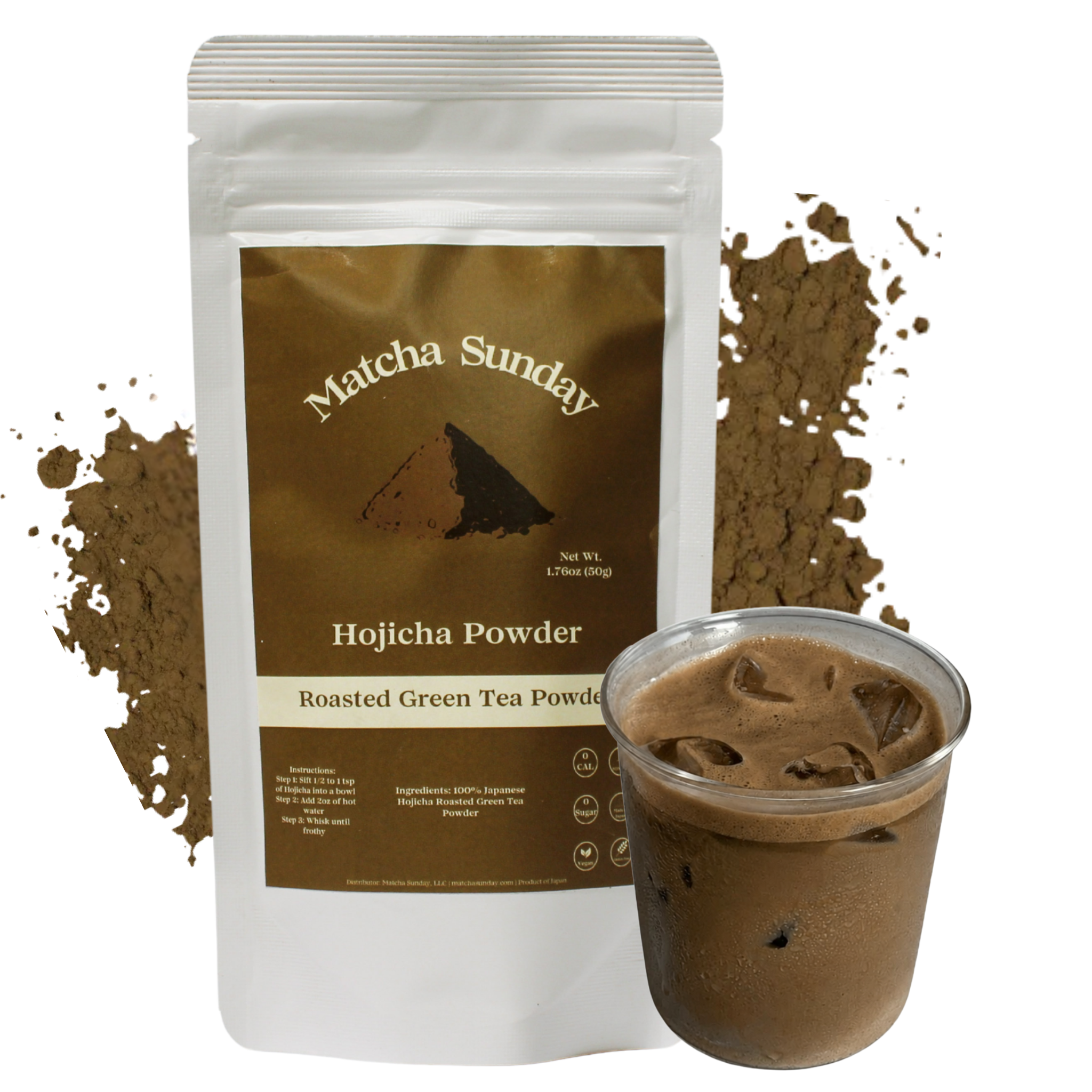
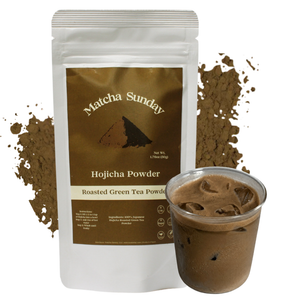
- Hojicha cloud: swap the matcha for hojicha powder for a roasty, caramel toned version. We drink matcha every morning and hojicha every evening, and this is our after dinner build; the gentler caffeine makes it an easy late day pour. Keep it iced in a clear glass; the toasty brown base under the white cloud is just as striking as the green.
- Salted coconut cloud: add a tiny pinch of sea salt to the cream before whipping. Salt sharpens both the coconut and the matcha and nudges the drink toward dessert.
- Extra hydrating version: after exercise, use the full 200 ml of coconut water, skip the syrup, and go light on the cloud for an electrolyte forward glass.
- Stronger green layer: bump the matcha to 3 g and shake with 80 ml of water for a bolder drink that stands up to a bigger cloud.
- Big ice matters: large cubes or spheres melt slower, so the layers stay distinct longer and the last sip is not watery.
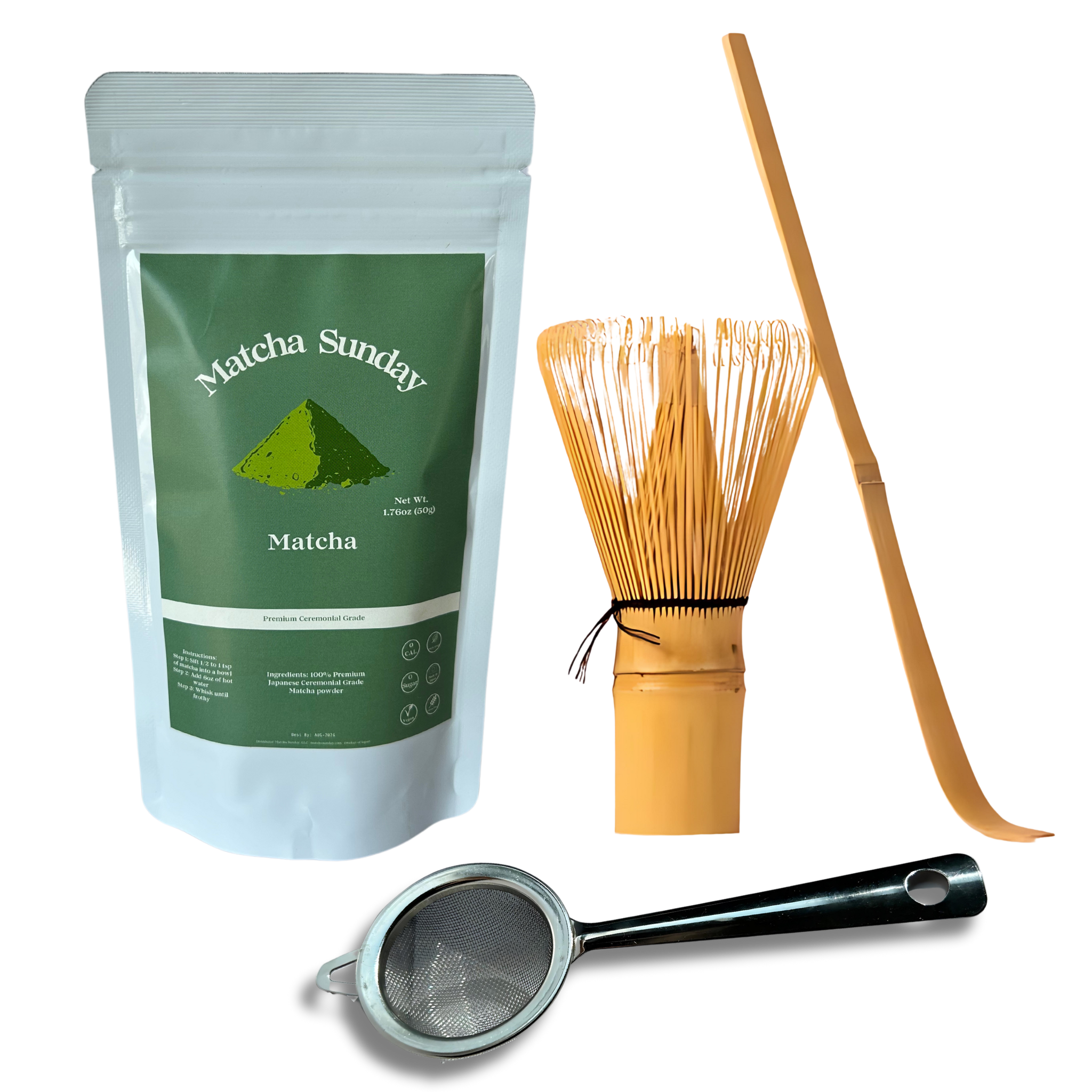
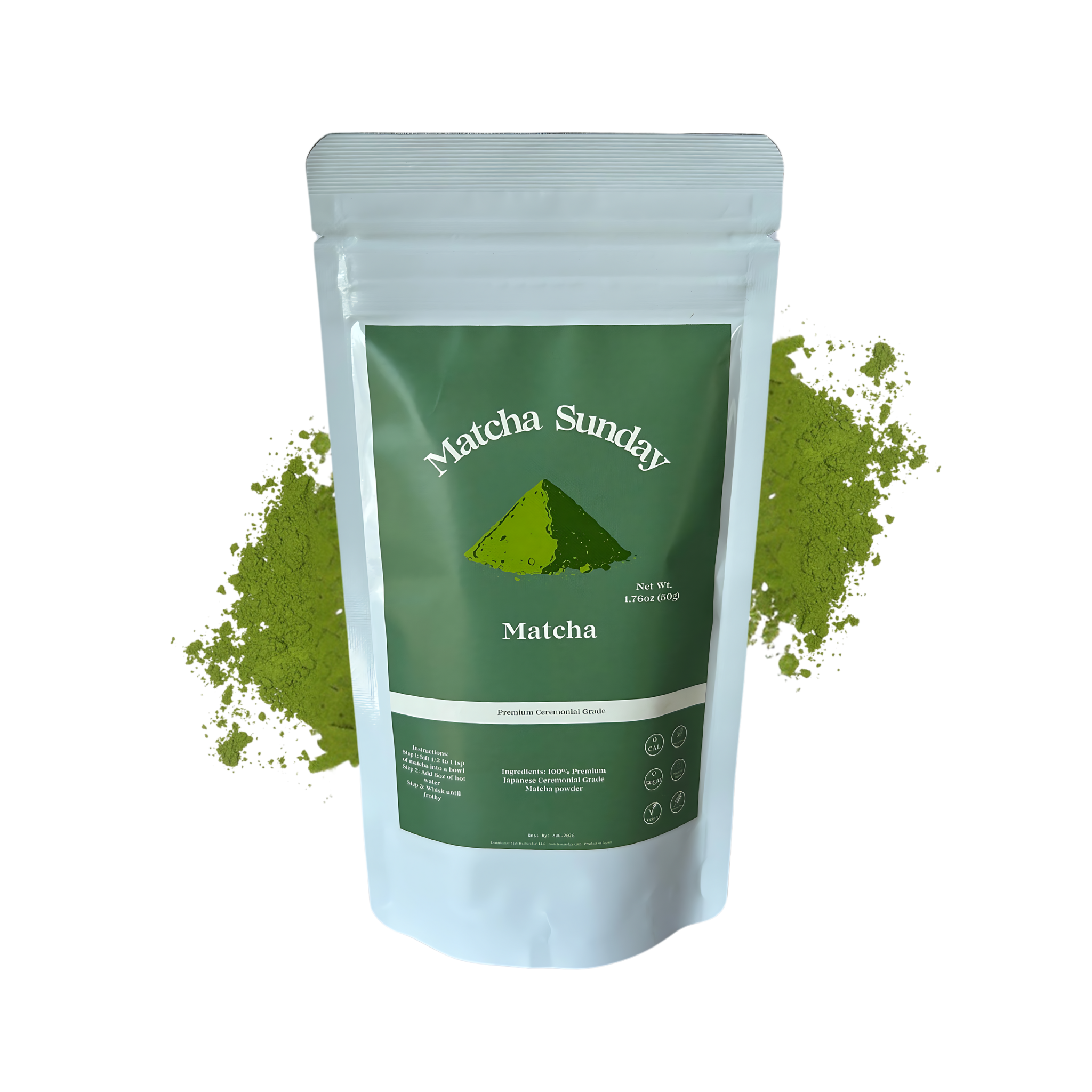
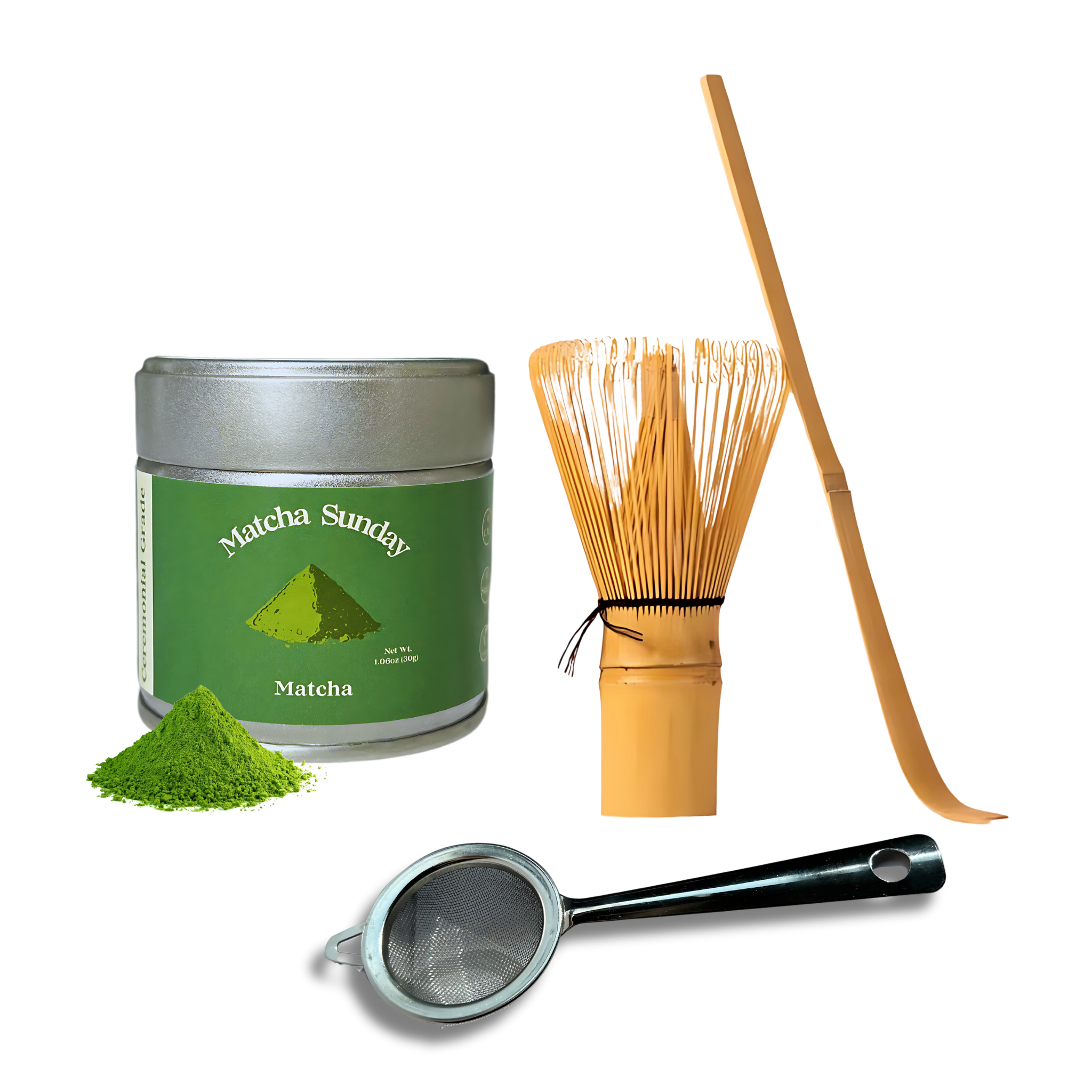
Start your matcha ritual
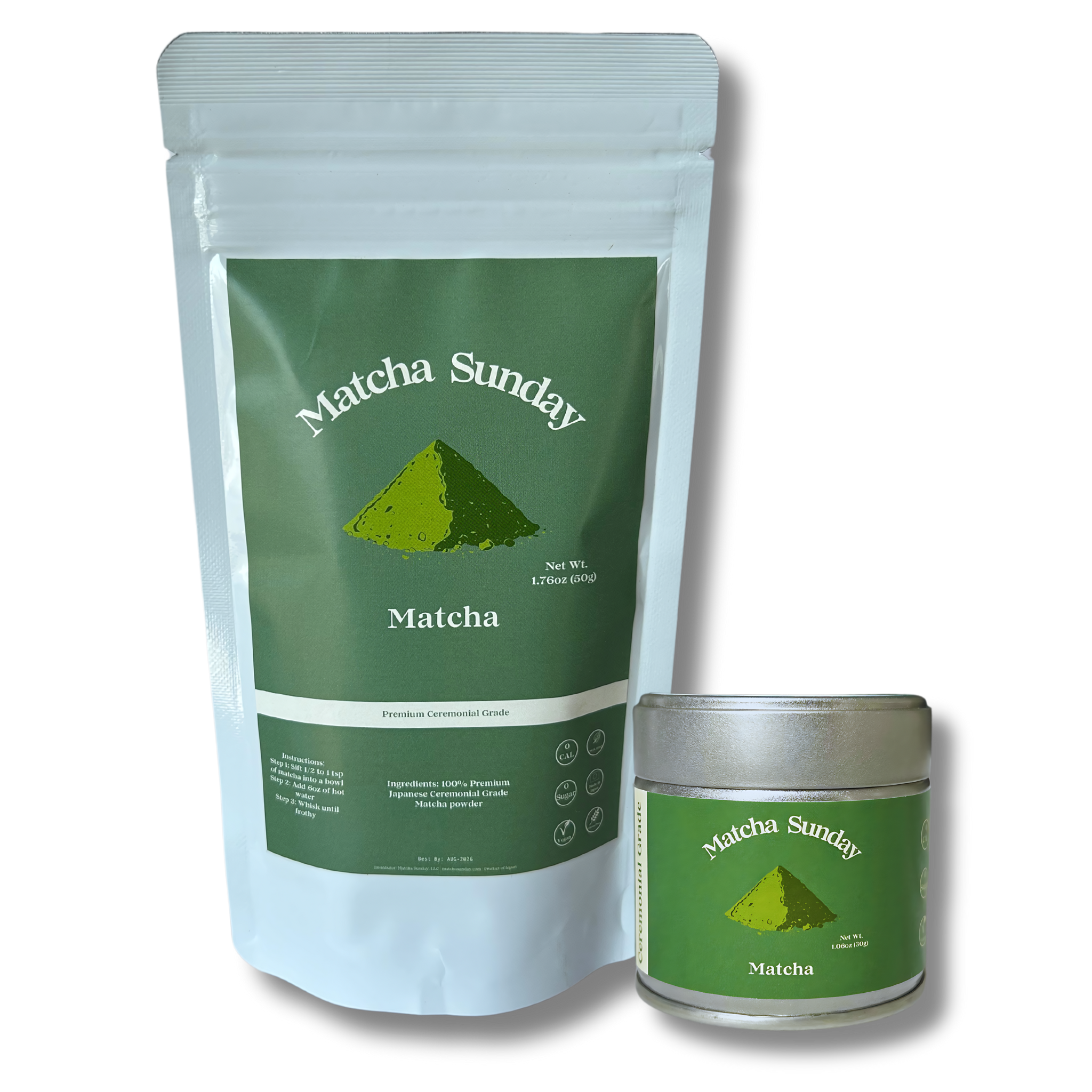
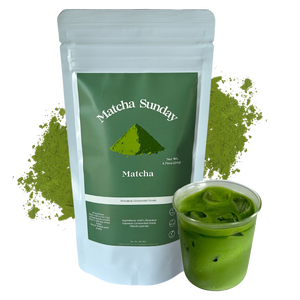
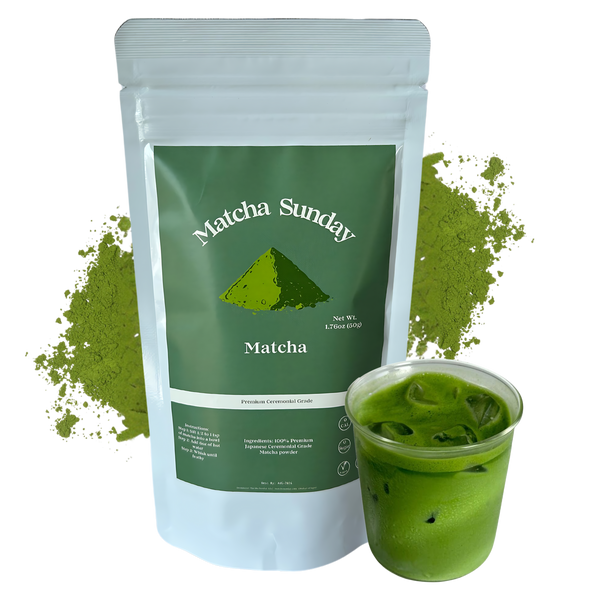
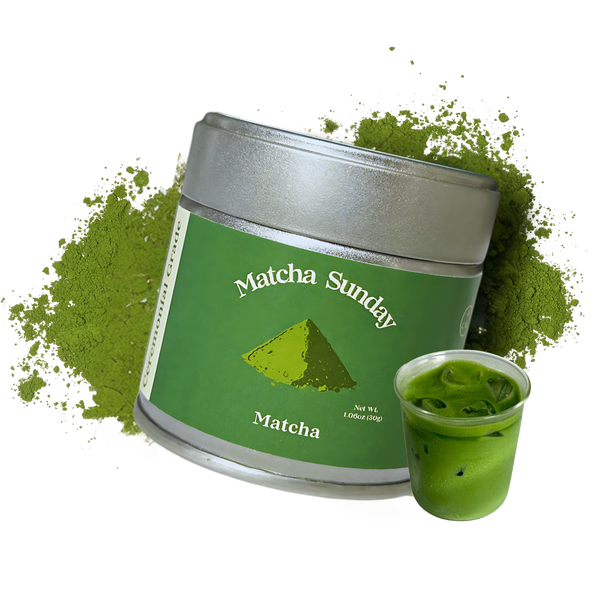
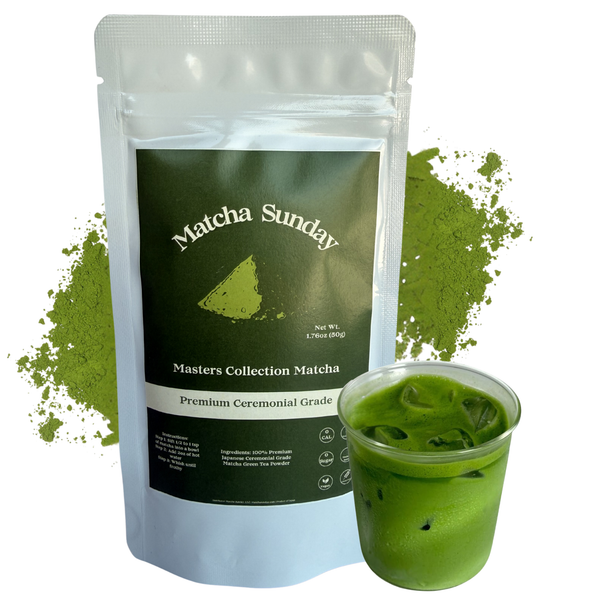
All 100% matcha from Japan. Pick the one that fits how you like to drink it.
Frequently asked questions
Can I make a coconut matcha cloud ahead of time?
Partly. Shake the matcha base in the morning and keep it sealed in the fridge for up to a day, and whip the cloud up to a few hours ahead. Assemble only when serving: pour the base over fresh ice and coconut water, give the cream a quick rewhisk, and spoon it on top.
Can I use coconut milk instead of coconut water?
Yes, but it becomes a different drink. Carton coconut milk makes a creamy iced coconut matcha latte rather than a light, layered cloud drink. For the signature look, keep coconut water as the base and save the rich coconut for the whipped cloud on top.
Is a coconut matcha cloud dairy free?
Yes, completely, as written. The base is coconut water and the cloud is whipped coconut cream, so there is no dairy anywhere in the glass. Just check your coconut cream label for added ingredients if you are avoiding refined sugar as well.
Why will my coconut cream not whip into a cloud?
Almost always temperature, fat, or stabilizers. Light coconut milk lacks the fat to trap air, unchilled cream stays liquid, and cans with polysorbate 60 tend to resist whipping. Use full fat coconut cream with a short ingredient list, chill overnight, scoop only the thick portion, and whip in a cold bowl.
How much caffeine is in a coconut matcha cloud?
About 60 to 70 mg, coming entirely from the 2 g of matcha, roughly two thirds of a standard cup of brewed coffee. Matcha also contains L theanine, which many people find gives a calmer, steadier lift without the sharp spike and crash.
Does the cloud technique work with hojicha instead of matcha?
Yes, beautifully. Shake 2 g of hojicha powder with cold water exactly as you would matcha, pour it over ice and coconut water, and top with the same whipped coconut cloud. Hojicha's roasted, caramel notes pair naturally with coconut, its caffeine is gentler, and the drink stays iced in a clear glass.